Tag Archives: Editor’s Pick

Date a Man Who Travels

Date a man who treasures experience over toys, a hand-woven bracelet over a Rolex. Date the man who scoffs when he hears the words, “vacation”, “all-inclusive”, or “resort”. Date a man who travels because he’s not blinded by a single goal but enlivened by many.

You might find him in an airport or at a book store browsing the travel guides – although he “only uses them for reference.”

736289010_692 You’ll know it’s him because when you peek at his computer screen, his background will be a scenic splendor of rolling hills, mountains, or prayer flags. His Facebook friend count will be over-the-roof, and his wall will be plastered with the broken English ‘miss-you’ of friends he met along the way. When he travels, he makes lifelong friends in an hour. And although contact with these friends is sporadic and may be far-between, his bonds are unmessable and if he wanted, he could couch surf the world… again.

Buy him a beer. Once a traveller gets home, people rarely listen to their stories. So listen to him. Allow him to paint a picture that brings you into his world. He might talk fast and miss small details because he’s so excited to be heard. Bask in his enthusiasm. Want it for yourself.

He’ll squeak like an excited toddler when his latest issue of National Geographic arrives in the mail. Then he’ll grow quiet, engrossed, until he finishes his analysis of every photo, every adventure. In his mind, he’ll insert himself in these pictures. He’ll pass the issue on to you and grill you about your dreams and competitively ask about the craziest thing you’ve ever done. Tell him. And know that he’ll probably win. And if by chance you win, know that his next lot in life will be to out do you. But then he’ll say, “Maybe we can do it together.”
600-00948082

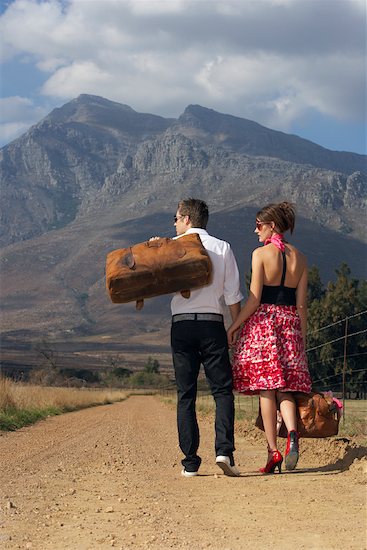
Date the man who talks of distant places and whose hands have explored the stone relics of ancient civilizations and whose mind has imagined those hands carving, chiseling, painting the wonders of the world. And when he talks, it’s as if he’s reliving it with you. You can almost hear his heart racing. You can almost feel the adrenaline ramped up by the moment. You feel it passing through his synapses, a feast to his eyes entering through those tiny oracles of experience that we call pupils, digesting rapidly through his veins, manifesting into his nervous system, transforming and altering his worldview like a reverse trauma and finally passing, but forever changing the colors of his sight. (Unless he’s Karl Pilkington.) You will want this too.

Date a man who’s lived out of a backpack because he lives happily with less. A man who’s travelled has seen poverty and dined with those who live in small shanty’s with no running water, and yet welcome strangers with greater hospitality than the rich. And because he’s seen this, he’s seen how a life without luxury can mean a life fueled by relationships and family, rather than a life that fuels fancy cars and ego. He’s experienced different ways of being, respects alternative religions and he looks at the world with the eyes of a five-year-old, curious and hungry. Your dad will be happy too because he’s good with money and knows how to budget.

This man relishes home; the comfort of a duvet, the safety stirred in a mom-cooked meal, the easy conversation of childhood friends, and the immaculate glory of the flush-toilet. Although fiercely independent, he has had time to reflect on himself and his relationships. Despite his wanderlust, he knows and appreciates his ties to home. He has had a chance to miss and be missed. Because of this, he also knows a thing or two about goodbyes. He knows the overwhelming uncertainty of leaving the comforts of home, the indefinite see-you-laters at the departure gates, and yet he fearlessly goes into the unknown because he knows the feeling of return. And that the I’ve-missed-you-hug is the best type of hug in the whole world. He also knows that goodbyes are just prolonged see-you-laters and that ‘hello’ is only as far away as the nearest internet cafe.

dateaman1

Don’t hold onto this man. Let this man go and go with him. If you haven’t travelled, he will open your eyes to a world beyond the news and popular perception. He will open your dreams to possibility and reality. He will calm your nerves when you’re about to miss a flight or when your rental blows a flat, because he knows the journey is the adventure. He will make light of the unsavory noises you make when you – and you will – get food poisoning. He will make you laugh through the discomfort all while dabbing your forehead with a cold cloth and nursing you with bottled water. He will make you feel like you’re home.

When you see something beautiful, he will hold your hand in silence, in awe the history of where his feet stand, and the fact that you’re with him.

He will live in every moment with you, because this is how he lives his life.
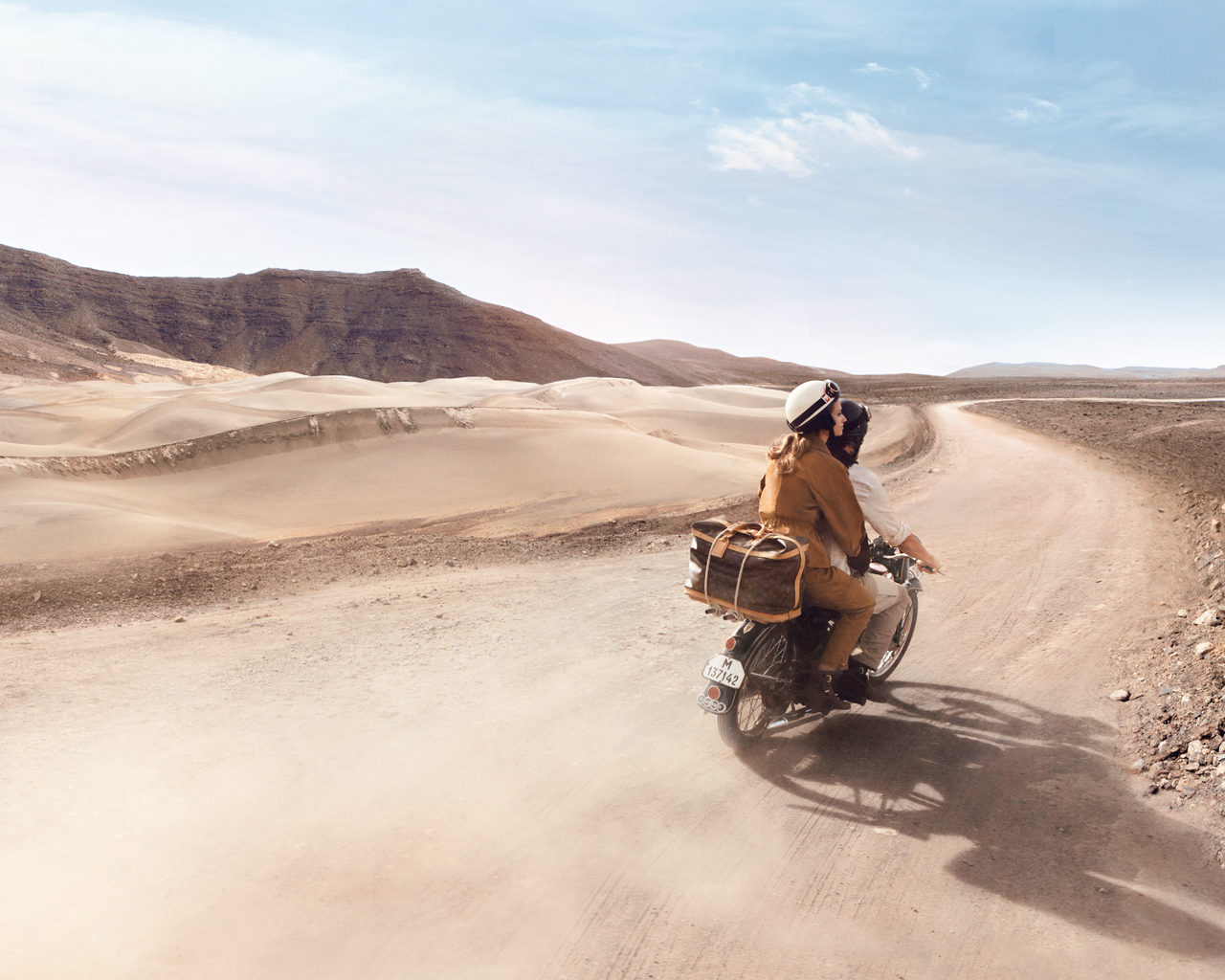
CoWo_Louis_Vuitton_Histoires_2_OTH

He understands that happiness is no more than a string of moments that displace neutrality, and he is determined to tie as many of these strings together as he can. He also understands your need to live for yourself and that you have a bucketlist of your own. Understand his. Understand that your goals may at some points differ, but that independence is the cornerstone of a healthy relationship when it’s mutually respected. You may lose him for a bit, but he will always come home bearing a new story and a souvenir he picked up because it reminded him of you, like it was made for you, and because he missed you. You might be compelled to do the same. Make sure that independence is on your bucketlist, and make sure it’s checked. Independence will keep your relationship fresh and exciting, and when you’re together again it will forge a bond of unbreakable trust.

He’ll propose when you’ve breached your comfort-zone, whether it be a fear like skydiving or swimming with sharks, or sitting next to the smelly person on an overcrowded bus. It won’t be with a diamond ring, but with a token from a native culture or inspired by nature, like the penguin and the pebble.

You will get married somewhere unassumed, surrounded by a select few, in a moment constructed to celebrate venturing into the unknown together again. Marry the man who’s travelled and together you will make the whole world your home. Your honeymoon will not be forgotten to a buffet dinner and all-you-can-drink beach bars, but will be remembered in the triumphant photographs at the top of Kilimanjaro and memorialized in the rewarding ache of muscles at the end of a long days hike.

shutterstock_131246318

When you’re ready, you will have children that have the names of the characters you met on your journeys, the foreign names of people who dug a special place in your heart if only for a few days. Perhaps you will live in another country, and your children will learn of language and customs that open their minds from the very start, leaving no room for prejudice. He will introduce them to the life of Hemingway, the journey of Santiago, and empower them to live even bigger than both of you.

Marry a man who travels and he’ll teach your children the beauty of a single stone, the history of the Incas and he will instill in them the bravery of possibility. He will explain to them that masking opportunity, there is fear. He will teach them to concur it.

And when you’re old, you’ll sit with your grandchildren pouring over your photo albums and chest of worldly treasures, while they too insert themselves into your photographs, sparked by the beauty of the world and inspired by your life in it.

Find a man who travels because you deserve a life of adventure and possibility. You deserve to live light and embrace simplicity. You deserve to look at life through the eyes of youth and with your arms wide open. Because this is where you will find joy. And better, you will find joy together.

And if you can’t find him, travel. Go. Embrace it. Explore the world for yourself because dreams are the stuff reality is made from.

I will be waiting right here.

(source: Ramon Stoppelenburg)

Poverty’s Poster Child: Why slum tourism is causing more harm than good to Kibera residents

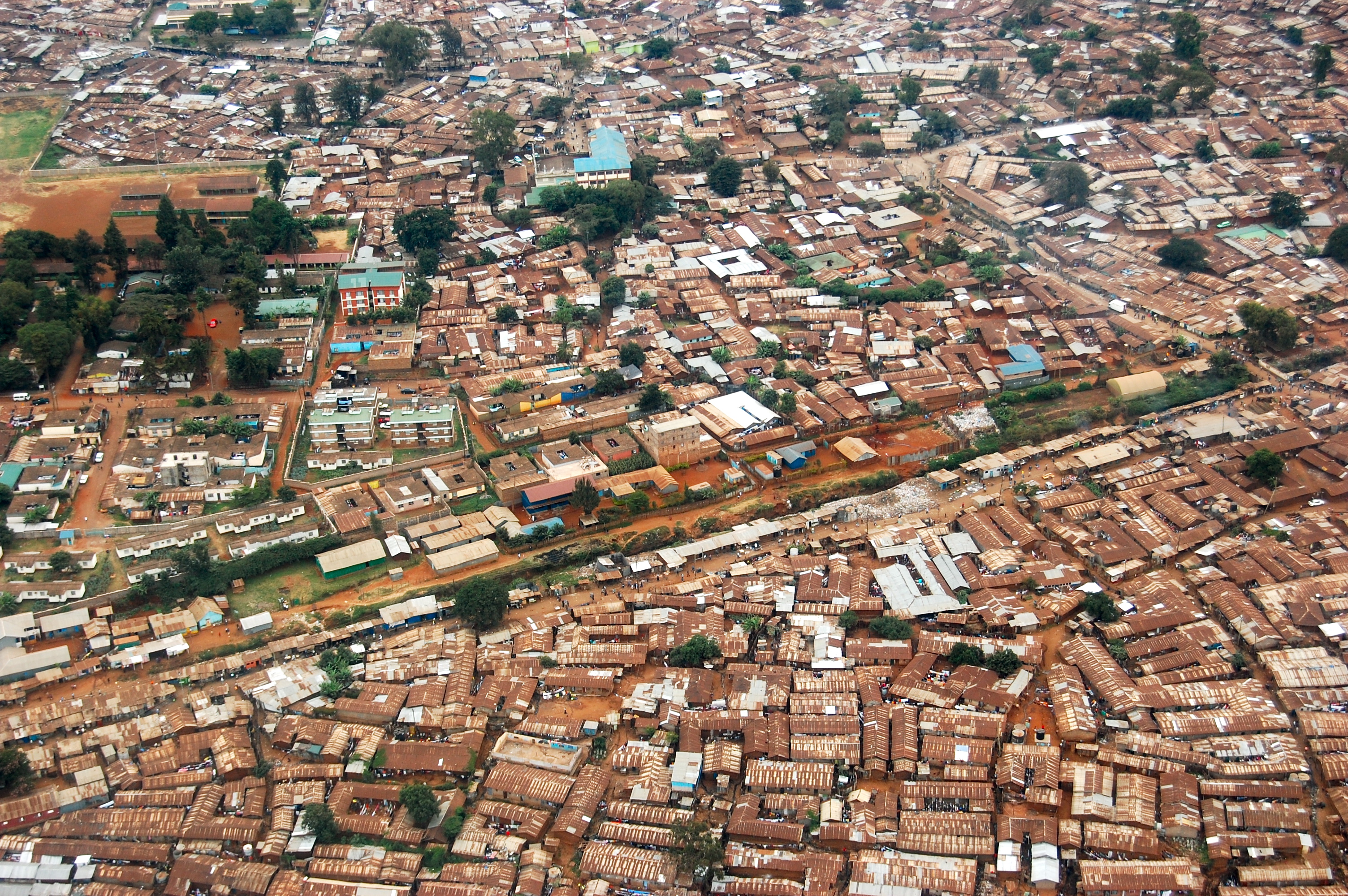
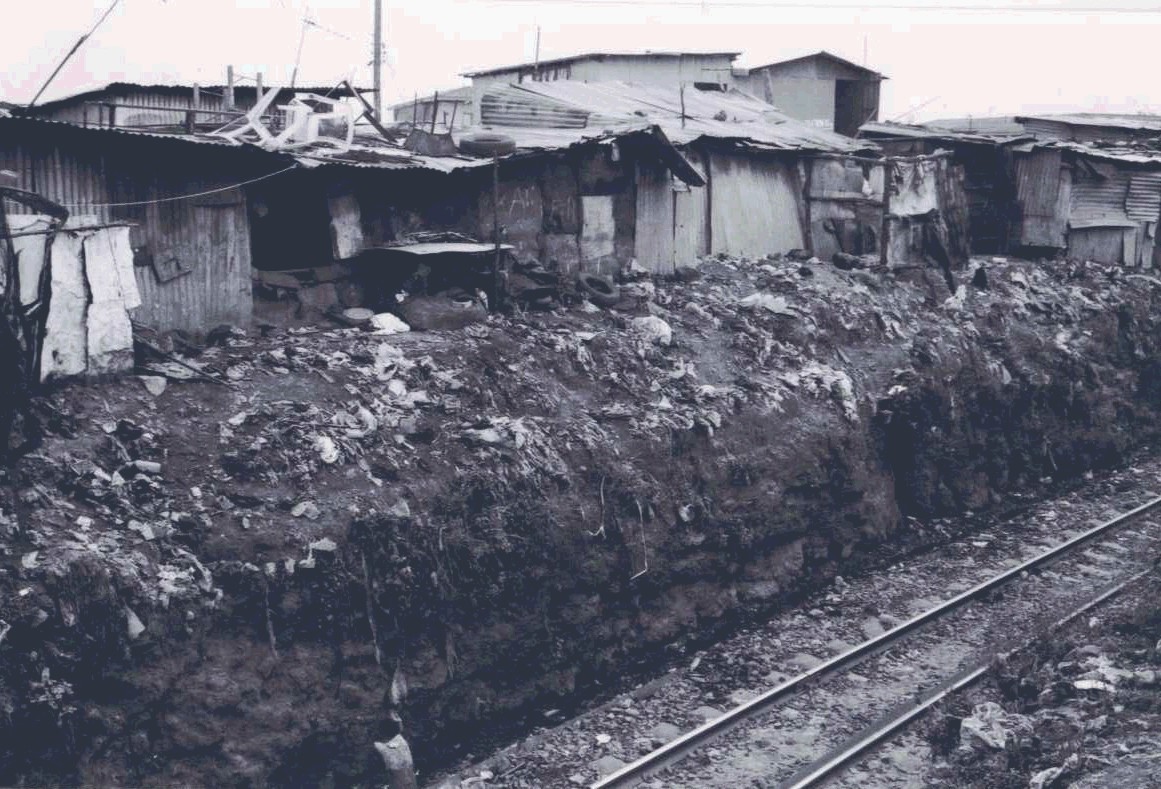
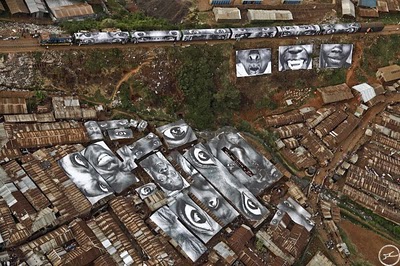
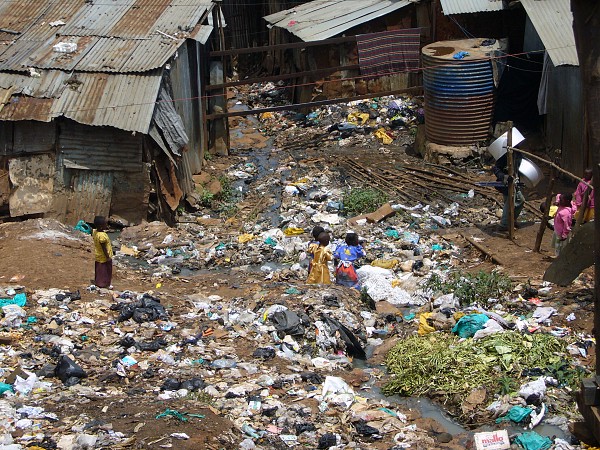
Poorism, ‘Slumming it‘, slum tourism or however you prefer to call it is a phenomenon that has rapidly emerged in the Kenyan tourism sector albeit controversially so, having sparked numerous debates – not only in Kenya but the world over – bordering on whether the tours are exploratory or plain exploitative. Prior to some high-profile obligatory visits, (U.N. Secretary General – Ban Ki-moon, Chris Rock, then-Senator Barack Obama, former United States Secretary of State – Hillary Clinton and former Prime Minister of the United Kingdom – Gordon Brown) itineraries to the ‘chocolate city’ (Kibera’s alias) were simply unheard of.

DSC_0012_2

b&w kibera sewer railway

Many can also argue that aside from the high-profile visits, showbiz has had a bigger hand in the promotion of slum tours whether intentional or not; with the release of big films like Kibera Kid, The Constant Gardener (brought a wave of tourists to Kibera), City of God (increased tourism in Rio) and the biggest one yet, Slumdog Millionaire (The award-winning movie recorded a phenomenal increase in the level of poverty tourism popularity in the world). The films go a long way in showcasing not only the poverty in shantytowns, but that these areas can also provide for excitement and thrill in terms of cultural vibrancy, drama, vices and lots more calling for exploration.

Constant-GardnerA scene from the Constant Gardener

splash

Today, the prominence of poorism has seen a number of slum tour outfits offering tailor-made tours to slum areas within the capital crop up (not without opposition off course); with the most popular slum destination being Kibera as it is the largest in the country. Those set against the entire slum-tour practice (many of whom are slum residents) and with supposed good reason, argue that it is not at all beneficial to the community and see no significance in its existence. What slum tourism does instead, as per their belief is invade the residents’ privacy and have them treated like park animals, which is insulting.

28mm_women_kiberia_trainaction_2 Many abhor the fact that slum residents, who play into the whole equation as mere commodity guaranteeing profit for the tour operators, have no say in the organization of these trips. Nobody seeks out their thoughts or perspectives when planning what activities can or cannot be carried out nor do they get to decide what areas the tourists can or cannot see. This feeling is not only restricted to Kibera though; the same is echoed in regard to the favela tours in Rio de Janeiro and Dharavi tours in India where organizers of the tours are labelled as parasites leeching off of the plight of the poor.

Nairobi-slums

w430.68de7

According to Cejas 2006, this sort of tourism turns poverty into entertainment more so like ‘reality television’ whereby the tour operators, like television producers, can essentially write a script for tour guides on what is said – who is hero, who is villain, and what areas should be highlighted.

“They see us like puppets, they want to come and take pictures, have a little walk, tell their friends they’ve been to the worst slum in Africa,”David Kabala – Kibera resident.

On the other end of the argument however, proprietors of these ‘pity tours’ are seemingly convinced that tourists on an adventure, snaking along narrow mud-ridden alleys fascinated by the novelty of capturing images of the newest spectacle in tourism ‘the bipedal slum wildlife’, while sampling the varied tastes that poverty and slum life has to offer; lack of sanitation, water shortages, lack of access to education, health hazards and diseases, sale of illicit alcoholic brews, HIV/AIDS amongst many others is not a mockery to the slum residents’ situation, au contraire.

aa0518b21b29e6fd15b442ba33f084b9e465cf83

Aside from being good money off course, slum tourism from the tour operators’ view is a form of promoting social and cultural awareness; a tool that aids tourists get more accustomed to what being a slum dweller really means and to better grasp the issues and challenges that slum residents have to tackle in everyday living. The generated income from the slum tours supposedly makes its way back to the community to help support schools, children’s homes, art centres and many more but in many occasions; this is sadly not the case as much of the cash registered is pocketed by the slum-tour outfits. This very common scenario is arguably the main reason behind most of the residents’ stand in opposing slum tourism as aside from enriching the tour operators, it simply does nothing for them.

02Now granted that most of the individuals paying for these tours on a whim may genuinely want to understand how shantytown life may be, – not that it is advocated that one enthusiastically sets out on an adventure capturing images of individuals without their consent in the name of understanding poverty – a two to three-hour visit no matter how well-intentioned you may be would do nothing to help one nearly comprehend the slum situation, not in the least bit. Perhaps those that truly seek to understand slum life should dive all in and literary walk in the residents’ shoes; do away with the one-way street affair that is a few hours slum tours and say hello to home-stays within the slums areas. That way, the visitor gets to experience first-hand the situation on the ground without relying on stories and on the other hand, host families get to put food on the table by actually getting profits from the trips.

kenya_kibera_JR

In all honesty though, in spite of the organizers’ high expectations that the experience may lead the tourists into action, how many of these tourists actually do something about what they see during their slum tours after they get back home? it all seems to be a lip service affair Just as is the case with many of the dignitaries.

kibera-reduced-map-2-screenshot_204258kibera-red-18-projects-blue-3105-stories-wider

An example of endeavors to understanding the depth of poverty associated problems that many Kenyans grapple with in the slums brings up Famous, rich and in the slums. For those who might not have watched it, Famous rich and in the slums is a two-part documentary series  that follows four British celebs – comedian Lenny Henry, TV host and journalist Angela Rippon, actress Samantha Womack, TV and radio star Reggie Yates – into the slums of Kibera away from their privileged lives, as they fully immerse themselves in slum culture for one week and undergo an emotional, life-changing encounter, forming deep bonds with people living with a range of devastating issues all too common in Kibera . Stripped of all their possessions, and with just Ksh200 to start them off, the four had to eat, breathe and work every aspect of slum life for the seven days. How did they cope in their new environment? living by themselves in the first few days and having to work tough jobs to survive, Lenny, Angela, Samantha and Reggie discover just how harsh the realities of poverty are.

Kibera

This documentary was filmed as part of the annual BBC Comic Relief charity telethon – Red nose day, an event that saw over £70 Million (£74,360,207) raised that year to help change lives of extremely vulnerable and disadvantaged people across the UK and Africa (including the ones featured in the film). Aside from being emotionally hard-hitting, the documentary unlike many others, gives a voice to the slum dwellers as they share their stories as well as homes with the four personalities. This is a side of Kibera that we rarely get to see in the media, we see resilient individuals who despite hardship and abject poverty have not stopped hoping and work extra hard for a better future. Although some may argue that this is all a ploy for ratings, one cannot deny the impact that this experience had on the lives of the residents that the four personalities engaged with, even if just in a little way. Comic relief continues to make an impact on people’s lives both by raising funds and raising awareness about just how life can be for those on the opposite end. Another similar feature from comic relief is Famous, rich and homeless a documentary that unveils the realities of living in the streets of London.

That being said, it’s about time Kibera stopped being Kenya’s poverty poster child. Despite the inescapable poverty and hard living conditions, Kibera is teaming with so much life, energy, community and promise; with so much talent yet to be harnessed. Kibera needs land/tenancy rights, housing, water, electricity, health clinics, education, employment, security plus much more; issues that are being addressed to a lesser or greater extent by many organizations including Churches, UN-Habitat, MSF, AMREF and many others, with funding coming from organizations such as Gates Foundation, Bill Clinton Foundation, and other well-known charities both local and international. The major question here though is where does the government fall in this picture? why should Kenyan citizens have to rely on outsiders to do something for them when the very people they elect sit by and watch them suffer?

kibera_5_600

In essence though, we all should be on the forefront of alleviating the rich-poor divide in the country. The much-needed efforts of willing and compassionate people would definitely go a long way in extracting  the “me vs the poor” attitude.

“Overcoming poverty is not a task of charity, it is an act of justice. Like slavery and apartheid, poverty is not natural, it is man-made and it can be overcome and eradicated by the actions of human beings” Nelson Mandela.

Nairobi; Green city in the sun

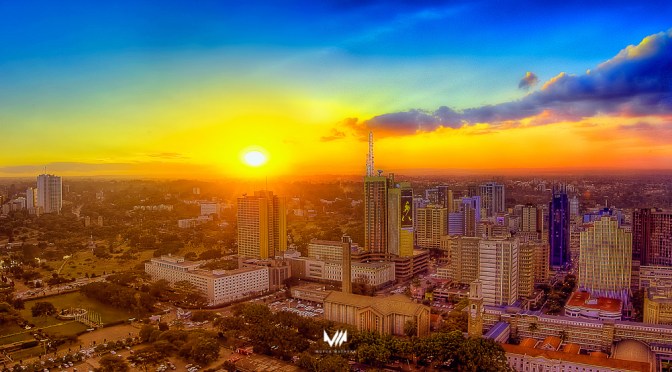
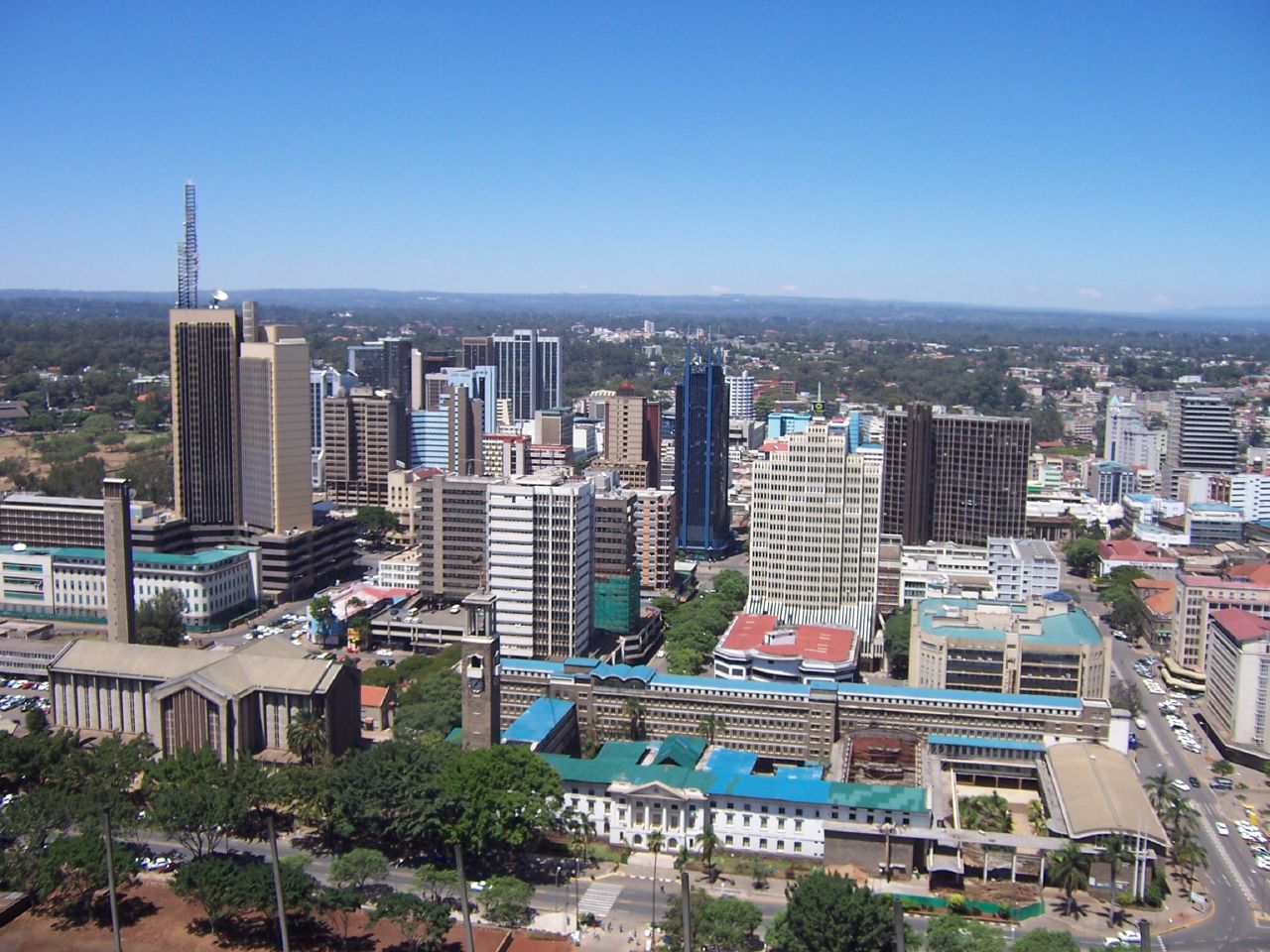
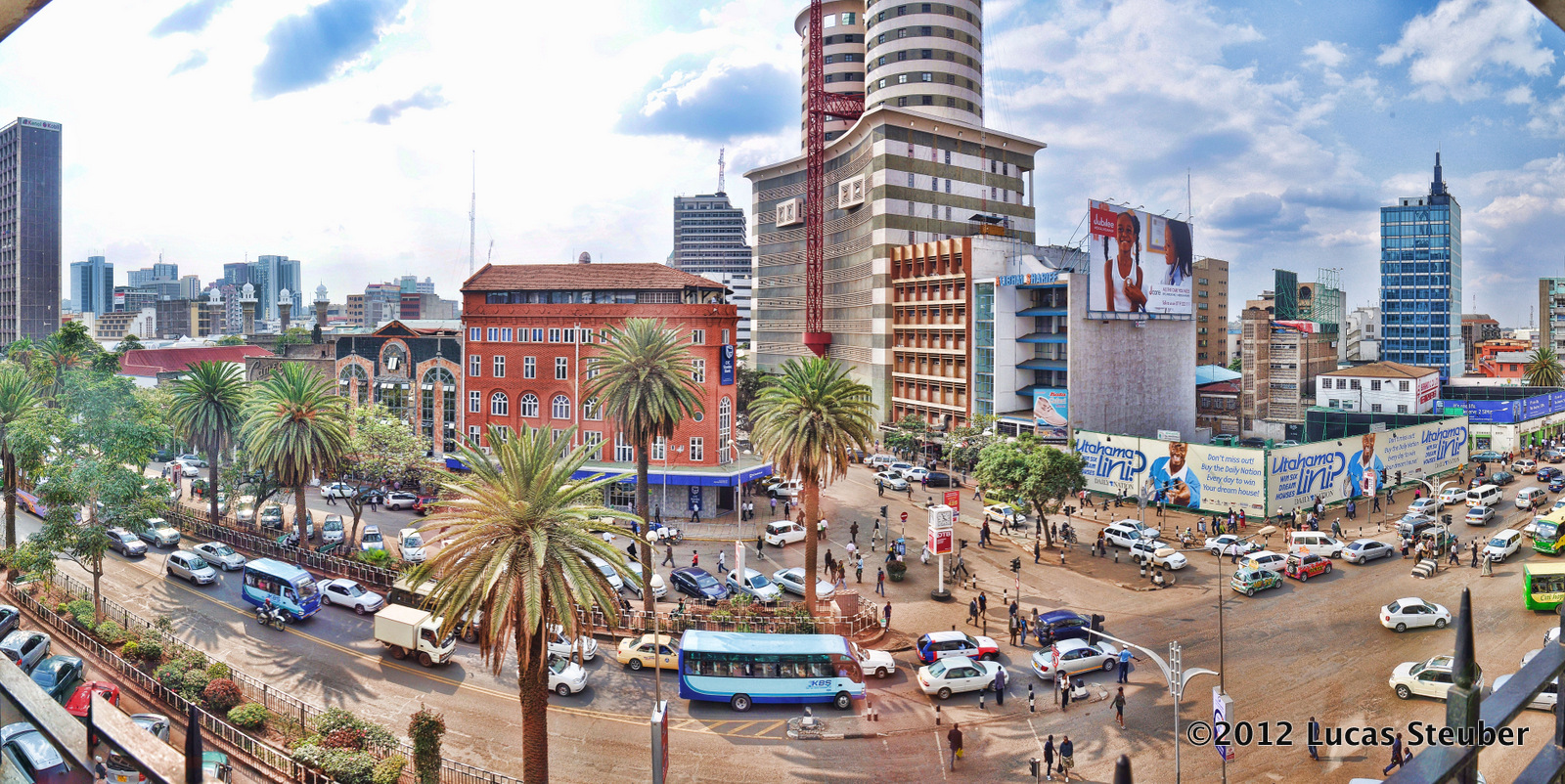
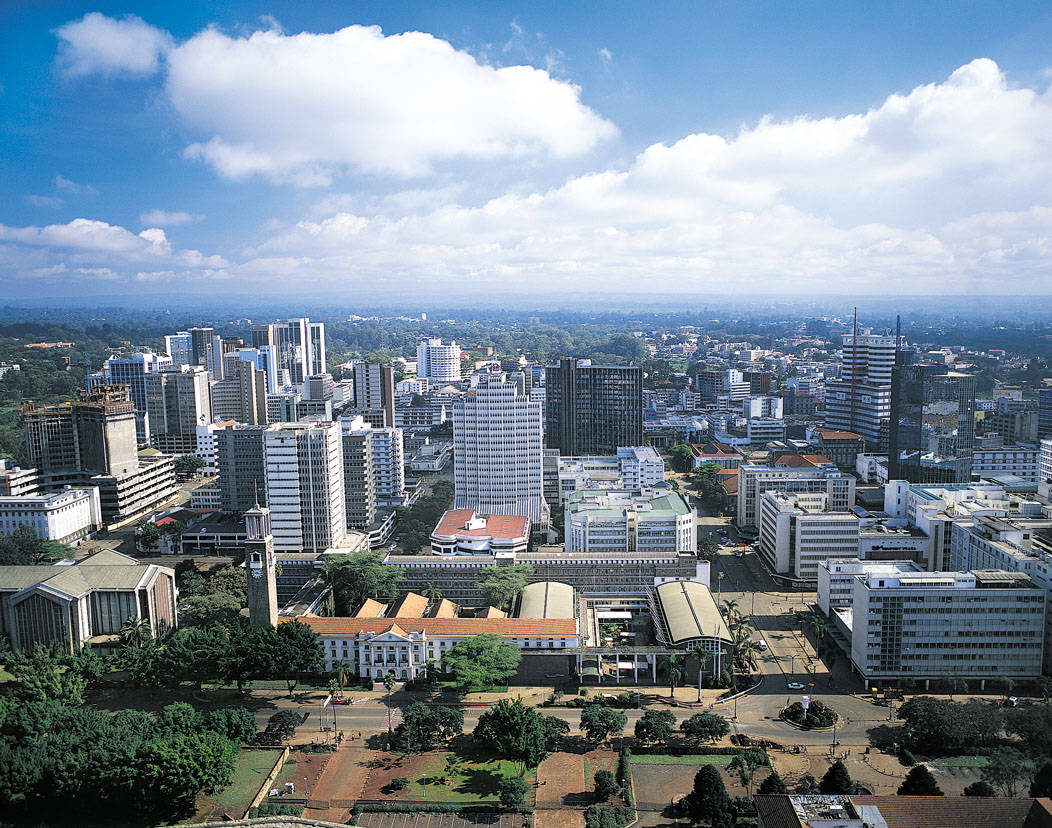
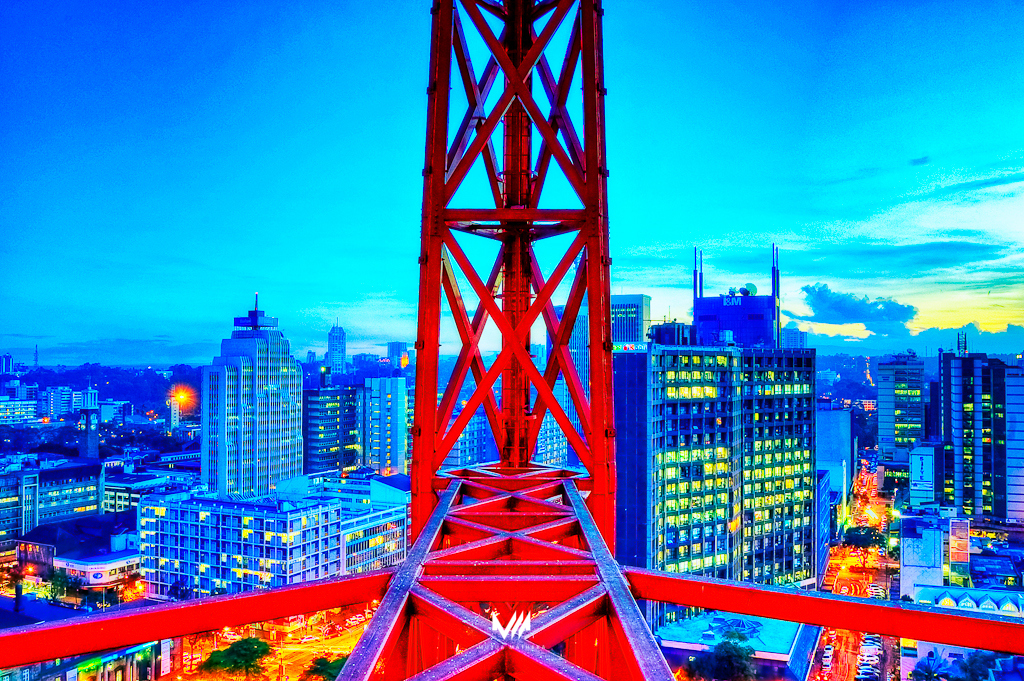
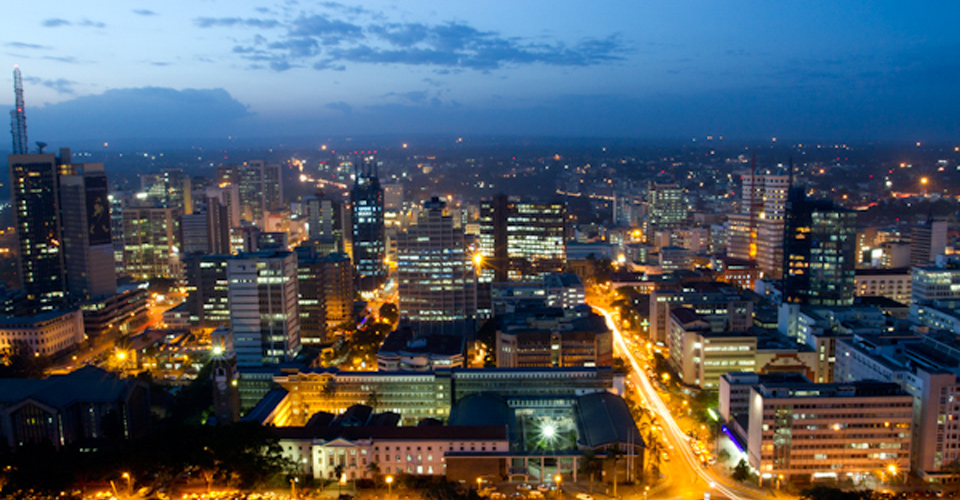
A place of cool waters, they called this place; Ewaso Nai’beri  is the name the local Maasai gave to what we now call Nairobi. It started out as Mile 327, a basic camp for construction workers back in the railway days slowly upgrading to a rustic village, a shanty town capital of all British East Africa and now a big city, one of Africa’s largest as a matter of fact. Nairobi, Kenya’s Capital, is a hive of activities; Here is where people of all tribes, race and origin assemble in search of the good life where hustle and bustle is the order of the day. It is in fact the economical hub for the East and Central African regions. Contrary to Nairobi being a big economical hub, it is also home to the largest slum in Africa and poverty is a major problem here due to unemployment. Population here therefore comes from both ends of the spectrum.

4223104103_95d1d42fe9_b

nairobi

nairobi-04

Nairobi is however not all business, Visitors here can get treated to a variety of interesting places to explore being home to museums, historical sites, monuments and a booming night life for those who fancy a little partying. Wildlife lovers can also get to sample a taste of what awaits them in the Kenyan wild before setting off on safari as Nairobi goes in the books as the only city in the world that boasts a natural national park teaming with wildlife right on its doorstep. Here travel enthusiasts can explore the various ecosystems that await them in the wild as well as different species of wildlife including, herds of Zebra, Wildebeest, Buffalo, Giraffe,  Rhino, Cheetah,  a large number of Lions and many more.

park-Nairobi

nairobi-11

another-night-in-the-city

OLYMPUS DIGITAL CAMERA

Nairobi being the capital, is the arrival point for many visitors. There are two airports in the city; Jomo Kenyatta International (handles international and domestic flights) and Wilson airport ( handles chartered domestic flights). The main mode of transport around the city is by matatu (mini-bus) and buses. Taxis are also widely accessible and are parked at convenient locations around hotels and tourist areas. Public transport is marked with a yellow line on each side.

City_centre

nairobi_city_night-1

nairobi-nights_mutua-matheka_k

802074.TIF

Must do in Nairobi

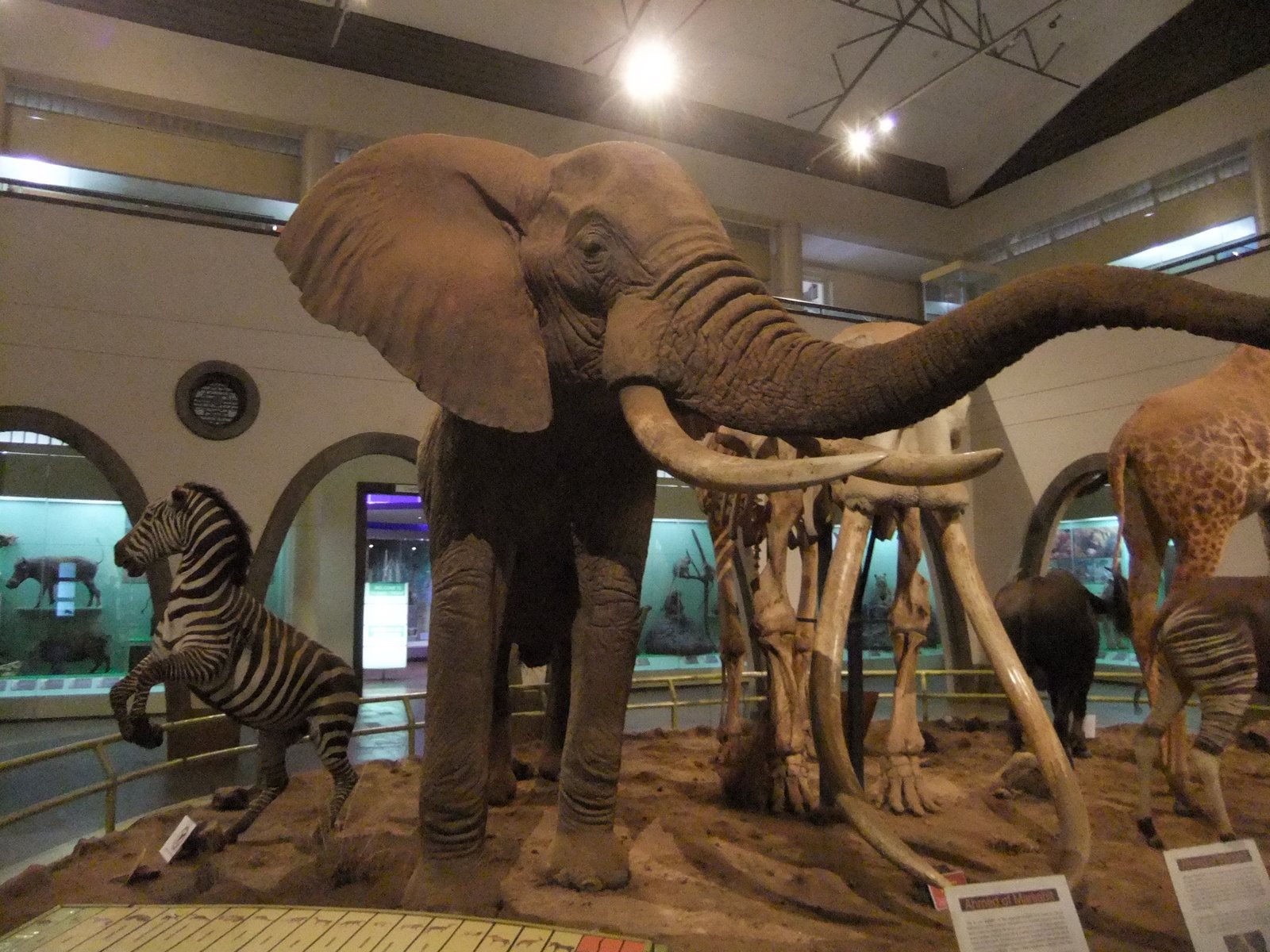
  • Nairobi National Museum

The country’s National Museum and largest in the city, it houses a large collection of artifacts portraying Kenya’s rich heritage through history, nature, culture, and contemporary art. It also includes the full remains of a homo – erectus popularly known as the Turkana boy. Other prominent museums include the Nairobi Gallery, Nairobi Railway Museum, and the Karen Blixen Museum located in the affluent Karen suburb.

2881955550_350b1723de DSCF0837

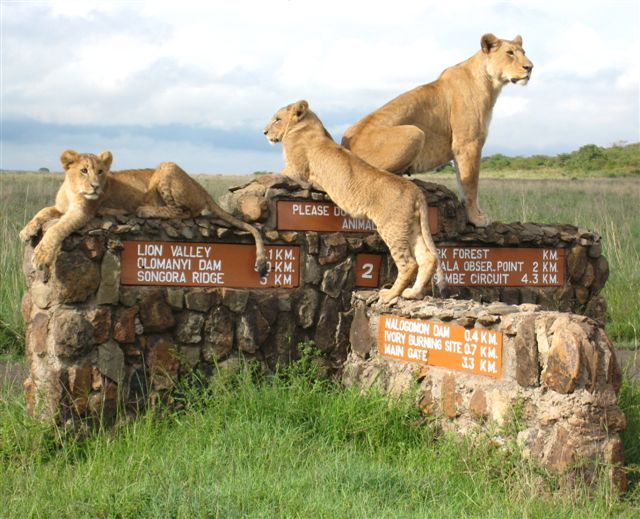
  • Nairobi National Park

The city boasts of it’s very own national game park where lions and buffalo’s roam free! It is located just moments away from the city center and is one of the best Nairobi attractions.

nai nairobi-park

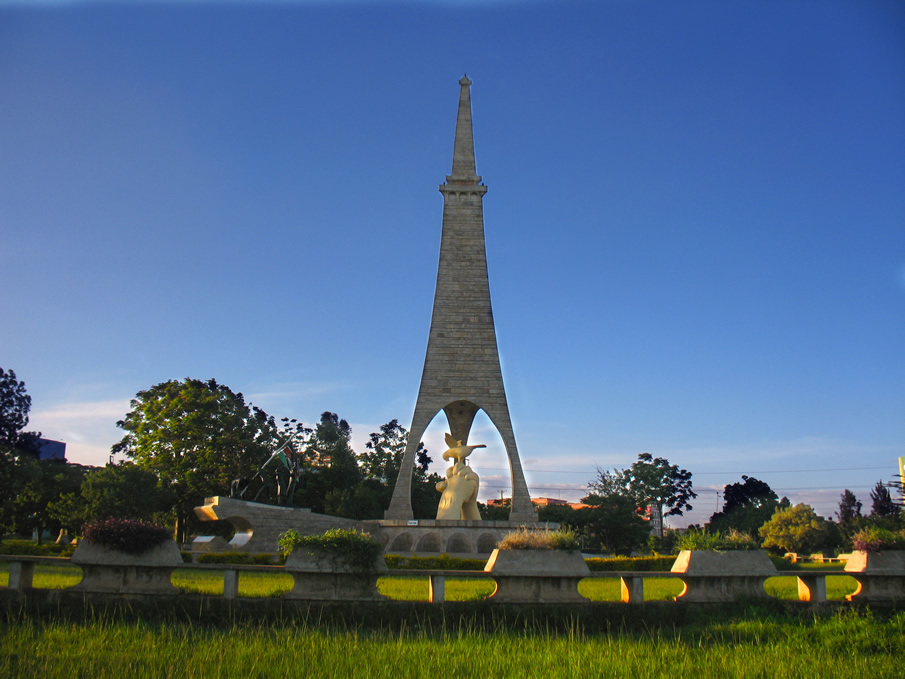
  • Uhuru Gardens

Uhuru Gardens, a national monument and the largest memorial park in Kenya, is also the place where the first Kenyan flag was raised at independence. It is located along Lang’ata road near the Wilson Airport.

image21

  • Ice skating

Nairobi is home to the largest ice rink in Africa: the Solar Ice Rink at the Panari Hotel’s Sky Centre. The rink, opened in 2005, covers 15,000 square feet (1,400 m2) and can accommodate 200 people. You are bound to have loads of fun here with a group of friends.

home_img12

  • Shopping

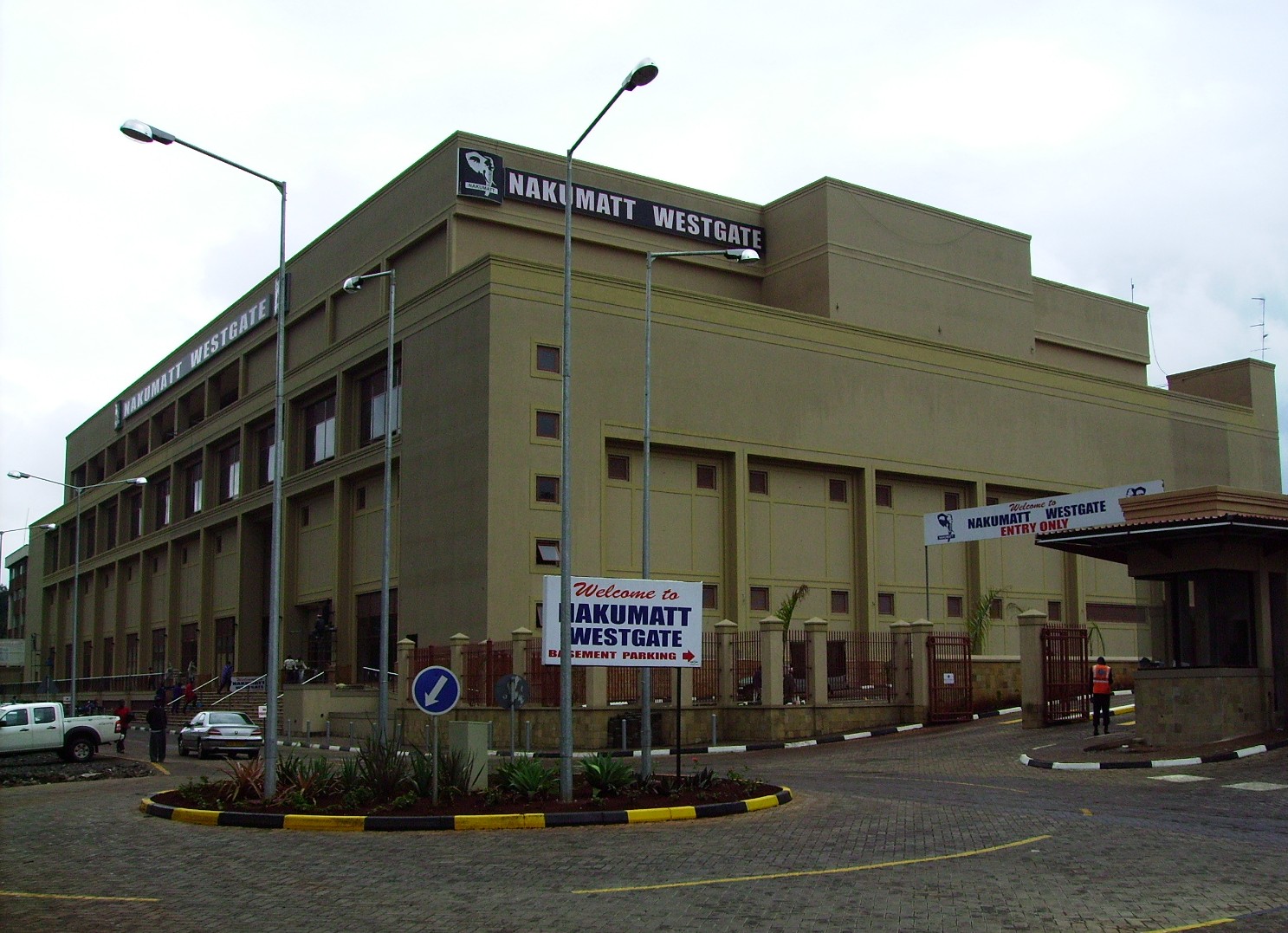
Shopping malls in Nairobi include; The Yaya Centre (Hurlingham), Sarit Centre (Westlands), Westgate Shopping Mall (Westlands), ABC Place (Westlands), The Village Market (Gigiri), Junction Shopping Centre (Ngong Road), Prestige Plaza (Ngong Road), Galleria Shopping Mall (Bomas) Crossroads Shopping Centre (Karen), and T-Mall (Langata). Nakumatt, Uchumi, and Tuskys are the largest supermarket chains with modern stores throughout the city.

Nairobi_Westgate_mall

IMG_0459

2102545583_d62e48ec9d_o

  • Eateries and nightlife

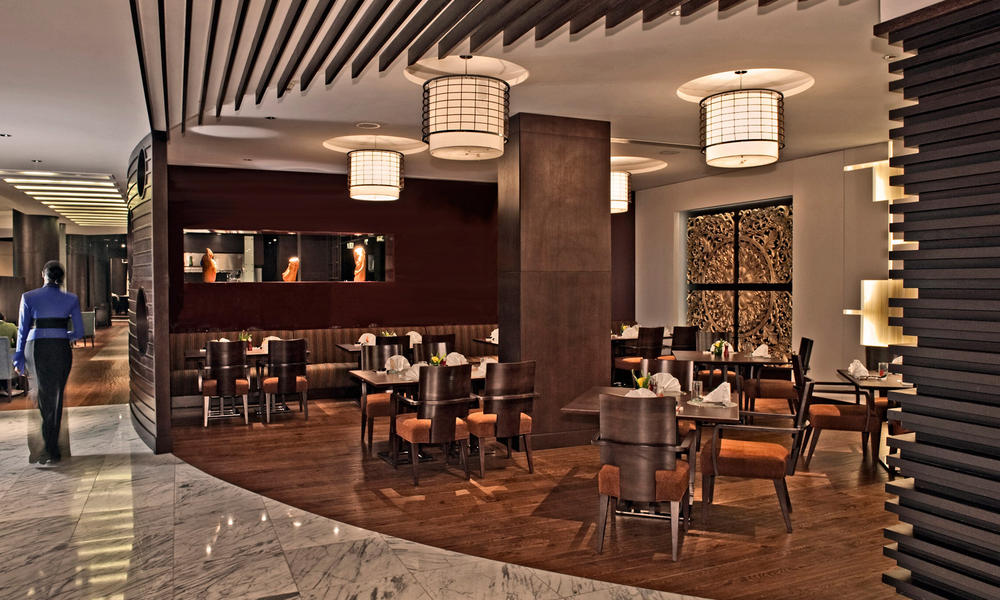
From a collection of gourmet restaurants offering local and international cuisine, Nairobi has something to offer to every age and pocket. Most common known food establishments include The Carnivore and The Tamarind Restaurants which have outlets in Langata, City Centre, and the Village Market. For those more discerning travellers, one can choose from a wide array of local cuisine, Mediterranean, fast food, Ethiopian, and Arabian. The city’s nightlife is mostly centred along friends and colleagues meeting after work especially on Fridays – commonly known as “Furahiday” (Happy Day), theme nights, events and concerts, and of late a new trend – “herbal bubble” or “Shiisha”. The most popular clubbing spots are centred in upmarket Westlands which has come to be known as “Electric Avenue”, Karen, Langata, Hurlingham, and “uptown” venues in the city centre. Nairobians generally go out every day of the week and most establishments are open till late.

thai-chi-restaurant-the

Muhibbah

  • The Giraffe Centre;

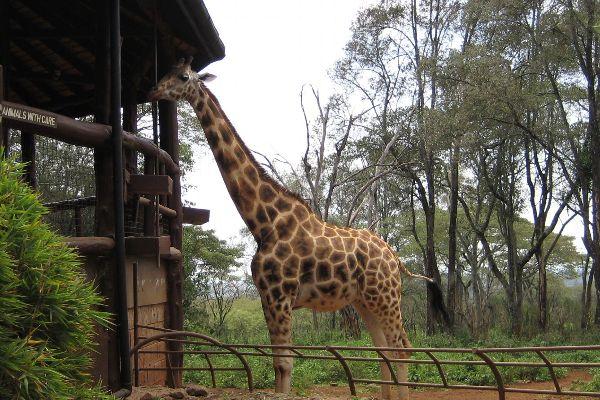
Run by the African Fund for Endangered Wildlife, this is a sanctuary for the rare Rothschild’s giraffe. Spend some time observing, hand-feeding (and if lucky, get a big wet kiss) as well as capturing close-up photos of the giraffes in case you did not catch sight of them while on safari. One can also enjoy a quiet nature trail through thick bushes and forest. Other animals you are bound to encounter include warthogs, hyenas and sometimes leopard.There is a variety of flora and fauna.

nairobi-giraffe-center3

  • Maasai Markets;

Meet craftsmen of authentic Kenyan artifacts and enjoy the sight of ladies beading and making jewellery at the markets. Held around the city at different venues on different days, bag yourself a set of souvenirs for your friends and families back home including wooden carvings and bead-work; beaded necklaces, batik wall hangings, shoes, soap stone carvings, sisal bags, kikois, textiles and much more.  All Maasai Markets items are Kenyan and the range of goods on offer is impressive .You can’t go wrong at the Nairobi Masai Market.

256061_800_600

  • David Sheldrick Animal Trust – Elephant orphanage

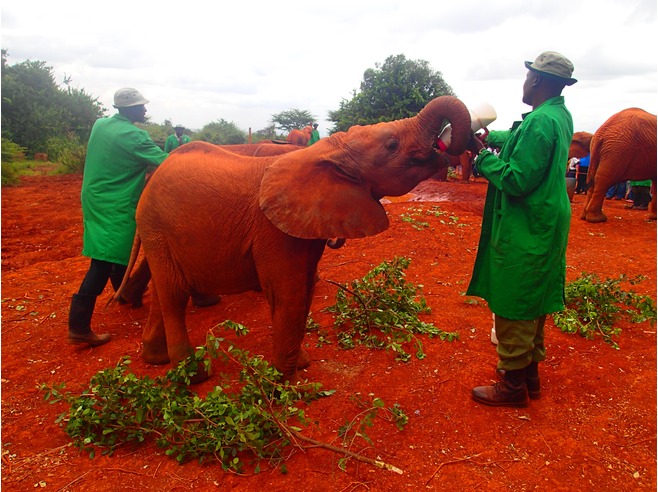
For the conservationists, and those who love elephants, this is a place you don’t want to miss. The elephant orphanage is inside the Nairobi National Park and to see the orphan elephants you must go between 11-12 (daily). Get to sponsor the orphans if you would like and also buy yourselves souvenirs including T-Shirts, Bags, Soap stone carvings and other memorabilia in support of the elephants.

6700113-Watch_elephants_Nairobi6700115-Watch_elephants_Nairobi

  • Bomas of Kenya

The Bomas of Kenya is a cultural centre at Langata, near the main gate to Nairobi National Park. The talented resident artistes perform traditional dances and songs taken from the country’s various tribal groups, including Arab-influenced Swahili taarab music, Kalenjin warrior dances, Embu drumming and Kikuyu circumcision ceremonies. Each boma (homestead) in this cultural village was built using traditional specifications of myriad Kenyan tribes; through architecture, crafts, music and dance this village serves to preserve Kenyan culture.

492932_640_447

kenya_dance_bomas

  • Safari walk

Nairobi Safari Walk, funded by the Kenya Wildlife Service is a great way to learn about the animals of Kenya and to view the various natural environments Kenya has to offer. It is located at the headquarters of Nairobi National Park.

nairobi-safari-walk

This and many more other activities await you in Nairobi.

nairobi-06

nairobi-10

Nairobi-Background

from-nation-center_mutua-matheka_c

nairobi-10

nairobi-nights_mutua-matheka_b

01_frontlongwideshot_0

Five star hotels in Nairobi include the Nairobi Serena, Laico Regency (formerly Grand Regency Hotel), Windsor (Karen), Holiday Inn, Nairobi Safari Club (Lilian Towers), The Stanley Hotel, Safari Park & Casino, InterContinental, Panari Hotel, Hilton, and the Norfolk Hotel. Other newer ones include the Crowne Plaza Hotel Nairobi in Upper Hill area, the Sankara Nairobi in Westlands, Tribe Hotel-Village Market, House of Wayne, The Eastland Hotel, Ole Sereni, and The Boma located along Mombasa Highway. International chains apart from the Hilton, the Intercontinental group, and Serena Hotels are also setting up prime properties in Nairobi city.

Photo credits;Lucas steuber, Mutua Matheka, Click

Nairobi in a day

Courtesy of The Tribe Hotel Nairobi, below is a take of things to do and places one should visit if they only had a day in the City.


Karura Forest;
Fancy a family picnic by the lake, bird walks, bike trails and generally a spectacular nature trail, Karura forest should then definitely be on your list of things to do. Things to enjoy here include the Mau Mau caves, scenic waterfalls, picnic sites, bamboo forest and nature trails. Karura does not fall short of wildlife as well one can spot  different monkey species, bush baby, bush-buck, bush pig, porcupine, duiker, genet, dik dik, African civet and epauletted bat.
filename-img-1291-jpg
img_0445
Karura_forest_indegenious_forest
Cafe Brasserie;
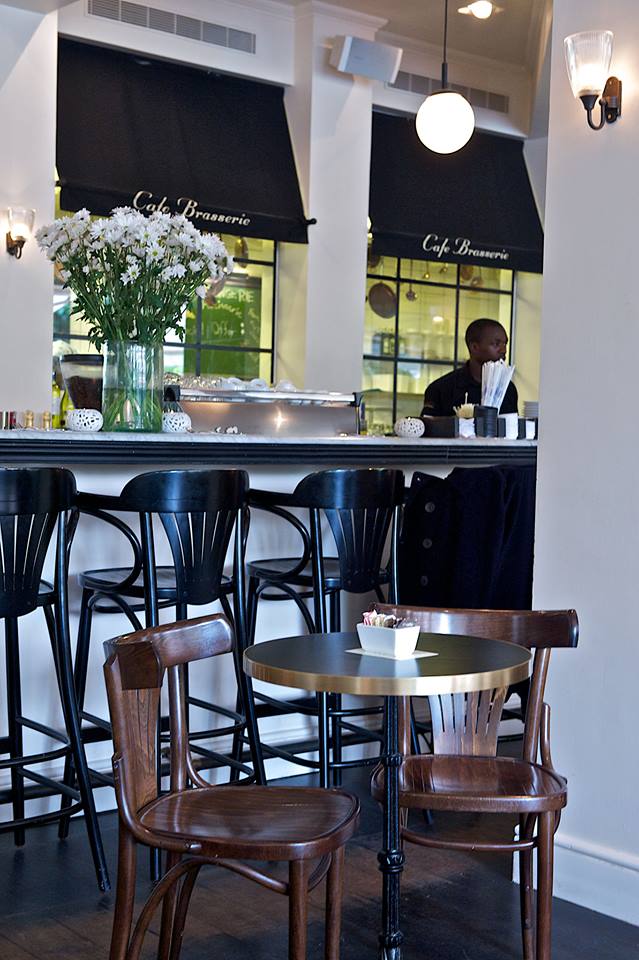
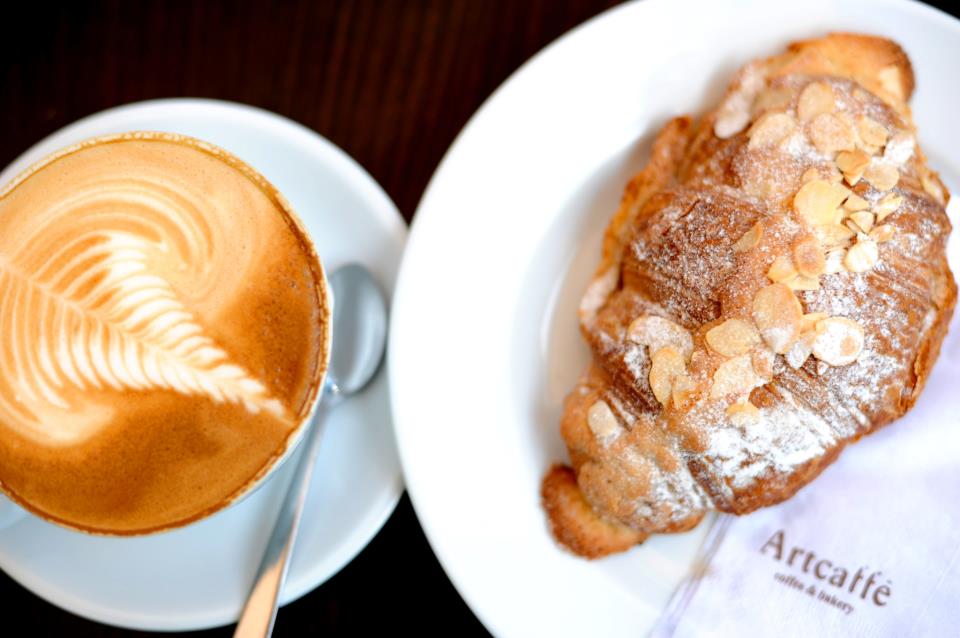
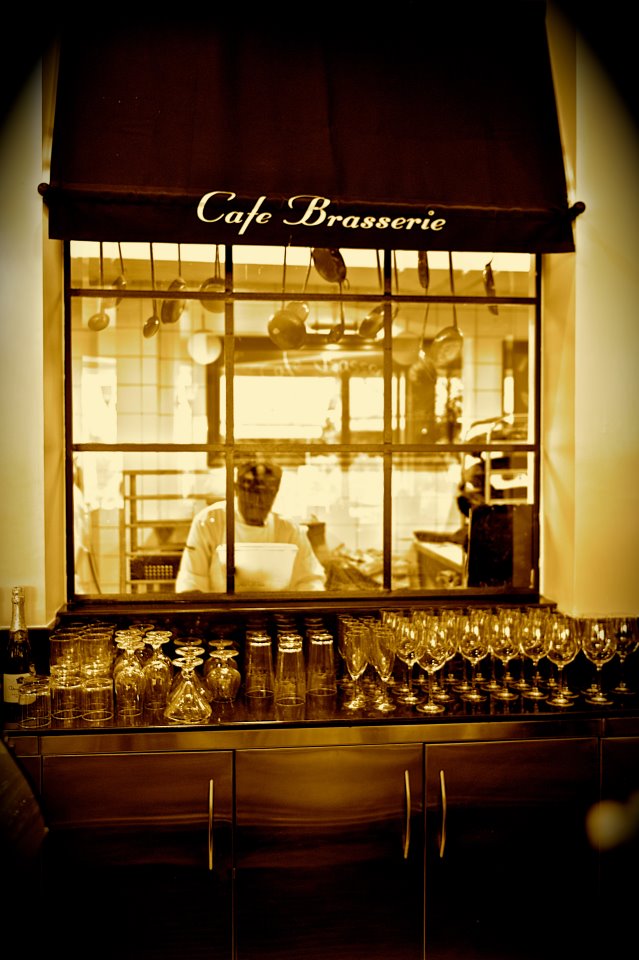
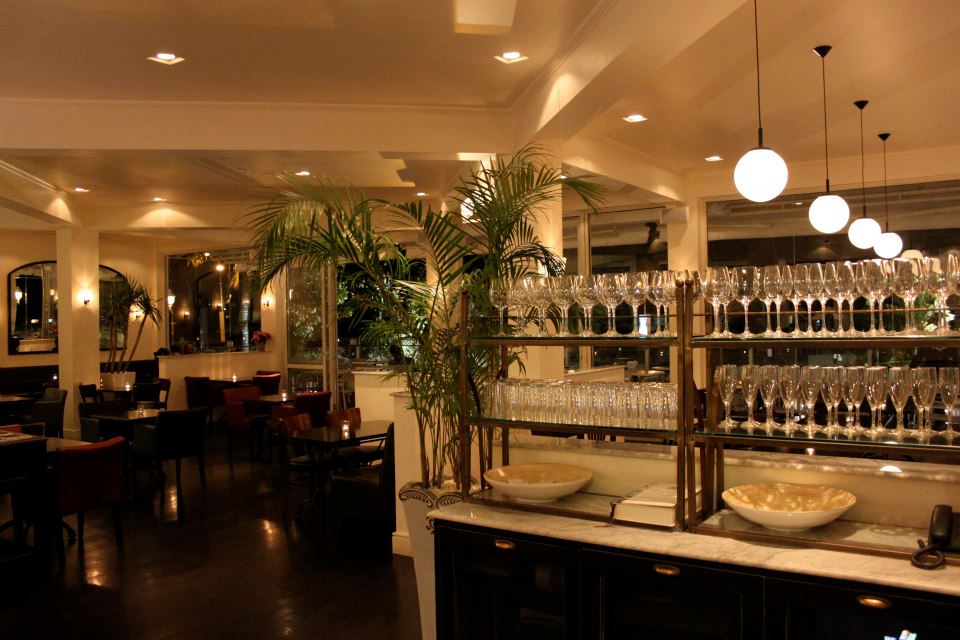
Located in Nairobi’s Village Market, The Cafe Brasserie by Art Caffe is a bright, light-filled café famous for its roasted coffees, hearty dishes and mouth-watering deserts. With wood-panelled walls and high ceilings, the café has a unique character, and is the ideal spot for post-shopping coffee and cake breaks with friends, pre-shopping breakfasts and leisurely lunches. The contemporary interior with clean lines, combined with a convivial ambiance, have made this restaurant a staple on the local dining scene.
401779_591553057552017_1570248523_n
150143_480586495315341_255118144_n
251133_473030742737583_166097947_n
314072_444136895626968_1379807483_n
320467_473031372737520_572965740_n
  431220_469359739771350_1773504506_n
484118_570944092946247_476880611_n
The Giraffe Centre;
Run by the African Fund for Endangered Wildlife, this is a sanctuary for the rare Rothschild’s giraffe. Spend some time observing, hand-feeding (and if lucky, get a big wet kiss) as well as capturing close-up photos of the giraffes in case you did not catch sight of them while on safari. One can also enjoy a quiet nature trail through thick bushes and forest. Other animals you are bound to encounter include warthogs, hyenas and sometimes leopard.There is a variety of flora and fauna.
431597_600_400
giraffe-3
girraffe centre
nairobi-giraffe-center3
House of Treasures;
The House of Treasures is filled with unusual and exotic goods from around the globe. Antique and modern furniture, architectural pieces, innovative fashion & jewellery, Africana artefacts, children’s toys and eclectic home-ware – all gathered in a striking double-storey gallery set in mature gardens in Karen, just outside Nairobi, Kenya.
65
78
650
HoT_image_upload_King-size-bed_jpg_800x650_q85
HoT_image_upload_shelf_jpg_800x650_q85
Maasai Markets;
Meet craftsmen of authentic Kenyan artifacts and enjoy the sight of ladies beading and making jewellery at the markets. Held around the city at different venues on different days, bag yourself a set of souvenirs for your friends and families back home including wooden carvings and bead-work; beaded necklaces, batik wall hangings, shoes, soap stone carvings, sisal bags, kikois, textiles and much more.  All Maasai Markets items are Kenyan and the range of goods on offer is impressive .You can’t go wrong at the Nairobi Masai Market.
1.1260012493.091205-maasai-market
41245943.nbofeb05067
Baskets
  Thin leather bracelets
Adèle Dejak;
The Adèle Dejak brand creates handmade fashion accessories for the modern, sophisticated and multidimensional woman. Inspired by African shapes, textures and traditional techniques, the cutting-edge pieces sit perfectly between artifact and high fashion statement designs. The Adèle Dejak collections express acute appreciation for African-made fabrics, including Kuba cloth and kitenge (wax print); a dedication to using recycled materials including rice and cement sacks, brass, aluminium and glass and; a commitment to exceptional quality.
afri love 4_0
kim and jewellery_0
kimora kitenge_0
Anselm – Kitengela Hot Glass;
Sleek vases the colour of sea glass, a coffee table that looks as if it is made of crushed ice.  Extravagant murals. A goblet that feels solid and perfect in your hand, majestic and bejeweled chandeliers. A splash of window that is a mosaic of the sun, a globe-shaped lamp glowing like a planet. A Maasai necklace design that is an explosion of colour and lighting. A passionate and practical ensemble of scrap window and bottle glass renewed, refashioned into stylish pieces, functional art and inspired design. All this and more at Anselm- Kitengela Hot Glass, each piece is unique, handmade to catch the eye and satisfy the soul.
140_additional_bild6_rr5_003
about-kitengela_jpg_960x519_q85
Anselms-Kitengela-Hot-Glass-9
Anselms-Kitengela-Hot-Glass-11
New Kitengela Works-Westend House, Westlands, 1_4 tonnes, 750 pieces
African Heritage House;
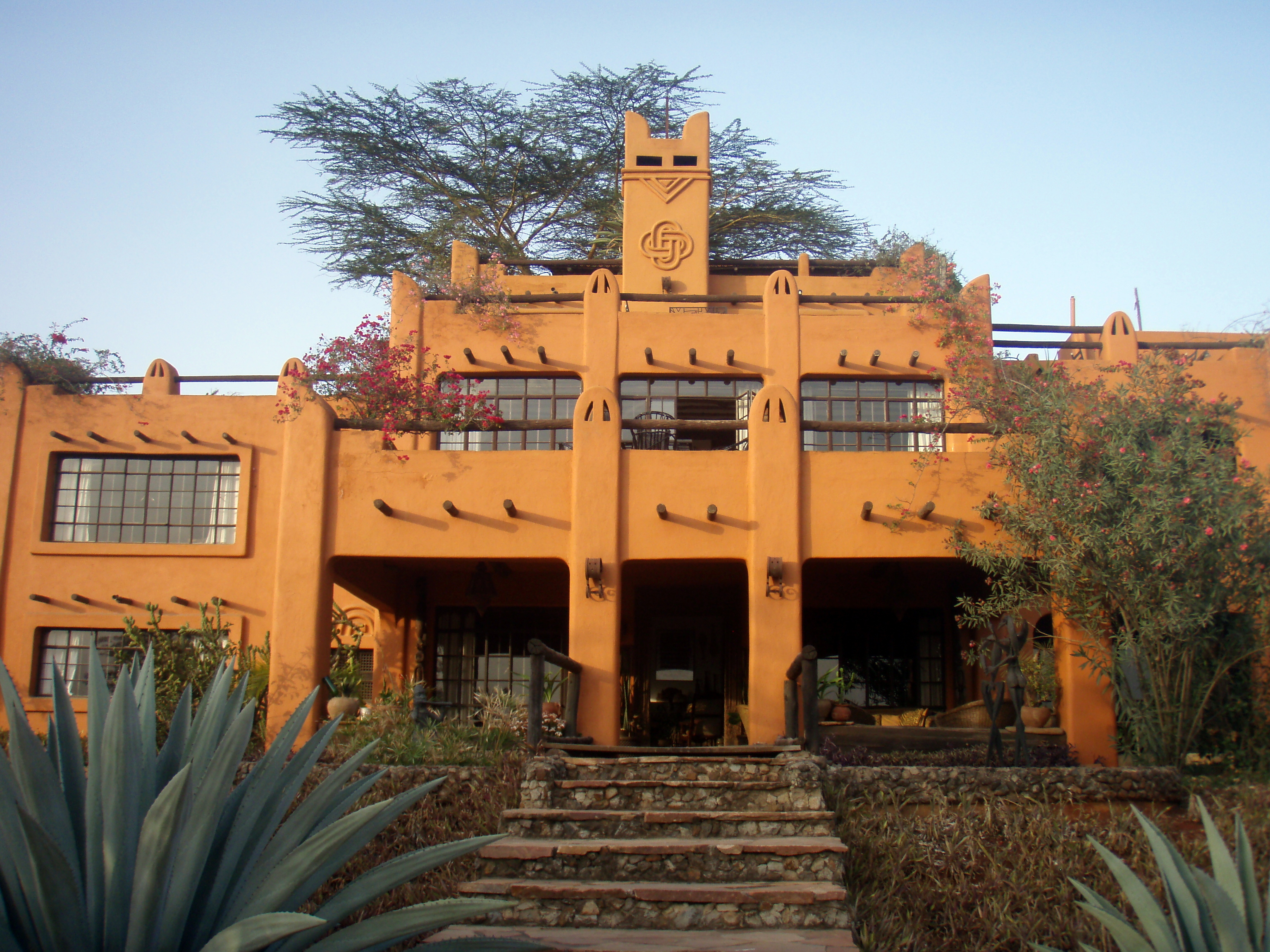
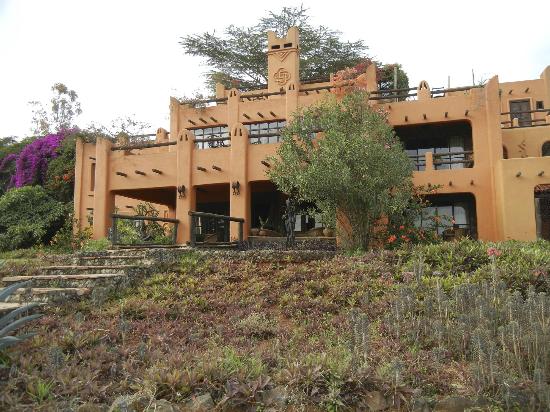
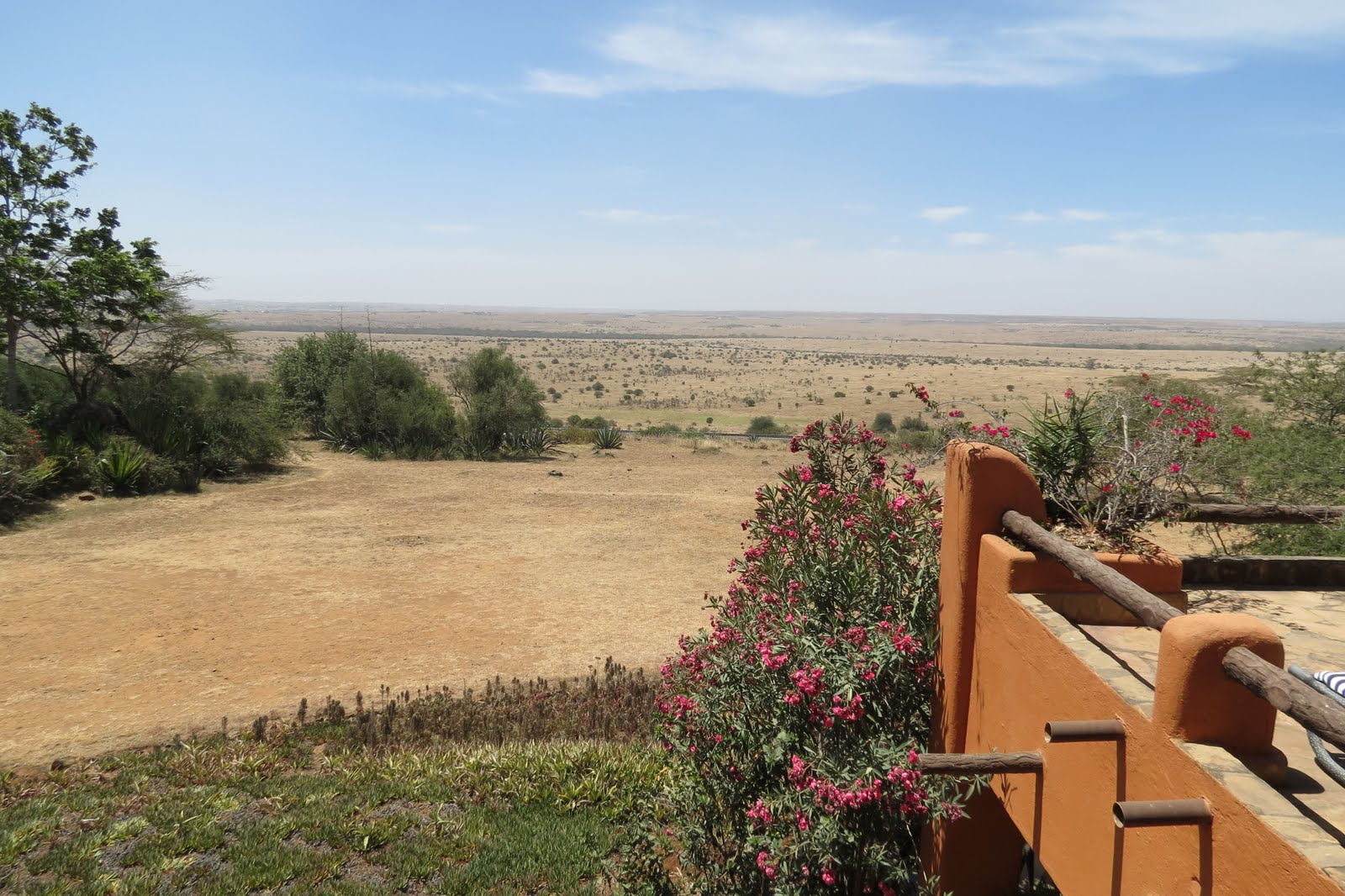
The African Heritage House overlooking the Nairobi National Park is described by the prestigious Architectural Digest as “an architecture rising from the serene Kenyan plain like an outcropping of earth, a vision of usefulness informed by the African genius for decoration.”
Designed by American Alan Donovan, co-founder of the African Heritage Pan-African Galleries, the house is a combination of the mud architectures from across Africa.The house is available for tours, meals (breakfast, lunch, and dinners on the rooftop or by the refreshing pool), conferences/functions, as well as overnight stays in its luxurious rooms, filled with African art and furnishings with modern appointments.
OLYMPUS DIGITAL CAMERA
getlstd-property-photo
5
africa_heritage_house-109
africa_heritage_house-230
africa_heritage_house-296
Kalabash;
Once at Kalabash you will be awed by the creativity and pronounced ethnic artistry that awaits you. Kalabash Selections specializes in extraordinary art, crafts and accessories from across Africa.  The curated collection represents the finest examples of Africana in wood, stone, metal and beads. It  glows with unique earthly African shades of brown, which most of its racy crafts represent. Kalabash also stocks beadwork and artifacts made from driftwood, soapstone and clay.
brass-rider-2
dancing-man
soap-stone-bowl-faces
Kaya Spa;
Kaya, Tribe’s exclusive spa combines traditional and new-world treatments from around the globe. The five treatment rooms and hair studio infuse a sense of tranquility through inspiring design – taming the body, mind and soul.
33bf6df3669f284d069a14bf22a7bf44
                                                                                   20110203000211_282
kaya_spa_nairobi
kaya-spa-main
               tribe
NEST;
Also at the Tribe,  NEST is the perfect location for sun-downer drinks, private parties, or just an intimate space to get away and hang out. NEST serves the best martinis in Nairobi which are a perfect compliment to aromatic shisha pipes or hookahs.
058dstribe_0
134144_720_553
558665_10151539140931552_582436287_n
at-nest-for-a-sundowner
Jiko;
Jiko holds true to the glamorous yet sophisticated feel of the Tribe hotel whilst maintaining the warmth and personality of Kenya. Its contemporary international cuisine focuses on carefully grown fresh ingredients and specially sourced international imports. The extensive menu features grilled meats and vegetables as well as house made pastas, breads, pastries and gelatos. Jiko’s exclusive wine list highlights some of the finest selections of wines to perfectly compliment the flavors of Jiko.
20100324135314_908
20100324135320_284
20100324135321_505
i-375629444_5cd644b0bdb5279c7865c3f727a0ac47
jiko
Jiko-Restaurant-at-Tribe-Hotel-in-Nairobi-photo-credit-Susan-Wong-2011-8
Jiko-Restaurant-at-Tribe-Hotel-in-Nairobi-photo-credit-Susan-Wong-2011-9
Jiko-Restaurant-at-Tribe-Hotel-in-Nairobi-photo-credit-Susan-Wong-2011-10
tribe-hotel

Finish your day in style sleeping at the Tribe’s Presidential suite. A one-bedroom suite overlooking the protected natural wetland, the Presidential Suite features a living room with dining table and over-sized couches, a 60-inch plasma TV with a BOSE Lifestyle sound system, guest bathroom, a private balcony, enhanced storage facilities and the suite’s iconic master bathroom. The Presidential suite is furnished with a rain shower, bath tub, 300 thread-count sheets, and a king bed. Tribe offers a complimentary mini-bar and free high-speed wireless internet with all rooms.

20100316180714_685

20100316180717_122

20100316180723_828

20100316180726_828

Unravelling the Marvel that is Taita Hills

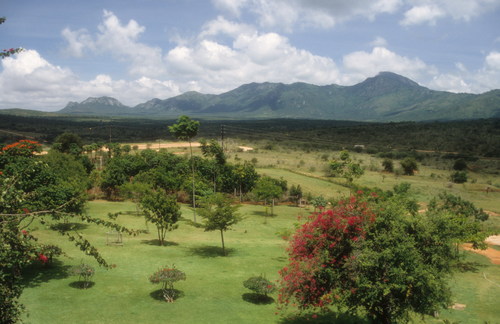
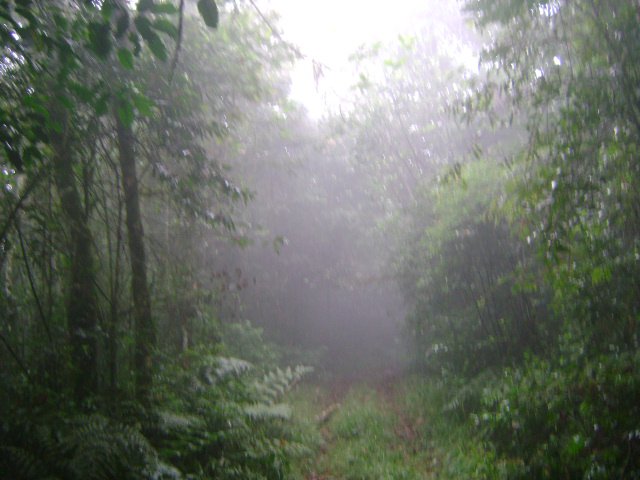
Travel enthusiasts en-route to various safari destinations along the Nairobi-Mombasa highway more often than not by-pass this Majestic wonder over Voi town. What many fail to realize is that this unexploited backdrop not only provides for a beautiful view while on your safari, but is also a rare attraction gem yet to be exploited and can only be attested to by a few; locals, researchers, and rally drivers. The early mornings are a sight to behold with dense fog shrouding the hills so much so one cannot be able to see another’s compound. Moreover, approaching the scenic hills from the vast and expansive plains spread in the lowland areas, provides for an exciting anticipation knowing that the higher one goes the more amazing the view of the landscapes, more like a far off deep sea.
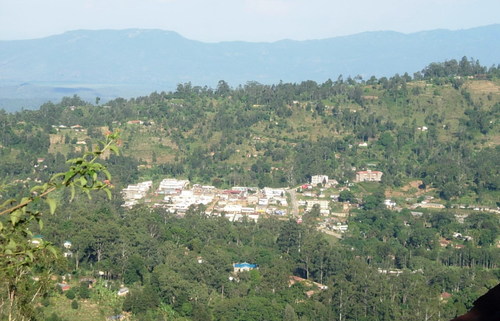
Birds eye view of Rukanga village
DSC_1735View of Mt. kilimanjaro a far from Taita hills
P1050376Evening view
2Wesu rock shrouded by fog
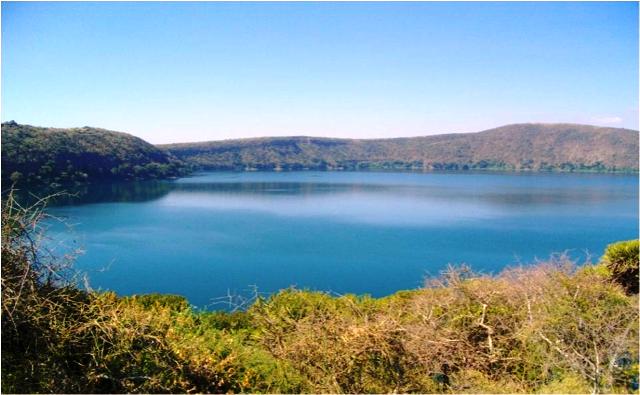
The lowlands, teamed up with Taita hills  form the greater Taita/Taveta County formerly district, and are more accustomed to tourist visits being home to Kenya’s largest National Park; Tsavo National Park, Lakes Jipe and Chala, various water springs as well as a number of lodges namely Voi Wildlife Lodge, Voi Safari Lodge, Voi Town Lodge, Lions Bluff Lodge, Sarova Taita Hills Game Lodge and Sarova Salt lick Game lodge.
sarova-salt-lick-game-lodge-n1-tsavo-national-park-west-kenya+1152_12767641830-tpfil02aw-21811
sarova8Sarova Salt-lick Lodge
036837D
080164ASarova Taita Hills Lodge
lake--chalaLake chala
The Taita Hills are mainly Precambrian mountain ranges consisting of three massifs; Dawida, Saghalla and Kasighau with Dawida outcropping the rest at 2,228 metres above sea level at its highest peak – Vuria; it also has three other main peaks – Iyale, Wesu and Susu. Inhabitants of these hills are classified into three subgroups/sub-tribes in relation to the three topographical zones  i.e the Wadawida/Taita from Dawida, Wasaghalla from Saghalla and Wakasighau from Kasighau. The Taita have a variation of dialects that include the Mbololo, Bura, Wusi, Kidaya, Mghange, Chawia, Mwanda, Kishamba, Werugha, Wumingu, and Wundanyi whereas the Kisaghalla and Kasighau stand on their own as self-sustaining dialects.
Kasigau_2010Kasighau
vuriaView of Vuria
iyaleIyale
Sagala_IMG_2815 View of Saghalla
One’s journey atop, begins at Mwatate town, the central junction point linking wundanyi, voi and Taveta. Between Mwatate and Wundanyi several view points will prompt you to stop and gaze at the awesomeness below. One such spot is Mbengonyi; here you will be fascinated by the plains spreading across from Kishamba to Mwachora as well as the expansive Teita sisal estate. Mwachora is historically renown among the Taita as a medium of death as this is where sorcerers were executed by throwing them over the hill (sorcery was only punishable by death).
mwachora
mwachora peakMwachora peak and its views
Another hill with a similar history to Mwachora is Shomoto with a story of how thieves would be thrown over the cliff or have their fingers beaten to a pulp after which they would be tied by a rope to the tree that sits right on the edge of the cliff hanging over a deep cleft in the rock; left for dead. It was the responsibility of a member of the suspects’ relatives to push them over the edge.
shomoto caves
Crevice-400x560 Shomoto rock and crevice
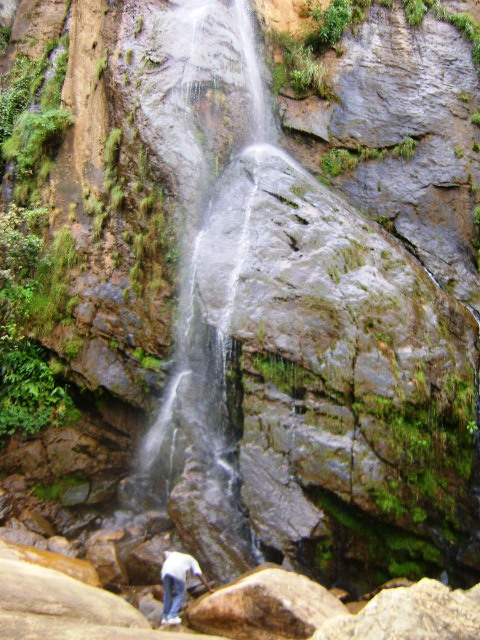
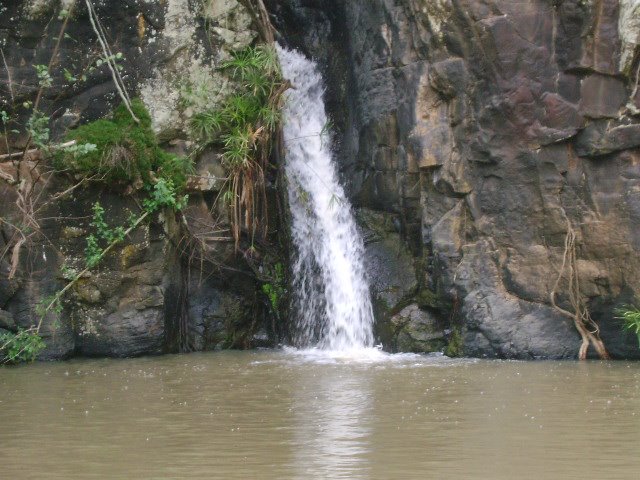
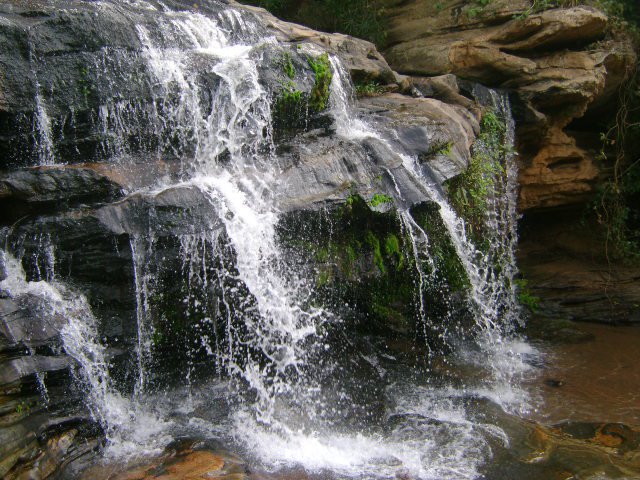
If you thought the views of the plains impressive, sight of the Lwada falls should leave you dumbfounded at the nature of its beauty. Found in the Dembwa area, the falls cascade from tall, moss-lined rocks and boulders against a scenic backdrop of thick evergreen vegetation and indigenous cover mostly of wild date palms.
???????????????????????????????
Water pool
Water sources
The cruise up hill leads you to Wundanyi town; formely Taita’s District Capital from where one can access other destinations via hiking or use of motorbikes as very few places can be accessed by vehicles due to rough terrain especially during the rainy season. However, to better enjoy the splendor of the treasured sites, hiking is more preferred; Inhabitants swiftly traverse these precipitous hills without the break of a sweat whereas for those of us who come back here once in a while this seems to be quite a chore (never mind the fact that I hail from here). Walking about closely linked villages brings you to encounter very friendly people who will more often than not, not shy off to salute you with a ‘Kwawuka mana’ (good morning) or ‘Kwasinda mana’ (good afternoon) obliging you to reply with a simple ‘Mana-to’. Guests with preference of the uphill climate over the lowlands can enjoy their stay at Irido springs, Lavender Garden and Rocks hotels.
13273266
8595536Wundanyi Town
Having withstood the years, Taita Hills have significant political stories to tell with sites like Mile 27,  the Mashoti encampment, Mbuyuni,  Salaita, Latema, Reata and the fortifications near Maktau portraying events dating back 100 years ago during world war 1; the only memorabilia of the battleground being the war cemetery segregated into white and Asian races (wonder where the Africans were buried). There is a story told of a German lady sniper  supposedly hidden in a hollow Baobab tree, out to avenge her husband, leading it to become a target for the British. The baobab tree survived as the most-shot-at tree during World War One and still has the bullet holes to show till date.
IMG_0161
IMG_0175
Mwakitau ( as pronounced by locals) war memorial
IMG_0184 IMG_0185
observation post and its view on top of mwakitau
IMG_0267
The legendary bullet-holed baobab tree
The hills also played a crucial role for Kenya’s independence serving as a hideout for our founding heroes including the first Kenyan president; Jomo Kenyatta. It is said that the Kapenguria seven stayed at Kino caves where they would keenly plot their victory plan over their colonizers. Mwalimu Julius Nyerere, First president of Tanzania would also frequent the location in order to exchange ideas with his counterparts.
img_kenyatta_caves
kino Cave
Taita Hills not only harbors these cherished political antiquities but is also rich in cultural mementos. Before conversion into christianity, the Taita were known to store skulls of the dead in caves; Ngomenyi, Yale, Shomoto amongst others. The skulls would be disconnected from the corpse after a year’s exhumation; this was deemed a sacred act of restoring the dead to the ancestors resting place. The skulls would be lined denoting lineage and stacked near the entrance facing the setting sun. The subgroups differed as to who would be accorded this honor with the wadawida placing skulls of only elderly men whereas the wasaghalla included skulls of women and children. In times of calamities, elders would visit the caves and appeal to their ancestors for help; their Higher Being was called Mulungu whereas the ancestors’ spirits were referred to as milungu.
Cave_entrance-560x370
Entrance to sacred skull cave
  Sagalla_Skulls-560x386
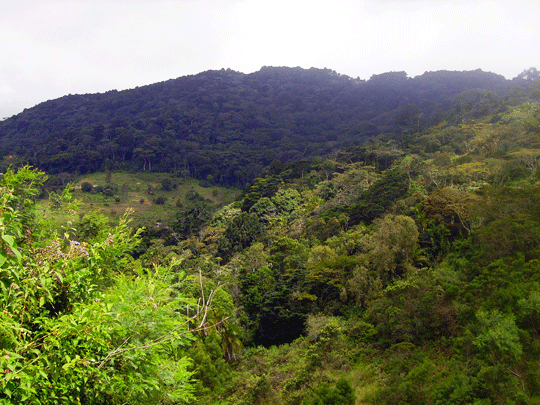
With continued exposure by the media, these breathtaking hills have proven that its allure is not one to be left to oblivion having attracted a myriad of naturalists, researchers and birding enthusiasts alike. With a unique biodiversity of 9 and 13 taxa of animals and plants respectively, found nowhere else in the world but here, areas like Ngangao forest have been deemed a true treasure; being part of a unique Eastern arc range of forests found mostly in Eastern Tanzania and the only one of its kind in Kenya. In total there are 48 indigenous and exotic forests (surviving on hill tops and ranging in size from 500 square metres to 2 square kilometres) 28 of which are gazetted and are under the able protection and management of the Kenyan Government.
Ngangao_Mbololo_2005 Ngangao-forest
Ngangao forest
Moist forest
Nice canopy
Ngangao forest (under the care of Forestry Commission) will provide you the splendor of moist, thick dripping vegetation with sights of rare birds, butterflies, amphibians and plant species that only exist here. Some of the endemic species that call Taita hills home include  Bird species like the Taita Thrush, the Taita White-eye and the Taita Apalis, a unique rear-fanged snake – Amblyodipsas teitana, an endemic toad – Bufo Teitensis, and butterflies; the Taita Glider, Taita Charaxes, Cymothoe teita, Papilio desmond teita and Taita Swallowtail. There are at least nine plant species found nowhere else in the world but on the these moist slopes including the African violet – Saintpaulia teitensis, Memecyclon teitensis, Milletia obrata, Psychotria petitae. Trailing the forest within the first morning sun rays, one is also bound to chance a upon an endemic species of chameleon – Bradpodium Kinyongia. For birding enthusiasts, species like Orange Ground Thrush, Stripe- cheeked Greenbul, Cabanis’s Greenbul, Hartlaub’s Turaco, Evergreen Forest Warbler, Yellow-throated Woodland Warbler amongst others, should adequately quench your thirst.
oriental-white-eye-zosterops-palpebrosus-by-nikhildevasar
Taita white-eye
Blue-Spotted-Charaxes-But-013
Flame-Bordered-Charaxes-C-002Taita Charaxes
saintpaulia
African Violet
Brandpodium-Kinyongia-by-L.WaguraBradpodium Kinyongia
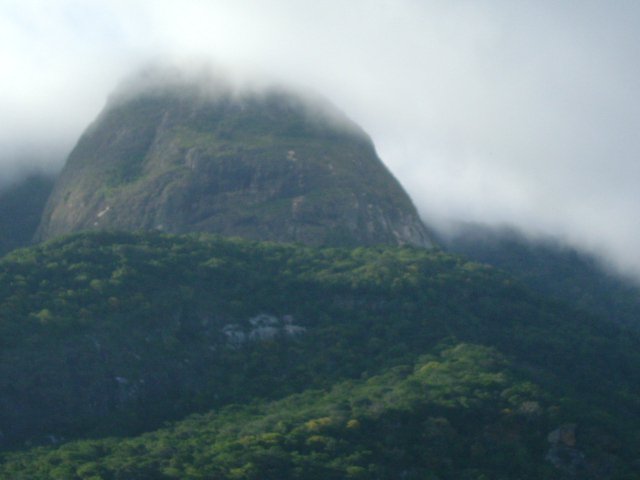
As a climax to your exploration endeavor,  something that ought to give you a rush would be the climb of Wesu rock either as a pro with harnesses, ropes and all or simply by hiking your way up. What awaits you at the top is a reward of panoramic views for miles over kasighau, Ngulia, Mount Kilimanjaro’s Mawenzi and Kibo peaks as well as chyulu hills.
43768848
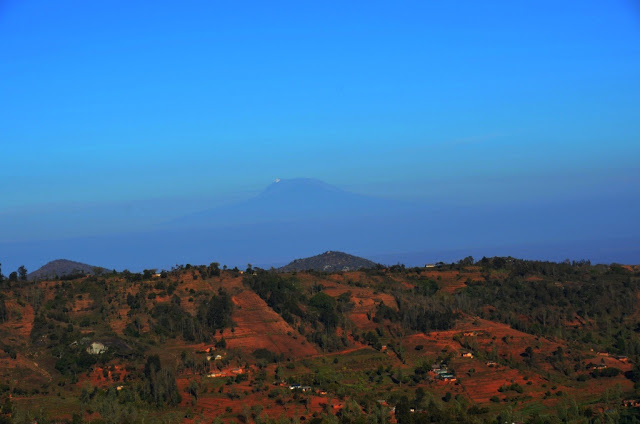
Vuria ( Taita’s Highest point) will also be able to offer you the same thrill of the superb views. Early risers should be able to enjoy the glory of snow fall on the peaks of Kilimanjaro teamed up with the beautiful sunrise, truly a sight for sore eyes.

  .