The Kalenjin: Meet the tribe where many are born to run

It is undoubted that Kenya is world-renown for its prowess as an athletics powerhouse. For years, our athletes have time and again dominated  track and field events, bagging themselves numerous medals and therein putting Kenya on the world map. Legendary Kipchoge Keino, Henry Rono, Ezekiel Kemboi, Daniel Komen (junior), Vivian Cheruiyot, Pamela Jelimo, Asbel Kiprop, Julius Yego, just to name a few, are some of the big names that have with time set the bar high in athletics.Kemboi_dance_149865784_620x350The ever entertaining Ezekiel Kemboi, one of Kenya’s champions from the Kalenjin community

150019_10150304831060245_516070244_15895799_5683519_nAside from being Kenyan, what many might not know is that most of our athletes (if not all) hail from what we like to refer to in the country as the running tribe, the Kalenjin. Known for their traditional ‘mursik’ (a beverage made of fermented whole milk that has been stored in a special gourd and cleaned by using a burning stick resulting to milk infused with tiny bits of charcoal), the Kalenjin are highland nilotes belonging to the Nilo-saharan family and are believed to have migrated to their present location from the South Sudan region. They primarily reside in the western highlands and within the rift valley.
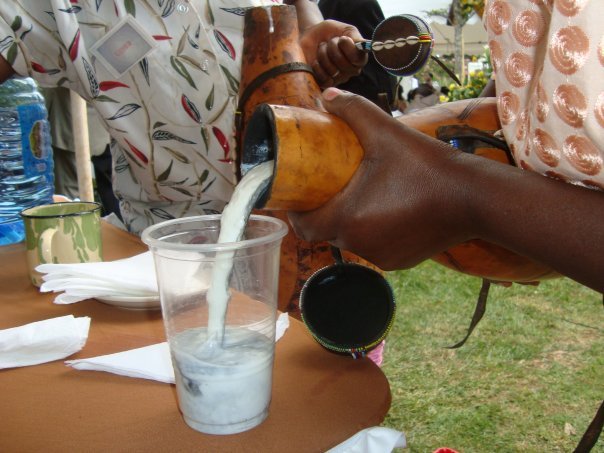
285234_10151351247008557_2007808379_nThe famous ‘mursik’

There are several smaller tribal groupings within the Kalenjin: Elgeyo(Keiyo), Endorois, Kipsigis, Marakwet, Nandi, Pokot, Sabaot, Terik, and Tugen. The Kipsigis are the largest sub-tribe accounting to 43% at 1.972 million speakers with recent estimates placing the Kalenjin as the third largest ethnic group in Kenya at 4.967 million people.

SWP-Kalenjin-tribes02Known to be friendly people these highland nilotes’ standard greeting is Chamge or chamuge (how are you) to which one replies with the same phrase chamge (fine) or Chamge mising for emphasis to mean either “very fine” or “close friend,” depending on the context. As a sign of respect, a younger person greets someone of their grandparents’ generation by saying, chamge kogo (grandmother) or chamge kugo (grandfather).

CulturalKalenjin5Until the early 1950s, the Kalenjin did not have a common name; they were usually referred to as the ‘Nandi-speaking tribes’ by scholars and administration officials, a practice that did not immediately come to a halt after the adoption of the common name ‘Kalenjin’ (cf. Evans-Pritchard 1965). An interesting story as to how these ‘Nandi-speaking tribes’ came to their identity as the Kalenjin Began in the 1940s during World War II. Individuals from the tribe fighting in the war used the term kale or kole (the process of scarring the breast or the arm of a warrior who had killed an enemy in battle) to refer to themselves whereas wartime radio broadcaster, John Chemallan frequently used the phrase kalenjok (“I tell you,”) in his broadcastings.
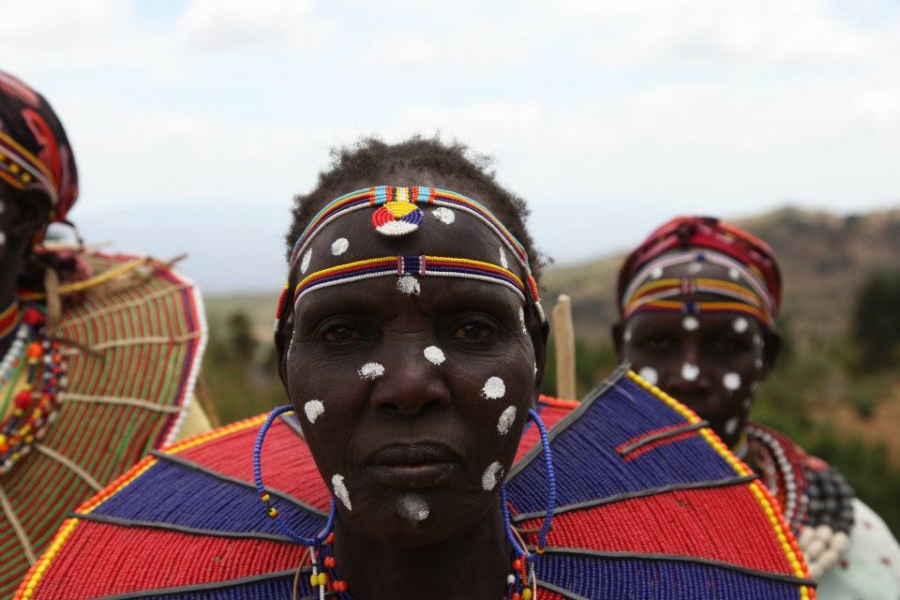
422586_336746216372268_124777214235837_910393_62160322_nLater on, students from the tribe attending Alliance High School formed what was to become the future Kalenjin elite. Numbering fourteen in total, these students who constituted a distinct minority in the prestigious school in seeking an outward manifestation of identity and solidarity to distinguish them from the dominant group of students from the Gikuyu tribe formed a “Kalenjin” club. An identity that was thereafter consolidated with the founding of a Kalenjin union in Eldoret in 1948, and the publication of a monthly magazine called Kalenjin in the 1950s.

The Kalenjin are as synonymous with politics as they are with athletics. Since the attainment of independence, the tribe has produced numerous top players into government and the political arena having produced Kenya’s second and longest serving president – Daniel Arap Moi, current deputy president – William Ruto, beside many other prominent politicians and government officials. Traditionally, the basic unit of  political organization among them was the koret or parish which was a collection of twenty to one hundred scattered homesteads.
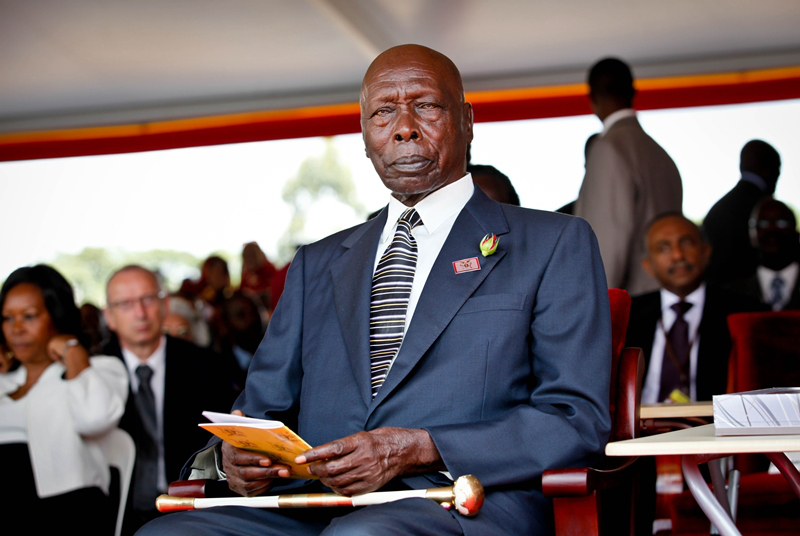
moiFormer President Daniel Arap Moi, one of the pioneers of politics among the Kalenjin

It was administered by a council of adult males known collectively as the kokwet and was led by a spokesman called poiyot ap kokwet . This spokesman was someone recognized for his speaking abilities, knowledge of tribal laws, forceful personality, wealth, and social position. At public proceedings, although the poiyot ap kokwet was the first to speak, all of the elders were given the opportunity to state their opinions. Rather than making decisions himself, the poiyot ap kokwet expressed the group’s opinion, always phrased in terms of a group decision.

A number of koret formed the next level of political organization, the pororiet. Each was led by a council, the kiruokwet ap pororiet. This council consisted of the spokesmen of the individual koret, over whom presided two reasonably active old men called kiruokik, the “councillors.” In addition, among the Nandi, there were two representatives of the orkoiyot; a Nandi prophet called maotik and two senior military commanders of the pororiets warriors, kiptaienik ap murenik (B. Roberts – Gale group).

This system was later to be replaced by the system imposed by the British colonial government of village elders, assistant chiefs, chiefs, district officers, district commissioners, and provincial commissioners. Today, the realization of a new constitution has since revolutionized Kenya into a decentralized republic doing away with the British system to a larger extent.

SUB2PIXDeputy president William Ruto and Kalenjin elders

The Kalenjin are a religious people as well. Their traditional religion is based upon the belief in a supreme god, Asis or Cheptalel, who is represented in the form of the sun. Beneath Asis is Elat, who controls thunder and lightning. The Kalenjin also believe that spirits of the dead, oyik, intervene in the affairs of humans, and can be placated with sacrifices of meat and/or beer, called koros.  A peculiar practice of the Kalenjin regarding the dead was the burial of only the people who had borne children; the rest would be taken out to the bush for hyenas to devour. Something else that the Kalenjin had strong belief in were the diviners, called orkoik, believed to have magical powers and who assisted in appeals for rain or to end floods.

429458_336742066372683_124777214235837_910344_862548011_nToday, nearly every Kalenjin member belongs in an organized religion—either Christianity or Islam. Major Christian sects here include the Africa Inland Church (AIC), the Church of the Province of Kenya (CPK), the Roman Catholic Church as well as the African Gospel Church (AGC). Muslims are relatively few in number among the Kalenjin. For the most part, only older people can recall details of traditional religious beliefs.
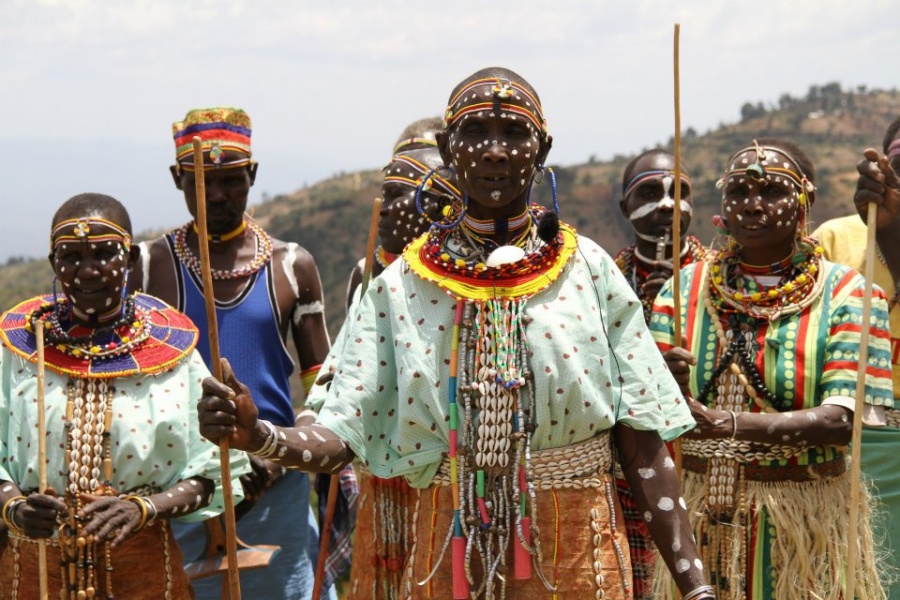
427136_336748073038749_124777214235837_910416_733537409_nTransformation from childhood to adulthood among the Kalenjin constituted an initiation ceremony ‘tumdo’  which involved circumcision for both males and females. Traditionally, the ceremony took place every seven years to which the initiates were bestowed new status as members of a named age-set ‘ipinda’. After circumcision, the young men would be put into seclusion for instructions about the skills necessary for adulthood. They would then be expected to begin a phase of warrior hood during which they would act as the military force of the tribe. Circumcision for girls on the other hand prepared them for marriage. Today, male age-sets have lost their military function, but still provide bonds between men of the same set. Female age-sets on the other hand have lost much of their importance.

the-nandi-circumcision-ritual-21491379Nandi boys prepared for Initiation ceremony

Marriage as an important stage of life is very vital among the Kalenjin. Typically, after marriage men brought their wives to live with them in an extended family sort of setting. The practice of polygamy was and still is permitted albeit today’s economy has caused a setback to it as bride price has proven to be quite burdening for many. Monogamous marriages now prevail and nuclear families are becoming more common. Children were traditionally seen as a blessing from God hence the high population rate among Kalenjin. The younger generation however is opposed to having larger families and tend to have fewer children when they marry. This can be attributed to the fact that to some degree, many women are now prioritizing career over raising children and also the cost of raising children today has greatly sky rocketed.

In family settings, work division among the Kalenjin is traditionally divided among gender lines. Men do the heavy work; clearing fields for planting, turning over the soil, herding livestock among other pursuits while the women take over the bulk of farming; planting, weeding, harvesting, and processing crops. The women are also involved in the general running of the household.
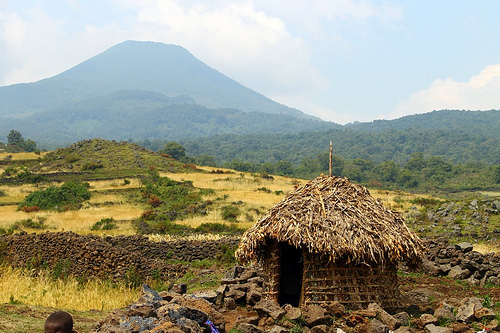
Batwa-hut

Most Kalenjin are rural dwellers who do not have electricity or indoor plumbing. Traditionally, the Kalenjin made round walled thatched houses constructed from bent saplings anchored to larger posts and covered with a mixture of mud and cow dung; roofs were thatched with local grasses. While these kinds of houses are still common, there is a growing trend toward the construction of square or rectangular houses built with timber walls and roofs of corrugated sheet metal.

news_163755_0One of the major challenges that the Kalenjin grapple with to date would be Cattle rustling. Although raids have always been a part of the Kalenjin culture, especially among the Pokot, the situation has now exasperated as raiders have since upgraded their tools of trade from spears, bows and arrows to semiautomatic weapons like AK 47 rifles. The Marakwet in particular have continued to suffer at the hands of armed cattle rustlers, often from the Pokot. To make matters worse, their marginal status does little to help them as their complaints are met by a general lack of concern from the government. Aside from raiding, other challenges that the Kalenjin face include ethnicity, HIV/AIDS and land disputes.

Off to the races; Maralal Camel Derby

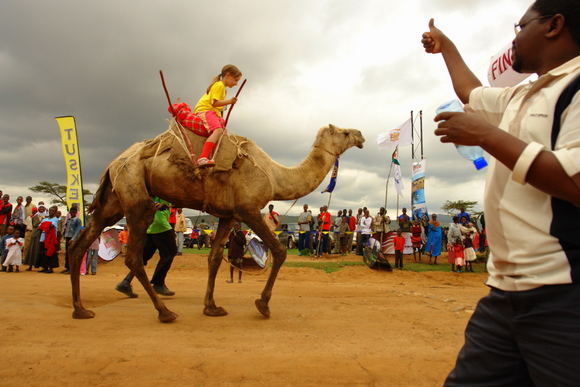
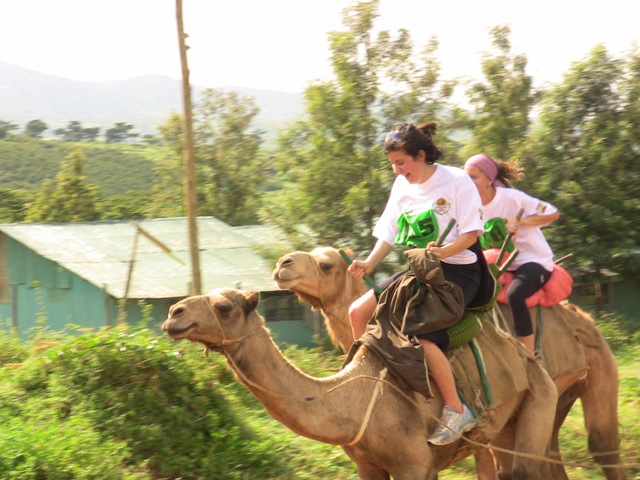
Best Known as Kenya’s most prestigious camel race, the Maralal Camel Derby is an annual event that normally takes place just outside of Maralal town, a remote desert outpost in Samburu county. Initiated by the late Malcom Gascoigne, who was the proprietor of Yare Camel Camp, this derby has been ongoing for 23 years now with the support of the Samburu community who participate fully in the running of the event. The event has so far attracted numerous organizations taking the sponsors role; the Kenya Tourist Board, Safaricom (largest mobile phone service provider), Kenya Commercial Bank, Samburu County Council, and many others.

0f20f136b72790baf8ac58ed78cf70f1

Maralal derby has grown into a great social event and is now recognized as a serious international sport with participants from New Zealand, Mexico, America, Canada, Australia, England, France, Spain, Japan, China, Sweden, Holland, Italy,  South Africa, amongst many other countries having raced over the years. The event also brings together several nomadic pastoralist ethnic groups; the El molo, Dassanech, Boran, Pokot, Samburu, Turkana among others. These communities engage and discuss about the various challenges that face them as pastoralists such as education and environmental issues.
Camel Derby, Maralal

This year’s Maralal Camel Derby  took place from 30th August to 1st September under the “Promoting peace through culture and sports” theme.  The event featured camel races for amateurs and professionals, peace marathons, bike competitions, traditional dances, cultural shows (cultural manyattas and traditional ceremonies displays), culinary show, stalls showcasing curios and handicrafts among other cultural exchanges from a wider array of traditional neighboring ethnic groups. The derby serves to educate people on the many benefits of camels therein promoting better camel husbandry among the Kenyan people. It also helps in conservation of nature by creating awareness of the rapid onset in the desertification of Kenya. The local community has not been left behind either, the Maralal camel derby  has helped sensitize them towards diversification of livelihoods thereby highly boosting their economy.

maxresdefault

The fun-filled derby is primarily a camping weekend however those not so keen on camping, Yare, Maralal Safari Lodge, and many other hotels in the town provides you with alternative accommodation. The races are often flagged off by local dignitaries with jockeys making sure their camels don’t steer off the course into other directions as many normally do. Along the race route, supporters line up to cheer on their jockeys with many awaiting at the final stretch. The derby has grown to include a 10km and 5 km fun run; the latter is for the physically challenged, and a cycling race – with mountain bikes racing over a demanding course. The cycle race also attracts its share of dedicated professionals on world-class bikes, as well as local amateurs on bikes that in some cases never see the end of the race.

amateurs

The Maralal Camel derby is quite a refreshing cultural festival and if you are visiting Kenya around the derby time, don’t miss out!


Its Finally Here!!!

You’ve been waiting a while now for it, and its about time too…the Taita Hills Adventure is finally here.

Taita Hills PosterSet for October, this trip promises you lots of thrill, adventure, entertainment, engaging activities, cultural experience, and fun! fun! fun! Get to interact with people from different cultural backgrounds and enjoy time off your hectic schedules.

???????????????????????????????One of the sites at which we will camp, Funju campsite. A place where the Eastern Arc mountains and the nyika meet.

???????????????????????????????

Taita Hills Itinerary - ZurukenyaReady to have a blast?…well then see you there!

Some inspiration to get you Travelling

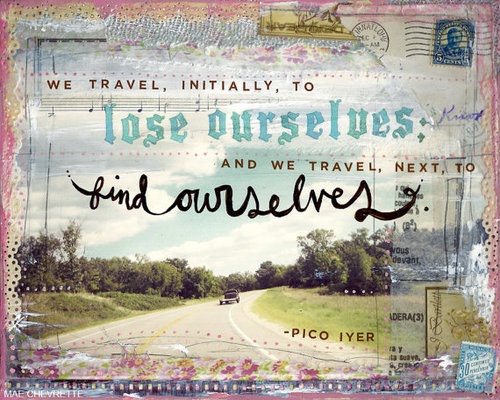
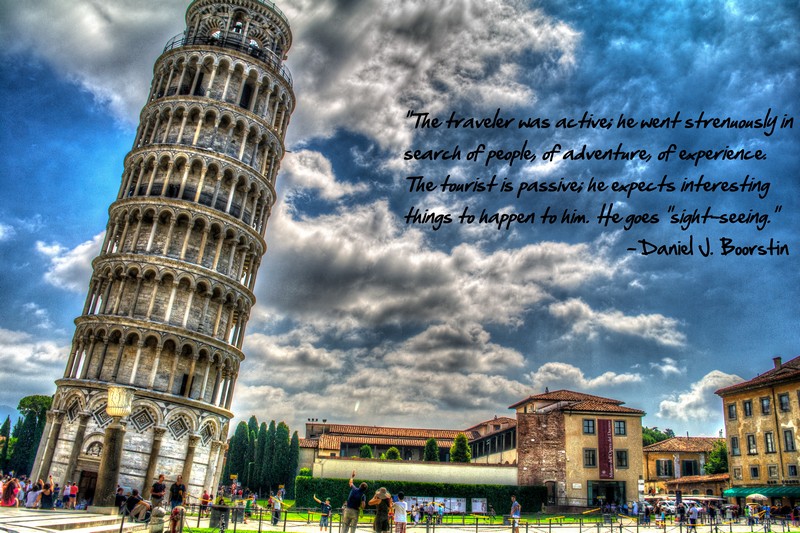
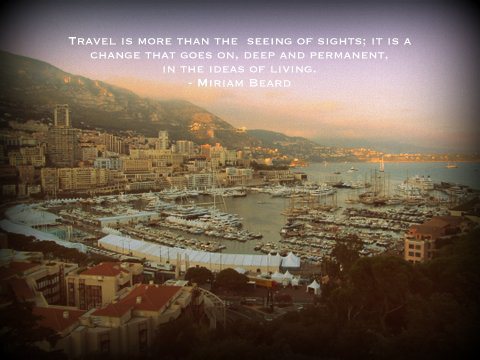
There is a deeper meaning to travel…

Quotes-About-Traveling-Part-IIsomething that can only be understood if and when one experiences it first-hand.

enhanced-buzz-11405-1369332489-17

So just why do we travel? some of us travel to broaden our minds, others to embark on a journey to self discovery, and many of us do it mainly for the adventure that comes along with it. Although we may all fancy the thought of travel, more often than not, many of us  tend to get caught up in such busy schedules that leave no room for some fun time.

9722__870x_inspiration_quote3-singleimage-article

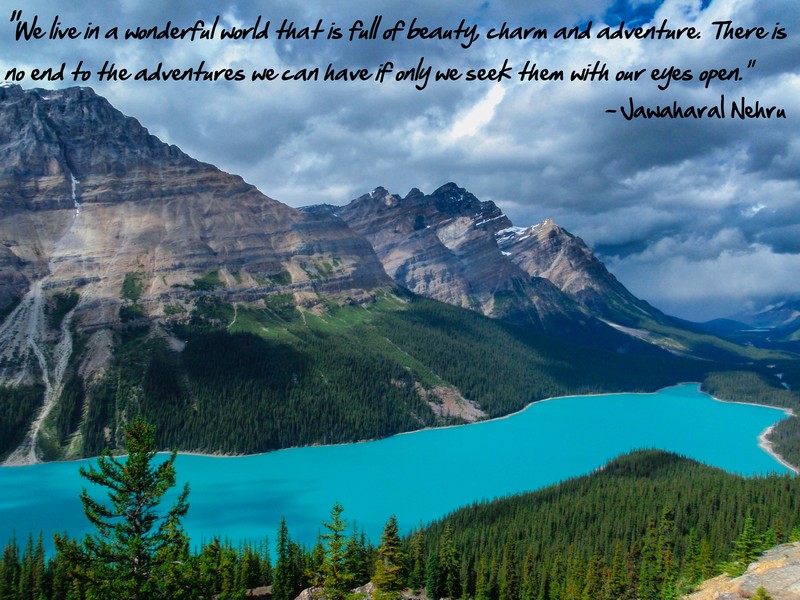
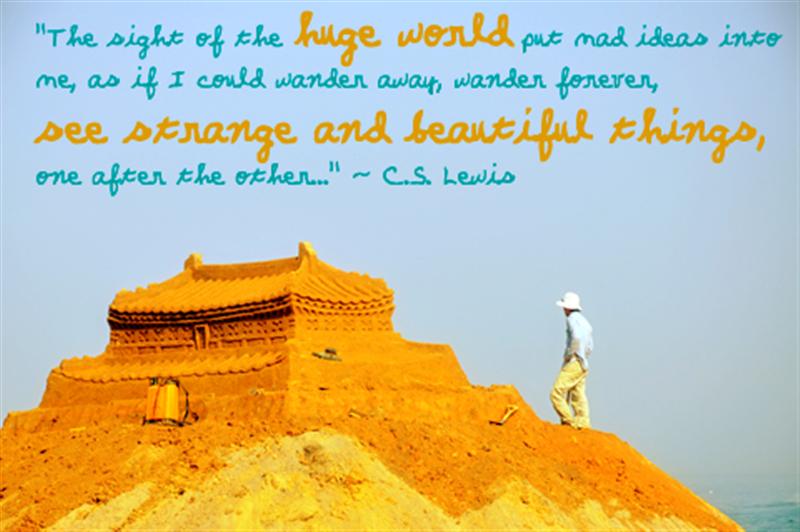
Perhaps some inspiration to get us off our feet is what most of us need. Something to remind us of the beauty that awaits to be explored out there.

318932_10151049498166673_572814980_nTravel quotes are a good source of this inspiration, many of which are insightful and very easy to relate with. Love traveling, these here quotes should resonate with some if not most of your experiences and if you are yet to embark on any such adventure, the inspirational quotes should do just the trick of motivating you into planning  a trip or two.

OLYMPUS DIGITAL CAMERA6OGut7i

23-1680x1050

1146585_584158124960625_42630575_ntravel-quote-18

edited DSC01752

enhanced-buzz-7745-1358199036-3

enhanced-buzz-16094-1369342860-11

enhanced-buzz-29911-1358194467-2

palin_quote_2

quote-19

Travel Quotes

travel3

find_a_place_you_can_retreat_to

travel-quote

travel-quote-30

tumblr_m2zq9cIO8l1qig6iso1_500

tumblr_mfh7x2BTJv1rahzmno1_500

tumblr_mk152etKDy1qar3b6o1_500

tumblr-quote-16

week14

Killing-blow-Bullfighting-in-Spain Leaning-tower-of-Pisa-Travel-Quotes   pages-10-11  OLYMPUS DIGITAL CAMERA

montecarlo

Life is either a daring adventure or nothing

pinterest.com

Travel Quote 34

Do these quotes inspire you to go some place you haven’t been yet? These are some of our favorite inspirational travel quotes, feel free to share yours with us. And most importantly, when you get the chance to, explore the world!! My bags are already packed…what about you?

Quotes-about-Traveling-Part-I

Travel-Quote6

Don’t be a tourist. Plan less. Go slowly. I travelled in the most inefficient way possible and it took me exactly where I wanted to go. – National Geographic’s Andrew Evans

dream

tumblr_m3sc8kceX11rph09ko1_500

“Trust me. It’s Paradise. This is where the hungry come to feed. For mine is a generation that circles the globe in search of something we haven’t tried before. So never refuse an invitation, never resist the unfamiliar, never fail to be polite, and never outstay your welcome. Just keep your mind open and suck in the experience and if it hurts, you know what… it’s probably worth it. You hope, and you dream but you never believe that something is going to happen for you, not like it does in the movies and when it actually does you expect it to feel different more visceral, more real, I was waiting for it to hit me……..I still believe in paradise, but now at least I know it’s not some place you can look for ‘cause it’s not where you go, it’s how you feel for a moment in your life…and if you find that moment… it lasts forever.”

~ Richard – The Beach

– See more at: http://www.anewyorkertravels.com/some-of-my-favorite-travel-quotes/#sthash.0KjtRk7I.dpuf

“Trust me. It’s Paradise. This is where the hungry come to feed. For mine is a generation that circles the globe in search of something we haven’t tried before. So never refuse an invitation, never resist the unfamiliar, never fail to be polite, and never outstay your welcome. Just keep your mind open and suck in the experience and if it hurts, you know what… it’s probably worth it. You hope, and you dream but you never believe that something is going to happen for you, not like it does in the movies and when it actually does you expect it to feel different more visceral, more real, I was waiting for it to hit me……..I still believe in paradise, but now at least I know it’s not some place you can look for ‘cause it’s not where you go, it’s how you feel for a moment in your life…and if you find that moment… it lasts forever.”

~ Richard – The Beach

– See more at: http://www.anewyorkertravels.com/some-of-my-favorite-travel-quotes/#sthash.0KjtRk7I.dpuf

“Trust me. It’s Paradise. This is where the hungry come to feed. For mine is a generation that circles the globe in search of something we haven’t tried before. So never refuse an invitation, never resist the unfamiliar, never fail to be polite, and never outstay your welcome. Just keep your mind open and suck in the experience and if it hurts, you know what… it’s probably worth it. You hope, and you dream but you never believe that something is going to happen for you, not like it does in the movies and when it actually does you expect it to feel different more visceral, more real, I was waiting for it to hit me……..I still believe in paradise, but now at least I know it’s not some place you can look for ‘cause it’s not where you go, it’s how you feel for a moment in your life…and if you find that moment… it lasts forever.”

~ Richard – The Beach

– See more at: http://www.anewyorkertravels.com/some-of-my-favorite-travel-quotes/#sthash.0KjtRk7I.dpuf

Eco-Warriors 2013 Shortlisted Candidates

As promised, the list of shortlisted finalists for the Eco-tourism award is finally out. The 7th edition of the Eco-Warriors Award Ceremony Gala Night scheduled to be at the Safari Park Hotel and Casino on 24th September 2013, will be held under the Tourism’s role in sustainable community development theme.

The Award ceremony is held annually to recognize exceptional achievers in ecotourism best practices in Kenya. Over 77 applications were received for this year’s awards, the nominees are as follows:

  • Conservancy of the Year 2013 – Private

a)Ol Pejeta

b)Borana Conservancy

  • Conservancy of the Year 2013 – Community

a)Ol Kinyei Conservancy

b)Ilngwesi Conservancy

c)Naboisho Conservancy

d)Mara North Conservancy

  • Ecotourism Enterprise of the Year 2013 – Lodge

a)Severin Sea Lodge

b)Serena Mountain Lodge

c)Amboseli Serena Safari Lodge

d)Sirikoi Lodge

e)Tawi Lodge

f)Keekorok Lodge

g)Olarro Lodge

h)Sarova Shaba Game Lodge

  • Ecotourism Enterprise of the Year 2013 – Tented Camp

a)Ol Seki Hemingways Mara

b)Lake Elementaita Serena Camp

c)Porini Mara Camp

d)Kilima Camp

e)Basecamp Masai Mara

f)Kiboko Luxury Camp

g)Elephant Pepper Camp

h)Sanctuary Olonana

i)Sarova Mara

j)Governors camp

  • Ecotourism Enterprise of the Year 2013 – Villas/ Holiday homes

a)Forest Dream Resort

b)Medina Palms

  • Ecotourism Enterprise of the Year 2013 – Community Based (Supported by Kenya Wildlife Trust)

a)Porini Amboseli Camp

b)Camp Kenya

c)Kobo Safaris Ltd

d)Statunga Ecotours

  • Ecotourism Enterprise of the Year 2013 – Tours and Travel  

a)Gamewatchers Safaris Ltd

b)Kobo Safaris Ltd

c)Exclusive Eco Travels Ltd

d)Cheli & Peacock Safaris

  • Ecotourism Enterprise of the Year 2013 – Airline

a)Air Kenya

b)Safarilink

  • Eco-Rated Facility of the Year 2013

a)Basecamp Masai Mara

b)Ol Seki Hemingways Mara

c)Sasaab Lodge

d)Kicheche Valley Camp

e)Amboseli Serena Safari Lodge

f)Lake Elementaita Serena Camp

g)Serena Mountain Lodge

h)Serena Beach Hotel & Spa

i)Porini Amboseli Camp

j)Turtle Bay Beach Club

k)Kichwa Tembo

l)Joys Camp

m)Sanctuary Olonana

n)Baobab Beach Resort

o)Kicheche Camp Ltd

  • Ecotourism Partnership of the Year 2013

a)Ol Seki Hemingways Mara

b)Sasaab Samburu

c)Porini Amboseli Camp

d)Kobo Safaris Ltd

e)Cheli & Peacock Community Trust

f)Basecamp Maasai Brand

  • Ecotourism Guide of the Year 2013

a)Christopher Letur- Saruni Samburu

b)Deric Nabaala- Basecamp EagleView

c)Nelson Ole Reyia- Sanctuary Olonana

d)Andrew Odhiambo- Kicheche camps

e)Onesmus- Rekero Camp

f)David Nganga- Mara Rianta

  • Ecotourism Journalist of the Year 2013

a)Kimathi Mutegi- People Daily

b)Aby Agina- Nation Media Group

c)Rupi Mangat

d)Carol Gatura

  • Ecotourism Student Innovation Award 2013

a)Anthony Muinde

b)Mwania Stephen

c)David Mwabili & Billy Oyaro

d)Musau Makau

  • Ecotourism Training Program of the Year 2013

a)Strathmore University

b)Kenyatta University

c)Amboseli Institute

d)Intl Hospitality & Tourism Institute

  • Ecotourism Student Host Organization of the Year 2012 (Supported by Ecotourism Kenya)

a)Mlilo Community Tours & Safaris

b)Statunga Ecotours

This year’s Eco-Warriors will be held during the Ecotourism and Sustainable Tourism Conference (ESTC13) Kenya Night Event. The Ecotourism and Sustainable Tourism Conference (ESTC), organized by the International Ecotourism Society (TIES), is a unique annual conference focused on the advancement of sustainability goals for the tourism industry.

Fort Jesus (Fortaleza de Jesus de Mombaça)

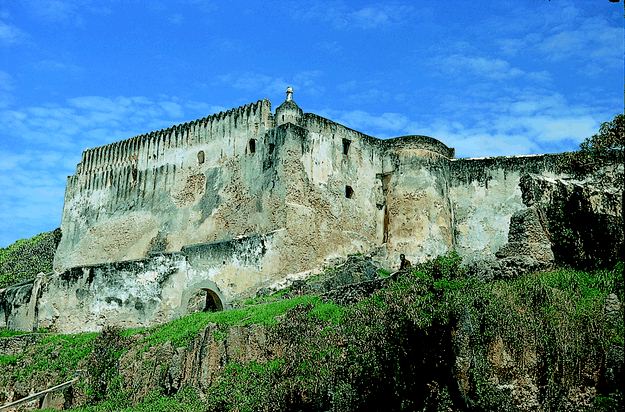
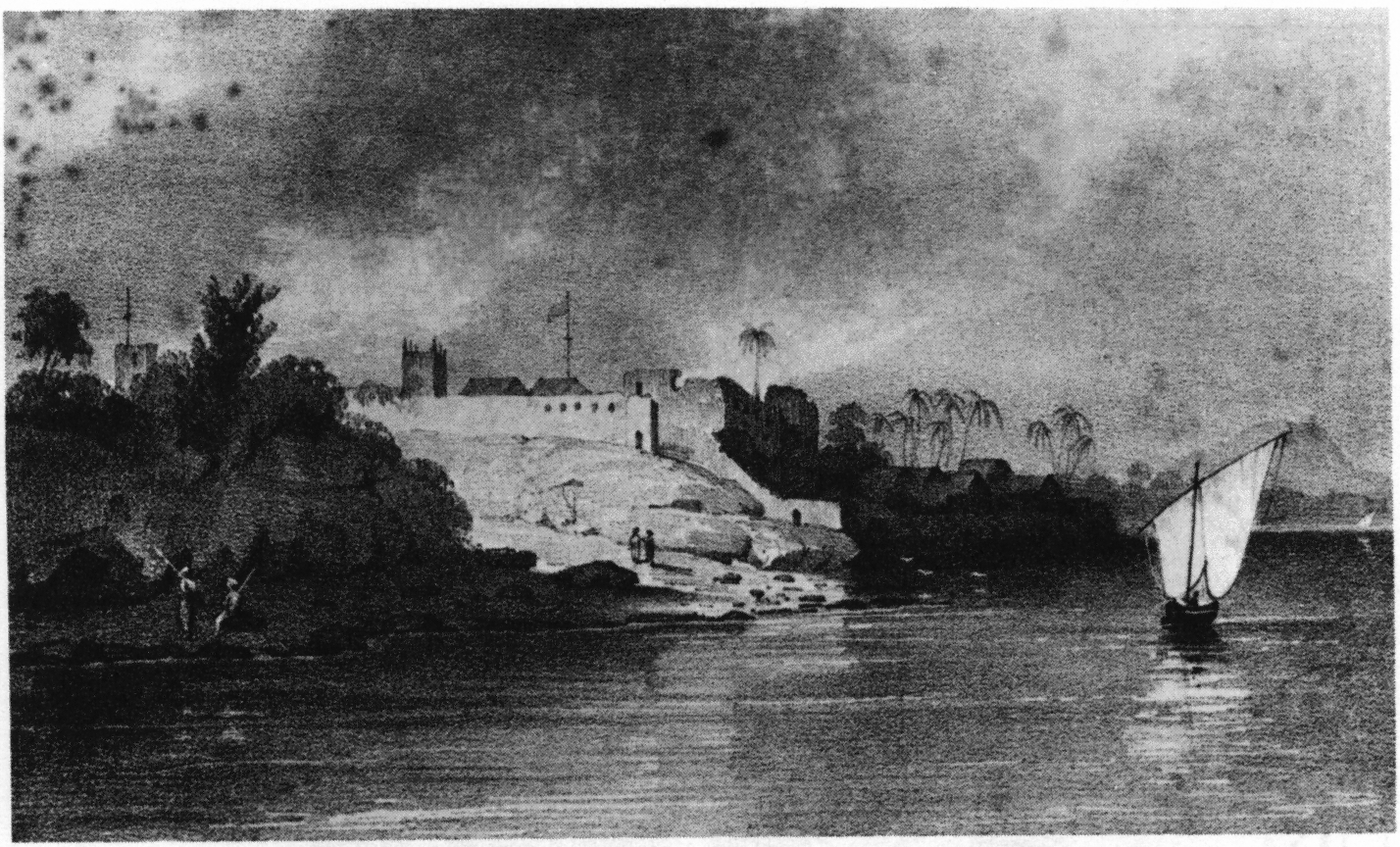
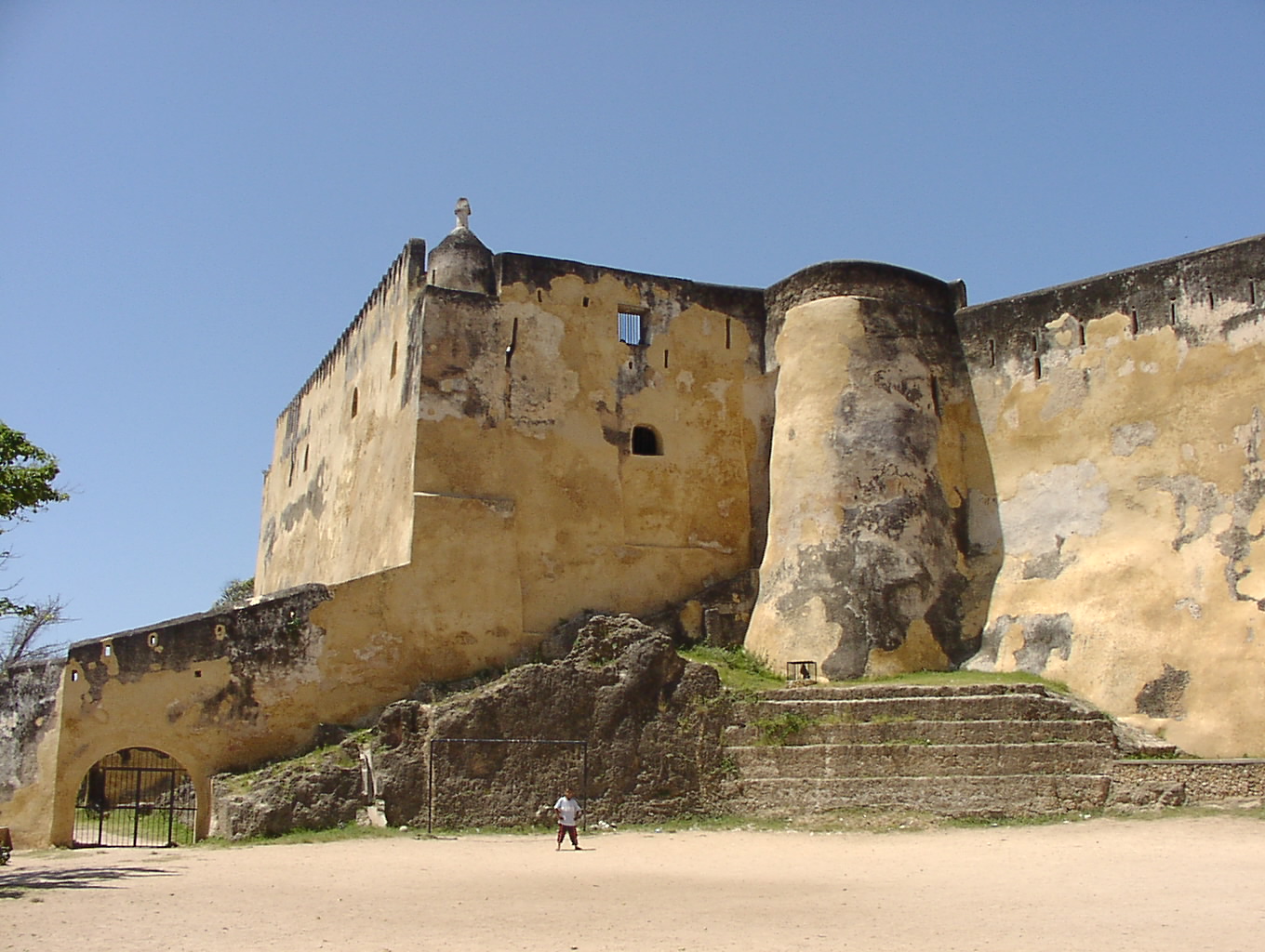
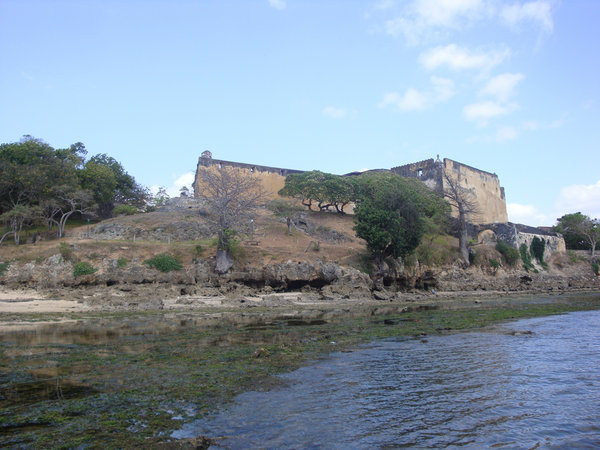
Fort Jesus, undoubtedly Mombasa’s most popular tourist attraction, is a monumental piece of architecture built in the 16th century from 1593-1596 by the Portuguese. Sitting on the edge of a coral ridge overlooking the entrance to the old port of Mombasa, the Fortress which was built to protect the Portuguese trade route to India as well as their vested interests in East Africa is now turned Museum, declared a World Heritage site by UNESCO in 2011 and one of the finest examples of 16th century Portuguese military architecture.

Fort-Jesus

37785-004-F43D3092

Designed by Italian architect, Giovanni Battista Cairatiand and later dedicated and named  “Fortaleza de Jesus de Mombaça” by the then-captain of the coast, Mateus de Mendes de Vasconcelos, the quadrilateral fort is comprised of four bastions; S. Felipe, S. Alberto, S. Mathias and S. Mateus and owes its existence to the Turkish raids of 1585 and 1588 which is what led to its construction.

Fort_jesusfort-jesus-plaque

Fort_Jesus,_Mombasa2

Since its erection, Fort Jesus’ control has exchanged hands numerous times in counting; In 1631, Sultan Muhammad Yusif baptized as Dom Jeronimo Chingulia entered the fort taking the Portuguese by surprise and killing the Portuguese captain, Pedro Leitão de Gamboa. He also then massacred the whole Portuguese population of Mombasa (45 men, 35 women and 70 children) and after two months of siege, abandoned the enterprise becoming a pirate. Right After sultan Dom’s departure, a small Portuguese force under Captain Pedro Rodrigues Botelho, that had remained in Zanzibar, reoccupied the fort.

OLYMPUS DIGITAL CAMERA

IMG_2129

In 1696, Fort Jesus fell under siege from Omani Arabs but was easily relieved by a Portuguese expedition in the same year. Unfortunately though, in the following months a plague killed all the Portuguese of the garrison (50-70 portuguese soldiers) and by 1697 the defense of the fort was in the hand of Sheikh Daud of Faza with 17 of his family, 8 African men and 50 African women. After several other sieges from then, the Omani Arabs successfully took over the fort and with this conquest taking the whole coast of Kenya and Tanzania with Zanzibar and Pemba under their control. The fort had clearly become a vital possession for anyone with the intention of controlling Mombasa Island or the surrounding areas of trade. The struggle didn’t just end there though, the Portuguese were not one to accept defeat so easily as they retook Fort Jesus in 1728, when the African soldiers mutinied against the Omanis; a take over that didn’t last so long unfortunately. Tables turned the following year when the Mombasa locals revolted against them and put under siege the garrison. Years later during colonization, the British used the fortress as a prison, until 1958, when they converted it into a historical monument.

inside-fort-jesus

fortisusmombasa2

Today, visitors get to explore the gun turrets, battlements and houses within the walls of Fort Jesus. The national monument combines Portuguese, Arab and British elements, representing the major powers that held it at different times in history. The presence of the Portuguese and British is felt through their respective cannons; The Portuguese cannons had a range of 200 meters and are longer than the British cannons which had a range of 300 meters. The Omani Arabs on the other hand, left their mark throughout the fort with numerous Koran inscriptions showcased on the wooden door posts and ceiling beams whereas a former meeting hall supported by 5 stone pillars to the ceiling portrays their Muslim tradition of 5 pillars.

???????????????????????????????

Mombasa Fort Jesus2

Those interested in learning more about the struggles that the fortress has housed over the years will be delighted by the spectacular sound and light shows hosted by the fort 3 nights in a week. On the night of the show, visitors are welcomed into the Fort by guards in flowing robes brandishing flaming torches. They are then led to a specially designed and choreographed show that uses lights, sound effects and costumed actors to bring to life the long and turbulent history of the Fort. After the show, the visitors are treated to a candlelit dinner in the open courtyard of the Fort, under the stars. The sound and light show can also be combined with a sunset dhow cruise on the Mombasa harbor.


Poverty’s Poster Child: Why slum tourism is causing more harm than good to Kibera residents

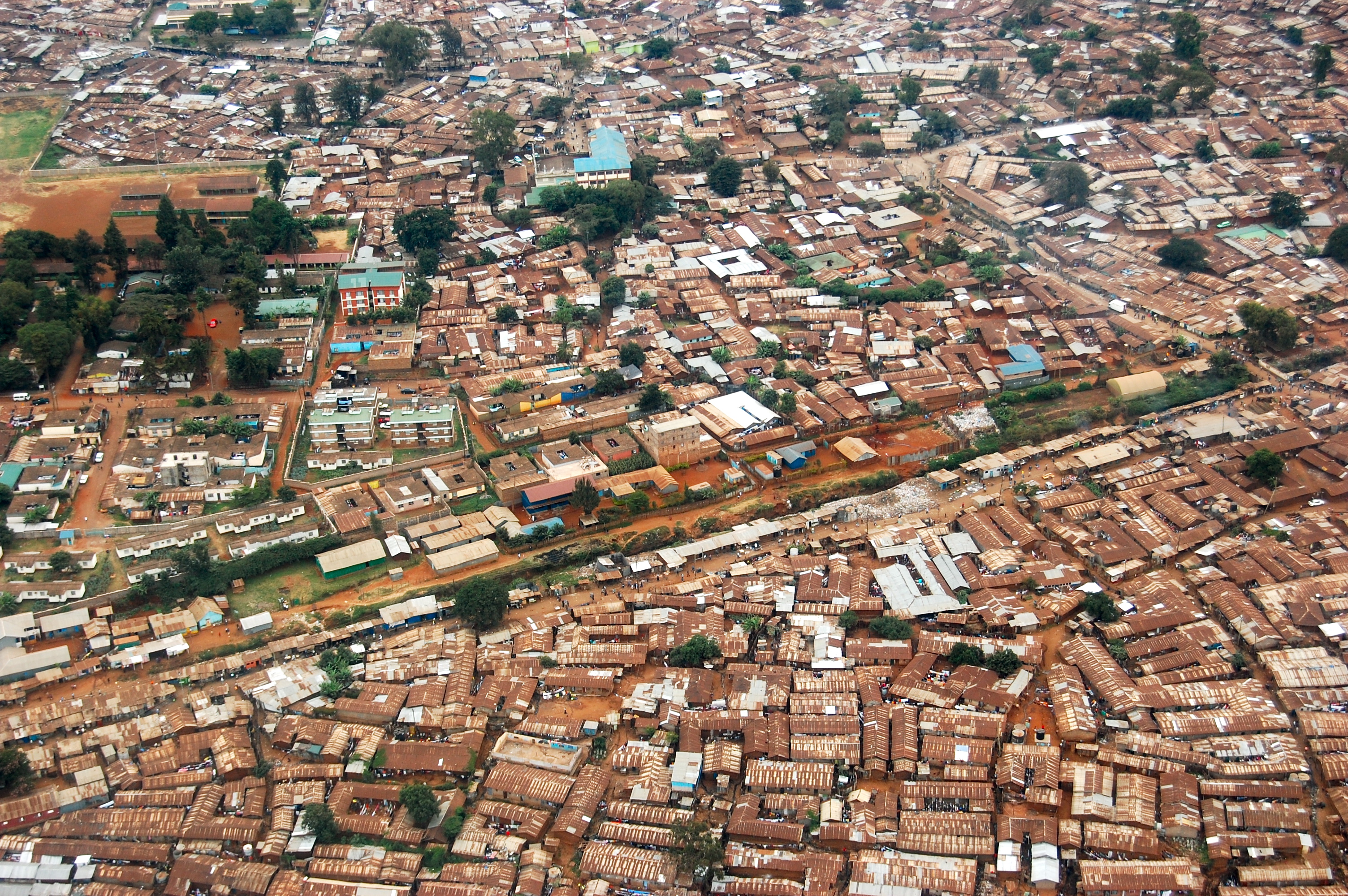
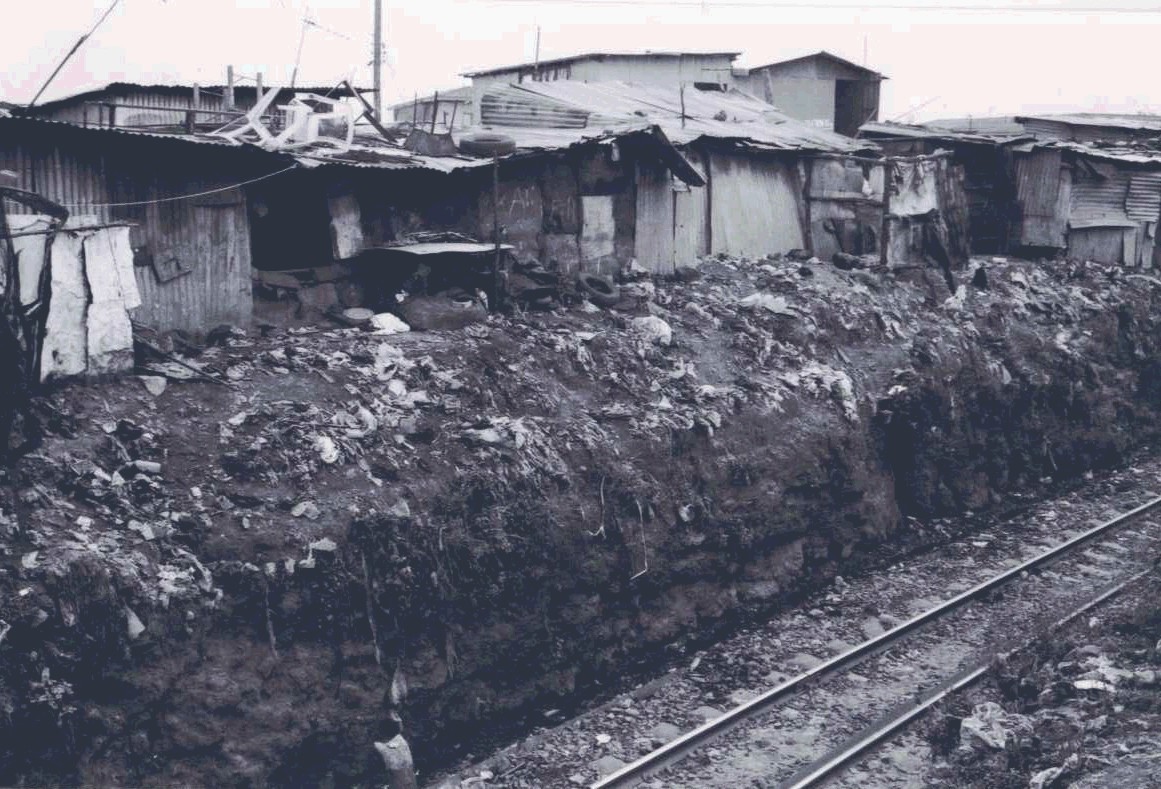
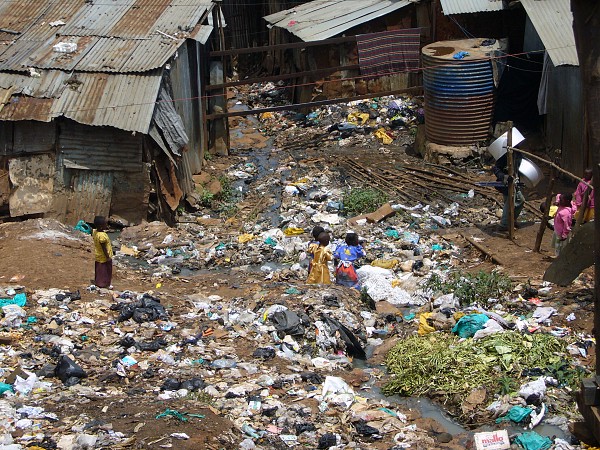
Poorism, ‘Slumming it‘, slum tourism or however you prefer to call it is a phenomenon that has rapidly emerged in the Kenyan tourism sector albeit controversially so, having sparked numerous debates – not only in Kenya but the world over – bordering on whether the tours are exploratory or plain exploitative. Prior to some high-profile obligatory visits, (U.N. Secretary General – Ban Ki-moon, Chris Rock, then-Senator Barack Obama, former United States Secretary of State – Hillary Clinton and former Prime Minister of the United Kingdom – Gordon Brown) itineraries to the ‘chocolate city’ (Kibera’s alias) were simply unheard of.

DSC_0012_2

b&w kibera sewer railway

Many can also argue that aside from the high-profile visits, showbiz has had a bigger hand in the promotion of slum tours whether intentional or not; with the release of big films like Kibera Kid, The Constant Gardener (brought a wave of tourists to Kibera), City of God (increased tourism in Rio) and the biggest one yet, Slumdog Millionaire (The award-winning movie recorded a phenomenal increase in the level of poverty tourism popularity in the world). The films go a long way in showcasing not only the poverty in shantytowns, but that these areas can also provide for excitement and thrill in terms of cultural vibrancy, drama, vices and lots more calling for exploration.

Constant-GardnerA scene from the Constant Gardener

splash

Today, the prominence of poorism has seen a number of slum tour outfits offering tailor-made tours to slum areas within the capital crop up (not without opposition off course); with the most popular slum destination being Kibera as it is the largest in the country. Those set against the entire slum-tour practice (many of whom are slum residents) and with supposed good reason, argue that it is not at all beneficial to the community and see no significance in its existence. What slum tourism does instead, as per their belief is invade the residents’ privacy and have them treated like park animals, which is insulting.

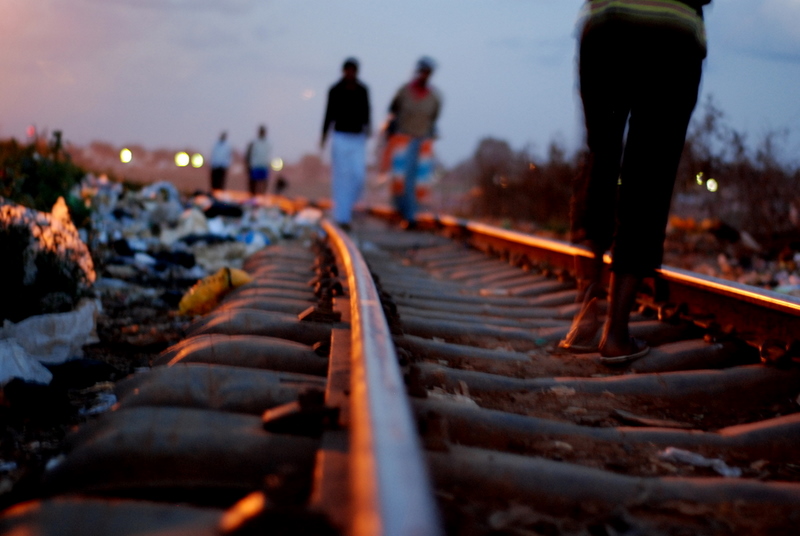
28mm_women_kiberia_trainaction_2 Many abhor the fact that slum residents, who play into the whole equation as mere commodity guaranteeing profit for the tour operators, have no say in the organization of these trips. Nobody seeks out their thoughts or perspectives when planning what activities can or cannot be carried out nor do they get to decide what areas the tourists can or cannot see. This feeling is not only restricted to Kibera though; the same is echoed in regard to the favela tours in Rio de Janeiro and Dharavi tours in India where organizers of the tours are labelled as parasites leeching off of the plight of the poor.

Nairobi-slums

w430.68de7

According to Cejas 2006, this sort of tourism turns poverty into entertainment more so like ‘reality television’ whereby the tour operators, like television producers, can essentially write a script for tour guides on what is said – who is hero, who is villain, and what areas should be highlighted.

“They see us like puppets, they want to come and take pictures, have a little walk, tell their friends they’ve been to the worst slum in Africa,”David Kabala – Kibera resident.

On the other end of the argument however, proprietors of these ‘pity tours’ are seemingly convinced that tourists on an adventure, snaking along narrow mud-ridden alleys fascinated by the novelty of capturing images of the newest spectacle in tourism ‘the bipedal slum wildlife’, while sampling the varied tastes that poverty and slum life has to offer; lack of sanitation, water shortages, lack of access to education, health hazards and diseases, sale of illicit alcoholic brews, HIV/AIDS amongst many others is not a mockery to the slum residents’ situation, au contraire.

aa0518b21b29e6fd15b442ba33f084b9e465cf83

Aside from being good money off course, slum tourism from the tour operators’ view is a form of promoting social and cultural awareness; a tool that aids tourists get more accustomed to what being a slum dweller really means and to better grasp the issues and challenges that slum residents have to tackle in everyday living. The generated income from the slum tours supposedly makes its way back to the community to help support schools, children’s homes, art centres and many more but in many occasions; this is sadly not the case as much of the cash registered is pocketed by the slum-tour outfits. This very common scenario is arguably the main reason behind most of the residents’ stand in opposing slum tourism as aside from enriching the tour operators, it simply does nothing for them.

02Now granted that most of the individuals paying for these tours on a whim may genuinely want to understand how shantytown life may be, – not that it is advocated that one enthusiastically sets out on an adventure capturing images of individuals without their consent in the name of understanding poverty – a two to three-hour visit no matter how well-intentioned you may be would do nothing to help one nearly comprehend the slum situation, not in the least bit. Perhaps those that truly seek to understand slum life should dive all in and literary walk in the residents’ shoes; do away with the one-way street affair that is a few hours slum tours and say hello to home-stays within the slums areas. That way, the visitor gets to experience first-hand the situation on the ground without relying on stories and on the other hand, host families get to put food on the table by actually getting profits from the trips.

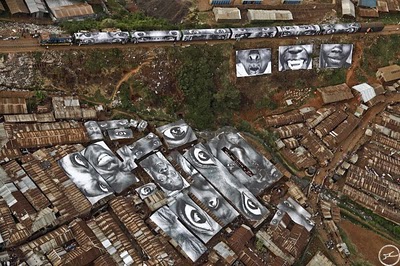
kenya_kibera_JR

In all honesty though, in spite of the organizers’ high expectations that the experience may lead the tourists into action, how many of these tourists actually do something about what they see during their slum tours after they get back home? it all seems to be a lip service affair Just as is the case with many of the dignitaries.

kibera-reduced-map-2-screenshot_204258kibera-red-18-projects-blue-3105-stories-wider

An example of endeavors to understanding the depth of poverty associated problems that many Kenyans grapple with in the slums brings up Famous, rich and in the slums. For those who might not have watched it, Famous rich and in the slums is a two-part documentary series  that follows four British celebs – comedian Lenny Henry, TV host and journalist Angela Rippon, actress Samantha Womack, TV and radio star Reggie Yates – into the slums of Kibera away from their privileged lives, as they fully immerse themselves in slum culture for one week and undergo an emotional, life-changing encounter, forming deep bonds with people living with a range of devastating issues all too common in Kibera . Stripped of all their possessions, and with just Ksh200 to start them off, the four had to eat, breathe and work every aspect of slum life for the seven days. How did they cope in their new environment? living by themselves in the first few days and having to work tough jobs to survive, Lenny, Angela, Samantha and Reggie discover just how harsh the realities of poverty are.

Kibera

This documentary was filmed as part of the annual BBC Comic Relief charity telethon – Red nose day, an event that saw over £70 Million (£74,360,207) raised that year to help change lives of extremely vulnerable and disadvantaged people across the UK and Africa (including the ones featured in the film). Aside from being emotionally hard-hitting, the documentary unlike many others, gives a voice to the slum dwellers as they share their stories as well as homes with the four personalities. This is a side of Kibera that we rarely get to see in the media, we see resilient individuals who despite hardship and abject poverty have not stopped hoping and work extra hard for a better future. Although some may argue that this is all a ploy for ratings, one cannot deny the impact that this experience had on the lives of the residents that the four personalities engaged with, even if just in a little way. Comic relief continues to make an impact on people’s lives both by raising funds and raising awareness about just how life can be for those on the opposite end. Another similar feature from comic relief is Famous, rich and homeless a documentary that unveils the realities of living in the streets of London.

That being said, it’s about time Kibera stopped being Kenya’s poverty poster child. Despite the inescapable poverty and hard living conditions, Kibera is teaming with so much life, energy, community and promise; with so much talent yet to be harnessed. Kibera needs land/tenancy rights, housing, water, electricity, health clinics, education, employment, security plus much more; issues that are being addressed to a lesser or greater extent by many organizations including Churches, UN-Habitat, MSF, AMREF and many others, with funding coming from organizations such as Gates Foundation, Bill Clinton Foundation, and other well-known charities both local and international. The major question here though is where does the government fall in this picture? why should Kenyan citizens have to rely on outsiders to do something for them when the very people they elect sit by and watch them suffer?

kibera_5_600

In essence though, we all should be on the forefront of alleviating the rich-poor divide in the country. The much-needed efforts of willing and compassionate people would definitely go a long way in extracting  the “me vs the poor” attitude.

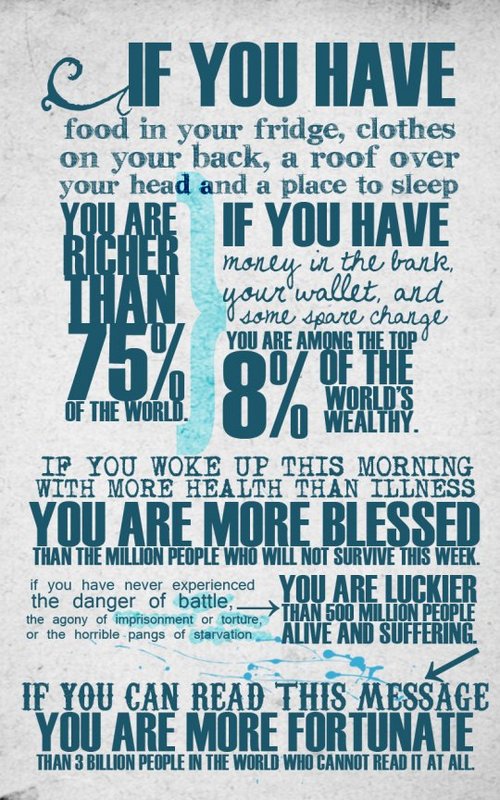
“Overcoming poverty is not a task of charity, it is an act of justice. Like slavery and apartheid, poverty is not natural, it is man-made and it can be overcome and eradicated by the actions of human beings” Nelson Mandela.

Maasai cricket warriors: Find out why these Morans are trading spears for Cricket bats

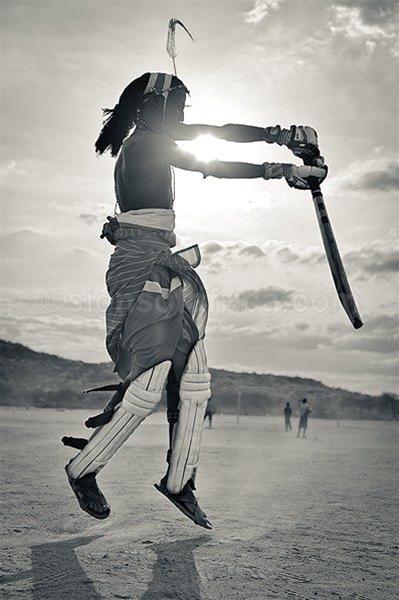
With their latest venture having been geared towards advocacy against poaching, the now acclaimed Maasai warriors took to the field to do what they know best; cricket. Not so long ago, the unusual Maasai cricket morans (unusual because unlike any normal cricket team, the morans play the sport in their colourful garb instead of the traditional cricket whites) faced the Ambassadors of Cricket; an Indian cricket team, in a T20 cricket match at the Ol Pejeta Conservancy.

feature1The event’s main goal was creation of awareness against poaching of elephants and rhinos in Kenya; an issue that has increasingly exacerbated overtime. Ol Pejeta was selected as the initiative’s venue for the simple reason of being home to some of the endangered species i.e black and northern white rhinos.

imaging.ashx imaging.ashx11 imaging.ashx65The Maasai Cricket Warriors have awed many in their years of existence (believe it or not they have a decade under their belt as a team) not only for the sassiness they bring in the game of cricket (their sport attire is colourful; made up of colourful shukas, beads and sandals made from tyres alias akalas) but also for the main reason behind their playing this gentleman’s game. Its a peculiar sight coming across a Maasai whom instead of a spear holds a cricket bat. However, this peculiarity has a noble drive behind it; the warriors main mission through this is to empower youth by targeting social problems in order to bring about positive change in their Maasai communities.

The Maasai warriors cricket team, to quote an old Pepsi tag line, has nothing official about it – and that’s where the beauty lies! The team consists of 11 men (plus another 14 reserves) – each one striving to be a role model in their community. Their campaigns are targeted against traditional female circumcision (FGM), child marriages, and HIV/AIDS among tribal youth.

Maasai Cricket Warriors.

feature2The Maasai community is male-dominated and the women have very few rights – even to their own bodies. The Maasai women also grapple with Female Genital Mutilation (FGM) where girls as young as 6 are circumcised facing pain, psychological trauma, considerable health problems as well as high-risk of infection since materials used are not entirely sanitary (the girls are circumcised with materials that have been used over and over). HIV is also rife here and the victims face a lot of stigmatization. Another major challenge is child marriages where in some cases children are married off in return for livestock or alcohol. The cricket warriors feel that education and change is the only way to secure the health of the community, provide equality to their society, and as a result protect their future.

[photo/funsterz.com]It is a tough challenge to accomplish what they are going for seeing as the Maasai elders fear changing their traditions will herald the end of the Maasai. However, with great drive and determination, they continue to make a difference – one step a time. The warriors are also spending their time trying to stop cattle rustling a practice that has now degenerated into a militarized activity among the Pokot, Turkana, Maasai and Samburu communities. Today’s incidents of cattle rustling are driven by hatred, political instigations, unscrupulous commercial activities, general crime, and availability of firearms. The warriors plan to curb this through proactive engagement of the youth from the pastoral communities in this region and also with cross-district involvement in sports, such as cricket while at the same time reawakening and revitalizing the traditional mechanisms of peace building among the different communities. The community elders will also be facilitated and enabled to carry out traditional peace building and conflict transformation strategies.

[photo/dailymail.co.uk]The Maasai cricket warriors have come a long way and are not planning to call it quits anytime soon. They dream of reaching England and playing in the Last Man Stands World Championships – a pilgrimage of sorts to the ‘home of cricket’ – not only because they genuinely love the game, but also because they believe it will give them a status to positively influence the future of their village.

We Don’t Only Play Cricket – It’s Our weapon to Eradicate Social Evils


Kenya Hospitality Trade Fair 2013

Currently underway at the KICC (Kenyatta International Conference Centre), the Kenya Hospitality Trade Fair was officially launched yesterday by the Governor of Nairobi, Dr. Evans Kidero. The Trade Fair kicked off with a premier conference for the first edition of Hotel Summit East Africa (HOSEA)(this was introduced by the event’s organisers, Slujan Events in conjunction with the Eastern Africa Economic Chambers of Commerce (EAECC)) under the theme Investing in the Hospitality Industry: The next Frontier.

The three-day event that ends tomorrow (25th – 27th July) is regarded as the largest hospitality event in East and Central Africa, and expects to attract just about over 10,000 business networking, exhibition and conferencing professionals.This event will give a platform to hospitality-oriented businessmen amongst others, to sample top notch products, services and solutions available in the industry.

Also expected at the event are over 100 exhibitors from more than 10 countries. The exhibitors will include experts in interior décor & furnishing, international manufacturers, suppliers and solution providers in hospitality supplies & equipment, distributors, technology & sustainability, outdoor & tailor-made experiences and many, many others.