All posts by zurukenya

Zuru Kenya is a sophisticated, high quality, visually impacting travel, leisure and lifestyle Blog. We seek to raise the profile of Kenya by showcasing its diversity in cultures, tastes, wildlife, stunning landscapes and more! Our passion for travel drives us to highlight what makes Kenya a top tourist destination (not only in Africa but worldwide) and the premier of wildlife safari. Our aim is to bring you relevant travel content that features Kenya's fascinating history and culture, her people, amazing sights & sounds and beautiful regions designed to aid you in planning and/or enjoying your trip to this beautiful country

Guns will not win the war against elephant poachers

Bigger fines and stronger penalties alone won’t be enough to stop poaching for ivory – but traditional values could help

A Kenyan wildlife ranger inscribes markings on the 775 elephant tusks, seized by port police in Mombasa Photograph: Joseph Okanga/Reuters

Despite best efforts we are not winning the war on poaching. A massive seizure of 1.5 tons of ivory in Kenya’s port city of Mombasa on 3 July flies in the face of threats against poachers and dealers by the Kenya government, and yet ivory traffickers continue unabated. In the first six months of 2013 more than 7.5 tons of ivory was seized in the country – more than was seized in all of 2012.

By all measures, elephants are much worse off than last year; ivory continues to flow through the country at increasing rates, and the slaughter of elephants is accelerating. The public, CITES, conservationists and the world criticizes Kenya for her failure to match words with actions. The situation is rapidly spiraling out of control.

Kenya has taken many decisive actions. Thirty-two staff including senior officers of the Kenya Wildlife Service were sent home for involvement or suspicion of involvement in driving the crisis, the list of shame includes senior officers in the security department. The government is enacting new legislation, committing additional funds to hire 1,000 new rangers, and private sector has also re-doubled their efforts through increasing investment in anti-poaching with special training, more monitoring, drones, sniffer dogs, attack dogs, vehicles, 1000$ worth of remote cameras and aircraft.

Despite these military efforts to stop the poachers, the problem is worsening. As Julius Kimani, Deputy Director of Security in KWS said in a meeting last week

We cannot win this war with guns, it is time to explore more intelligent ways of motivating people to stop killing our most magnificent species.

Changing trends in poaching

There was a time when despite the costs and risks, Kenyans defended elephants. Poaching elephants for ivory was unacceptable to most, and those who engaged in it were demeaned. In the 1970’s and 80’s poachers mostly the tough wiry Somali people who entered Kenya on foot from the north with guns under their shuka’s (sarongs). They followed the tracks of elephants, shot them and buried the ivory for collection at a later date. It was a low tech business. Today the poaching and trafficking of ivory is no longer the prestige of the Somali, it is being done by all tribes, professionals, and individuals of all walks of life:

In April a young university student was arrested at a Kenyan shopping mall in a smart SUV full of ivory.

Local community members once considered the buffer against poachers from outside are now poaching.

Local poaching rings operate with impunity in Kenya.

Staff and ex-staff of conservation bodies are now doing the poaching themselves.

Army officers have been arrested on suspicion of poaching
.

Two renowned Kenyan elephant conservationists have been arrested on charges of ivory trafficking.

On 29th of June an American traveller was arrested at Nairobi International Airport and charged with smuggling ivory.

At this rate it is conceivable that anybody could be suspected of involvement in the ivory trafficking business because it is not poverty that drives people to kill elephants or traffic ivory. Why is it that so many people are now involved in poaching and trafficking of ivory?

Understanding the psychology of poachers

In a recent discussion with behavioral economist and professor at Duke University Dan Ariely, I was challenged to think about the human motivations behind the poaching. Ariely, the author of three New York Times Best Sellers Predictably Irrational, The Upside of Irrationality, and The Honest Truth about Dishonesty has studied motivations behind the actions of criminals.

I spoke to Ariely about the Kenyan government response to the crisis, by enacting extreme penalties to discourage poachers. Like others I have a gut feeling that higher penalties may not work, I fear that instead suspects will bribe the police, the price of ivory will increase to compensate and thus accelerate the killing. Ariely said I had a point, but not necessarily for the reasons I thought.

I learned three important things about behavioral economics that are relevant to poaching.

1. Everyone is dishonest to the limit of social acceptance

First, Ariely’s research suggests that when many of people are doing bad things, it is easier for anyone to view it as socially acceptable and starting engaging in this activity as well. Ariely’s logic suggests that the more we report the scale of ivory trafficking and elephant poaching, the more it seems ubiquitous and therefore people will think “Everyone else is doing it so why not me?”. It seems counter intuitive but what this means is that the more awareness we create about poaching and ivory trafficking, the worse it’s going to get. At least as long as the awareness is not tightly connected with moral disgust and condemnation.

His research also finds that we tend to do bad things only up to a limit, and that limit is defined by our own personal standards of acceptable dishonesty. For example, everyone may steal a little, and even when given the opportunity to take more, people tend to restrict their cheating to a certain level which is defined by personal and social norms. It is a kind of social learning, where we observe other people’s actions as a way to figure out what is OK and what is not.

Social acceptance of many dishonest activates such as drug use, infidelity, doping by elite athletes, bribery and corruption may be rooted in repeated media stories about more and more individuals engaging in thee activities – leading us to view these activities as more commonplace. We then rationalize our cheating behavior and say “I know it’s wrong, but so what, everyone else is doing it”. We see this daily in Kenya where drink driving is socially acceptable and many people do it. Yet few Kenyans would dream of drink driving in USA or UK where there is no social acceptance of this kind of behavior.

2. Criminals start small

The second thing I learned from Ariely is that most criminals start off small, whether it’s insider trading or drug crimes. Once they get started it is easier to do a little more, and before long they are doing things that initially were unthinkable. Culprits often report surprise and horror about the scale of what they are doing when they get caught. It’s what we affectionately call the slippery slope, once you are on it you will stay on it and it just gets worse and worse. To many people, committing a crime, no matter how small, is like losing your virginity; once it’s gone it can’t be reclaimed. But the good news is that we do have mechanisms to reboot and start over. Think of confession in the Catholic Church.

3. Risk of getting caught deters criminals more than the size of the penalty

The third thing I learned is that the likelihood of someone engaging in criminal activity is related less to the severity of the penalty and more to the likelihood of getting caught – and particularly when the probability is very high (think about crossing a red light when the fine is $1,000 and the probability is 1% vs a situation where the fine is $0 and the probability is 100%). Ariely’s research finds that despite the fines and jail terms for drug dealing, people still do it, especially in places where the odds of getting caught are low, and especially where there is a culture of crime. So according to this argument, as long as there is a high probability of getting away with it, a poacher might continue to take the risks no matter how high the penalty. From this perspective, higher penalties in an unchanged world of poor investigations, and high corruption, might even escalate the problem as more people stepping onto the slippery slope and the dark world of wildlife crime. All of this means that while stiffer penalties (if they get executed) will certainly get hundreds if not thousands of people into jail for 15 years or more (which is far from ideal), it is not likely to stop the killings.

Ariely concluded

“Rather than creating stiff punishments for offenders if they are caught, we need to change the moral standing on these issues and the educational process that leads to our understanding of the unacceptability of such behaviors”.

How can we apply behavioural economics to save elephants?

From Ariely’s research we can take two lessons and actions that might stem the flow of poachers, and reverting those already in crime back to a life of honesty.

First we must address the perception that everyone is poaching and stop those people from becoming engaged in poaching or ivory trafficking because everyone else is doing this. This may be possible through social messaging mechanisms. Poaching must become a socially unacceptable practice, morally wrong, and a taboo.

Secondly, we should look for a way to give those who have just entered onto the thin edge of the slippery slope, a reason to jump off it. African traditions are replete with examples of traditional courts that allow petty criminals to be forgiven. The convict apologizes, pays the penalty, promises not to do it again, and returns to society. This was most famously, if not, controversially applied in the case of the Rwanda genocide through the traditional and officially recognized Gacaca courts.

Honoring traditional values to save elephants

Traditional courts have been shown to be effective for wildlife crimes. For example, in May when the rhino named Omni was killed in Ilingwesi, north Kenya. Government efforts to trace the killers failed until the elders decided to use traditional methods. They gave the culprits 10 days to face up to the crime or risk being cursed. On the tenth day two men came forward. They were immediately fined 3 cows each as per tradition, and then taken to a police station for formal charges. The public acknowledgement, show of remorse, apology and repentance allows these men to return to society though their community is likely to be keeping a close eye on them. Not much publicity or recognition has been accorded to this case which may hold the answer for changing values.

If Ariely is right, then conservationists and governments should begin seriously thinking about how to prevent ordinary people from losing their ‘virginity’ and entering into the shadowy world of wildlife crime. Unless the social acceptance of corruption and bribery are significantly reduced, it is unlikely that much will be gained in terms of reducing crime of all kinds in Kenya. Poaching and ivory trafficking must once again become so socially unacceptable that communities will not tolerate their own getting involved. By applying behavioral lessons to the problem, we can recognize and empower traditional African courts to honour our African values, change perceptions and grow a community that defends elephants despite the economic incentives.

By

TheGuardian

Out of Africa

If I know a song of Africa, of the giraffe and the African new moon lying on her back, of the ploughs in the fields and the sweaty faces of the coffee pickers, does Africa know a song of me? Will the air over the plain quiver with a colour that I have had on, or the children invent a game in which my name is, or the full moon throw a shadow over the gravel of the drive that was like me, or will the eagles of the Ngong Hills look out for me?

karenblixen_late

I had a farm in Africa at the foot of the Ngong Hills. The Equator runs across these highlands, a hundred miles to the north, and the farm lay at an altitude of over six thousand feet. In the day-time you felt that you had got high up; near to the sun, but the early mornings and evenings were limpid and restful, and the nights were cold.

The geographical position and the height Of the land combined to create a landscape that had not its like in all the world. There was no fat on it and no luxuriance anywhere; it was Africa distilled up through six thousand feet. like the strong and refined essence of a continent. The colours were dry and burnt. like the colours in pottery. The trees had a light delicate foliage, the structure of which was different from that of the trees in Europe; it did not grow in bows or cupolas, but in horizontal layers, and the formation gave to the tall solitary trees a likeness to the palms, or a heroic and romantic air like full-rigged ships with their sails furled, and to the edge of a wood a strange appearance as if the whole wood were faintly vibrating. Upon the grass of the great plains the crooked bare old thorn trees were scattered, and the grass was spiced like thyme and bog-myrtles; in some places the scent was so strong that it smarted in the nostrils. All the flowers that you found or plains, or upon the creepers and liana in the native forest, were diminutive like flowers of the downs – only just in the beginning of the long rains a number of big, massive heavy-scented lilies sprang out on the plains. The views were immensely wide. Everything that you saw made for greatness and freedom, and unequaled nobility.

56IMG_5538-

The chief feature of the landscape, and of your life in it, was the air. Looking back on a sojourn in the African highlands, you are struck by your feeling of having lived for a time up in the air. The sky was rarely more than pale blue or violet, with a profusion of mighty, weightless, ever-changing clouds towering up and sailing on it, but it has a blue vigour in it, and at a short distance it painted the ranges of hills and the woods a fresh deep blue. In the middle of the day the air was alive over the land, like a flame burning; it scintillated, waved and shone like running water, mirrored and doubled all objects, and created great Fata Morgana. Up in this high air you breathed easily, drawing in a vital assurance and lightness of heart. In the highlands you woke up in the morning and thought: Here I am, where I ought to be.

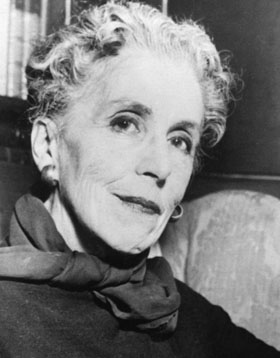
Karen Blixen

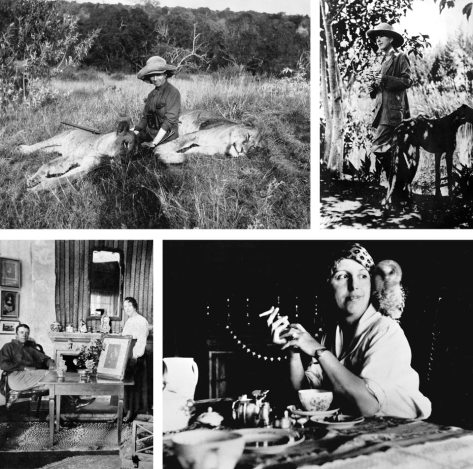
There is something about safari life that makes you forget all your sorrows and feel as if you had drunk half a bottle of champagne — bubbling over with heartfelt gratitude for being alive. One only feels really free when one can go in whatever direction one pleases over the plains, to get to the river at sundown and pitch one’s camp, with the knowledge that one can fall asleep beneath other trees, with another view before one, the next night. I had not sat by a camp fire for three years, and so sitting there again listening to the lions far out in the darkness was like returning to the really true world again, where I probably once lived 10,000 years ago…

Out on the Safaris, I had seen a herd of buffalo, one hundred and twenty nine of them, come out of the morning mist under a copper sky, one by one, as if the dark and massive, iron like animals with the mighty horizontally swung horns were not approaching, but were being created before my eyes and sent out as they were finished. I had seen a herd of elephant travelling through dense native forest, where the sunlight is strewn down between the thick creepers in small spots and patches, pacing along as if they had an appointment at the end of the world.
21

It was, in giant size, the border of a very old, infinitely precious Persian carpet, in the dyes of green, yellow and black brown. I had time after time watched the progression across the plain of the giraffe, in their queer, inimitable, vegetative gracefulness, as if it were not a herd of animals but a family of rare, long stemmed, speckled gigantic flowers slowly advancing. I had followed two rhinos on their morning promenade, when they were sniffing and snorting in the air of the dawn, which is so cold that it hurts in the nose, and looked like two very big angular stones rollicking in the long valley and enjoying life together. I had seen the royal lion, before sunrise, below a waning moon, crossing the grey plain on his way home from the kill, drawing a dark wake in the silvery grass, his face still red up to the ears, or during the midday siesta, when he reposed contentedly in the midst of his family on the short grass and in the delicate, spring like shade of the broad acacia trees of his park of Africa.

The natives have, far less than the white people, the sense of risks in life. Sometimes on a Safari, or on the farm, in a moment of extreme tension, I have met the eyes of my native companions, and have felt that we were at a great distance from one another, and that they were wondering at my apprehension of our risk. It made me reflect that perhaps they were, in life itself, within their own element, such as we can never be, like fishes in deep water which for the life of them cannot understand our fear of drowning. This assurance, this art of swimming, they had, I thought, because they had preserved a knowledge that was lost to us by our first parents; Africa, amongst the continents, will teach it to you: that God and the Devil are one, the majesty co-eternal, not two uncreated but one uncreated, and the natives neither confounded the persons nor divided the substance.
EPSON scanner Image

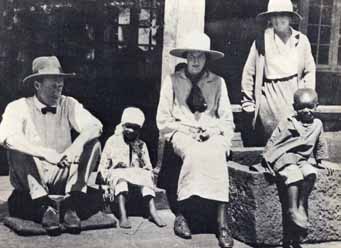
The natives were Africa in flesh and blood. The tall extinct volcano of Longonot that rises above the Rift Valley, the broad mimosa trees along the rivers, the elephant and the giraffe, were not more truly Africa than the natives were, small figures in an immense scenery. All were different expressions of one idea, variations upon the same theme. It was not a congenial up-heaping of heterogeneous atoms, but a heterogeneous up-heaping of congenial atoms, as in the case of the oak leaf and the acorn and the object made from oak. We ourselves, in boots, and in our constant great hurry, often jar with the landscape. The natives are in accordance with it, and when the tall, slim, dark, and dark eyed people travel, always one by one, so that even the great native veins of traffic are narrow footpaths, or work the soil, or herd their cattle, or hold their big dances, or tell you a tale, it is Africa wandering, dancing and entertaining you. In the highlands you remember the Poet’s words: Noble found I ever the native, and insipid the immigrant.

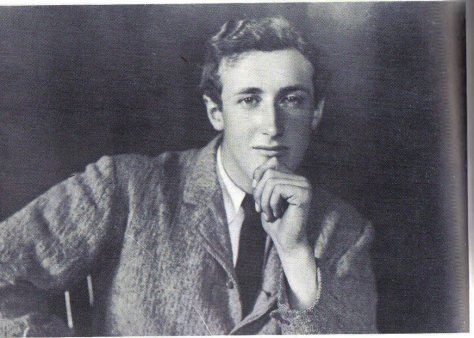
There was a place in the hills, on the first ridge in the game reserve, that I myself at the time when I thought that I was to live and die in Africa, had pointed out to Denys as my future burial-place. In the evening, while we sat and looked at the hills, from my house, he remarked that then he would like to be buried there himself as well. Since then, sometimes when we drove out in the hills, Denys had said: “Let us drive as far as our graves.” Once when we were camped in the hills to look for buffalo, we had in the afternoon walked over to the slope to have a closer look at it. There was an infinitely great view from there; in the light of the sunset we saw both Mount Kenya and Kilimanjaro.
denys finch hatton

Perhaps he knew, as I did not, that the Earth was made round so that we would not see too far down the road.

Here in the early afternoon they brought out Denys from Nairobi, following his old Safari-track to Tanganyika, and driving slowly on the wet road. When they came to the last steep slope, they lifted out, and carried the narrow coffin, that was covered with the flag. As it was placed in the grave, the country changed and became the setting for it, as still as itself, the hills stood up gravely, they knew and understood what we were doing in them; after a little while they themselves took charge of the ceremony, it was an action between them and him, and the people present became a party of very small lookers-on in the landscape.
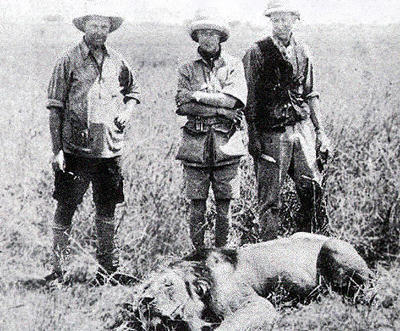
FinchHatton_KarenBlixen

Denys had watched and followed all the ways of the African Highlands, and better than any other white man, he had known their soil and seasons, the vegetation and the wild animals, the winds and smells. He had observed the changes of weather in them, their people, clouds, the stars at night. Here in the hills, I had seen him only a short time ago, standing bare-headed in the afternoon sun, gazing out over the land, and lifting his field-glasses to find out everything about it. He had taken in the country, and in his eyes and his mind it had been changed, marked by his own individuality, and made part of him. Now Africa received him, and would change him, and make him one with herself.

After I had left Africa, Gustav Mohr wrote to me of a strange thing that had happened by Denys’ grave, the like of which I have never heard. “The Masai,” he wrote, “have reported to the District Commissioner at Ngong, that many times, at sunrise and sunset, they have seen lions on Finch-Hatton’s grave in the Hills. A lion and a lioness have come there, and stood, or lain, on the grave for a long time. Some of the Indians who have passed the place in their lorries on the way to Kajiado have also seen them. After you went away, the ground round the grave was levelled out, into a sort of big terrace, I suppose that the level place makes a good site for the lions, from there they can have a view over the plain, and the cattle and game on it.”
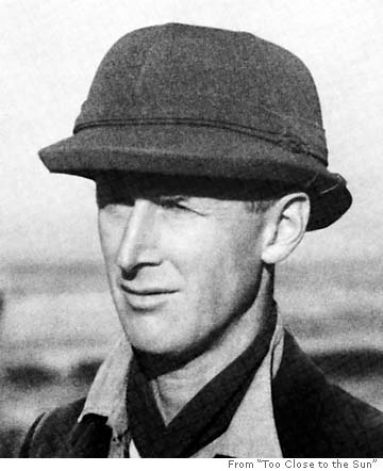
denys

It was fit and decorous that the lions should come to Denys’s grave and make him an African monument. Lord Nelson himself, I have reflected, in Trafalgar Square, has his lions made only out of stone.

Exerpts

(by Karen Blixen)

World Travel Awards 2013 Kenya nominees

We already know that Kenya is hosting this year’s World Travel Awards Africa, and as months go by we are getting nearer to the big day, 16th of October. Aside from Sarova hotels scooping a whopping five nominations, little is known of other nominees in Kenya’s travel industry. Here is a look at the Kenyan industry players who received nominations in various categories of this prestigious awards.

Kenya Leading Car Hire 2013

  • Avenue car Hire
  • Avis Kenya
  • Central rent a car
  • Europcar Kenya
  • Glory car hire
  • sixt kenya

Kenya’s Leading Beach Resort 2013

  • Alfajiri Villa resort
  • Diani Reef Beach Resort & Spa
  • Hemingways Watamu Resort
  • Leopard Beach Resort & Spa
  • Msambweni Beach House
  • Sarova Whitesands Beach Resort & Spa
  • Severin Sea Lodge
  • Swahili Beach
  • The Majlis
  • The Red Pepper House

Kenya’s Leading Business Hotel 2013

  • Fairmont Mount Kenya Safari Club
  • Fairmont The Norfolk
  • Intercontinental Nairobi
  • Nairobi Serena Hotel
  • The Sarova Stanley
  • Tribe Hotel

Kenya’s Leading Golf Resort 2013

  • Fairmont Mt.Kenya Safari Club
  • Leisure Lodge Beach & Golf Resort
  • The Great Rift Valley Lodge & Golf Resort
  • Windsor Golf & Country Club

Kenya’s Leading Hotel 2013

  • Fairmont Mount Kenya Safari Club
  • Fairmont The Norfolk
  • Intercontinental Nairobi
  • Laico Regency
  • Nairobi Serena Hotel
  • Sankara
  • The Sarova Stanley
  • Tribe Hotel

Kenya’s Leading Hotel Brand 2013

  • Fairmont Hotels & Resorts
  • Hemingway Hotels & Resorts
  • Kempinski Hotels
  • Mada Hotels
  • Marasa Africa
  • Pride Inn Hotels & Conferencing
  • Sarova Hotels
  • Serena Hotels

Kenya’s Leading Resort 2013

  • Alfajiri Villa Resort
  • Diamonds Dream Africa Resort
  • Hemingways resort
  • Kinondo Kwetu
  • Leopard Beach Resort &Spa
  • Manda Bay
  • Mt. Kenya Safari Club
  • Southern Palms Beach Resort

Kenya’s Leading Safari Camp Brand 2013

  • Advantage East Africa
  • Ashnil Hotels
  • Atua Enkop Africa
  • Governors Camp Collection
  • Heritage Hotels
  • Out of Africa Collection
  • Porini camps
  • The C&P portfolio
  • The Safari and Conservation Company
  • The Safari Collection

Kenya’s Leading Spa Resort 2013

  • Diani Reef Beach Resort & Spa
  • Enashipai Resort & Spa
  • Leopard Beach Resort & Spa
  • Lion in the sun
  • Ocean Beach Resort & Spa

Kenya’s Leading Domestic Safari carrier 2013

  • Air Kenya
  • Fly540
  • Mombasa Air Safari
  • Safarilink
  • Tropic Air

Kenya’s Leading Safari Lodge 2013

  • &Beyond Kichwa Tembo Maasai Mara Tented Camp
  • Amboseli Serena Safari Lodge
  • Elsa’s Kopje
  • Finch Hattons
  • Governors Camp
  • Keekorok Lodge – Sun Africa Hotels
  • Little Governors’ camp
  • Loisaba
  • Ol Donyo Lodge
  • Ol Tukai Lodge Amboseli
  • Olonana
  • Sanctuary at Ol Lentille
  • Sarova Shaba Game Lodge
  • Serena Mountain Lodge
  • Tortilis Camp

Kenya’s Leading Tented Safari Camp 2013

  • &Beyond Kichwa Tembo Masai Mara Tented Camp
  • Cottars Safari Camp
  • Encounter Mara
  • Joy Camp
  • Kicheche Bush Camp
  • Mara Gypsy Camp
  • Naboisho Camp
  • Rekero Camp
  • Sarova Mara Game Camp
  • Severin Safari Camp

Kenya’s Leading Inbound Tour Operator 2013

  • African Quest Safaris
  • Gamewatchers Safaris
  • Hemingways Expeditions
  • Pollmans Tours & Safaris
  • Private Safaris
  • Somak Holidays
  • Sourthern Cross Safaris
  • Travelmart
  • Twiga Tours

Kenya’s Leading Travel Agency 2013

  • Bunson Travel Kenya
  • Diani Travel Centre
  • Explorer Kenya
  • Express Travel Group
  • Jet Travel
  • Pollmans Tours & Safaris
  • Sagal Travel & Tours
  • Sayari Africa
  • Somak Holidays
  • UNIGLOBE Northline Travel

Kenya’s Leading Travel Management Company 2013

  • &Beyond
  • Abercombie & Kent
  • Asilia Africa
  • BCD Travel
  • Carlson Wagonlit Travel Kenya
  • Cheli & Peacock
  • Express Travel Group
  • FCm Travel Solutions
  • Hogg Robinson Kenya
  • Pollmans Tours & Safaris
  • Somak Holidays
  • The Rickshaw Travel Group

Vote! Vote! Vote!

http://www.worldtravelawards.com/vote

Treasures of Kenya

Beauty and magnificence…Kenya in a nutshell.  A land blessed with so much awesomeness and diversity, what with the tropical beaches, deserts, rainforests, open Savannah, glaciers, alpine meadows, rivers and soda lakes, and to top it all very hospitable people. Where else will you find habitats that couldn’t be so different under one roof? Kenya has proven to be a true haven for photographers as well, enjoy incredible shots of this wonderful motherland…

3

1

2

4

5

7

8

9

10

11

12

13

14

15

16

17

19

20

21

22

23

25

26

27

28

32

33

35

36

37

43

45

46

49

50

10142808

Beauty-Of-Kenya-2

Beauty-Of-Kenya-7

f20c086d8db90acee82a48d9f25520f4-d3ardn5

leopardess-at-sunset-maasai-mara-kenya

Lesser-flamingos-congregating-in-Lake-Nakuru-National-Park-Adam-Riley-950x633

Menengai Crater Kenya Geothermal

1.-Lesser-Flamingos-grouped-tightly-together-in-mud-and-algae-infused-shallow-water-lake-aerial-shot-Lake-Logipi-Kenya

7.-Small-Date-Palm-clump-among-sand-dunes-aerial-shot-Seguta-Valley-Kenya

8.-Aruba-Rock-set-amongst-sand-dunes-aerial-shot-Seguta-Valley-Kenya

16.-Aerial-image-of-thousands-of-Lesser-Flamingos-lining-the-shore-of-Lake-Bogoria-Kenya

35.-Black-Backed-Jackal-pups-play-flighting-Masai-Mara-Kenya

36.-Jackal-pups-playing-Masai-Mara-Kenya

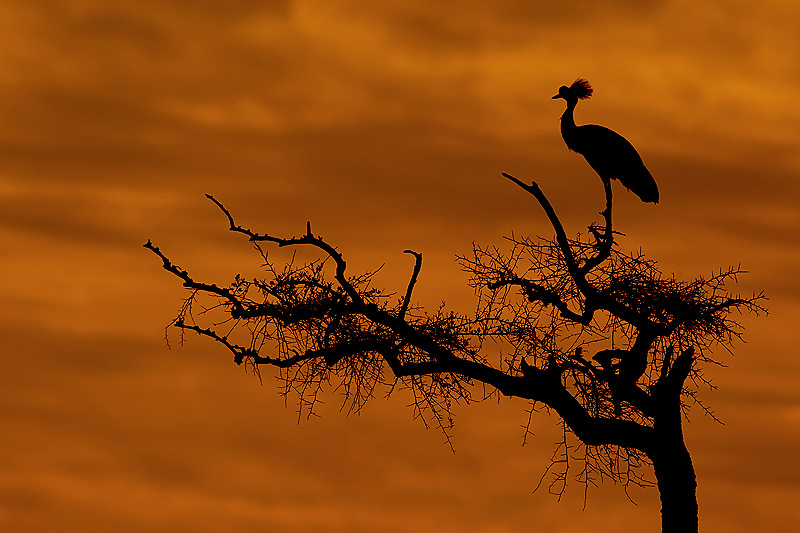
37.-Crowned-Crane-in-Acacia-tree-silhouetted-at-sunset-Masai-Mara-Kenya

39.-Three-male-Lions-walking-closely-together-Masai-Mara-Kenya

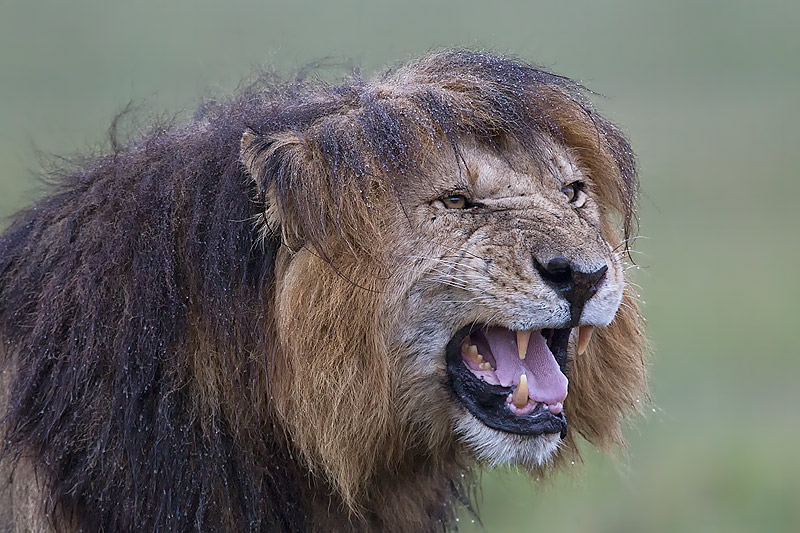
42.-Male-Lion-with-wet-mane-snarling-Masai-Mara-Kenya

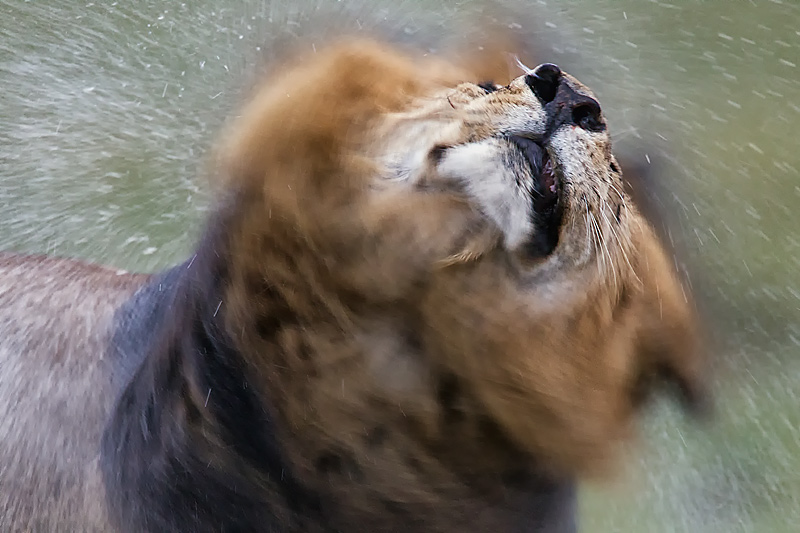
46.-Male-Lion-shaking-rain-off-wet-mane-head-shot-with-motion-Masai-Mara-Kenya

47.-Male-Lion-shaking-rain-off-wet-mane-head-shot-with-motion-Masai-Mara-Kenya

49.-Adult-female-Impala-with-newly-born-fawn-attempting-its-first-steps-Masai-Mara-Kenya-copy1

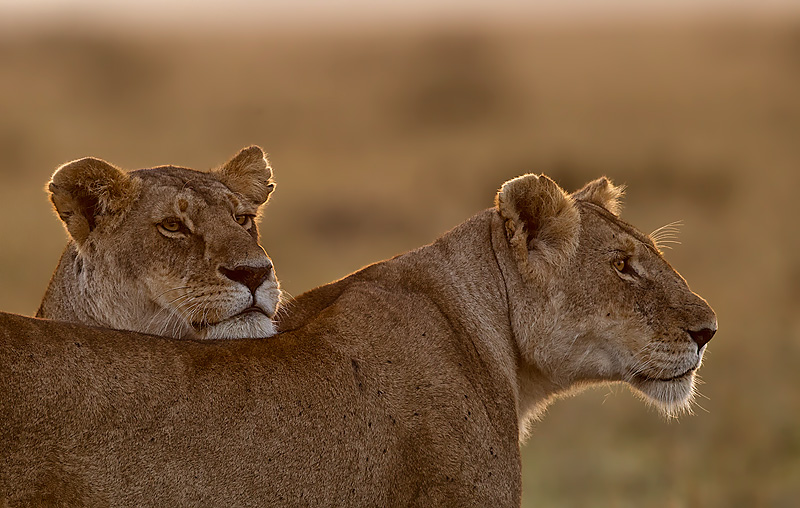
50.-Lioness-with-chin-resting-on-the-back-of-another-Lioness-Masai-Mara-Kenya

57.-Widebeest-river-crossing-chaos-Mara-River-Masai-Mara-Kenya1

58.-Lioness-carrying-Wildebeest-calf-kill-on-the-bank-of-the-Mara-River-Masai-Mara-Kenya

61.-Adult-African-Jacana-showing-long-toes-and-claws-walking-on-floating-vegetation-2-Masai-Mara-Kenya

Bunaken_Marine_Park2

Chale_Island

wasini-dolpnis

Park-4

305039_470538536313855_1960677962_n

mt-kenya-peak-hanseltravel

The North Ridge of Batian, Mt. Kenya

7662967866_34bdfd5b89_z

20100716-093044.Full

Kayaking-and-Fishing-Funzi-Keys2

480823_10152037451755371_423898384_n

'The_Very_Best_of_Kenya'_Rondreis6809-17076

'The_Very_Best_of_Kenya'_Rondreis6809-17077

29-ACTIVITIES-3_600x300

Turtle-Marine-600x450

Rondreis_'The_Very_Best_of_Kenya'6809-16145

'The_Very_Best_of_Kenya'_Rondreis6809-16848

'The_Very_Best_of_Kenya'_Rondreis6809-16845

kenya-view

'The_Very_Best_of_Kenya'_Rondreis6809-16853

68908643

38.-Lioness-carrying-Thomsons-Gazelle-fawn-kill-Masai-Mara-Kenya

Photo credits; Paul McKenzie, serhatdemiroglu, greuh1, Marina Cano, Piet Flour, Mitchell Krog, Mario Moreno, Olga La Lyna, Jonathan P., Louisa Wong, Ralph Cheung, yesholidays, simo2409, Oleg Karpov, Oleg Domalega, goldhamster, deseonocturno, Jeff Smith , Billy Dodson, Ludmila Yilmaz, Mathilde Guillemot, Austin Thomas, froggyfr1972, Urszula Kozak, Paul Souders, blakesamic , David Lloyd, Ragnar Mogård Bergem, Tim Nicholson

ECO WARRIOR AWARD 2013

Shortlisted finalists of the The Eco Warrior Award 2013 are expected to be announced on the 8th of this month under the theme: Tourism’s role in sustainable community development. The Eco Warrior Award is designed to recognize, encourage and applaud leadership and innovation in tourism business planning, development and management centred on community participation and natural resource conservation. Finalists will feature under various categories:
  • Conservancy of the Year 2013 – This category has two awards
  1. Private conservancy (for privately owned conservancies)
  2. Community conservancy (community-owned nature conservancies)
  • Ecotourism Enterprise of the Year 2013 – This category has 6 awards
  1. Accommodation – Lodge
  2. Accommodation – Tented Camp
  3. Accommodation –Holiday homes
  4. Community Based Tourism Enterprise
  5. Tour Operator
  6. Airline
  • Eco-Rated Facility of the Year
  • Eco tourism Partnership of the Year 2013
  • Eco tourism Guide of the Year 2013
  • Eco tourism Journalist of the Year 2013
  • Eco tourism Student Innovation Award 2013
  • Eco tourism Training program of the year 2013
  • Eco tourism Student Host Organization of the Year 2013


Winners will be announced during a Gala Dinner ceremony which will be held on 24th September 2013 at the Safari Park Hotel & Casino.

Be on the look out for the list of Finalists!!

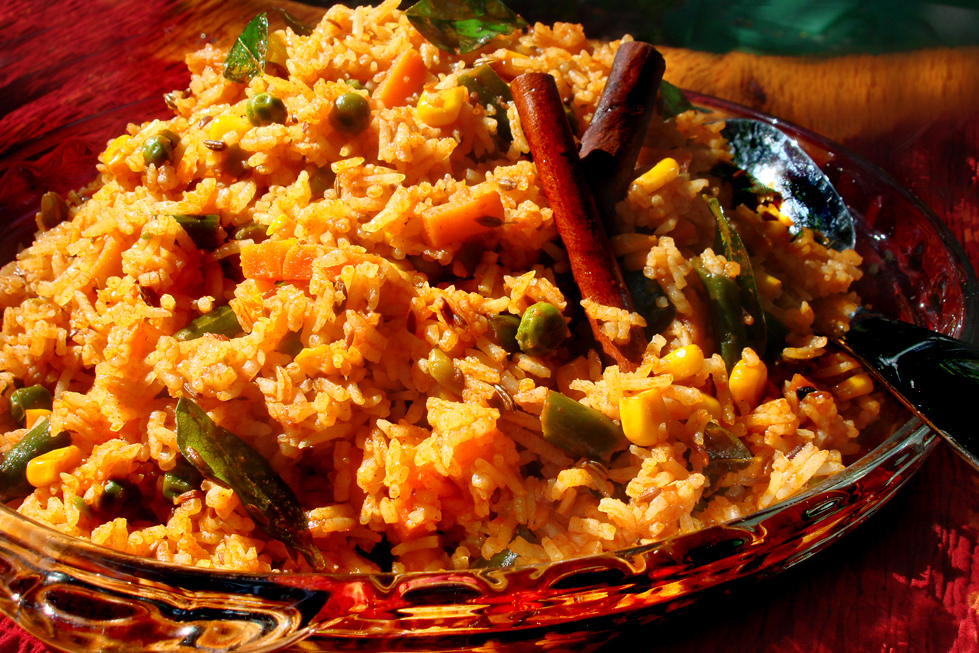
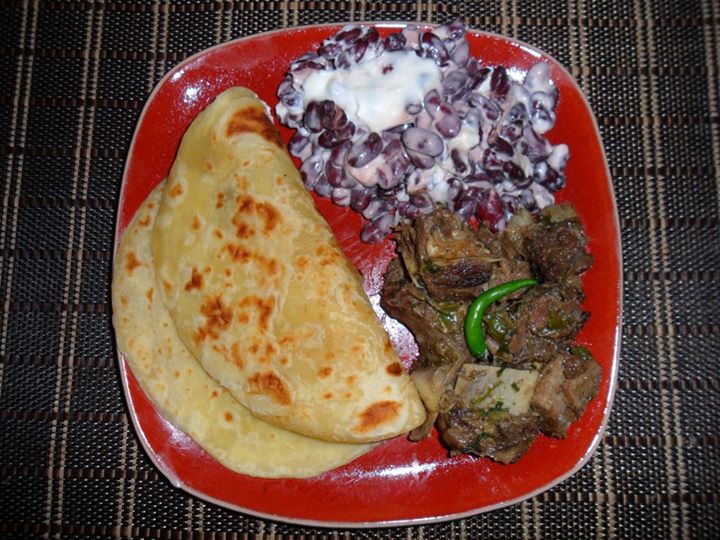
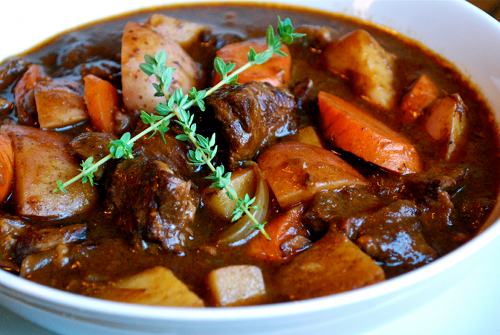
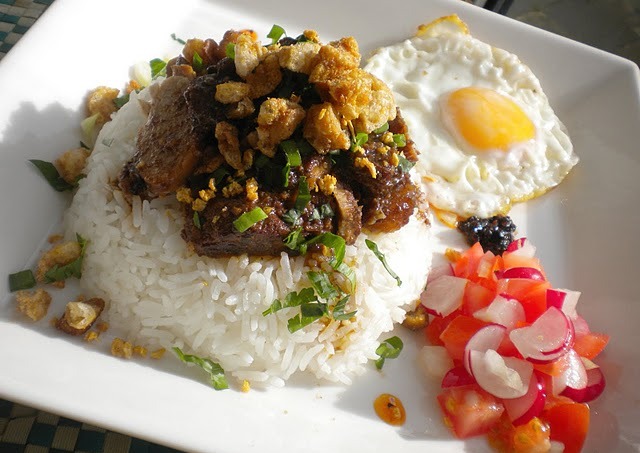
Chakula Chetu (our food)

You simply cannot claim to have been to Kenya having not sampled a taste of our varied ethnic flavors. No offense to the cuisine and delicacies offered at resorts, lodges and so forth (Tourists are more or less familiar with this tastes seeing as most are international cuisines) but ethnic Kenyan food will without a doubt be your taste buds’ new found love.  Getting to sample a people’s type of food gives you the true cultural experience I think.

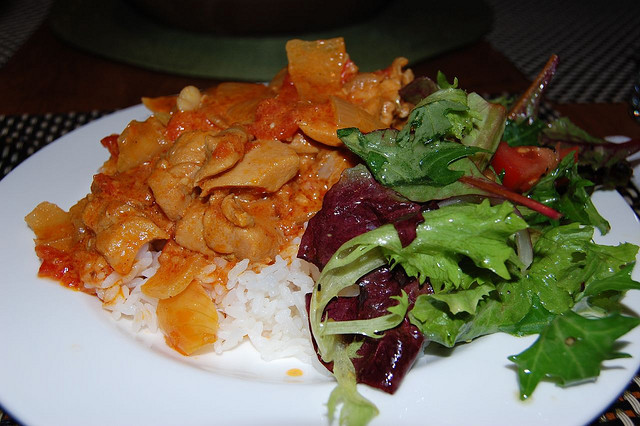
kenyan-chicken

Being a country of many tribes we sure do have a lot to offer food-wise seeing as every single ethnic group has a certain select meal they’d term as their own staple. Ranging from the sweet flavors of the coast to the love of ingokho (chicken) in the west, the simple adoration of fish in the south as well as the dedication to tubers and legumes in central,  Kenya is definitely your one stop shop for all things organic.

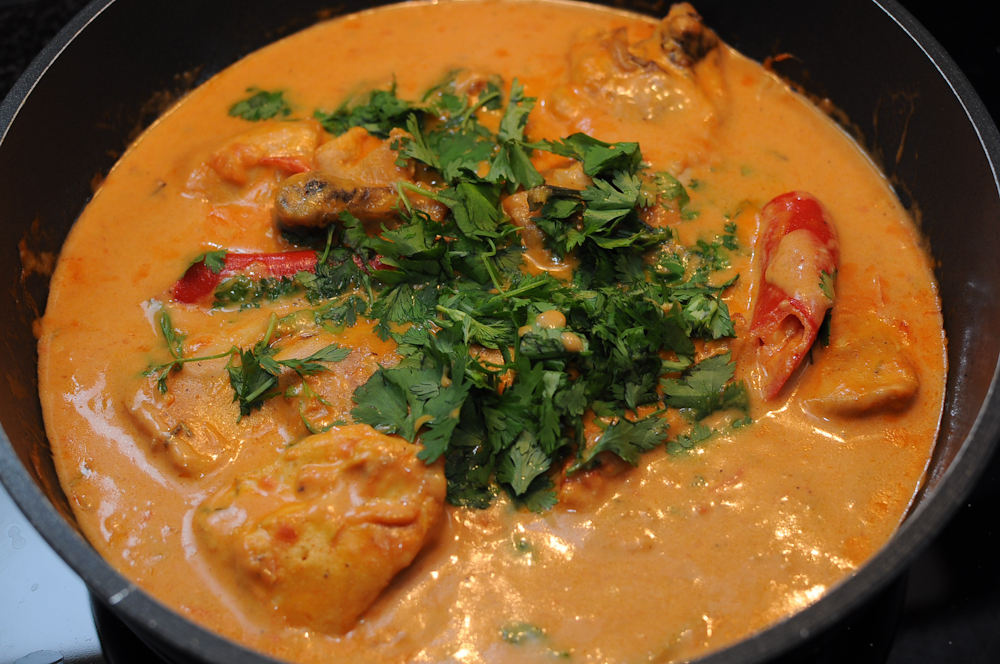
kuku-wa-kupaka

Kuku wa kupaka (chicken soaked in coconut sauce)

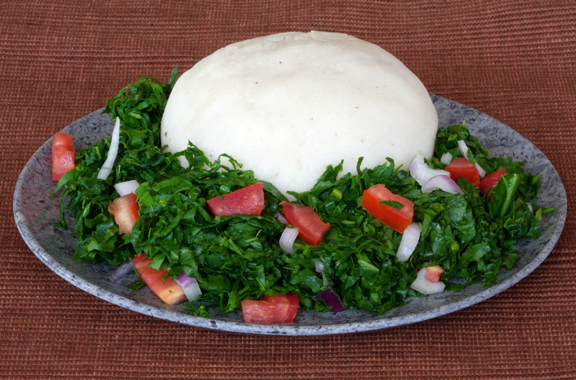
One thing is for sure though, walk through any Kenyan household and you won’t fail to find maize flour, the main ingredient for Kenya’s staple food Ugali. Tasteless on its own, this delicacy goes well with Sukuma Wiki ( literally push-the-week) – collard greens, or the otherwise people’s favorite Nyama Choma (roast meet).

Ugali__Sukuma_Wiki

If you are yet to enjoy the sumptuous Kenyan tastes, let this be the first thing you do next time you are in Kenya.

5735686863_39cc44ce8f_o

grilled-chicken

Kachumbari-–-Fresh-Tomato-and-Onion-Salad-2

p1070099

pilau

298808_288793057816453_1176014151_n

317320_289826181046474_1735996317_n

526771_415648771797547_1461769743_n

2957637_org

7583_10151530049557232_1621301311_n

homeSequence01

homeSequence02

Very-berry-parfait-610x300

wali nyama na mayai

Friendship in the wild

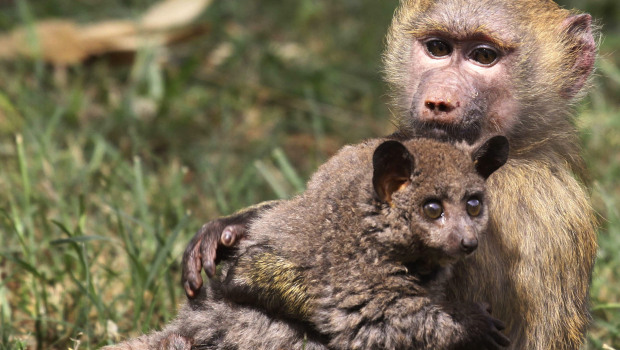
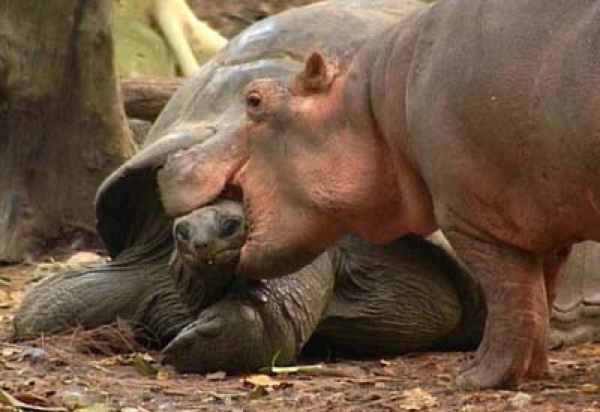
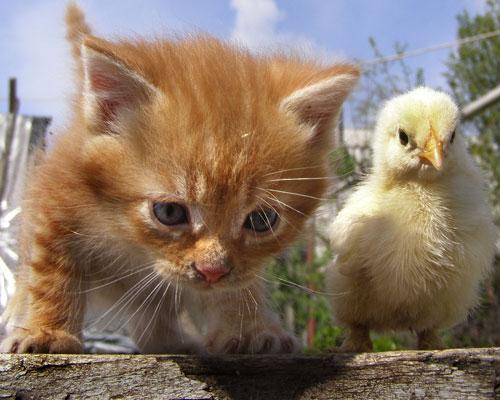
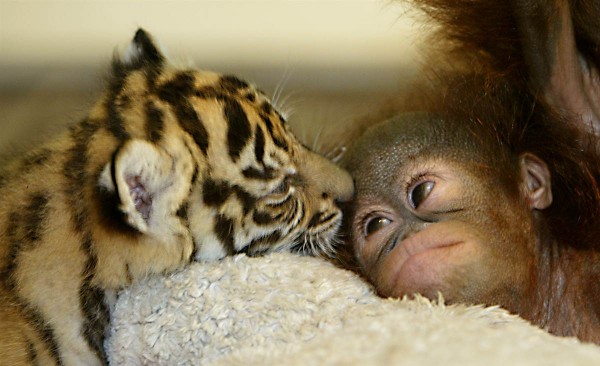
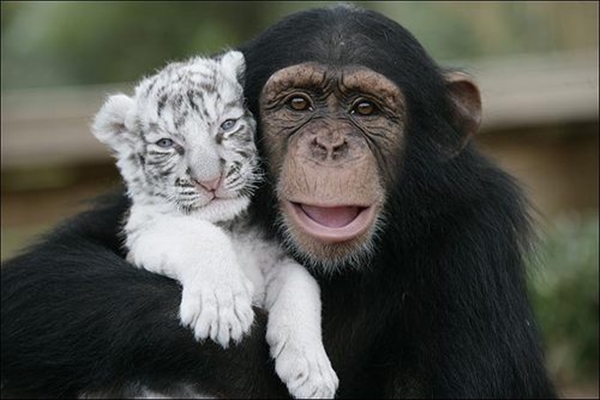
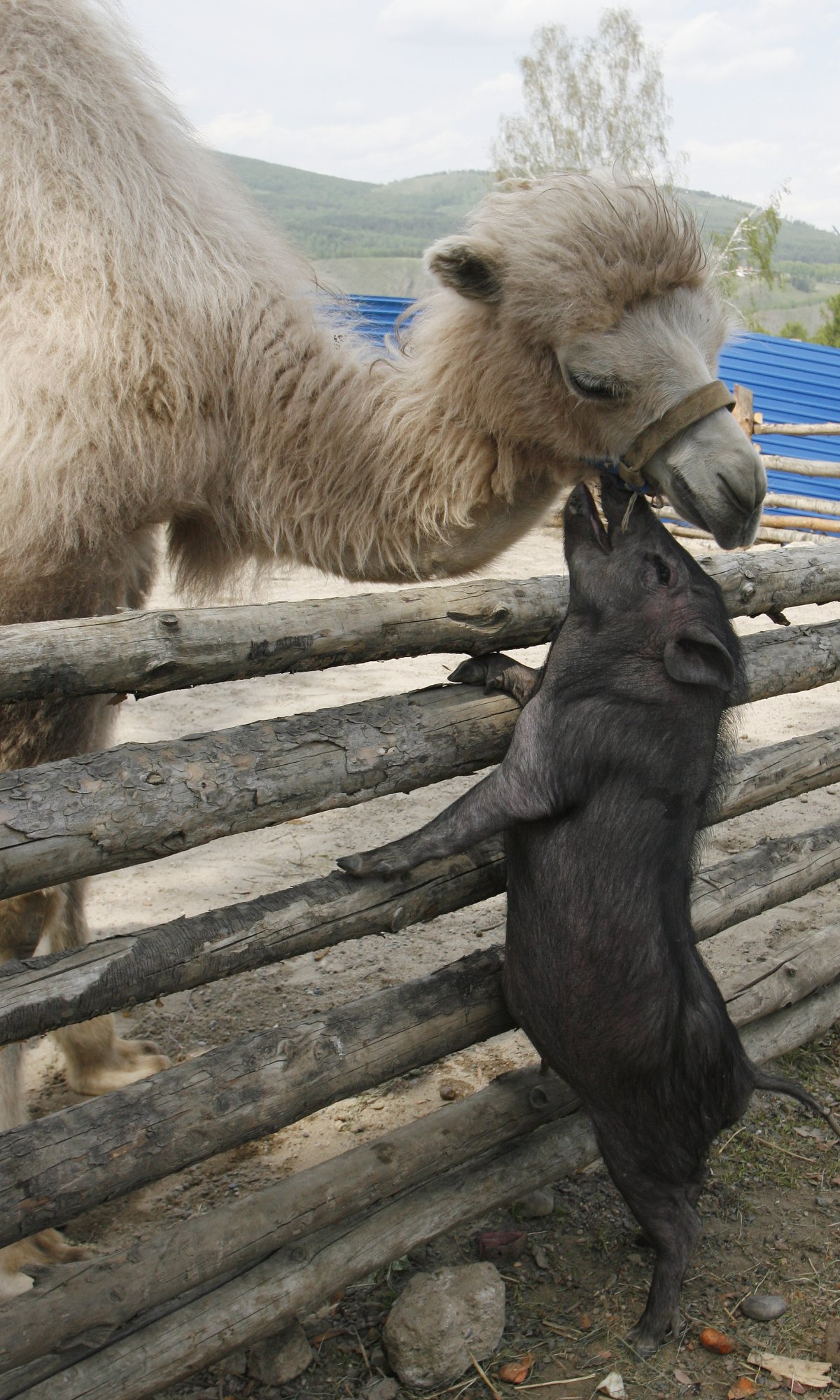
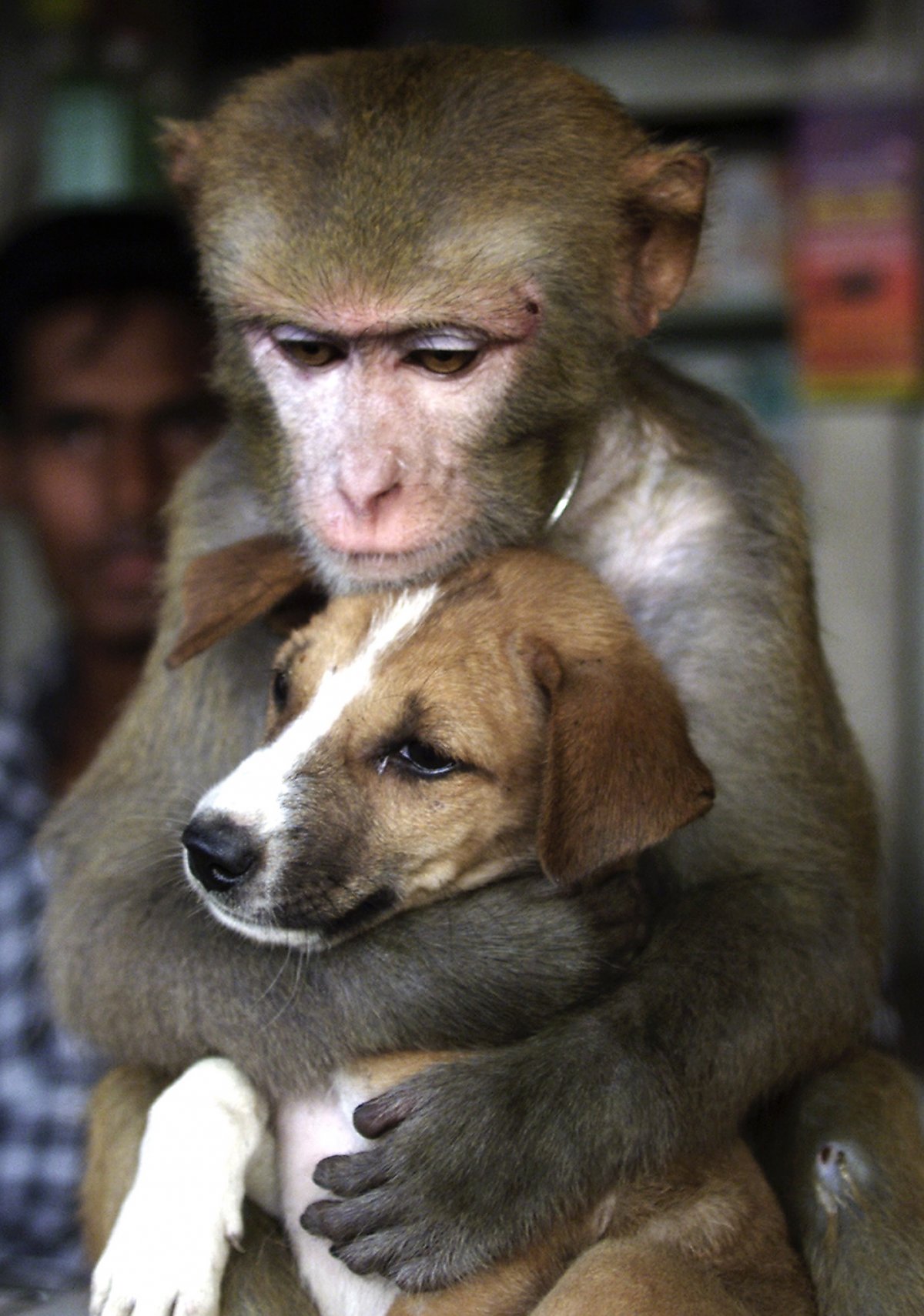
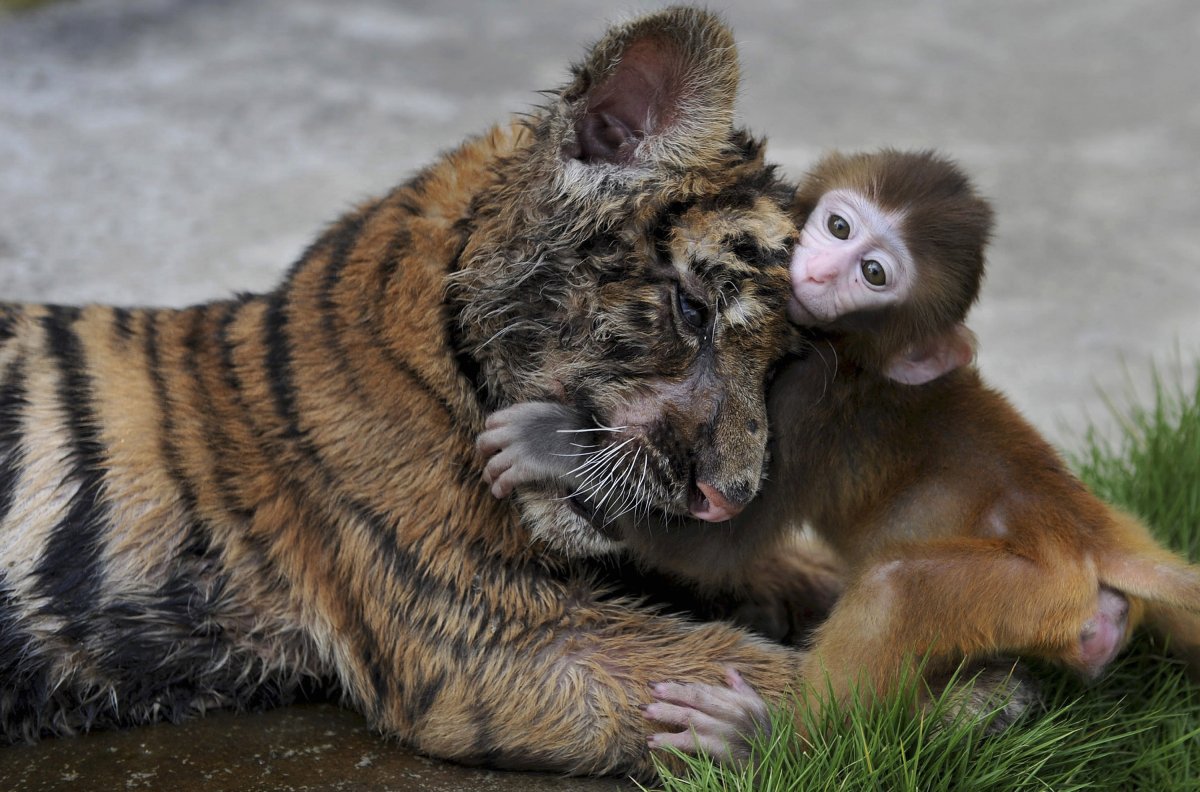
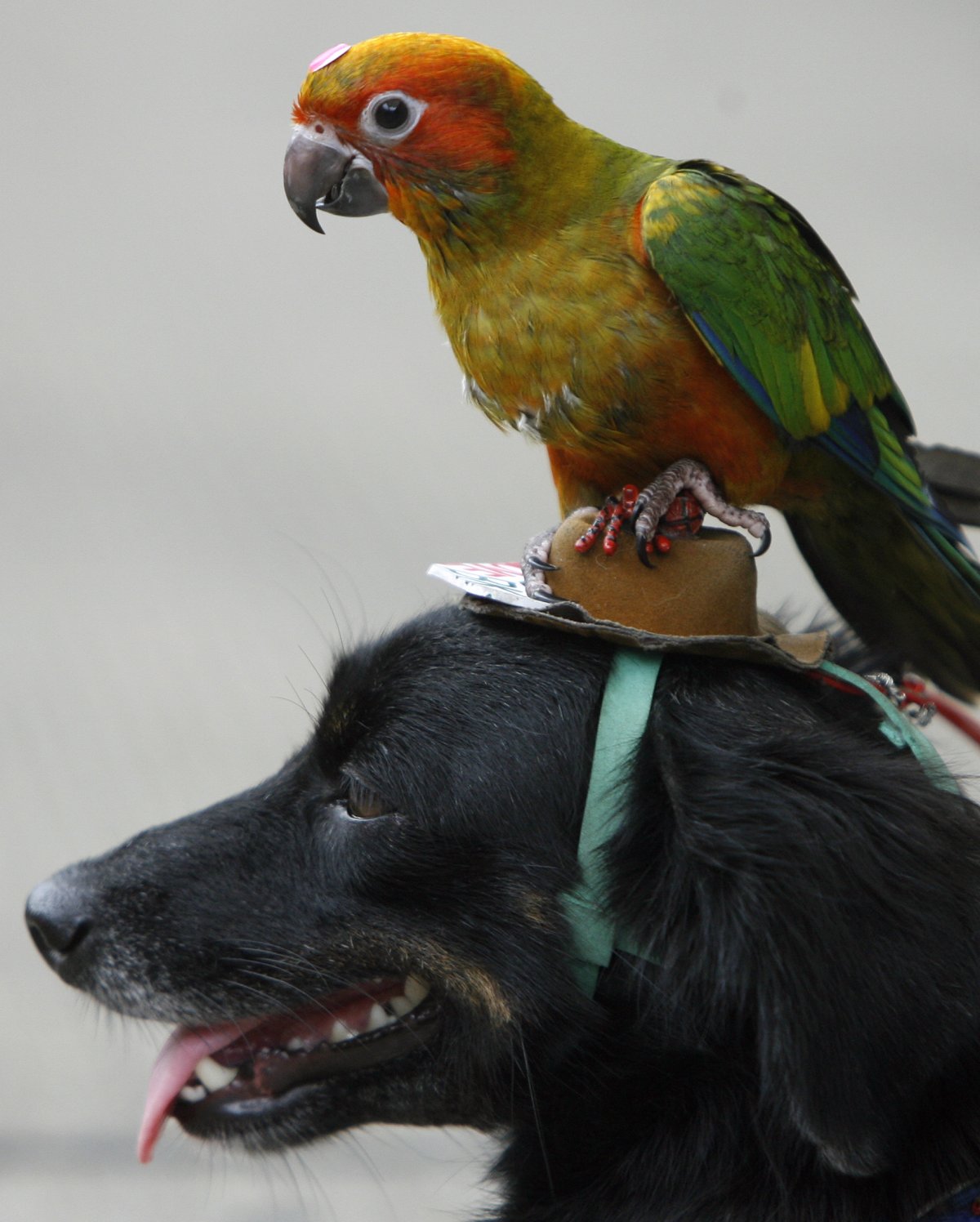
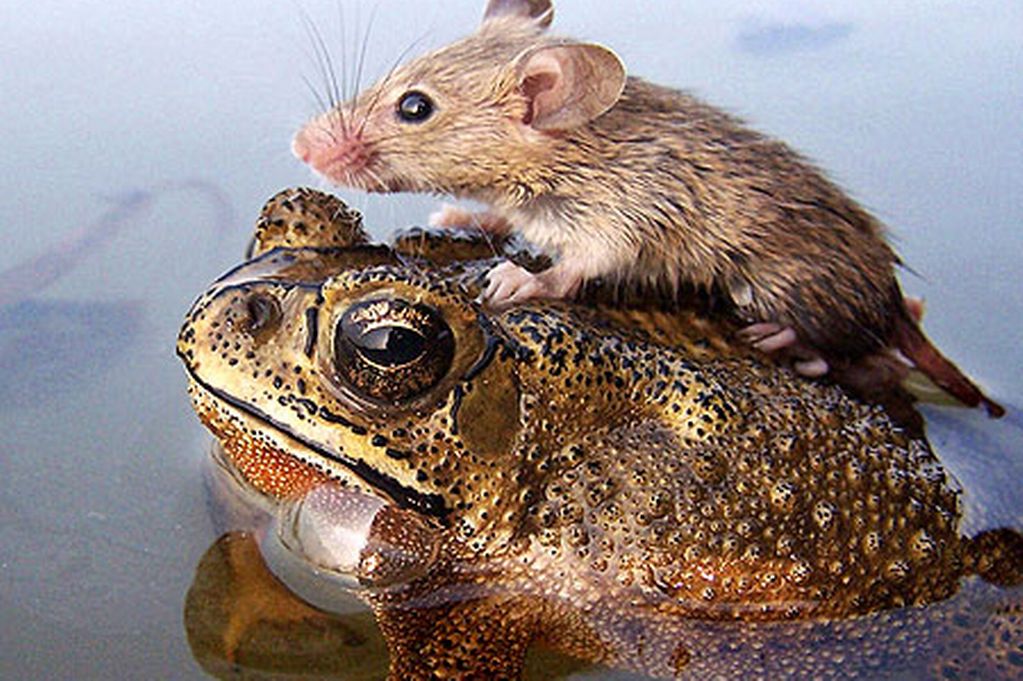
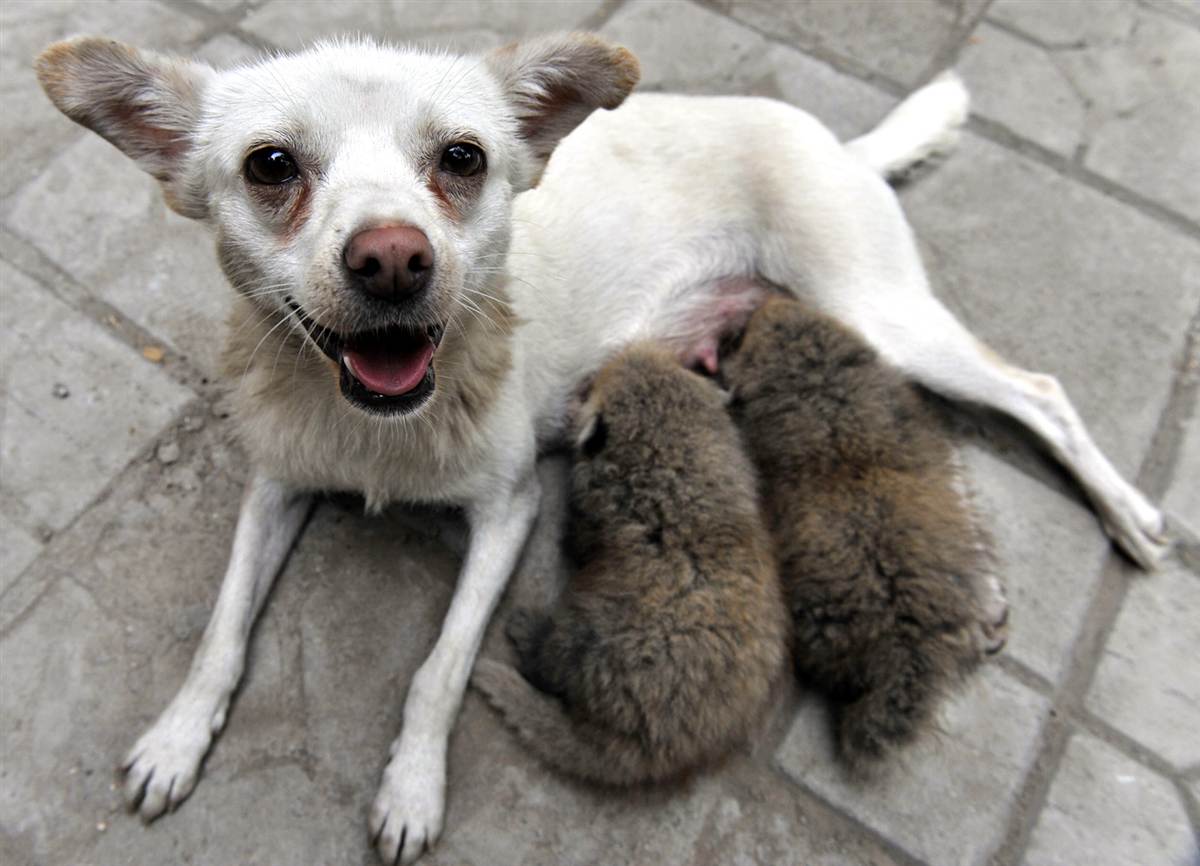
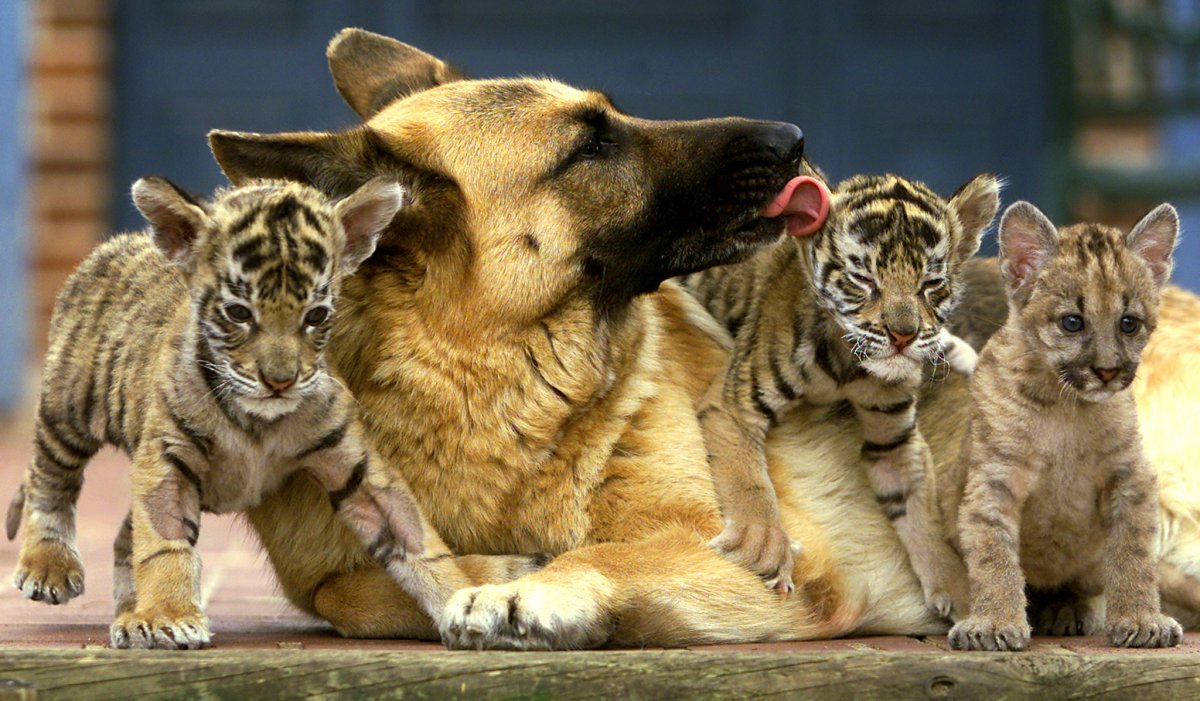
No man is an island so they say but it seems animals too are taking a leaf from this saying…we all need friends at one point or another and Just as we form friendships across borders and interact with people of different cultures, interests and so forth, animals too seem to be doing the same; forming companionship with others not of their kind. It may come across to us as unusual, unnatural even but who knows what could be going through these animal buddies’ minds…

06ycheniesvetme2

19-unlikely-animals-who-are-best-friends

38372

66771_unlikely-animal-friends-marquee-photo_uvhdsogk4caf4elzjl6uxwu4z3ncurxrbvj6lwuht2ya6mzmafma_610x343

animal-friends-37

birdmouse

bushbaby_620x350

A six-month-old yellow baboon, right, holds a three-month-old bush baby in the animal orphanage at the Kenya Wildlife Service headquarters in Nairobi

dogmonkey

fawn

giraffe-ostrich_1465317i

hippotortoise3

image-4-for-unlikely-animal-friends-gallery-359755382

kittenchick

ss-091103-animal-friends-18.ss_full

ss-111014-unlikely-friends-organutan-tiger.ss_full-600x366

unlikely-animal-friends2

a-baby-hippopotamus-cozies-up-to-his-adopted-mother--a-120-year-old-giant-tortoise-living-in-a-kenyan-sanctuary

a-baby-monkey-a-lion-cub-and-tiger-cubs-play-at-a-tiger-park-in-china

a-camel-bends-over-a-fence-to-nuzzle-a-miniature-pig-at-a-zoo-in-russia

a-dog-rests-on-a-buffalo-near-a-river-in-pakistan

after-its-own-kitten-died-this-cat-started-taking-care-of-these-puppies-whose-mother-had-been-hit-by-a-carA cat nursing a puppy…how much peculiar can it get?

a-monkey-bought-from-an-animal-trader-in-bangladesh-spends-hours-hugging-and-cuddling-this-puppy

a-monkey-helps-a-parrot-get-rid-of-lice-at-a-wild-animal-park-in-chinaA monkey helps a parrot get rid of lice at a wild animal park

a-tiger-cub-and-a-baby-monkey-pal-around-at-a-zoo-in-china

a-turtle-catches-a-ride-on-the-back-of-an-alligator-in-panamas-summit-zooA turtle catches a ride on the back of an alligator.

a-young-parrot-perches-itself-on-a-dog-dressed-in-a-hat

both-abandoned-by-their-owners-a-year-ago-this-monkey-and-cat-have-become-playmates-at-a-temple-in-thailand-the-monkey-even-checks-the-cat-for-lice

image-4-for-unlikely-animal-friends-gallery-359755382

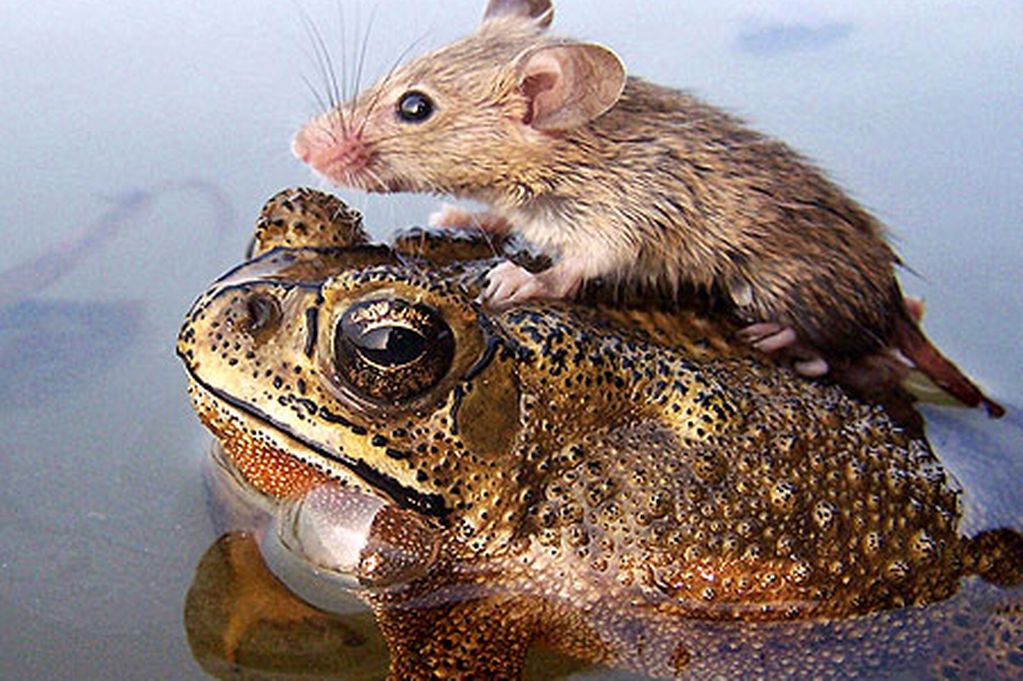
In 2006, a photographer in India snapped this photo of a mouse perched on the back of a frog as flood waters rose. The annual summer monsoon rains arrived early that year, but this lucky little mouse managed to keep its head above water, thanks to a froggy friendship.

ss-091103-animal-friends-18.ss_full

ss-111014-unlikely-friends-organutan-tiger.ss_full-600x366

these-cougar-and-tiger-cubs-are-quite-close-with-this-german-shepherd-at-an-australian-veterinarians-house

this-black-swan-is-feeding-these-carp-at-a-wildlife-park-in-shenzen-china

this-brown-bear-cub-wandered-into-a-familys-yard-in-slovenia-and-has-since-taken-to-the-family-dog

this-dog-at-a-chinese-zoo-is-acting-as-a-wet-nurse-for-these-tiger-cubs-their-real-mother-is-too-weak-to-produce-milk

Sarova Hotels scoop five nominations for the World Travel Awards 2013

Kenya welcomes the “Oscars of the travel industry” with this year’s World Travel Awards being hosted in Kenya. Sarova Hotels, Resorts & Game Lodges are honored to have received nominations for  five key awards as below:-

Kenya’s Leading Business Hotel 2013- Sarova Stanley

• Kenya’s Leading Hotel 2013- Sarova Stanley

• Kenya’s leading Beach Resort 2013 – Sarova Whitesands Beach Resort & Spa

• Kenya’s Leading Safari Lodge 2013- Sarova Shaba Game Lodge

• Kenya’s Leading Safari Tented Camp 2013 – Sarova Mara Game Camp

World Travel Awards was established in 1993 to acknowledge, reward and celebrate excellence across all sectors of the tourism industry. Today, the WTA brand is recognized globally as the ultimate hallmark of quality, with winners setting the benchmark to which all others aspire. In 2013, WTA will celebrate its historic 20th anniversary year. The annual programme is renowned as the most prestigious and comprehensive in the travel and tourism industry. In 2011, 791,358 individual votes were cast by travel professionals and consumers in 171 countries. Each year WTA covers the globe with a series of regional gala ceremonies staged to recognize and celebrate individual and collective successes within each key geographical region.

Click on the links below to vote for Sarova Hotels!

Vote for Sarova Stanley as Kenya’s Leading Business Hotel 2013

Vote for Sarova Stanley as Kenya’s Leading Hotel 2013

Vote for Sarova Whitesands Beach Resort & Spa as Kenya’s leading Beach Resort 2013

Vote for Sarova Shaba Game Lodge as Kenya’s Leading Safari Lodge 2013

Vote for Sarova Mara Game Camp as Kenya’s Leading Safari Tented Camp 2013

Sarova Salt lick Game Lodge

For decades Sarova Salt Lick Game Lodge has been one of Kenya’s flagship lodges, famed for its warmth, vibrancy and legendary hospitality. A favourite amongst travellers in search of luxury accommodation, Sarova Salt Lick Game Lodge is a luxurious safari escape set in the heart of the Taita Hills Wildlife Sanctuary overlooking a waterhole and the vast Tsavo plains. Sarova Salt Lick Game Lodge’s charm is evident from the outset. Here you will savour uncompromising high standards of service, efficiency and personalised attention. The entire lodge is raised on stilts, providing 24-hour game viewing opportunities from any corner of the lodge. Each room is spacious and beautifully appointed, featuring exquisite ethnic décor in keeping with the Tsavo environment.

I79_S


salt-lick

Sarova Salt Lick Game Lodge’s spacious, well-appointed double rooms are all en suite and give you a chance to enjoy breathtaking views of wildlife from the comfort of your room. To add to the charm and intimacy, the soft, fine linen, huge beds and thick white towels quietly whisper romance. All bedrooms have mosquito netting and a ceiling fan, and each room is equipped with electric current: 220 volts, 50 cycles AC, shaver outlets 110/220 volts, 50 cycles AC. Sarova Salt Lick Game Lodge offers luxurious accommodation and facilities and is the perfect place in an unforgettable setting to explore the surrounding natural environment.

ban3

I78_S

ban5

New-Image