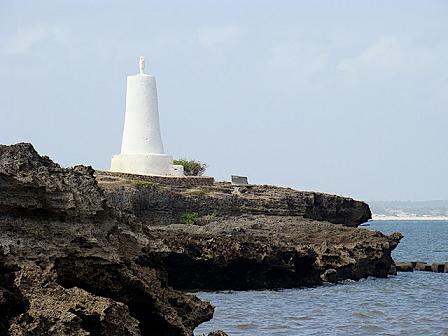
It stands on the Northern end of Casuarina Beach atop rocks that provide stunning views along the coast; an architectural memorabilia affiliated with Vasco Da Gama and his exploring adventures. One of Malindi’s top attractions, the Vasco Da Gama pillar came into existence in 1498 built as a sign of appreciation for the hospitality of the then sultan of Malindi, and still stands today as one of the oldest remaining monuments in Africa. Its erection was met with resistance from the muslim community and as a matter of fact what many do not know is that the Portuguese explorer had not only built one pillar but two. The first pillar had been erected near the sultana’s palace however due to christian-muslim animosity then, the pillar was demolished sighting that the cross surmounting it was seen as encouraging Christianity. Vasco was later allowed to build the second pillar on the cliff where it stands today only after explaining to the sultan of its importance.
It may come across to many as just a simple monument but this coral pillar right here might well define the essence of colonial intrusion into the country and East Africa at large, with the Portuguese being the first Europeans to explore the country. Vasco Da Gama’s arrival into Kenya was led by his endeavor into finding a sea route to India and Malindi being well placed as a sea route to and from the east coast, saw the pillar serve well as a landmark that could be sighted from a far by those approaching the harbour from the sea.
Today the Pillar is a frequent for couples what with the cool breeze and spectacular view, it has also become a good fishing ground; practiced either leisurely or as a sport and you will definitely not fail to spot the photographers who offer instant photo services to the many visitors. Make this the site to see next time you are in Malindi!!
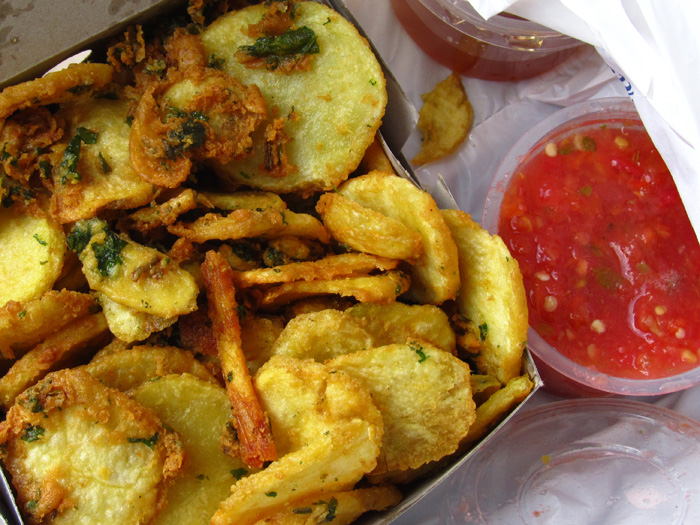
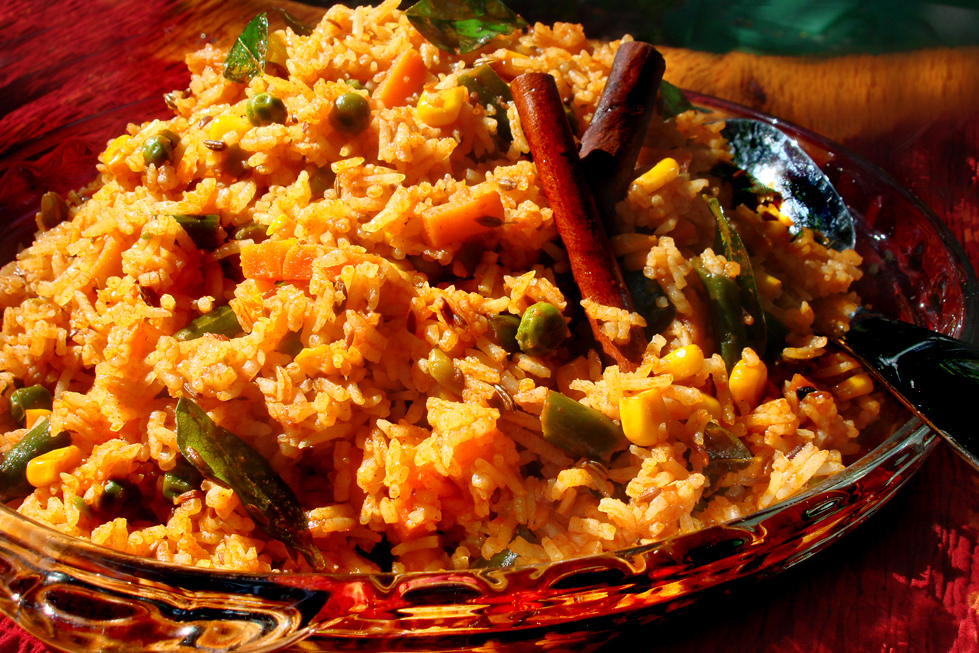
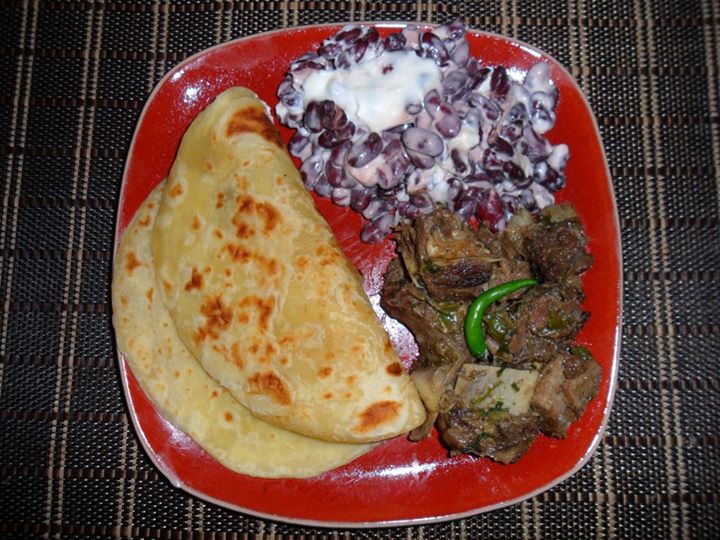
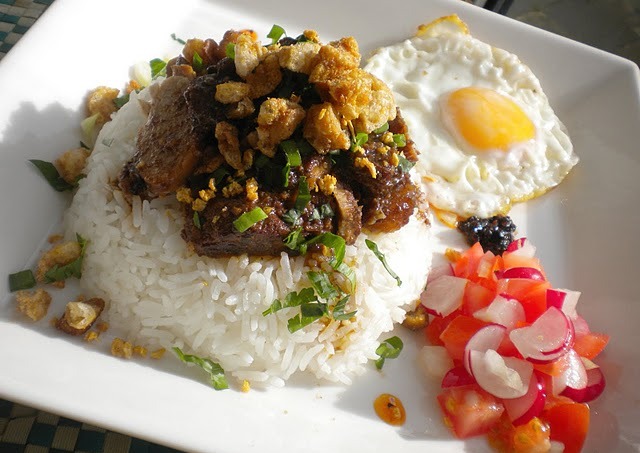
You simply cannot claim to have been to Kenya having not sampled a taste of our varied ethnic flavors. No offense to the cuisine and delicacies offered at resorts, lodges and so forth (Tourists are more or less familiar with this tastes seeing as most are international cuisines) but ethnic Kenyan food will without a doubt be your taste buds’ new found love. Getting to sample a people’s type of food gives you the true cultural experience I think.
Being a country of many tribes we sure do have a lot to offer food-wise seeing as every single ethnic group has a certain select meal they’d term as their own staple. Ranging from the sweet flavors of the coast to the love of ingokho (chicken) in the west, the simple adoration of fish in the south as well as the dedication to tubers and legumes in central, Kenya is definitely your one stop shop for all things organic.
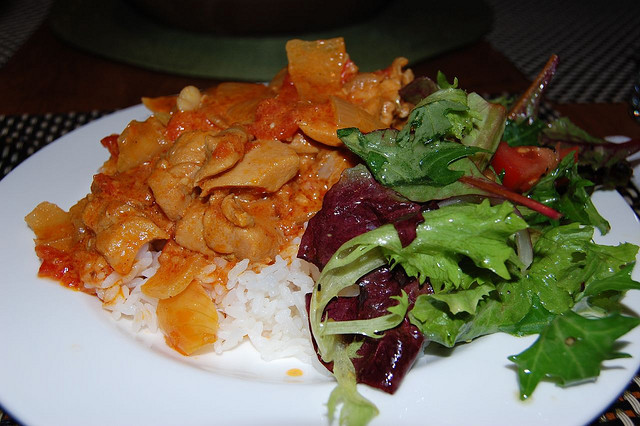
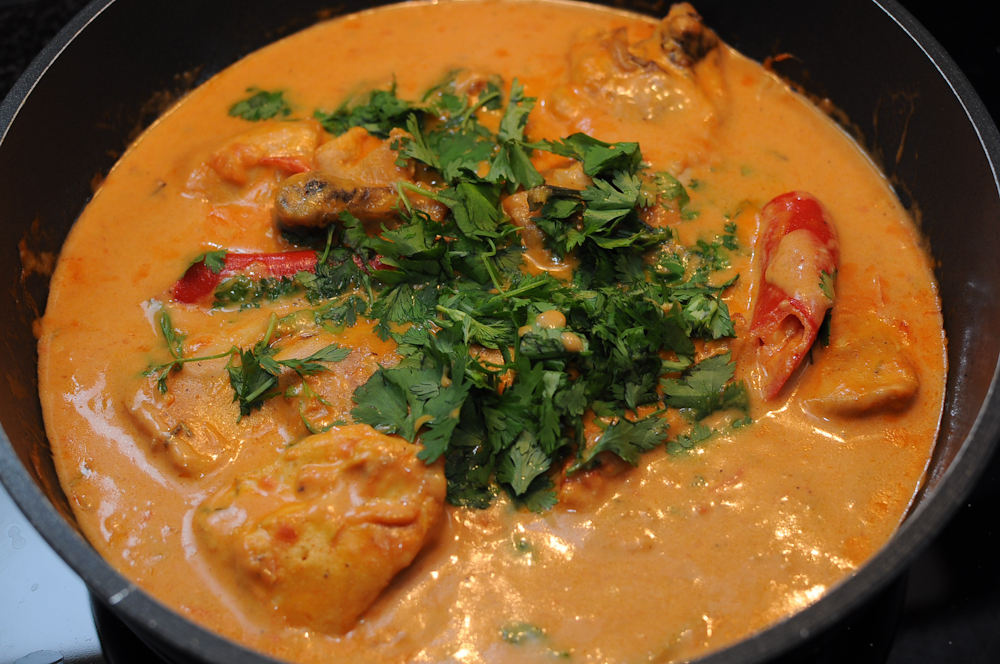
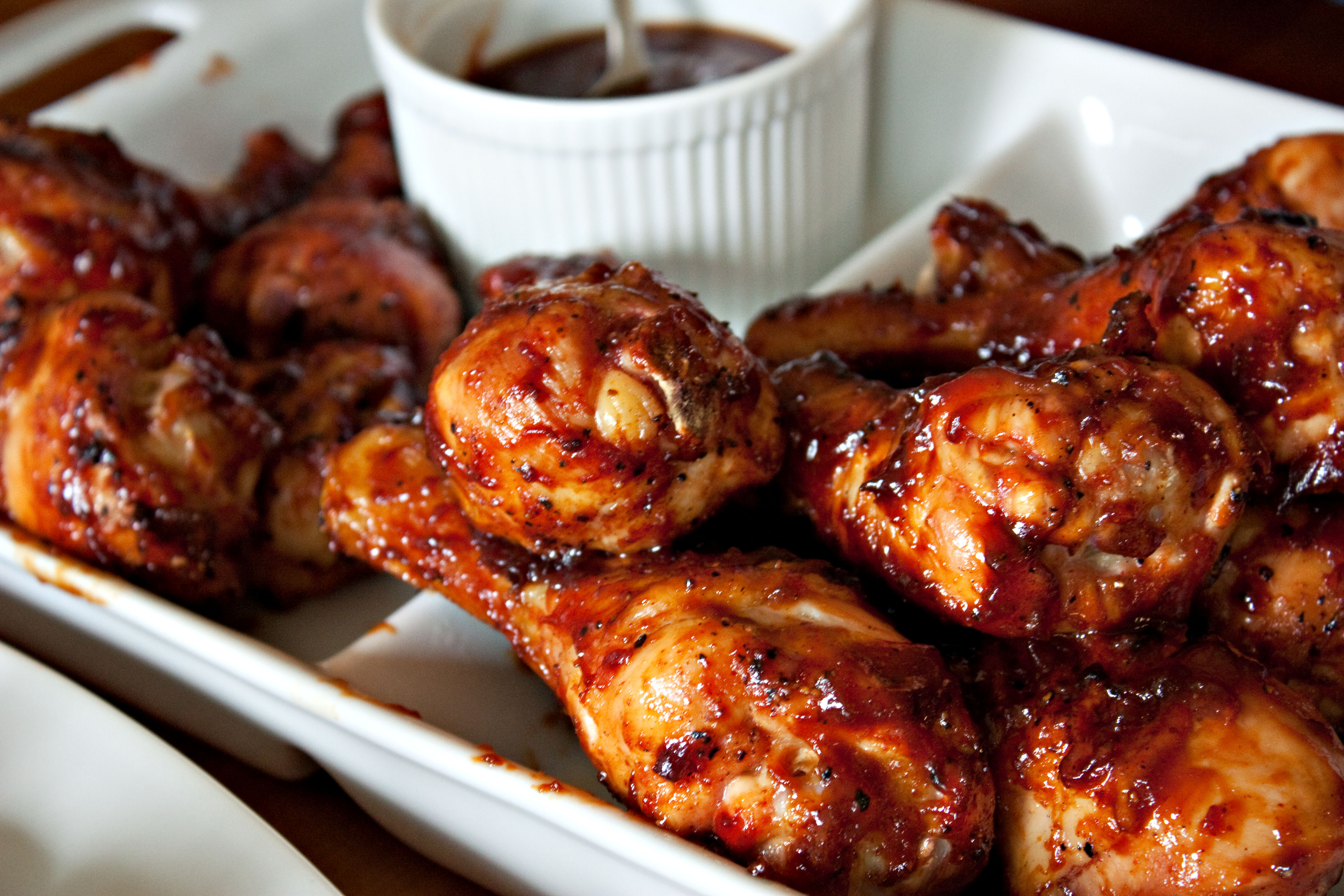
Kuku wa kupaka (chicken soaked in coconut sauce)
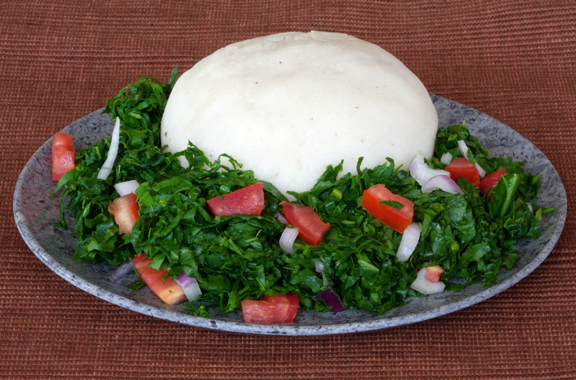
One thing is for sure though, walk through any Kenyan household and you won’t fail to find maize flour, the main ingredient for Kenya’s staple food Ugali. Tasteless on its own, this delicacy goes well with Sukuma Wiki ( literally push-the-week) – collard greens, or the otherwise people’s favorite Nyama Choma (roast meet).
If you are yet to enjoy the sumptuous Kenyan tastes, let this be the first thing you do next time you are in Kenya.
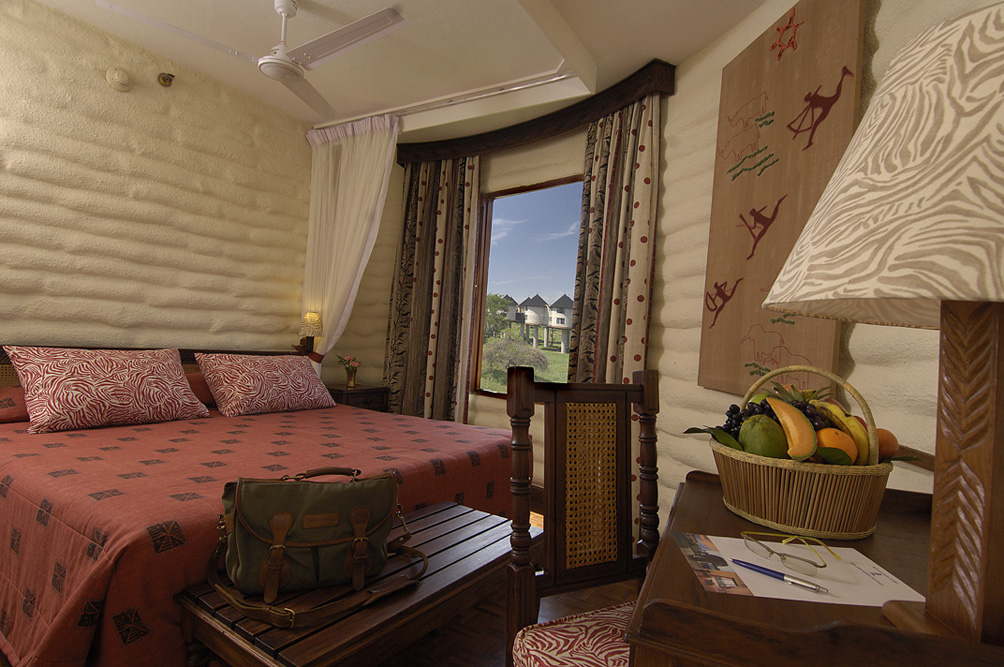
For decades Sarova Salt Lick Game Lodge has been one of Kenya’s flagship lodges, famed for its warmth, vibrancy and legendary hospitality. A favourite amongst travellers in search of luxury accommodation, Sarova Salt Lick Game Lodge is a luxurious safari escape set in the heart of the Taita Hills Wildlife Sanctuary overlooking a waterhole and the vast Tsavo plains. Sarova Salt Lick Game Lodge’s charm is evident from the outset. Here you will savour uncompromising high standards of service, efficiency and personalised attention. The entire lodge is raised on stilts, providing 24-hour game viewing opportunities from any corner of the lodge. Each room is spacious and beautifully appointed, featuring exquisite ethnic décor in keeping with the Tsavo environment.
Sarova Salt Lick Game Lodge’s spacious, well-appointed double rooms are all en suite and give you a chance to enjoy breathtaking views of wildlife from the comfort of your room. To add to the charm and intimacy, the soft, fine linen, huge beds and thick white towels quietly whisper romance. All bedrooms have mosquito netting and a ceiling fan, and each room is equipped with electric current: 220 volts, 50 cycles AC, shaver outlets 110/220 volts, 50 cycles AC. Sarova Salt Lick Game Lodge offers luxurious accommodation and facilities and is the perfect place in an unforgettable setting to explore the surrounding natural environment.
In the words of Kenya-born singer-songwriter Roger Whittaker,
There’s a hole in the side of Africa, where the walls will speak if you only listen
walls that tell a tale so sad, that the tears on the cheeks of Africa glisten,
stand and hear a million slaves, tell you how they walked so far
that many died in misery, while the rest sold in Zanzibar
Shimoni, Oh shimoni,
you have to find the answer and the answer has been written down in shimoni.
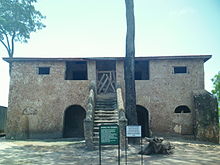
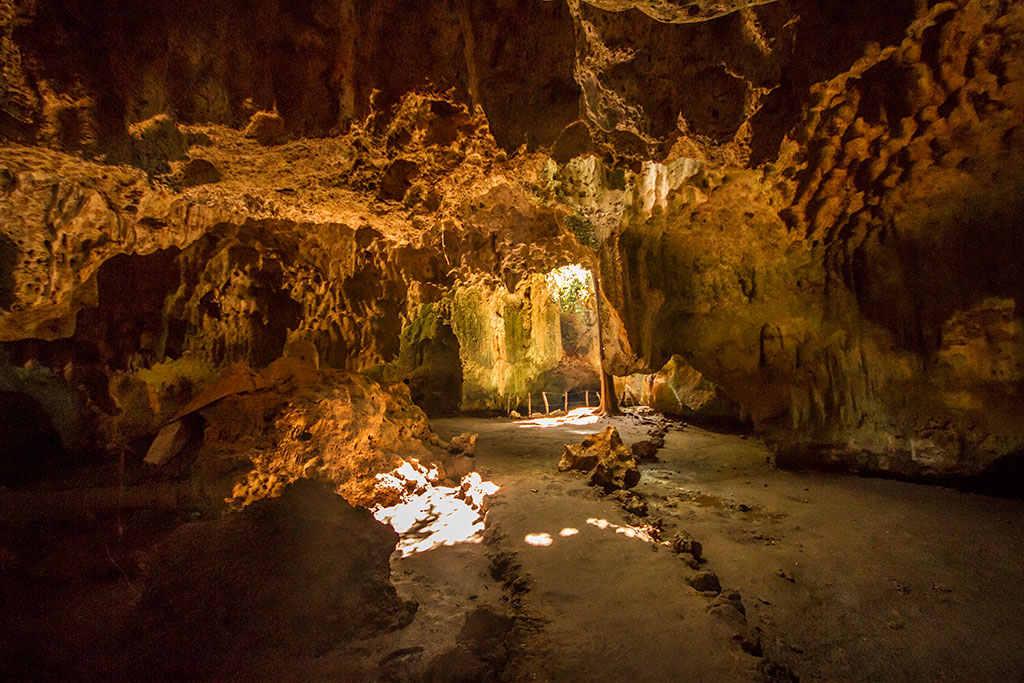
Shimoni (swahili for the ‘place of the cave’) harbors a history of brutality and enslavement. South of Mombasa Island, Shimoni caves sit in a small peaceful village categorized among the poorest in the south coast as it is home to poor and disabled villagers. Years back during the colonial era, the village was the original headquarters of Imperial East Africa Company and right opposite the caves’ entrance sits a memorabilia of the time; remains of the old headquarters building which later became the Districts Commissioner’s house. Now, the village remains a humble home for a few local traders and fishermen with countable shops. One can access this historical site easily as it is only a two-hour drive from Mombasa, 15km off the main Mombasa – Lungalunga road.
First senior staff residence headquarters built in 1885
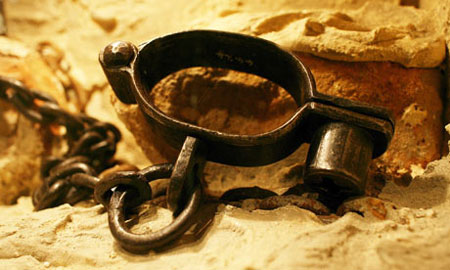
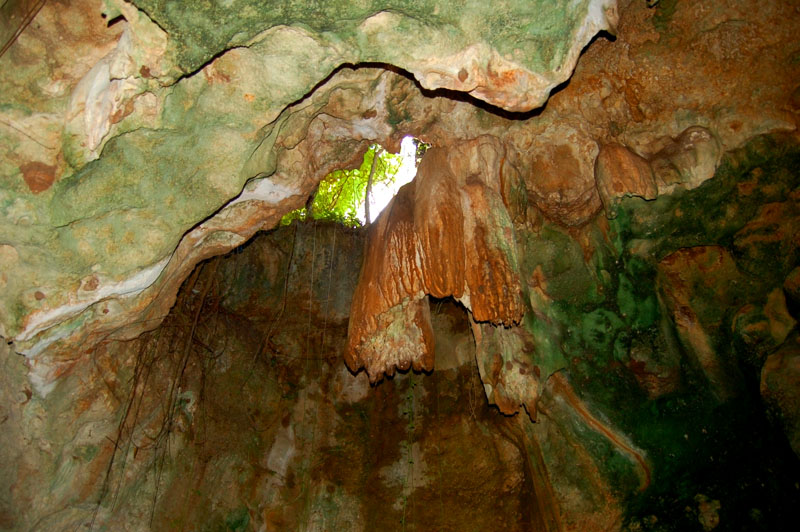
Believed to be millions of years old, Shimoni Caves house gory stories of inhumane conditions that captives experienced in the hands of their masters, and metallic studs stuck to the cave walls with chains dangling till date as well as preserved wooden crates used to transport slaves remain as a stark reminder. Previously used as Kaya shrines (Red scarves tied on coral polyps and bottles lying on the ground which were mainly used to keep herbs serve as evidence), Arab traders used the caves as a holding pen for slaves awaiting ships for transfer to Zanzibar en-route to Arabia, Yemen and America. The slaves were captured from the Hinterland.
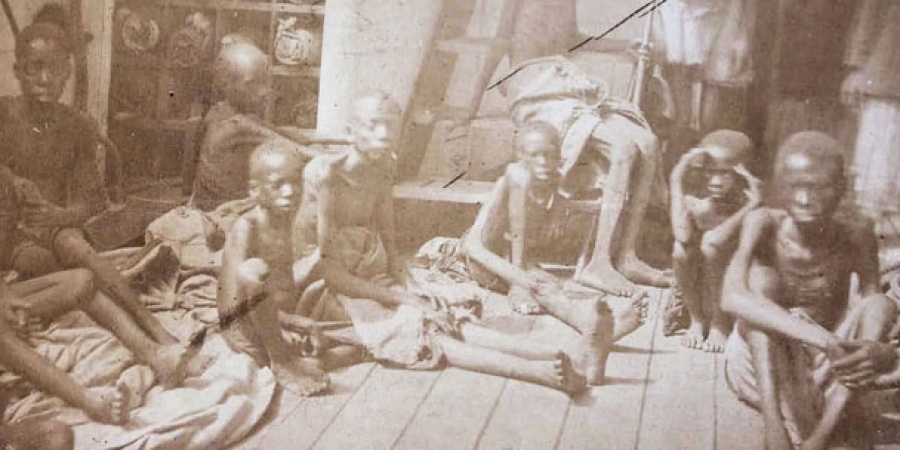
The Arab caravans were brutal, often burning and ransacking villages as well as highly mistreating their captives. According to Dr. Livingstone, for every five slaves in a caravan, only one reached the coast alive; thousands died along the way with their bodies left by the roadside for wild animals to devour. Moreover, for every slave that got captured, ten others were killed; goes to show just how gruesome an experience this was. In case of a disease break out, sick slaves would be thrown overboard while others would be left on board awaiting their fate; death. At the time, the British colonialists were against the trade and whenever they would be in pursuit of the traders, the poor shackled up slaves would without a thought be thrown into the shark-infested sea. Same case scenario when faced with rough conditions at the sea. The ride to the land of their masters was not only torturous but also not cozy…the small dhows used for transport would be cramped up with a total of up to 1000 captives. The poor souls could hardly sit, squat or kneel down one can’t help but imagine the state of their bodies upon arrival.
Machakos, Kitui, and Mariakani are among the various caravan routes with the Main towns being Mtito Andei, Kibwezi, Vanga, Takaungu amongst others. The Akamba (one of Kenya’s tribe) people are among the Kenyans who served as middlemen at the time of the slave trade and are inhabitants of most of these towns. They had to trek long distances into the interior to capture slaves.
Freed slaves on a British boat in 1868
Today, Shimoni Caves are an attraction for individuals interested in the history of East African slave trade as well as those curious as to what evidence the caves of torture hold. They are also very dark and the only inhabitants that remain are bats.
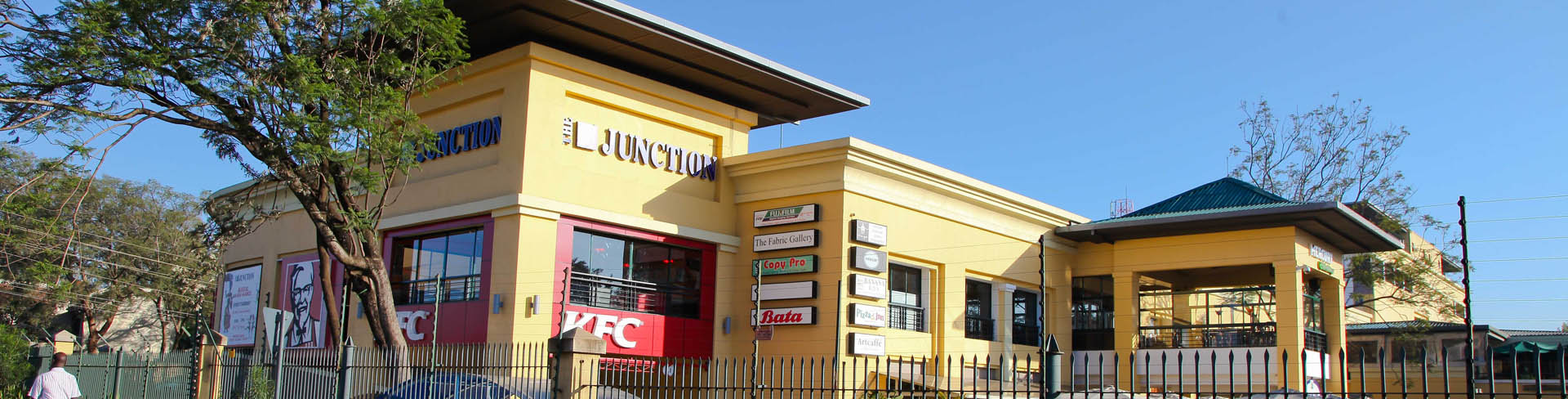
The Junction stands out with 256 thousand square feet of floor space, 115 stores from top international and local brands, signature restaurants, as well as recreation and entertainment facilities. This is your one-stop shop for everything you could need from Ladies, Men & Children’s Fashion & Accessories, Sports, Fitness & Active Wear, Handbags & Footwear ,Jewellers & Watches, IT, Mobile & Electronics, Books, Toys, Music & Stationery, Media & Entertainment, a Casino, Florist, Art Gallery, Home & Kitchenware, Furniture & Furnishings Gifts & Fineware , Handicrafts, a Green Grocer, Tours & Travel, Restaurants, Coffee Bars, Cafes and according to 2011 Taste Awards, one of the best Food Courts in Kenya. Service outlets include Medical and Pharmacy, Optical & Dental Services, Banking, ATM’s & Forex Bureau, Beauty & Haircare, Drycleaning, Photographic Services, a Courier & Business Centre, Internet hotspots courtesy of Wazi WiFi as well as many Specialty stores. Junction mall is anchored by Nakumatt.
SOME STORE CATEGORIES;
This and much more at the Junction…
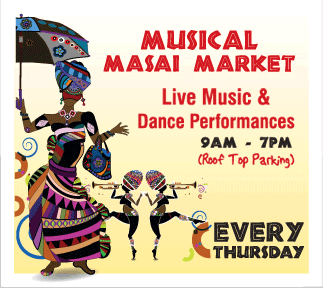
You can also get to enjoy Maasai Market and get yourself lots of Memorabilia.
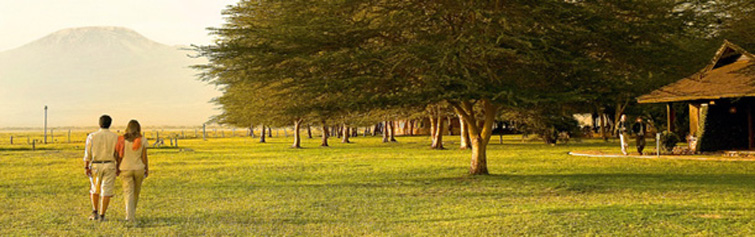
Ol Tukai Lodge is one of the best spots in the world to watch elephant with the backdrop of Africa’s highest mountain, Mount Kilimanjaro. The lodge, together with the surrounding Amboseli National Park has been described by many ‘as a home for the Gods’.
Ol Tukai is an Eco-rated lodge having excellent outdoor and indoor facilities with its unique collection of African art. The property receives overwhelming response from the international and local tourism market.
There are 80 luxury chalet-style twin rooms, all with an uninterrupted view of the wetlands or Kilimanjaro. Stylish and comfortable, the rooms have private bath rooms and individual terraces. There are also rooms allocated for special needs visitors. At Ol Tukai, the presence of the wilderness can be felt in the silence of the night.
Enjoy the sight and sounds of the Amboseli Plain with a lavish champagne buffet breakfast in a wonderful secluded setting amongst the Tortillas trees only a stone throw away from the family of the resident Ol Tukai elephants. An unforgettable breakfast experience. Sip bubbly champagne with the stunning backdrop of the snow capped mount Kilimanjaro.
Ol Tukai Lodge has some of the most stunning vegetation in the Amboseli National Park. As an environment preserved area Ol Tukai hosts amazing tree, plant and bird species.Ol Tukai is home to over 150 species of birds. For an interesting insight into the life of the birds of Africa, Ol Tukai’s resident Ornithologist will accompany you on a bird walk amongst the beautiful trees and gardens of the lodge.
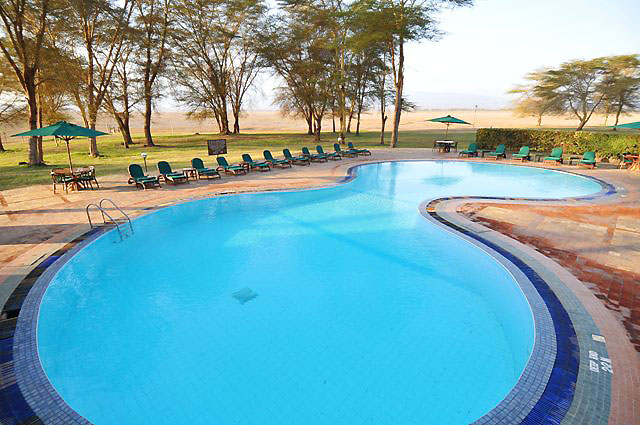
The crystal clear waters of the swimming pool are shaded by the occasional acacia tree. The pool deck has sun beds for relaxation and soaking up the afternoon African sunshine before the evening game drive.
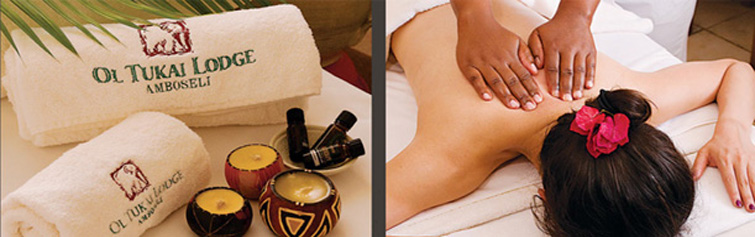
After a long game drive, a soothing aromatic massage by an expert masseuse refreshes the body and mind.
After an afternoon game drive, there’s nothing better than relaxing with a special cocktail drink as the sun sets across the plains. Noomotio, the table-topped observation hill is the perfect spot to enjoy hot and cold canapés and refreshing cocktails while you watch the African sky streak red, gold and purple, as the sun melts into the horizon and the game of Amboseli settle for the night.
A magical African experience that leads to a discreet Maasai setting amongst night lanterns and fresh bush clearings made by the herd of elephants nearby. Only a short walk away from the lodge experience a specially prepared candle lit, four course meal.The menu offers barbequed meat. Under the stars watch the Maasai Moran warriors dance and sing their battle songs around a bonfire.
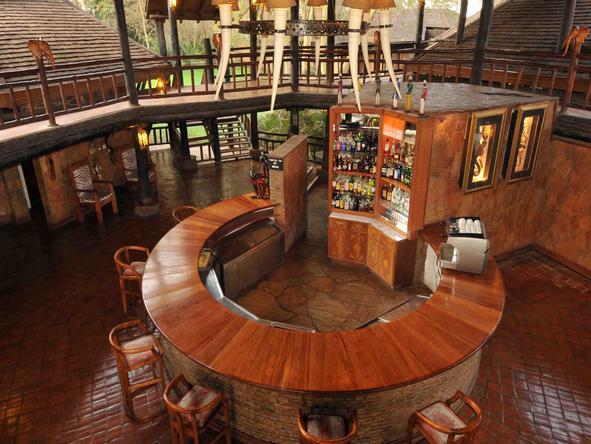
The Elephant Bar situated between the lounge and dining room serves a wide selection of beers, cocktails, liqueurs and fresh fruit juices. Above the bar a roof level deck offers a splendid panorama of the marshlands and Kilimanjaro.
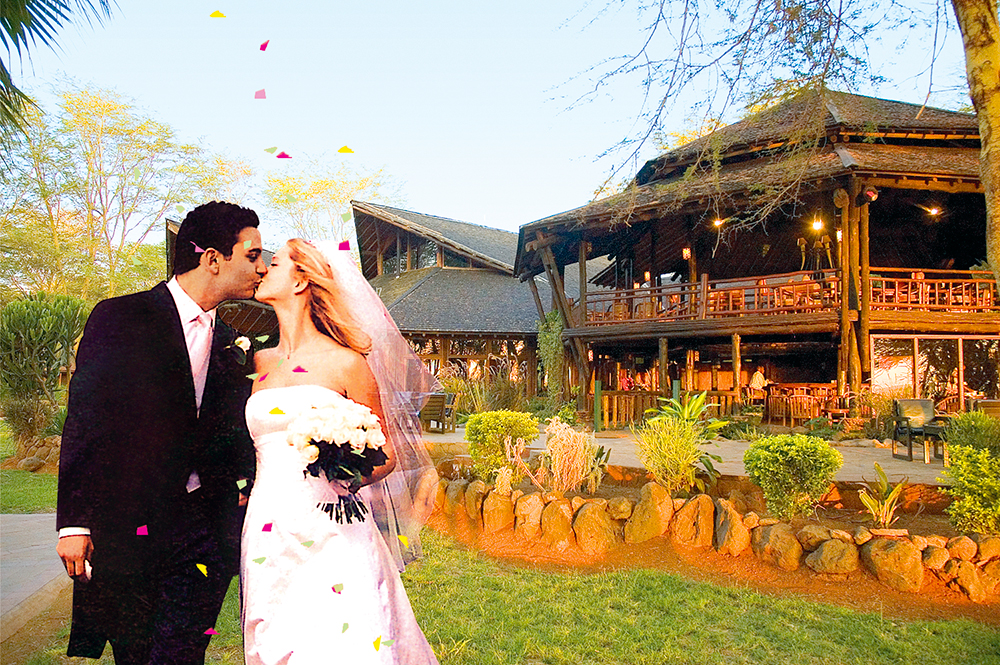
For the perfect wedding setting, there is a quaint multi-denominational Chapel and after the ceremony lunch is arranged on the lodge lawns. Special Wedding Packages are offered and arrangements can be made prior to arrival. Moreover, there is an in-house Wedding Planner tailored to your needs at no extra charge.
There is a gift shop that stocks interesting African artifacts, gifts and memorabilia. Here you can purchase souvenirs for those back at home.
Courtesy of The Tribe Hotel Nairobi, below is a take of things to do and places one should visit if they only had a day in the City.
Karura Forest;
Fancy a family picnic by the lake, bird walks, bike trails and generally a spectacular nature trail, Karura forest should then definitely be on your list of things to do. Things to enjoy here include the Mau Mau caves, scenic waterfalls, picnic sites, bamboo forest and nature trails. Karura does not fall short of wildlife as well one can spot different monkey species, bush baby, bush-buck, bush pig, porcupine, duiker, genet, dik dik, African civet and epauletted bat.
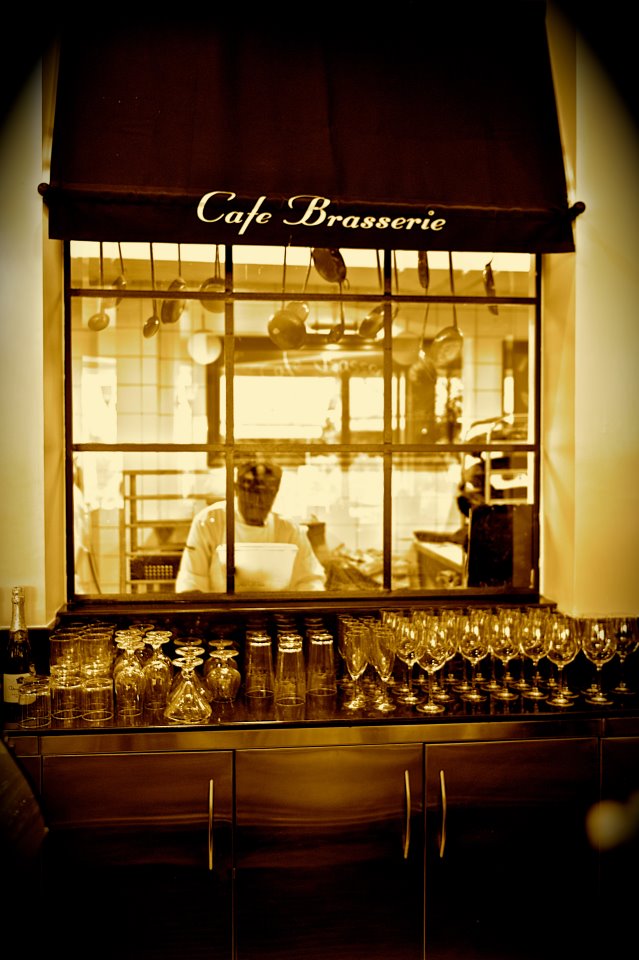
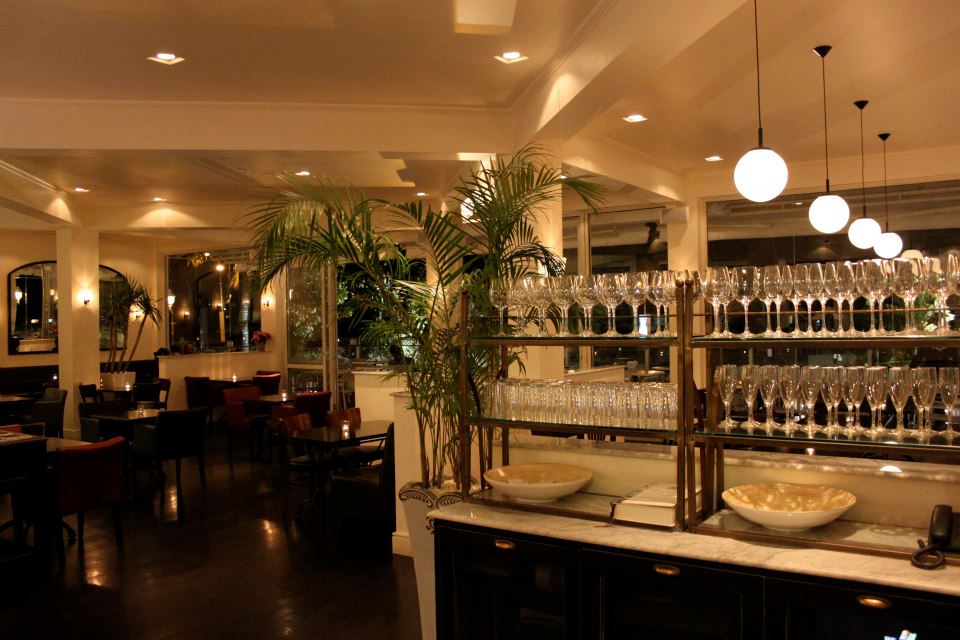
Cafe Brasserie;
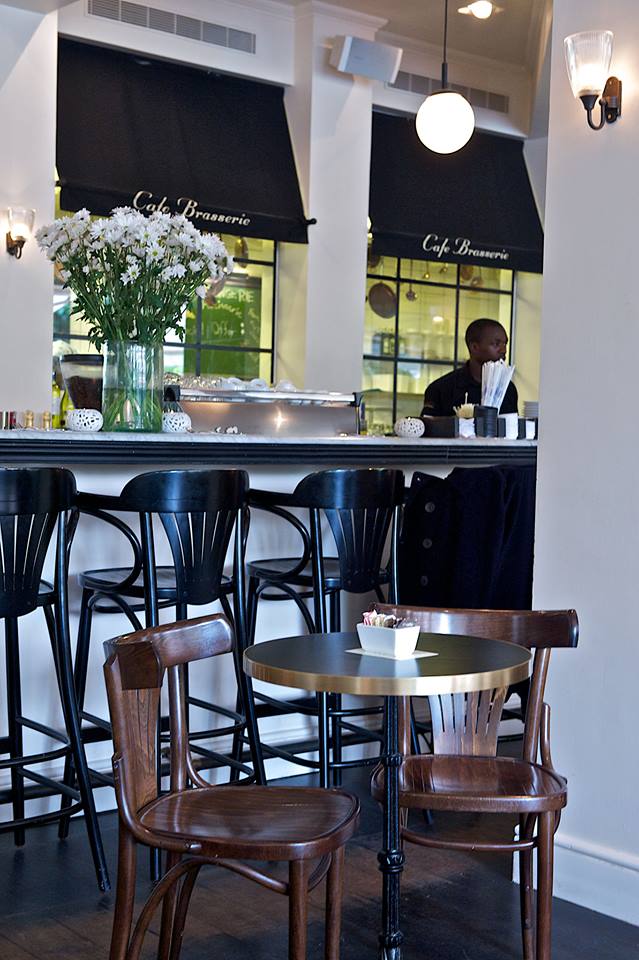
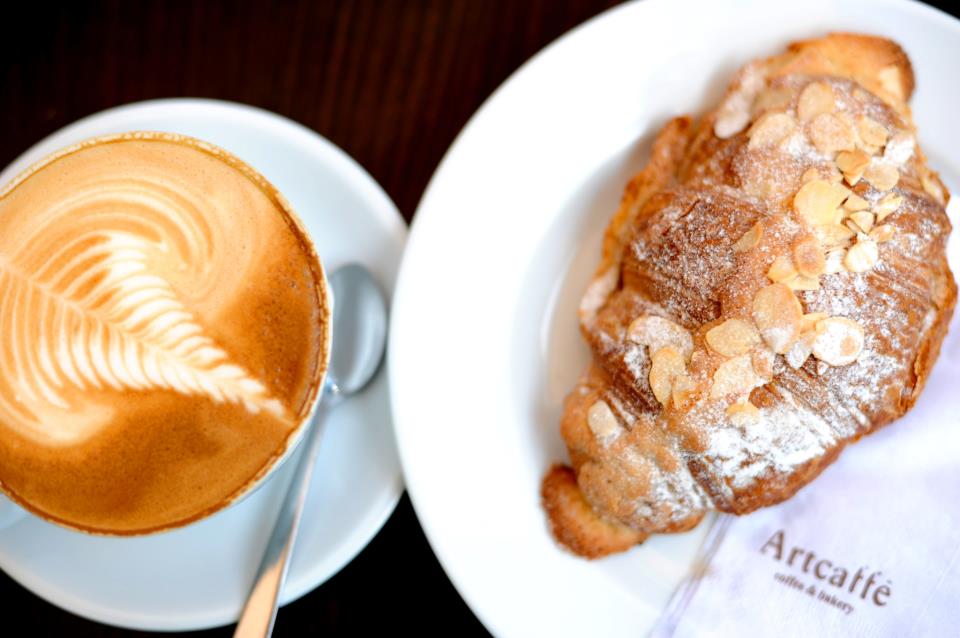
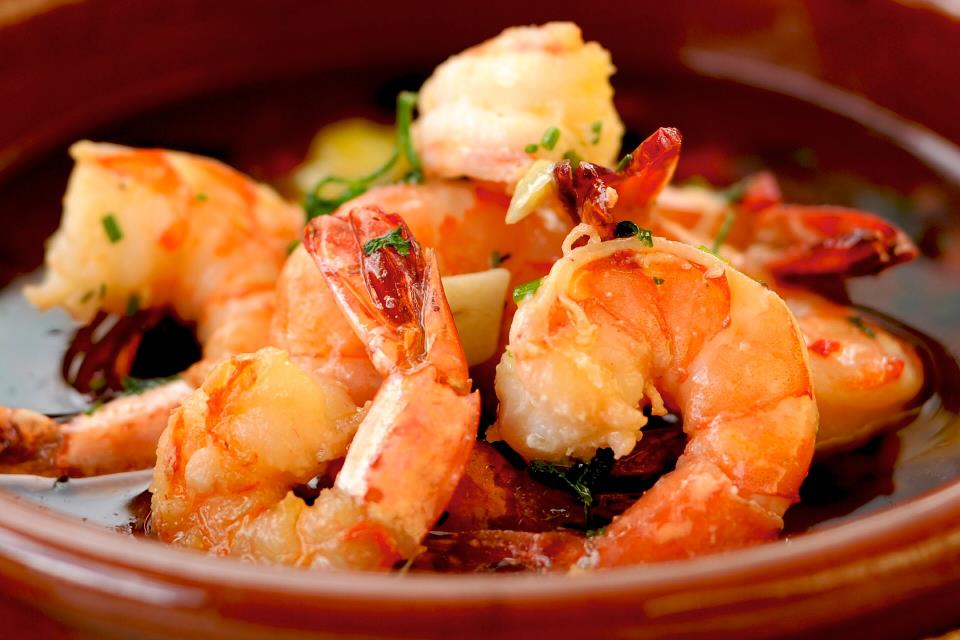
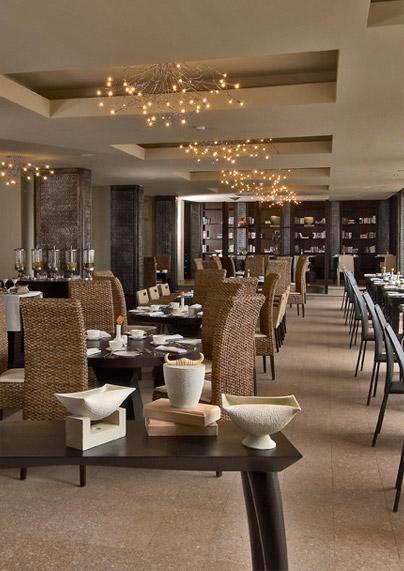
Located in Nairobi’s Village Market, The Cafe Brasserie by Art Caffe is a bright, light-filled café famous for its roasted coffees, hearty dishes and mouth-watering deserts. With wood-panelled walls and high ceilings, the café has a unique character, and is the ideal spot for post-shopping coffee and cake breaks with friends, pre-shopping breakfasts and leisurely lunches. The contemporary interior with clean lines, combined with a convivial ambiance, have made this restaurant a staple on the local dining scene.
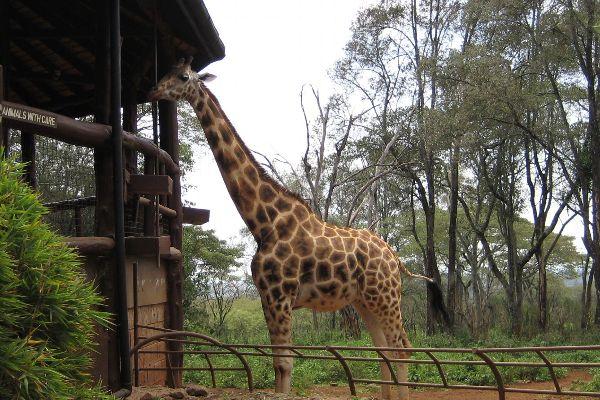
The Giraffe Centre;
Run by the African Fund for Endangered Wildlife, this is a sanctuary for the rare Rothschild’s giraffe. Spend some time observing, hand-feeding (and if lucky, get a big wet kiss) as well as capturing close-up photos of the giraffes in case you did not catch sight of them while on safari. One can also enjoy a quiet nature trail through thick bushes and forest. Other animals you are bound to encounter include warthogs, hyenas and sometimes leopard.There is a variety of flora and fauna.
House of Treasures;
The House of Treasures is filled with unusual and exotic goods from around the globe. Antique and modern furniture, architectural pieces, innovative fashion & jewellery, Africana artefacts, children’s toys and eclectic home-ware – all gathered in a striking double-storey gallery set in mature gardens in Karen, just outside Nairobi, Kenya.
Maasai Markets;
Meet craftsmen of authentic Kenyan artifacts and enjoy the sight of ladies beading and making jewellery at the markets. Held around the city at different venues on different days, bag yourself a set of souvenirs for your friends and families back home including wooden carvings and bead-work; beaded necklaces, batik wall hangings, shoes, soap stone carvings, sisal bags, kikois, textiles and much more. All Maasai Markets items are Kenyan and the range of goods on offer is impressive .You can’t go wrong at the Nairobi Masai Market.
Adèle Dejak;
The Adèle Dejak brand creates handmade fashion accessories for the modern, sophisticated and multidimensional woman. Inspired by African shapes, textures and traditional techniques, the cutting-edge pieces sit perfectly between artifact and high fashion statement designs. The Adèle Dejak collections express acute appreciation for African-made fabrics, including Kuba cloth and kitenge (wax print); a dedication to using recycled materials including rice and cement sacks, brass, aluminium and glass and; a commitment to exceptional quality.
Anselm – Kitengela Hot Glass;
Sleek vases the colour of sea glass, a coffee table that looks as if it is made of crushed ice. Extravagant murals. A goblet that feels solid and perfect in your hand, majestic and bejeweled chandeliers. A splash of window that is a mosaic of the sun, a globe-shaped lamp glowing like a planet. A Maasai necklace design that is an explosion of colour and lighting. A passionate and practical ensemble of scrap window and bottle glass renewed, refashioned into stylish pieces, functional art and inspired design. All this and more at Anselm- Kitengela Hot Glass, each piece is unique, handmade to catch the eye and satisfy the soul.
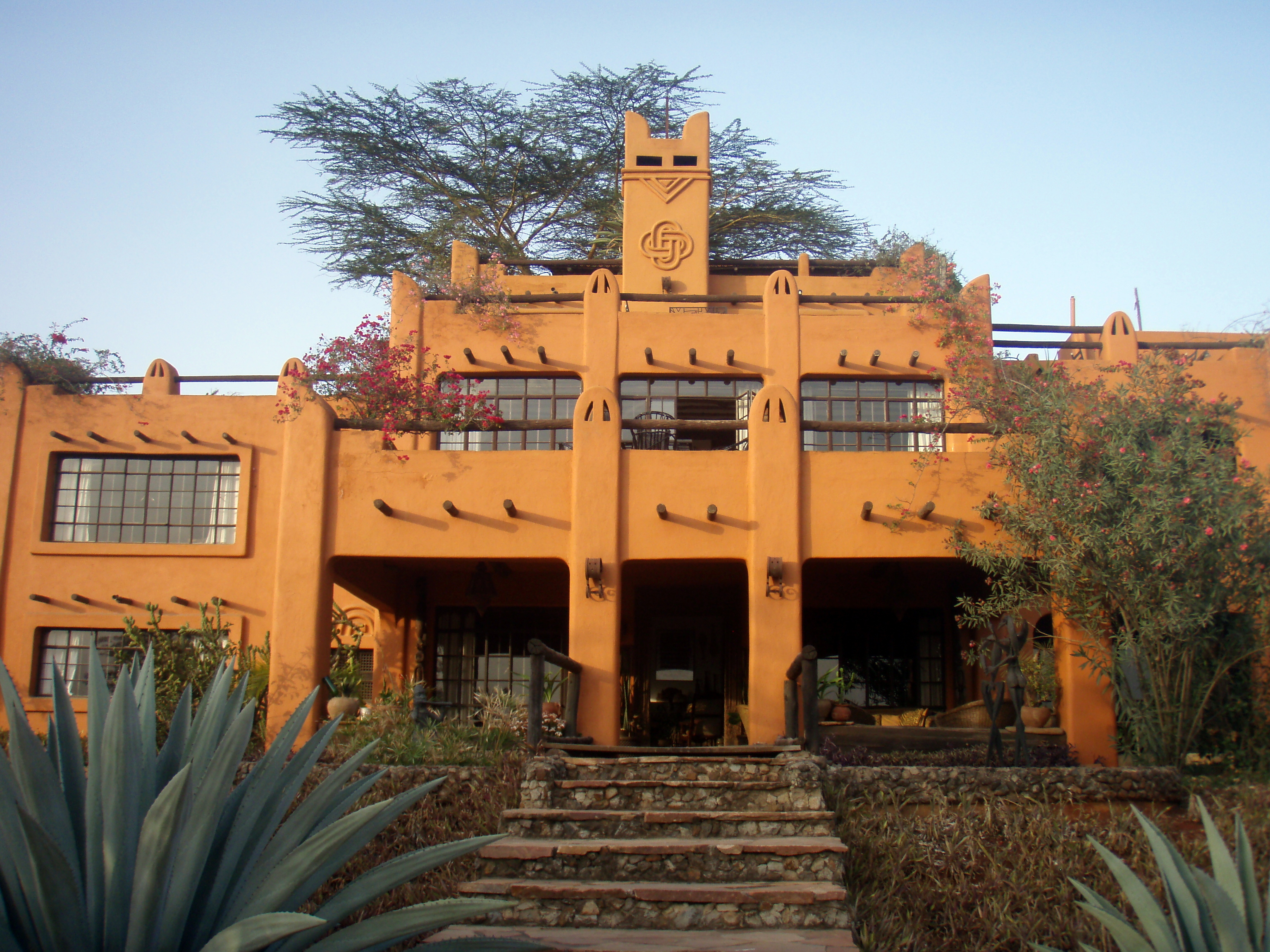
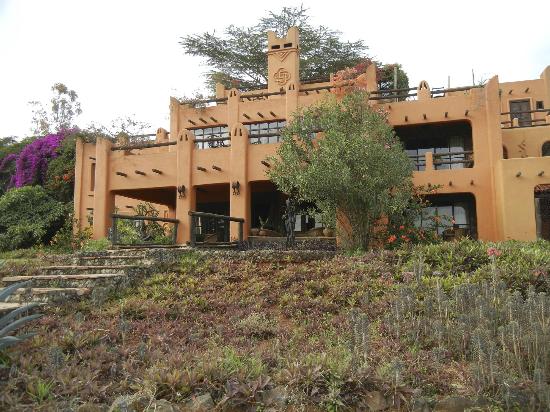
African Heritage House;
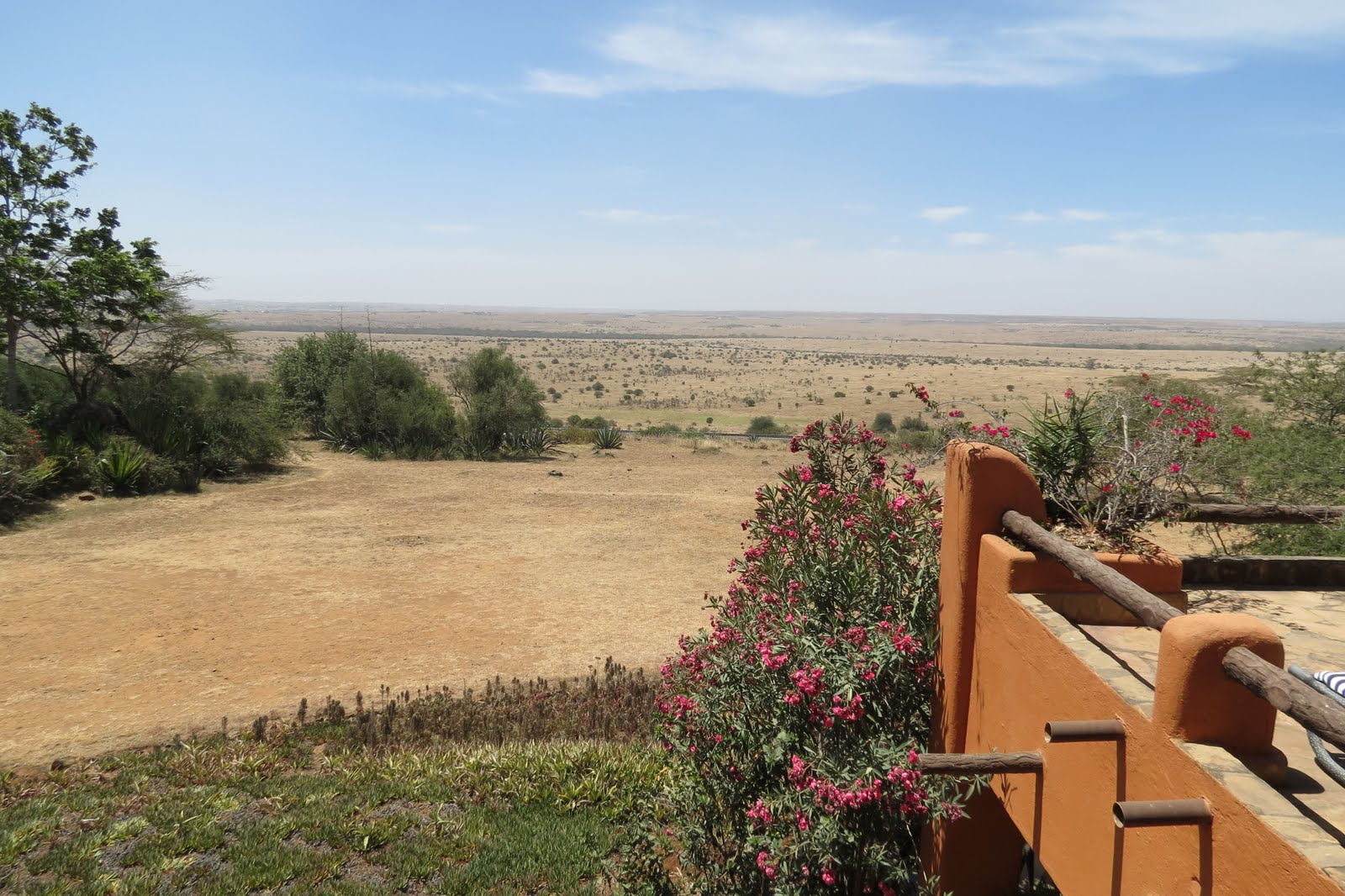
The African Heritage House overlooking the Nairobi National Park is described by the prestigious Architectural Digest as “an architecture rising from the serene Kenyan plain like an outcropping of earth, a vision of usefulness informed by the African genius for decoration.”
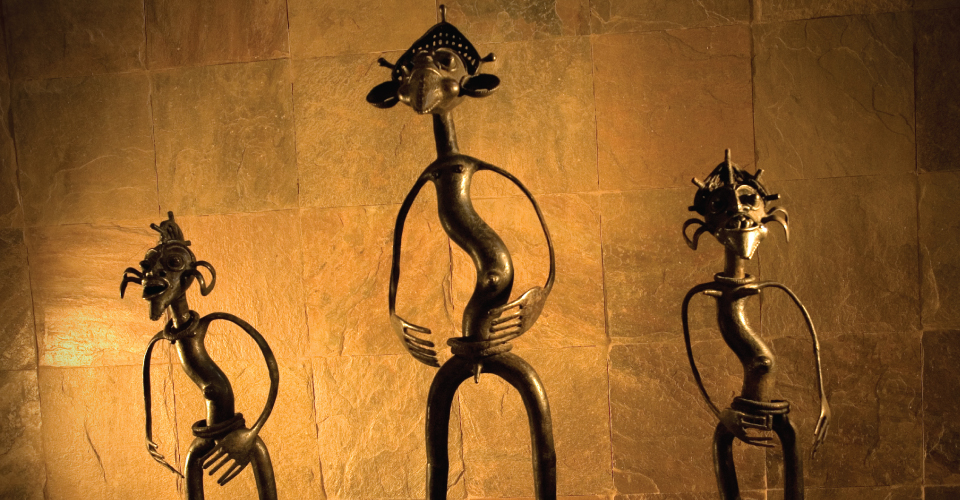
Designed by American Alan Donovan, co-founder of the African Heritage Pan-African Galleries, the house is a combination of the mud architectures from across Africa.The house is available for tours, meals (breakfast, lunch, and dinners on the rooftop or by the refreshing pool), conferences/functions, as well as overnight stays in its luxurious rooms, filled with African art and furnishings with modern appointments.
Kalabash;
Once at Kalabash you will be awed by the creativity and pronounced ethnic artistry that awaits you. Kalabash Selections specializes in extraordinary art, crafts and accessories from across Africa. The curated collection represents the finest examples of Africana in wood, stone, metal and beads. It glows with unique earthly African shades of brown, which most of its racy crafts represent. Kalabash also stocks beadwork and artifacts made from driftwood, soapstone and clay.
Kaya Spa;
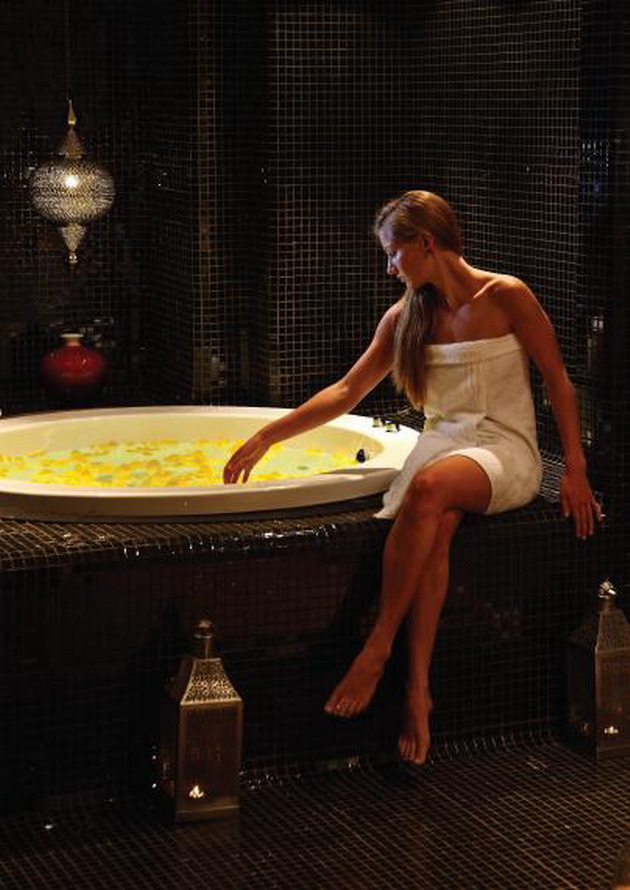
Kaya, Tribe’s exclusive spa combines traditional and new-world treatments from around the globe. The five treatment rooms and hair studio infuse a sense of tranquility through inspiring design – taming the body, mind and soul.
NEST;
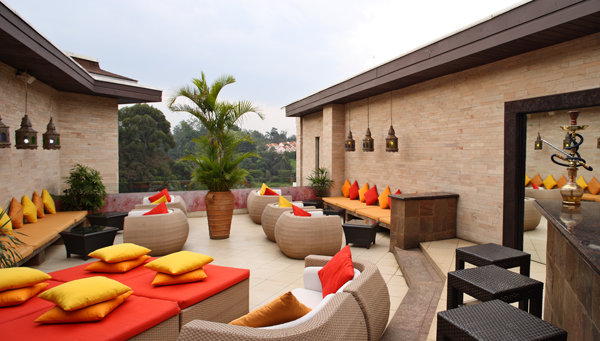
Also at the Tribe, NEST is the perfect location for sun-downer drinks, private parties, or just an intimate space to get away and hang out. NEST serves the best martinis in Nairobi which are a perfect compliment to aromatic shisha pipes or hookahs.
Jiko;
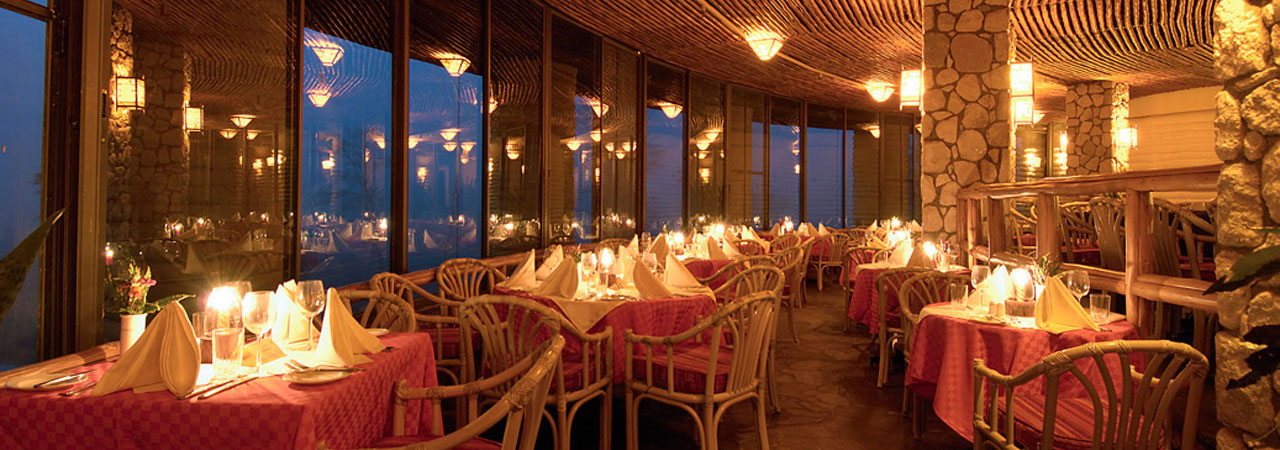
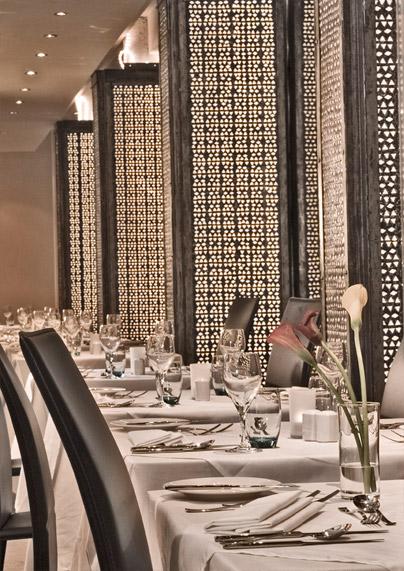
Jiko holds true to the glamorous yet sophisticated feel of the Tribe hotel whilst maintaining the warmth and personality of Kenya. Its contemporary international cuisine focuses on carefully grown fresh ingredients and specially sourced international imports. The extensive menu features grilled meats and vegetables as well as house made pastas, breads, pastries and gelatos. Jiko’s exclusive wine list highlights some of the finest selections of wines to perfectly compliment the flavors of Jiko.
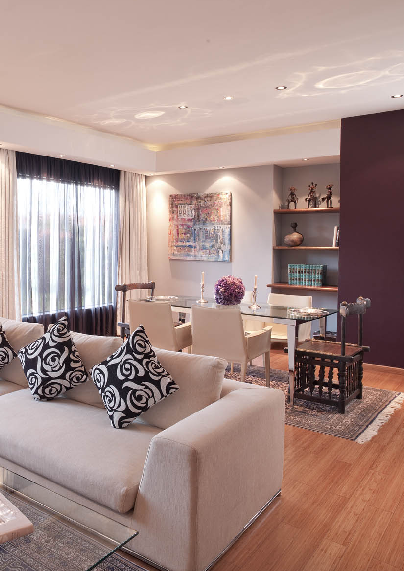
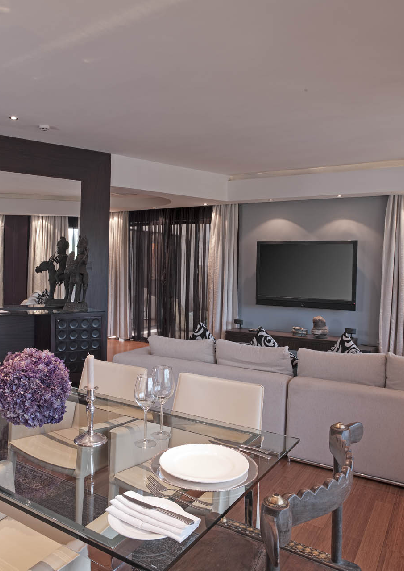
Finish your day in style sleeping at the Tribe’s Presidential suite. A one-bedroom suite overlooking the protected natural wetland, the Presidential Suite features a living room with dining table and over-sized couches, a 60-inch plasma TV with a BOSE Lifestyle sound system, guest bathroom, a private balcony, enhanced storage facilities and the suite’s iconic master bathroom. The Presidential suite is furnished with a rain shower, bath tub, 300 thread-count sheets, and a king bed. Tribe offers a complimentary mini-bar and free high-speed wireless internet with all rooms.
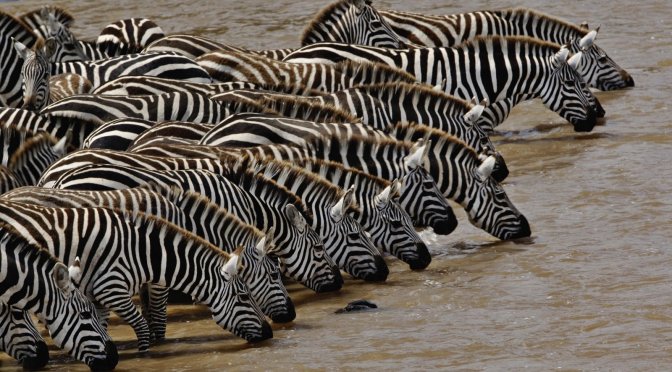
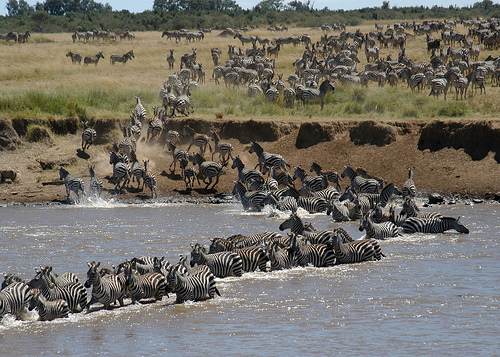
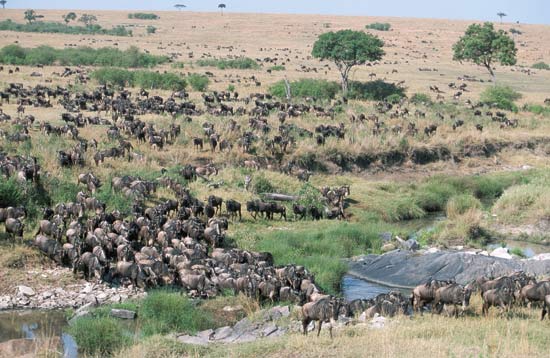
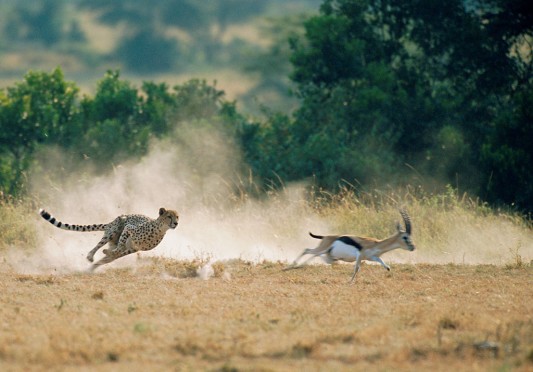
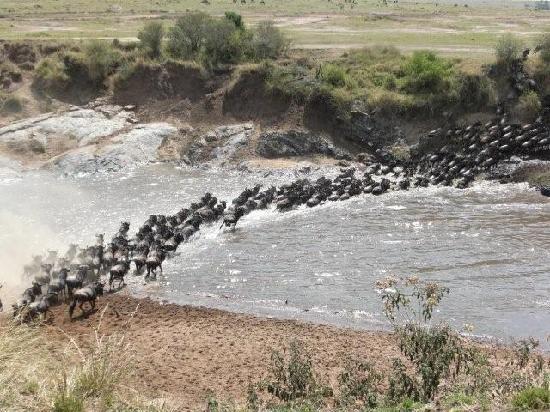
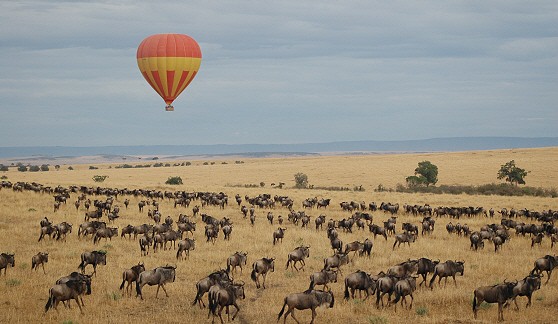
Doubling up as a wonder of the world as well as Africa’s greatest Wildlife reserve, the Masai Mara is a sight to behold. Home to the Great Wildebeest Migration, this reserve will offer you a safari of a lifetime; watching over two million animals cross-over from the Serengeti in Tanzania in search of greener pasture. This experience serves both as a ‘wow’/’chilling’ moment seeing this magical migration of wildebeests, gazelles and zebras in their thousands , while at the same time having to watch some of them make their last cross as the predators; lions, crocodiles and hyenas seize their opportunity across the Mara river.
The annual Migration has highly boosted Kenya’s place as a favorite safari destination and during June/July the reserve receives numerous guests ready to watch this natural spectacle. The millions of wildebeests spend much of the year grazing throughout the plains of the Serengeti and when the dry season dawns in June, they begin to gather, forming a single vast herd ready to head north. The experience is amazing as you anxiously await for the herds, one can envision the numbers hearing the sound of the approaching herd with the rumbling of hooves and low grunts; very awe-inspiring indeed. By July, the predators are set on the Kenyan side, Knowing the feasting opportunity that awaits. The river crossing serves as a major challenge for the migration as many of the animals succumb to their fate either through drowning, being swept away by strong currents or by the wrath of the hungry crocodiles.
Come October, the herds start their journey back to the Serengeti to the renewed grasslands. Out of all the calves born in the Serengeti before the migration, two out of three never return from this excruciating adventure. This is thus a test of both renewal and sustenance as well as life and death. The Mara aside from being host to the greatest migration ever seen, is home to the famed Maasai people. It is beyond amazing how man and wildlife share the same space of existence in utmost harmony. This co-existence probably makes Maasai Mara one of the most unusual and unique wilderness regions the world over.
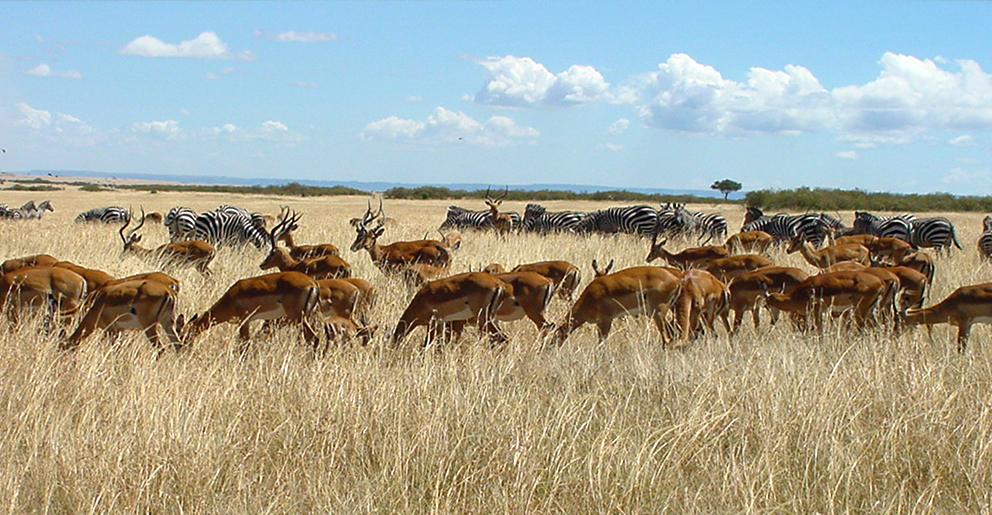
Other co-inhabitants include; herds of zebra, giraffe, gazelle,topi, an array of bird life, monkeys, elephants and buffalos in the Musiara Swamp and numerous hippos and crocodiles in the Mara and Talek rivers. The Maasai Mara is also packed with a wide range of Accommodation for any budget and is a popular attraction with Safari operators. The reserve is ideal for game drives and there are select camps and lodges that will provide you with opportunities of safari walks as well as spectacular balloon safaris. You are bound to encounter wildlife at many areas of the Mara as they are allowed to move freely in and out of the reserve and through neighbouring Maasai lands.
Outside the boundaries of the reserve there are many other small camps and lodges, some of which offer walking, horse riding and other safari options. One can also take part in high forest trekking in the nearby Loita Hills and the Nguruman Escarpment.
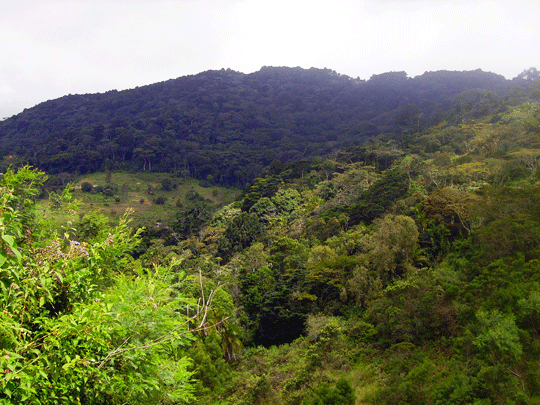
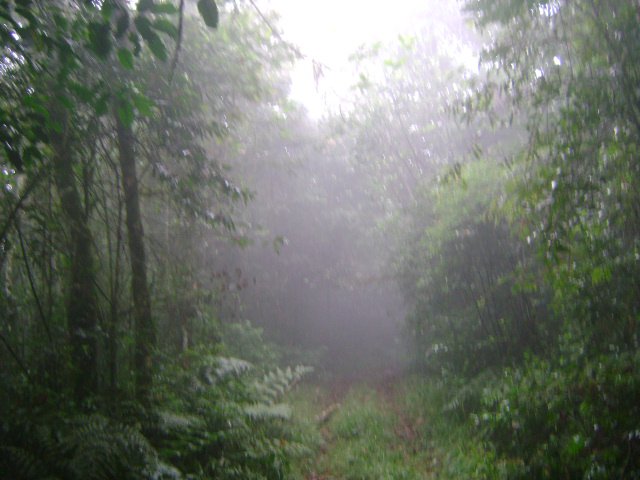
Travel enthusiasts en-route to various safari destinations along the Nairobi-Mombasa highway more often than not by-pass this Majestic wonder over Voi town. What many fail to realize is that this unexploited backdrop not only provides for a beautiful view while on your safari, but is also a rare attraction gem yet to be exploited and can only be attested to by a few; locals, researchers, and rally drivers. The early mornings are a sight to behold with dense fog shrouding the hills so much so one cannot be able to see another’s compound. Moreover, approaching the scenic hills from the vast and expansive plains spread in the lowland areas, provides for an exciting anticipation knowing that the higher one goes the more amazing the view of the landscapes, more like a far off deep sea.
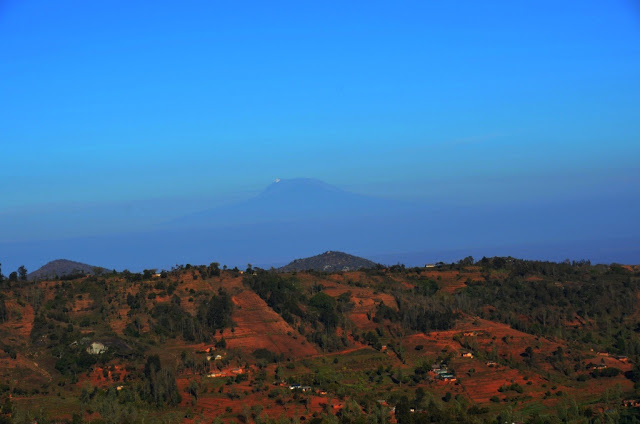
View of Mt. kilimanjaro a far from Taita hills
Evening view
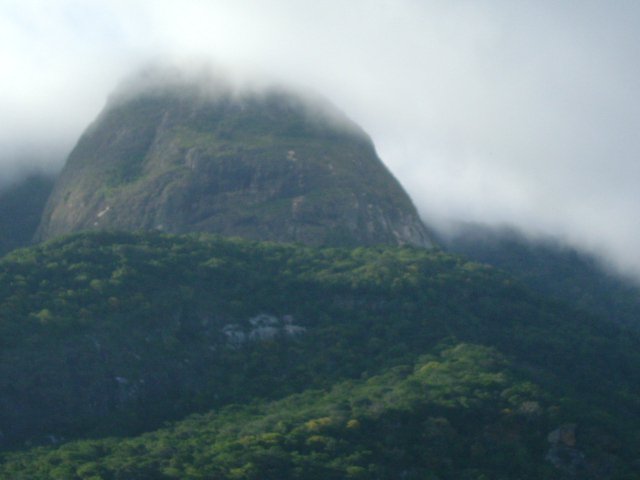
Wesu rock shrouded by fog
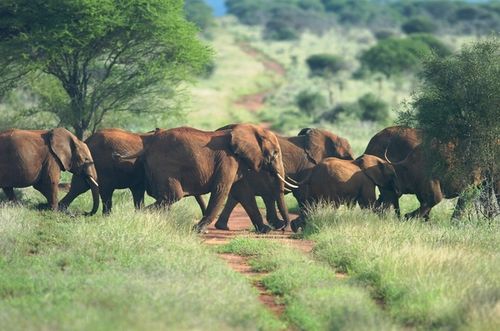
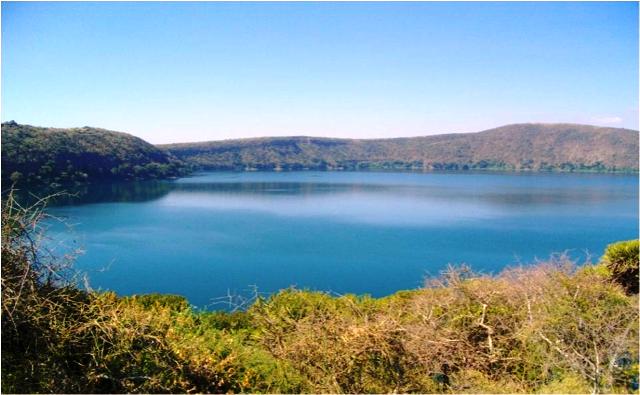
The lowlands, teamed up with Taita hills form the greater Taita/Taveta County formerly district, and are more accustomed to tourist visits being home to Kenya’s largest National Park; Tsavo National Park, Lakes Jipe and Chala, various water springs as well as a number of lodges namely Voi Wildlife Lodge, Voi Safari Lodge, Voi Town Lodge, Lions Bluff Lodge, Sarova Taita Hills Game Lodge and Sarova Salt lick Game lodge.
Sarova Salt-lick Lodge
Sarova Taita Hills Lodge
Lake chala
The Taita Hills are mainly Precambrian mountain ranges consisting of three massifs; Dawida, Saghalla and Kasighau with Dawida outcropping the rest at 2,228 metres above sea level at its highest peak – Vuria; it also has three other main peaks – Iyale, Wesu and Susu. Inhabitants of these hills are classified into three subgroups/sub-tribes in relation to the three topographical zones i.e the Wadawida/Taita from Dawida, Wasaghalla from Saghalla and Wakasighau from Kasighau. The Taita have a variation of dialects that include the Mbololo, Bura, Wusi, Kidaya, Mghange, Chawia, Mwanda, Kishamba, Werugha, Wumingu, and Wundanyi whereas the Kisaghalla and Kasighau stand on their own as self-sustaining dialects.
Kasighau
View of Vuria
Iyale
View of Saghalla
One’s journey atop, begins at Mwatate town, the central junction point linking wundanyi, voi and Taveta. Between Mwatate and Wundanyi several view points will prompt you to stop and gaze at the awesomeness below. One such spot is Mbengonyi; here you will be fascinated by the plains spreading across from Kishamba to Mwachora as well as the expansive Teita sisal estate. Mwachora is historically renown among the Taita as a medium of death as this is where sorcerers were executed by throwing them over the hill (sorcery was only punishable by death).
Mwachora peak and its views
Another hill with a similar history to Mwachora is Shomoto with a story of how thieves would be thrown over the cliff or have their fingers beaten to a pulp after which they would be tied by a rope to the tree that sits right on the edge of the cliff hanging over a deep cleft in the rock; left for dead. It was the responsibility of a member of the suspects’ relatives to push them over the edge.
Shomoto rock and crevice
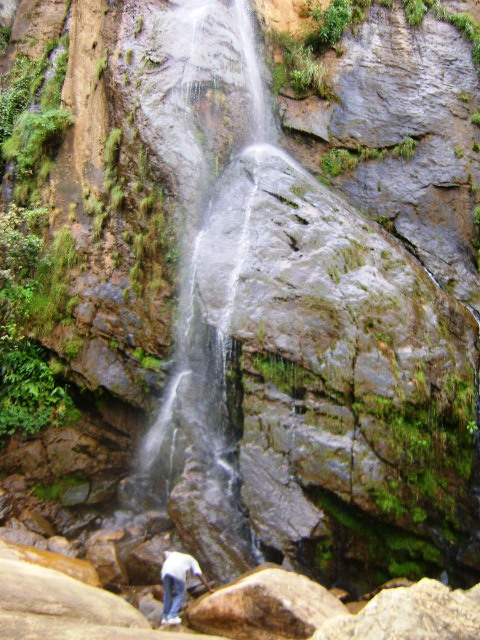
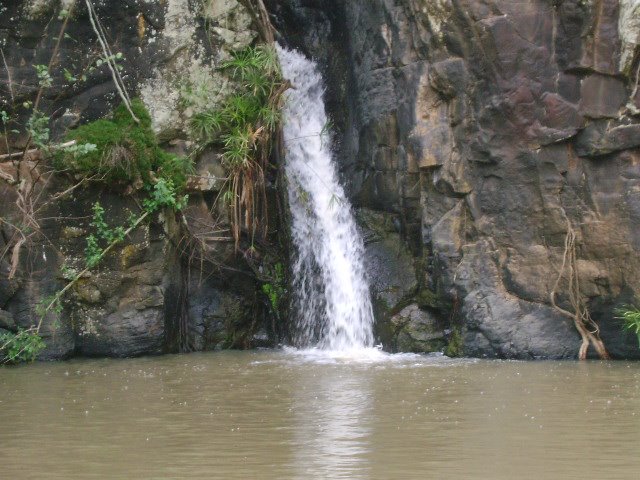
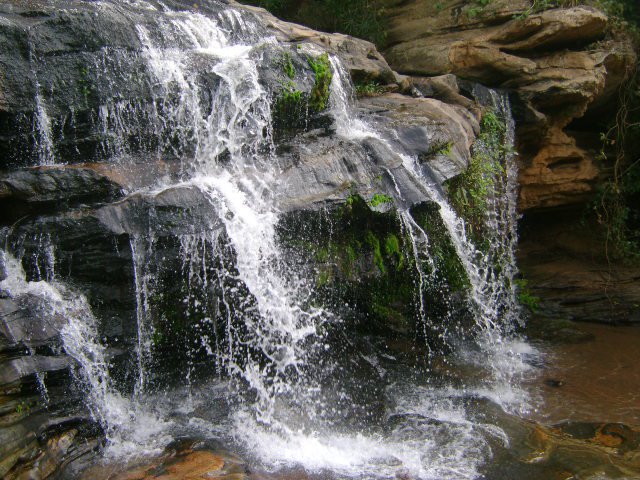
If you thought the views of the plains impressive, sight of the Lwada falls should leave you dumbfounded at the nature of its beauty. Found in the Dembwa area, the falls cascade from tall, moss-lined rocks and boulders against a scenic backdrop of thick evergreen vegetation and indigenous cover mostly of wild date palms.
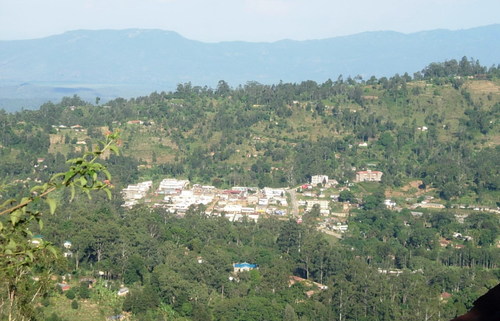
The cruise up hill leads you to Wundanyi town; formely Taita’s District Capital from where one can access other destinations via hiking or use of motorbikes as very few places can be accessed by vehicles due to rough terrain especially during the rainy season. However, to better enjoy the splendor of the treasured sites, hiking is more preferred; Inhabitants swiftly traverse these precipitous hills without the break of a sweat whereas for those of us who come back here once in a while this seems to be quite a chore (never mind the fact that I hail from here). Walking about closely linked villages brings you to encounter very friendly people who will more often than not, not shy off to salute you with a ‘Kwawuka mana’ (good morning) or ‘Kwasinda mana’(good afternoon) obliging you to reply with a simple ‘Mana-to’. Guests with preference of the uphill climate over the lowlands can enjoy their stay at Irido springs, Lavender Garden and Rocks hotels.
Wundanyi Town
Having withstood the years, Taita Hills have significant political stories to tell with sites like Mile 27, the Mashoti encampment, Mbuyuni, Salaita, Latema, Reata and the fortifications near Maktau portraying events dating back 100 years ago during world war 1; the only memorabilia of the battleground being the war cemetery segregated into white and Asian races (wonder where the Africans were buried). There is a story told of a German lady sniper supposedly hidden in a hollow Baobab tree, out to avenge her husband, leading it to become a target for the British. The baobab tree survived as the most-shot-at tree during World War One and still has the bullet holes to show till date.
Mwakitau ( as pronounced by locals) war memorial
observation post and its view on top of mwakitau
The legendary bullet-holed baobab tree
The hills also played a crucial role for Kenya’s independence serving as a hideout for our founding heroes including the first Kenyan president; Jomo Kenyatta. It is said that the Kapenguria seven stayed at Kino caves where they would keenly plot their victory plan over their colonizers. Mwalimu Julius Nyerere, First president of Tanzania would also frequent the location in order to exchange ideas with his counterparts.
kino Cave
Taita Hills not only harbors these cherished political antiquities but is also rich in cultural mementos. Before conversion into christianity, the Taita were known to store skulls of the dead in caves; Ngomenyi, Yale, Shomoto amongst others. The skulls would be disconnected from the corpse after a year’s exhumation; this was deemed a sacred act of restoring the dead to the ancestors resting place. The skulls would be lined denoting lineage and stacked near the entrance facing the setting sun. The subgroups differed as to who would be accorded this honor with the wadawida placing skulls of only elderly men whereas the wasaghalla included skulls of women and children. In times of calamities, elders would visit the caves and appeal to their ancestors for help; their Higher Being was called Mulungu whereas the ancestors’ spirits were referred to as milungu.
Entrance to sacred skull cave
With continued exposure by the media, these breathtaking hills have proven that its allure is not one to be left to oblivion having attracted a myriad of naturalists, researchers and birding enthusiasts alike. With a unique biodiversity of 9 and 13 taxa of animals and plants respectively, found nowhere else in the world but here, areas like Ngangao forest have been deemed a true treasure; being part of a unique Eastern arc range of forests found mostly in Eastern Tanzania and the only one of its kind in Kenya. In total there are 48 indigenous and exotic forests (surviving on hill tops and ranging in size from 500 square metres to 2 square kilometres) 28 of which are gazetted and are under the able protection and management of the Kenyan Government.
Ngangao forest
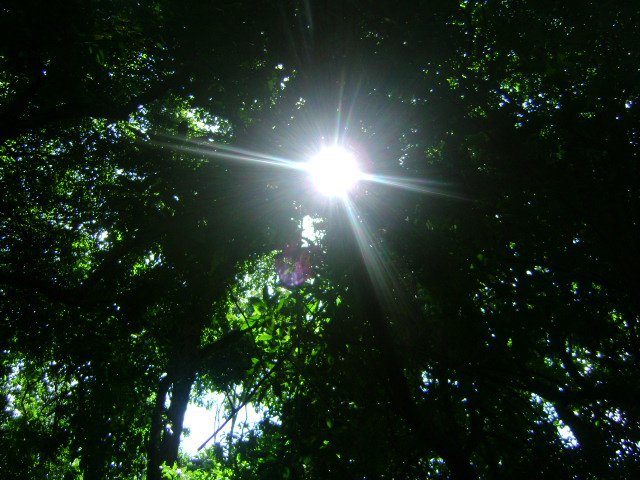
Ngangao forest (under the care of Forestry Commission) will provide you the splendor of moist, thick dripping vegetation with sights of rare birds, butterflies, amphibians and plant species that only exist here. Some of the endemic species that call Taita hills home include Bird species like the Taita Thrush, the Taita White-eye and the Taita Apalis, a unique rear-fanged snake – Amblyodipsas teitana, an endemic toad – Bufo Teitensis, and butterflies; the Taita Glider, Taita Charaxes, Cymothoe teita, Papilio desmond teita and Taita Swallowtail. There are at least nine plant species found nowhere else in the world but on the these moist slopes including the African violet – Saintpaulia teitensis, Memecyclon teitensis, Milletia obrata, Psychotria petitae. Trailing the forest within the first morning sun rays, one is also bound to chance a upon an endemic species of chameleon – Bradpodium Kinyongia. For birding enthusiasts, species like Orange Ground Thrush, Stripe- cheeked Greenbul, Cabanis’s Greenbul, Hartlaub’s Turaco, Evergreen Forest Warbler, Yellow-throated Woodland Warbler amongst others, should adequately quench your thirst.
Taita white-eye
Taita Charaxes
African Violet
Bradpodium Kinyongia
As a climax to your exploration endeavor, something that ought to give you a rush would be the climb of Wesu rock either as a pro with harnesses, ropes and all or simply by hiking your way up. What awaits you at the top is a reward of panoramic views for miles over kasighau, Ngulia, Mount Kilimanjaro’s Mawenzi and Kibo peaks as well as chyulu hills.
Vuria ( Taita’s Highest point) will also be able to offer you the same thrill of the superb views. Early risers should be able to enjoy the glory of snow fall on the peaks of Kilimanjaro teamed up with the beautiful sunrise, truly a sight for sore eyes.
















































































































 Zuru Kenya