Category Archives: Historical Sites

7 Beautiful churches in Kenya to add to your travel bucket list

Whether you consider yourself spiritual or not, there is a magnificence sacred sites hold that solidify their mark in society as iconic monuments. Kenya is host to a good number of churches built in various architectural styles, including Tudor, Victorian, Modern, Art nouveau, Romanesque, Renaissance, Baroque and Gothic. These styles help document the era in which they were built or refurbished and their rich, captivating detail make them an attraction worth adding to your travel bucket list.

Whether it’s a Romanesque and Gothic masterpiece in Nairobi or a tiny little chapel along the highway, there’s no denying the aesthetic draw of churches – we highlight (7) seven churches that make for some of the most important architectural and historical landmarks built with extraordinary design and intricate details. 

Sacred Heart Cathedral, Kericho

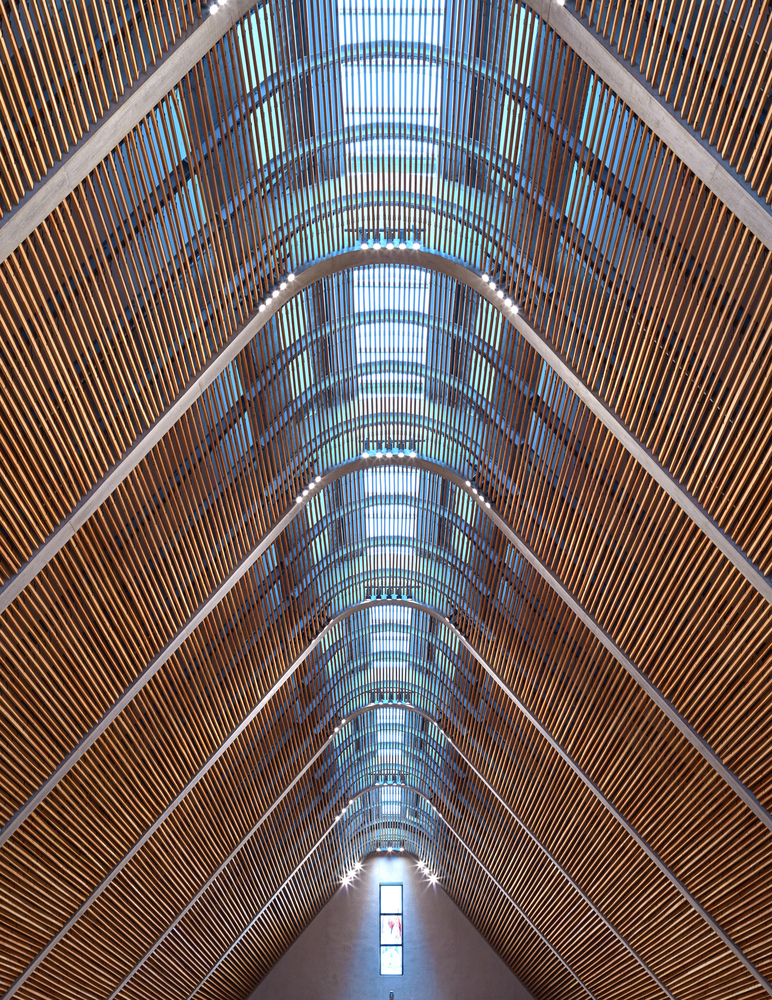
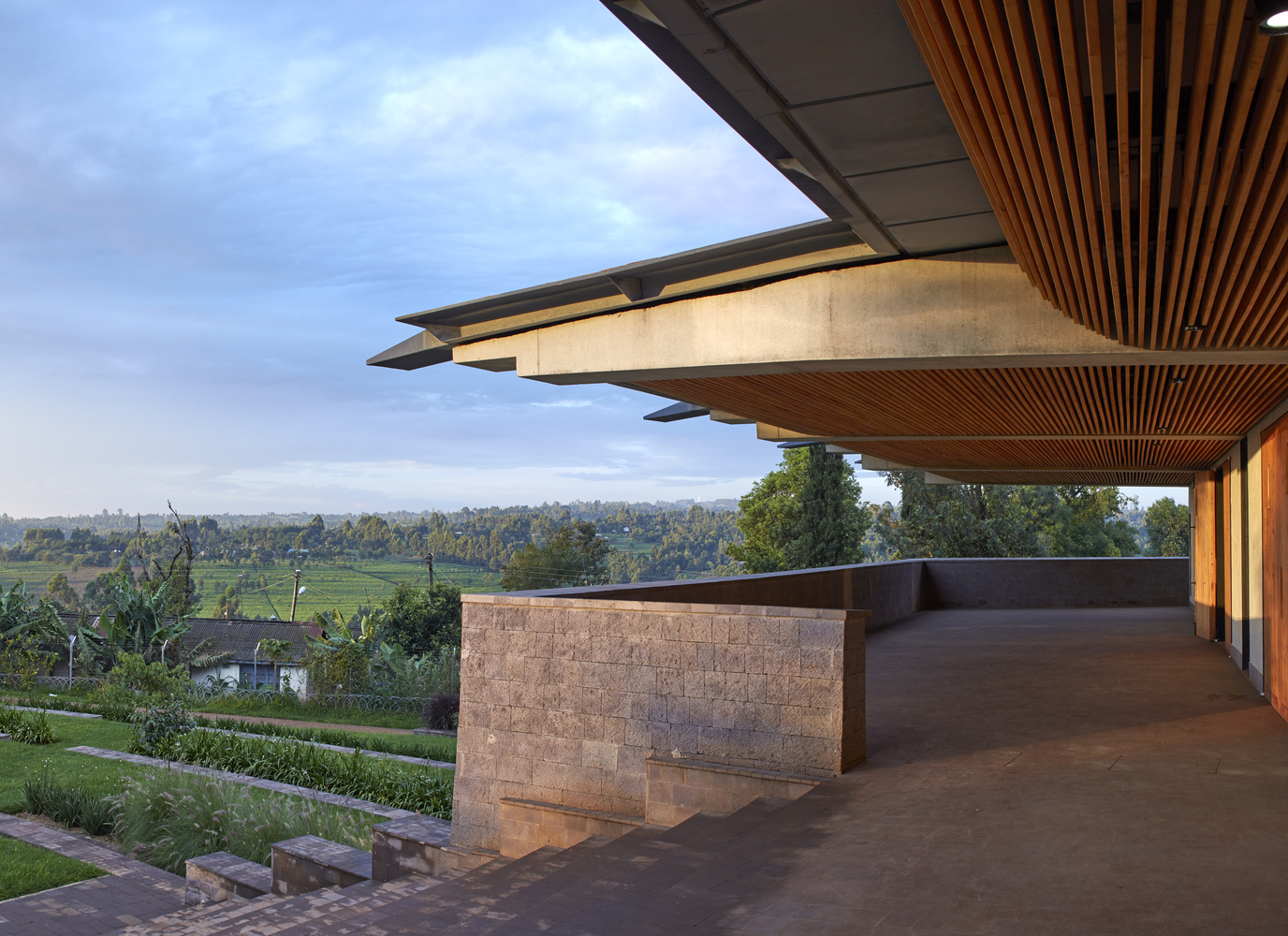
The Sacred Heart Cathedral of Kericho is located 250 km west of Nairobi, Kenya. It lies within the Highlands, close to the Rift Valley, enjoying magnificent views across tea plantations and surrounding hills.

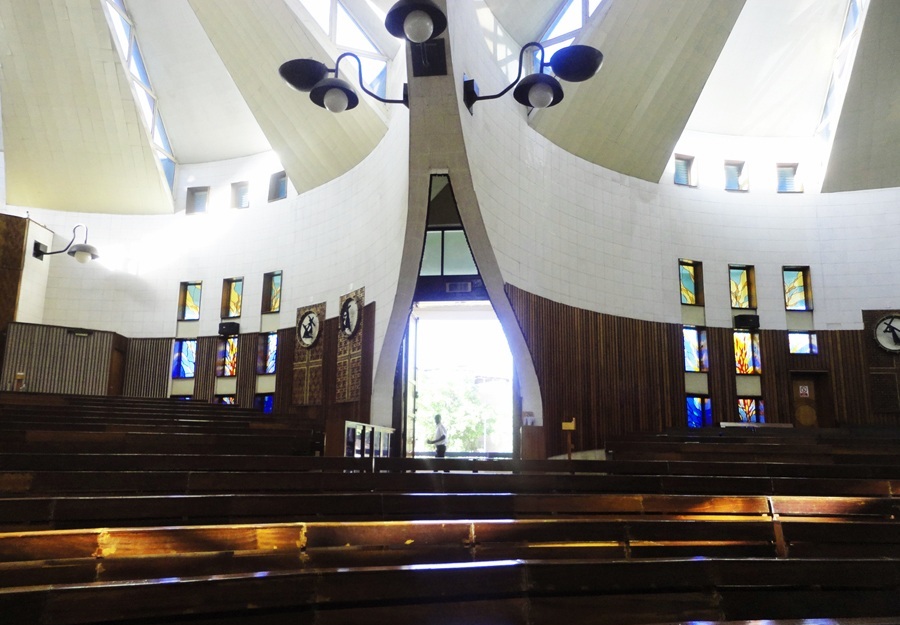
The Cathedral’s great inclined roof is a distinctive form in the rolling panorama of Kericho’s hills and valleys. Strikingly crafted, the building’s simple palette of materials honours the faith and frugality of this rural African context. It can hold up to 1500 people at the same time making it the second largest cathedral in Kenya.

All Saints Cathedral, Nairobi

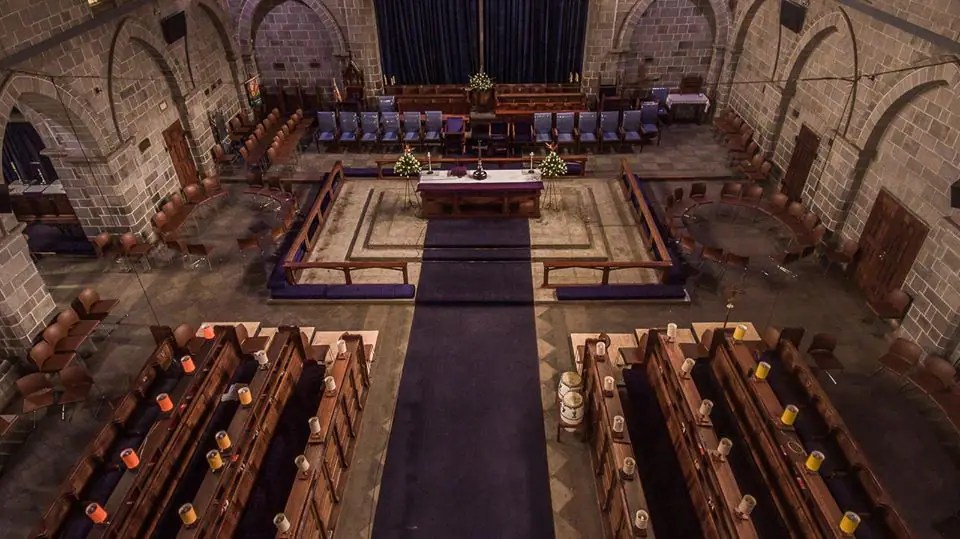
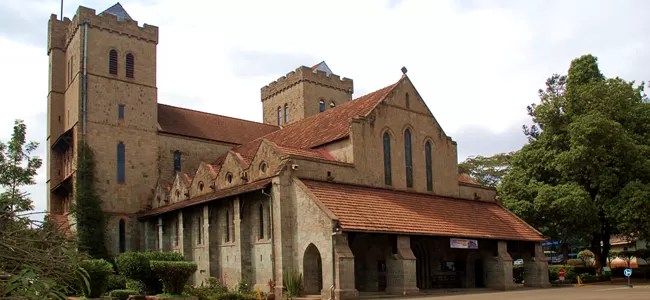
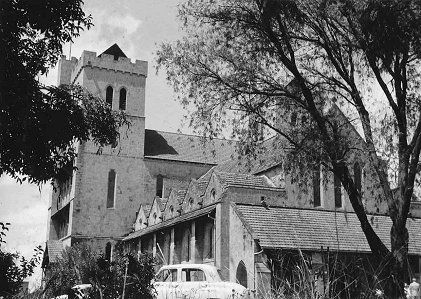
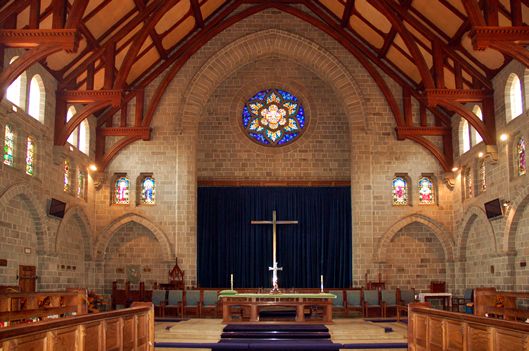
Located at the intersection of Kenyatta Avenue and Processional Way, the building has been a crucial element in the history of the country over the 102 years it has been in existence. The building was conceptualised in 1914 at a meeting chaired by Governor Henry Conway, and addressed by the Archbishop of Cape Town. The agenda was to address the desire of Chaplain Reverend W. M. Falloon.

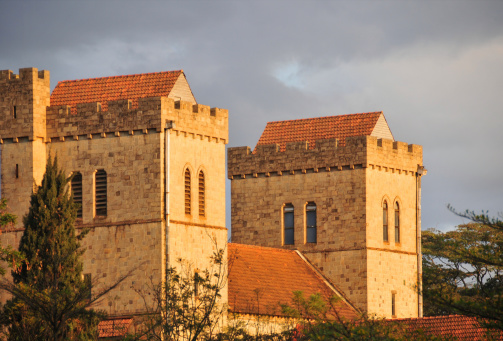
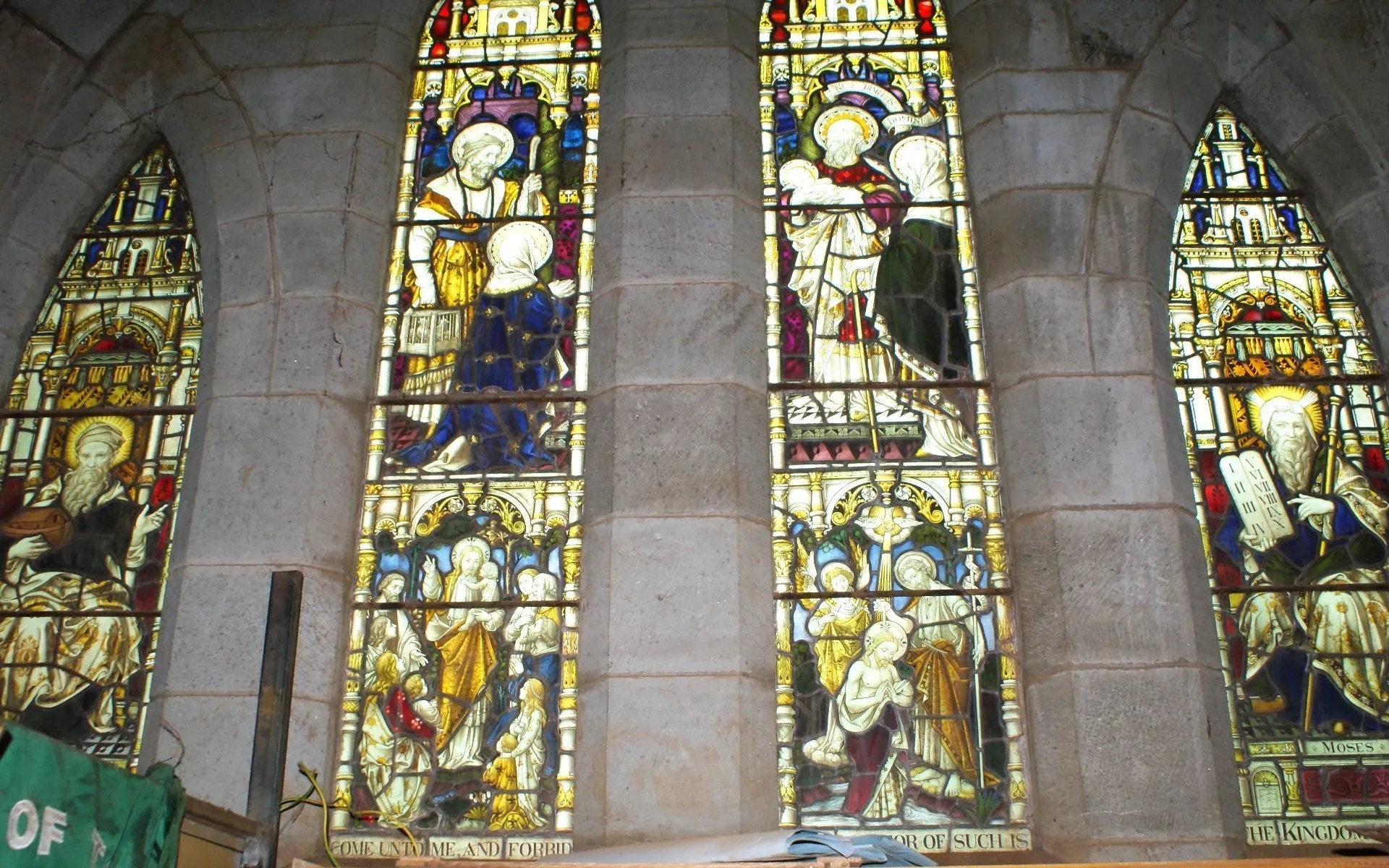
The building’s cross-like shape symbolises the cross on which Christ was crucified and creates room for movement of congregates. Construction, which took place in four stages from 1917 to 1952, was done using grey stone from Lang’ata quarries and Government House, what we know as State House. Its walls are decorated with stained-glass windows with the outstanding one being the circular Rose Window, which traces its origin to the 13th century works of Comacini an Italian designer. The cathedral’s compound is dotted with indigenous trees and cypress whose seeds came from Jerusalem and others from the Garden of Gethsemane and the Garden of the Tomb. It was not until 1963 after independence that Africans were allowed to use the facility for worship. 
Don Bosco Catholic Church, Nairobi

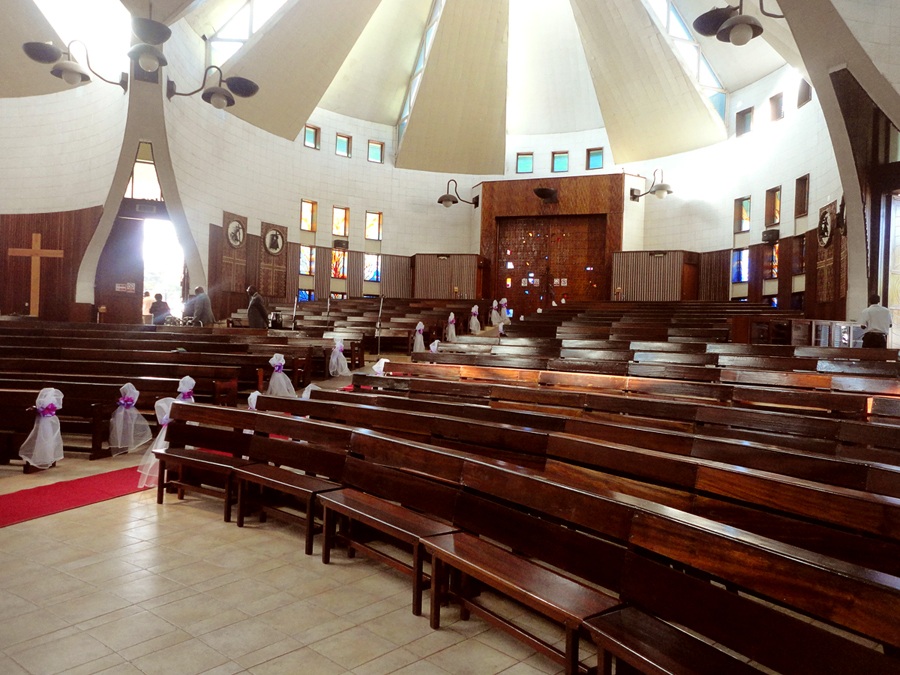
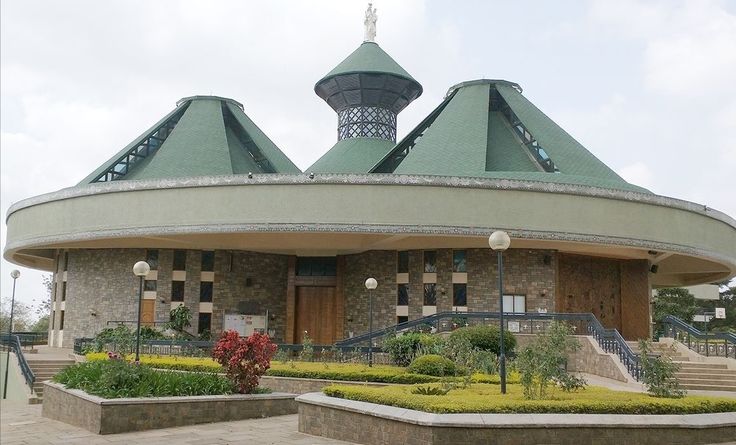
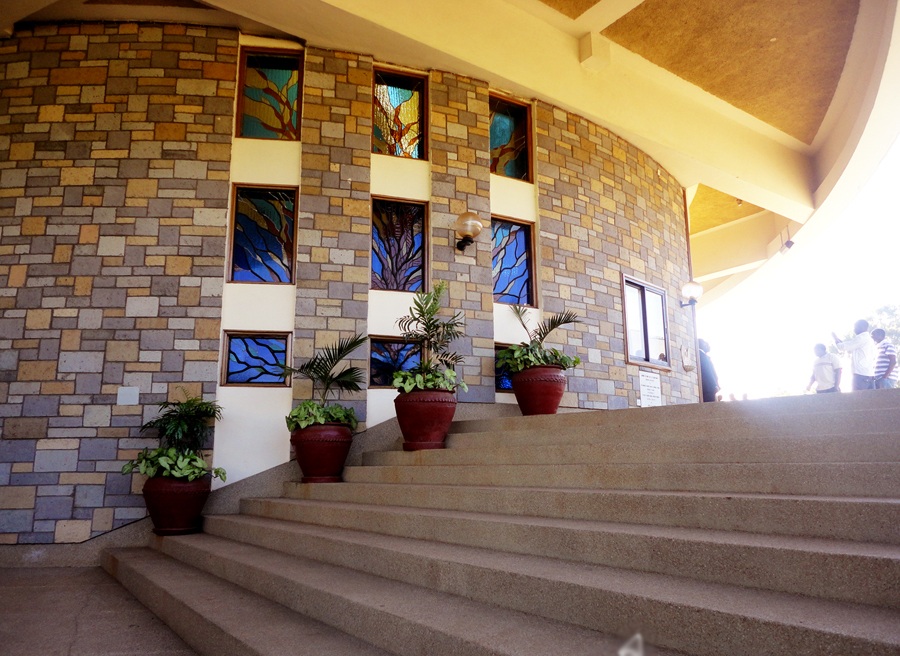
This youth church stands out from the traditional Catholic Church which was more solemn, more linear and with cold colors in a curvilinear, natural lit stepped high volume space that remains true its spirit.The composition of circular forms has been perfected where four independent circular forms are tied together by another circular cantilevering plane with conical roofs at the top. The resultant space forms neat curved seating that has sweeping and uninterrupted views of the altar and the entire space.The church maintains the stained glass for the windows as most church would but adds to that by the introduction of the staggered roof that creates roof lights between them that allow natural diffused light into the space lifting the spirit of the space and creating a more spiritual experience.

The Mai Mahiu Catholic Church

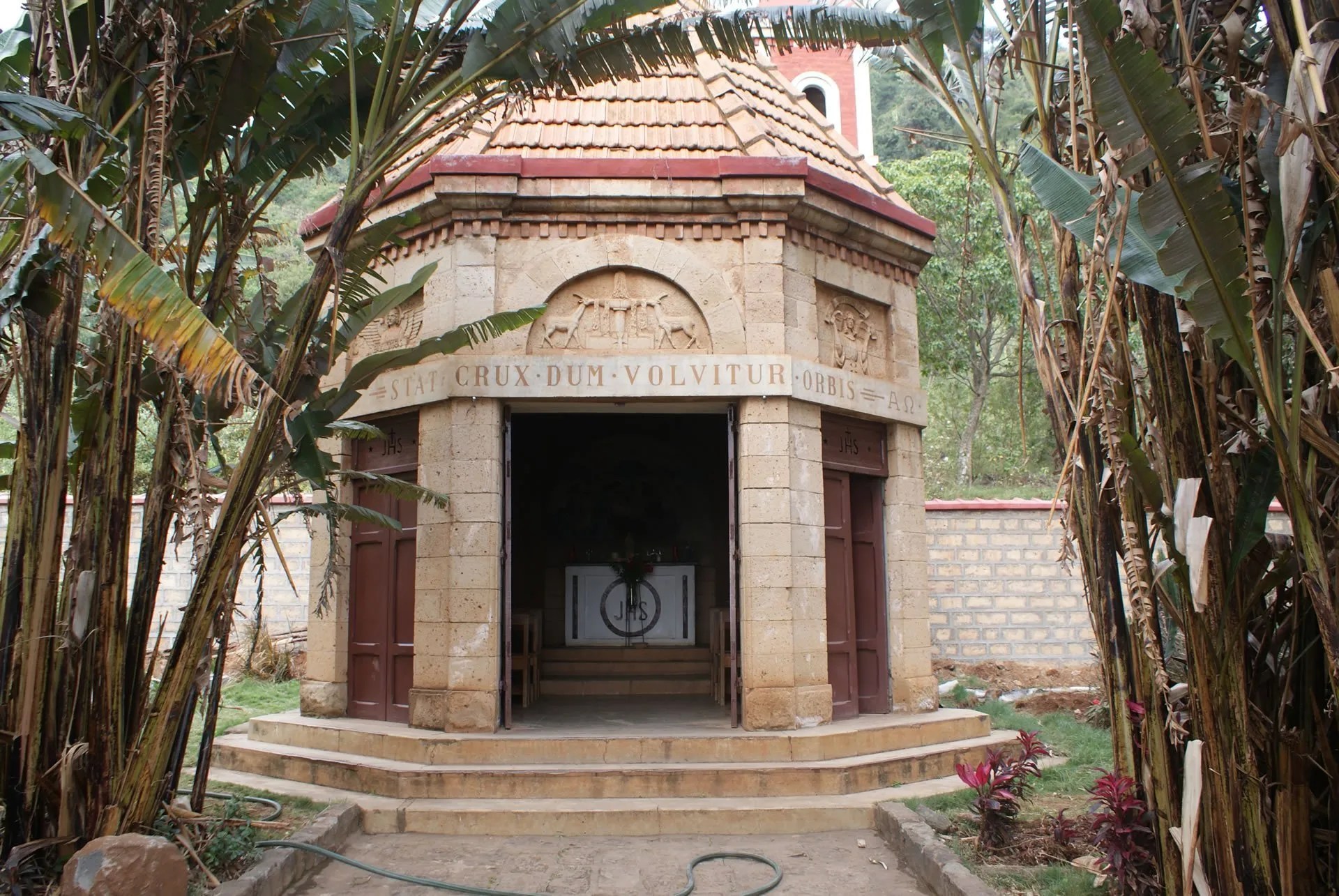
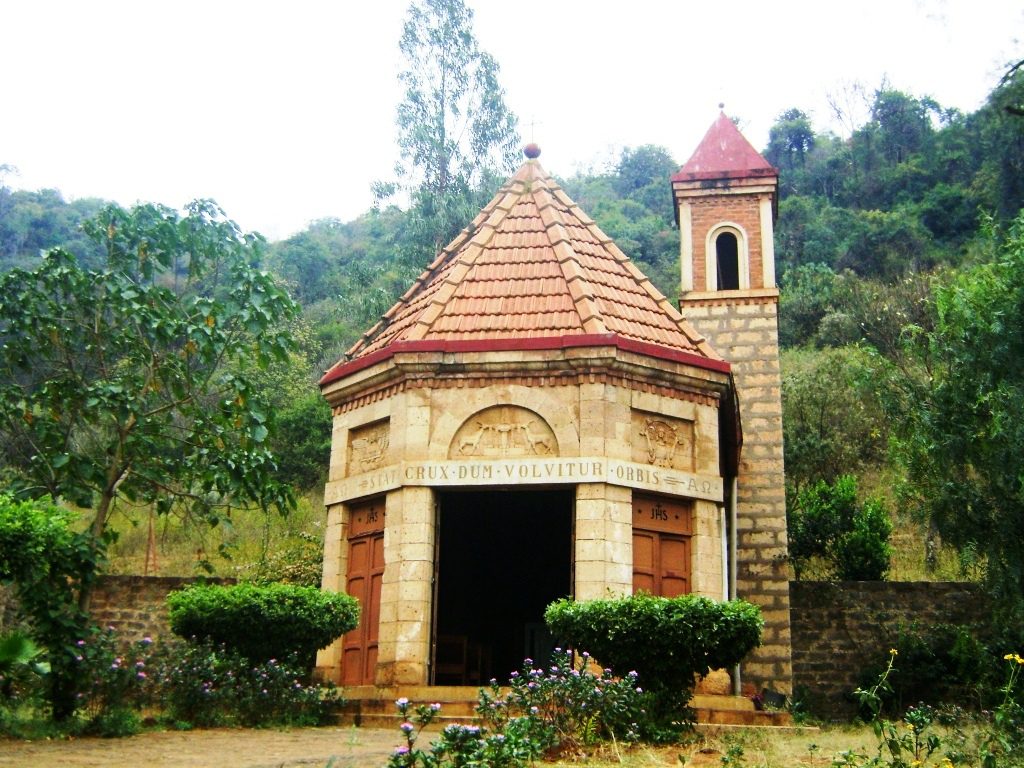
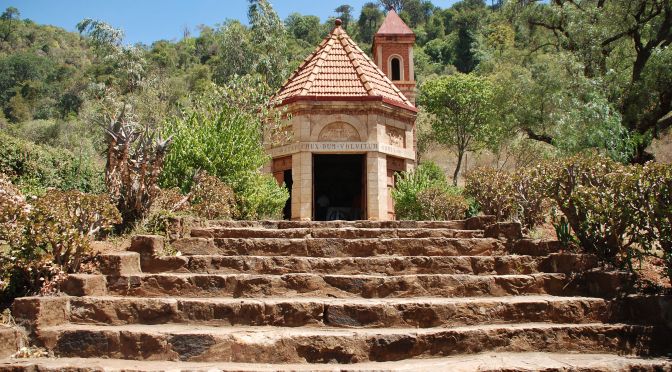
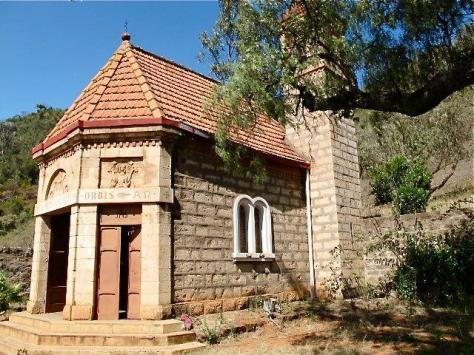
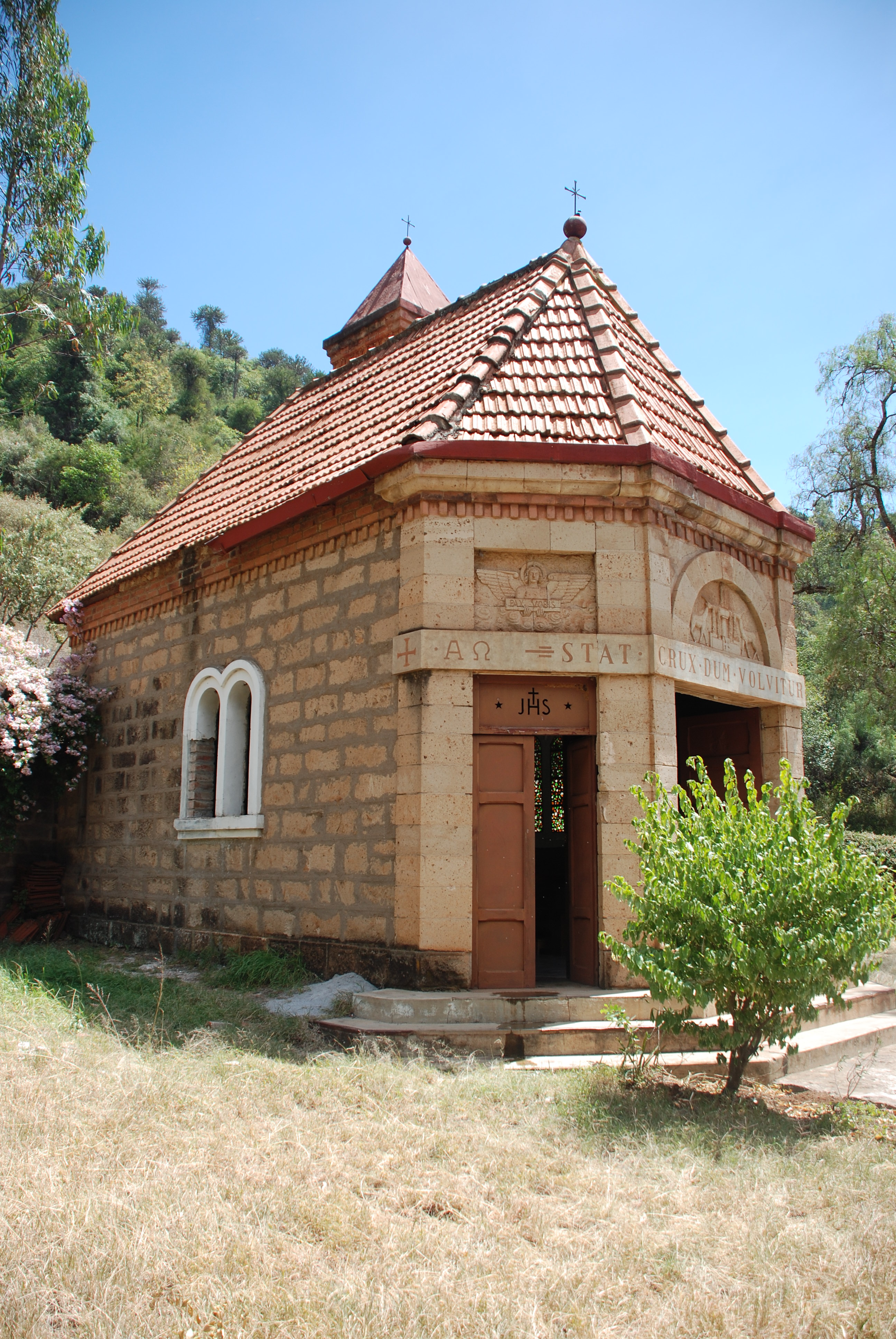
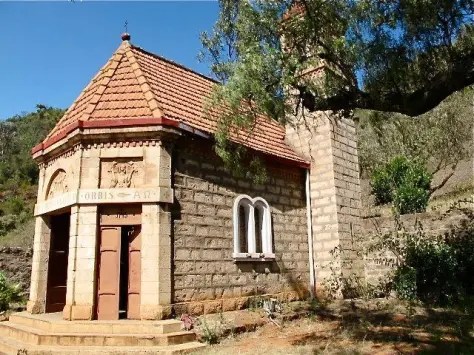
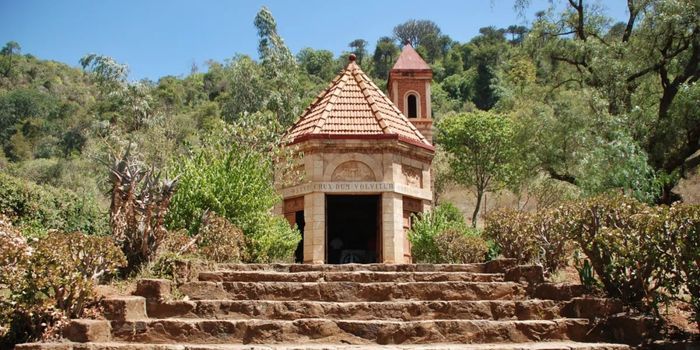
Built by the Italian Prisoners of War interned in Kenya during the Second World War, who were made to build the Limuru – Maai Mahiu – Naivasha road in 1942-1944, this tiny catholic church which is also the smallest church in East Africa and a gazetted national monument with many Latin phrases and paintings encrypted on the internal walls packs quite a rich history. Tucked away behind a concrete wall and beautiful gardens it is often quite easy to miss on the highway and many a times has been used a perfect spot for geocaching.

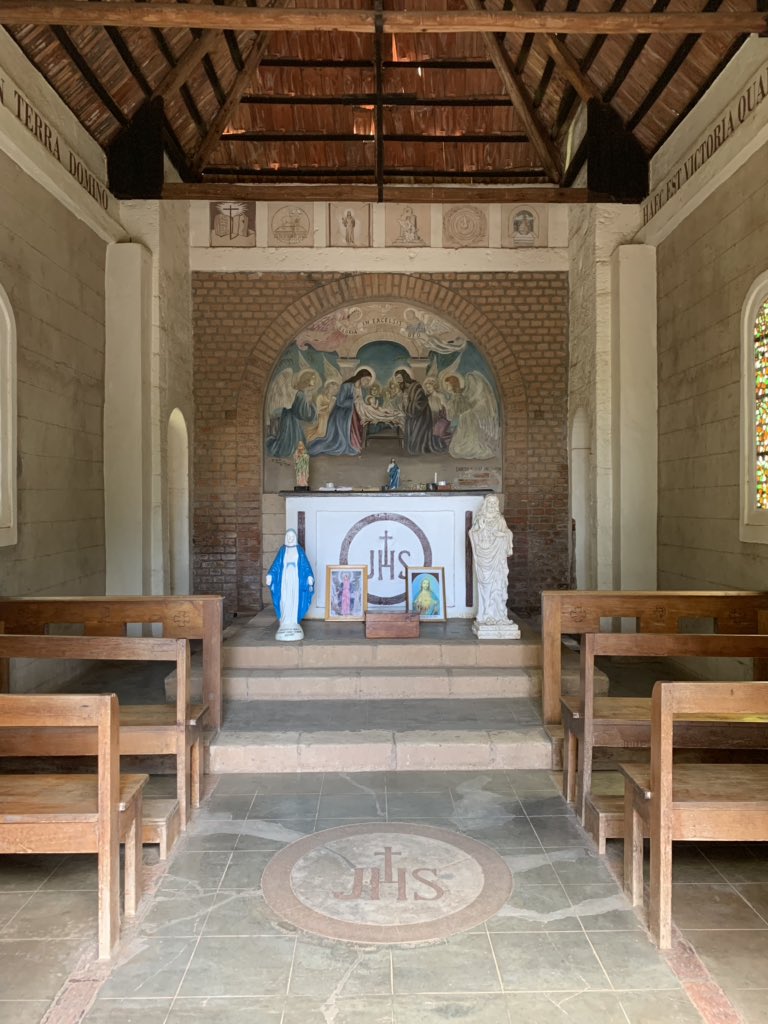
The pentagon-shaped church interior has four small wooden pews and an altar with a pulpit. Measuring 15 by 8 feet, it has a capacity to sit 12 people during mass. Just like its bigger counterparts, the church has three normal doors for access.The inside walls are decorated with inscriptions in Latin. Above the stained glass windows and the entrance doors are painted the words, Venite Ad Memone (Come to me my people), Haec Est Victoria Quae Vincit Mundum Fides Mustra (This is the victory that has won the world by our faith), Benedicite Coeli Domino Benedicite (Blessed be the sky and blessed again) and finally Universa Germinatia In Terra Domino, which translates to, everything will germinate in the sky and also on the earth.
St. Joseph’s Cathedral, Meru

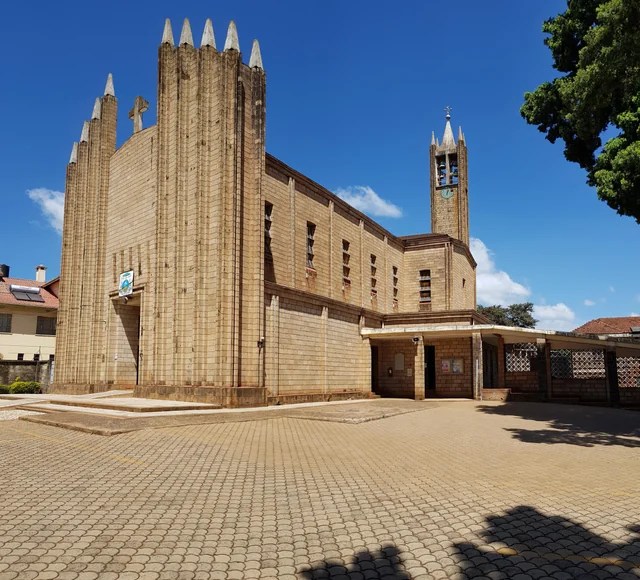
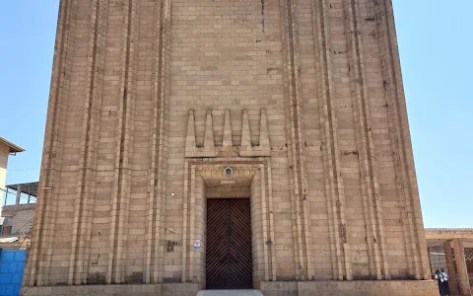
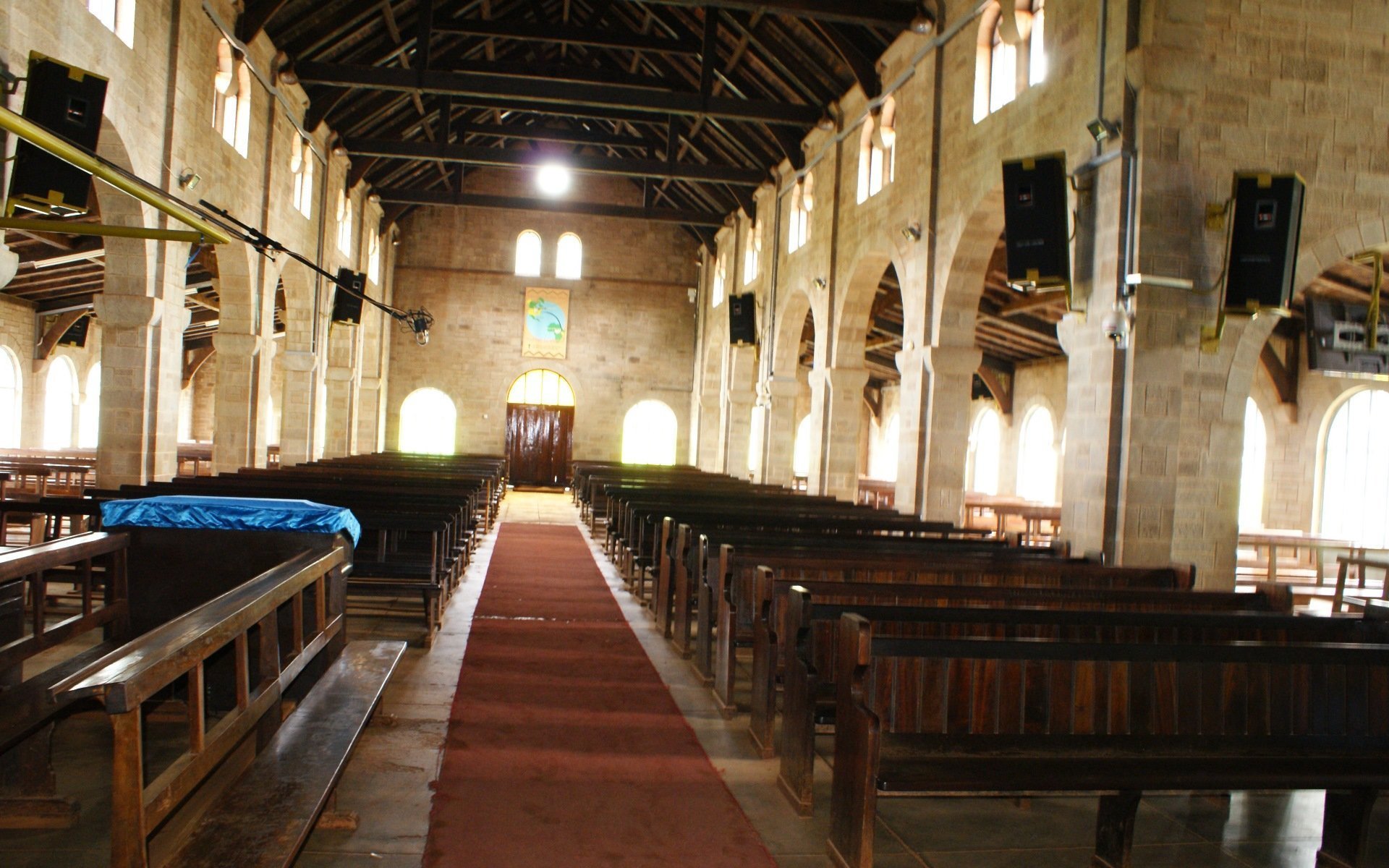
St Joseph Cathedral, situated about 2 KM from the Meru CBD, was built at the height of the Mau Mau uprising. The times were dark for the catholic missionaries seeking to establish themselves in this part of Kenya.

Four years before the cathedral was built in 1957, the mission in Mujwa had been attacked by the Mau Mau who killed a Nun and wounded a Priest. Such is the backdrop of this magnificent cathedral in the heart of Meru County.

St Joseph Cathedral was built by a team of Consolata brothers, including Brothers Joseph Argese and John Comaron. Brother Argese was among those who built the beautiful Mukululu Consolata Shrine.

Holy Ghost Cathedral, Mombasa

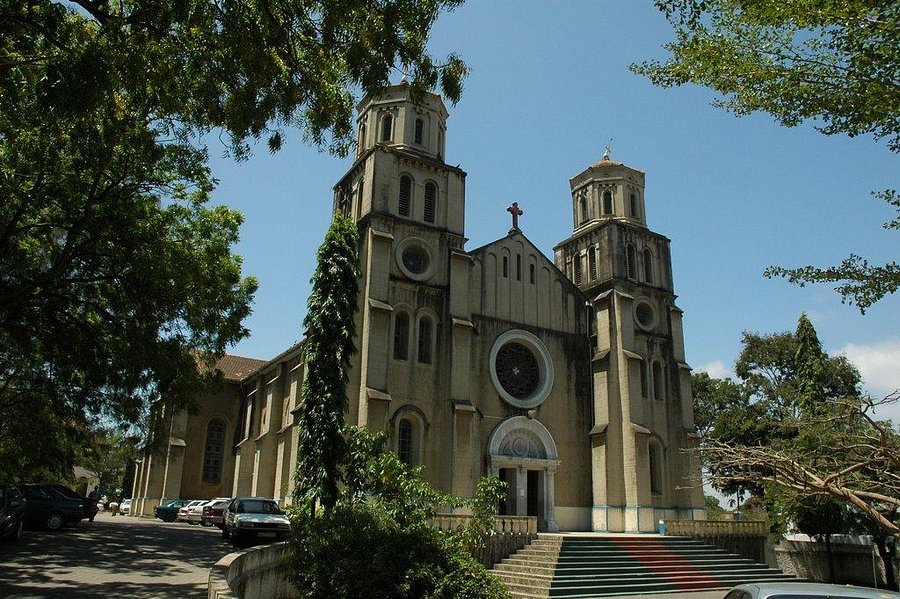
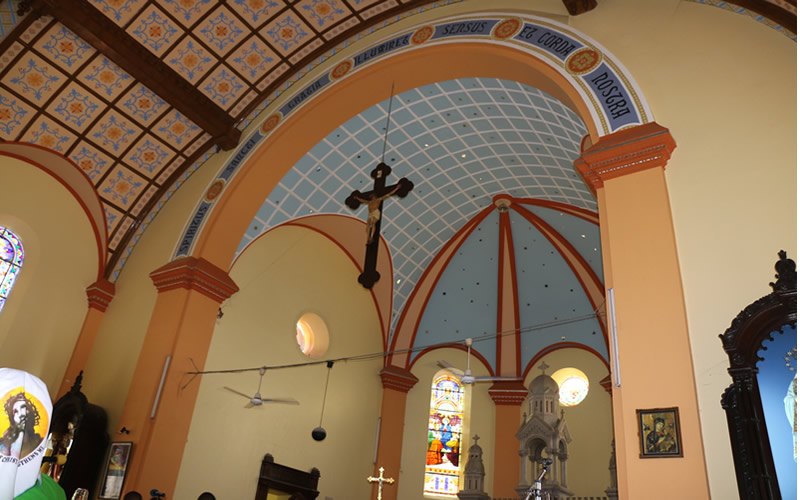
The Holy Ghost Cathedral Catholic Church stands as a testament to the city’s rich history and architectural splendor. Established in 1889 by Father Alexander le Roy, a Holy Ghost missionary, it is Mombasa’s first Catholic mission. The cathedral, built in the imposing Romanesque style, was opened to the faithful in 1923 after eight years of construction that commenced in 1916, during the tumultuous period of the First World War and the devastating Spanish flu pandemic.

The interior of the cathedral is equally captivating. The high altar, tabernacle, and ambo were crafted from exquisite marble, skillfully carved and sculpted by stonemasons in Toulouse, France. The church boasts an array of coloured stained glass windows, each depicting significant aspects of the Catholic faith. Behind the tabernacle, three windows narrate the story of the church, with the central one dedicated to the Holy Spirit, the right one symbolizing the baptism of Christ, and the left representing the descent of the Holy Spirit, which marked the church’s inception.

The church’s ceiling is an intricate replica of London’s Westminster Cathedral. Painstakingly hand-painted by an artist lying on a precarious platform, each cell was meticulously adorned, showcasing the remarkable craftsmanship involved.

Church of the Torch, Kikuyu

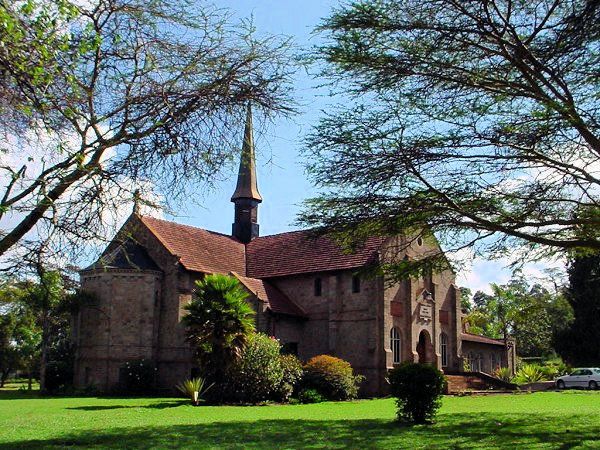
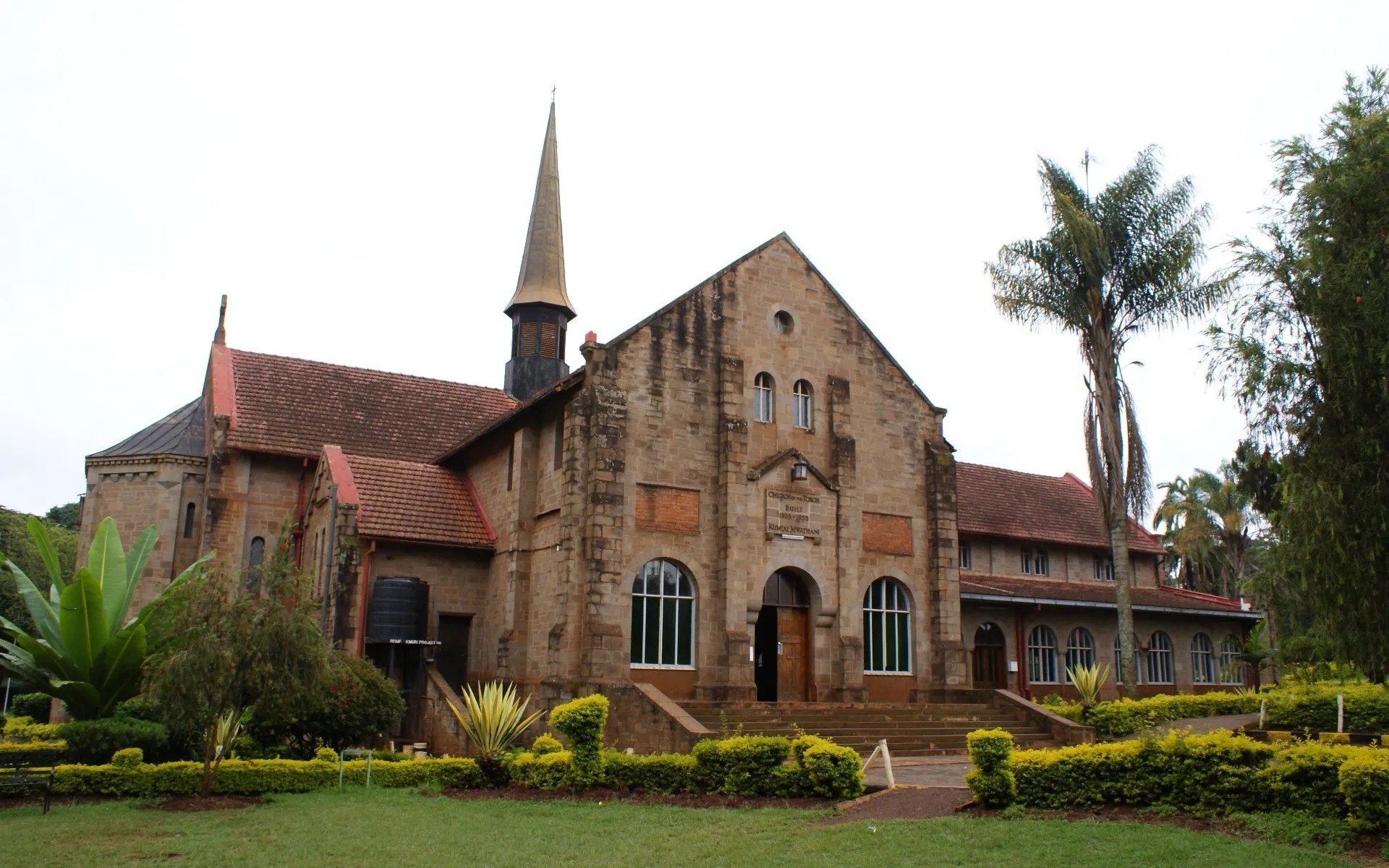
Slightly over an hour’s drive from the Karen shopping centre in Thogoto, Kikuyu, sits the Church of the Torch. Built between 1928 and 1933 by Scottish architect Bernard P Gaymer, this 86-year-old neo-Gothic marvel of architecture was intended to be a light on a dark continent.

Laid out in a traditional cruciform shape with a triple aisle nave, transept and apse, the Church of the Torch rivals many modern buildings in grandeur and precision. Its walls consist of finely dressed masonry with recessed mortar joints beneath a Mangalore tiled roof supported by massive treated timber trusses.

Little Travelers Chapel on the hill

Just as it is with any historical site that has stood the test of time, the four walls of the “Travelers’ Chapel” are shrouded in a lot of mystery and myth. Word goes round of a ticking clock that can be heard but is never seen. It has even been said that those who erected the structure hid their jewels and wills in the church concrete columns setting enthusiasts on a hunt for the ‘hidden treasure’. Perhaps it is these great tales – amongst others, that make this landmark of sorts intriguing. Or maybe the fascination is purely based on its miniature build.

travelers chapel zuru kenya

Listed as the smallest church in Kenya (and possibly Africa), the “Travelers’ Chapel” which is commonly referred to by its alias ‘Msikiti – mosque’ by the locals sits pretty along the Mai Mahiu-Naivasha highway. Its story dates back to the Second World War where we are told that British and imperial forces captured more than half a million Italian soldiers, sailors and airmen. Whilst having these prisoners of war (POWs) around as a symbol of military success was all good, The British soon realized that in as much as their ‘symbols of victory’ brought high standing for their ranking in the war, they also posed a few complications as they came with needs as well; one of them being having a place to worship. Seeing that the Italians were Catholics and the British Anglicans, the two parties could not worship together and so they were allocated land to build their own place of prayer.

Under the strict supervision of British colonialists, the construction of The Mai Mahiu Catholic Church popularly referred to as the “Travelers’ Chapel” came to be in 1942. The Italian Prisoners Of War (POWs) would take turns to erect the structure during breaks from the construction of the road. The building of the church was however not without any setbacks. For instance, a number of Italians succumbed to diseases and attacks from wild animals, which included poisonous snakes that allegedly live in the area to date. Several graves lie outside the church compound where the deceased were laid to rest. Thanks to well wishers, a mausoleum has since been erected in form of a cemented cross in honor of the fallen Italians.

italian-chapel- travelers chapel zuru kenya

The Design

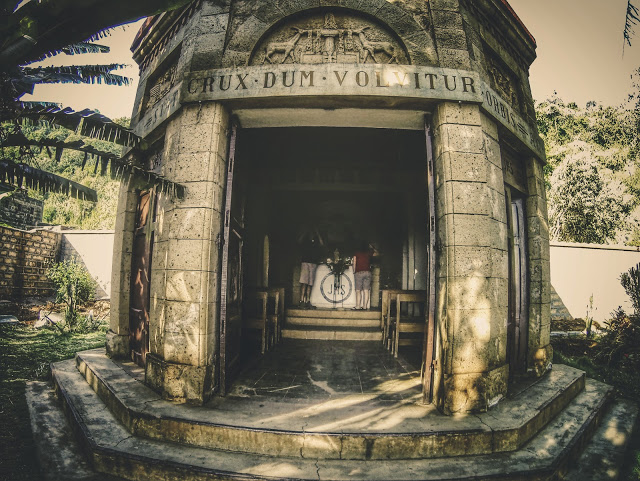
The pentagon-shaped church interior has four small wooden pews and an altar with a pulpit. Measuring 15 by 8 feet, it has a capacity to sit 12 people during mass. Just like its bigger counterparts, the church has three normal doors for access.

travelers chapel zuru kenya
Source: mywalkabout.net

The inside walls are decorated with inscriptions in Latin. Above the stained glass windows and the entrance doors are painted the words, Venite Ad Memone (Come to me my people), Haec Est Victoria Quae Vincit Mundum Fides Mustra (This is the victory that has won the world by our faith), Benedicite Coeli Domino Benedicite (Blessed be the sky and blessed again) and finally Universa Germinatia In Terra Domino, which translates to, everything will germinate in the sky and also on the earth.
travelers chapel zuru kenya
Source: mywalkabout.net

Behind the altar is an old mural of the nativity scene (baby Jesus and his parents Mary and Joseph) surrounded by angels thought to have been created in early 1943. It is not very clear who painted the mural but it is nonetheless credited to Navitatis NDJC. The reason behind this lack of clarity is that “Navitatis” does not seem to have done any works of art before or after the mural at the Mai Mahiu Catholic Church. There is, however, a name inscribed on the mural that refers to Pittore R. and the date 25.02.1943. All that this confirms is the date the mural was painted – 1943. It could as well be that Pittore did the mural – this is still subject to confirmation.

The church has three steps at the entrance that according to Ann Nyakio, a caretaker, symbolizes the Holy Trinity; the Father, the Son and the Holy Spirit. There are also two crosses on the roof and a compass that symbolizes that the church will stay as long as the world will turn around it.

Travelerschapel zuru kenya
Source: geocaching.com

Today, the Mai Mahiu Catholic Church is management by the Italian Embassy, the Kenyan government and well wishers who pump in their resources to conserve this religious historical site. The “Travelers’ Chapel” is open to all members of the public free of charge. Interestingly though, Christians and Hindus are allowed to worship, whereas Muslims can only visit.

Fun Facts:

  • The Travelers’ Chapel is commonly referred to as msikiti – mosque by the locals because it resembles one. Furthermore, prior to the four pews, worshipers used to pray on their knees.
  • Different communities and dominions conduct their prayers here.
  • The chapel is a popular venue for weddings and photo shoots because it gives off an antique feel.
  • Mai Mahiu Catholic Church is a favorite among truck drivers on transit from Mombasa to the landlocked central African countries.
Getting There:

The Mai Mahiu Catholic Church is located on the busy Mai Mahiu – Rironi road.
Save

Save

Jumba La Mtwana: The Mysterious wonder of Mtwapa

Amidst the upbeat Mtwapa town, it’s almost unbelievable that there remains a place unscathed with the changes and developments taking place around it.

j


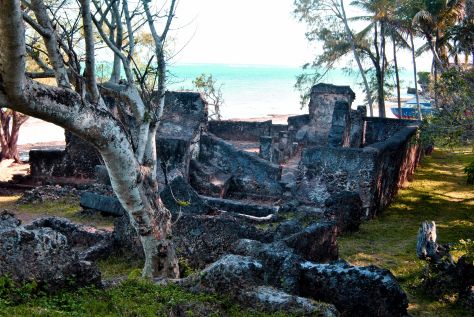
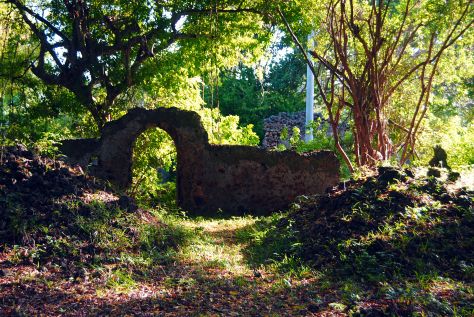
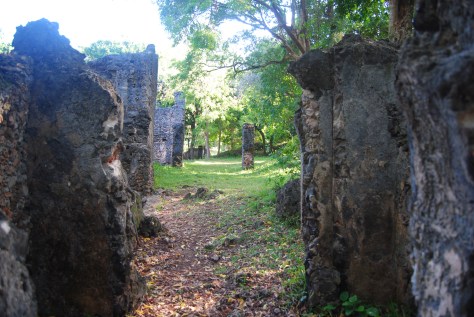
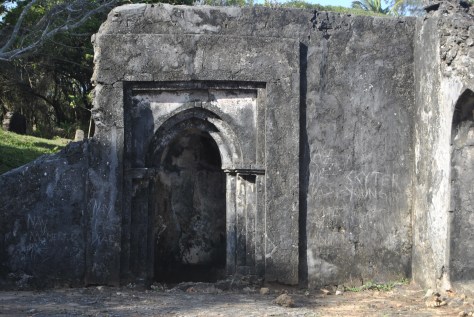
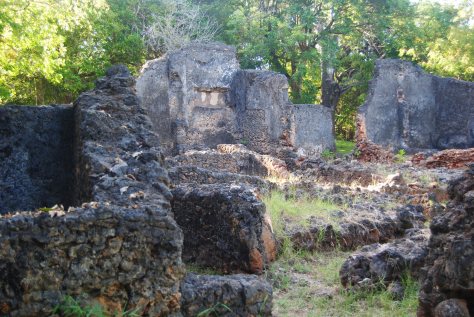
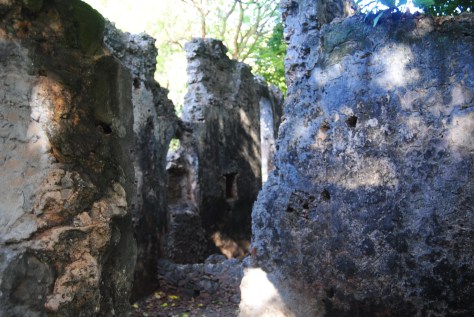
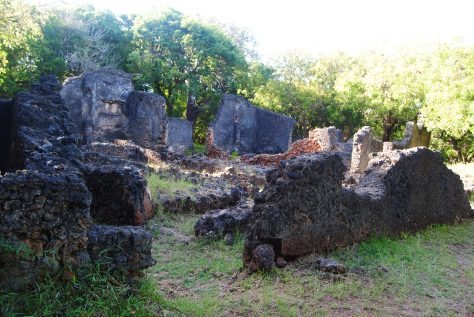
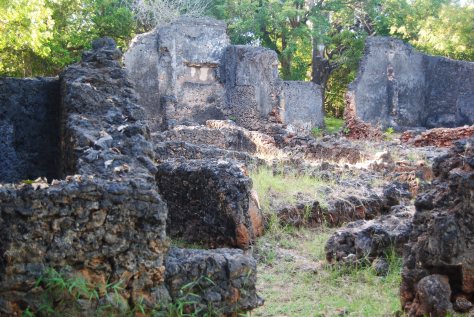
It isn’t exactly clear as to the genesis of its existence and the mystery that shrouds the place is what makes the Jumba La Mtwana ruins ( an ancient settlement with as much archaeological grandeur as the more famous Gede Ruins) even more interesting.

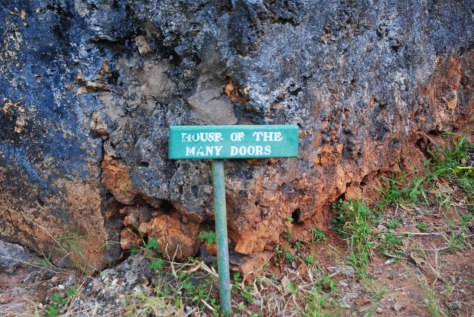
house of many doors

Who built these buildings and to what aim? There are no historical records on the settlement, however given the name Jumba La Mtwana “Large house of the slave”, some believe that the ruins may have played host to the slave trade. This theory however is highly dismissible there being lack thereof archaelogical evidence that suggests that this may have been the case.

DSC_1084

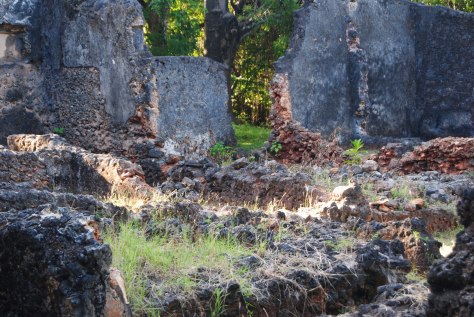
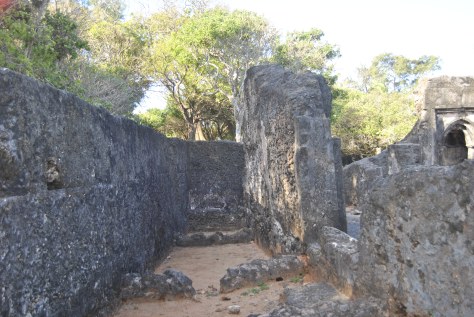
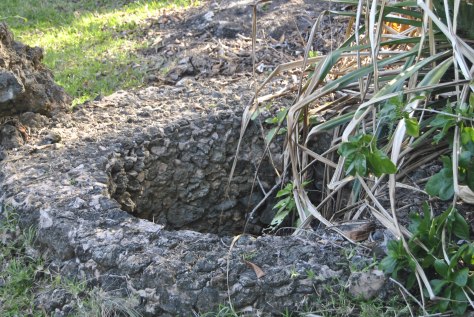
In an attempt to depict the mystery, what is now known of Jumba La Mtwana, has been deduced from the ruins which were excavated by James Kirkman in 1972. The remains of this 14th century settlement were likely built around 1350, inhabited and then abandoned a century later. It is not certain whether ‘Jumba la Mtwana’ was the settlement’s name at the time of occupation. However, one thing that is certain is that the inhabitants were Muslim evidenced by the ruins of 4 mosques, washing platform and water cisterns.

DSC_1049

Jumba la Mtwana also known as “Jumba Ruins” was opened to the public in 1973 and was gazetted as a national monument in 1982. It is located approximately 20km (15km north of Mombasa, 3km off the Mombasa-Malindi road, 2.8km on the road leading to the sea at the junction next to Picana factory) north of Mombasa in Mtwapa.

_DSC0887

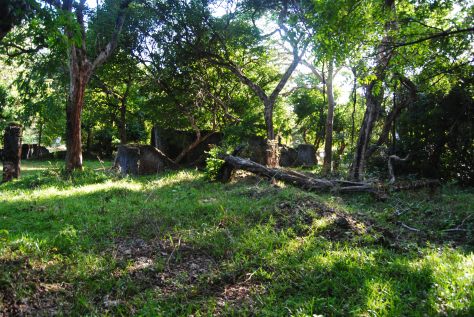
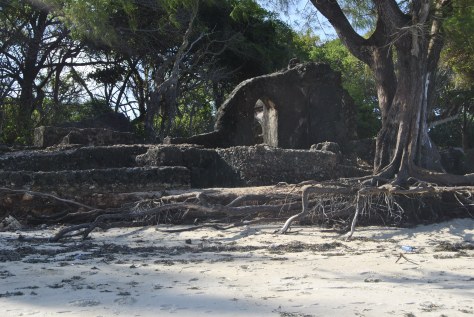
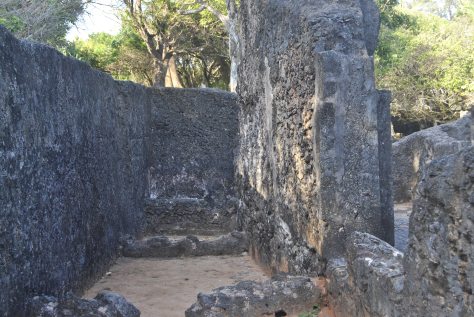
Constitutes of the ruins: Old coral stone walls of 4 mosques, 4 domestic houses (These houses include the House of the Cylinder, The House of the Kitchen, The House of the Many Pools, which had three phases, and the Great Mosque) and a tomb which have survived in recognizable condition situated among huge baobab trees on grassy slopes that descend to the sea. Excavations of the site have revealed numerous artefacts including decorated local pottery and shell beads, imported Chinese and Islamic ceramics, and glass beads.

jumba ruins10

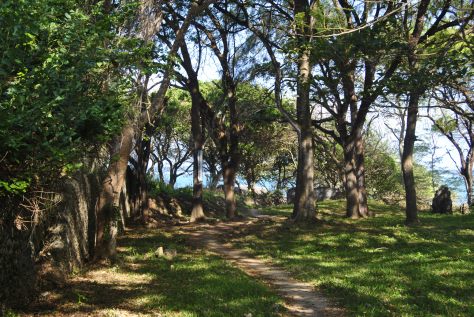
It is very likely that the site’s strategic position was selected because of the presence of fresh water, exposure to the North East and South East breezes which would keep the people cool and its safe location from external attacks by sea since it had no harbor, thus larger vessels had to anchor along way offshore, or move probably in Mtwapa creek.

DSC_1080

Seeing as people only subscribe to several theories of its existence, one can only therefore guess reasons for its eventual desertion subject to further research, namely trade interruption, hostile invasion or a failure in water supply.

DSC_1054

DSC_1088

_DSC0934  _DSC0942

_DSC0948

_DSC0950

_DSC0952

_DSC0964

DSC_1057

DSC_1060

DSC_1055

DSC_1058

Weekend City Tour

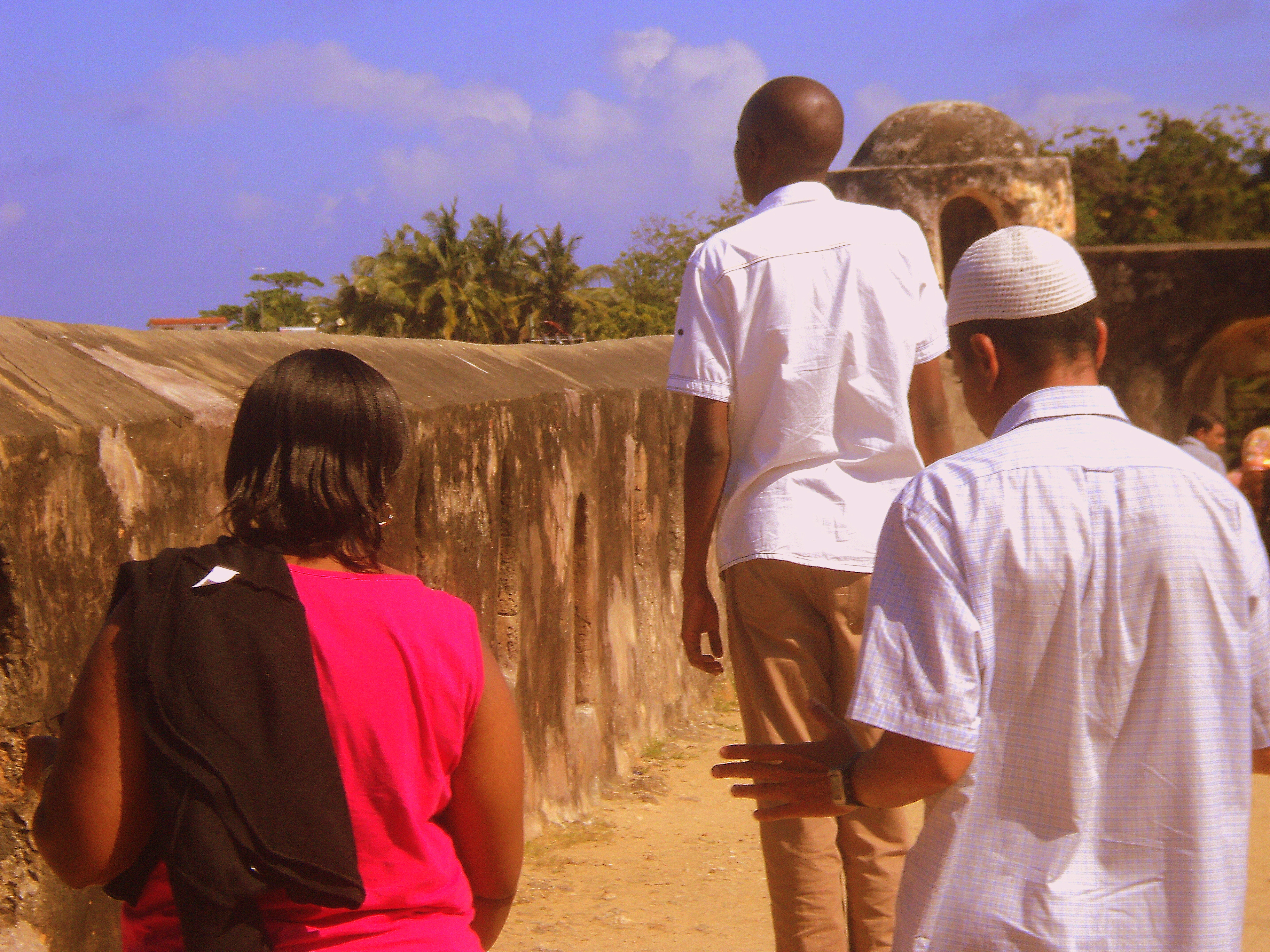
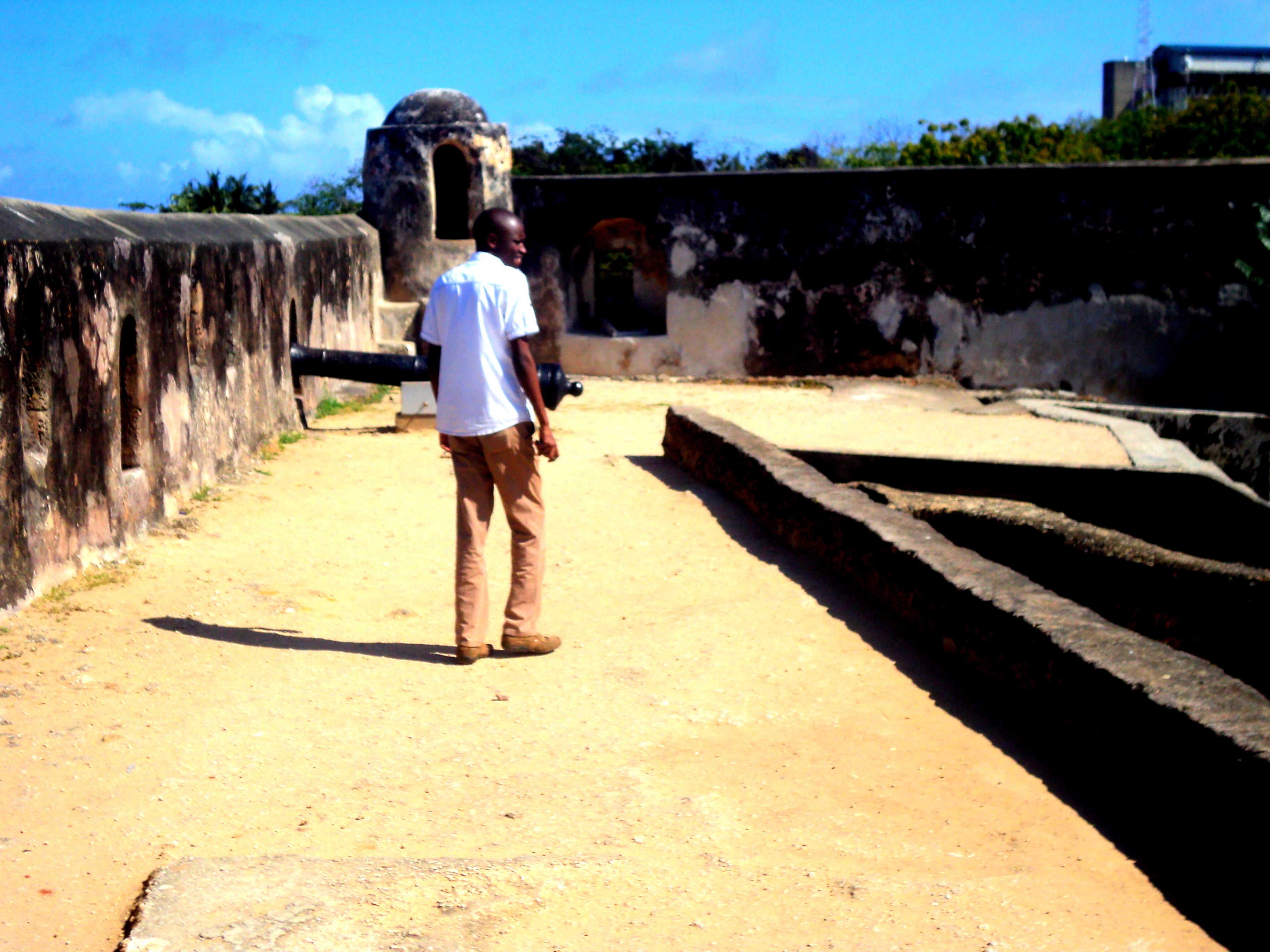
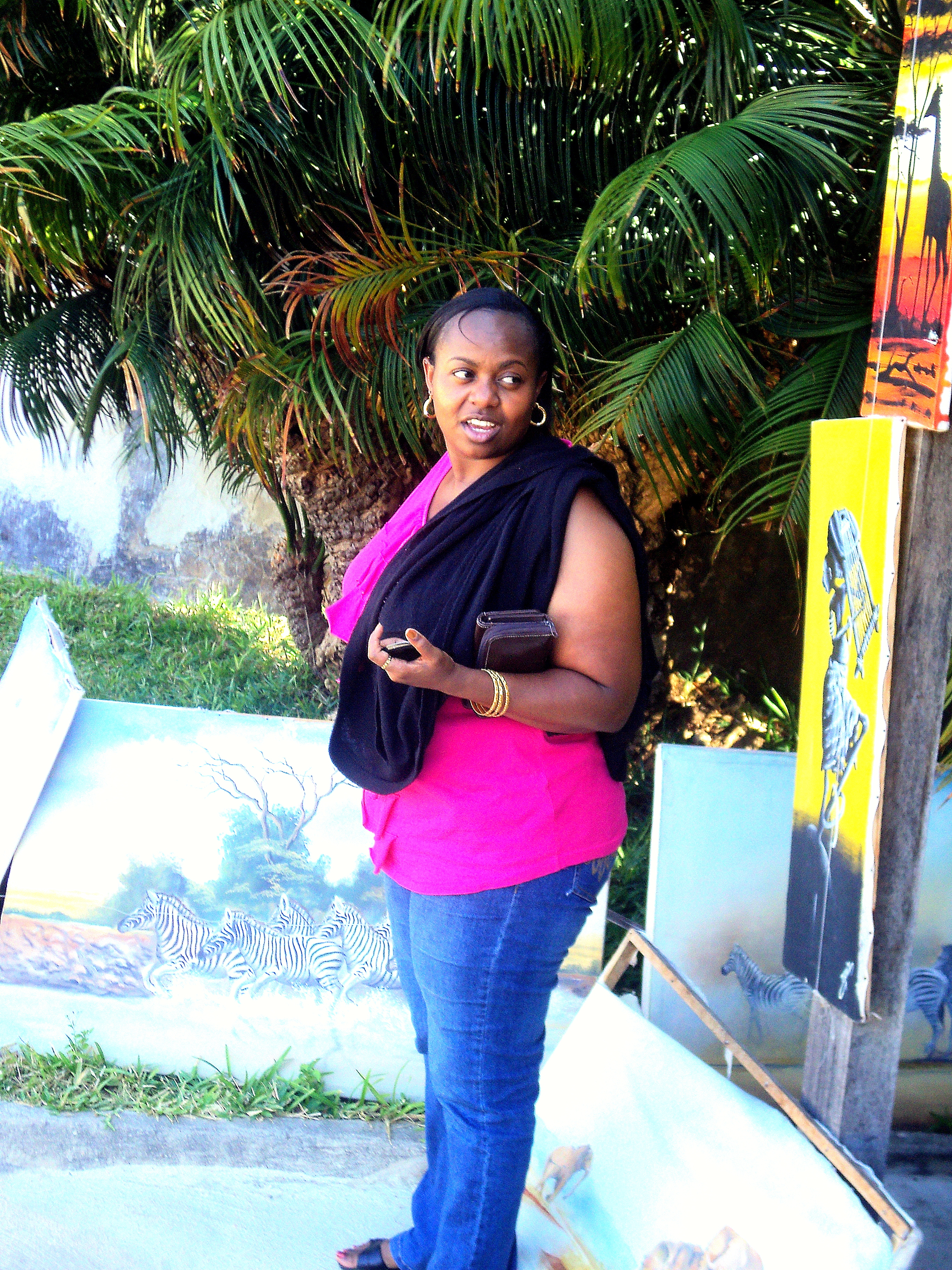
Over the weekend, we spontaneously decided to explore one of Mombasa’s oldest town and historical sites. On Sunday we went to tour Mombasa’s most popular tourist attraction, Fort Jesus where we spent a better part of the afternoon learning about its history and significance from our tour guide, Ali Mohammed whom we met by the entrance.

Read more about Fort Jesus… https://zurukenya.wordpress.com/2013/08/17/fort-jesus-fortaleza-de-jesus-de-mombaca/

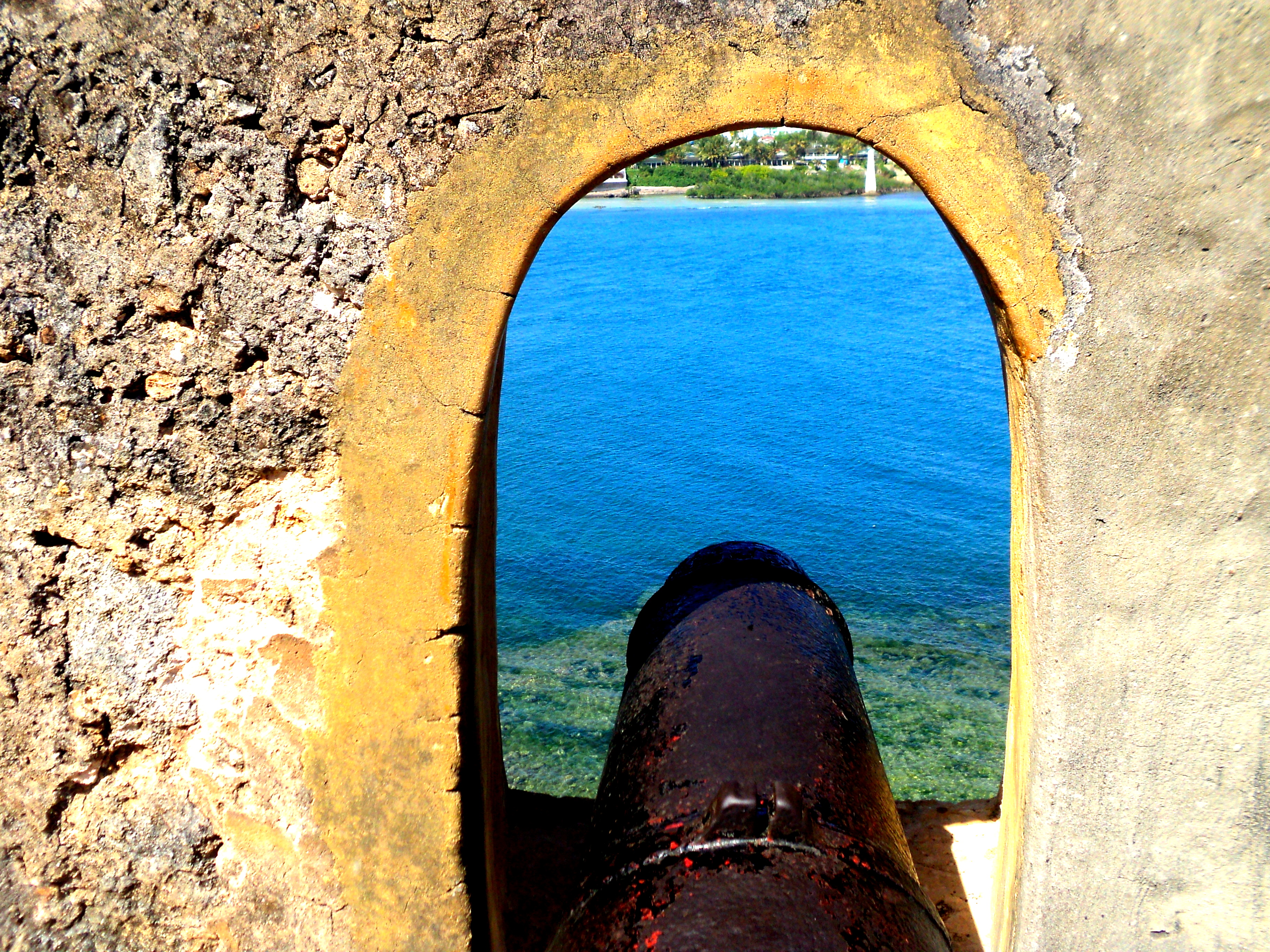
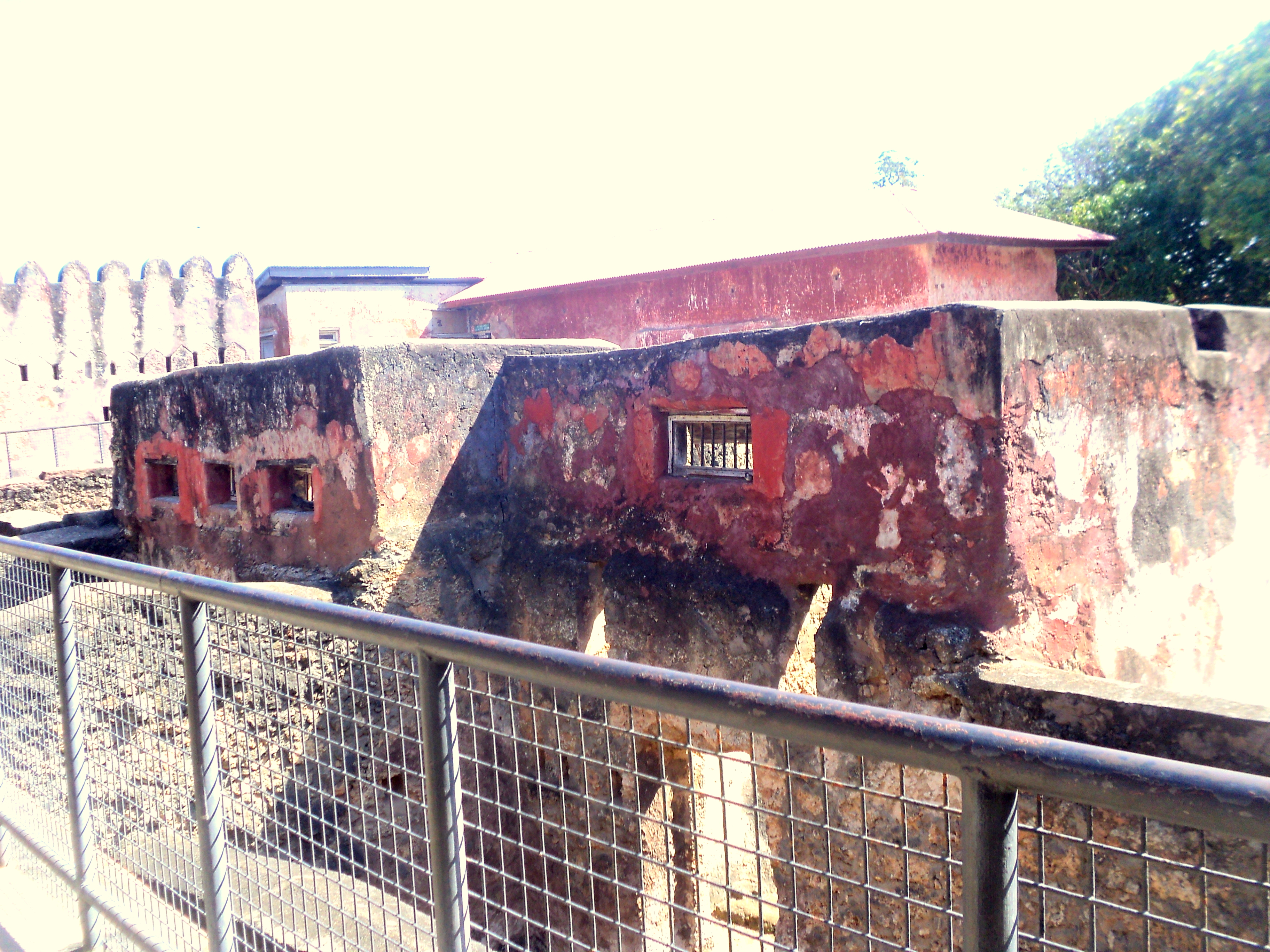
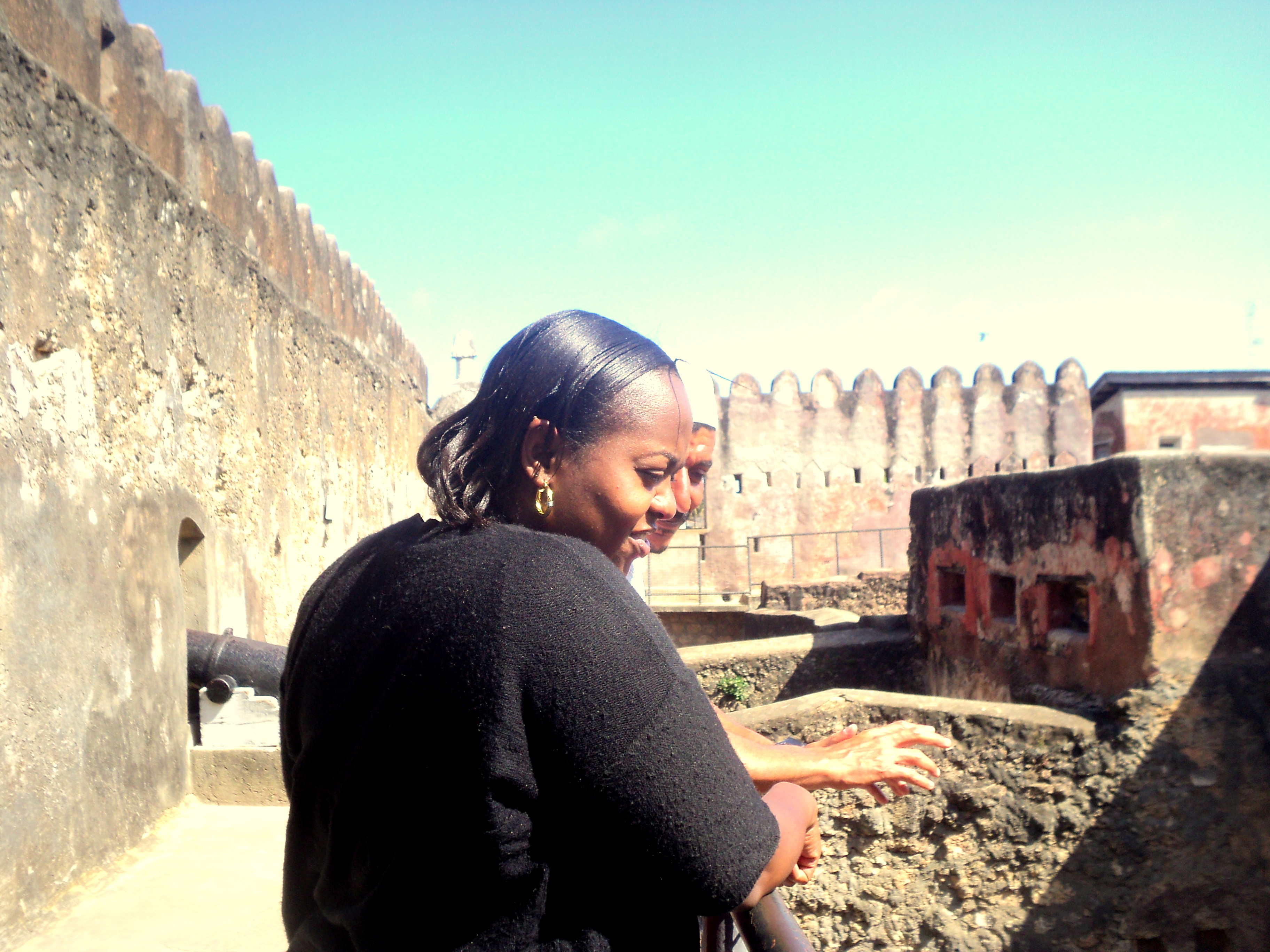
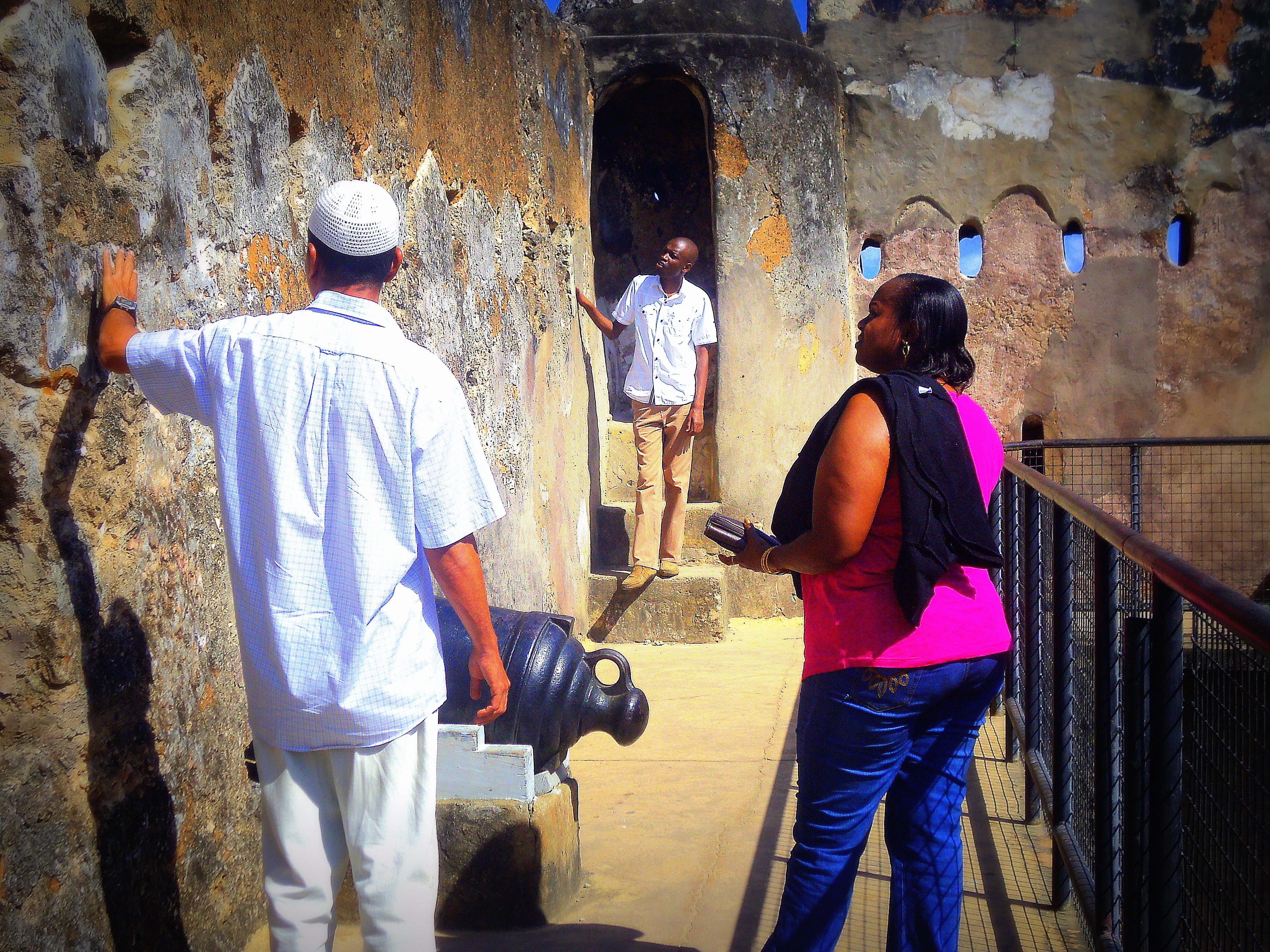
DSC01024DSC01001 DSC01000 DSC01005 DSC01004 DSC01003 DSC01002 DSC01006  DSC01008 DSC01009  DSC01011 DSC01014 DSC01015Our guide Ali explaining to us about the materials used to build the fort.

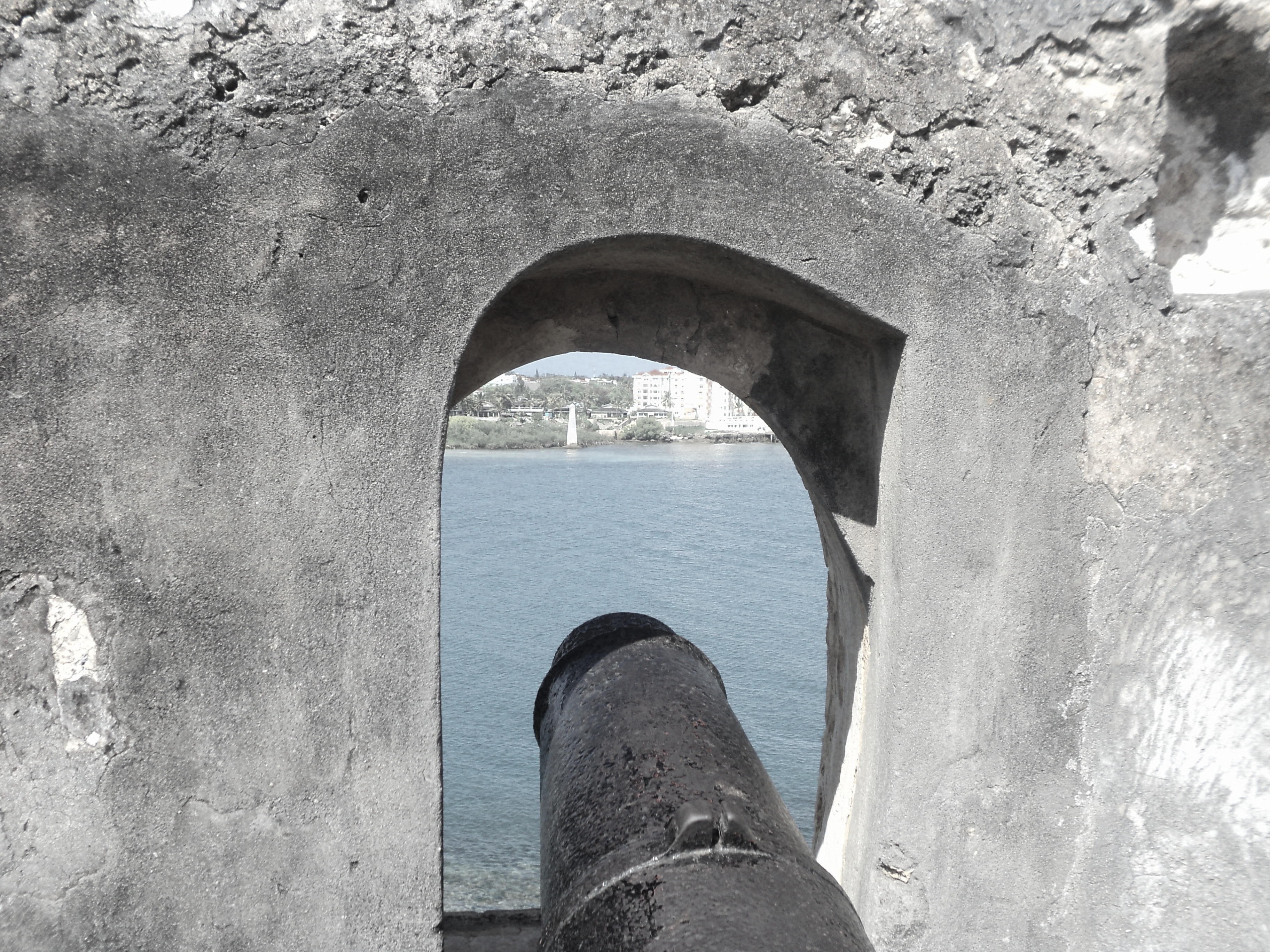
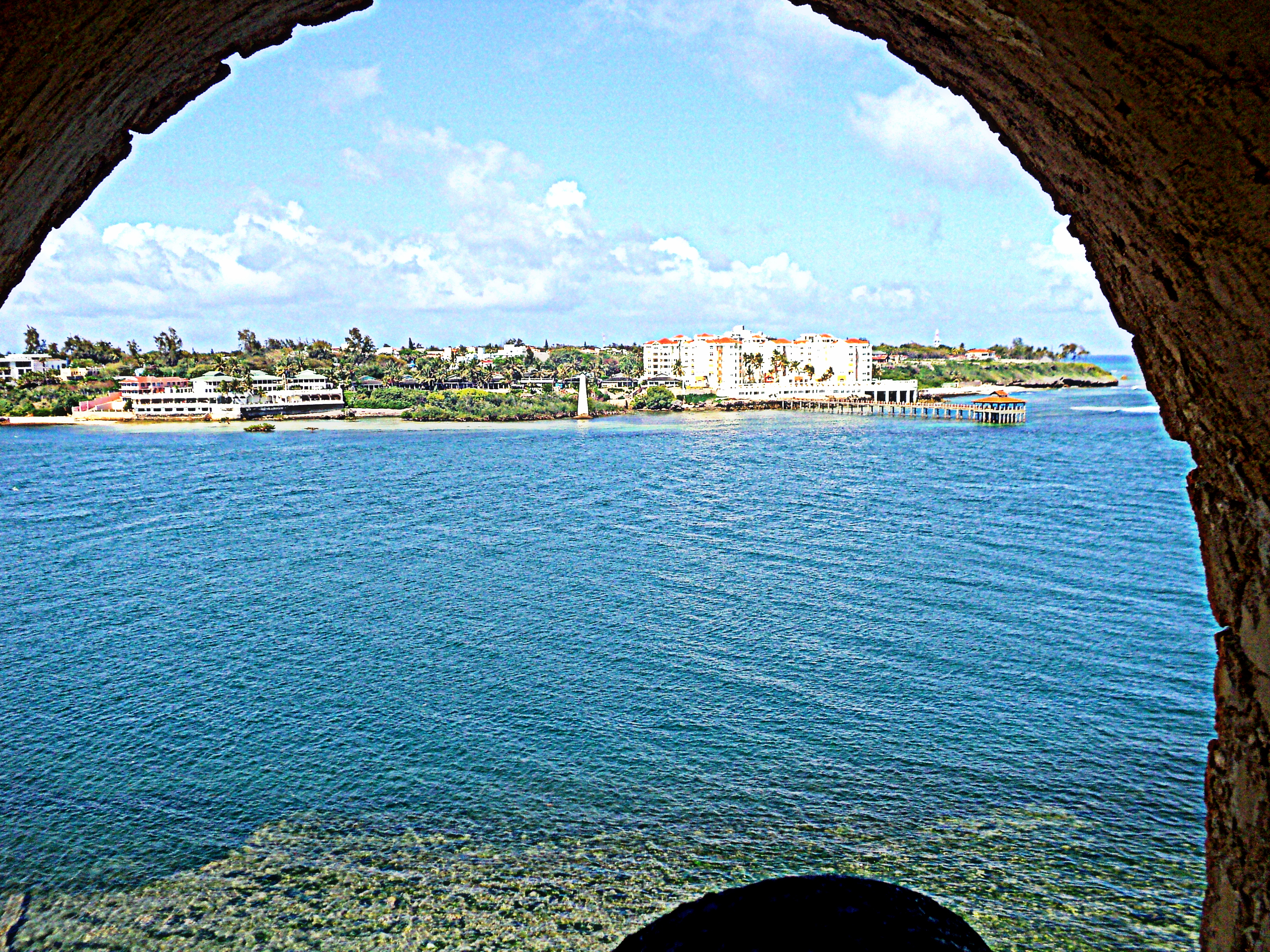
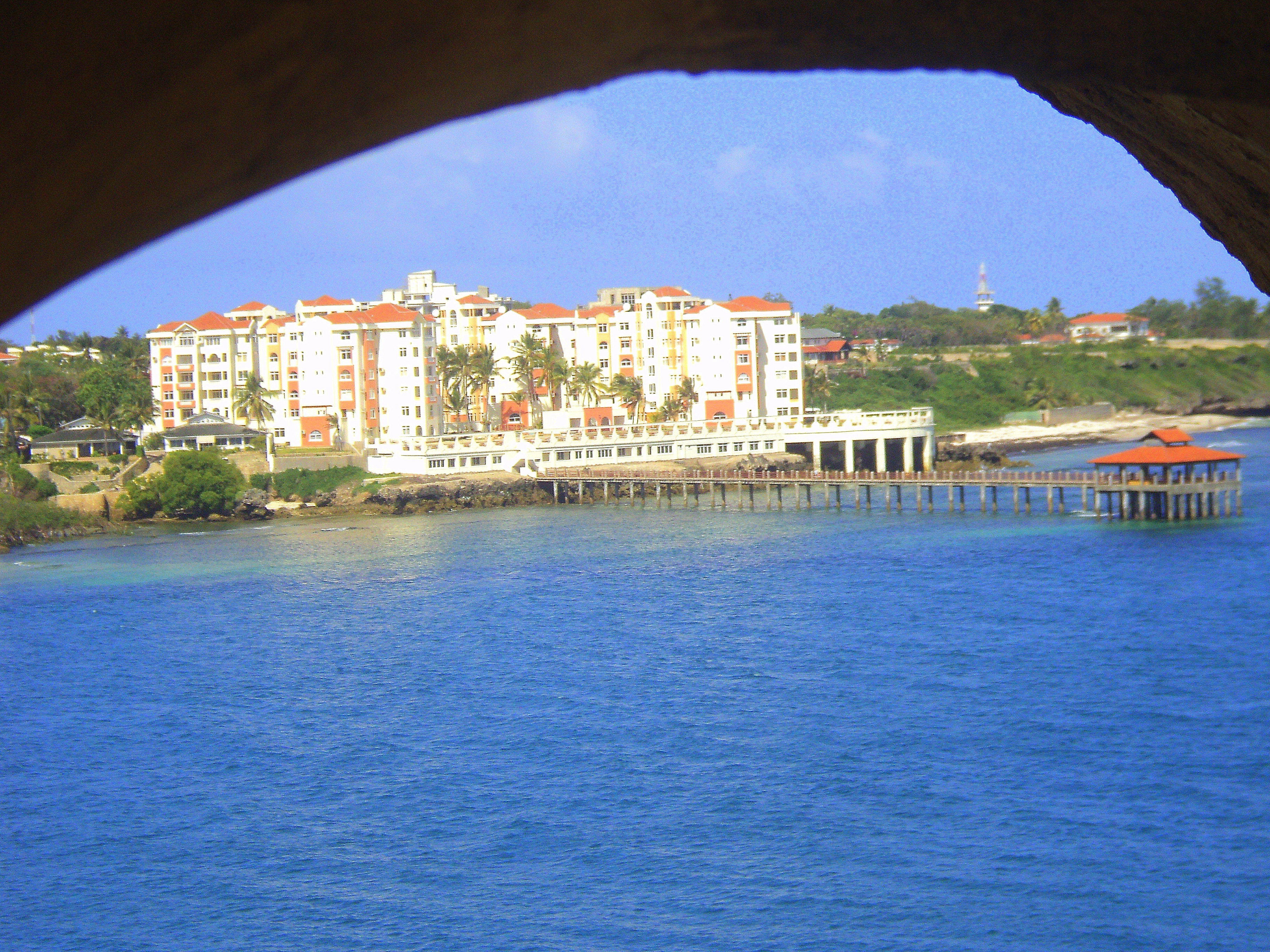
DSC01016 DSC01017 DSC01019    DSC01026 DSC01024The view from the fort…beautiful!DSC01002 DSC01003 DSC01004 DSC01005  DSC01008   DSC01010  DSC01019 DSC01009 DSC01016 DSC01017   DSC01027 DSC01026 DSC01025   DSC01029 DSC01030

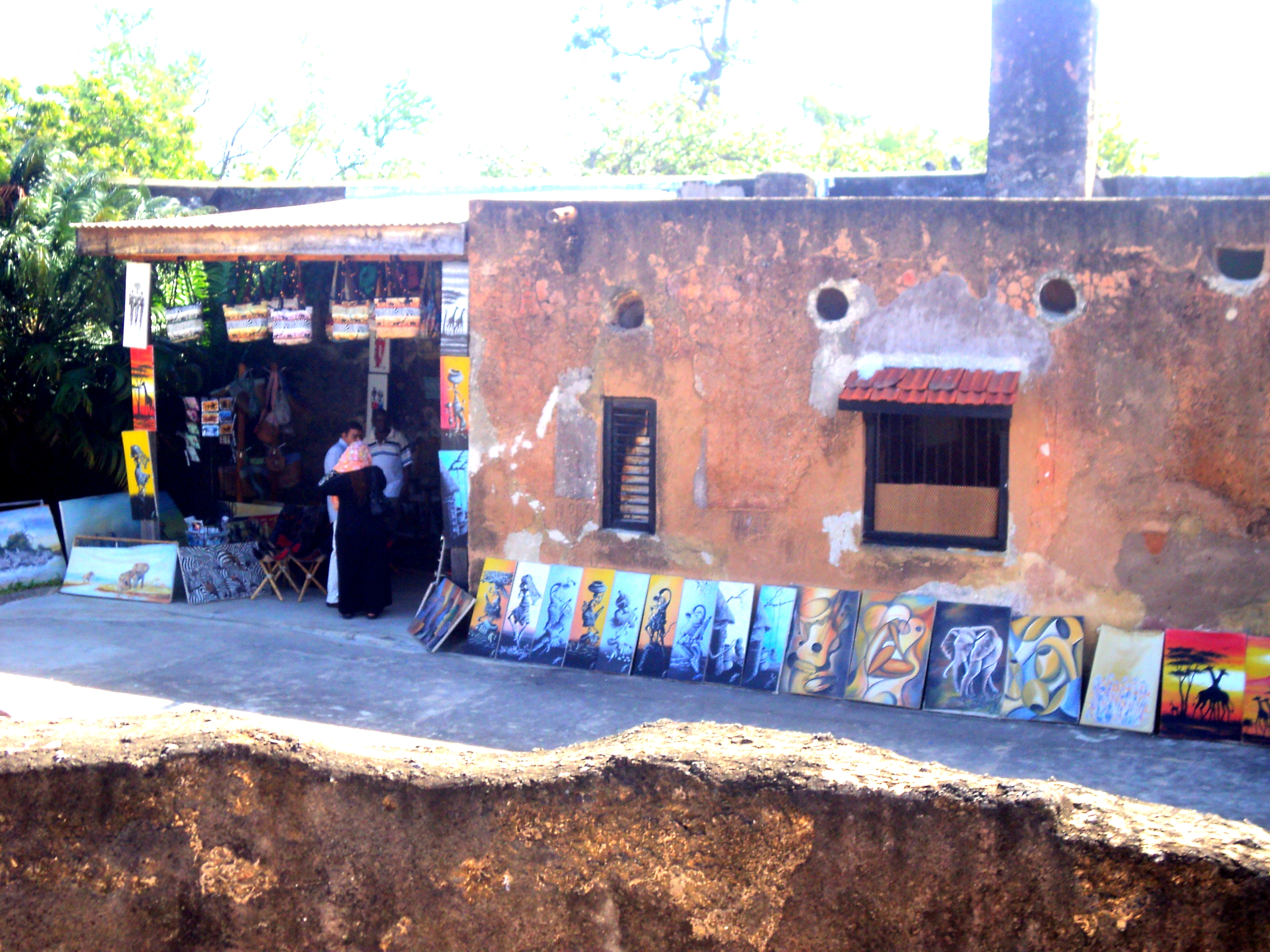
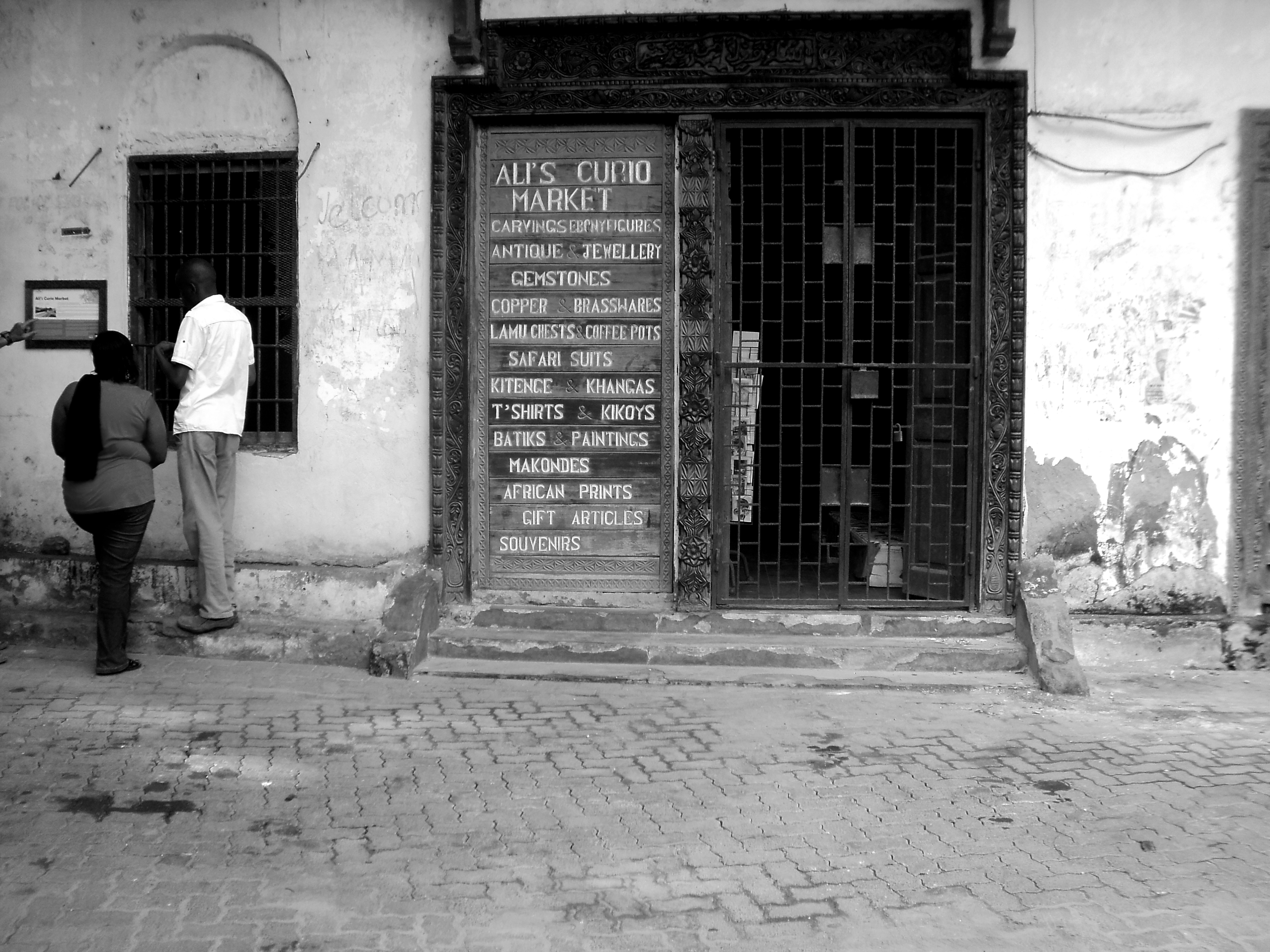
One of the curio shops within the fort. This was formally the kitchen area used by the portuguese and the setting remains the same to date aside from some minor renovations.

DSC01032 DSC01038  DSC01034

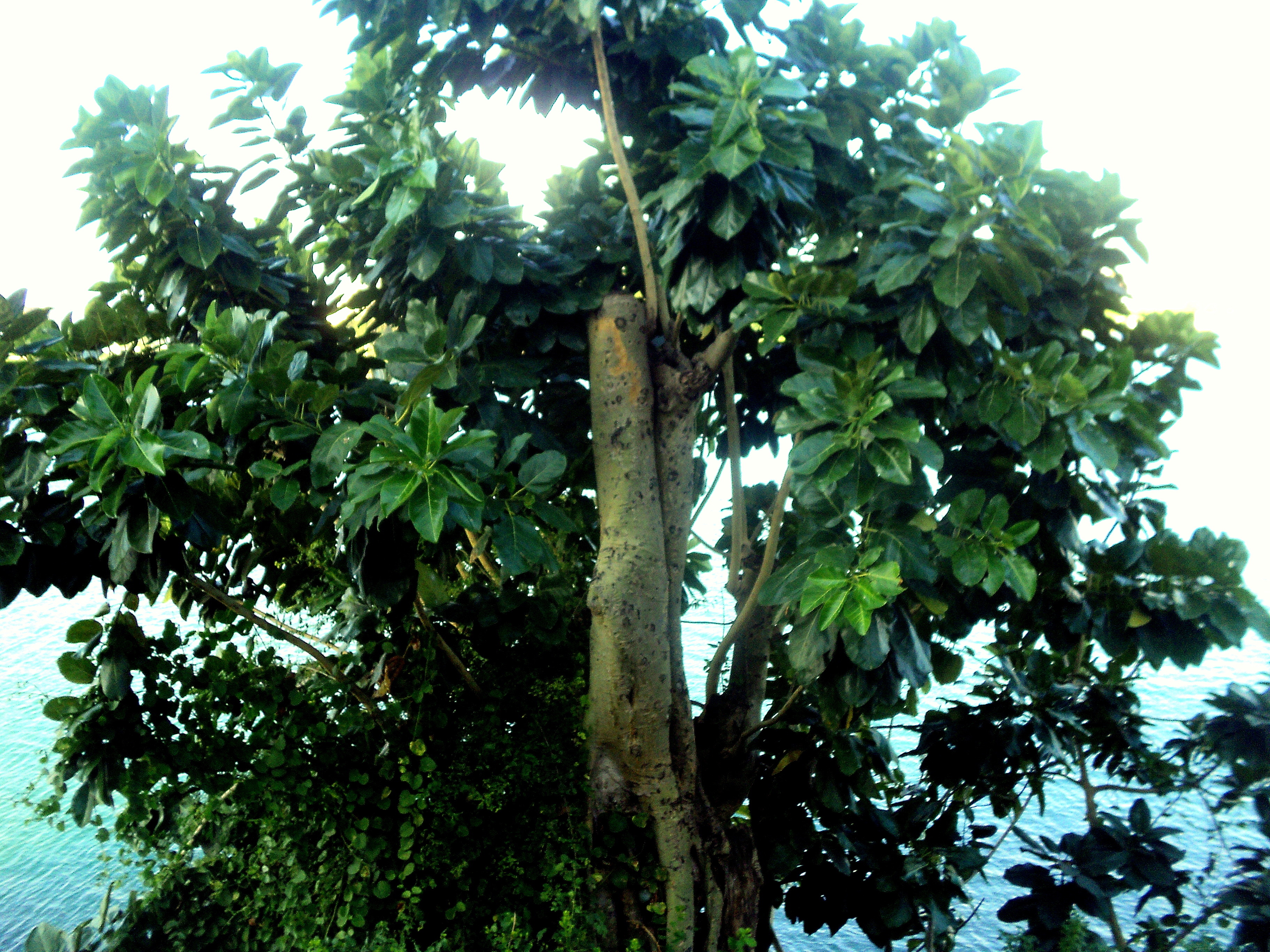
Carol stands beside the tree believed to be 2 million years old, how outstanding!! This tree owes its existence to the Jurassic period and what stands here is believed to have been the roots of the tree that are now visible due to subsistence. The fort was built around it.

DSC01043

DSC01045 DSC01046 DSC01048 DSC01049

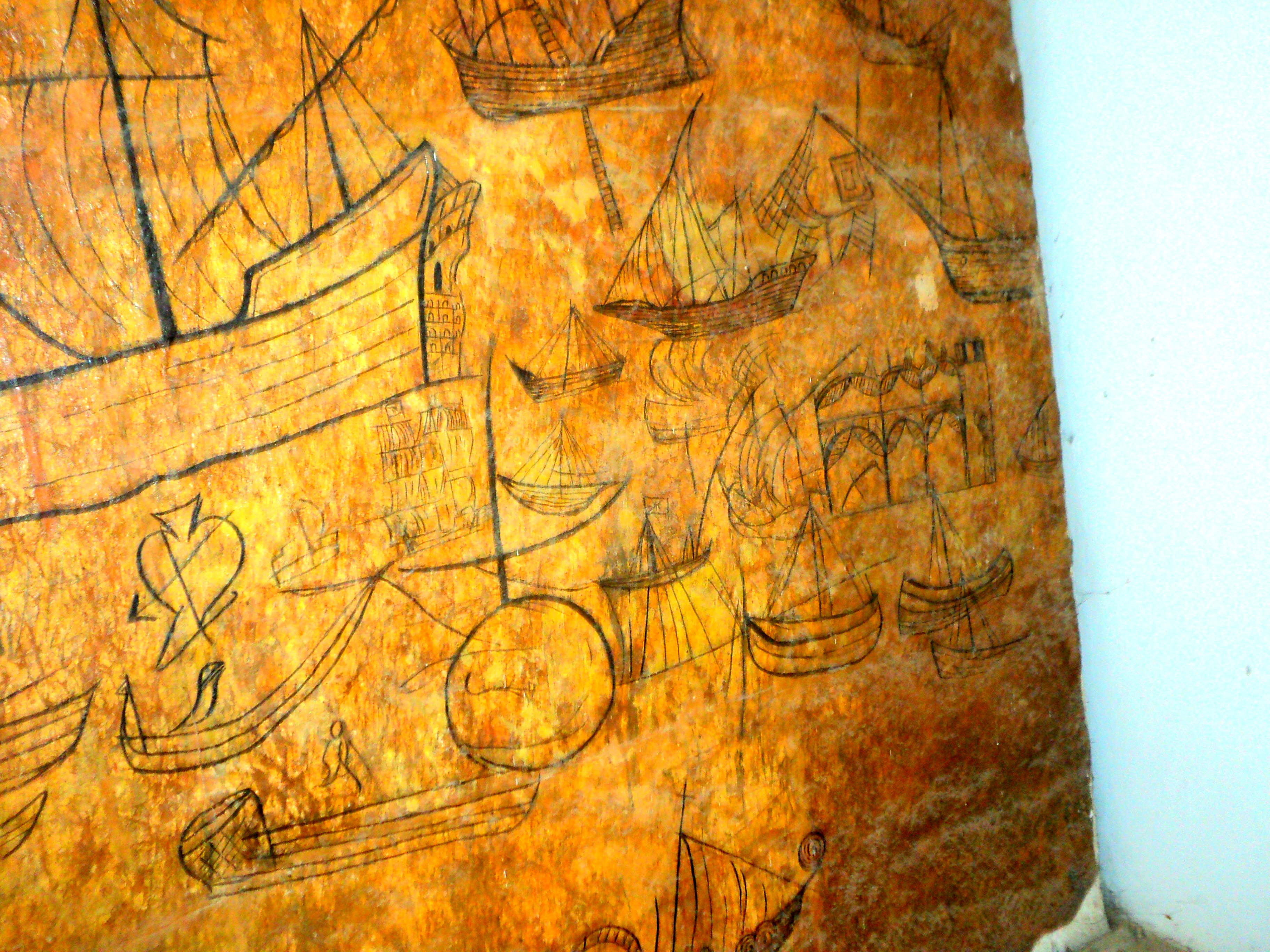
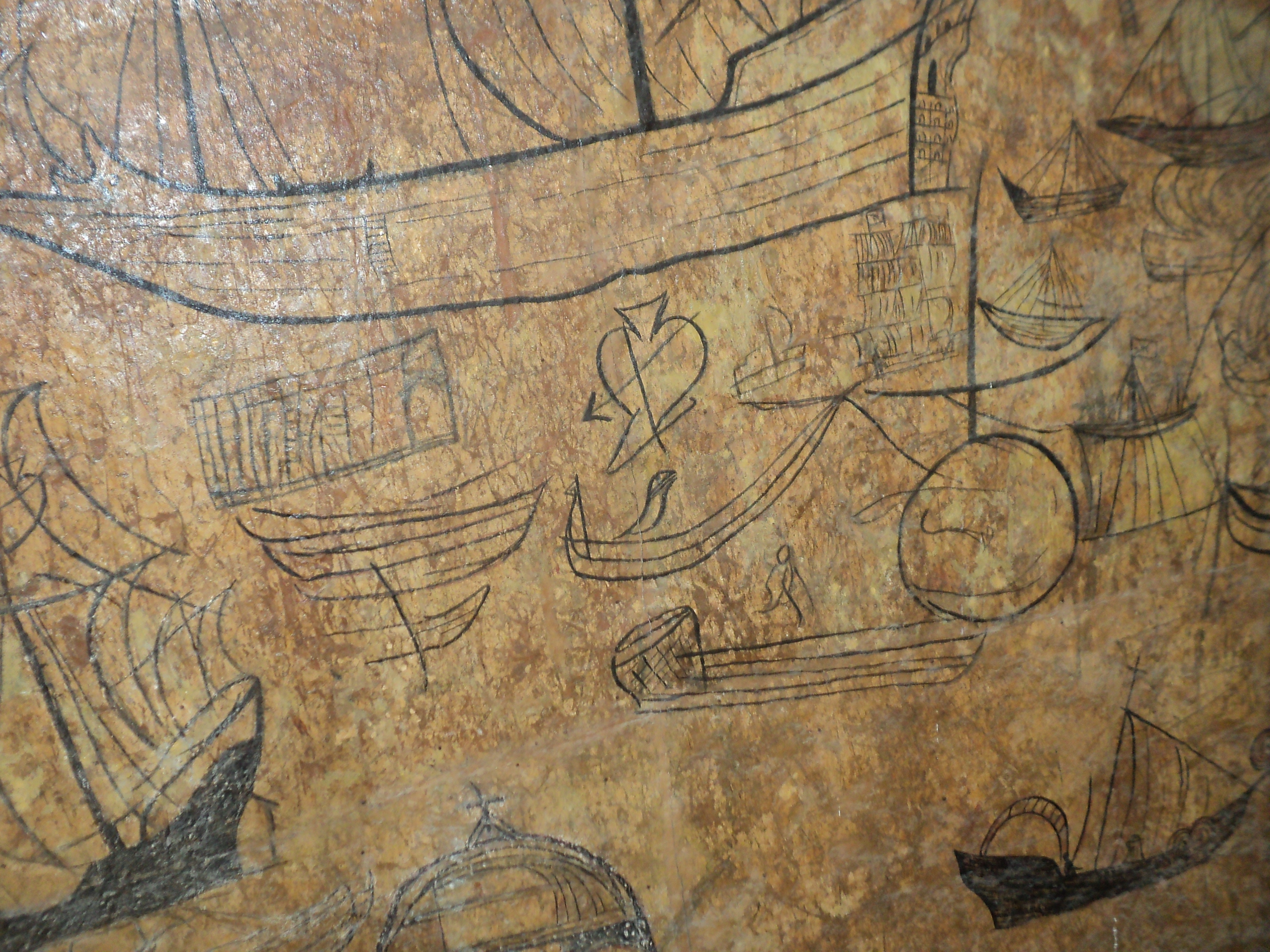
Ancient Portuguese art on display at the fort. The art was excavated from the fort’s grounds and due to aging the museum had to trace the drawings using graphite.

DSC01053 DSC01056 DSC01057 DSC01058 DSC01061 DSC01062 DSC01063 DSC01065 DSC01066 DSC01067DSC01108 DSC01107 DSC01105 DSC01104Remains of one of the Portuguese soldiers buried at the fort

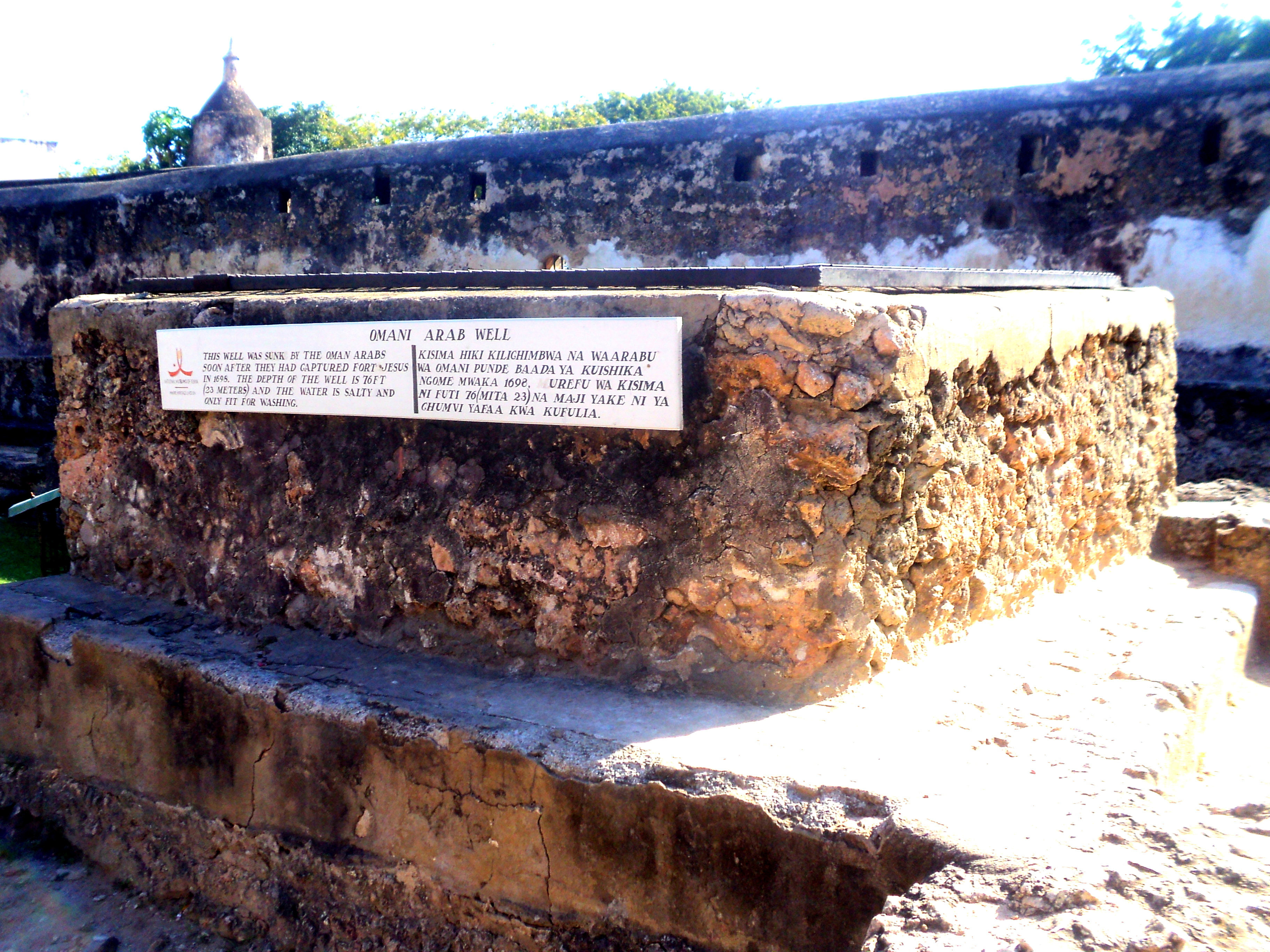
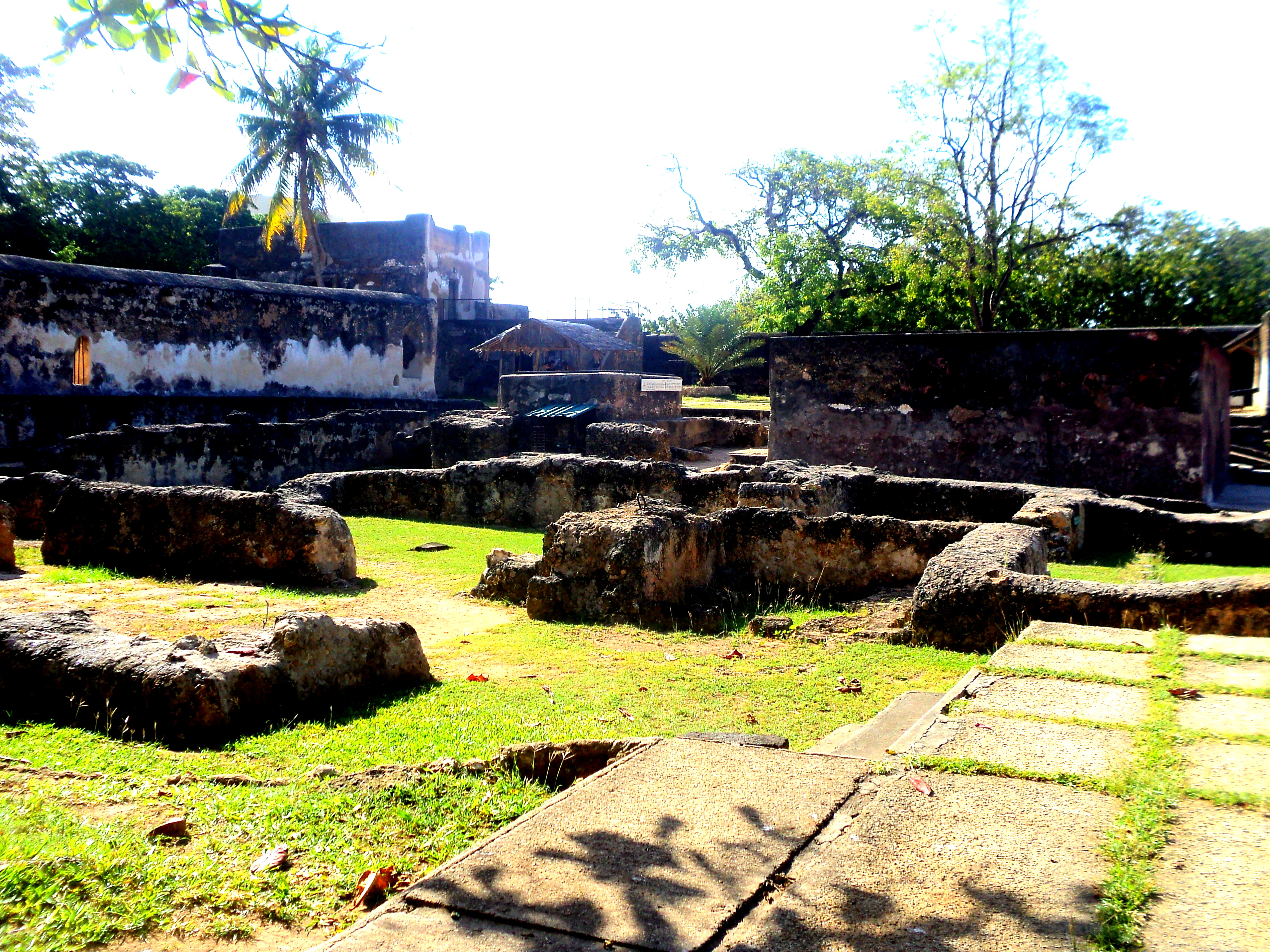
DSC01103 DSC01102 DSC01100Remains of the Portuguese chapel brought down by the Omani Arabs

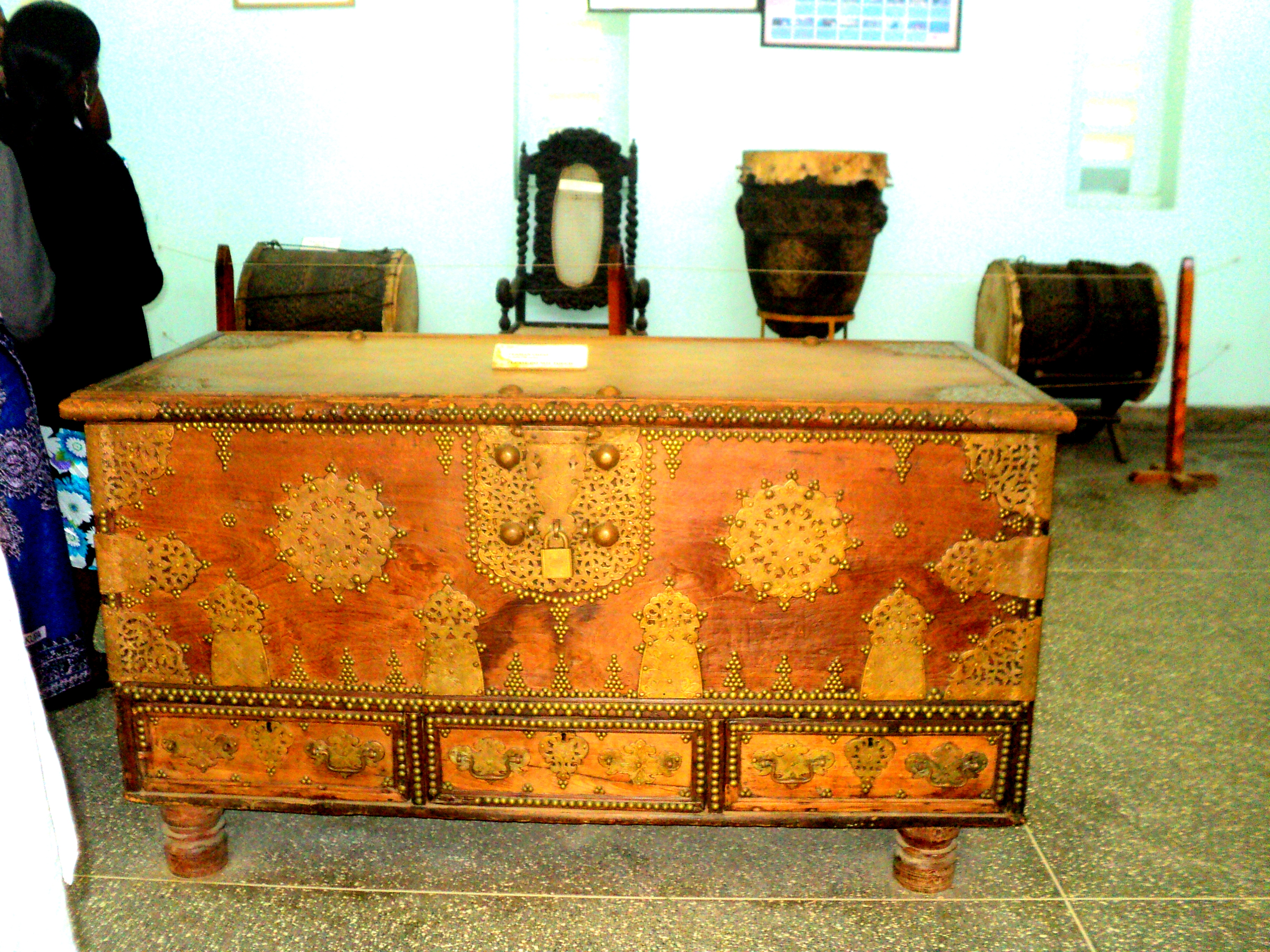
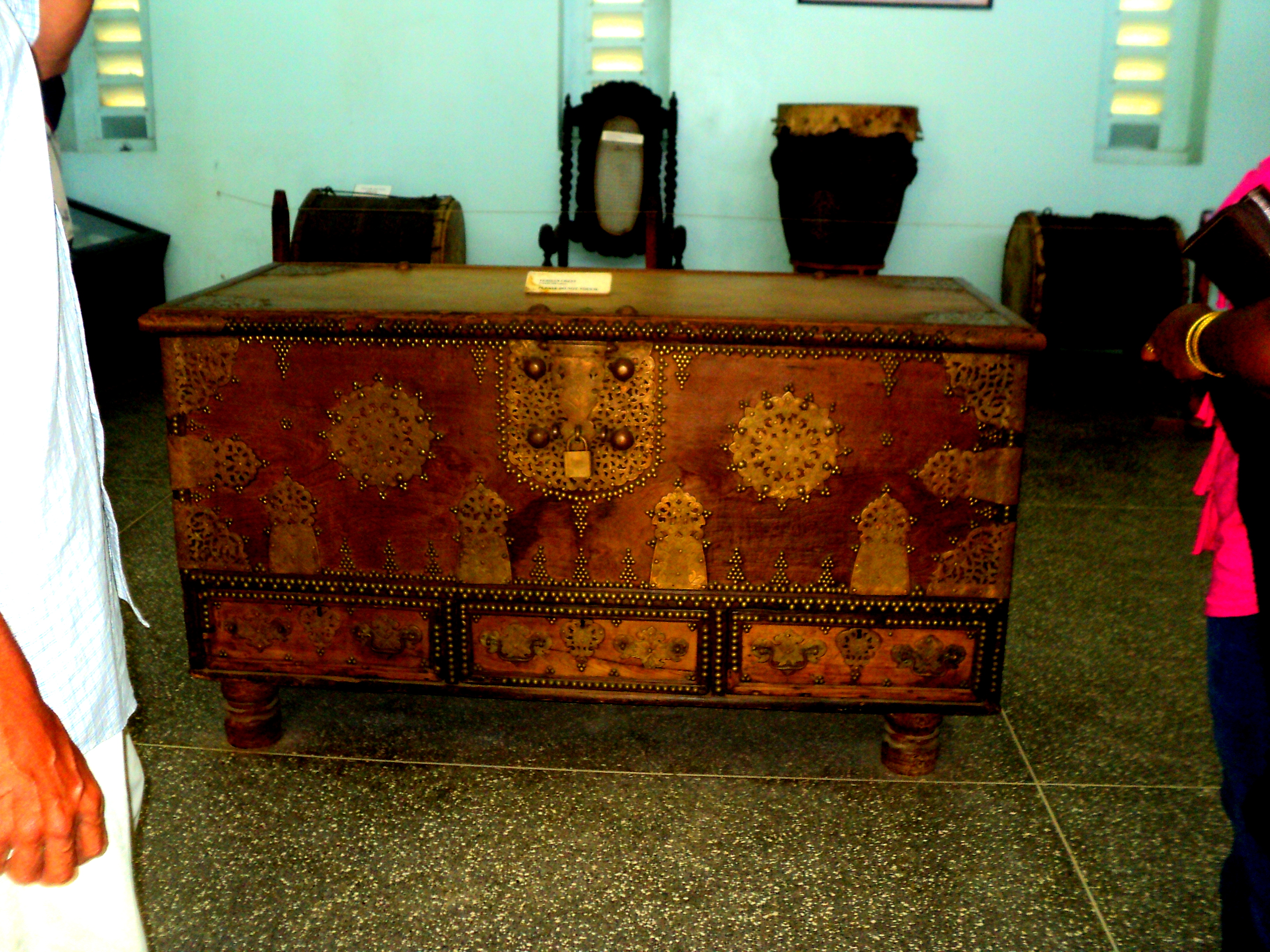
DSC01097 DSC01095 DSC01094 DSC01093An Omani chest

DSC01092  DSC01090 DSC01089 DSC01068DSC01070Gede ruins replica

  DSC01073 DSC01078 DSC01079 DSC01080 DSC01081 DSC01082 DSC01083 DSC01086 DSC01087

DSC01091

DSC01029

DSC01011

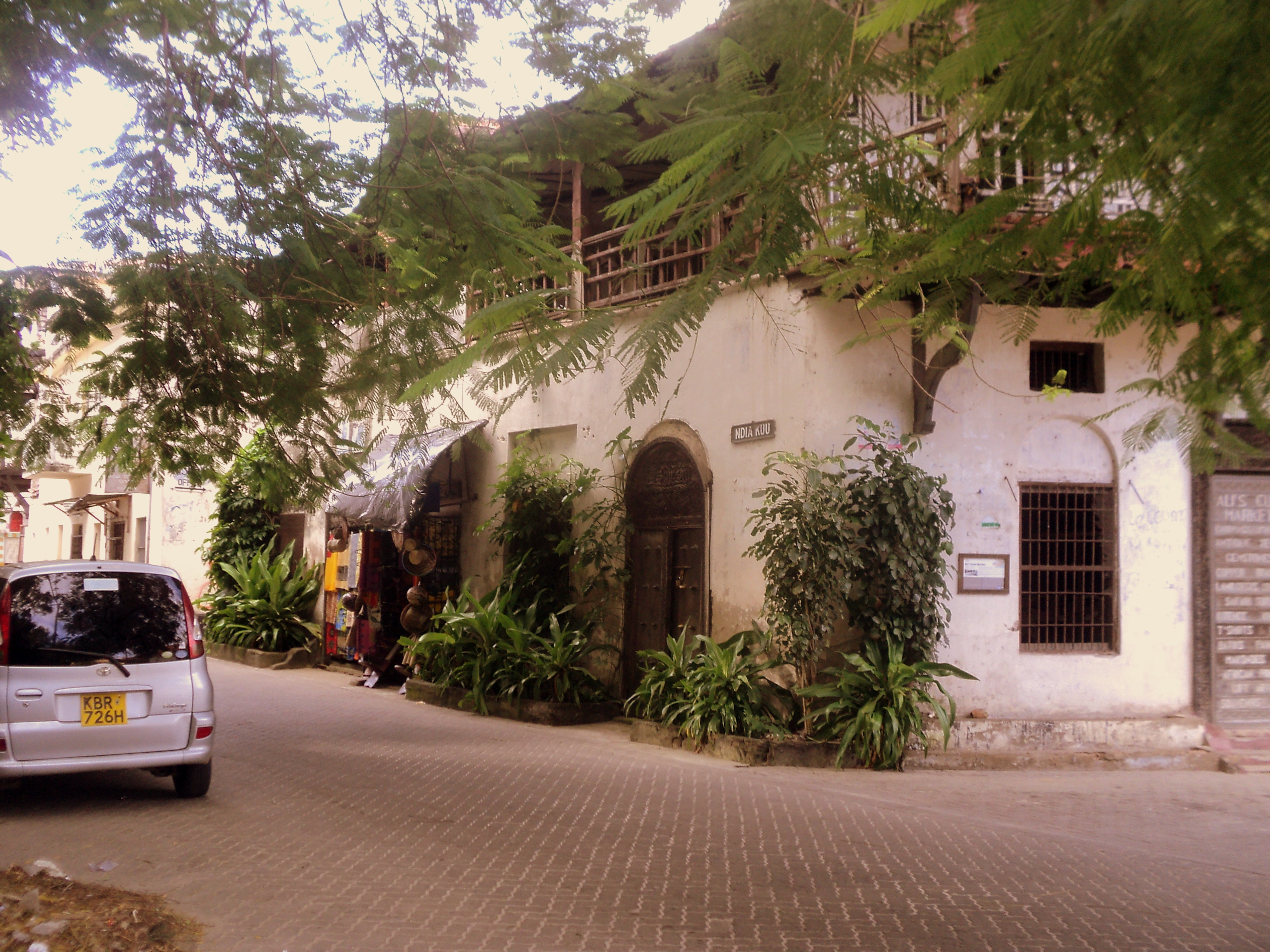
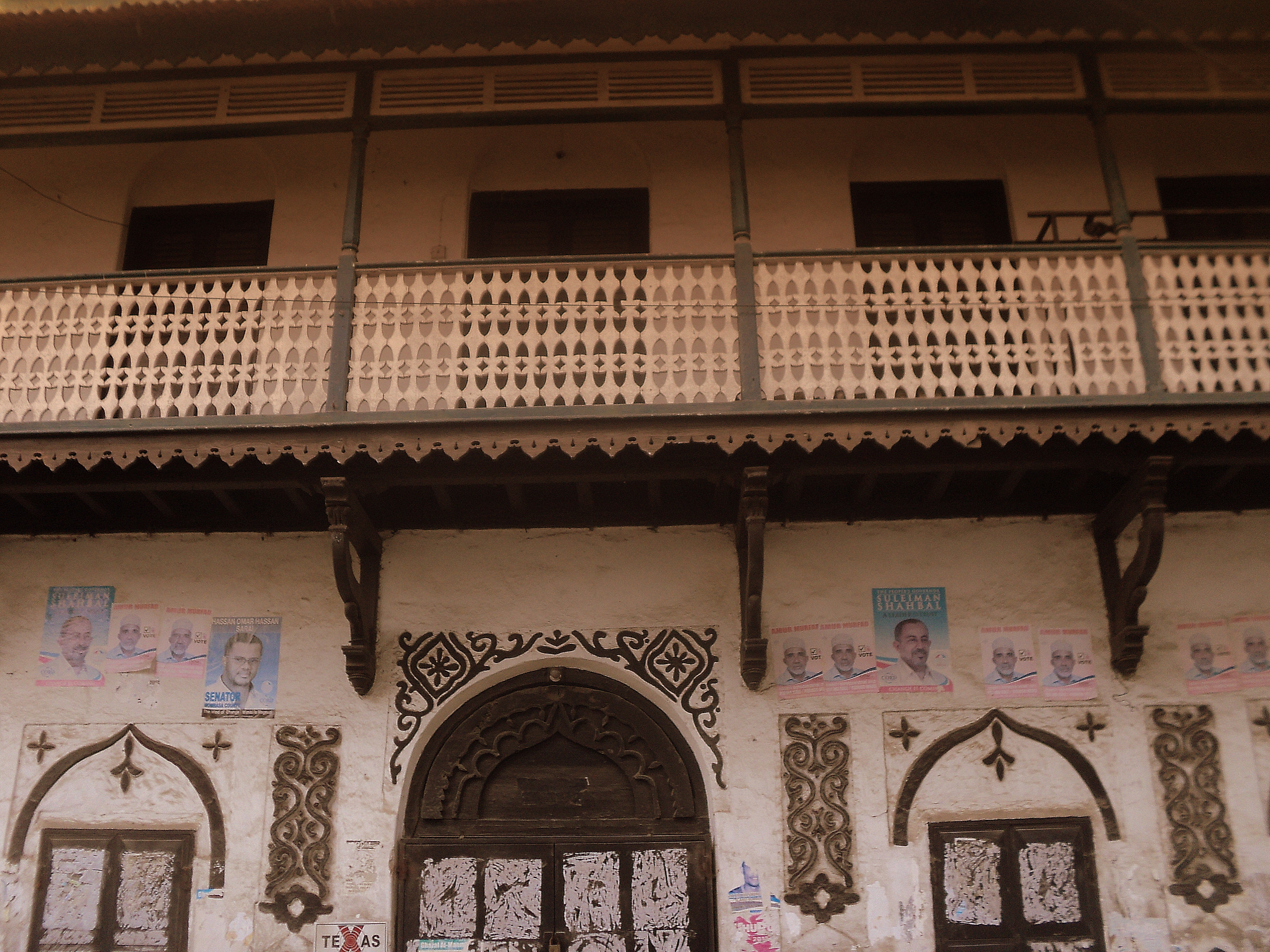
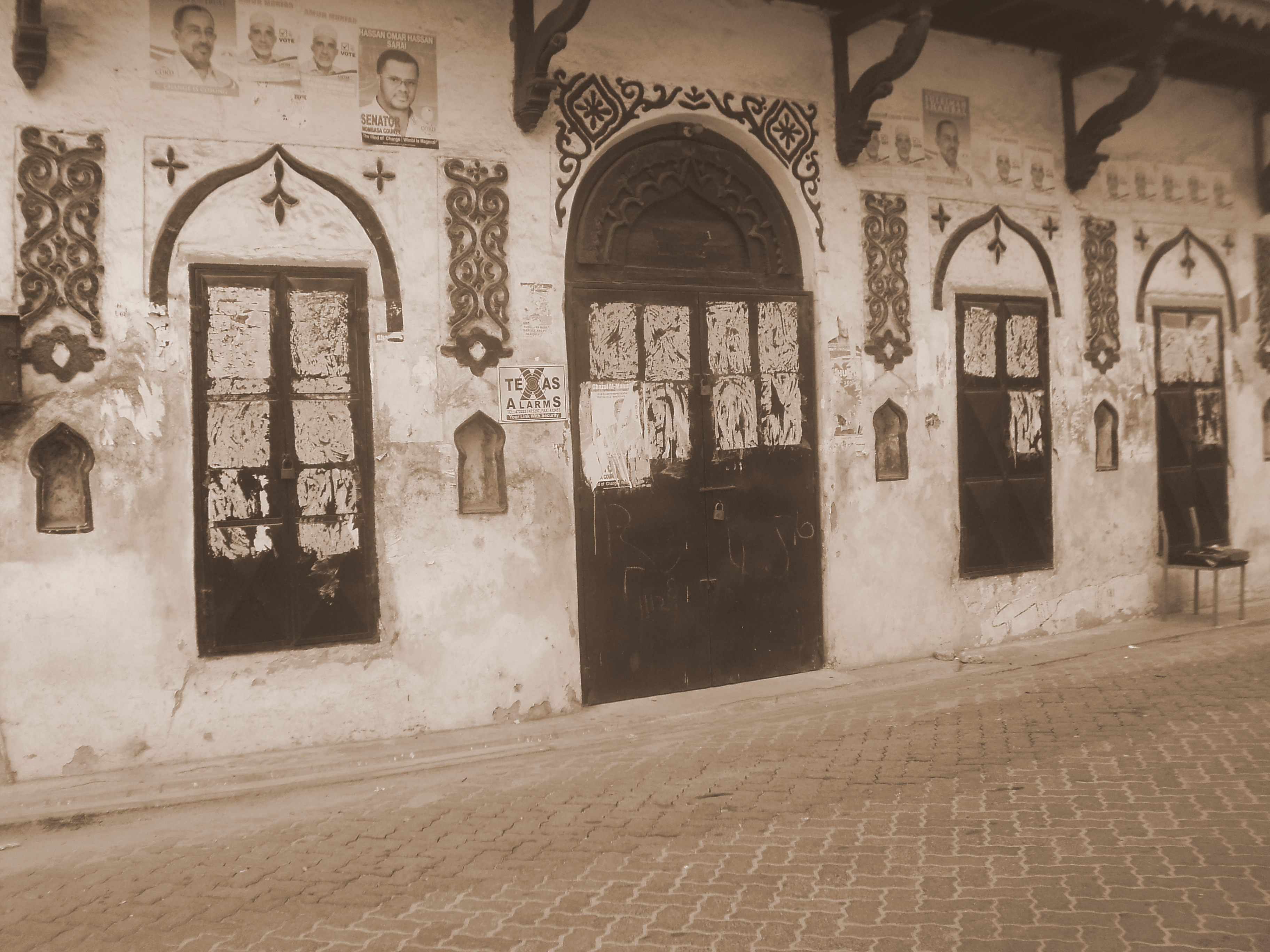
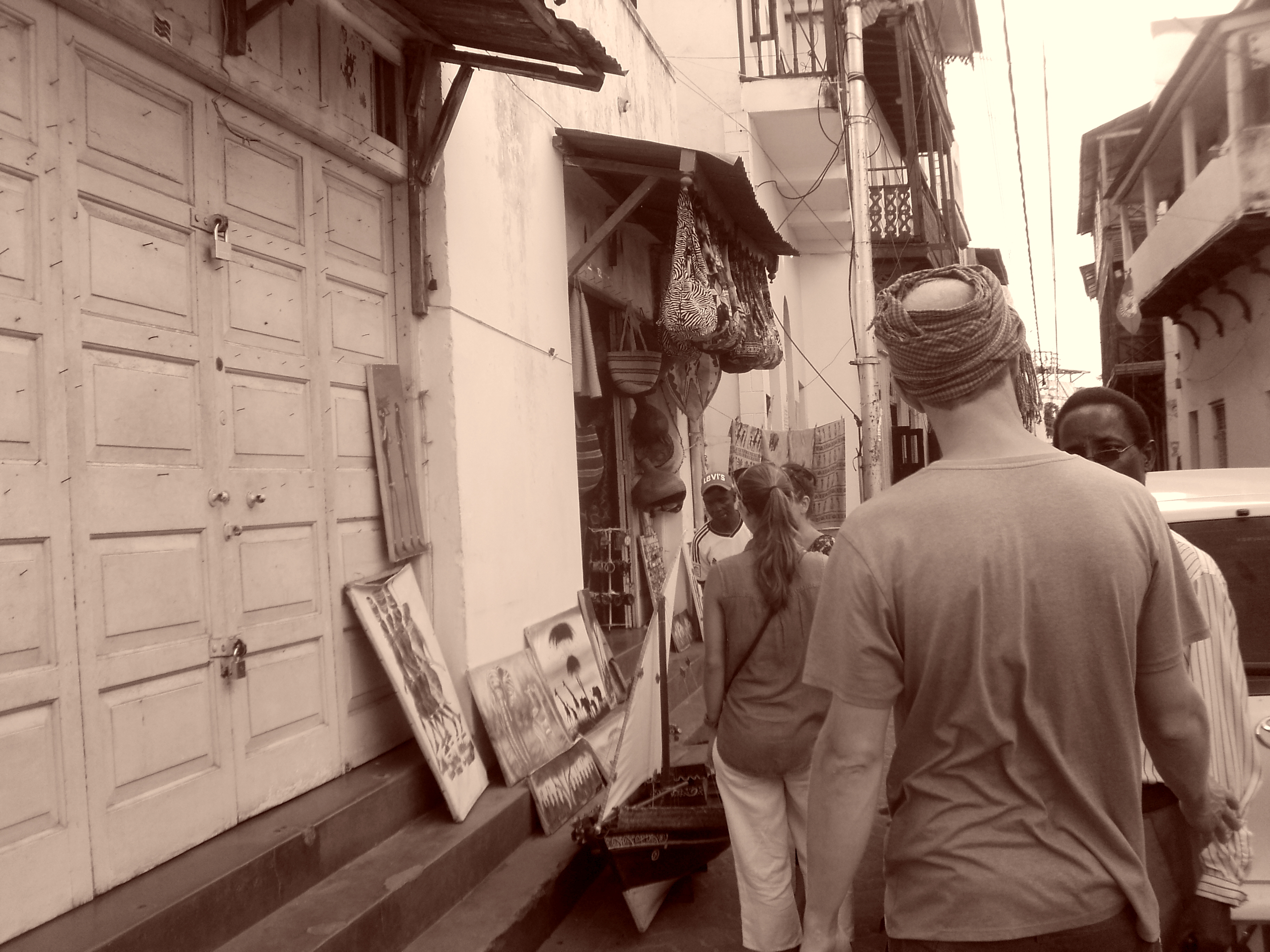
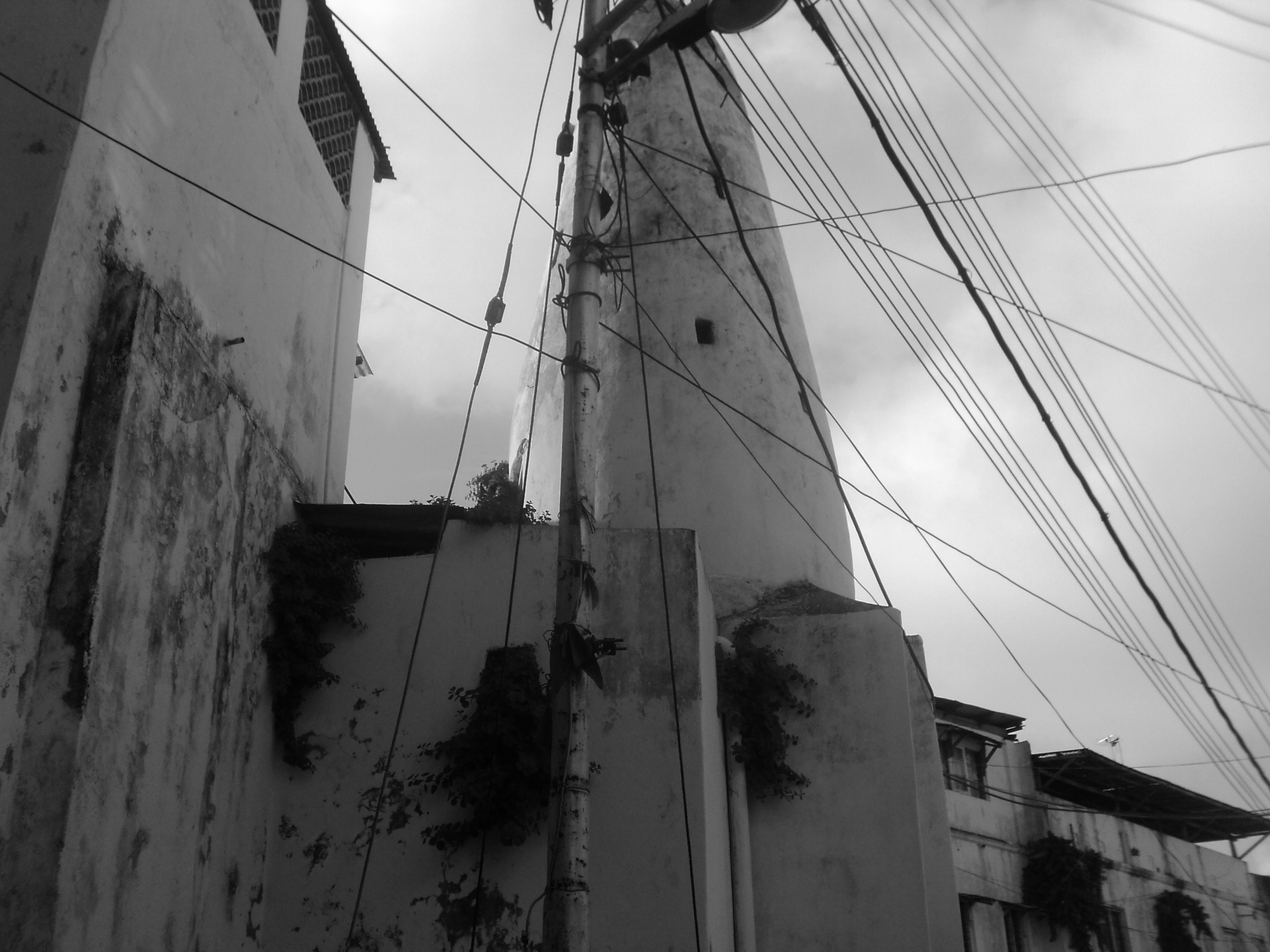
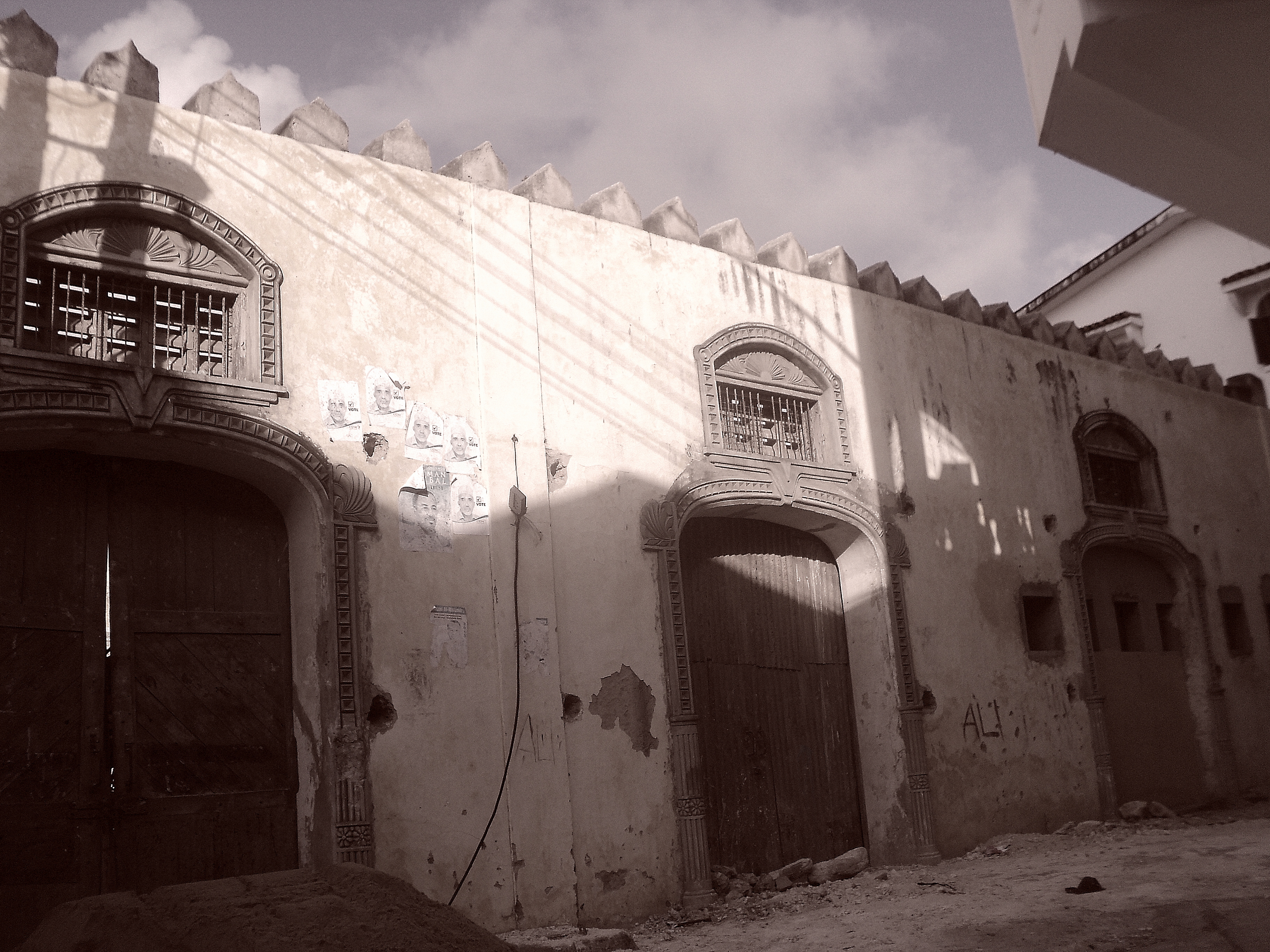
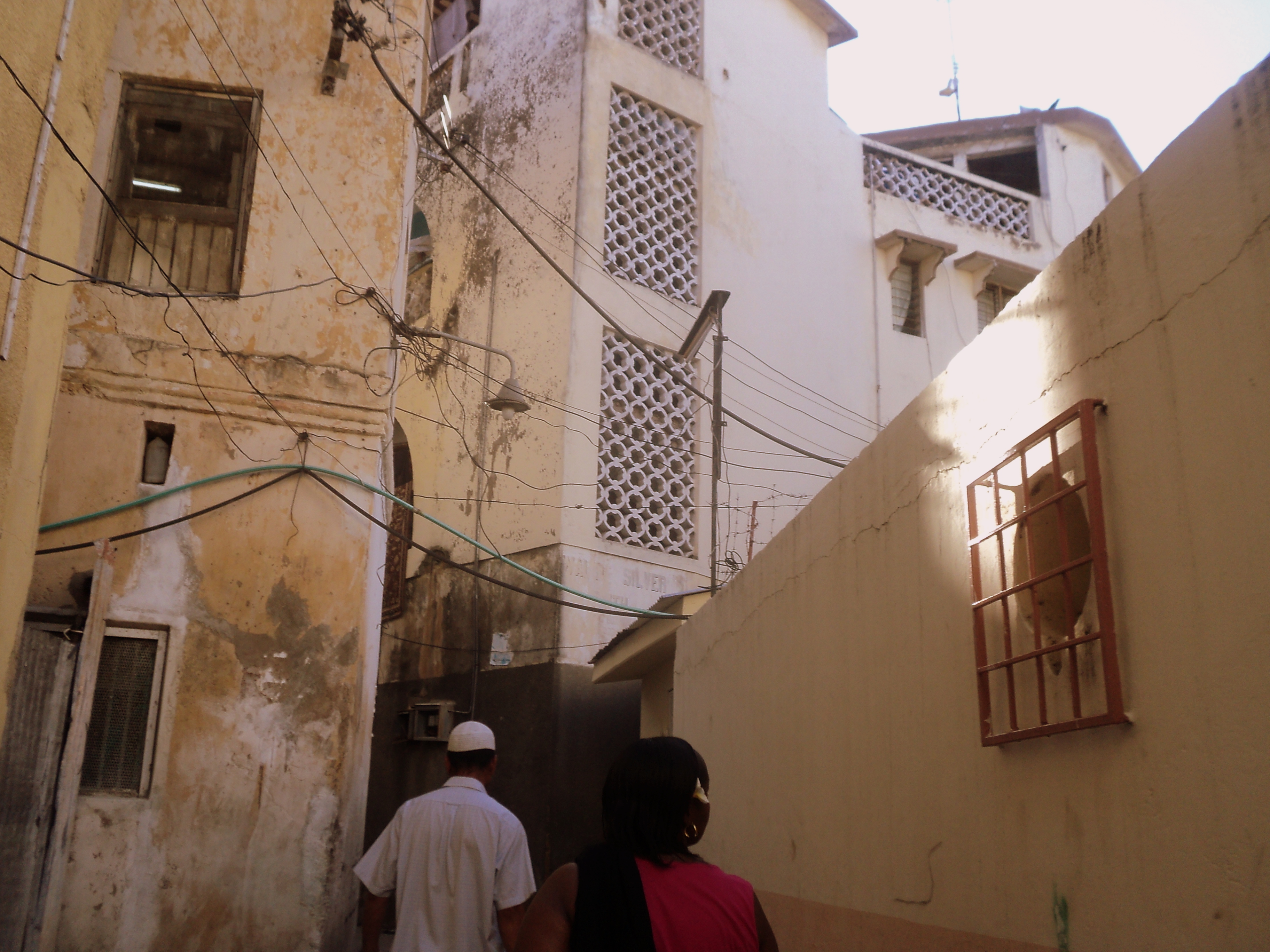
After a few educative hours at the fort we headed on to the streets of Old town where we were awed by the architectural influence of the Portuguese and the Arabs on the buildings. The streets of Old town are always so alive with bright colours of the traditional coastal khanga and kikoy, the all purpose wrap around cloth worn by both men and women. The exotic town has retained its culture and one will find here busy markets, women along the narrow streets in traditional buibui, fishermen selling their fresh fish at the dhow docks and the sweet aroma of varied spices in the air.

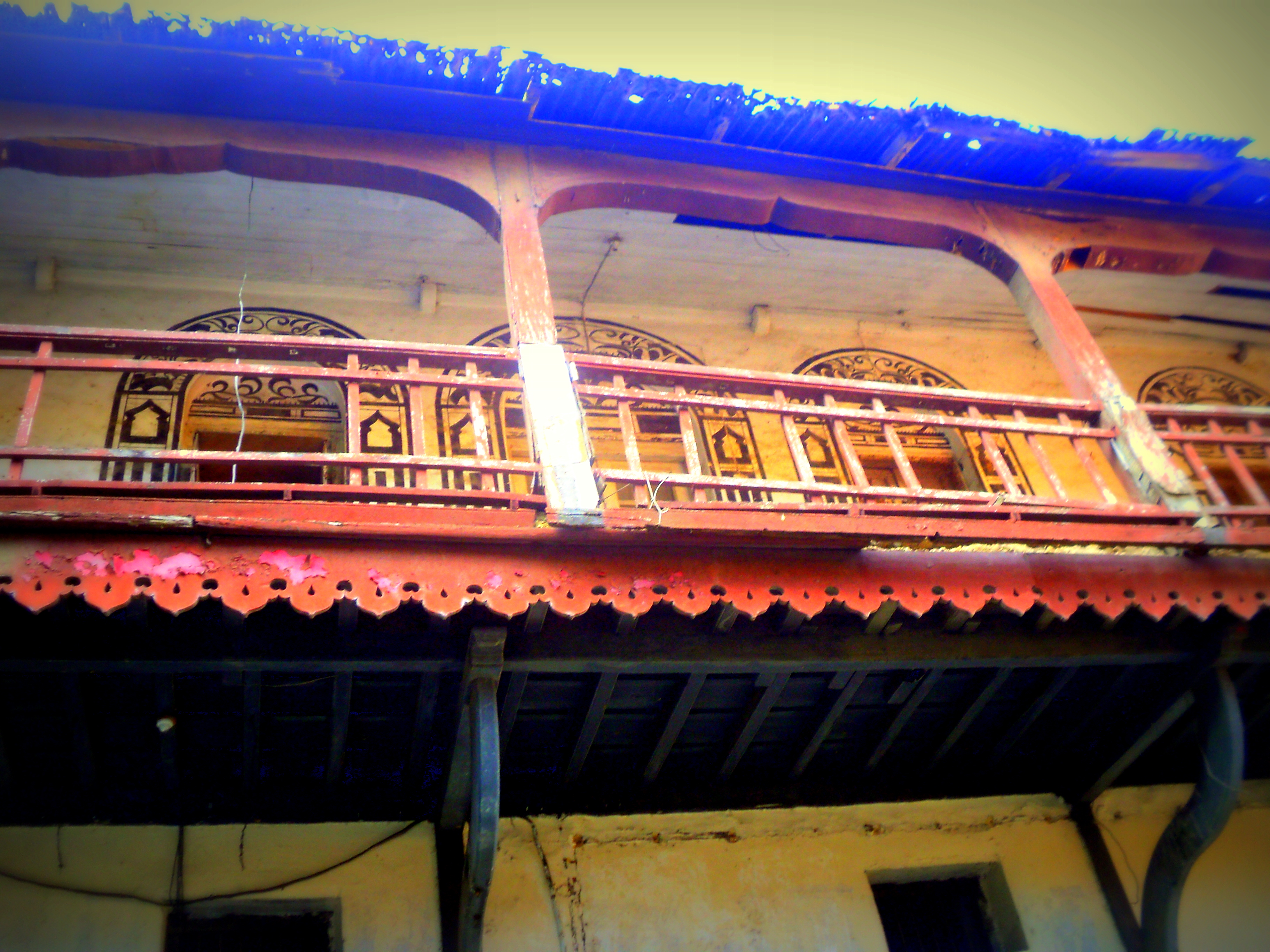
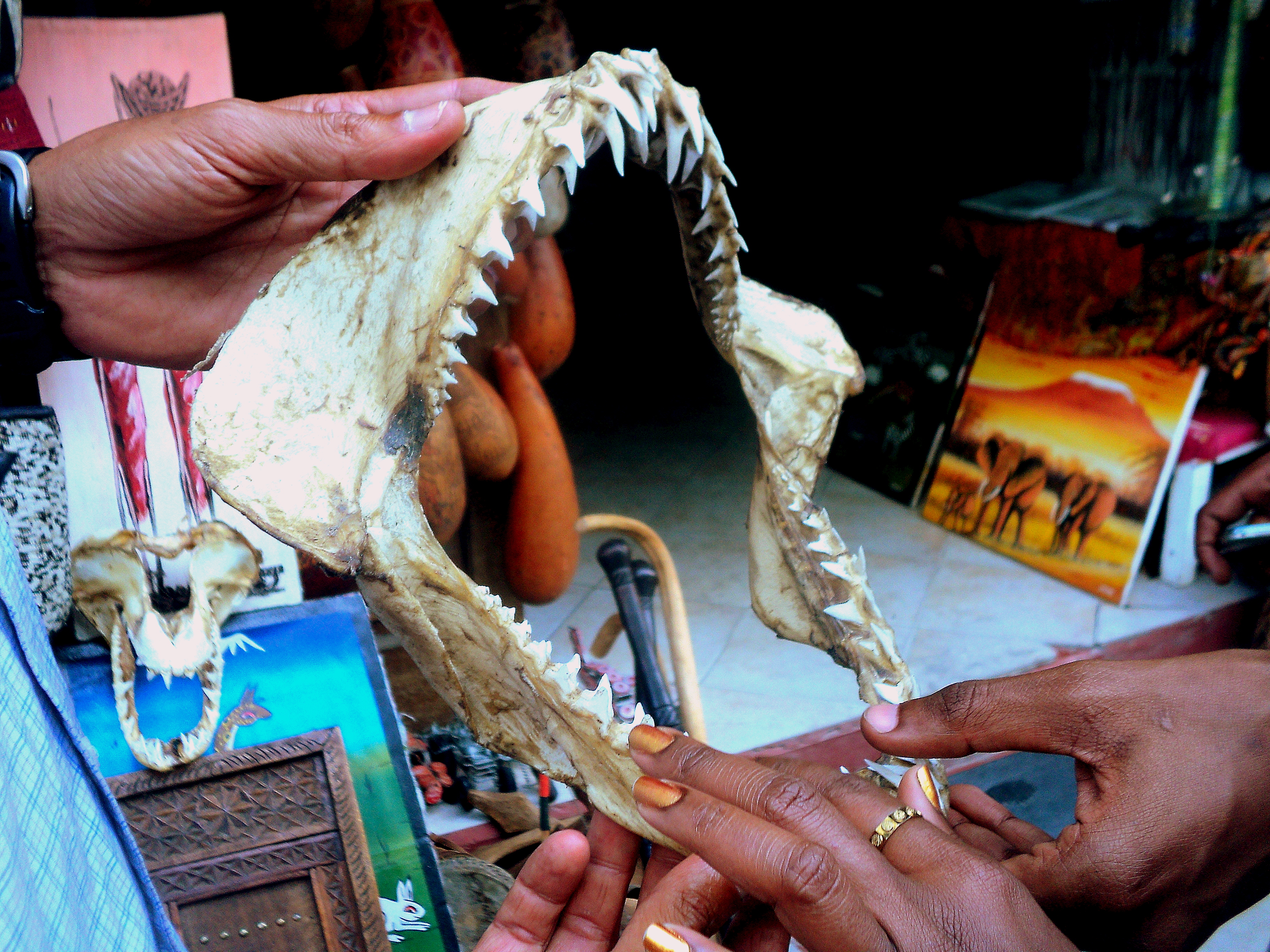
DSC01140 DSC01141 DSC01142 DSC01143 DSC01144 DSC01145 DSC01146Shark teethDSC01147 DSC01148Ancient homes with Indian ArchitectureDSC01149 DSC01150 DSC01151 DSC01152 DSC01153DSC01154 DSC01155One of the oldest mosques in the area. It is still in use today.DSC01156Looks like residents here are Liverpool fans 🙂DSC01157 DSC01160The little Askari (soldier) guarding the place

DSC01163A very old warehouse used to store goods during the Arab trade daysDSC01164DSC01165Our guide Ali seems to really love his job and is good at it too.DSC01166 DSC01168 DSC01169DSC01171 DSC01172DSC01167

DSC01173 DSC01174DSC01175DSC01177 DSC01178 DSC01179 DSC01181Almond tree

This was an afternoon well spent. Many thanks to our guide Ali Mohammed for the tour and the things we learnt. Hope to go on another similar venture soon!

Keep travelling and exploring!!!

Fort Jesus (Fortaleza de Jesus de Mombaça)

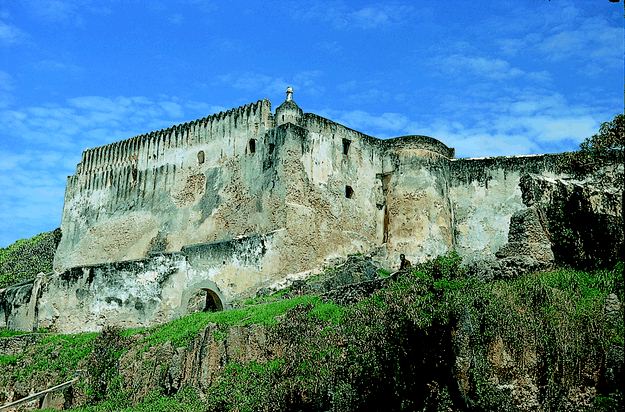
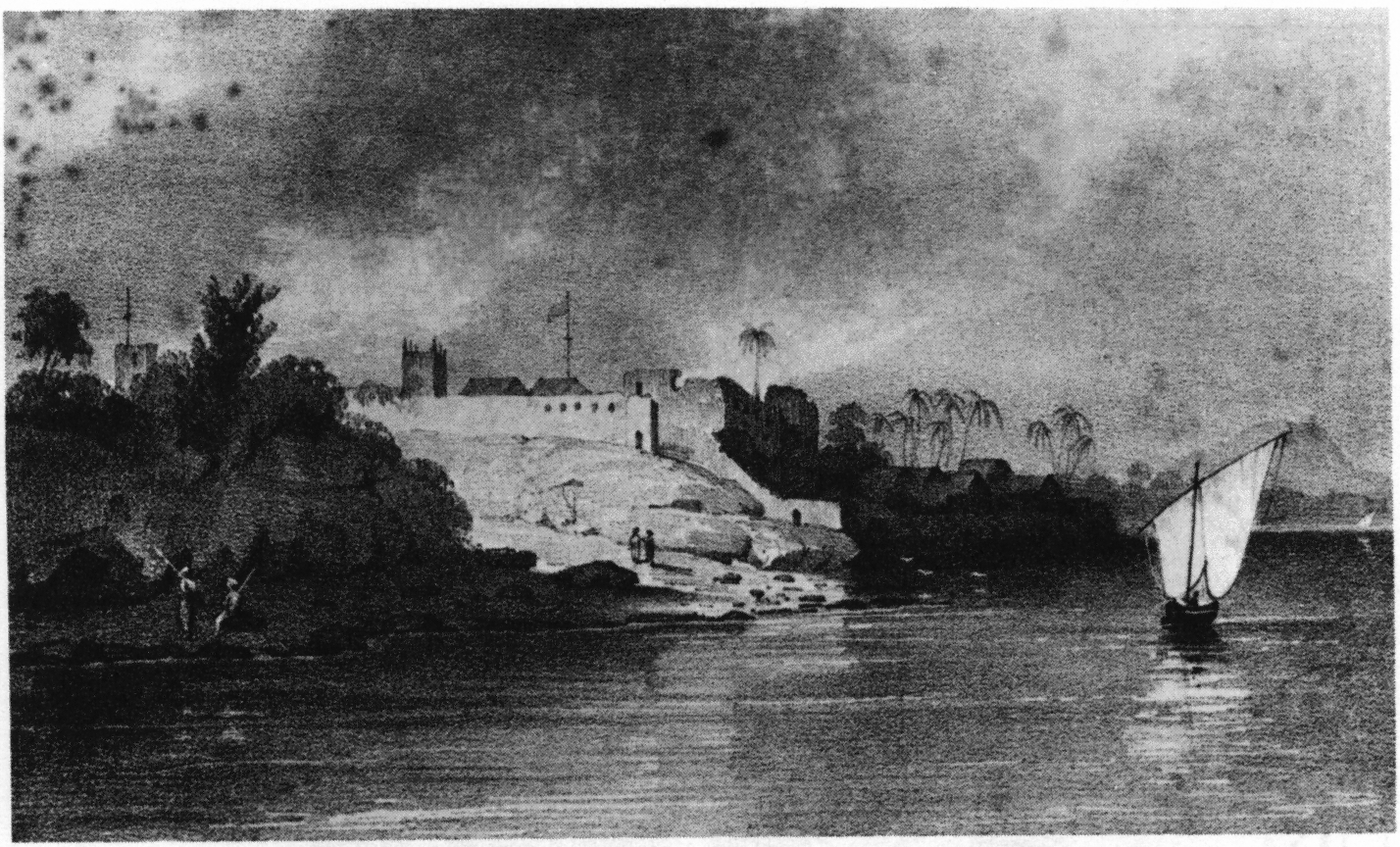
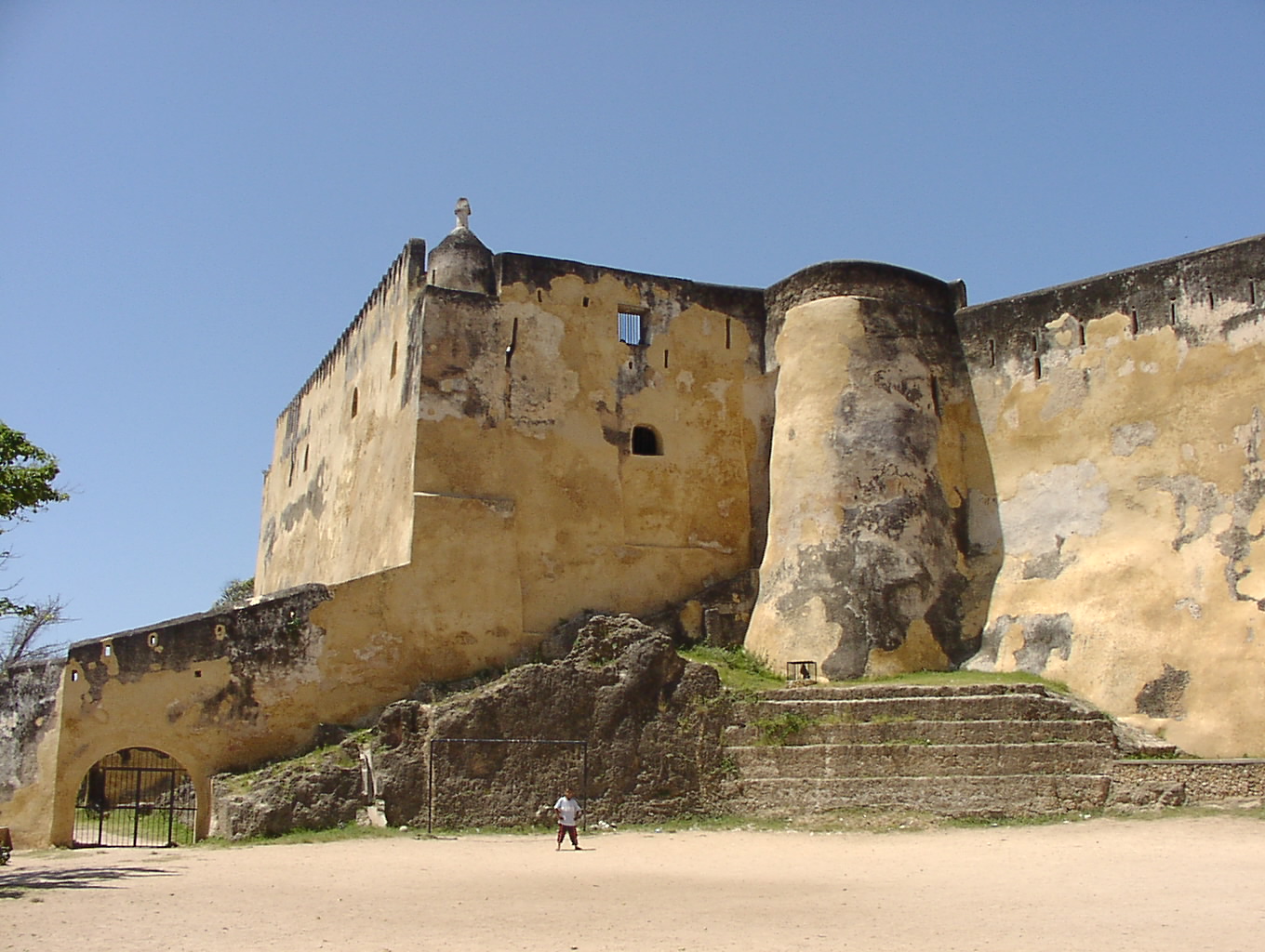
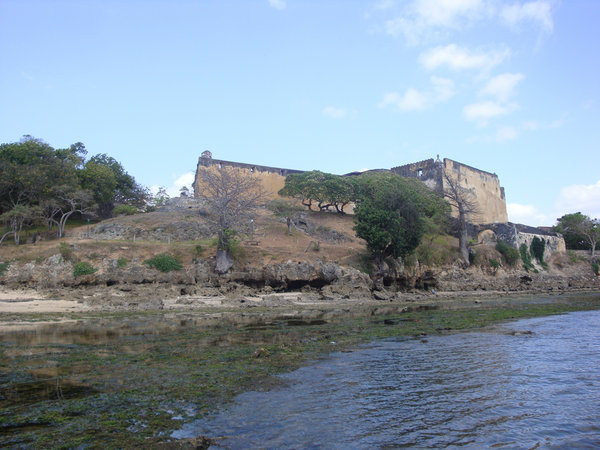
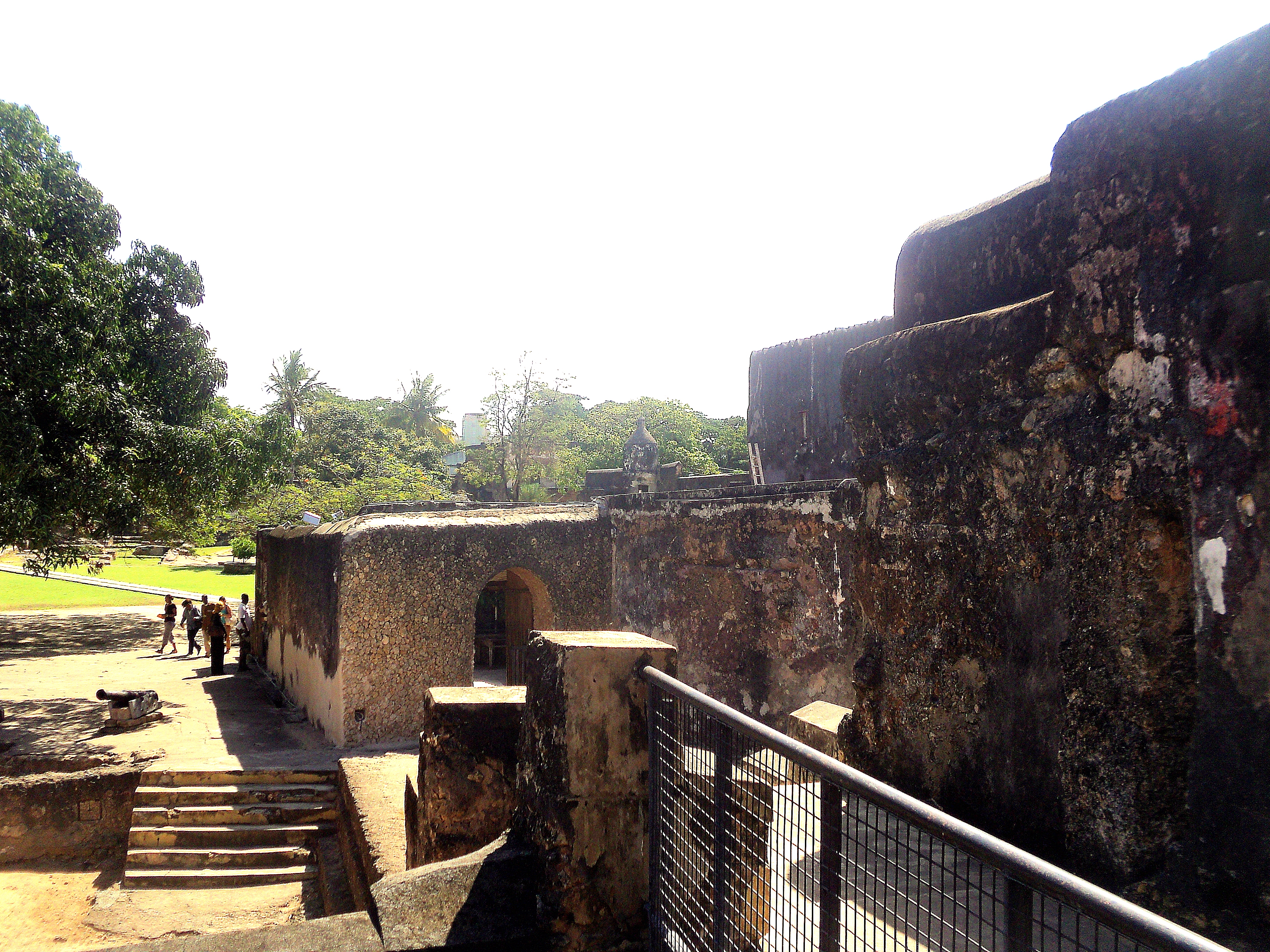
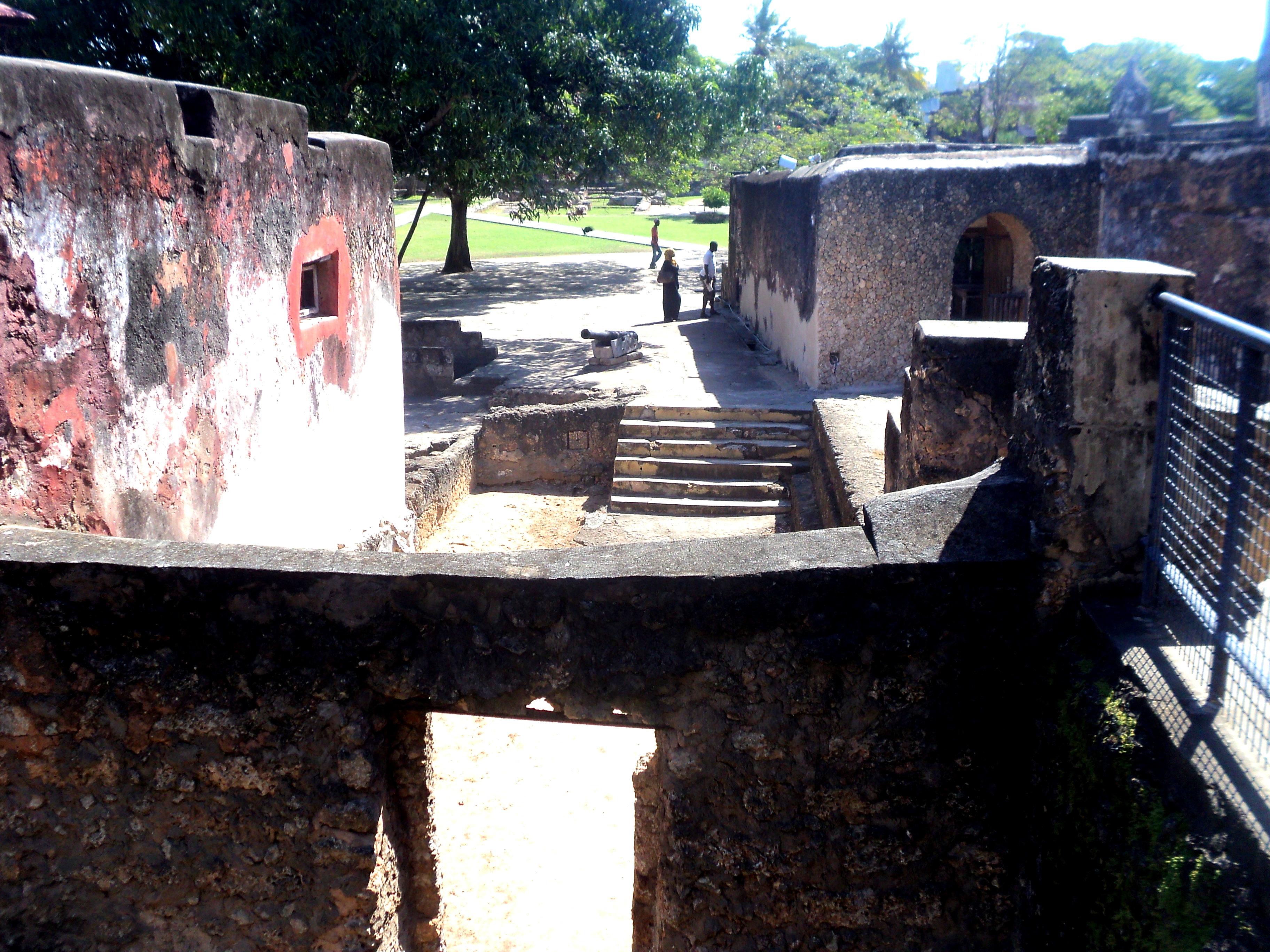
Fort Jesus, undoubtedly Mombasa’s most popular tourist attraction, is a monumental piece of architecture built in the 16th century from 1593-1596 by the Portuguese. Sitting on the edge of a coral ridge overlooking the entrance to the old port of Mombasa, the Fortress which was built to protect the Portuguese trade route to India as well as their vested interests in East Africa is now turned Museum, declared a World Heritage site by UNESCO in 2011 and one of the finest examples of 16th century Portuguese military architecture.

Fort-Jesus

37785-004-F43D3092

Designed by Italian architect, Giovanni Battista Cairatiand and later dedicated and named  “Fortaleza de Jesus de Mombaça” by the then-captain of the coast, Mateus de Mendes de Vasconcelos, the quadrilateral fort is comprised of four bastions; S. Felipe, S. Alberto, S. Mathias and S. Mateus and owes its existence to the Turkish raids of 1585 and 1588 which is what led to its construction.

Fort_jesusfort-jesus-plaque

Fort_Jesus,_Mombasa2

Since its erection, Fort Jesus’ control has exchanged hands numerous times in counting; In 1631, Sultan Muhammad Yusif baptized as Dom Jeronimo Chingulia entered the fort taking the Portuguese by surprise and killing the Portuguese captain, Pedro Leitão de Gamboa. He also then massacred the whole Portuguese population of Mombasa (45 men, 35 women and 70 children) and after two months of siege, abandoned the enterprise becoming a pirate. Right After sultan Dom’s departure, a small Portuguese force under Captain Pedro Rodrigues Botelho, that had remained in Zanzibar, reoccupied the fort.

OLYMPUS DIGITAL CAMERA

IMG_2129

In 1696, Fort Jesus fell under siege from Omani Arabs but was easily relieved by a Portuguese expedition in the same year. Unfortunately though, in the following months a plague killed all the Portuguese of the garrison (50-70 portuguese soldiers) and by 1697 the defense of the fort was in the hand of Sheikh Daud of Faza with 17 of his family, 8 African men and 50 African women. After several other sieges from then, the Omani Arabs successfully took over the fort and with this conquest taking the whole coast of Kenya and Tanzania with Zanzibar and Pemba under their control. The fort had clearly become a vital possession for anyone with the intention of controlling Mombasa Island or the surrounding areas of trade. The struggle didn’t just end there though, the Portuguese were not one to accept defeat so easily as they retook Fort Jesus in 1728, when the African soldiers mutinied against the Omanis; a take over that didn’t last so long unfortunately. Tables turned the following year when the Mombasa locals revolted against them and put under siege the garrison. Years later during colonization, the British used the fortress as a prison, until 1958, when they converted it into a historical monument.

inside-fort-jesus

fortisusmombasa2

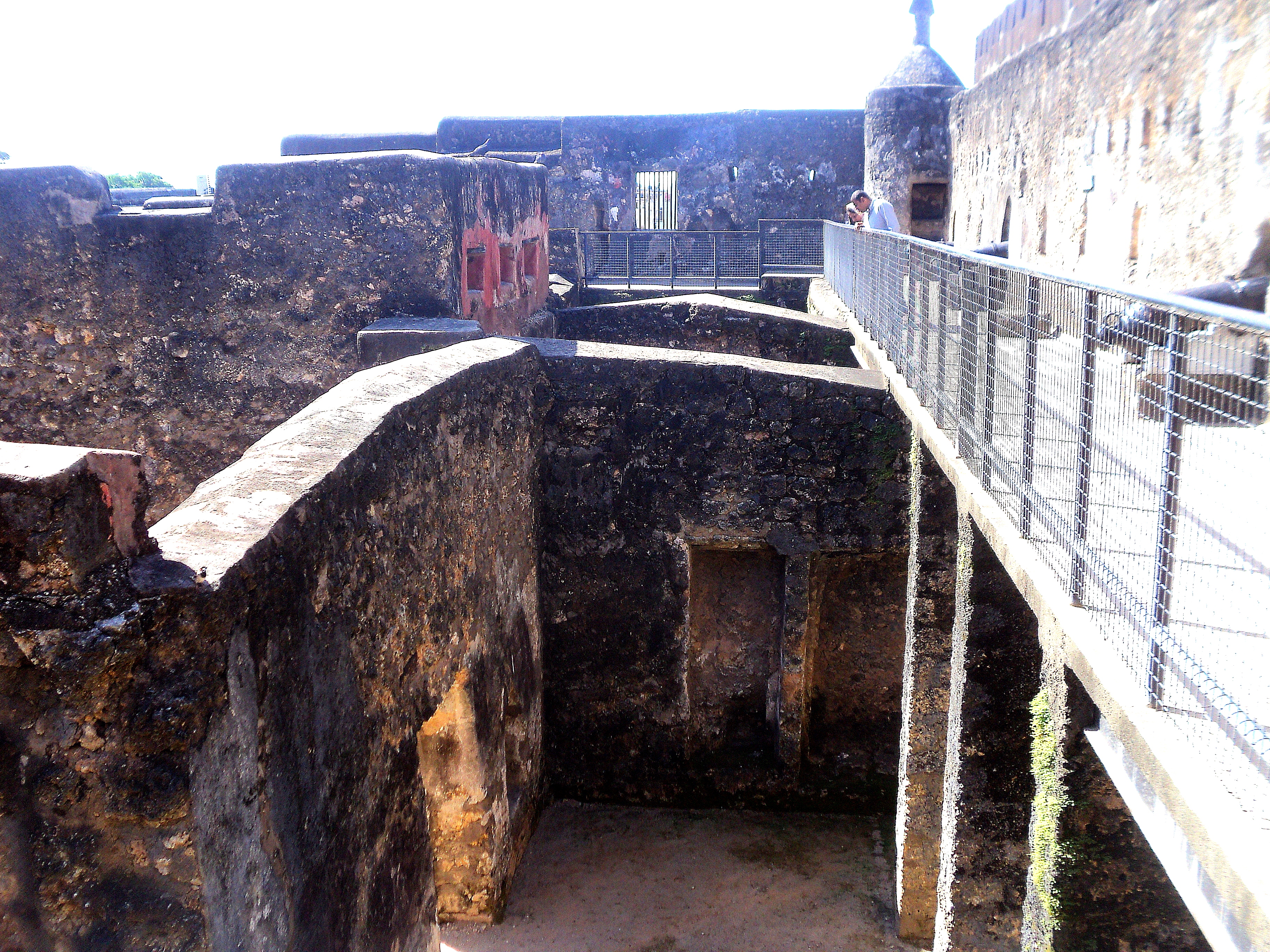
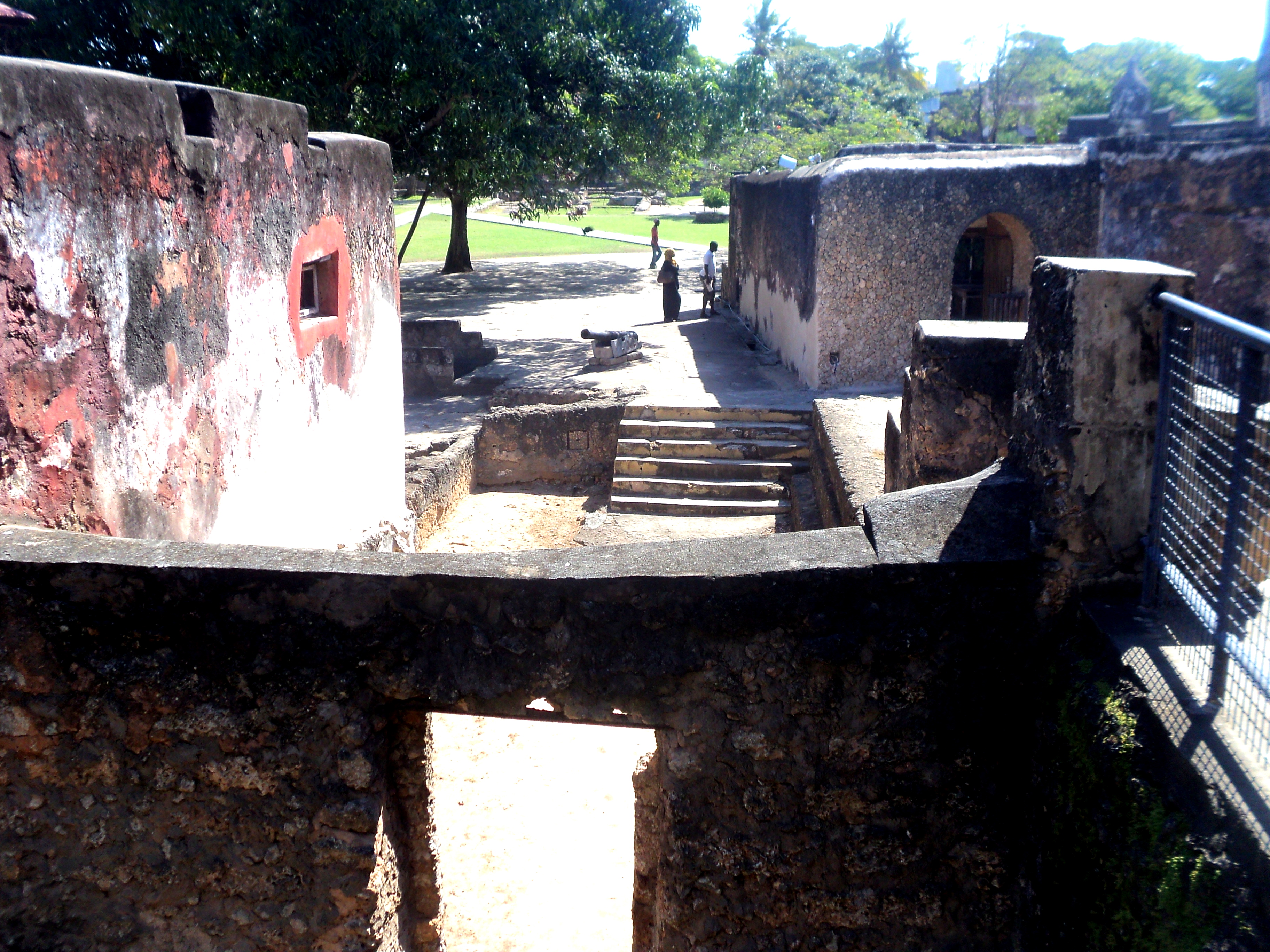
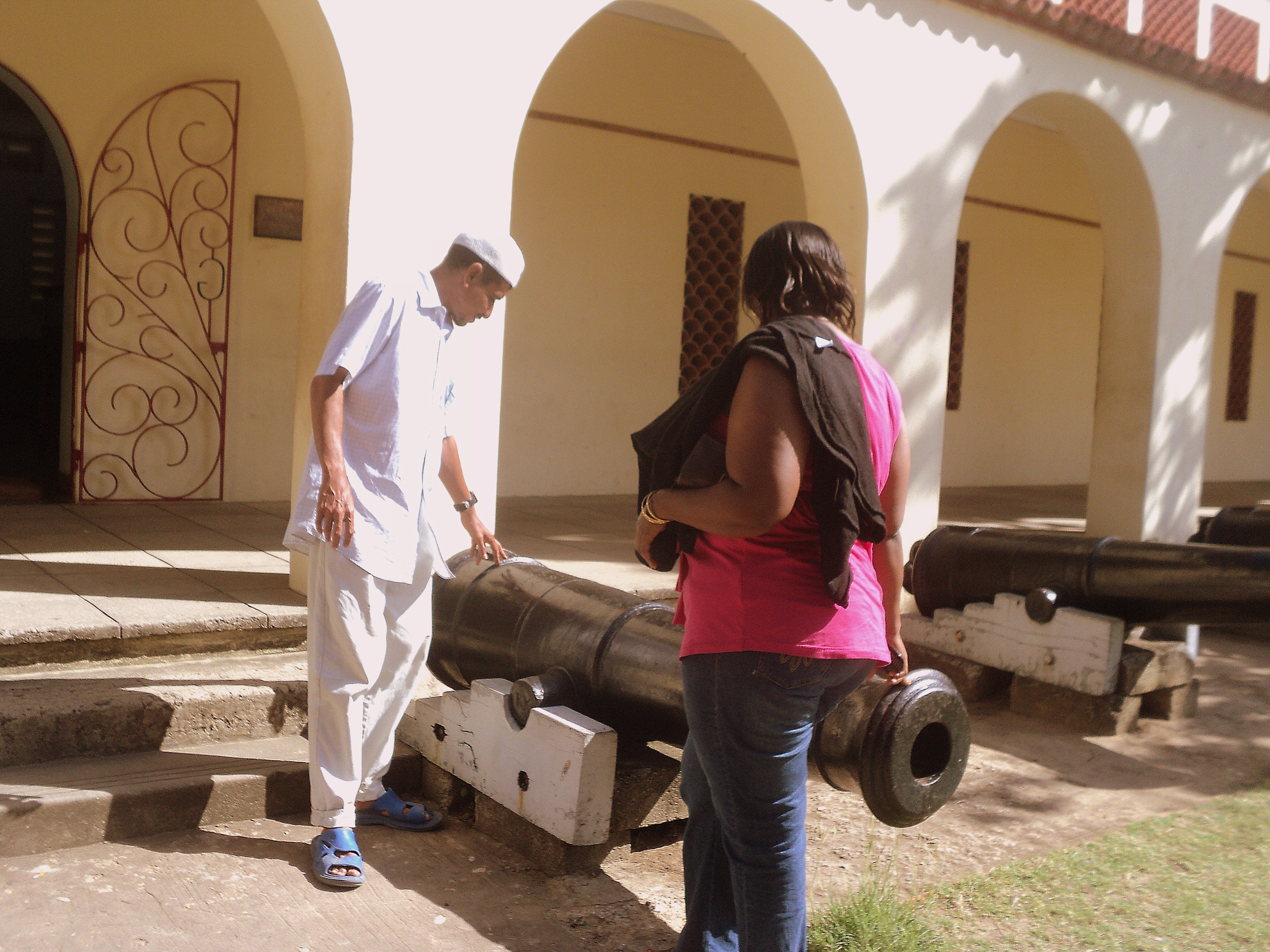
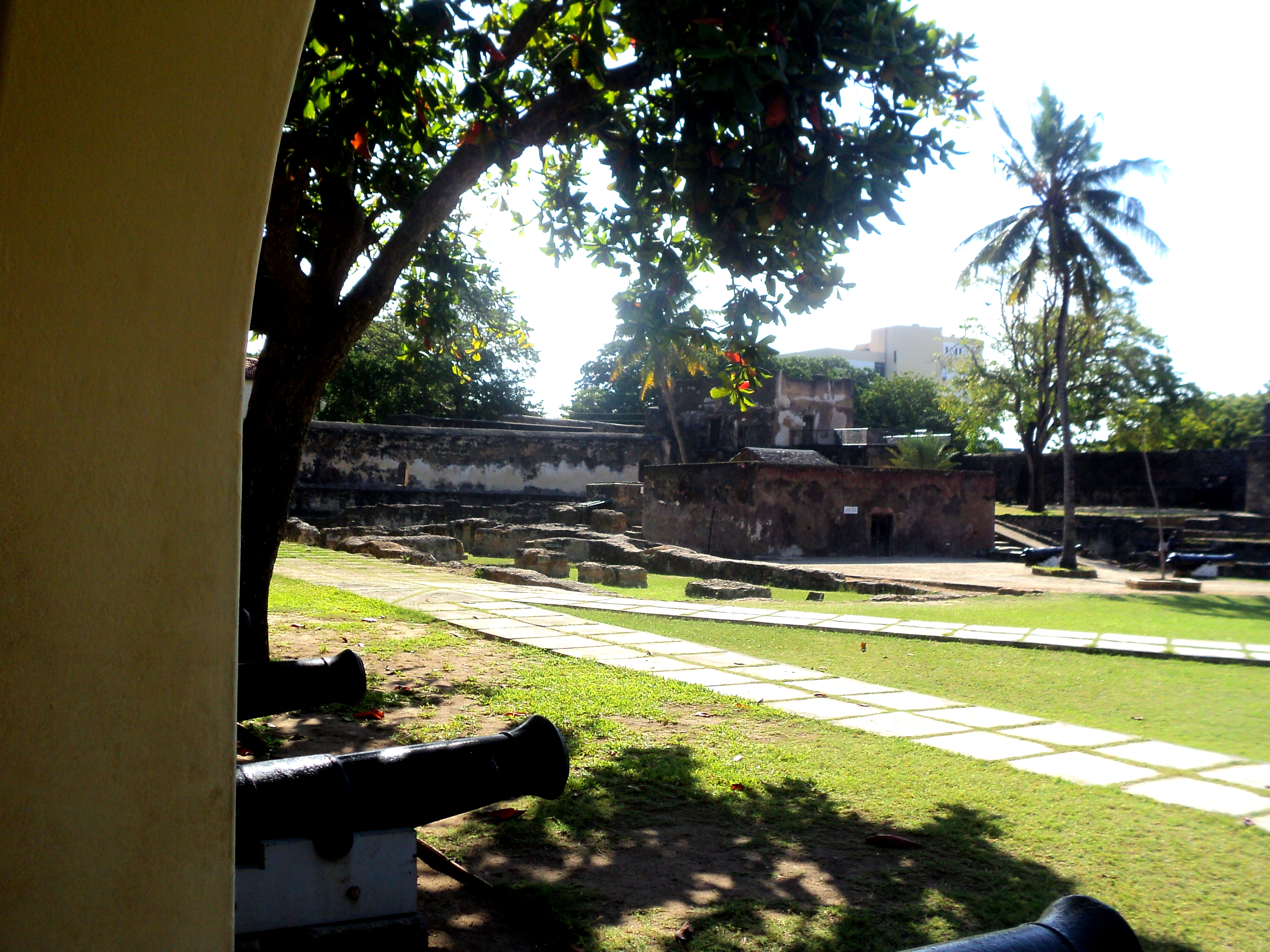
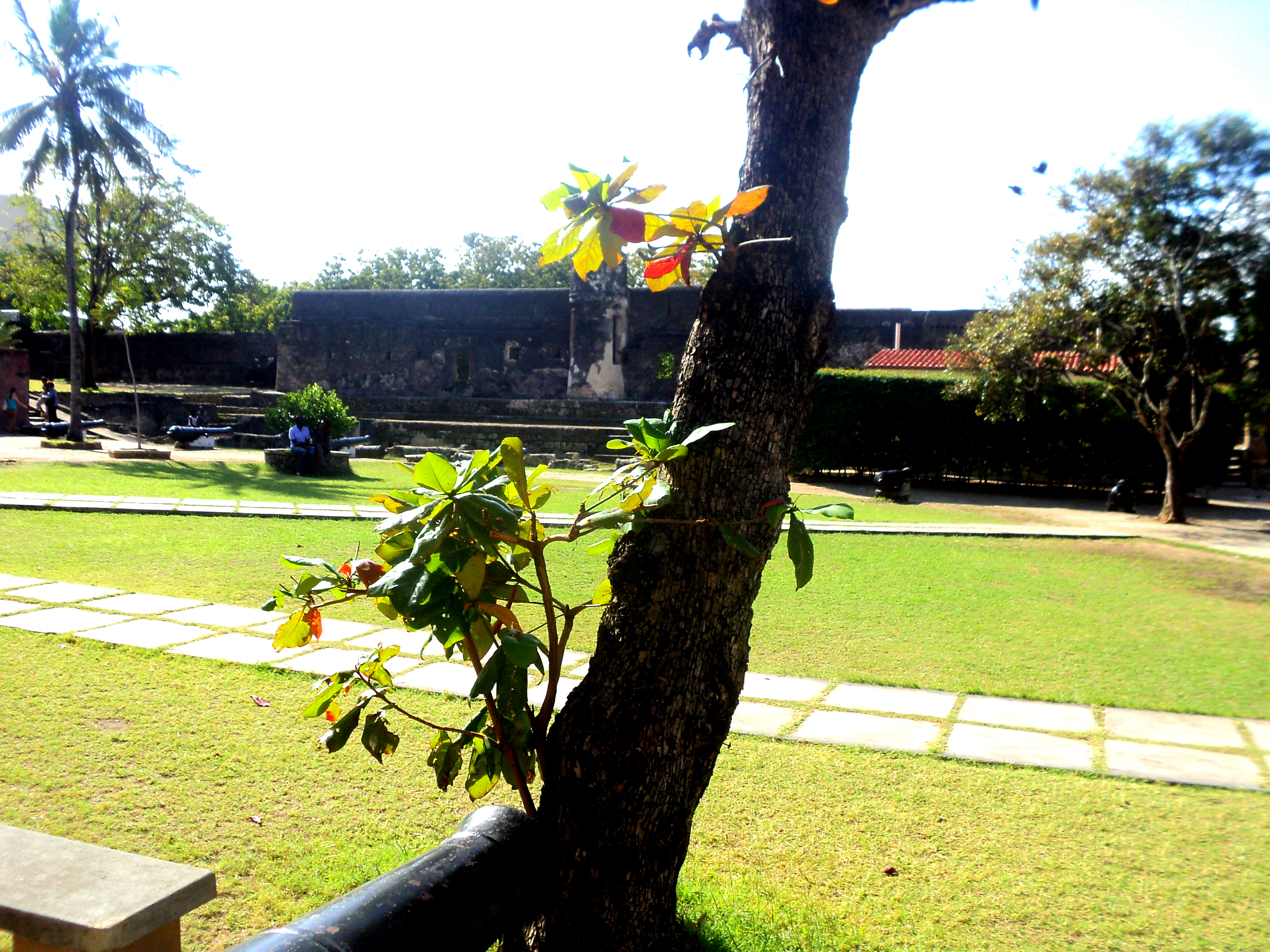
Today, visitors get to explore the gun turrets, battlements and houses within the walls of Fort Jesus. The national monument combines Portuguese, Arab and British elements, representing the major powers that held it at different times in history. The presence of the Portuguese and British is felt through their respective cannons; The Portuguese cannons had a range of 200 meters and are longer than the British cannons which had a range of 300 meters. The Omani Arabs on the other hand, left their mark throughout the fort with numerous Koran inscriptions showcased on the wooden door posts and ceiling beams whereas a former meeting hall supported by 5 stone pillars to the ceiling portrays their Muslim tradition of 5 pillars.

???????????????????????????????

Mombasa Fort Jesus2

Those interested in learning more about the struggles that the fortress has housed over the years will be delighted by the spectacular sound and light shows hosted by the fort 3 nights in a week. On the night of the show, visitors are welcomed into the Fort by guards in flowing robes brandishing flaming torches. They are then led to a specially designed and choreographed show that uses lights, sound effects and costumed actors to bring to life the long and turbulent history of the Fort. After the show, the visitors are treated to a candlelit dinner in the open courtyard of the Fort, under the stars. The sound and light show can also be combined with a sunset dhow cruise on the Mombasa harbor.


Vasco Da Gama’s Memorabilia

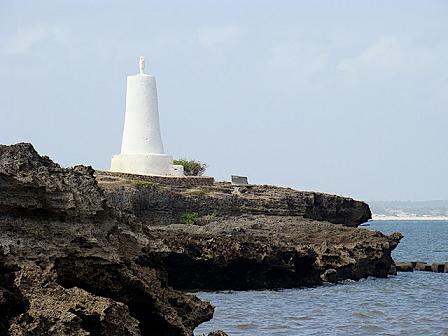
It stands on the Northern end of Casuarina Beach atop rocks that provide stunning views along the coast; an architectural memorabilia affiliated with Vasco Da Gama and his exploring adventures. One of Malindi’s top attractions, the Vasco Da Gama pillar came into existence in 1498 built as a sign of appreciation for the hospitality of the then sultan of Malindi, and still stands today as one of the oldest remaining monuments in Africa. Its erection was met with resistance from the muslim community and as a matter of fact what many do not know is that the Portuguese explorer had not only built one pillar but two. The first pillar had been erected near the sultana’s palace however due to christian-muslim animosity then, the pillar was demolished sighting that the cross surmounting it was seen as encouraging Christianity. Vasco was later allowed to build the second pillar on the cliff where it stands today only after explaining to the sultan of its importance.

maltow01

It may come across to many as just a simple monument but this coral pillar right here might well define the essence of colonial intrusion into the country and East Africa at large, with the Portuguese being the first Europeans to explore the country. Vasco Da Gama’s arrival into Kenya was led by his endeavor into finding a sea route to India and Malindi being well placed as a sea route to and from the east coast, saw the pillar serve well as a landmark that could be sighted from a far by those approaching the harbour from the sea.

beach-safari-in-kenya-vasco-da-gama-pillar

Today the Pillar is a frequent for couples what with the cool breeze and spectacular view, it has also become a good fishing ground; practiced either leisurely or as a sport and you will definitely not fail to spot the photographers who offer instant photo services to the many visitors. Make this the site to see next time you are in Malindi!!

Vasco da Gama Pillar, Malindi, Kenya

Shackled Caves

In the words of Kenya-born singer-songwriter Roger Whittaker,

                 There’s a hole in the side of Africa, where the walls will speak if you only listen

                           walls that tell a tale so sad, that the tears on the cheeks of Africa glisten,

                                  stand and hear a million slaves, tell you how they walked so far

                                          that many died in misery, while the rest sold in Zanzibar

                                                                     Shimoni, Oh shimoni,

               you have to find the answer and the answer has been written down in shimoni.

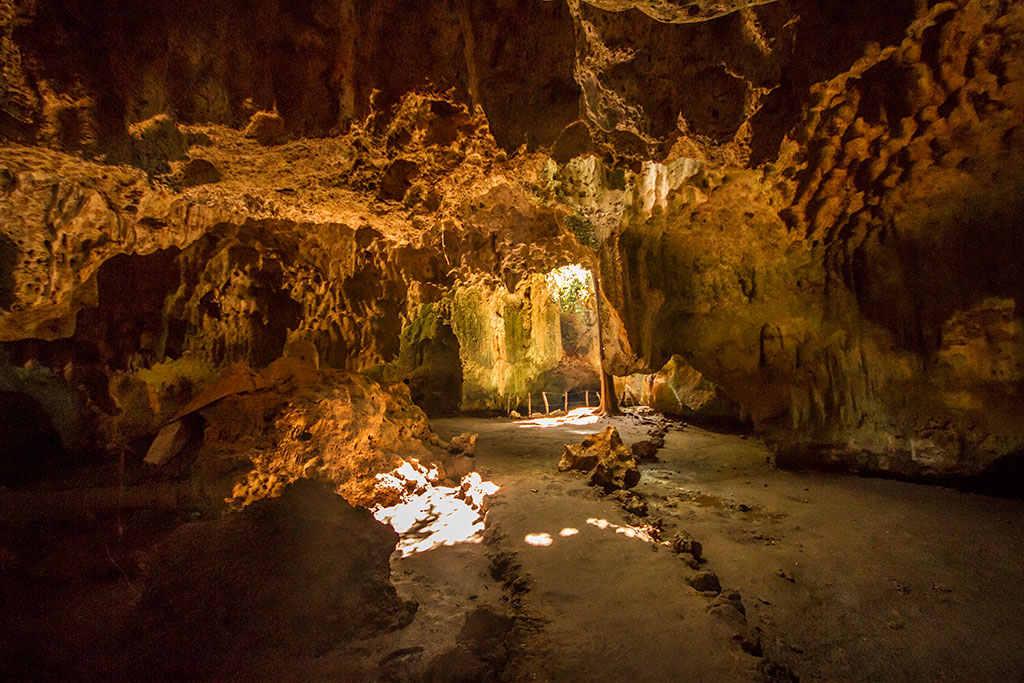
Shimoni (swahili for the ‘place of the cave’) harbors a history of brutality and enslavement. South of Mombasa Island, Shimoni caves sit in a small peaceful village categorized among the poorest in the south coast as it is home to poor and disabled villagers. Years back during the colonial era, the village was the original headquarters of Imperial East Africa Company and right opposite the caves’ entrance sits a memorabilia of the time; remains of the old headquarters building which later became the Districts Commissioner’s house. Now, the village remains a humble home for a few local traders and fishermen with countable shops. One can access this historical site easily as it is only a two-hour drive from Mombasa, 15km off the main Mombasa – Lungalunga road.

220px-Colonial_Residence First senior staff residence headquarters built in 1885

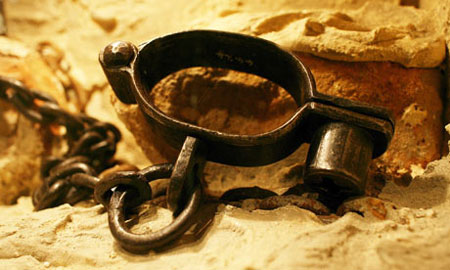
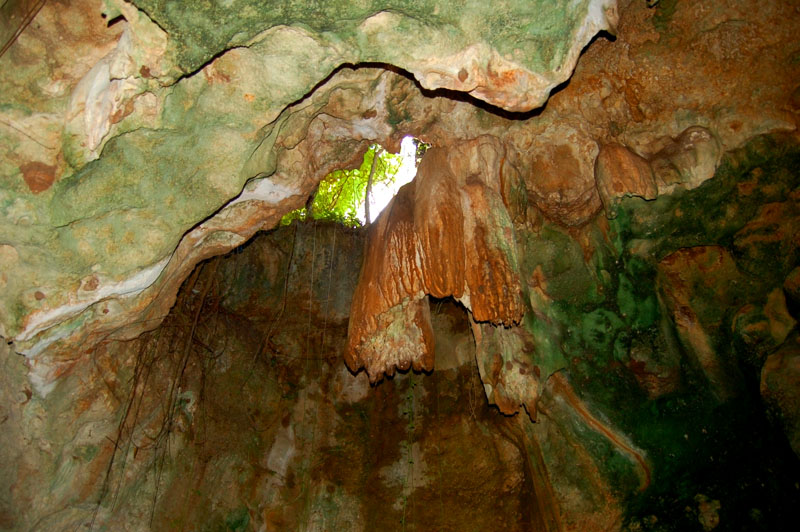
Believed to be millions of years old, Shimoni Caves house gory stories of inhumane conditions that captives experienced in the hands of their masters, and metallic studs stuck to the cave walls with chains dangling till date as well as preserved wooden crates used to transport slaves remain as a stark reminder. Previously used as Kaya shrines (Red scarves tied on coral polyps and bottles lying on the ground which were mainly used to keep herbs serve as evidence), Arab traders used the caves as a holding pen for slaves awaiting ships for transfer to Zanzibar en-route to Arabia, Yemen and America. The slaves were captured from the Hinterland.

071008172215_slave_chain

IMG_6834

Shimoni-Chain-680x1024

w171001_4516_shimoni-slave-caves_simoni-slave-caves-tether-point

SR2

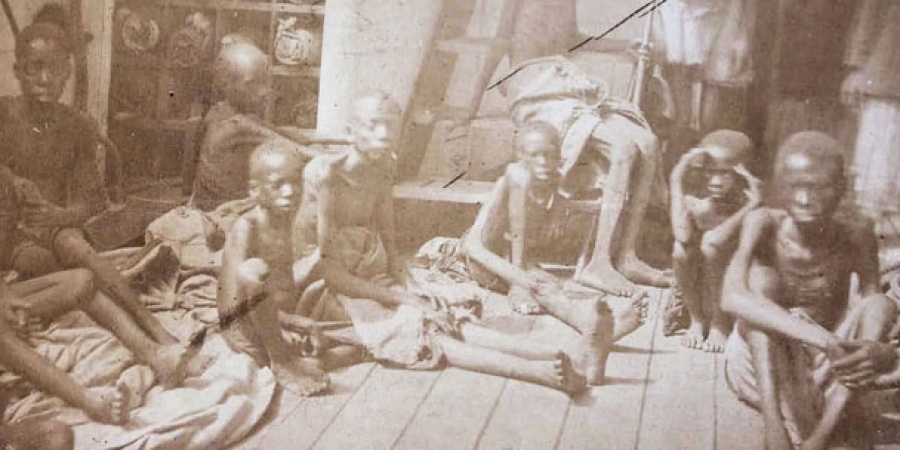
The Arab caravans were brutal, often burning and ransacking villages as well as highly mistreating their captives. According to Dr. Livingstone, for every five slaves in a caravan, only one reached the coast alive; thousands died along the way with their bodies left by the roadside for wild animals to devour. Moreover, for every slave that got captured, ten others were killed; goes to show just how gruesome an experience this was. In case of a disease break out, sick slaves would be thrown overboard while others would be left on board awaiting their fate; death. At the time, the British colonialists were against the trade and whenever they would be in pursuit of the traders, the poor shackled up slaves would without a thought be thrown into the shark-infested sea. Same case scenario when faced with  rough conditions at the sea. The ride to the land of their masters was not only torturous but also not cozy…the small dhows used for transport would be cramped up with a total of up to 1000 captives. The poor souls could hardly sit, squat or kneel down one can’t help but imagine the state of their bodies upon arrival.

25 Feb 05 Shimoni Slave Caves 1_JPG

IMG_6832

Shimoni_caves

shimoni-cave

Machakos, Kitui,  and Mariakani are among the various caravan routes with the Main towns being Mtito Andei, Kibwezi, Vanga, Takaungu amongst others. The Akamba (one of Kenya’s tribe) people are among the Kenyans who served as middlemen at the time of the slave trade and are inhabitants of most of these towns. They had to trek long distances into the interior to capture slaves.

0d422469a7bfe49699e19d8d898530d7_XL

Freed slaves on a British boat in 1868

Today, Shimoni Caves are an attraction for individuals interested in the history of East African slave trade as well as those curious as to what evidence the caves of torture hold.  They are also very dark and the only inhabitants that remain are bats.

IMG_6844