Kenyan iconic Hall of Famers

Kenya is today viewed as a great tourist destination with a beautifully warm climate, coastline on the Indian Ocean and Savanna grasslands. It is also home to and has been associated with many great men and women who have had greater successes over time. If Kenya had a Hollywood Boulevard then these names would definitely have their own golden star. Here we reveal a few Kenyan Hall of Famers.

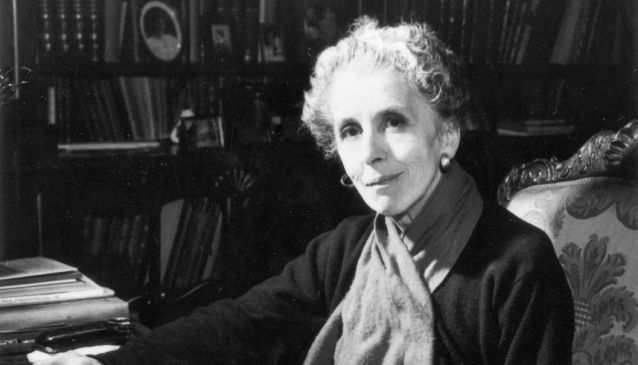
1. Karen Blixen (Author & Early Settler)   510417_638_365

Karen Blixen, pen name Isak Dinesen, is the author of ‘Out of Africa’, a memoir of her seventeen years living on her own coffee plantation in British East Africa. Published in 1937 her book was ultimately a love story, yet gave readers a unique snapshot of colonial life in the 1940’s. Blixen also gave insight to the different tribes of Kenya, gently portraying the characters in her book as individuals and free of the racial stereotypes that plagued Western literature at the time. An area in Nairobi has been named after her and visitors can see the farmhouse where she lived, with many original items still intact.

Image credit: http://www.laescueladelosdomingos.com


2. Richard Leakey (Palaeontologist, Politician & Conservationist)

leak2source: afflictor

Born in Kenya to British parents, Richard Leakey and his family were all famous for their findings relating to early man. Richard Leaky continued the family traditional of palaeontology in East Africa, making many important discoveries of his own, which has helped better our understanding of human evolution. Leaky was appointed head of the Kenyan Wildlife Service in 1989.

In that same year, together with President Arap Moi, he made a dramatic anti poaching statement by burning a stockpile of ivory. Leaky soon became a well-known activist and politician, which made him many friends as well as enemies. His passionate views on wildlife conflict may have been the cause of his plane crashing in 1993. He lost both his legs, and although sabotage was suspected, it was never proved. After entering politics for a short time Leakey has continued to this day to promote animal conservation.

Image credit: http://www.greenwichlibrary.org


3. Jomo Kenyatta (Freedom fighter and Kenya’s first President)

510406_638_365

Kenyatta might not have a Hollywood star but he does have his face on Kenyan currency. He was the first President of the Republic of Kenya when it was declared independent from British rule in December 1964. Prior to this he was the face of the freedom fight for many years and is now widely considered by Kenyan people as the founding father of the nation. His face is synonymous with a free and independent country.

Image Credit: Albert Kenyani


4. Joy Adamson (Author, painter & conservationist)

510415_638_365

Joy Adamson was the author of novel and award winning film Born Free. Joy, together with her husband George, became adoptive parents to a very endearing lion cub, who they named Elsa. Rescued after her mother was killed, Elsa soon became a household name due to the glamorous portrayal of their life in the Kenyan bush. Together with a host of other cute adopted wildlife, Elsa was cared for in the Adamson’s home in Naivasha before being released back to the wild.

The Adamson’s were devoted to conservation and helped to revive Kenya as a world-class safari destination. Joy was also an accomplished artist, documenting much of Kenya’s plant life and traditional tribal costumes through her beautiful paintings. Some of her paintings and prints can be found at the National Museum of Kenya or Elsamere in Naivasha.

Image Credit: Suneet’s


5. Daniel Arap Moi (Kenya’s Second President)

Daniel Toroitich arap Moi is a Kenyan politician and former President of Kenya (1978 to 2002). He succeeded Kenyatta as President upon the latter’s death. Daniel arap Moi is popularly known to Kenyans as “Nyayo”, a Swahili word for “footsteps”, as he was said to be following the footsteps of the first.
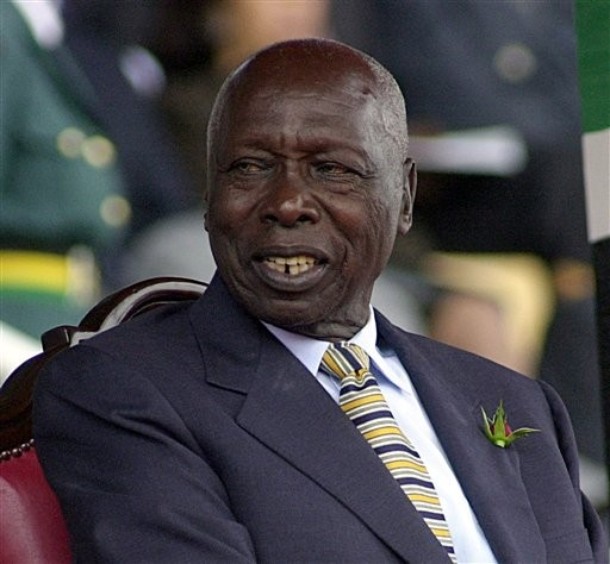
Former President Moi

6. Wangari Maathai (Nobel Prize winner for her work with the environment)

510414_638_365

Maathai was a woman of many talents, a human rights political activist, a conservationist and environmentalist among other things. In 2004 she was the first African woman to receive the Nobel Peace Prize. In doing so she set a precedent for other women in a country where they were often subdued under a patriarchal system.

Wangari also founded the Green Belt Movement for grassroots conservation of Kenyan wildlife and landscape. To complete her impressive CV, in 2006 she met President Barack Obama, whose father was educated on the same program that allowed Maathai to study in America during her youth.

7. David Sheldrick (Inspiration behind the Elephant Orphanage in Nairobi)

daphne-shedrick01

Image Credit: Courtesy Photo, source WWD

At the tender age of 28, David Sheldrick had already taken on the role of game-keeper at Kenya’s largest National Park, Tsavo. In this role, he confronted poachers on a daily basis and began to form close protective relationships with the elephants. Later, with the help of his wife Daphne, they studied the elephants and collected data on their feeding and behaviour. They even hand-reared some particularly vulnerable calves.

After David’s death in 1977, Daphne founded the Elephant Orphanage in Nairobi to carry on his good work. The orphanage is still a very popular tourist attraction in Kenya as it has featured on international television many times, giving the David Sheldrick Elephant Orphanage a global reputation for their conservation efforts.


8. Iain Douglas Hamilton Zoologist & founder of ‘Save the Elephants’ & TV presenter

510411_638_365

Iain Douglas Hamilton is a world-renowned zoologist, who’s focus over the past four decades has concentrated primarily on the lives and behaviour of elephant groups in Kenya. Ian looked closely at elephant choices and for this he closely studied their migration patterns. In 1993 he started the organisation ‘Save the Elephants’ which has given him even greater fame around the world. His daughter, Saba Douglas Hamilton, is also a well-known face, appearing in many BBC wildlife documentaries. Growing up with her father in Kenya, Saba became very familiar with the animals on her doorstep and is also committed to protecting them.


9. Alan Root Photographer, filmmaker and conservationist

510410_638_365

Alan Root is a filmmaker and conservationist who has led a wonderfully exciting career in wildlife conservation and documentary production. Alan initially became famous along with his wife, Joan, for producing a documentary called ‘Two in the Bush’. The movie depicted the couple living close to nature and had some amazing footage of their adventures and connection to wildlife.

Alan moved to Kenya as a boy and his passion for animals, flora and fauna of Kenya led to him working for publications such as National Geographic and the BBC. His films were nominated for an Oscar. In his biography, Ivory, Apes and Peacocks, this gripping read gives a thrilling account of his adventures as an intrepid explorer and conservationist.

10. Ngugi Wa Thiongo  (Author)

ngugi_wa_thiongo_Daniel_A_Anderson_press

Image credit; Karisan Media

Ngugi is Kenya’s most celebrated author and playwright, he published his first novel, Weep Not, Child in 1964. He later left Kenya on exile in the 70s as a result of his outspokenness and harsh criticisms of the government of the day using plays and novels as his outlets. In 2006 he published his first novel in two decades, Wizard of the Crow which tells the story of an imaginary African state governed by its despotic ruler. Ngugi is currently based in the UK where he serves as a Professor of Comparative Literature at the University of Irvine. He has become popular in Africa as a result of his literary works that are read all over the world more so in African Universities.

Sources: My Destination, Mwakilishi

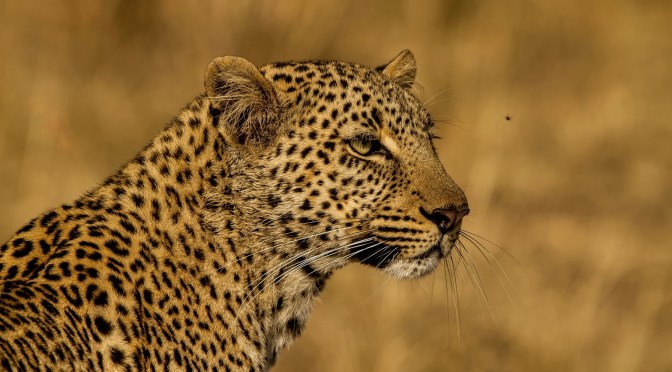
Tribute to Leopard Queen of Talek, Olive.

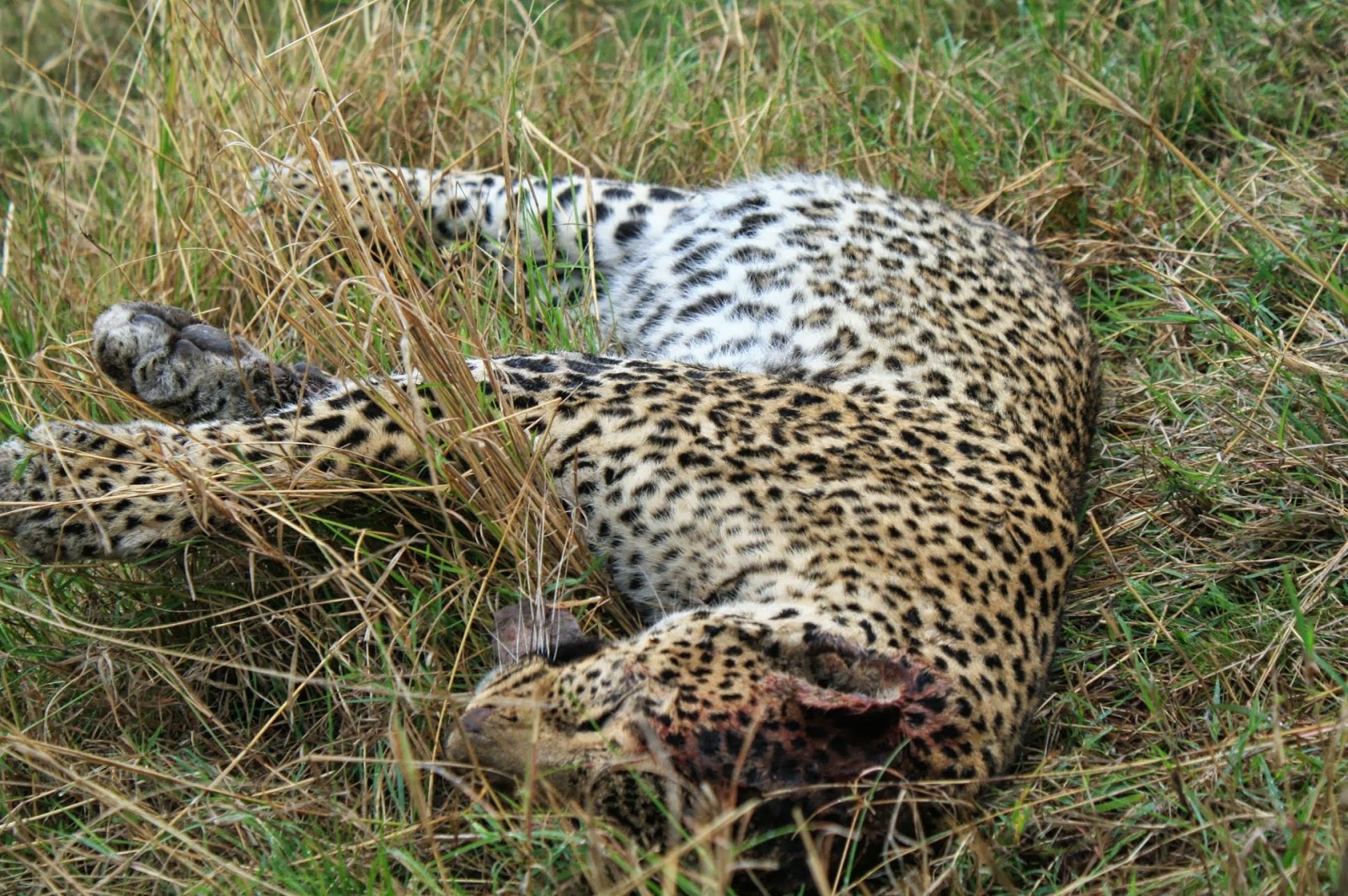
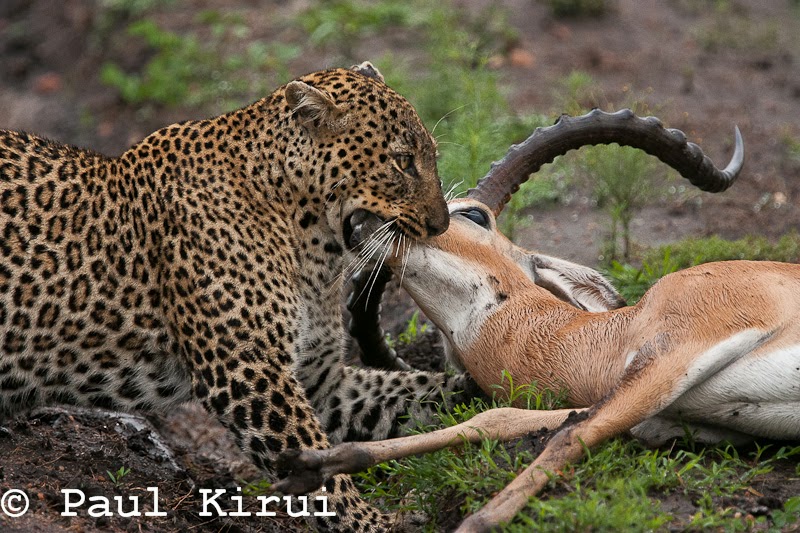
25th of September was a sad day in the Mara, one of the Talek leopards was no more. Known for her appearances in BBC’s Big Cat Diary, Leopard queen Olive is believed to have died from what are suspected to be lion bite marks and there seemed to have been a struggle before her death. The famous Mara leopard was born to Bella, another Big Cat star who already passed on and named after a certain Olive tree (Olea africana) which was her favorite resting spot. Olive is survived by seven offspring, who will carry her legacy. These are, in the order of birth; Binti & Ayah, Kali, Paja & Nkaiyoni, Bahati and Saba. She was expecting cub number eight upon her death.
image 3Olive found dead with sustained injuries at the back of the neck and tail
Olive
Photo credit: Paul Kirui
For an in-depth look into Olive’s life, paul tells the story of a leopard he knew and admired so much, Leopard queen of Talek River .
_KP_3119Rhino Ridge male and Olive courting, Photo Credit: Paul Kirui
  _KP_6244Olive strolls across the open savanna one morning near Olkiombo airstrip
_MG_0309
_MG_0854
091006-133231-_R8K1272Olive and cub, Photo Credit: Paul Kirui
SONY DSC
Olive & Male
The leopard queen of the Talek river will surely be missed by many of her admirers around the world.
  March 2000 – September 2013


Feel Good Friday

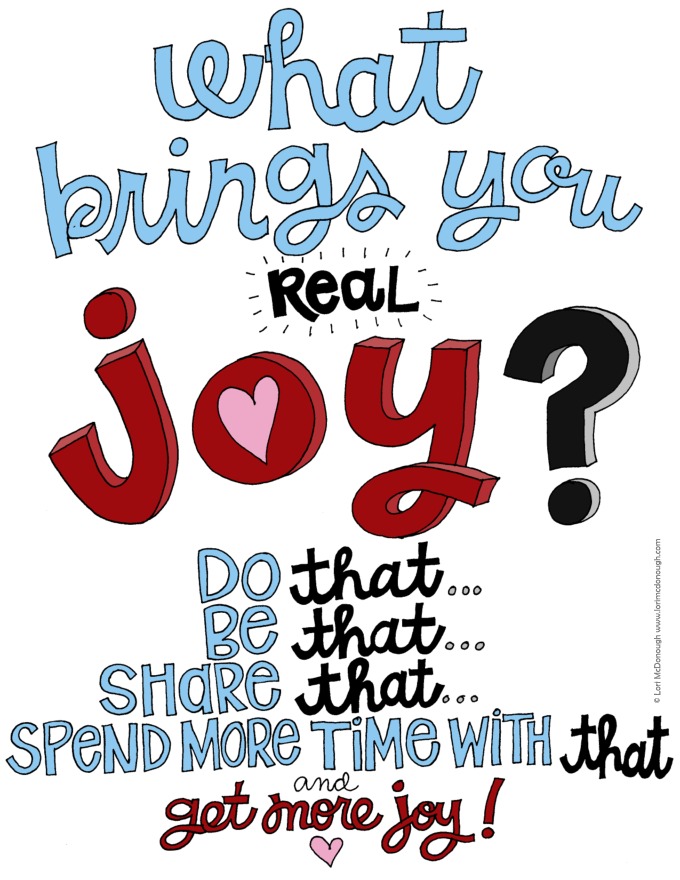
A beautiful day begins with a beautiful mindset. When you wake up, take a second think about what a privilege it is to simply be alive and healthy. The moment you start acting like life is a blessing, I assure you that it will start to feel like one. Time spent living is time worth appreciating…. enjoy your Friday lovely people. Feel good Friday!!!

4303019745_5b3c65cf12_of253155deeb8e8d649c0be492c8cd001

Kenyans unite to assist Westgate Mall Attack victims

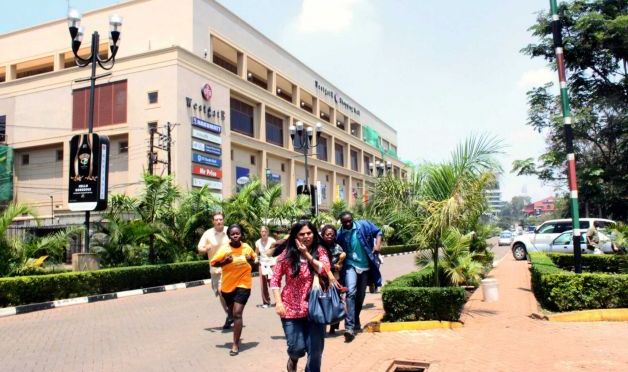
Following the Westgate Mall attack yesterday, Kenyans have turned up in large numbers to donate blood for victims. Various designated blood donation centers in the country include Kencom and Moi sports centre Kasarani (where the Safaricom7s is underway) in Nairobi, Koblenz hall, Agha Khan Hospital and Pandya Hospital in Mombasa, Agha Khan Hospital in Kisumu, Moi teaching & referral hospital in Eldoret amongst others. Many other Kenyans have as well donated foodstuffs for the victims, even prepared breakfast meals for the security officers, press and all others who had camped at the site of the attack throughout the night.

1240023_596222103770434_1694828914_n BUwi0rVCEAAb6F2Photo Credit: Kenya red cross society

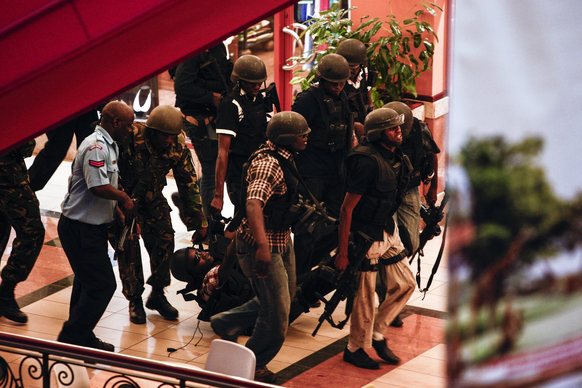
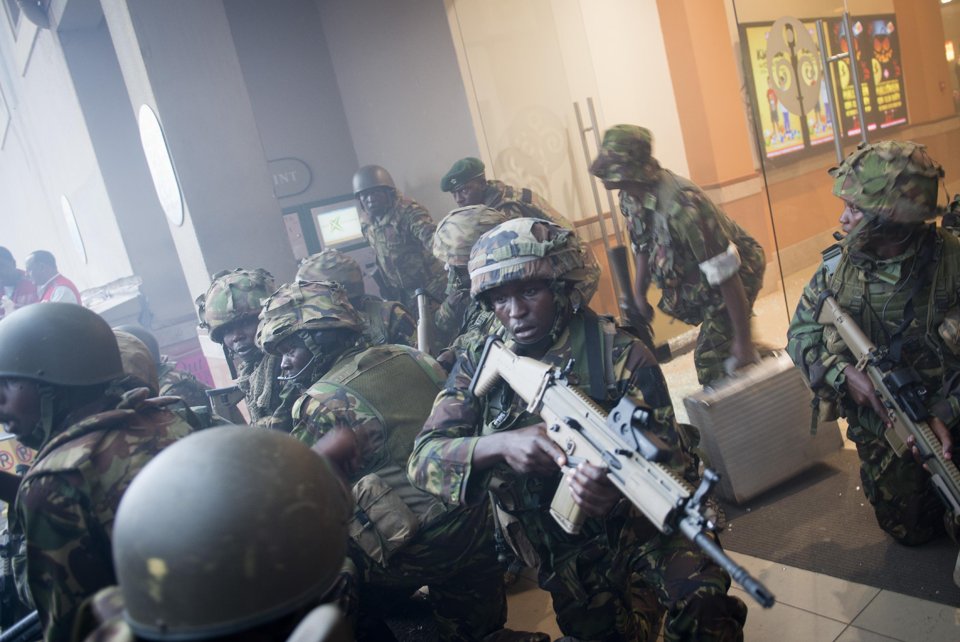
The death toll has sadly risen to 59 people with 175 people wounded, as per Interior Cabinet Secretary Joseph Ole Lenku’s latest statement. The Cabinet Secretary states that the siege at the mall continues, but the security forces are in a “delicate” rescue mission that has seen over 1,000 people rescued from the mall since the Saturday morning attack.

The unity and goodwill showcased by Kenyans at large has been extremely encouraging and it indeed goes to show that we are one irregardless of color, race, tribe and even religion. Condolences to all who have lost loved ones as we continue to pray for you and those still held hostage and those in hospitals.

04db959ab2430e0f3103feff0aec775bpeace in kenya photos

Some of the images captured following the attack yesterday…

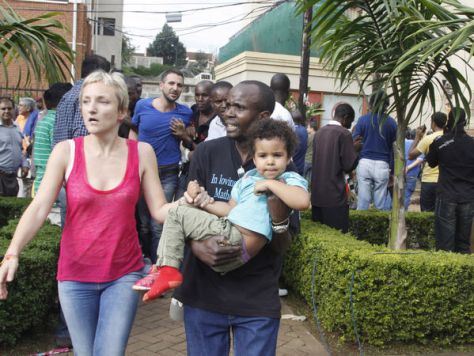
article-2427892-1823F70700000578-332_964x696Women carrying children run for safety as armed police hunt gunmen who went on a shooting spree in Westgate shopping centre

Photo Credit: Reuters

article-2427892-18240A6100000578-448_964x644A child runs to safety across the shopping mall  Photo Credit: Reuters

article-2427892-1824B23800000578-239_964x641A mother and her children lie on the floor as they attempt to hide while the gunmen armed with automatic weapons go on the rampage Photo Credit: Reuters

Death toll hits 30 after Nairobi shopping mall attack

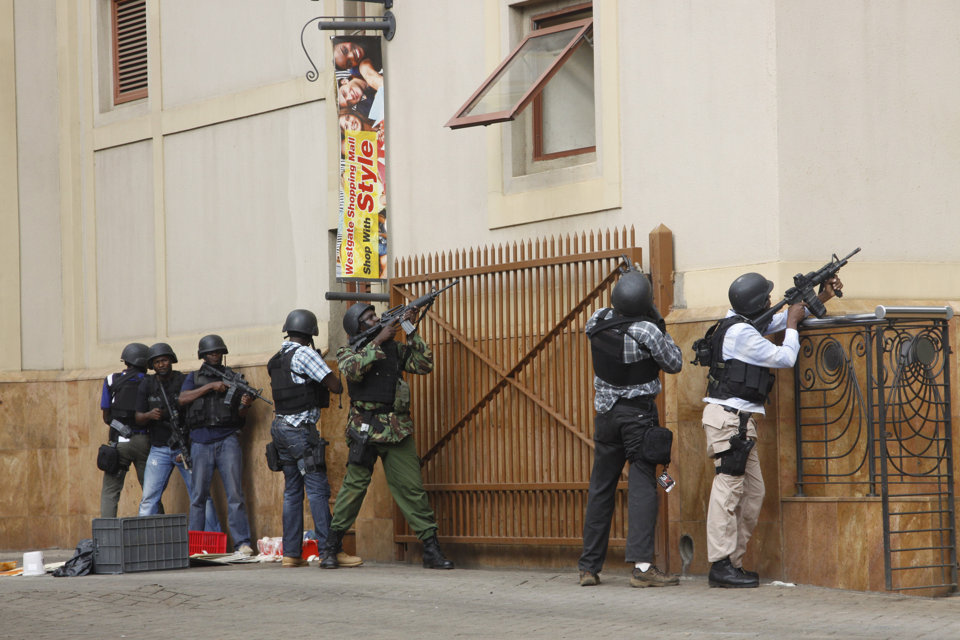
65dba52ee0b6071f3e0f6a7067000b41Armed special forces aim their weapons at the Westgate Mall in Nairobi, Kenya Saturday, Sept. 21, 2013, after gunmen threw grenades and opened fire during an attack that left multiple dead and dozens wounded. Photo Credit: Khalil Senosi

628x471

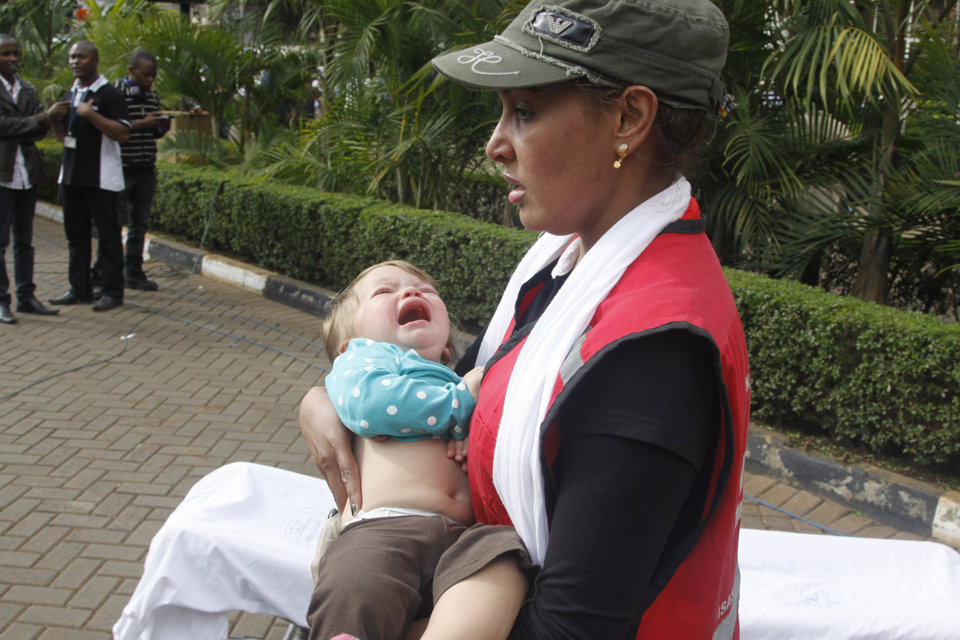
A rescue worker helps a child outside the Westgate Mall,  Photo credit: Riccardo Gangale

3226ce90e1410a1f3e0f6a706700aea8

Photo Credit: Jonathan Kalan

5296b911e0ea081f3e0f6a7067001347

An armed police officer takes cover during a bout of gunfire outside the Westgate Mall. Photo Credit: Ben Curtis

5495c905e0b4071f3e0f6a706700dfc2

A Red Cross assistant helps a child outside the Westgate Mall. Photo Credit: Khalil Senosi

-6110dc982e44dc72

American-Citizens-Injured-in-the-Attack-in-Nairobis-Westgate-Mall-Copy-e1379792072774
3640879947
515634-kenya-mall-attack

President Kenyatta’s statement on terror attack

UHURU KENYATTA

This morning, a group of armed terrorists forcefully entered the Westgate Mall in Nairobi’s Parklands area and unleashed senseless violence upon customers and workers. They have killed at least 39 innocent people and injured more than 150 others.

With the entire nation, I stand with the families of those who have lost their lives and extend every Kenyan’s deepest condolences. I ask God to give all of you comfort as you confront this tragedy. My Government will provide the support you will need in the days to come.

To those who were injured, I wish you a quick recovery from the physical and other shocks you underwent today. The Government will be at hand to ensure that your lives return to normal as quickly as possible.

The people of Kenya have been wonderful, as always. With your support we safely evacuated hundreds of people from the Mall. I salute your conscientious and selfless acts of solidarity in response to the terrorist attack. Your courage and sympathy saved lives and reassured countless people.

I commend those who volunteered by giving first-aid, transporting the injured to hospital, donating blood, locating and contacting loved ones and making it easy for rescue, medical and security personnel to do their work. I appreciate those who have used media to rally help of all kinds, condole with and comfort the affected and thank all those responsible citizens who have desisted from spreading panic and despondency. Please continue helping, and continue praying.

The despicable perpetrators of this cowardly act hoped to intimidate, divide and cause despondency among Kenyans. They would like us to retreat into a closed, fearful and fractured society where trust, unity and enterprise are difficult to muster. An open and united country is a threat to evil doers everywhere. With our values of solidarity and love for our homeland, we fought proudly and bravely to secure the freedom to lead our lives as we choose. Our choice is codified in our Constitution.

We have overcome terrorist attacks before. In fact, we have fought courageously and defeated them within and outside our borders. We will defeat them again. Terrorism in and of itself, is the philosophy of cowards.

The way we lead our lives; in freedom, openness, unity and consideration for each other represents our victory over all those who wish us ill. We are as brave and invincible as the lions on our Coat of Arms.

My Government stands ready to defend the nation from internal as well as external aggression. I urge all Kenyans to stand together and see this dark moment through. Donate blood. Provide information to the authorities. Comfort and reassure the affected families. Let us ashame the Devil and his works by demonstrating our timeless values of love, compassion and solidarity.

Our security forces are conducting a multi-agency response to this attack as we speak and are in the process of neutralizing the attackers and securing the Mall. It is a very delicate operation as our top priority remains to safe guard the lives of innocent people held up in this unfortunate incident.

But let me make it clear. We shall hunt down the perpetrators wherever they run to. We shall get them. We shall punish them for this heinous crime.

I have directed security agencies to be decisive in their response to this or any other threat. They must and will do this to demonstrate our constitution’s categorical guarantee of Kenyans’ indefeasible rights to life and property.

Across the country, we have tightened security but I urge all of you to remain calm and vigilant.

God bless you. God bless Kenya.

Kenya: my mission to become the first female Masai warrior

Driven to test the tribe’s male-dominated culture Mindy Budgor went to Kenya … to become the first female Masai warrior


MindyMindy Budgor with tribesmen in Kenya during her training as a Masai warrior

It was 5.12am, deep in Kenya’s Forest of the Lost Child. Seven Masai warriors, standing with spears high in the sky and ready to kill, were huddled around me. I was nudged by one of the taut, muscular bodies, scantily covered in its tiny red tartan cotton robe, and I had to make a decision: be a warrior by joining the front line to protect my tribe from a snorting, slobbering 500kg bitch of a buffalo, or stay on the sidelines by hustling up a tree to watch from above as the true warriors went to battle.

A year before, my instincts might have said something else, but by this time I had seven weeks of warrior training under my beaded belt, and a renewed trust in my personal power. I looked the buffalo straight in the eye and with a flex of my muscles, I charged like the warrior I had trained to be, sprinting and screaming with the spear ready to strike.

The Masai are a semi-nomadic tribe living in Kenya and Tanzania. Their warriors are similar to a typical military force, but the main offenders in the bush are the lions, buffalo, elephants and hippo. While the goal of the tribe is to live in harmony with the land and the animals, the warriors will back away from nothing if the community is in harm’s way. Showing one hint of fear as a warrior is strictly prohibited.

One standard practice to prove a warrior’s strength is the circumcision, which occurs when a male is in his teens. The procedure is not a little snip snip – it is a complete skinning of the penis. One wince during this procedure could get you shunned from society. The Masai live in the wild in homes made of mud, sticks, grass, cow dung, human urine and ash, and their diet is animal blood, meat and milk. I was a 27-year-old Jewish girl from California, who had spent the past four years building a concierge service for college students. I spent four years building the business before selling it.

Masai manMasai man. Mara national park, Kenya Photograph: Angelo Cavalli

My most extreme backpacking excursion had been on a cruise ship to Alaska. I loved my manicures and pedicures, and driving around in my BMW and I believed that life wouldn’t be OK without a just-out-of-the-oven croissant and a cup of Earl Grey tea in the morning. But I wanted to test myself. After selling my company I started applying to business schools. Once the applications were submitted, I faced a significant time gap. I sent out an email to solicit ideas. A college friend responded, raving about a trip she took with a US-based foundation that sends westerners to places, including Kenya, to help build schools and clinics. The particular trip my friend mentioned was to build a clinic in the Masai Mara game reserve in south-western Kenya. This was the type of experience I wanted, so I submitted a check and the registration for the trip the same day.

On the flight from Nairobi, I peered down at the thin, twisting valleys etched through parched, dusty-brown land dotted with fluffy green treetops. When the pilot pointed out the volunteer centre, a pinprick of a settlement in the middle of the savanna, I knew that being left alone with my thoughts and nature was exactly what I needed.

For the next two weeks, while laying bricks and making mortar with the locals, I learned about the Masai. I took morning hikes with Winston, a chief from the tribe and also our guide while volunteering. His deep, almost spiritual sense of purpose and confidence was what I wanted.

Winston explained that his tribe was at a crossroads because the Kenyan government was taking away more and more of its land and because global warming meant continual droughts that caused their cattle (their main asset) to die. There was widespread fear among the tribe that the Masai culture will no longer exist in 50 years.

Losing the integrity of a tribe because of westernisation seemed unacceptable to me, but I felt one element of modern life – women’s rights – could help the tribe continue while remaining true to its practices and beliefs.

Maasai wedding, Loita Hills, KenyaWomen at a Masai wedding. Photograph: Kristian Buus/Corbis

Masai women are extraordinarily strong: they build homes, chop trees for firewood, walk seven hours a day to fetch water. But they are not treated as equals. I knew that the warriors had the utmost respect in the tribe and that they were given greater access to education and not married off when they were 12. I believed that providing women with the right to become warriors would broaden the tribe’s perspective of their personal power, which could only help them fight to maintain their customs.

On a hike I asked Winston the question that had been gnawing at me since I met him: “How many women are warriors?”

His reply: “None. Women aren’t strong or brave enough to do it.”

His response ignited a fire within me that made me want prove him wrong. I asked him to explain what was involved in becoming a warrior. He said: “You need to be a man. You need to go through rites of passage that only a man can do. You need to live where you can only eat meat and drink blood and herb soup that makes you lose your mind. You need to get circumcised and not wince from the pain. You need to be fearless. You need to protect and entertain your community and be able to face any animal head-on. You need to be able to throw a spear and use a sword with total accuracy. And you need to be a man

I said: “Don’t Masai women want to be warriors?”

“Of course they do. Who wouldn’t want to be like us?”

“And they’ve never had a chance?”

“No.”

“But everything you just said is something a woman can do – something I can do – except for the penis part,” I said.

The Chief wasn’t entertained. “Women aren’t built emotionally or physically for the work that warriors do.” He shrugged his sculpted shoulders and turned back to the mountain. Winston’s words and that shrug made me furious! I can take no for an answer if there’s a good reason, but the idea that women couldn’t be warriors just because they weren’t men wasn’t sitting well with me. Winston and I made a deal that if I left my stilettos behind, he would take me through the traditional rites of passage to become a warrior.

I was excited about this, and tried not to spend any time thinking about the dangers. But later that day Faith, a Masai woman who worked at the volunteer centre, told me that women in her tribe had been trying to get the right to be warriors for generations, and if for some reason a white, Jewish girl had the opportunity to make a change, I should take it seriously.

I went home to California to prepare for a longer stay with the Masai, but after reviewing myself in my bedroom mirror, I wondered if my pleasantly plump figure was going to be able to climb a tree if needed. Deciding not to wait until a hippo was about to swallow me whole, I started training to get myself fit.

Two months later, I returned to Kenya with Becca, a friend from the US. Becca and I had met in Kenya on the building trip and became friends when we agreed that women should have the right to be warriors. Landing in Nairobi, we travelled back to the clinic and found Winston, the chief.

“What are you doing here?” he asked. I reminded him of our deal. Clearly, he hadn’t taken me seriously, and despite our pleading, turned us down. He said he would not have the deaths of two Americans on his head.

Becca and I were back at our hotel in Nairobi. Our project seemed roadblocked when out of the blue a friend from California introduced us to the man who would guide us through the rites of passage: Lanet Danson Lekuroun, a university-educated Masai warrior who was raised to believe that women’s voices should be heard.

“I can’t promise that you will become warriors. I also can’t tell you that my tribe will accept you. There is going to be much danger. I will do my best to help prepare you, but there is no way to predict the future in my world or yours. All we can do is try.”

Masai warriors traditional jumping In the round … Masai men form a circle and perform a traditional ‘jump’ dance.

Photograph: Adam Jones/Getty

Within hours we piled into a taxi and were on the road headed into the bush – again. As the main road ended, my teeth clenched and my hands were in tight fists as we slowly crept over rocks and tall grass. On the way, Lanet explained that a new warrior class only happens every five to seven years, but the training that he would put us through would be exactly the same as what the Masai men do.

Lanet also told us that he had chosen six other Masai men to live with us deep in the forest while we underwent training. He said the men chosen were known as community leaders and also quite progressive in their thoughts about women’s rights.

For the next two months, we lived on a 20-square-foot patch of land in the forest and slept in a communal bed made mainly of oak leaves. On many occasions, I truly believed that I was going to die.

On day one, we were almost stampeded by elephants, and I had to suffocate a goat and then drink its blood directly from the jugular. On day two, my hands were covered with bloody blisters from learning how to use a spear and a sword. And a few weeks later, I was very nearly swallowed by a hippo. It was only a pull of my belt by a fellow warrior that yanked me back.
I had a daily urge to wave the white flag, especially after 10 smelly days without a bath. But just as the flag was about to go up, Lanet would remind me that this mission was about much more than my personal goal. And this reminder allowed me to transition to Masai life. I quickly learned that by just doing and not questioning, I would have a greater chance of surviving.

Hipp yawningOpen wide … one of Mindy’s most extreme experiences was nearly being swallowed by a hippo. Photograph: Manoj Shah/Getty

Initially, the tribesmen thought that Becca and I would last less than a day. Surely the nightly calls from the hyenas or the diet of raw kidneys and goat brain soup would make us bolt back to a five-star hotel. Once several weeks passed, however, we proved that we were able to live an authentic Masai life. Most important, though, our values adapted to those of the Masai, which revolve around community, courage, selflessness and living in the moment.

After a little over four weeks of training, we moved camp to a more dangerous part of the forest. It was a regular day of spear training and trekking until we purposely went to what the Masai called a “buffalo playground” so that we could test our mental and physical strength.

Just as we arrived, we saw a baby buffalo grazing on the grass. Everyone went silent as we knew that the calf would not be far from its mother. If the mother saw us, she would try to kill us to protect her baby. I stood petrified, as the ground started to rumble. The baby buffalo trotted to the edge of the field and the sea of green parted again to reveal the meanest animal I had ever seen.

Grunting and howling, I sprinted towards the beast and released my spear. As it rocketed through the air, the other Masai released their spears, but mine landed first, in the edge of the buffalo’s right butt cheek. The buffalo died, but only because it was going to kill us. I was able to claim the kill because my spear hit the buffalo first.

That night, the elders decided that Becca and I had proved we were strong and brave enough to be warriors. They felt that the training we had gone through and our fearlessness and selflessness were at an equal level to the male warriors. One of the elders, who was a senior leader of the Rhino clan, inducted us into his clan with a short ceremony followed by a long speech over the fire, which allowed us to be officially recognised as the first female Masai warriors.

We stayed with the Masai for another month. Our first major community interaction was at a wedding, two days after we left the forest. Lanet told us hundreds of people would be at the wedding. It would be like my coming-out party. Lanet had said from the beginning that he wasn’t sure if his tribe would accept us, and we were finally going to find out their true feelings.

At the wedding we sang and danced as warriors. I felt completely at one with the tribe until an elder male approached me, screaming and waving his sword. I was paralysed with fear and just as he swung his sword again, Lanet and another warrior whisked me away. I asked what happened. Lanet told me that the man was angry that Becca and I had been recognised as warriors.
He said: “This is now up to the tribal leadership to decide if Masai females will have the right to become warriors. There will be much opposition, but there will be, and already is, much support.”

While making this change is not unanimously accepted by men and women in the tribe, the vast majority believe steps towards equality will help sustain the culture in the long term, and one of those steps is allowing women to become warriors. And I am so proud to say that there are at least 20 girls in Loita who are ready to be part of the next warrior age set.

As a result of our training and advocacy, the Masai in Loita, Kenya, are leading the charge to change tribal law and allow all Masai women the right to become warriors.

-Mindy Budgor, the guardian.

Weekend City Tour

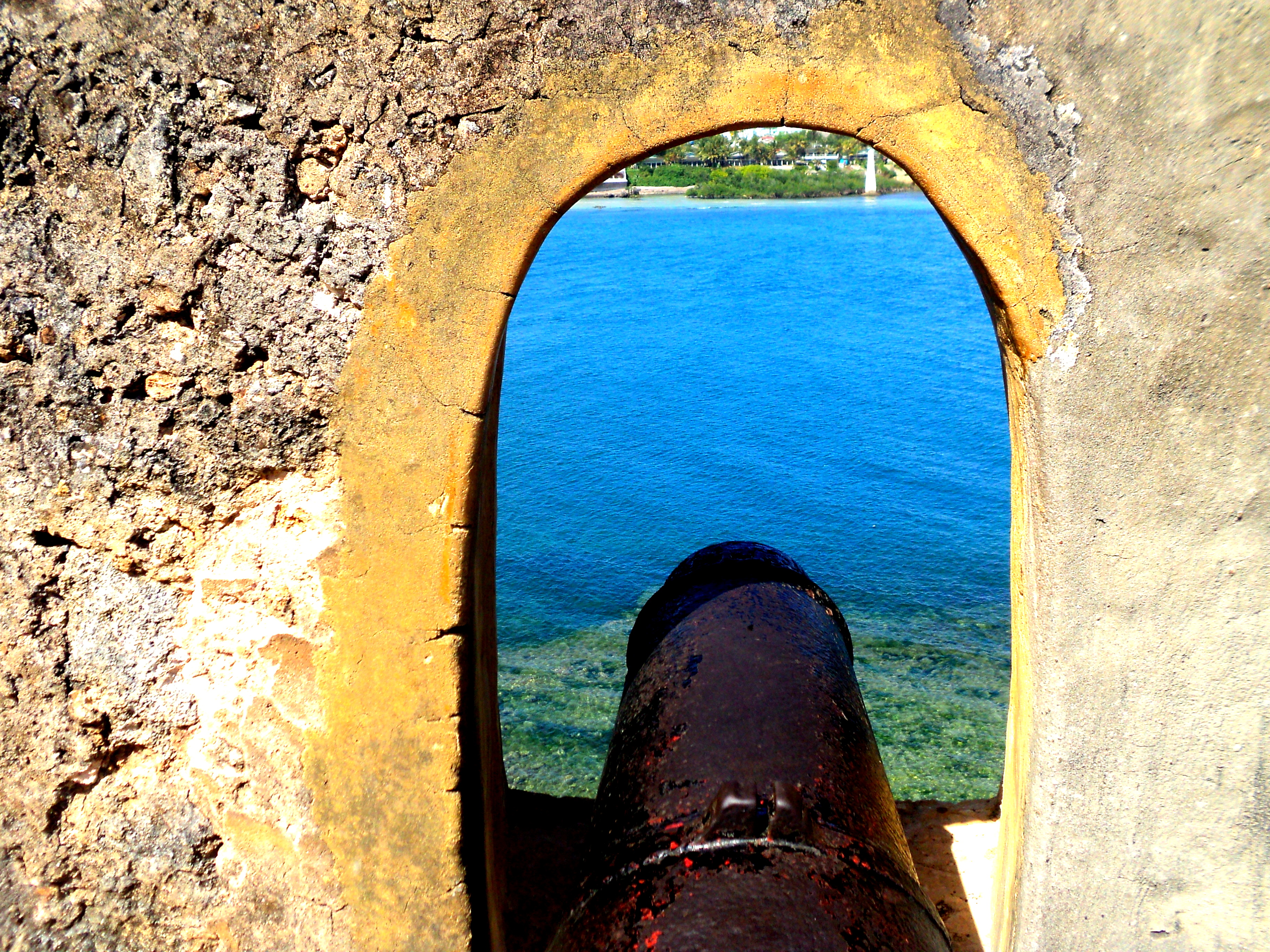
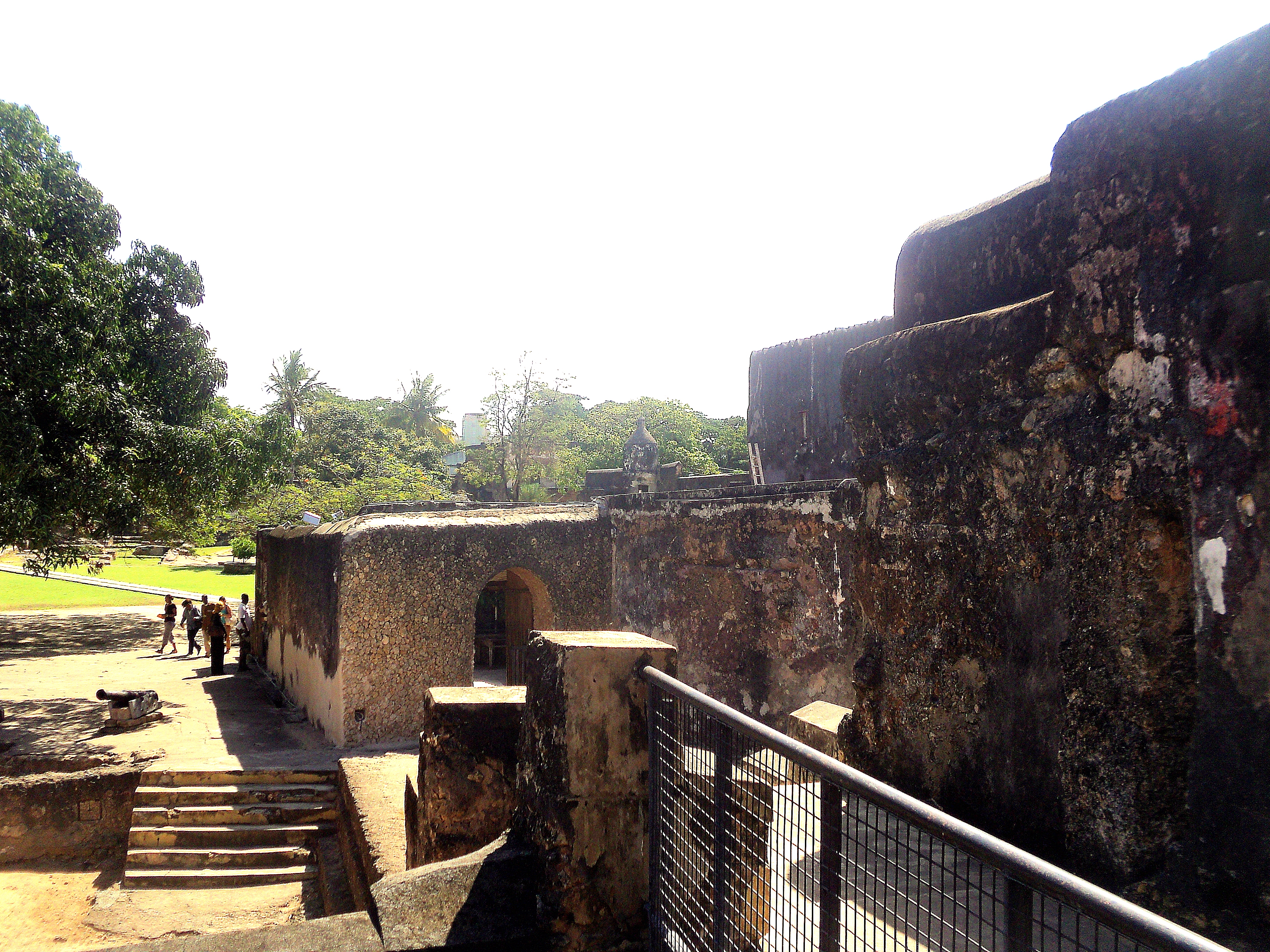
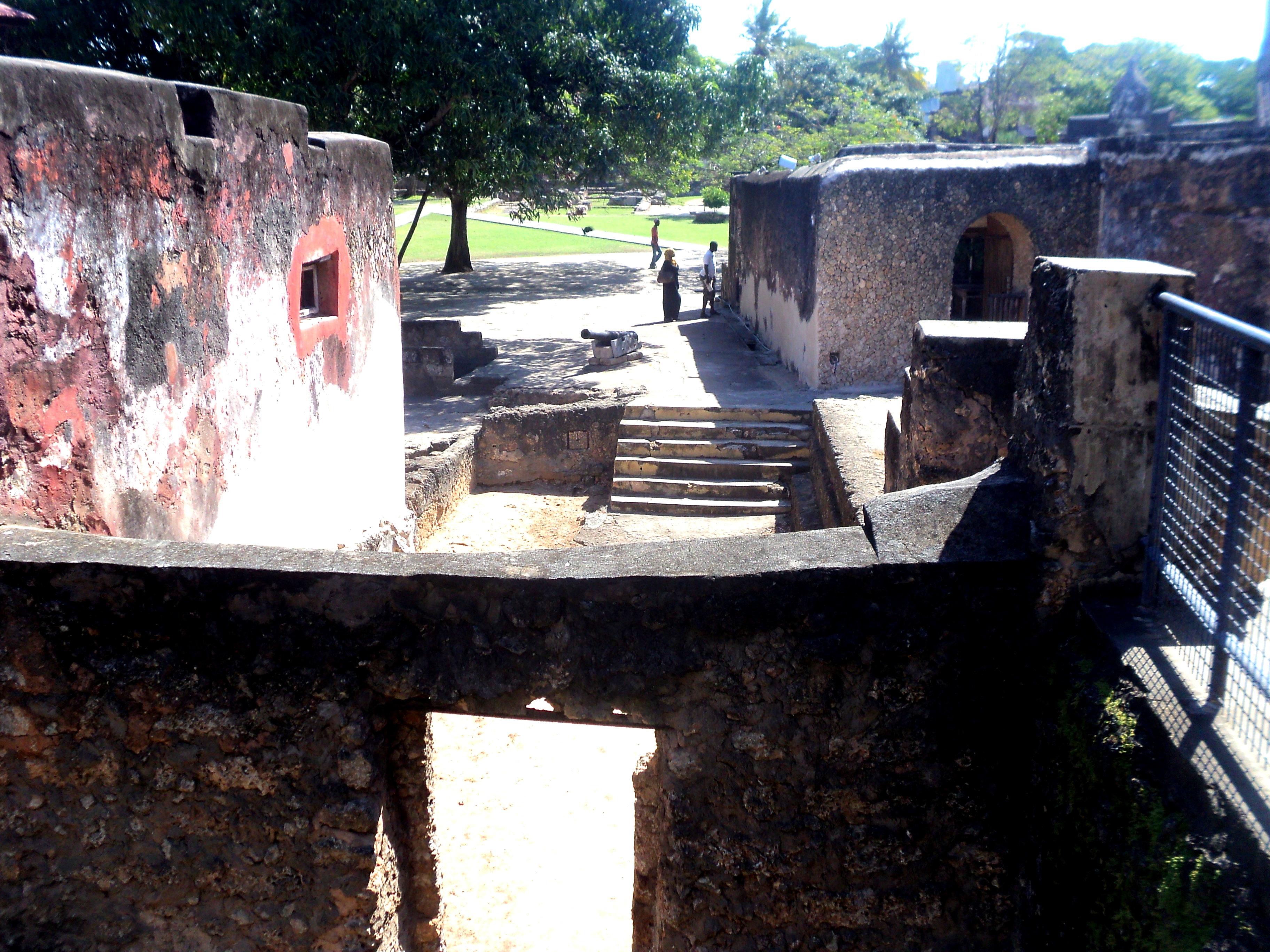
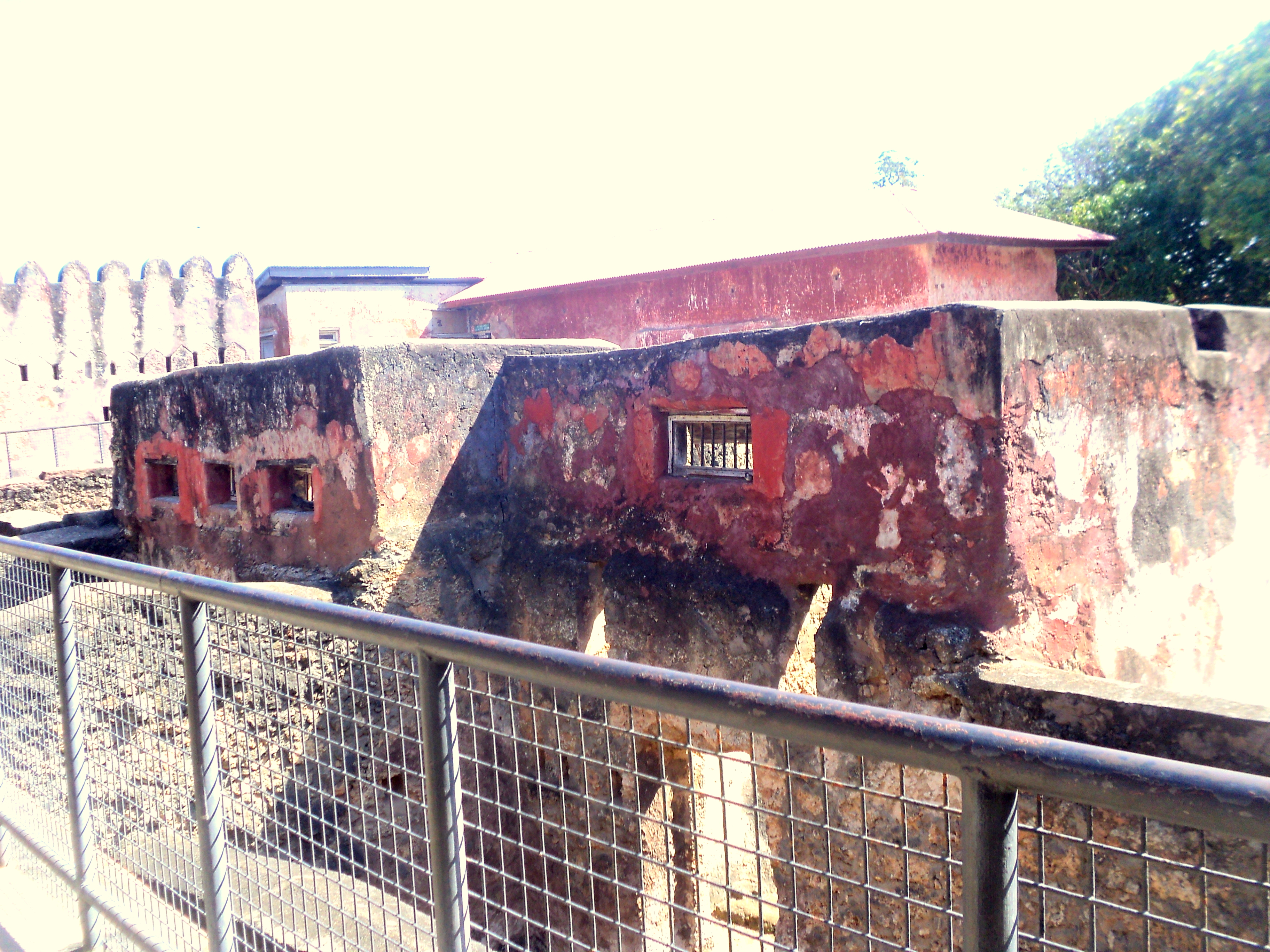
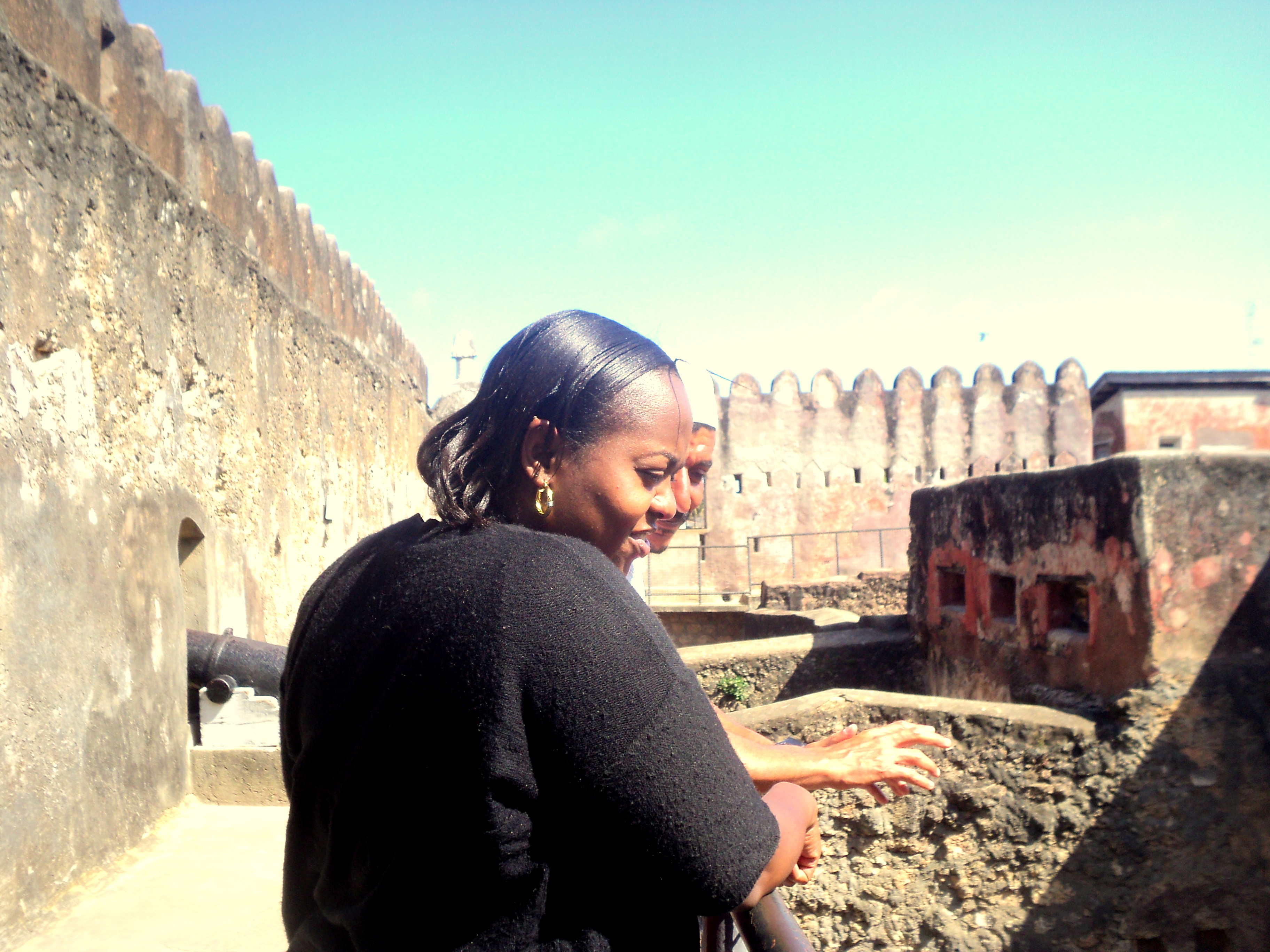
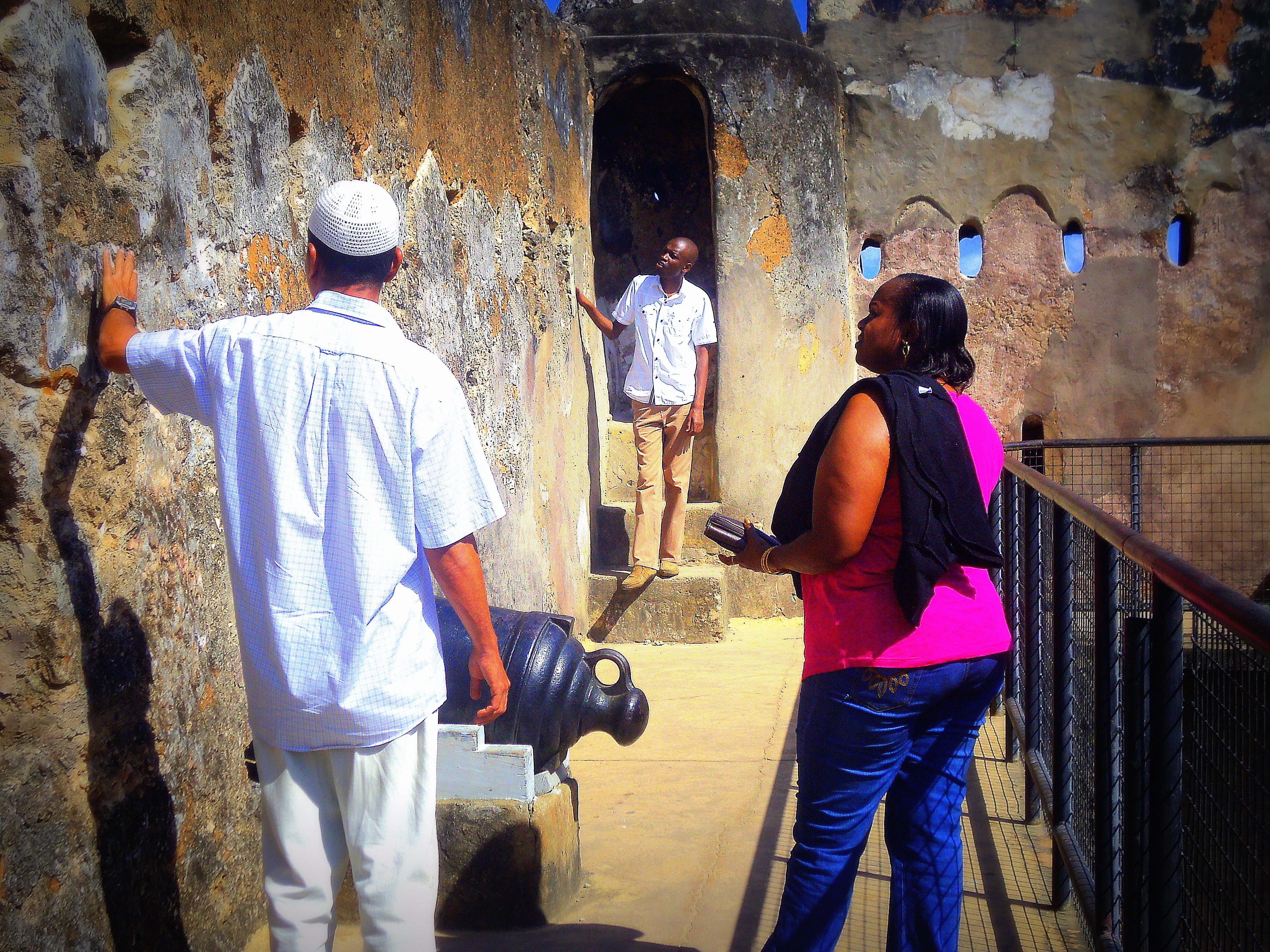
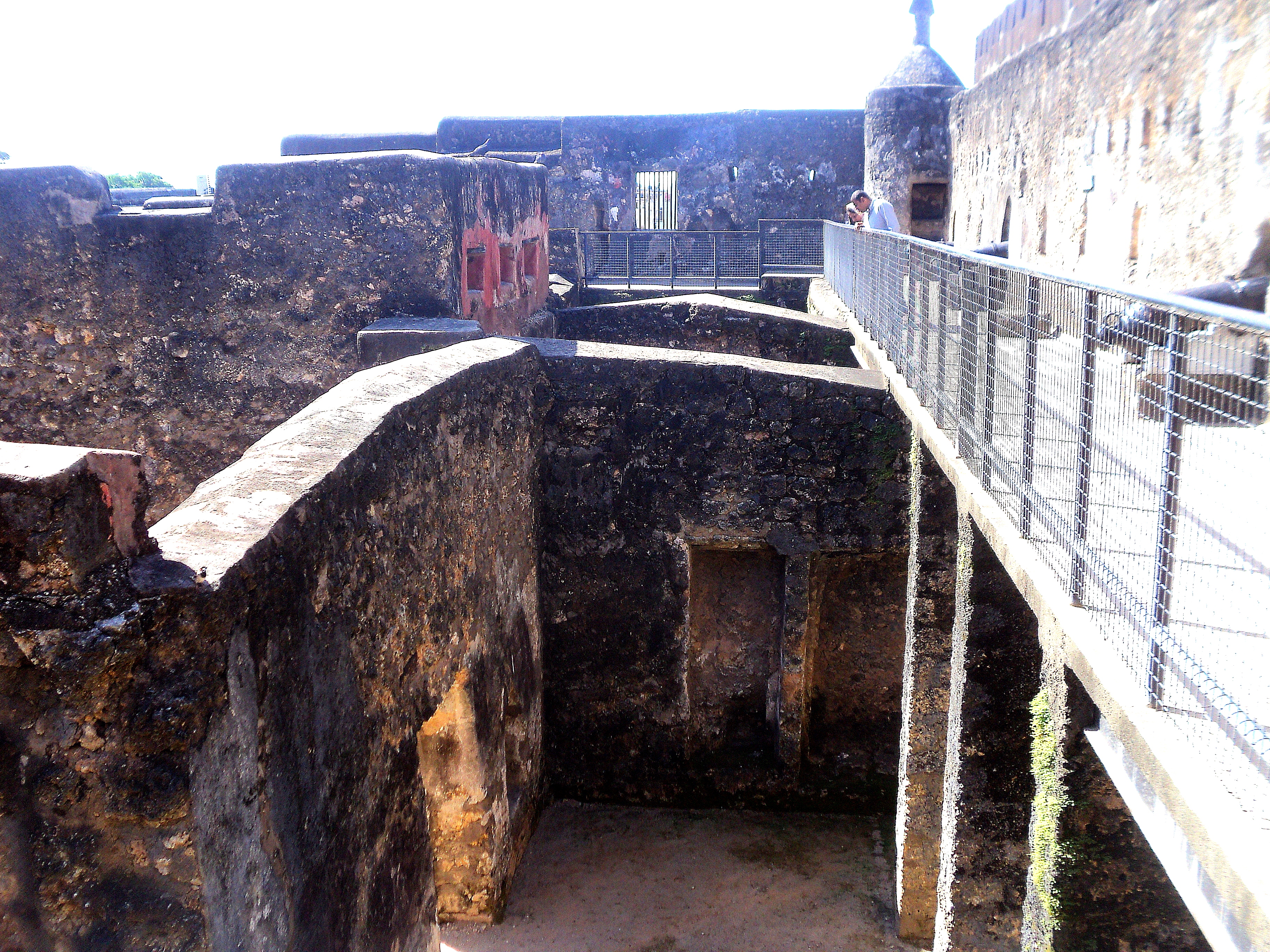
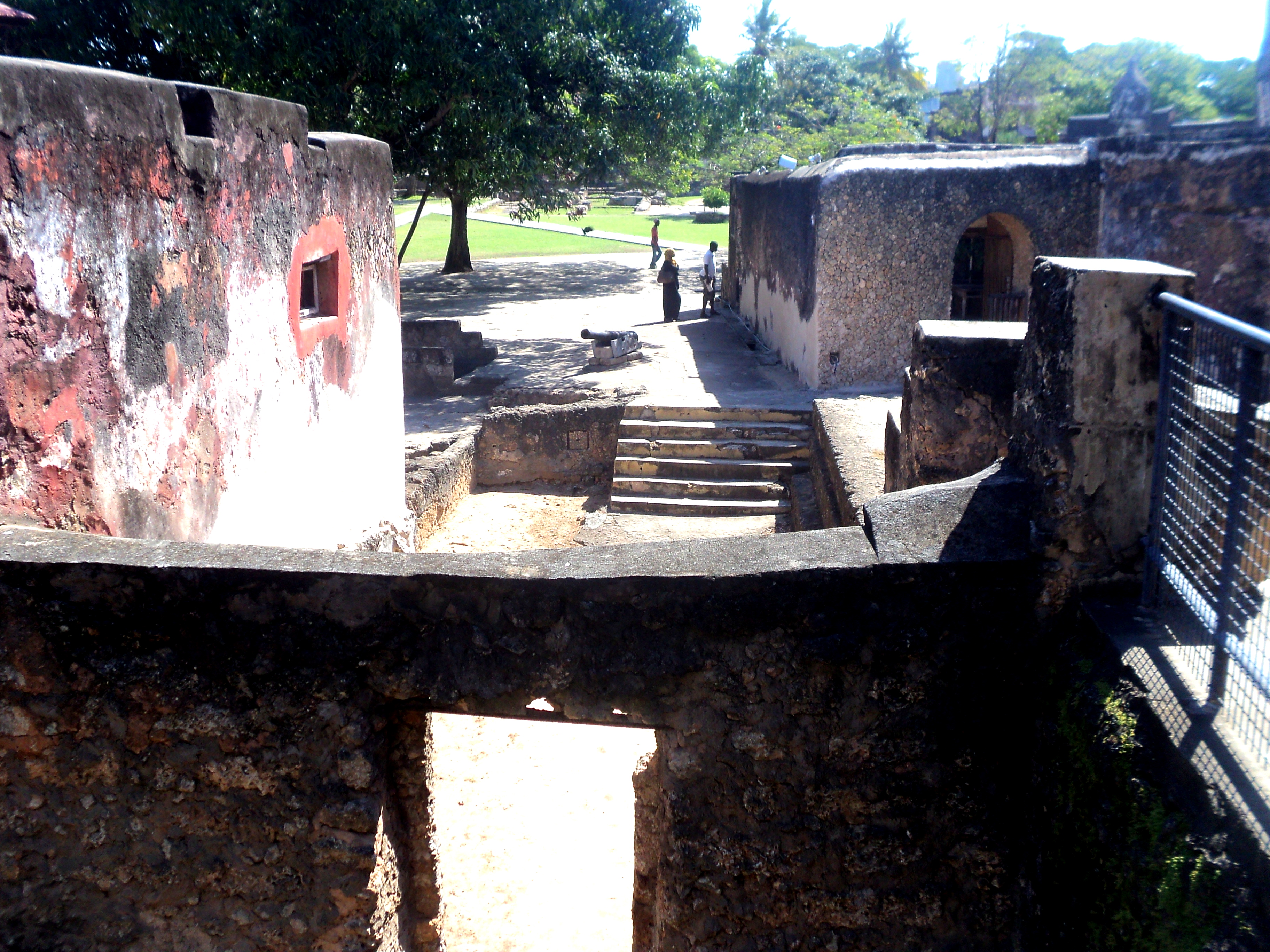
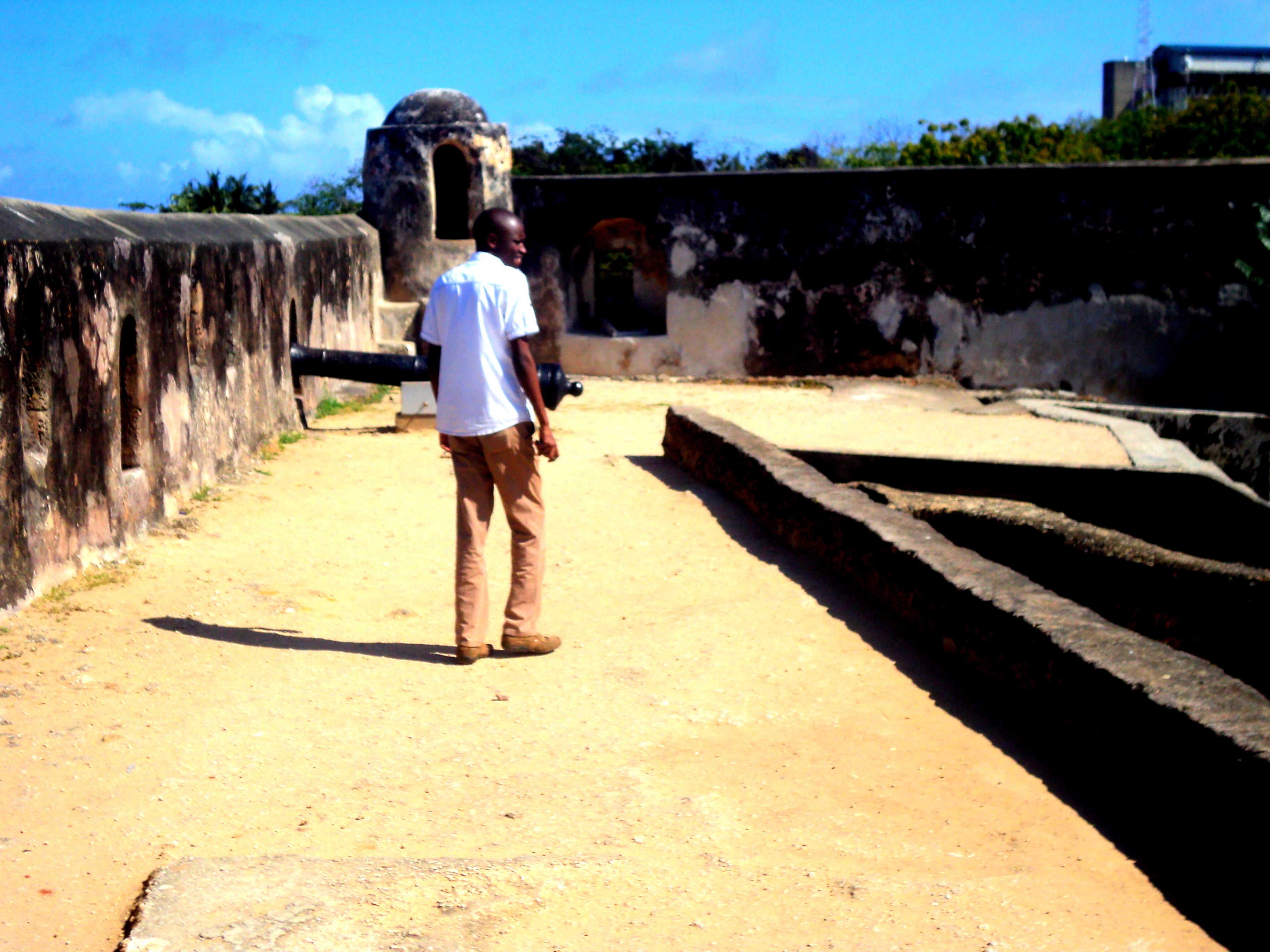
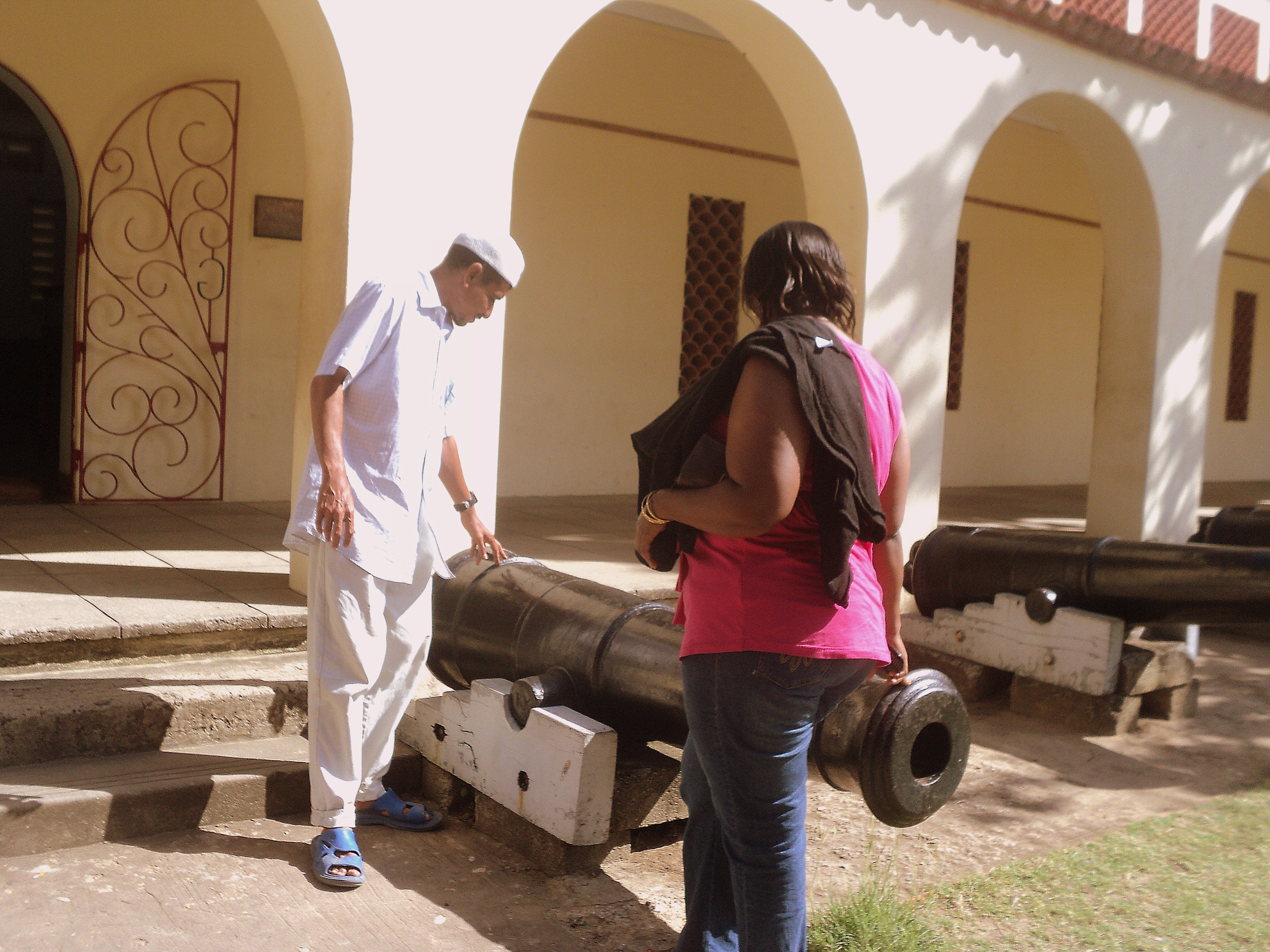
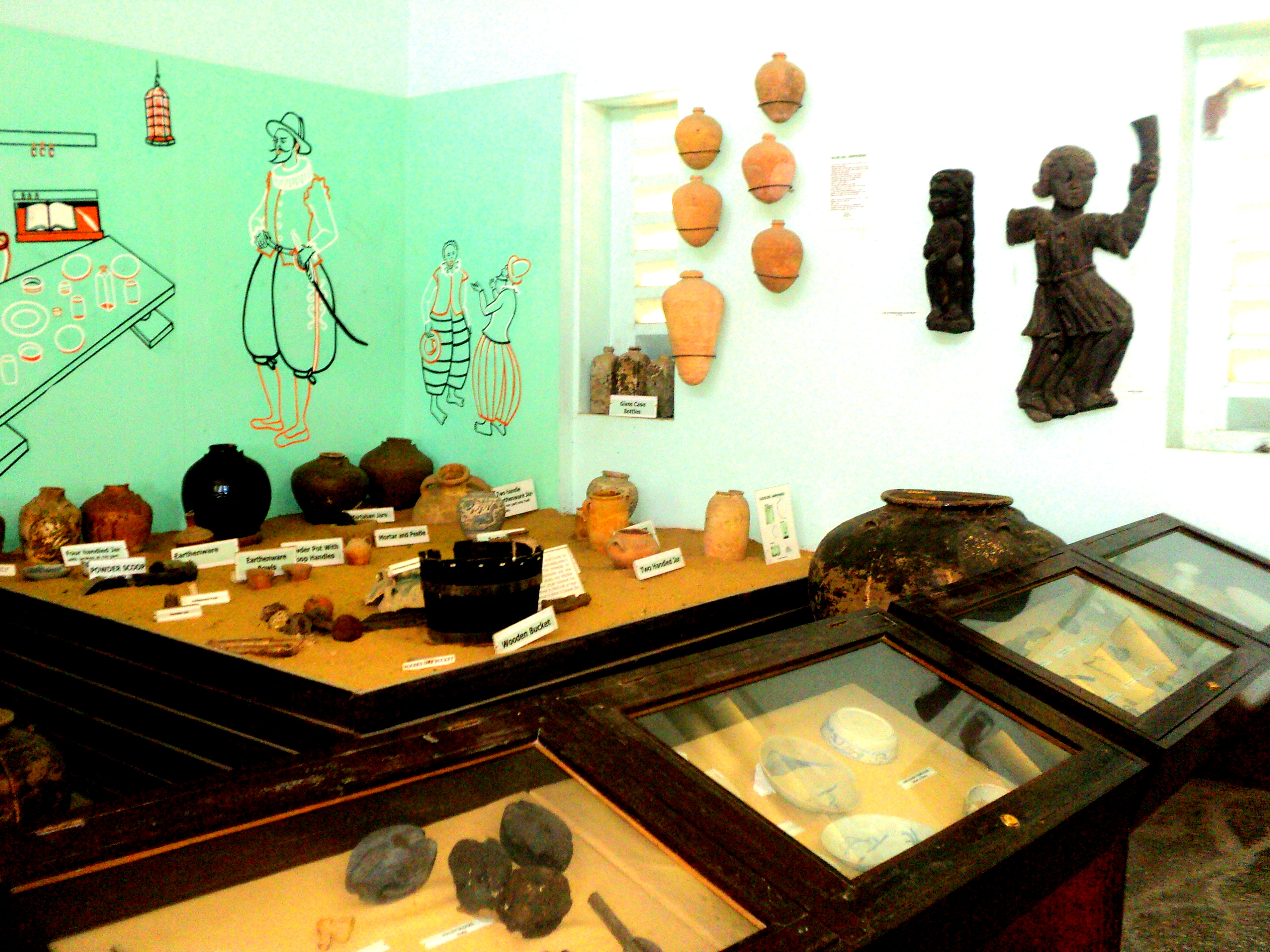
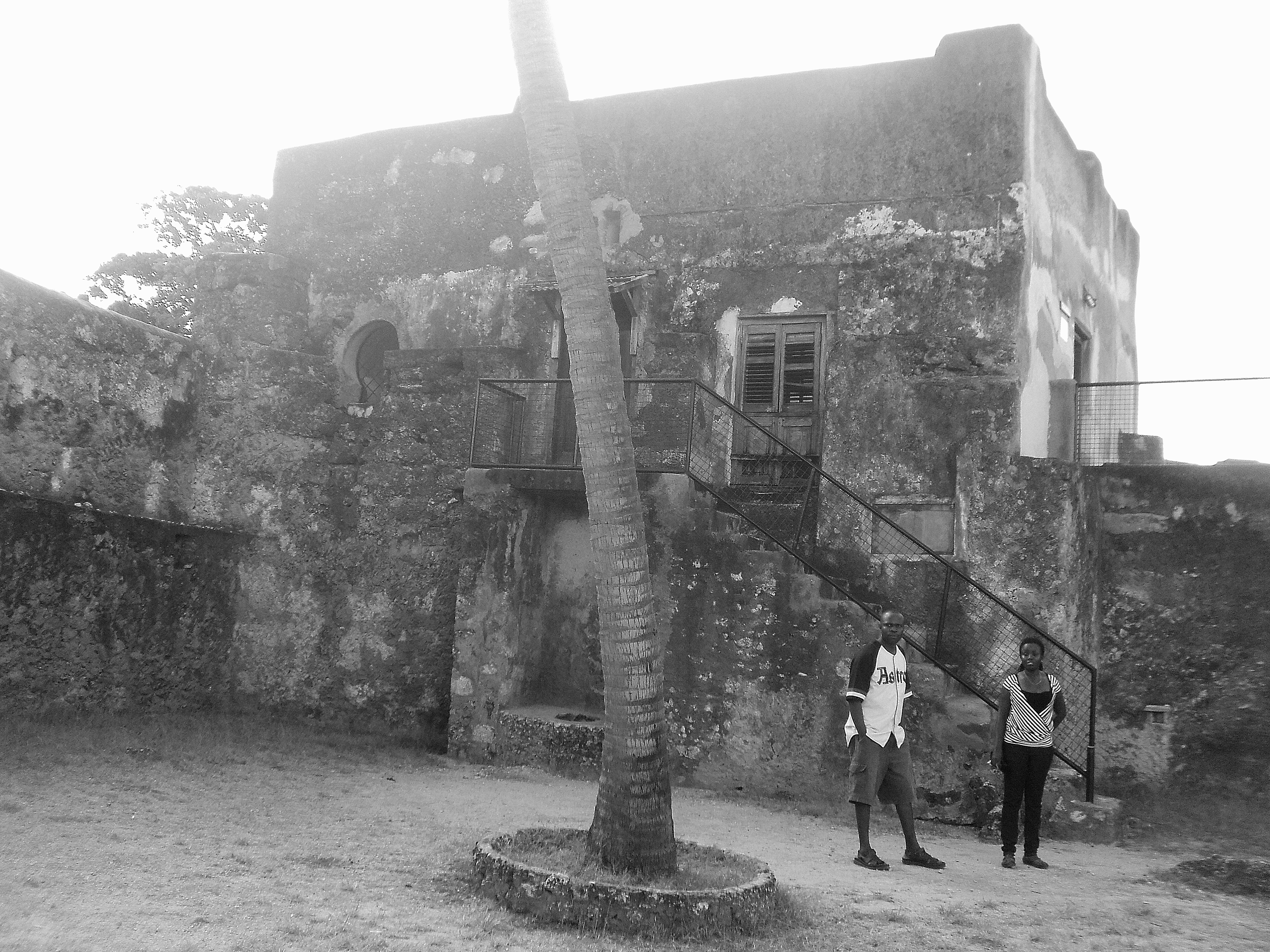
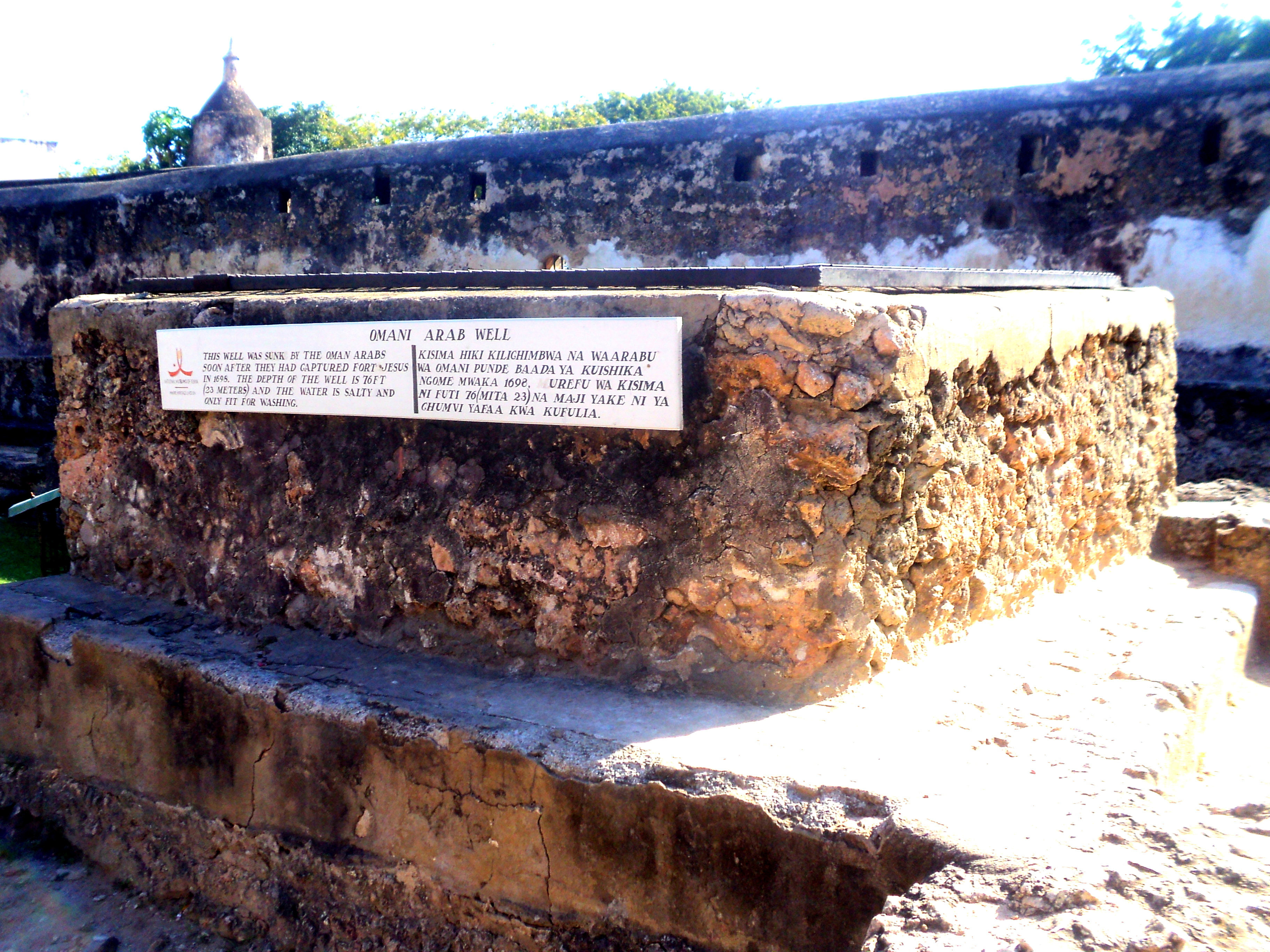
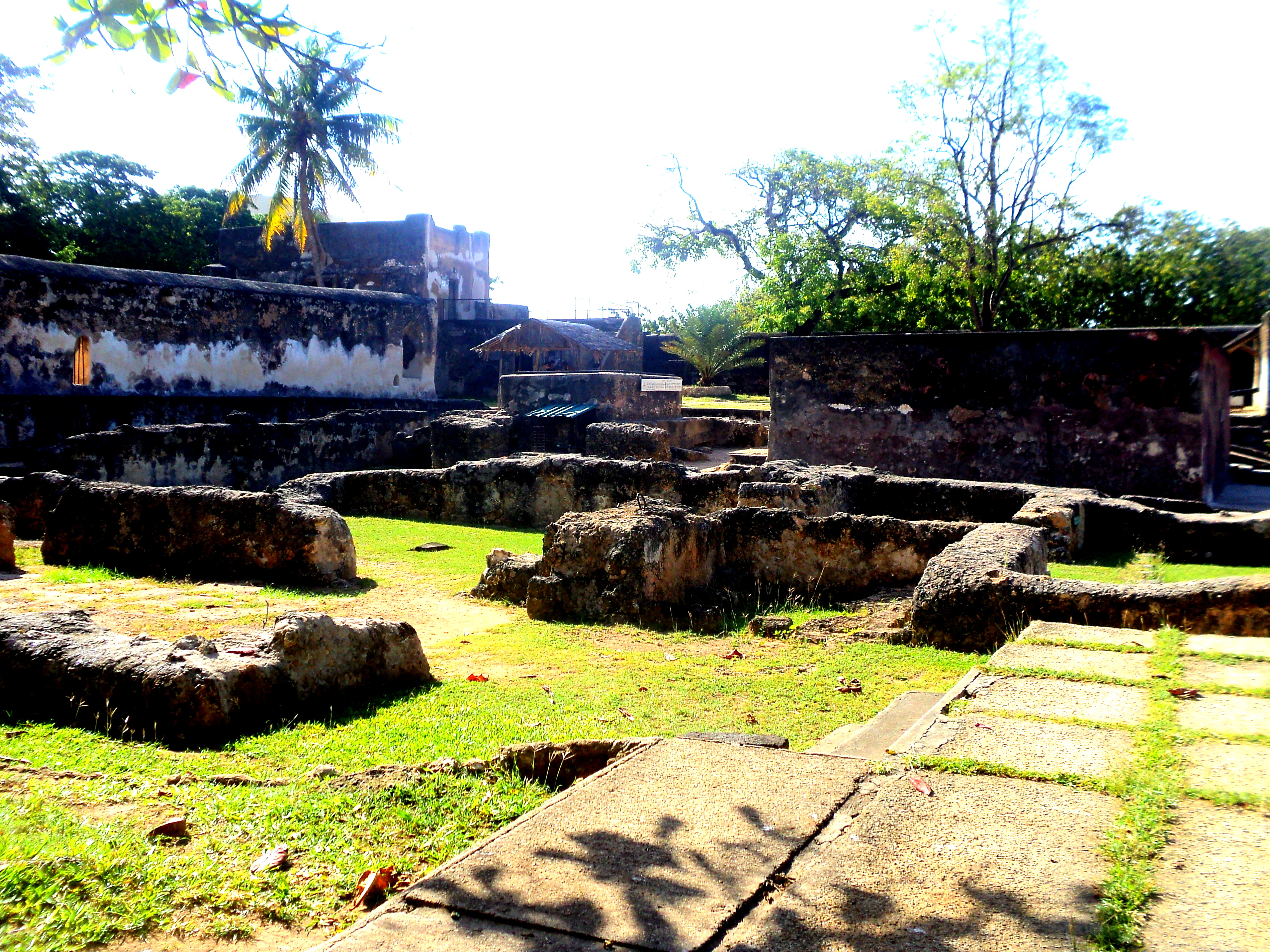
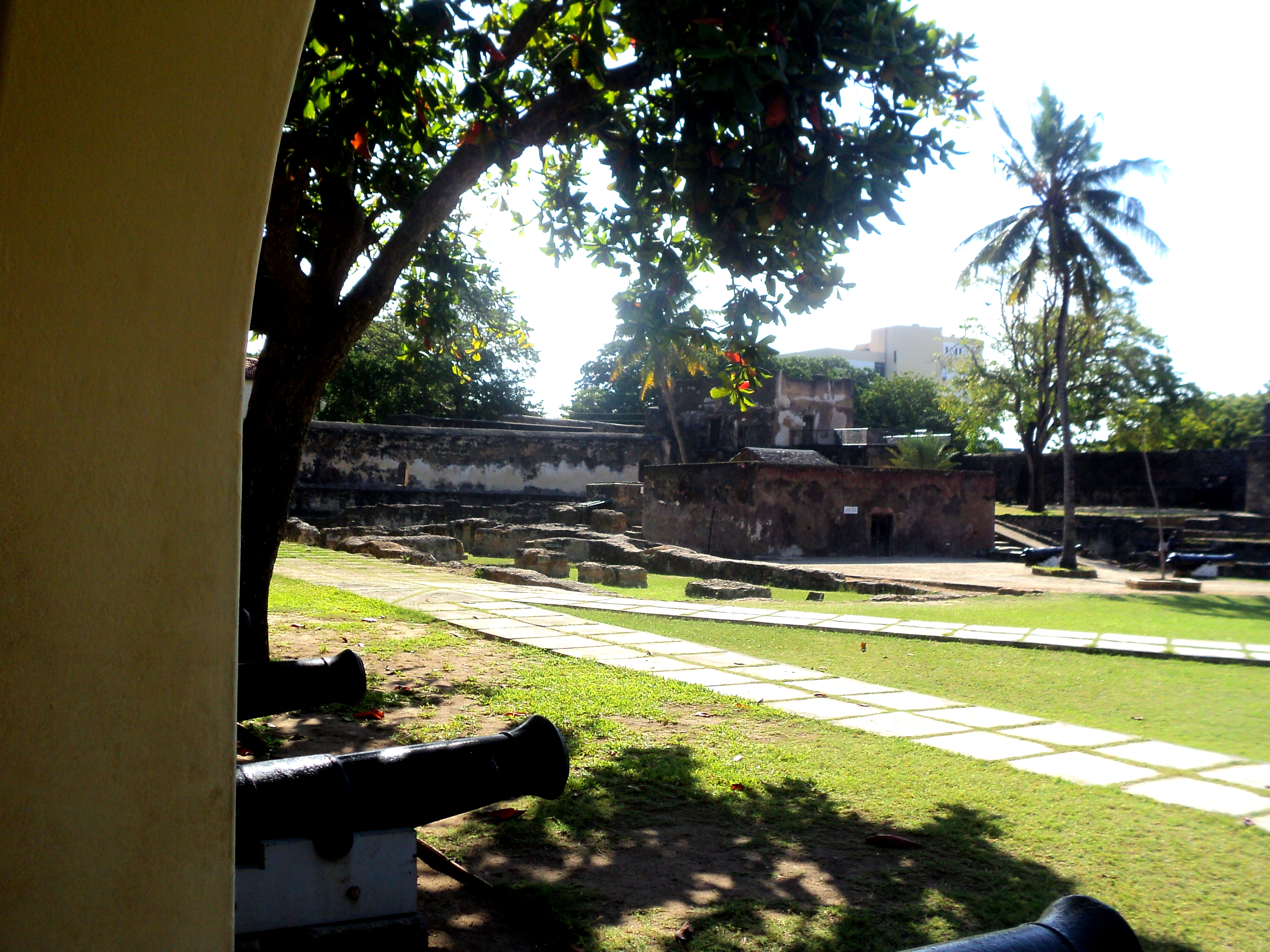
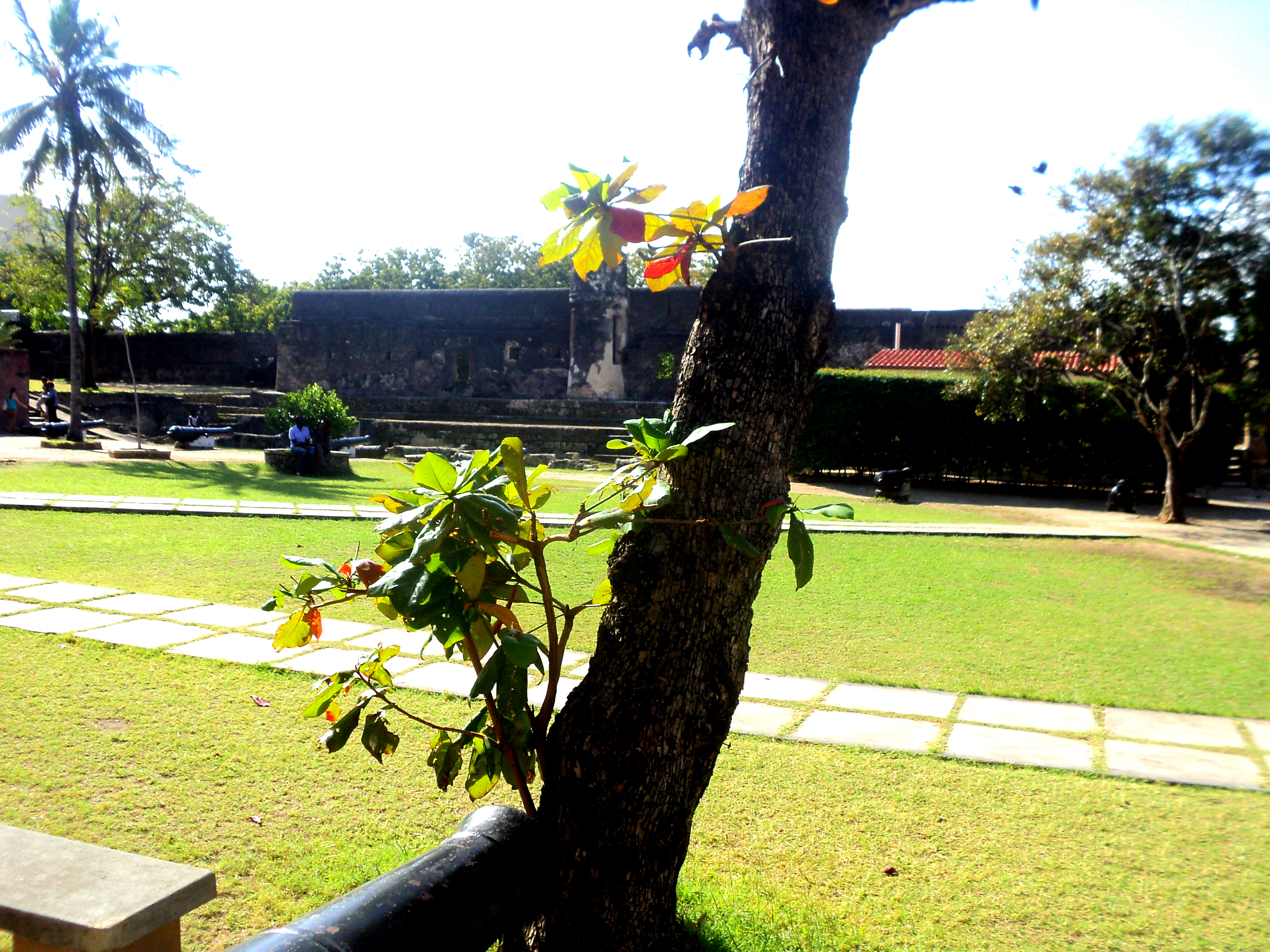
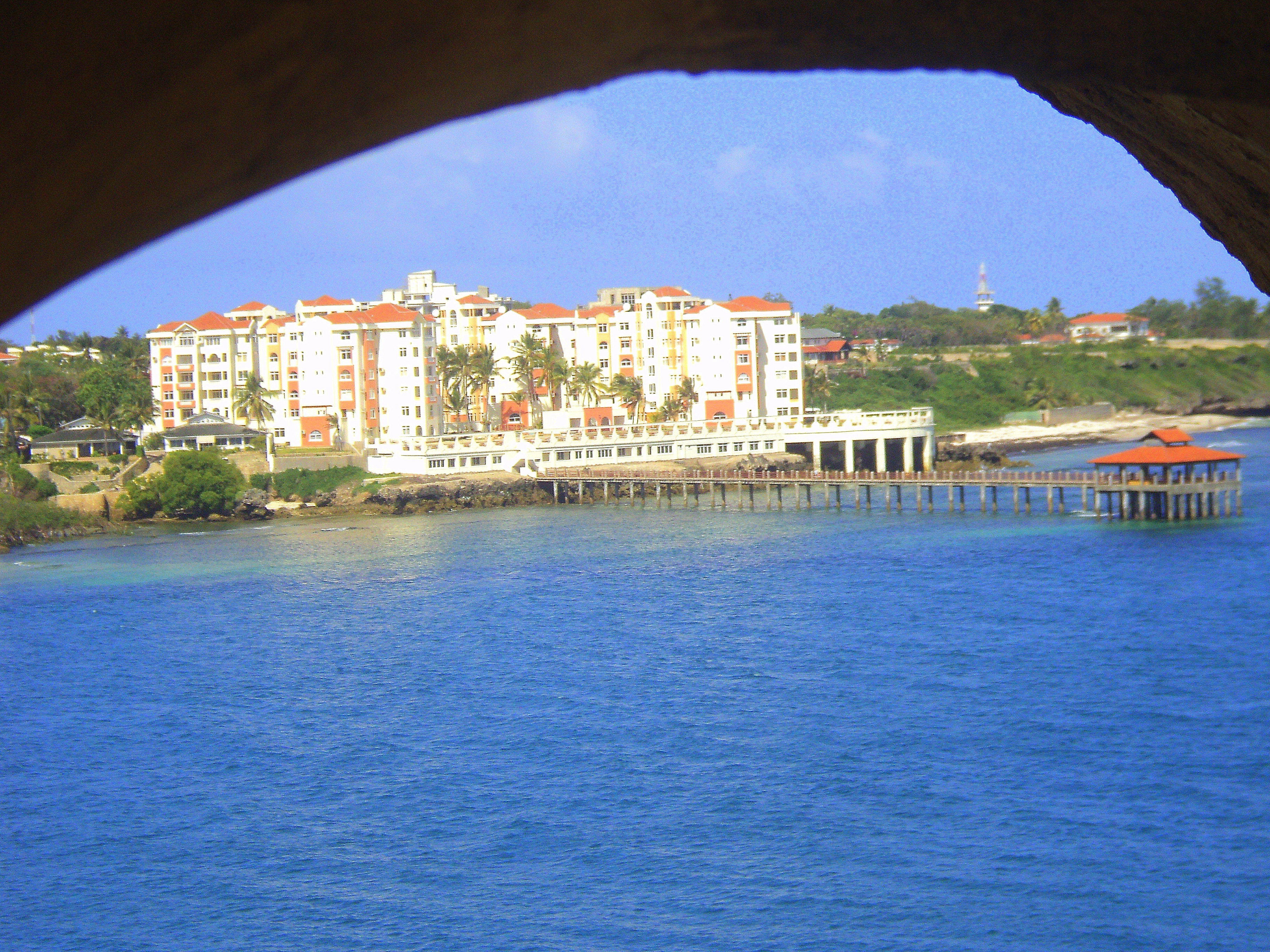
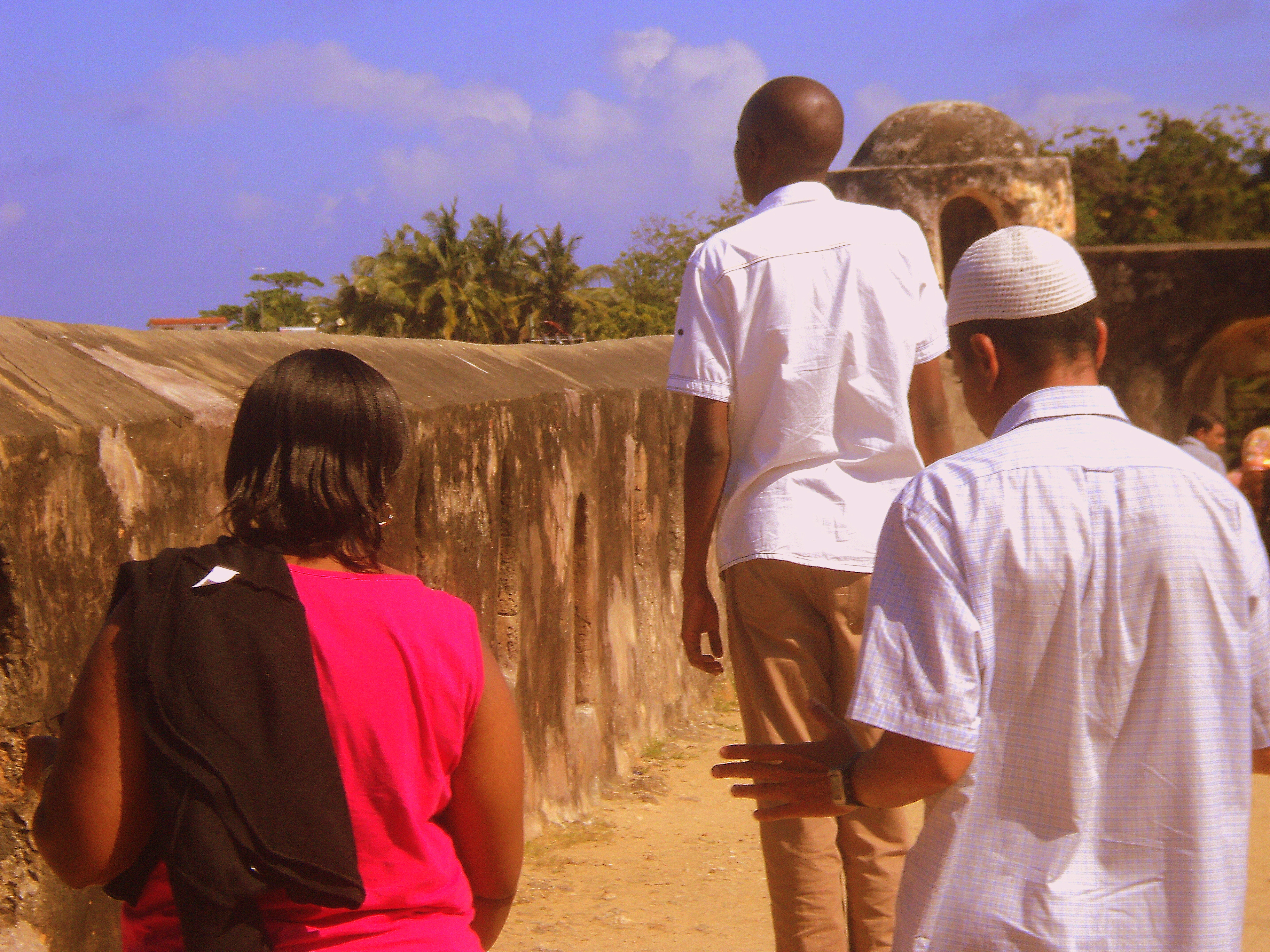
Over the weekend, we spontaneously decided to explore one of Mombasa’s oldest town and historical sites. On Sunday we went to tour Mombasa’s most popular tourist attraction, Fort Jesus where we spent a better part of the afternoon learning about its history and significance from our tour guide, Ali Mohammed whom we met by the entrance.

Read more about Fort Jesus… https://zurukenya.wordpress.com/2013/08/17/fort-jesus-fortaleza-de-jesus-de-mombaca/

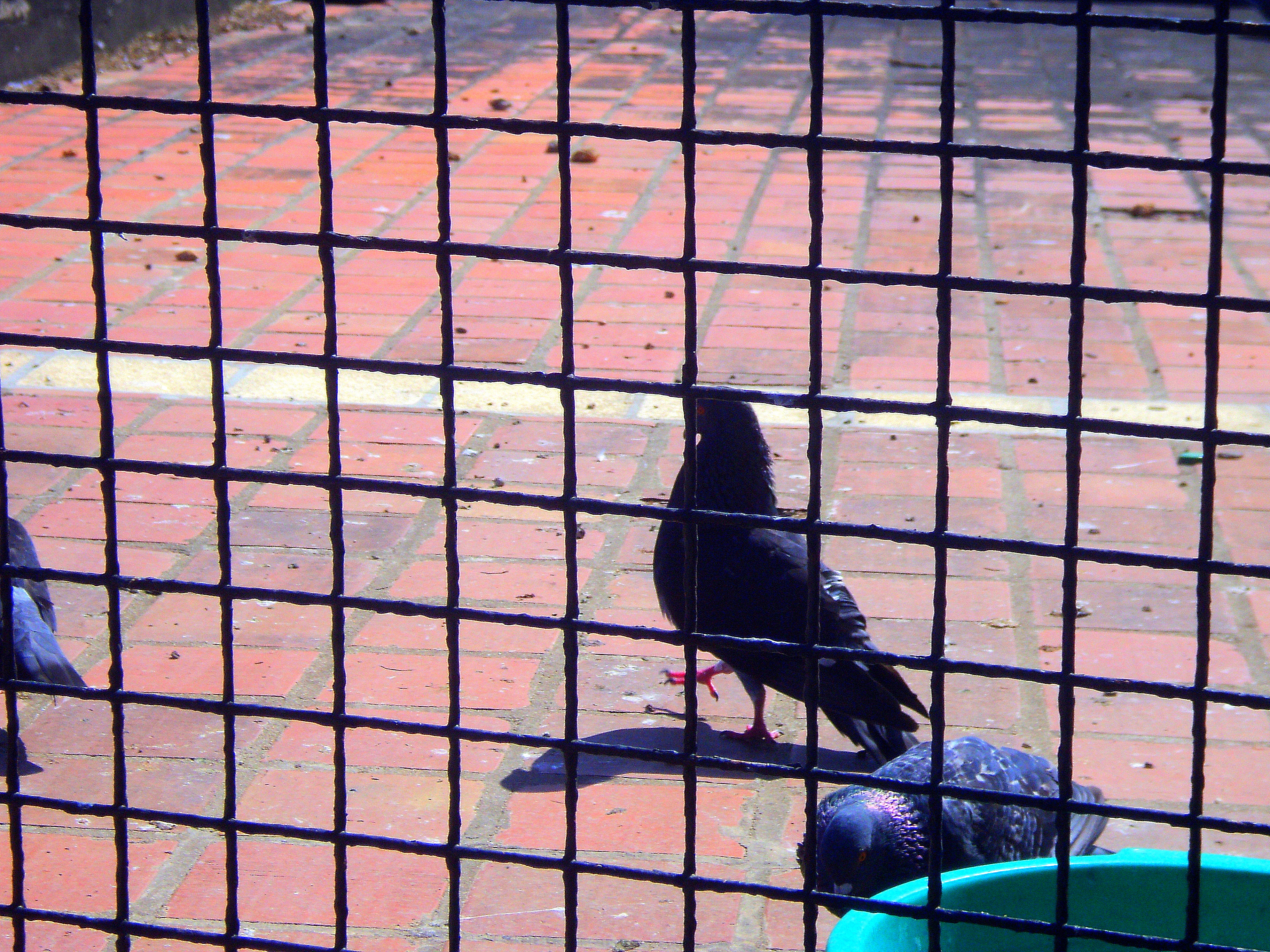
DSC01024DSC01001 DSC01000 DSC01005 DSC01004 DSC01003 DSC01002 DSC01006  DSC01008 DSC01009  DSC01011 DSC01014 DSC01015Our guide Ali explaining to us about the materials used to build the fort.

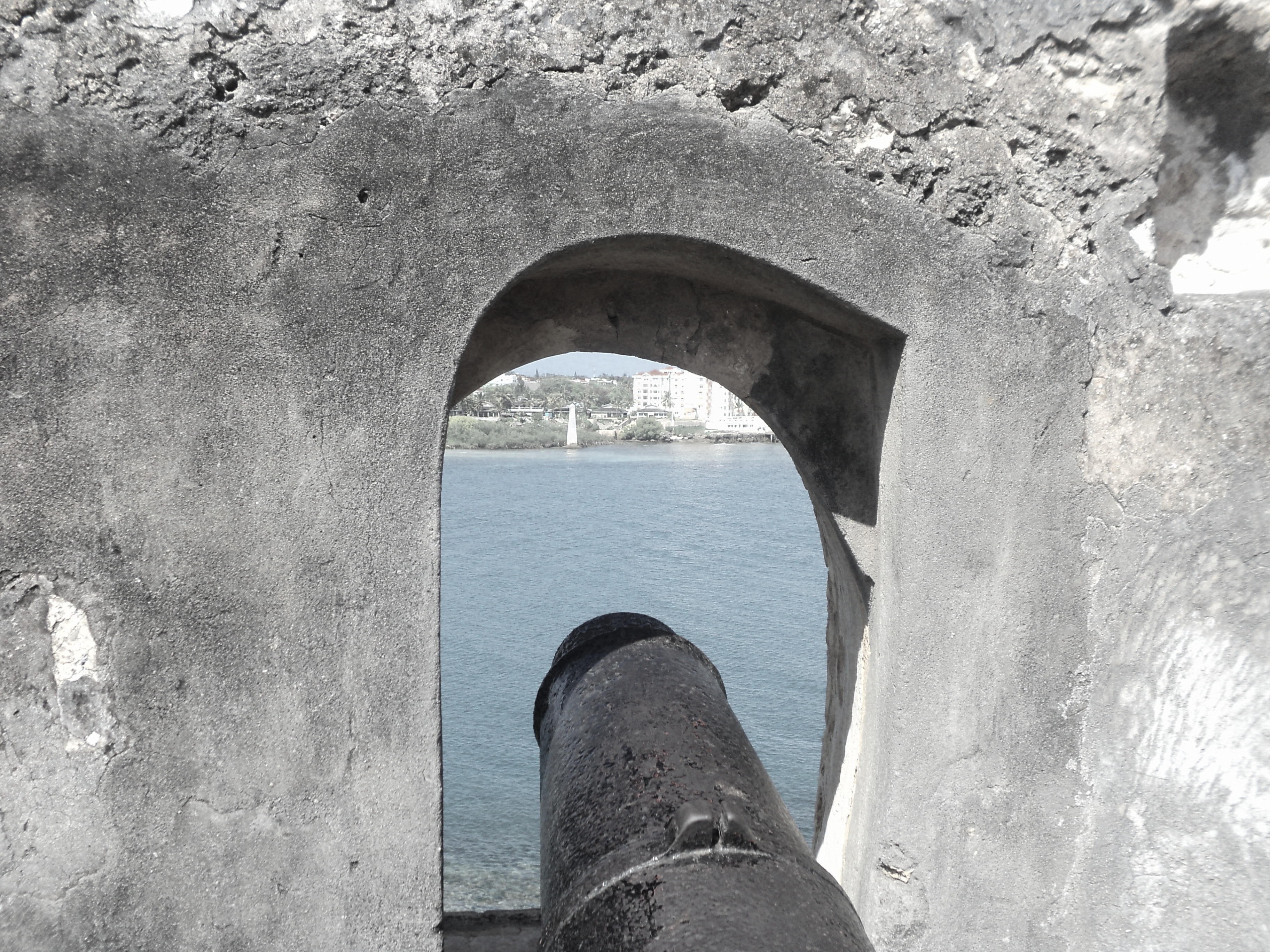
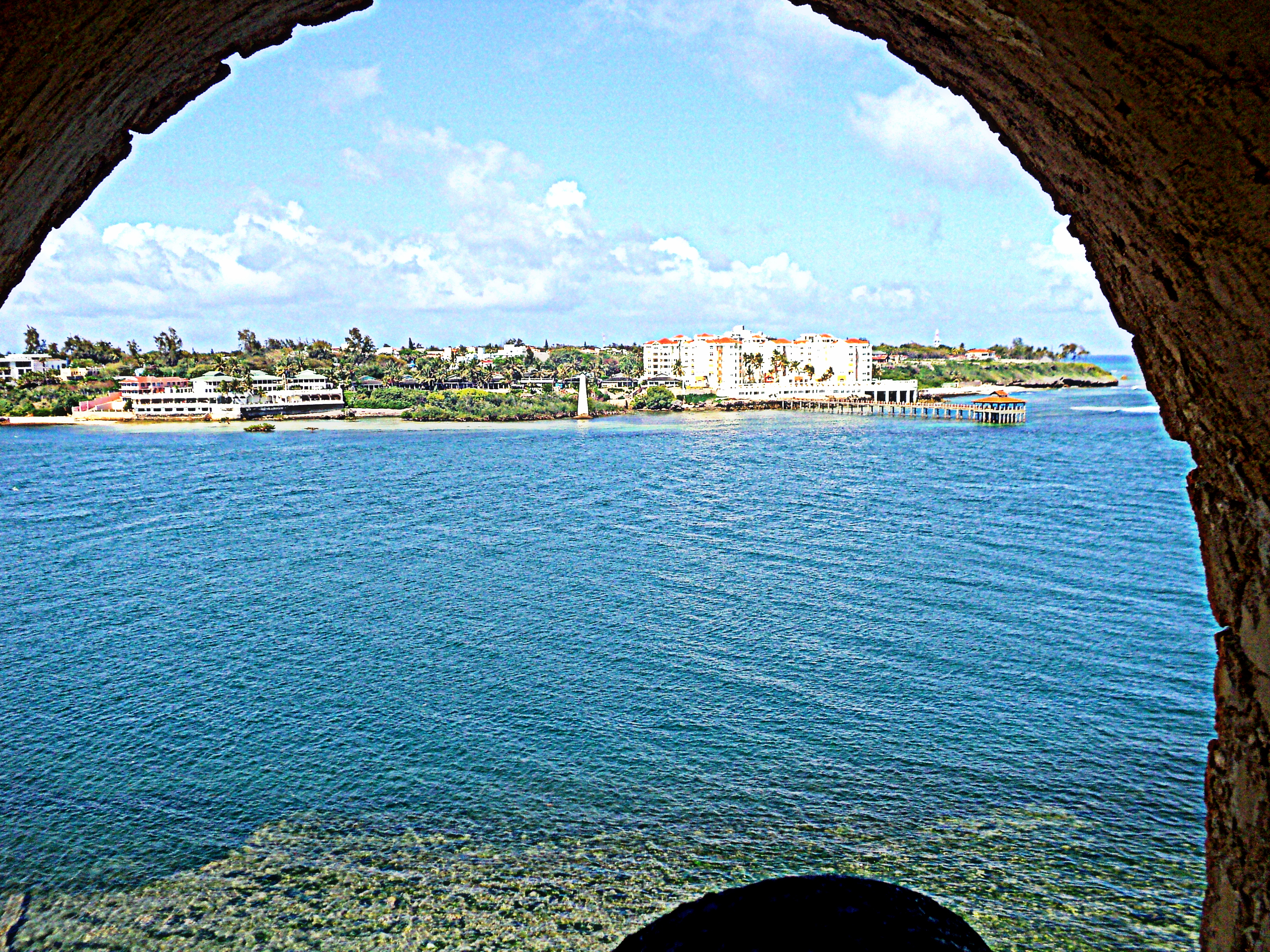
DSC01016 DSC01017 DSC01019    DSC01026 DSC01024The view from the fort…beautiful!DSC01002 DSC01003 DSC01004 DSC01005  DSC01008   DSC01010  DSC01019 DSC01009 DSC01016 DSC01017   DSC01027 DSC01026 DSC01025   DSC01029 DSC01030

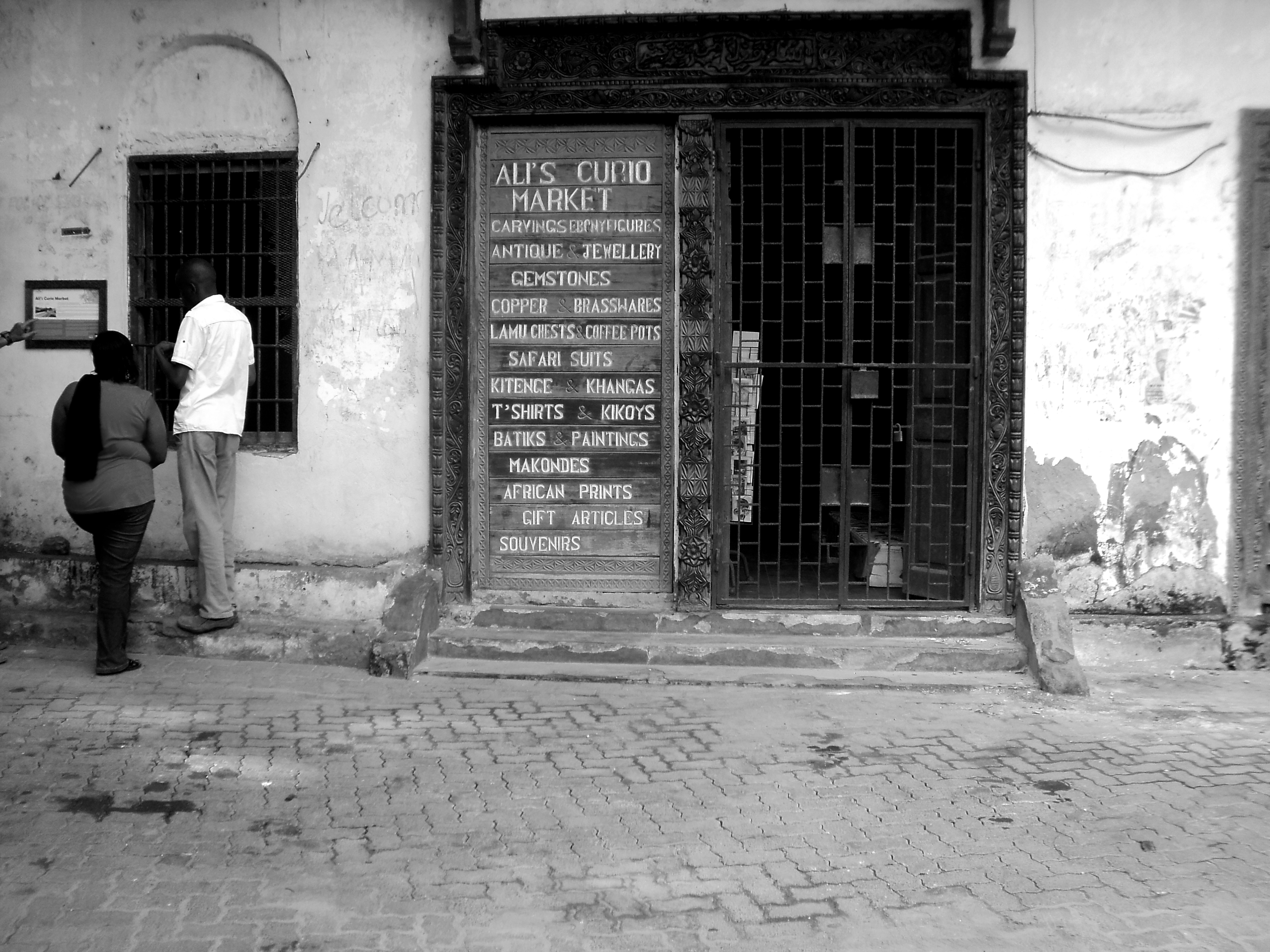
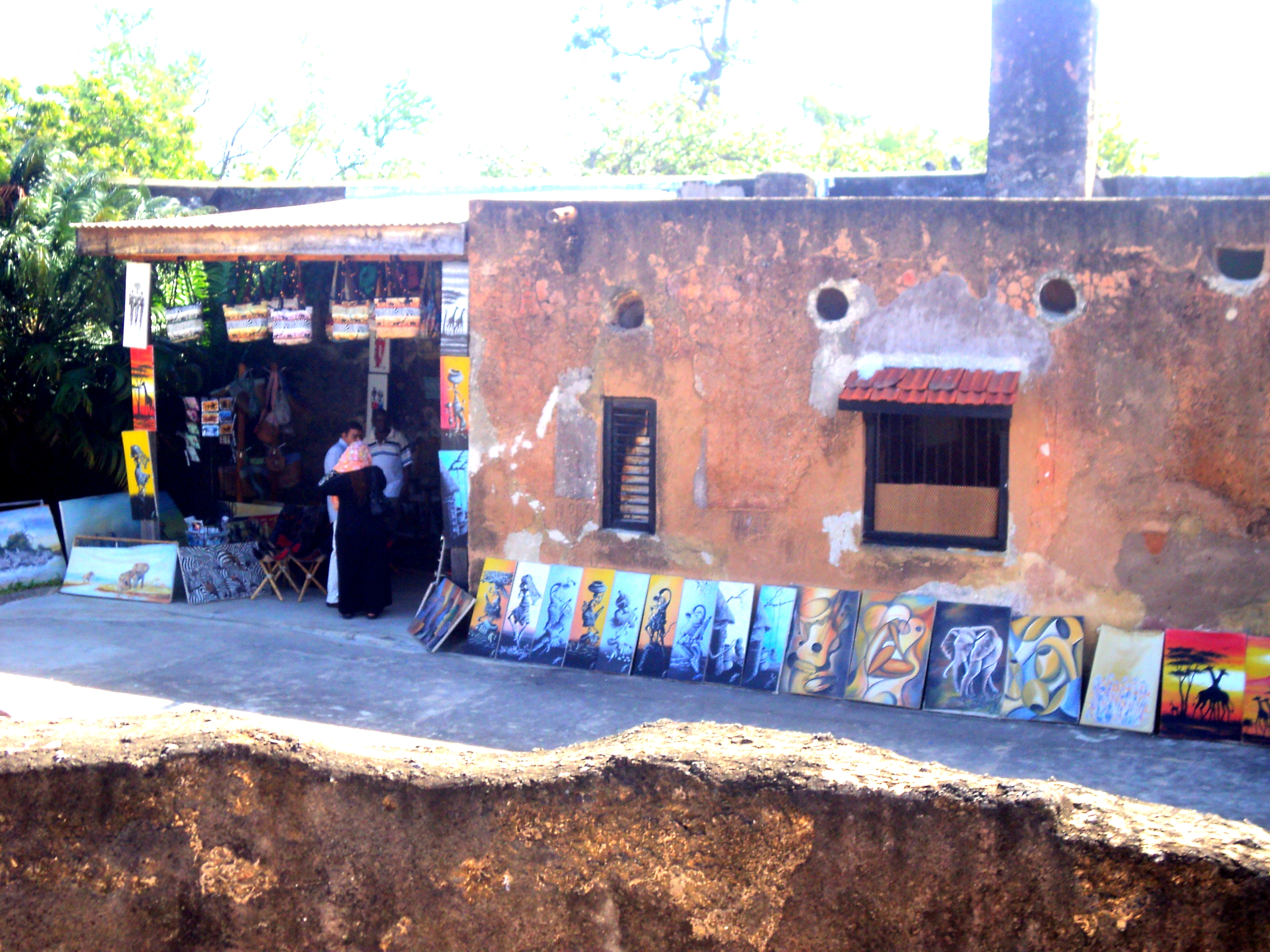
One of the curio shops within the fort. This was formally the kitchen area used by the portuguese and the setting remains the same to date aside from some minor renovations.

DSC01032 DSC01038  DSC01034

Carol stands beside the tree believed to be 2 million years old, how outstanding!! This tree owes its existence to the Jurassic period and what stands here is believed to have been the roots of the tree that are now visible due to subsistence. The fort was built around it.

DSC01043

DSC01045 DSC01046 DSC01048 DSC01049

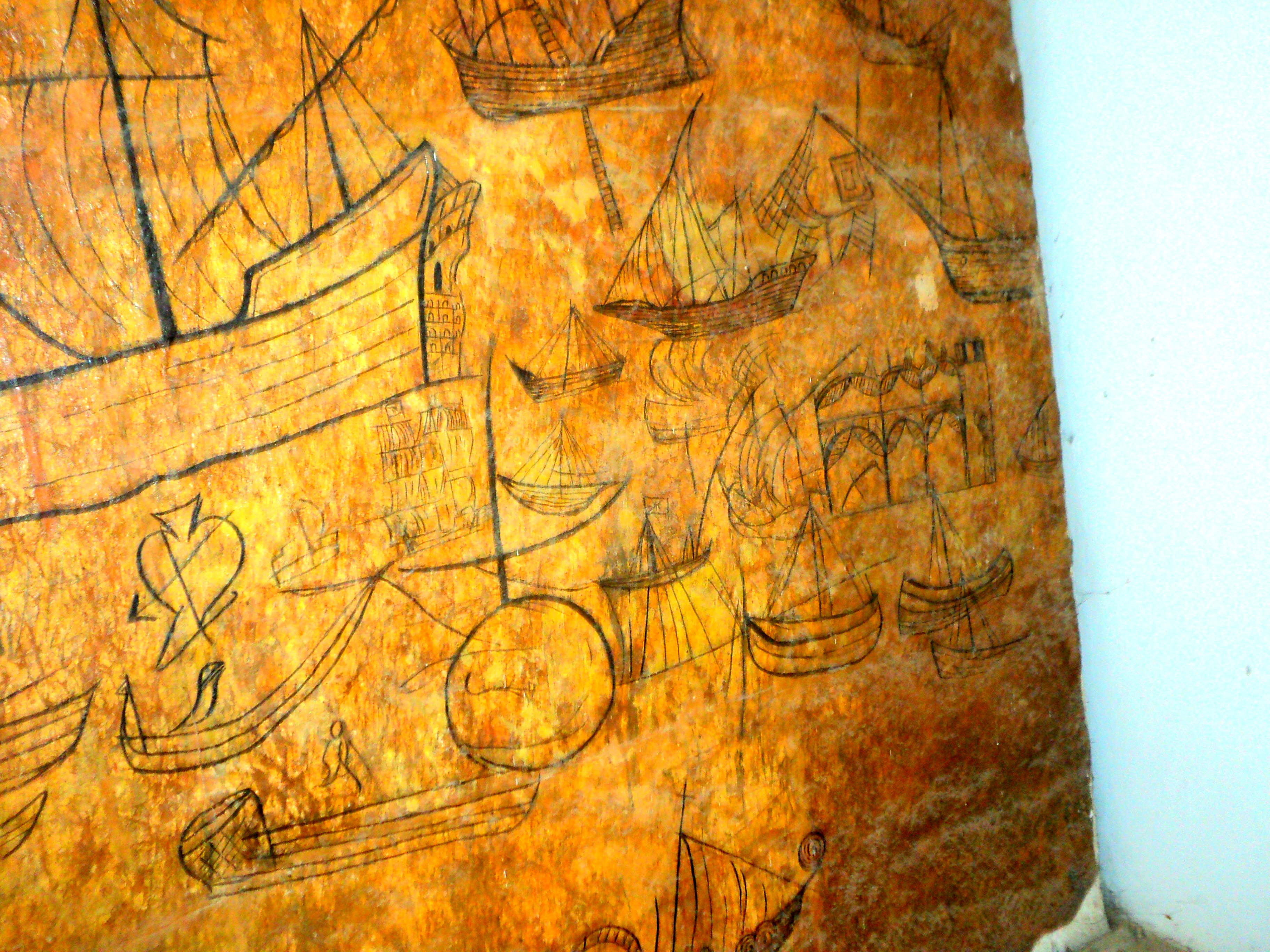
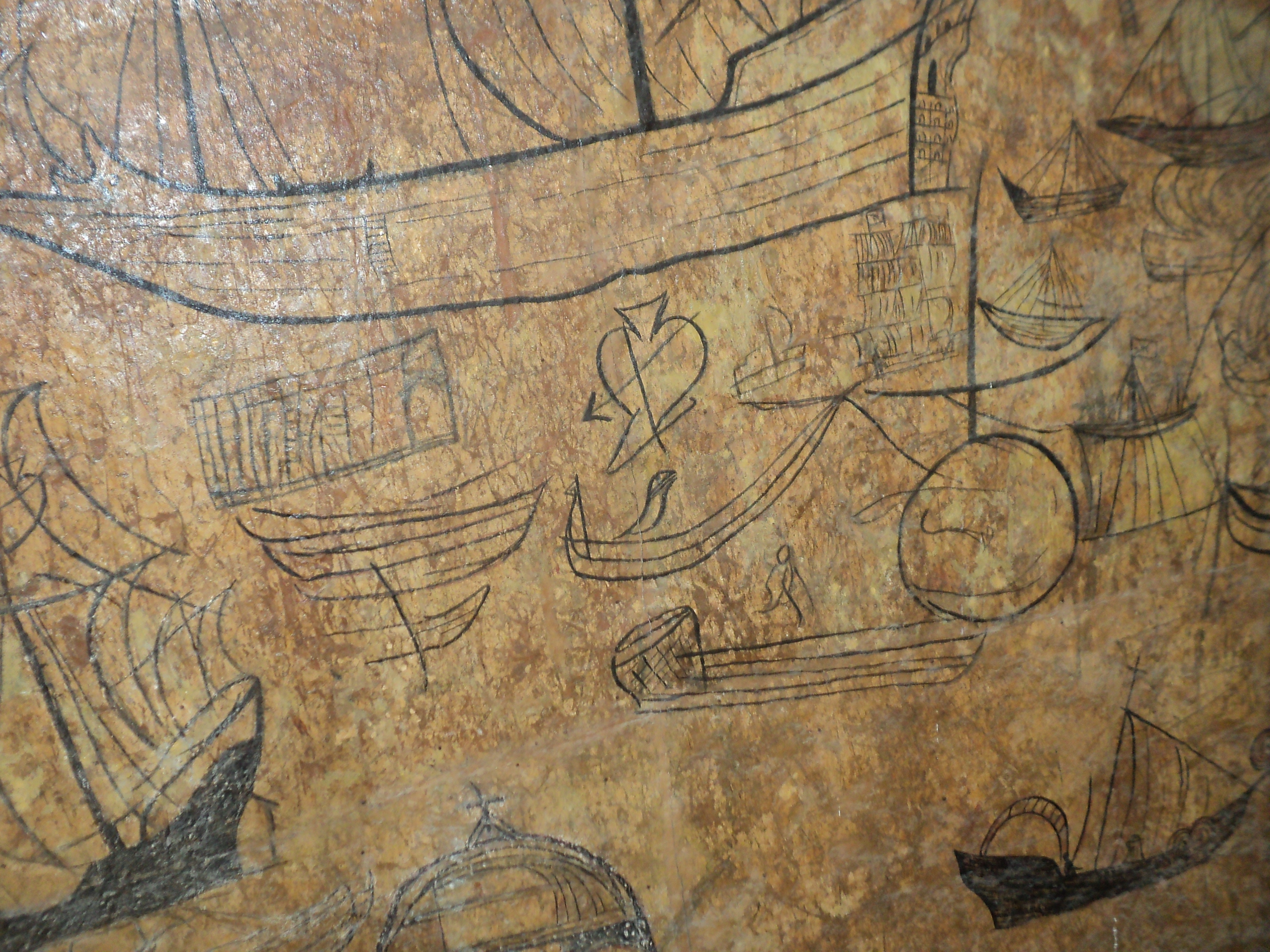
Ancient Portuguese art on display at the fort. The art was excavated from the fort’s grounds and due to aging the museum had to trace the drawings using graphite.

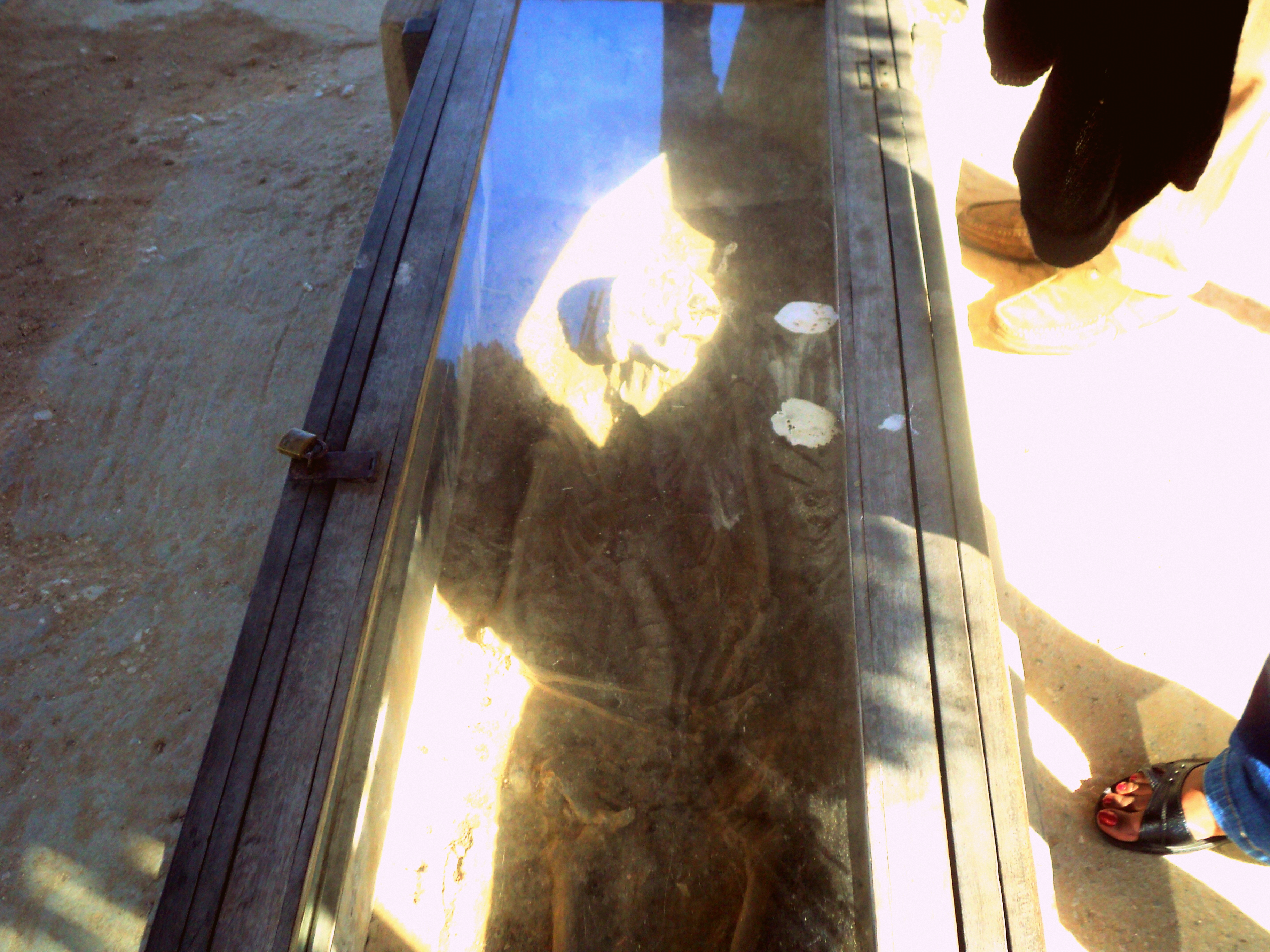
DSC01053 DSC01056 DSC01057 DSC01058 DSC01061 DSC01062 DSC01063 DSC01065 DSC01066 DSC01067DSC01108 DSC01107 DSC01105 DSC01104Remains of one of the Portuguese soldiers buried at the fort

DSC01103 DSC01102 DSC01100Remains of the Portuguese chapel brought down by the Omani Arabs

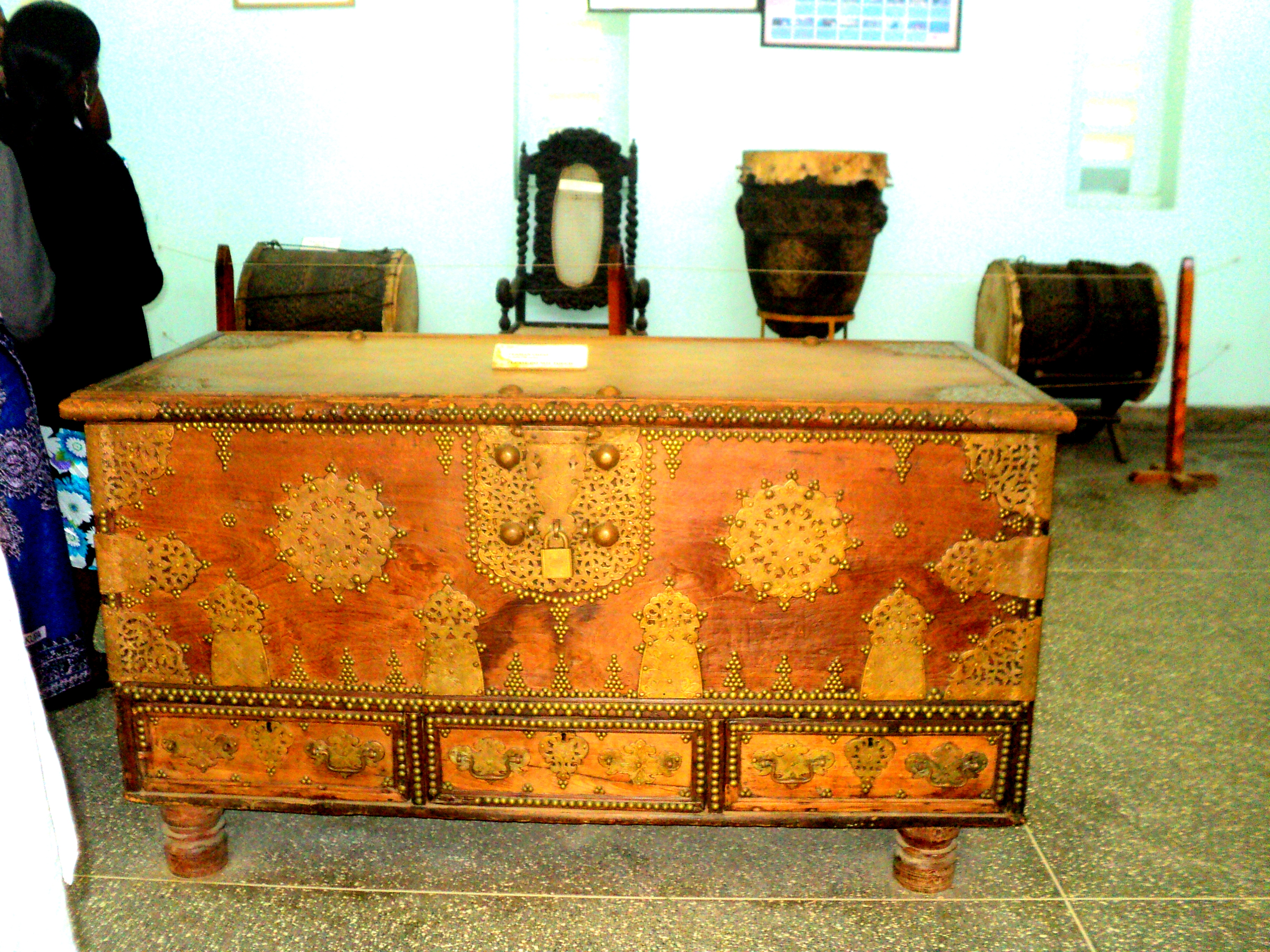
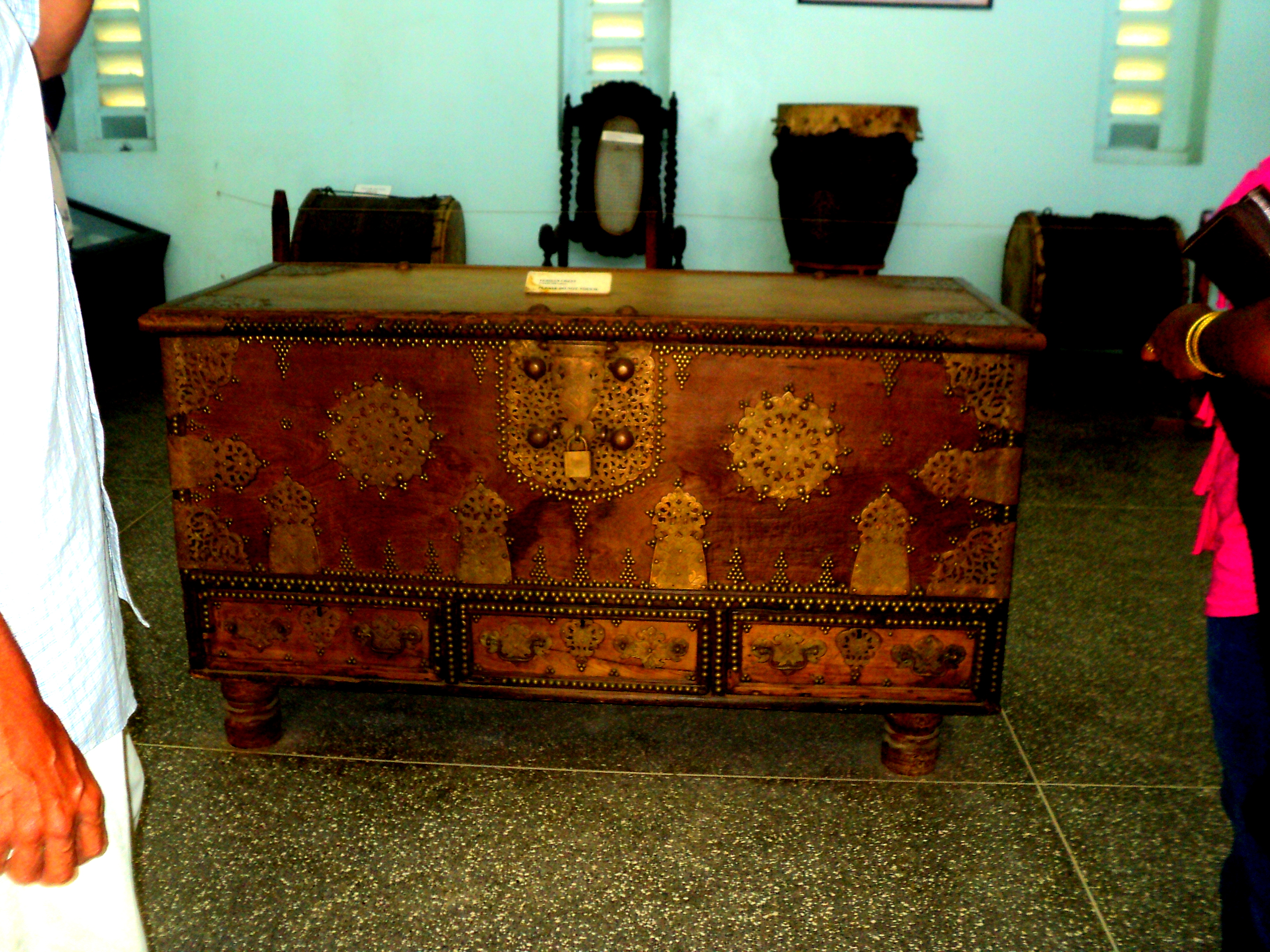
DSC01097 DSC01095 DSC01094 DSC01093An Omani chest

DSC01092  DSC01090 DSC01089 DSC01068DSC01070Gede ruins replica

  DSC01073 DSC01078 DSC01079 DSC01080 DSC01081 DSC01082 DSC01083 DSC01086 DSC01087

DSC01091

DSC01029

DSC01011

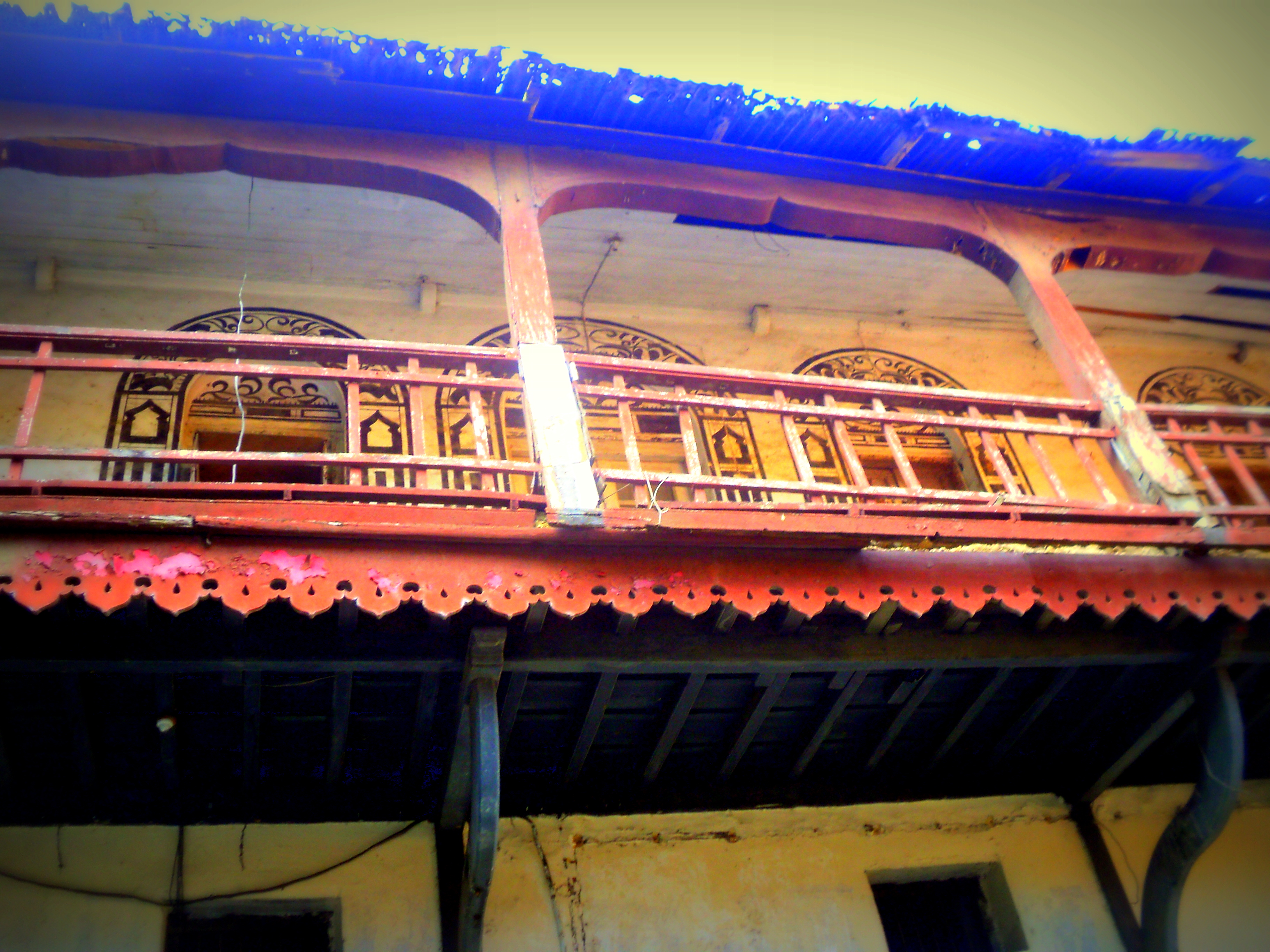
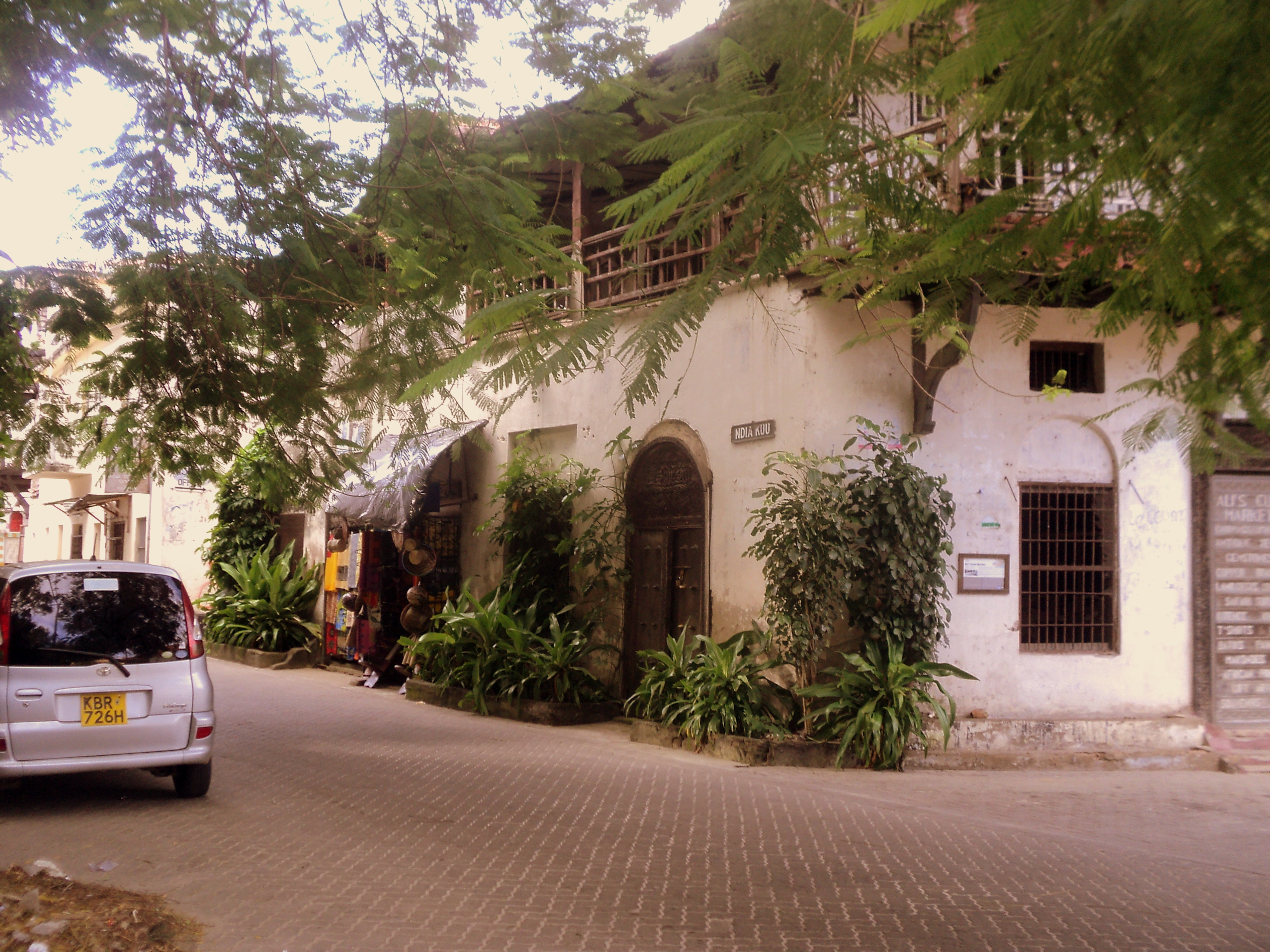
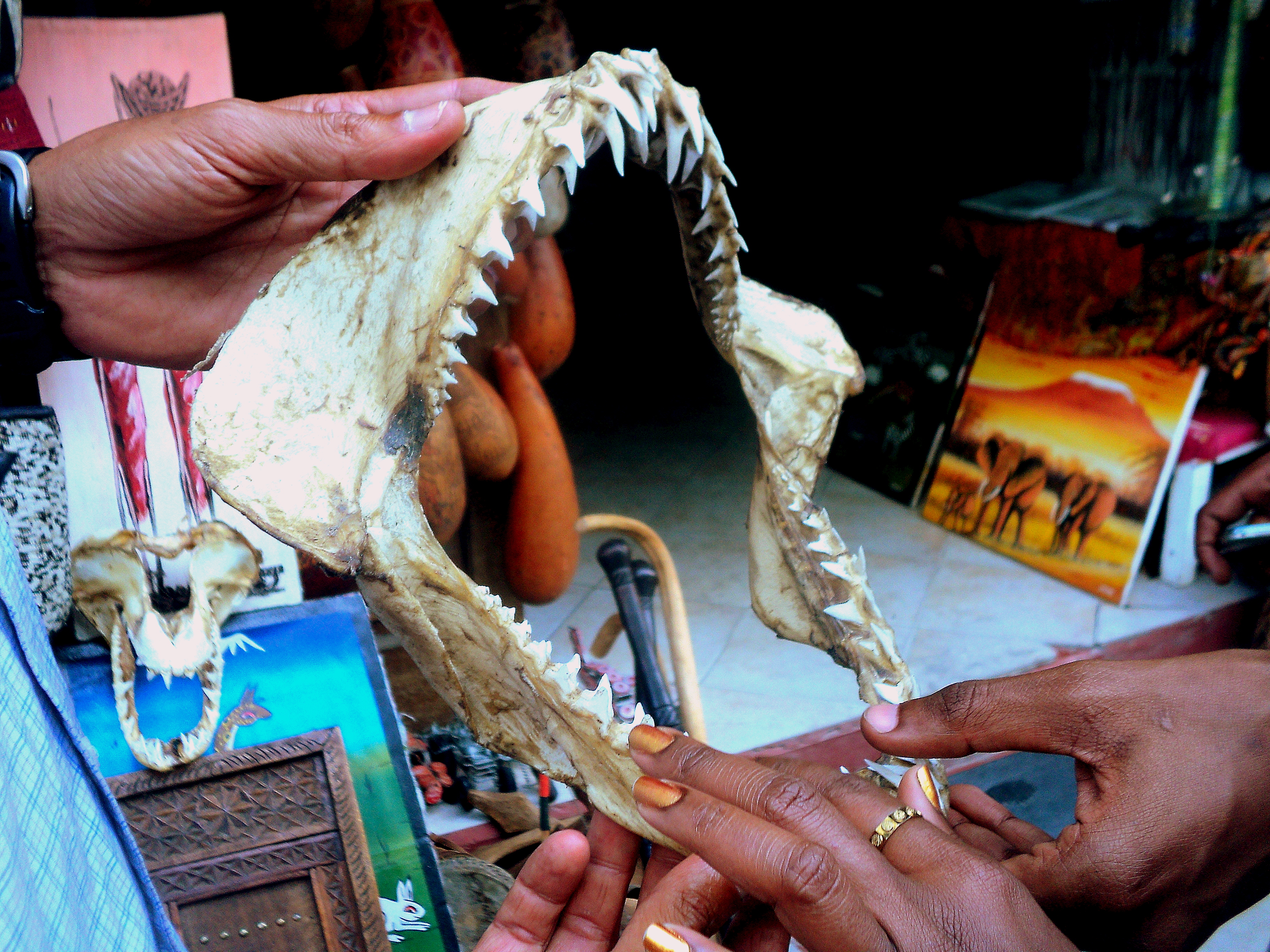
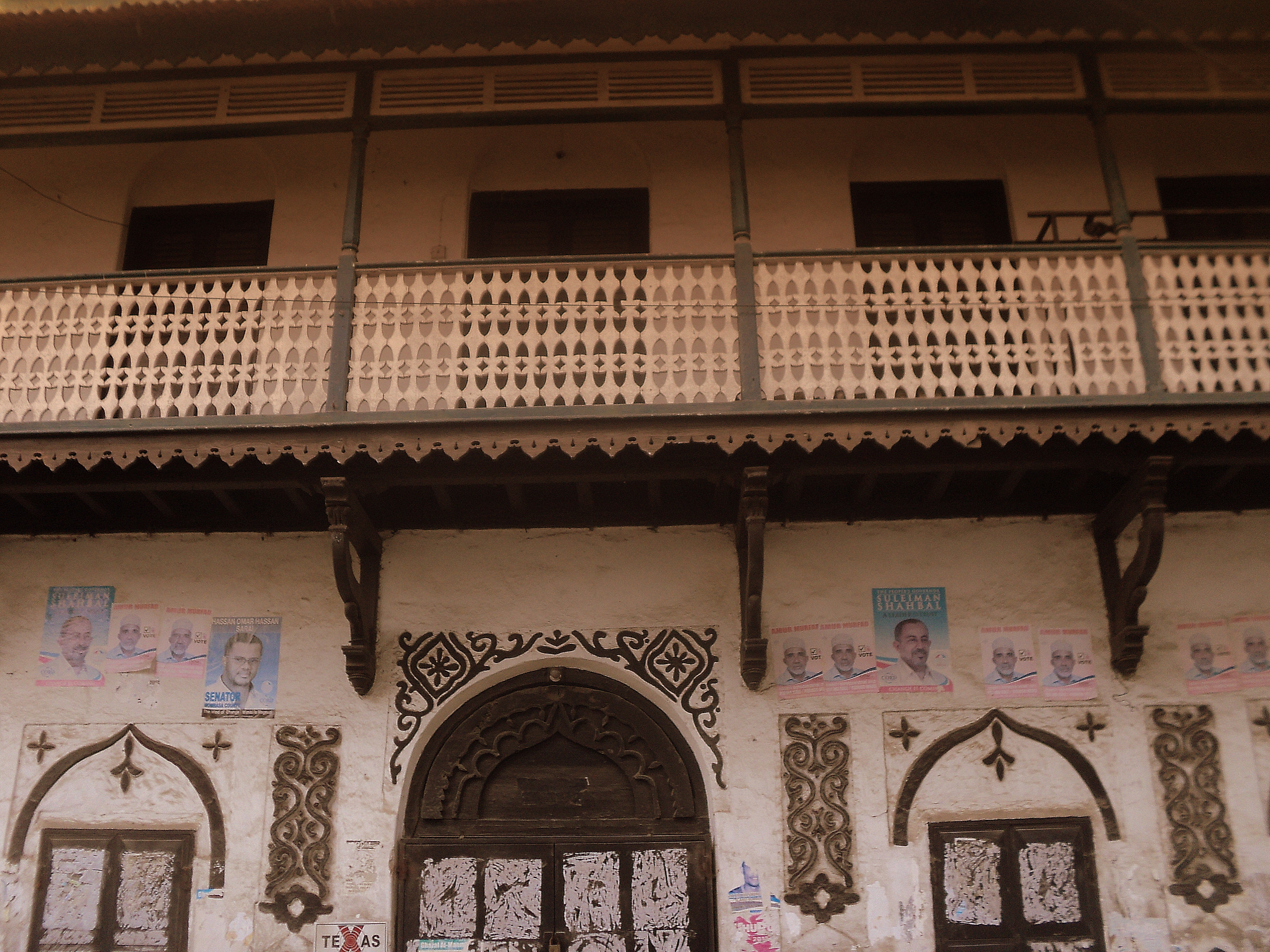
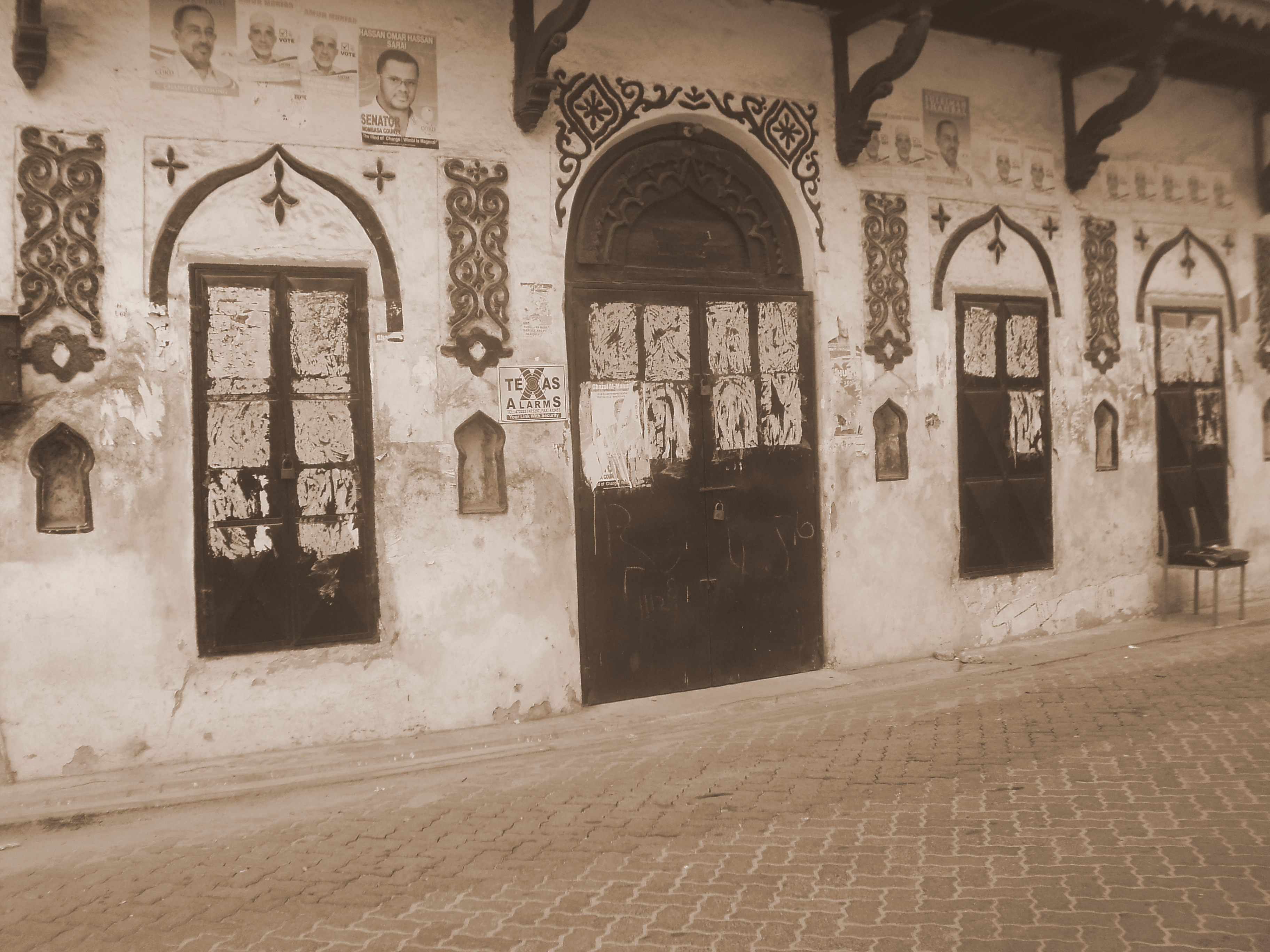
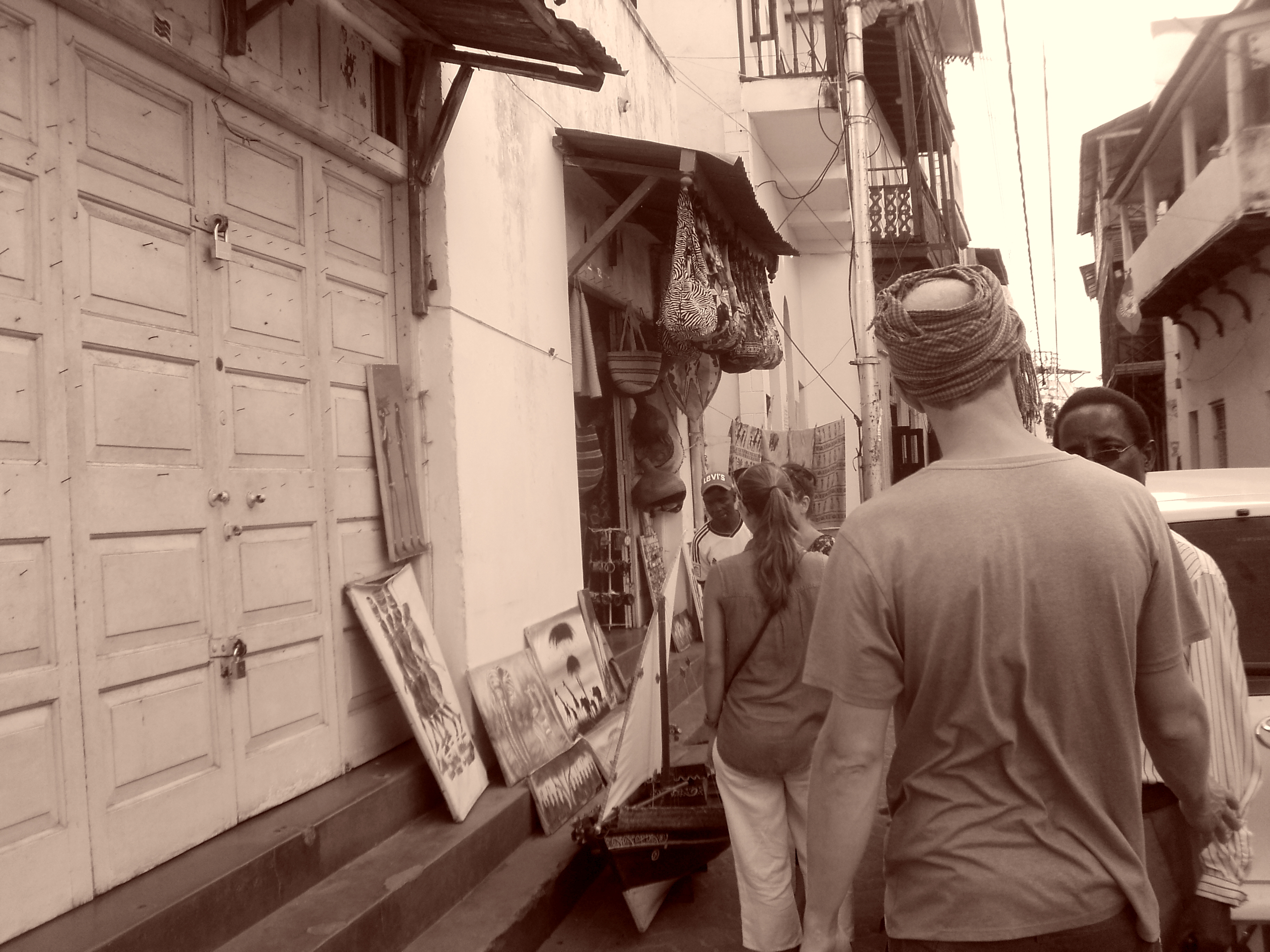
After a few educative hours at the fort we headed on to the streets of Old town where we were awed by the architectural influence of the Portuguese and the Arabs on the buildings. The streets of Old town are always so alive with bright colours of the traditional coastal khanga and kikoy, the all purpose wrap around cloth worn by both men and women. The exotic town has retained its culture and one will find here busy markets, women along the narrow streets in traditional buibui, fishermen selling their fresh fish at the dhow docks and the sweet aroma of varied spices in the air.

DSC01140 DSC01141 DSC01142 DSC01143 DSC01144 DSC01145 DSC01146Shark teethDSC01147 DSC01148Ancient homes with Indian ArchitectureDSC01149 DSC01150 DSC01151 DSC01152 DSC01153DSC01154 DSC01155One of the oldest mosques in the area. It is still in use today.DSC01156Looks like residents here are Liverpool fans 🙂DSC01157 DSC01160The little Askari (soldier) guarding the place

DSC01163A very old warehouse used to store goods during the Arab trade daysDSC01164DSC01165Our guide Ali seems to really love his job and is good at it too.DSC01166 DSC01168 DSC01169DSC01171 DSC01172DSC01167

DSC01173 DSC01174DSC01175DSC01177 DSC01178 DSC01179 DSC01181Almond tree

This was an afternoon well spent. Many thanks to our guide Ali Mohammed for the tour and the things we learnt. Hope to go on another similar venture soon!

Keep travelling and exploring!!!

Honouring the Father of Lions; George Adamson

Conservationists from all over the world will next month converge at Kora National Park to commemorate the 24th anniversary of George Adamson’s death and to honor his work.

George Adamson is one of the founding fathers of wildlife conservation in Africa.

During his lifetime, Adamson mainly rehabilitated captive or orphaned big cats for eventual reintroduction into the wild.

Adamson’s interest in conserving wildlife earned him the name ‘The Lion Man Of Africa’.

The event is organized by the Kenya Wildlife Service with support from other stakeholders.

The George Adamson commemoration weekend in the wild will run from Friday -August 31-to Sunday -September 1.

August 20th will be exactly 24 years since Adamson’s demise, hence the need to visit where he used to work, live and eventually buried.

The primary objective of the event is to build on the foundation laid by George Adamson’s conservation of lions in both Meru and Kora ecosystems.

The people in attendance will be involved in many activities including camping at Adamson’s Camp, climbing the Kora Rock, visiting George Adamson’s grave among many others.

Corporate organizations and individuals have also been invited to participate by sponsoring corporate teams or contributing towards the George Adamson Fund.

A participation fee will be charged as a package with an individual participant paying Ksh 4,000 and cooperate bodies paying Ksh 50,000 – a team of not more than 10 people.

The Kenya Wildlife Service has waived park entry categorization for visitors between the 30th August and 1st September, 2013.

– See more at: http://www.medinaresidences.com/blog/?p=925#sthash.cDhqbVN1.dpuf

A few weeks back, conservationists from all over the world converged at Kora National Park to commemorate the 24th anniversary of George Adamson’s death and to honour his work. The commemoration weekend took place in the wild from Friday 31Aug – Sunday 1 Sept.

Participants of the event engaged in a myriad of activities that included;

  • Camping at Adamson’s Camp and Tana River Campsite
  • Climbing of Kora Rock
  • Visit to cultural manyattas and exhibition of cultural artifacts from different cultures surrounding the Park
  • Cultural night on Saturday
  • Watching of George Adamson films and Gallery Exhibition – in the Adamson camp
  • Visit to Kora Rapids
  • Visit to George Adamson’s grave and main speeches during the visit to the grave
  • Entertainment by neighboring communities at the grave side and also in the campsite

Organized by the Kenya Wildlife Service with support from other stakeholders, the event’s primary objective was to build on the foundation laid by George Adamson’s conservation of lions in both Meru and Kora ecosystems.
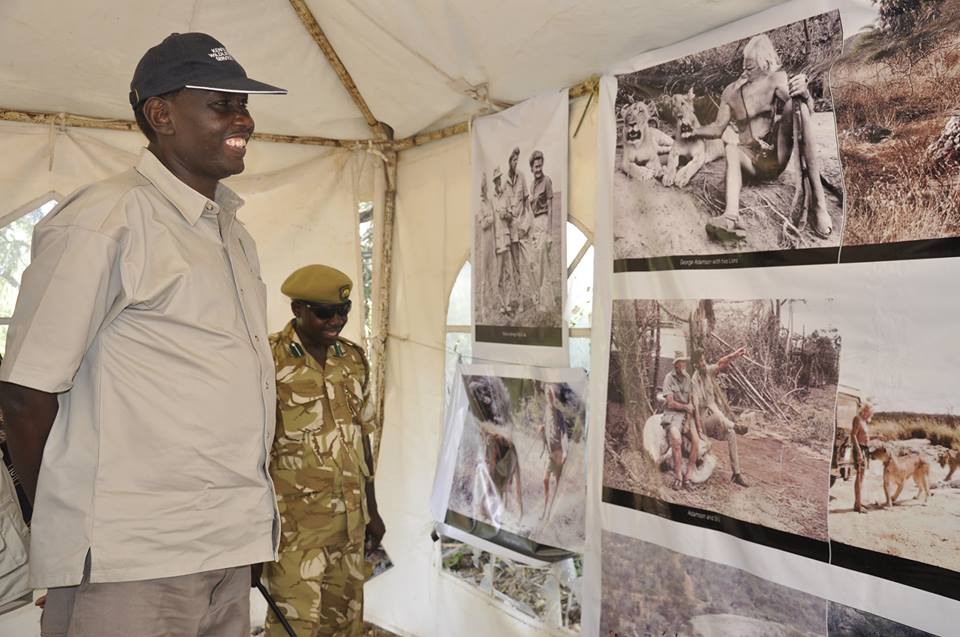
1239764_10151880825502904_1932516448_nKWS Director Mr.William K. Kiprono at Kora National Park(The Last Wilderness) during the George Adamson Anniversary weekend.
This man George Adamson
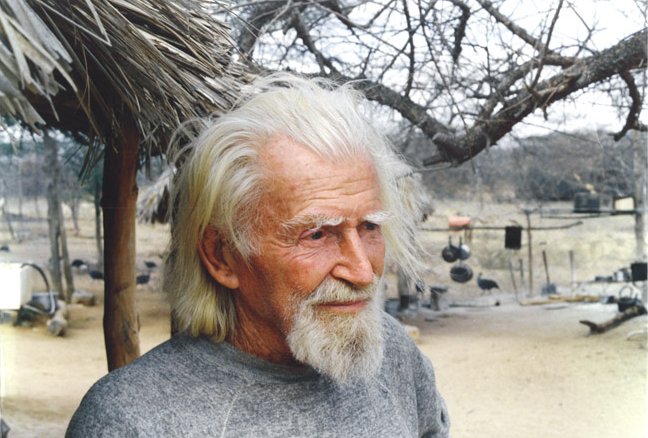
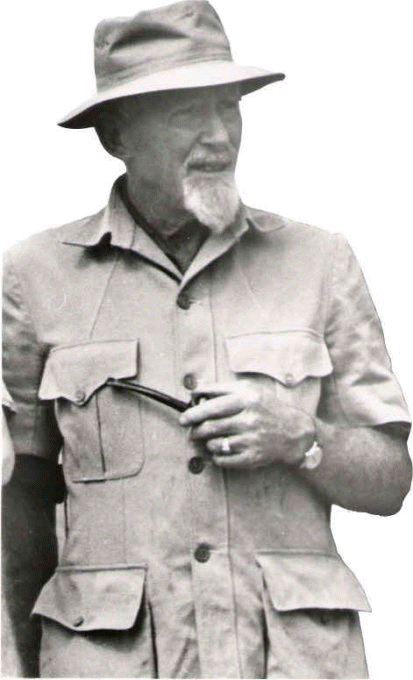
George Alexander Graham Adamson was born in Etawah, India (then British India) on 3rd February 1906 of English and Irish parents. At age 18, George made his way to Kenya to work on his father’s coffee plantation. His adventurous spirit did not however allow him to stay in the plantations for long as he shifted gears and ventured into many other different things including gold prospecting, goat trading and safari hunting. George Adamson’s life as “Baba ya Simba” (father of lions) began back in 1938 at age 32 when he joined Kenya’s Game Department as a warden.
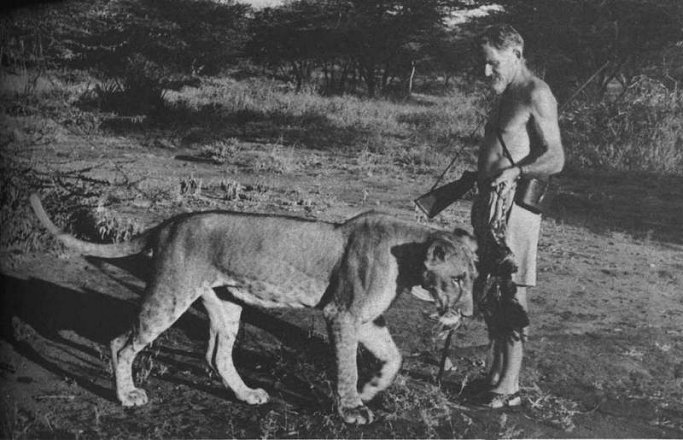
GeorgeAdamson_InCampWithSweater_VM_SmGeorgeAdamson_Color_Medium_TUGeorgeAdamson_SafariJacket_620ClFamed as the ‘Lion Man of Africa’ and regarded as one of the founding fathers of wildlife conservation, George Adamson is best Known from the book and award winning film ‘Born Free’ which features the story of elsa, an orphaned lioness that he raised and released into the wild together with his wife Joy whom he had married six years after joining the Game department. Elsa the lioness would not only come to change George and Joy’s lives but through subsequent books, movies and films, she promoted an enormous interest in conservation with the general public. At about age three, the Adamsons embarked on a feat that had not been attempted before i.e to teach Elsa to hunt and introduce her back into the wild.
article-1265013-090D059E000005DC-663_634x366The Adamsons, as Joy feeds a lion
VirginiaGeorgeBillJoy_BW_BFStill_884TUVirginia McKenna, George Adamson, Bill Travers and Joy Adamson
Virginia and her real life husband Bill Travers played the roles of Joy and George in the award winning movie BORN FREE.
George AdamsonGeorge and Elsa at the river    George_Elsa_Mak31eCrjpg  GeorgeAdamson_2LionsRubChin_400

“No one better knew the language and lives of lions – or loved them more – than George Adamson.” – The Christian Science Monitor

“The Adamsons gave us truths about the species that cannot be found in a biologist’s notebook…Their efforts at reintroduction and rehabilitation taught the scientific community invaluable lessons and the conservation community will forever be indebted to them…” – George Schaler

GeorgeAdamsonStandingWithElsa_OfferingABird

GeorgeAdamsonStandingWithElsaLookingAtBirdOffering_KenyaMuch as her chances for survival in the wild were slim, Elsa succeeded and remarkably continued her bond of trust and affection with the Adamsons. She remained their beloved friend until her unfortunate death believed to have been brought about by a tick disease. Elsa died with her head in George’s lap. She is buried in Meru National Park near the river and to this day many visitors to Meru pass by her grave to pay their respects. Read more of the Adamson’s and Elsa’s story here: http://www.fatheroflions.org/George_BlogArticle.html

GeorgeAdamson_AndElsaSleeping_Full_BW_BF_SmElsa and George Resting Together

Elsa_George_SleepingInTent_BW_350_75

My Elsa gone. Gone the most wonderful friend and part of my life which nothing can replace. Why should it be? Something which has created nothing but good will and love in the world.” George Adamson.

George retired from his position as senior game warden of the Northern Frontier province of Kenya, presently around the Meru National Park area in April 1961. This move would enable him to devote himself fully to working with lions. In 1970, he moved to the Kora National Reserve in northern Kenya where he worked with Tony Fitzjohn as his right-hand man. Together, they continued the rehabilitation of captive or orphaned big cats for eventual reintroduction into the wild.
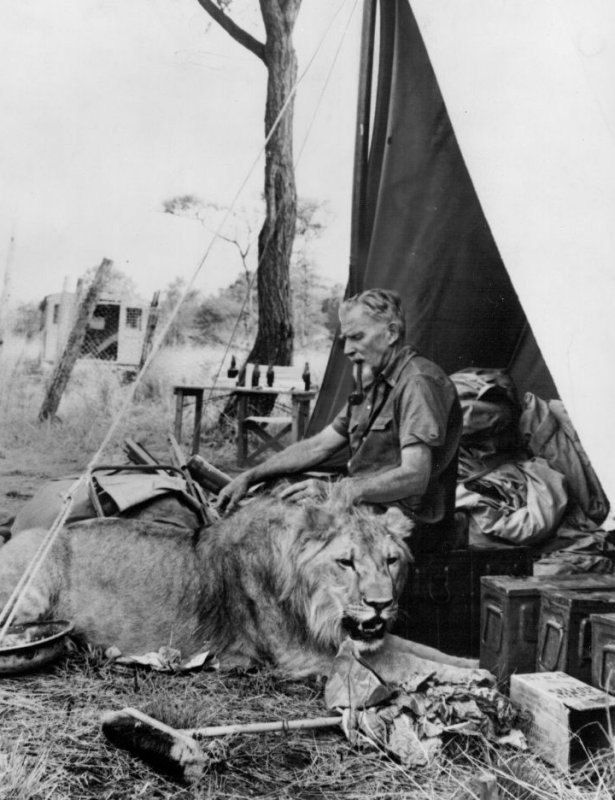
Adamson_Lion_AtTentOrigBigCrGeorge with boy lion

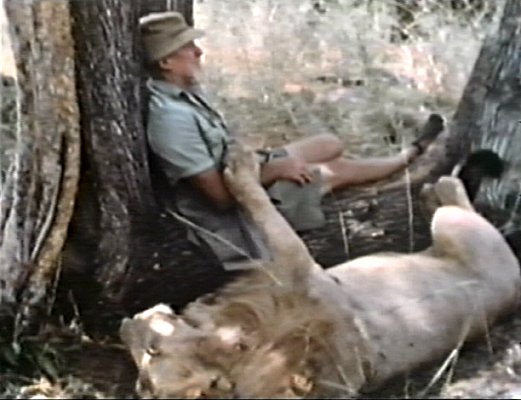
GeorgeAdamson_Boy_RestingUndTree_LAF_040_CrGeorge Adamson and Boy the Lion taking a nap in the shade of a tree.

George Adamson narrated his many adventures in his double titled biography, ‘Bwana Game’ (European title) and ‘A Lifetime with Lions’(USA title). His publishing ‘My Pride and Joy’ is equally another fascinating autobiography. Although many people feared that living with the lions could pose a danger to the Adamsons, it became apparent that their  worst enemies were of their own Kind – Humans. In 1989, George Adamson was murdered by Somali bandits as he attempted to rescue a young European tourist and one of his assistants at the Kora National Park. 20th August this year, marked 24 years since his demise. He is buried at a site known as Kambi ya Simba (lion’s camp) in the Kora National Park beside his brother Terrance Adamson, Super Cub and his beloved lion friend, Boy. George died at the age of 83.

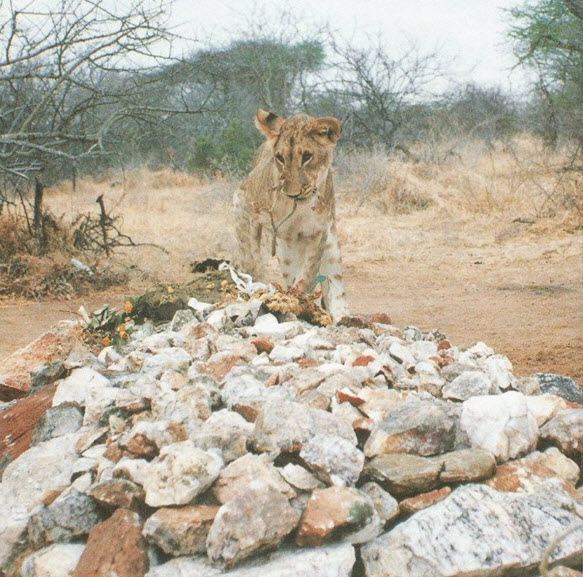
Lion_GeorgeGraveDayAfterA young Lion, holding a twig in his mouth, visits George’s Grave the day after his burial

Boy_Lion_RestingPlace_Kora_680Boy the Lion’s final resting place

There will never be another person like George Adamson. His was a rugged lifestyle, in a bush camp with only a few modern conveniences. He lived in harmony with nature and he shared a truly beautiful and almost unbelievable friendship with his beloved lion friends. He was truly a unique and wonderful gentleman who devoted his life to helping wildlife and to protecting the unique environment in which they lived.

He was a Hero to the end…giving his life to save another! http://www.fatheroflions.org/GeorgeAdamson_Information.html

“Who will now care for the animals, for they cannot look after themselves? Are there young men and women who are willing to take on this charge? Who will raise their voices, when mine is carried away on the wind, to plead their case?”

George Adamson 1906-1989

GAdamson_NO_HampshJoyNig_1972_Head1

Related article

The moving story of Christian the Lion whom George helped to release to the wild: turbotalkblog.wordpress.com

Photo credits; Fatheroflions.org
 

Conservationists from all over the world will next month converge at Kora National Park to commemorate the 24th anniversary of George Adamson’s death and to honor his work.

George Adamson is one of the founding fathers of wildlife conservation in Africa.

During his lifetime, Adamson mainly rehabilitated captive or orphaned big cats for eventual reintroduction into the wild.

Adamson’s interest in conserving wildlife earned him the name ‘The Lion Man Of Africa’.

The event is organized by the Kenya Wildlife Service with support from other stakeholders.

The George Adamson commemoration weekend in the wild will run from Friday -August 31-to Sunday -September 1.

August 20th will be exactly 24 years since Adamson’s demise, hence the need to visit where he used to work, live and eventually buried.

The primary objective of the event is to build on the foundation laid by George Adamson’s conservation of lions in both Meru and Kora ecosystems.

The people in attendance will be involved in many activities including camping at Adamson’s Camp, climbing the Kora Rock, visiting George Adamson’s grave among many others.

Corporate organizations and individuals have also been invited to participate by sponsoring corporate teams or contributing towards the George Adamson Fund.

A participation fee will be charged as a package with an individual participant paying Ksh 4,000 and cooperate bodies paying Ksh 50,000 – a team of not more than 10 people.

The Kenya Wildlife Service has waived park entry categorization for visitors between the 30th August and 1st September, 2013.

– See more at: http://www.medinaresidences.com/blog/?p=925#sthash.cDhqbVN1.dpufG

Conservationists from all over the world will next month converge at Kora National Park to commemorate the 24th anniversary of George Adamson’s death and to honor his work.

George Adamson is one of the founding fathers of wildlife conservation in Africa.

During his lifetime, Adamson mainly rehabilitated captive or orphaned big cats for eventual reintroduction into the wild.

Adamson’s interest in conserving wildlife earned him the name ‘The Lion Man Of Africa’.

The event is organized by the Kenya Wildlife Service with support from other stakeholders.

The George Adamson commemoration weekend in the wild will run from Friday -August 31-to Sunday -September 1.

August 20th will be exactly 24 years since Adamson’s demise, hence the need to visit where he used to work, live and eventually buried.

The primary objective of the event is to build on the foundation laid by George Adamson’s conservation of lions in both Meru and Kora ecosystems.

The people in attendance will be involved in many activities including camping at Adamson’s Camp, climbing the Kora Rock, visiting George Adamson’s grave among many others.

Corporate organizations and individuals have also been invited to participate by sponsoring corporate teams or contributing towards the George Adamson Fund.

A participation fee will be charged as a package with an individual participant paying Ksh 4,000 and cooperate bodies paying Ksh 50,000 – a team of not more than 10 people.

The Kenya Wildlife Service has waived park entry categorization for visitors between the 30th August and 1st September, 2013.

– See more at: http://www.medinaresidences.com/blog/?p=925#sthash.cDhqbVN1.dpuf