Mara Bushtops Camp
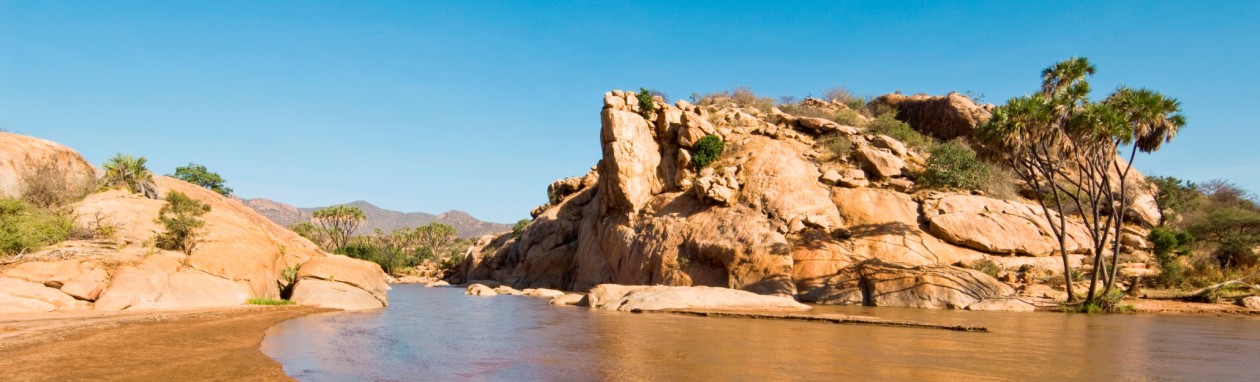

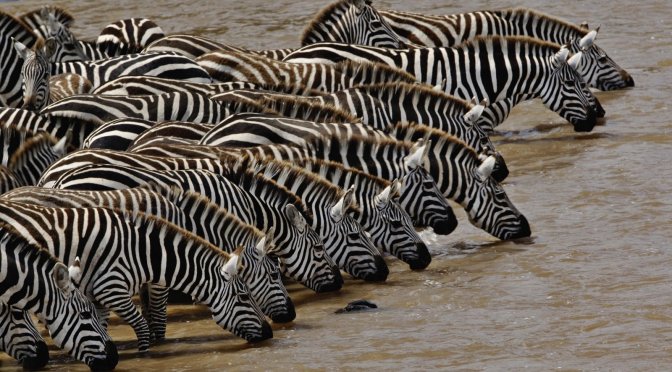
Doubling up as a wonder of the world as well as Africa’s greatest Wildlife reserve, the Masai Mara is a sight to behold. Home to the Great Wildebeest Migration, this reserve will offer you a safari of a lifetime; watching over two million animals cross-over from the Serengeti in Tanzania in search of greener pasture. This experience serves both as a ‘wow’/’chilling’ moment seeing this magical migration of wildebeests, gazelles and zebras in their thousands , while at the same time having to watch some of them make their last cross as the predators; lions, crocodiles and hyenas seize their opportunity across the Mara river.
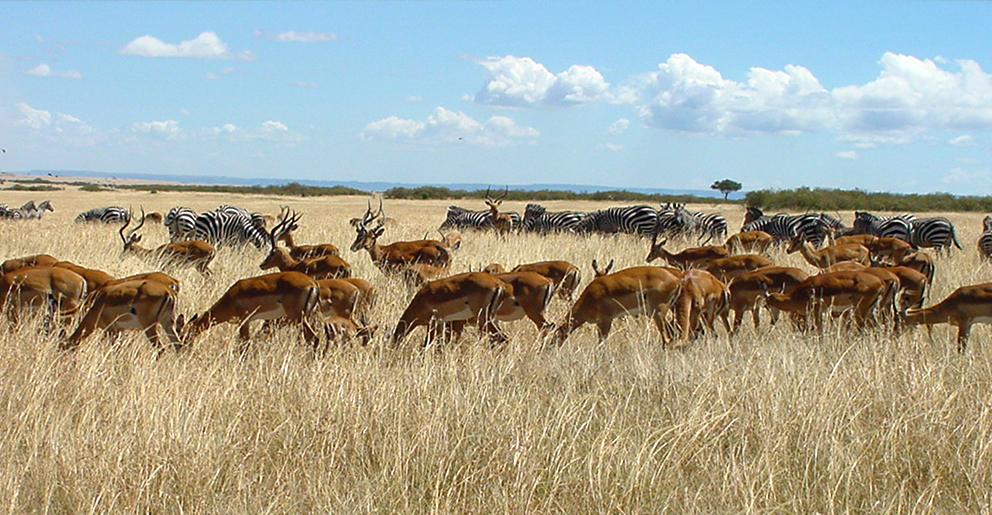
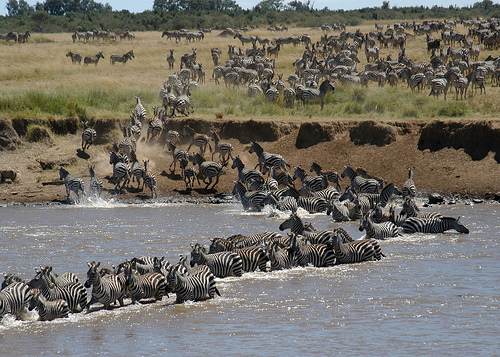
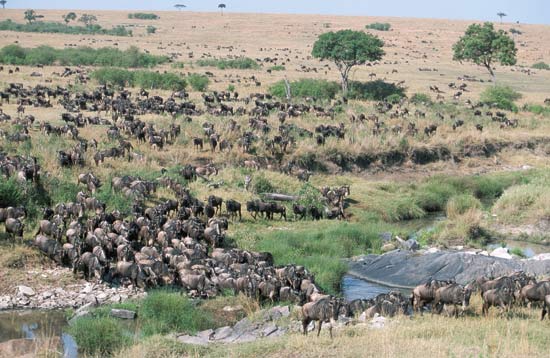
The annual Migration has highly boosted Kenya’s place as a favorite safari destination and during June/July the reserve receives numerous guests ready to watch this natural spectacle. The millions of wildebeests spend much of the year grazing throughout the plains of the Serengeti and when the dry season dawns in June, they begin to gather, forming a single vast herd ready to head north. The experience is amazing as you anxiously await for the herds, one can envision the numbers hearing the sound of the approaching herd with the rumbling of hooves and low grunts; very awe-inspiring indeed. By July, the predators are set on the Kenyan side, Knowing the feasting opportunity that awaits. The river crossing serves as a major challenge for the migration as many of the animals succumb to their fate either through drowning, being swept away by strong currents or by the wrath of the hungry crocodiles.
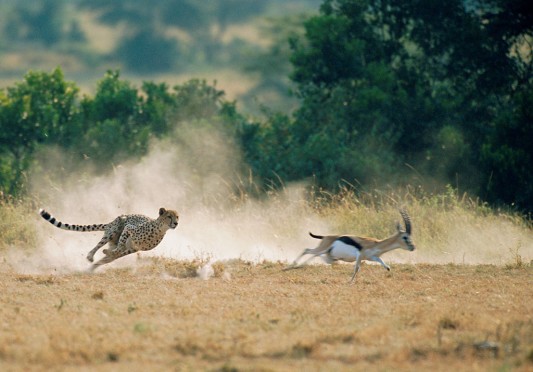
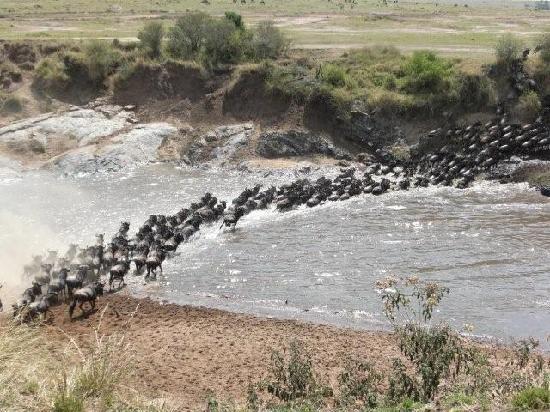
Come October, the herds start their journey back to the Serengeti to the renewed grasslands. Out of all the calves born in the Serengeti before the migration, two out of three never return from this excruciating adventure. This is thus a test of both renewal and sustenance as well as life and death. The Mara aside from being host to the greatest migration ever seen, is home to the famed Maasai people. It is beyond amazing how man and wildlife share the same space of existence in utmost harmony. This co-existence probably makes Maasai Mara one of the most unusual and unique wilderness regions the world over.
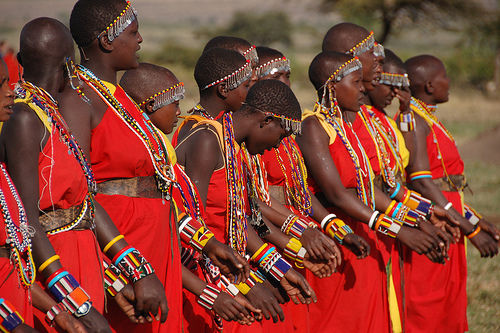
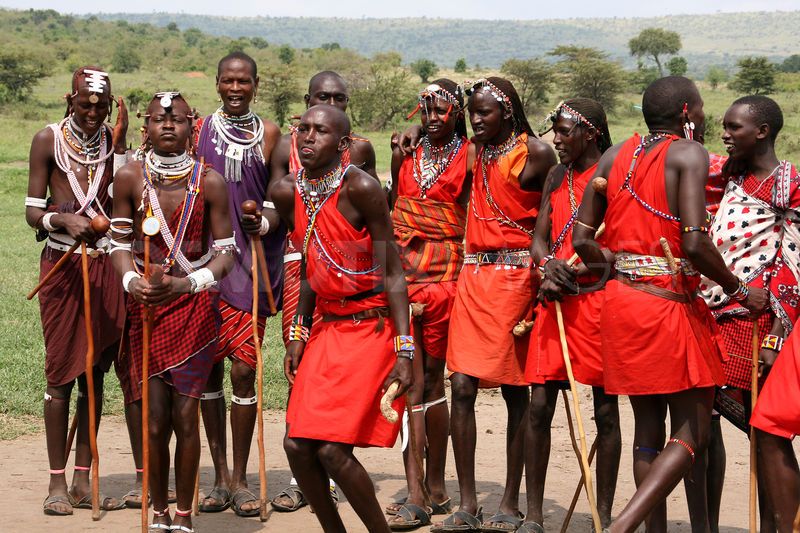
Other co-inhabitants include; herds of zebra, giraffe, gazelle,topi, an array of bird life, monkeys, elephants and buffalos in the Musiara Swamp and numerous hippos and crocodiles in the Mara and Talek rivers. The Maasai Mara is also packed with a wide range of Accommodation for any budget and is a popular attraction with Safari operators. The reserve is ideal for game drives and there are select camps and lodges that will provide you with opportunities of safari walks as well as spectacular balloon safaris. You are bound to encounter wildlife at many areas of the Mara as they are allowed to move freely in and out of the reserve and through neighbouring Maasai lands.
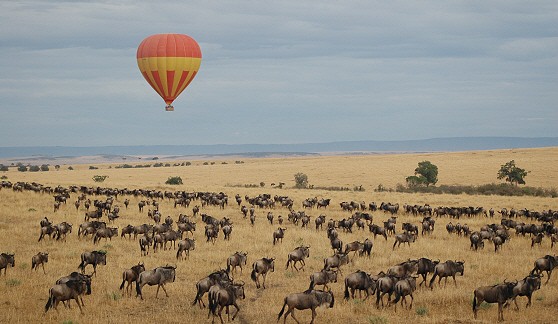
Outside the boundaries of the reserve there are many other small camps and lodges, some of which offer walking, horse riding and other safari options. One can also take part in high forest trekking in the nearby Loita Hills and the Nguruman Escarpment.


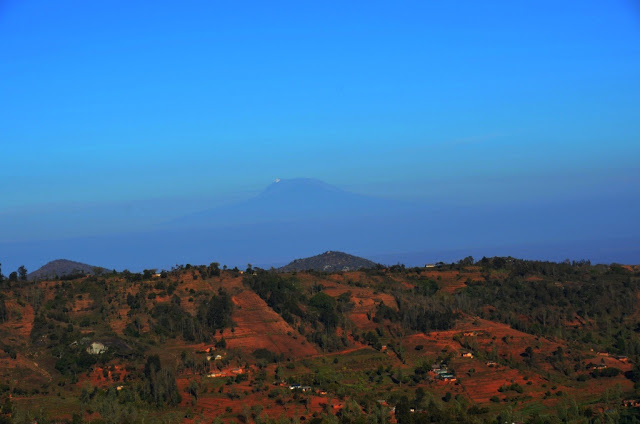 View of Mt. kilimanjaro a far from Taita hills
 Evening view
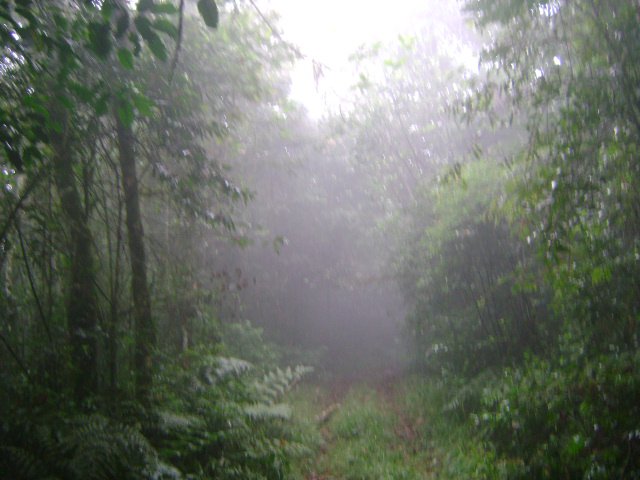
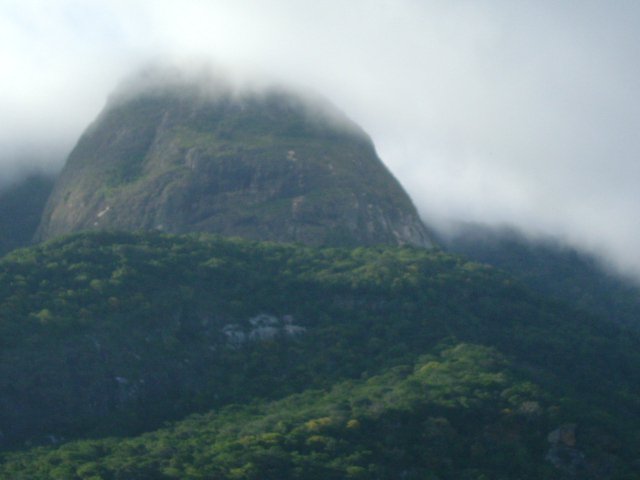 Wesu rock shrouded by fog
 Sarova Salt-lick Lodge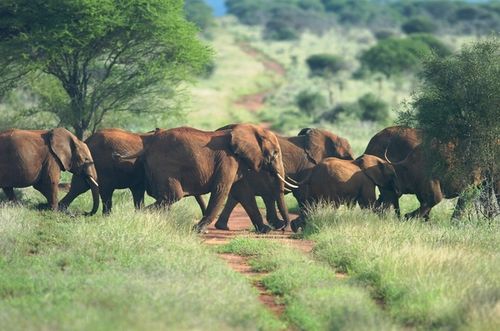
 Sarova Taita Hills Lodge
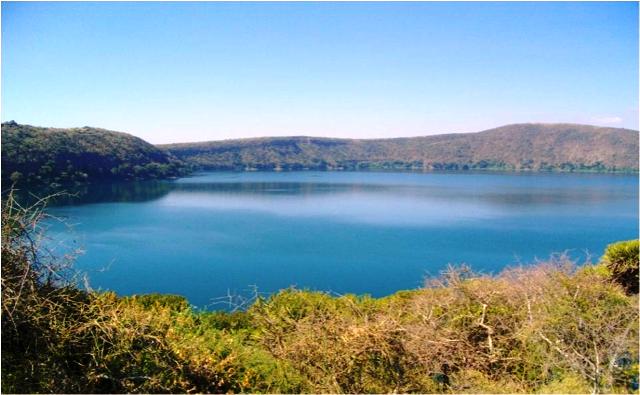 Lake chala
 Kasighau
 View of Vuria
 Iyale
Iyale View of Saghalla
 Mwachora peak and its views
 Shomoto rock and crevice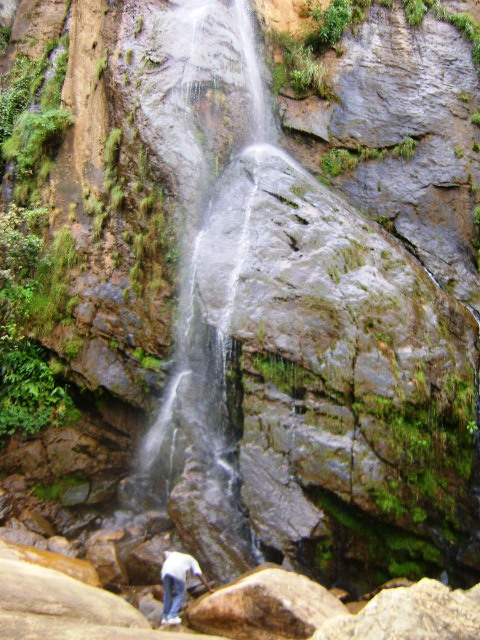
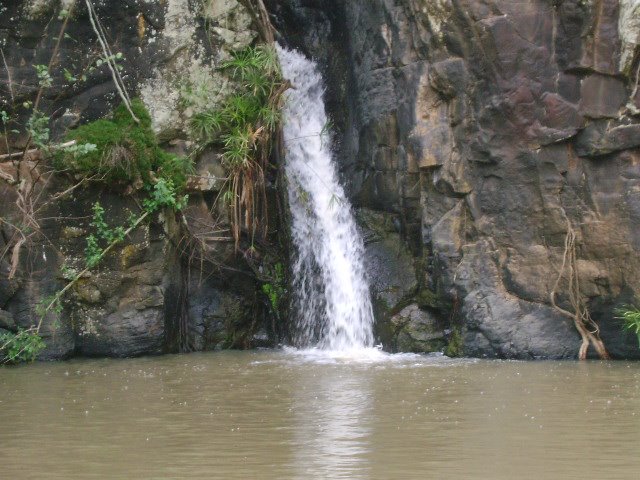
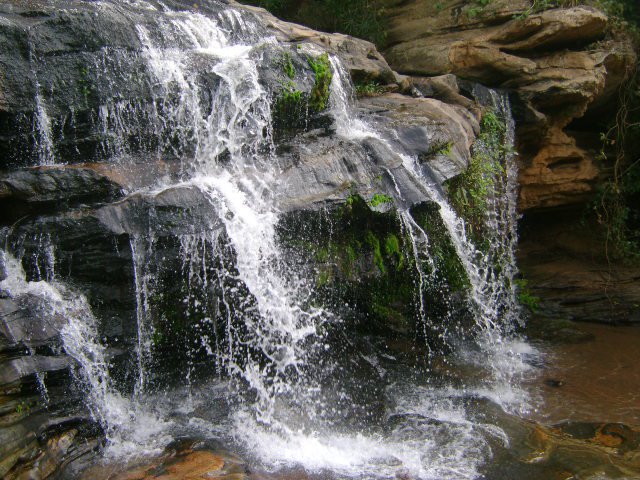

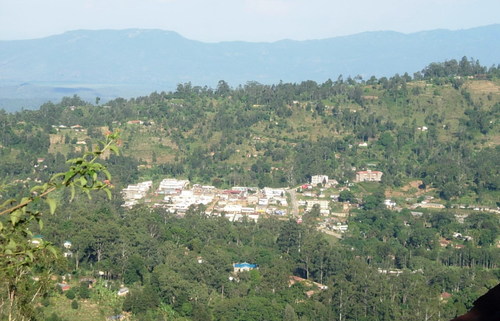 Wundanyi Town


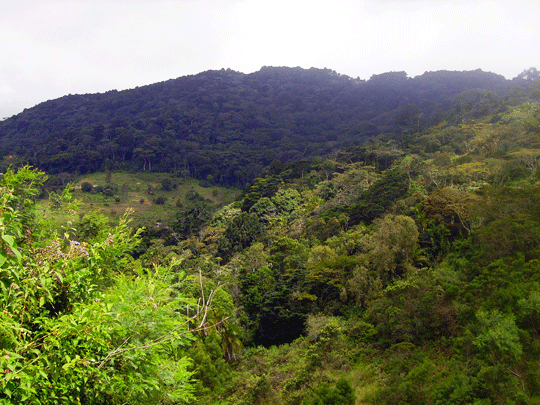


 Taita Charaxes
 Bradpodium Kinyongia
.

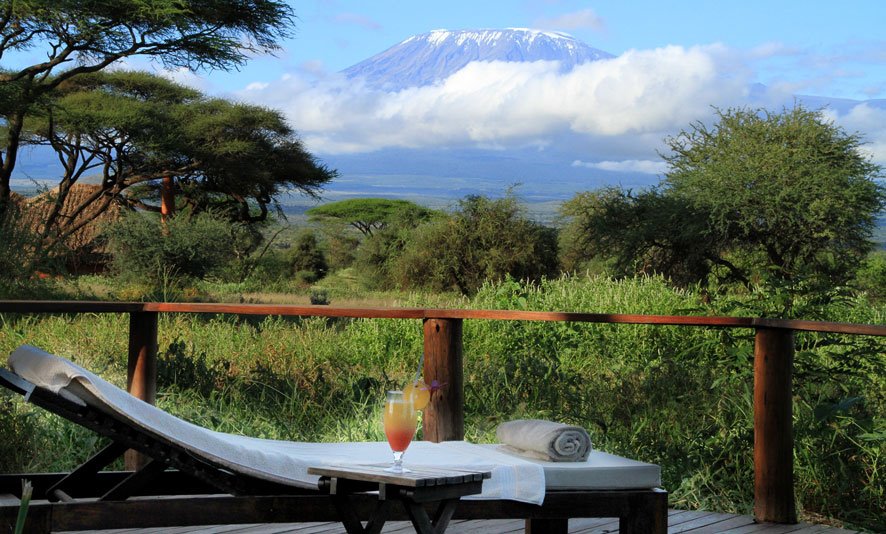
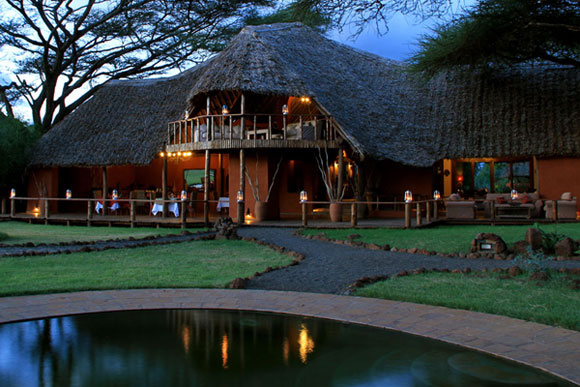
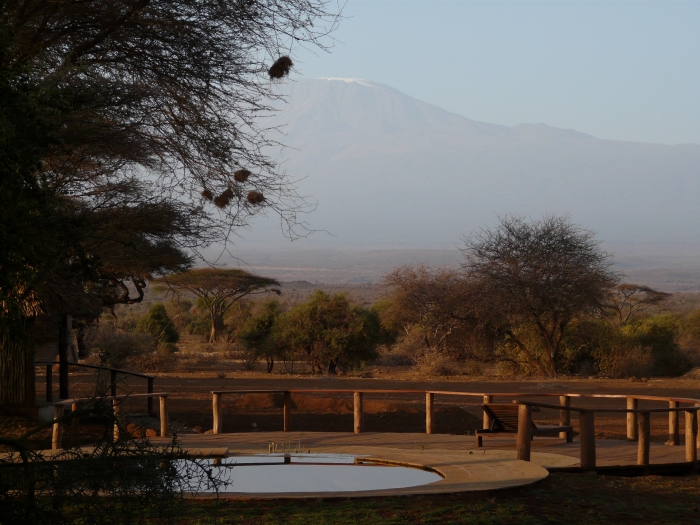
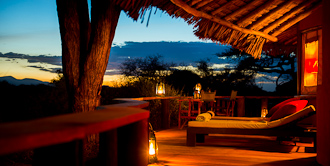
Imagine the Highest free-standing mountain as your backdrop as you watch a herd of elephants play in the mud a few metres a way, go on game drives, take a swim or endulge in that massage therapy, enjoy that bubble bath from the comfort of your cottage, or simply as you relaxingly enjoy those special sundowners with your buddies by the wooden decks…Tawi lodge has this in store for you and more.


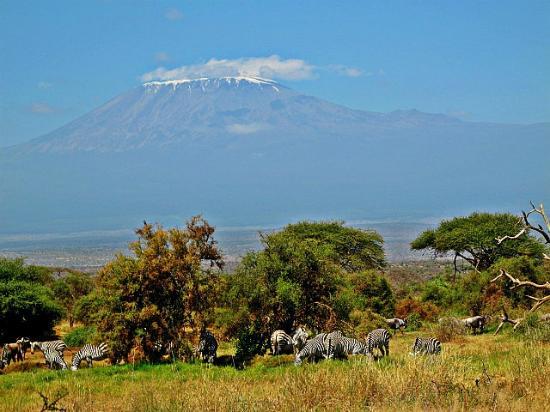

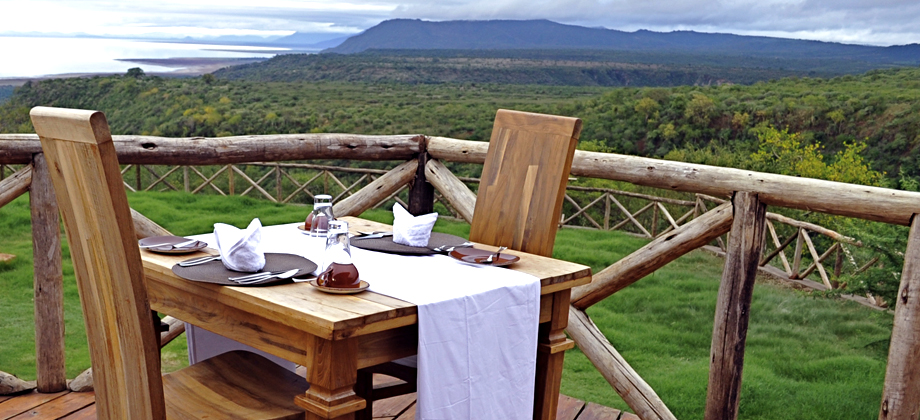
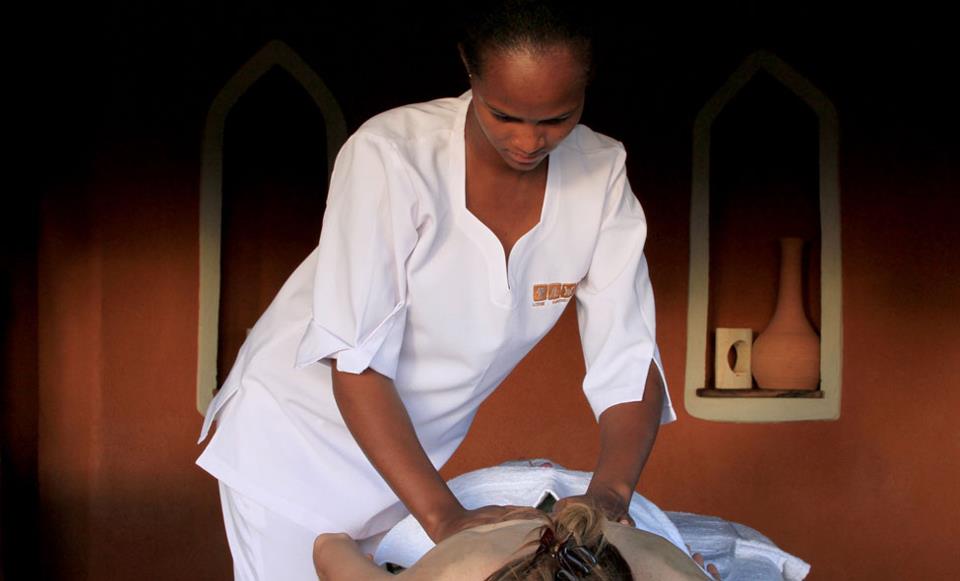
The Eco-friendly lodge sits at the foot of Mt. Kilimanjaro (Africa’s highest mountain) within a private community-run conservancy which in association with African Wildlife Foundation, endeavors to promote and maintain harmonious development for both the wildlife and the maasai people since human-wildlife conflict is leading to that which is regarded as the greatest threat in the area; habitat fragmentation and loss.
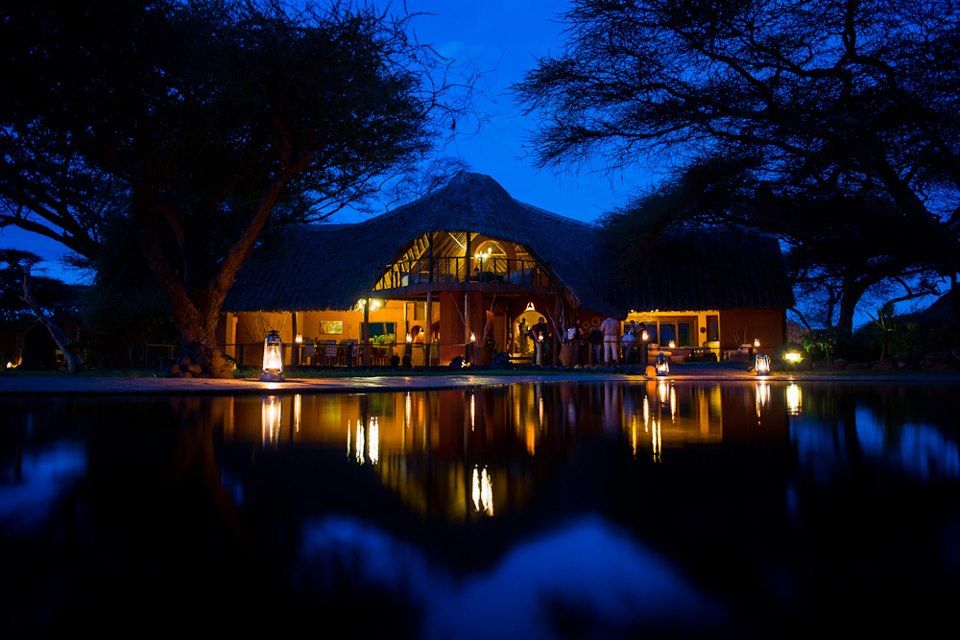
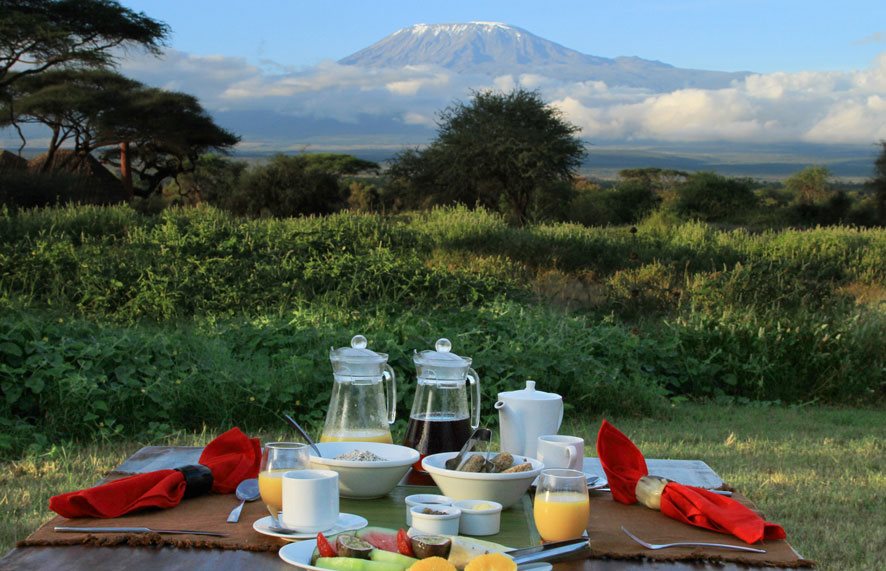

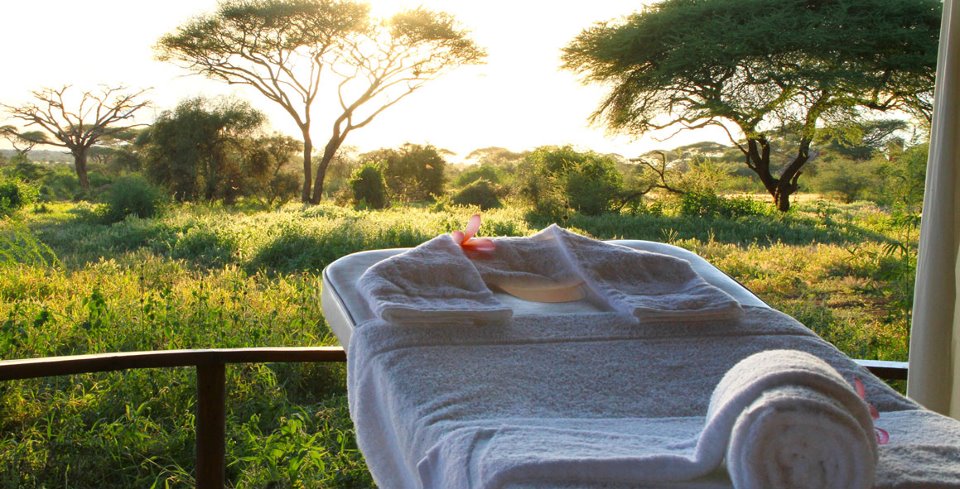
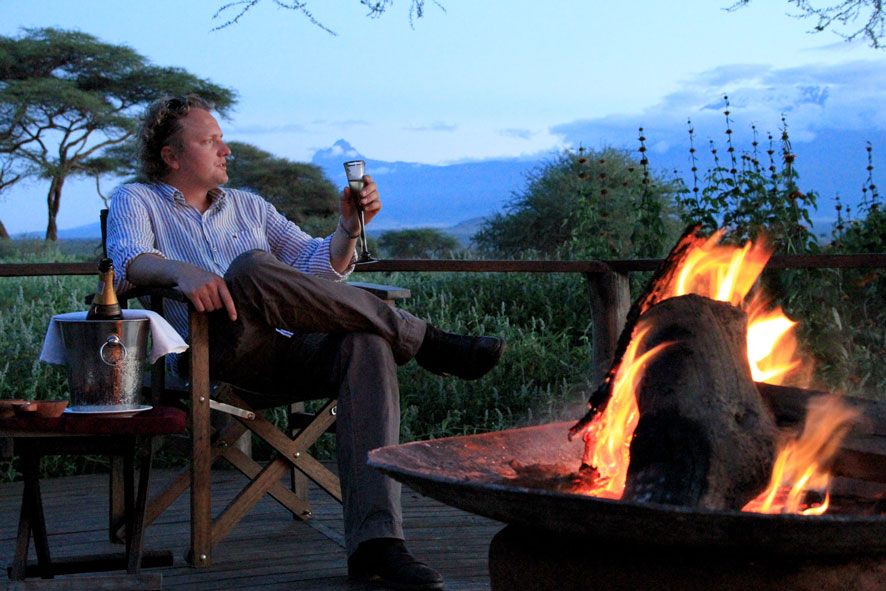

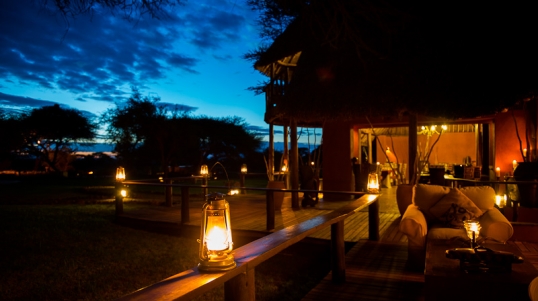
While here, relax and pass by time with stories of game experiences by the campfire or better yet enjoy the magical sounds of the African wilderness under the amazing African sky.
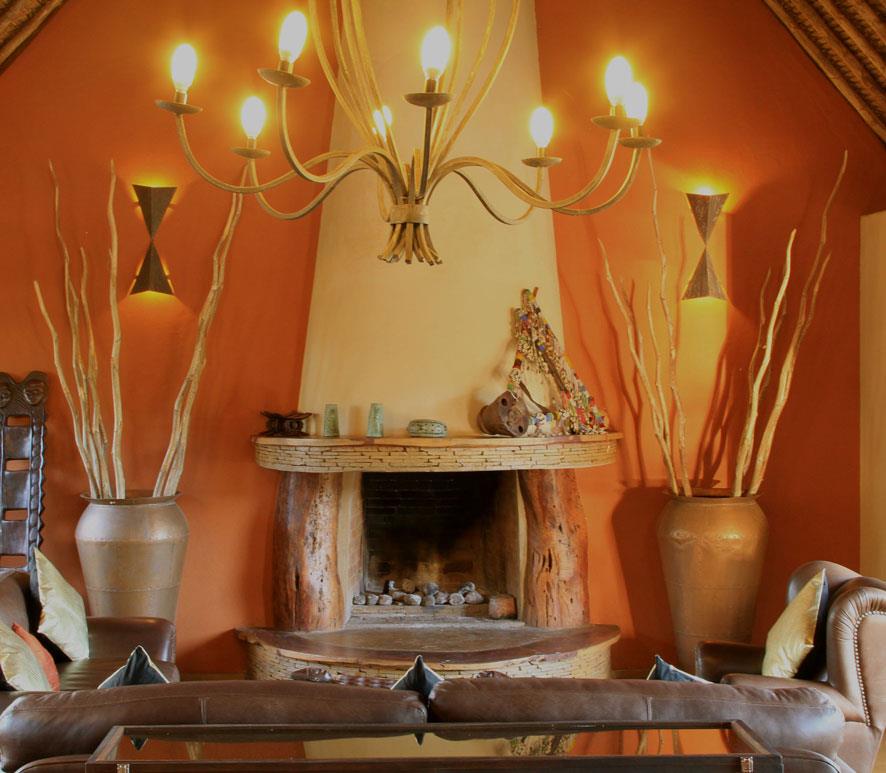
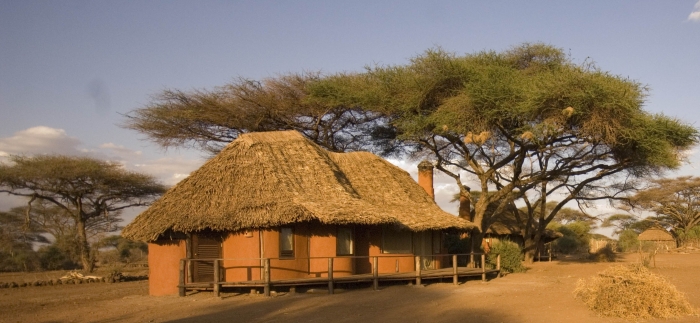
Tawi Lodge has 12 double or twin cottages, all en-suite with own fireplace, mini-bar, and wooden deck for the beautiful mountain and wildlife views.









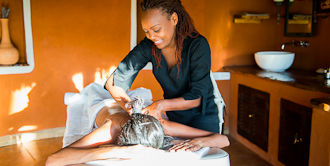

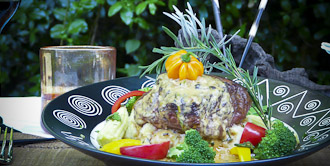


Club Sun ‘N’ Sand Kikambala, Ever been?


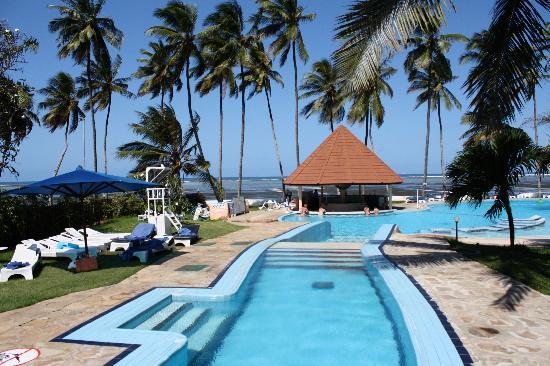


To some it is etched in their cherished memories as where they got to exchange their vows on that beautiful wedding day, others spend somewhat part of their lives providing service to numerous guests, and generally to many, this is the place associated with a well deserved and out of this world holiday vacation. Well whatever memory or experience it has offered you at any point, Club Sun ‘N’ Sand now remains but a construction site for the new Sh15 billion Ocean Seven apartments. Yes, the five-star beach resort with a capacity of 600 is to be demolished…shame.
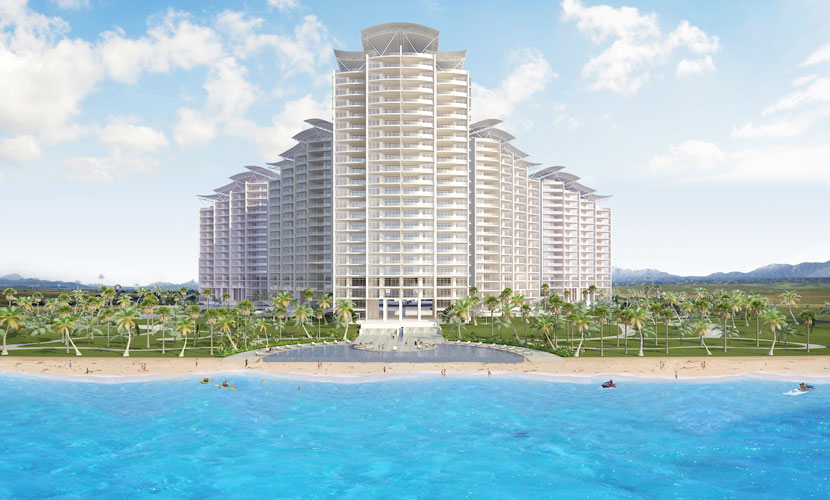


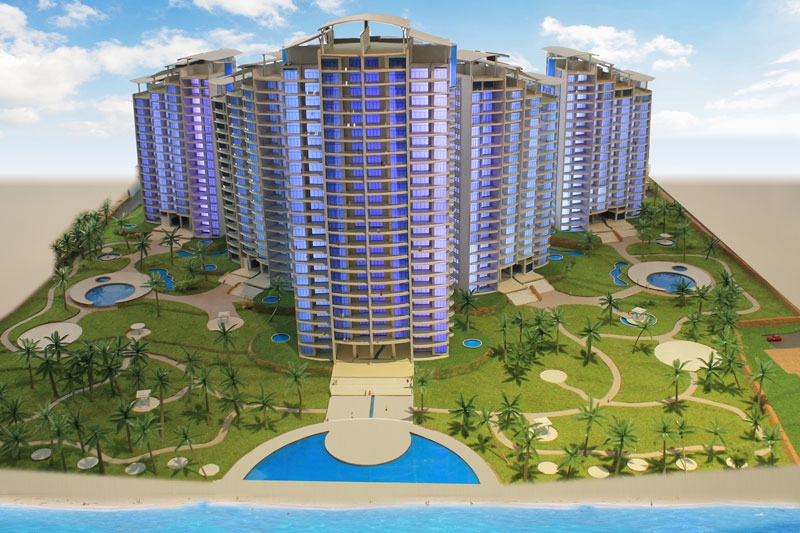




The new construction is said to be as a result of the rising appetite for luxurious apartments; the proposed apartments will consist of two commercial blocks and five residential to be sold to investors. Aside from having 325 condominiums in 17, 19, and 25 storey towers, the 17-acre hotel plot shall feature an exercise park, flora and fauna, as well as a Biogas plant for recycling garbage.




Upon completion, locals are said to be given priority in employment with the expectation of 10,000 opportunities directly and indirectly. Kilifi governor, Amason Kingi stated that the county would abide by the 70 per cent local workforce and 30 per cent outsiders employment rule. So far, about 50 percent of the units have been sold to Kenyans.

“The floor vibrated under their feet. The room filled with their smiles, their joy, their banter back and forth — noises, sounds, movements, Joyous, Powerful, Alive.” -Burlington Free Press
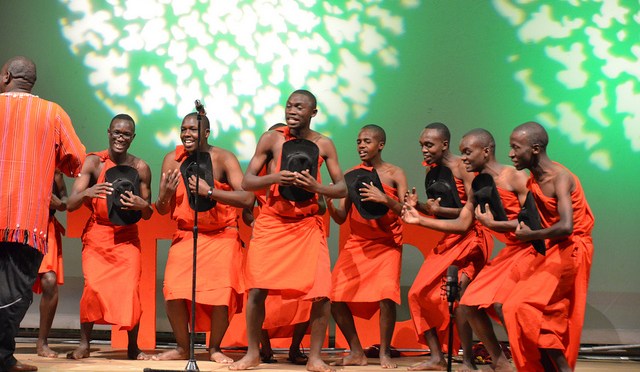
Their Melodious voices will make you forget just about any concerns and worries of everyday life. Just sitting there listening to the Kenya Boy’s choir draws you into another world a musical note at a time. Consisting of 25 boys aged between 13 and 24, the group is an assortment of individuals from different Kenyan backgrounds and tribes brought together by their sole love for song and clear ambition to enhance their raw musical talent. Having started in 1998, the aim of the choir was to help raise money for school fees so as to assist boys from underprivileged backgrounds; Founder and Artistic director being Joseph Muyale Inzai – a former school choir coach, having worked with many schools including Aquinas boys with whom he started the Kenya Boy’s Choir project.

Kenya Boys Choir initially started off with Traditional Maasai and Samburu chants and embraced contemporary African as well European classical pieces along the way. The choir has since then made numerous trips to the US where they have attracted a myriad of following. The boys’ emotive performances has seen them grace many national/international celebratory as well as corporate stages but it was 2009 that saw them accorded the highest recognition with the receipt of an invitation from the American Government to attend the inaugural celebrations of the then U.S elect president Barack Obama.
It was with this performance as well as international media coverage that saw their signage into Universal Music Group. It appears that the music company was so impressed with their work, so much so that they could not see them leave the country without signing them. The Kenya Boy’s choir signed a contract with the label at Heathrow Airport, London in the departure lounge as they awaited their connecting flight…mother luck was on a high!
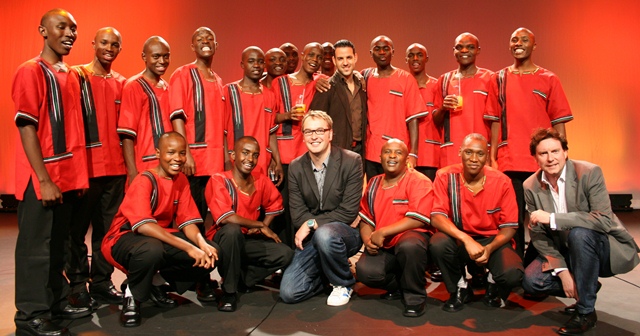
Since then Kenya Boy’s Choir has achieved great success as the first ever African Choir to appear at the famed Beijing International Music Festival with a sold out concert.They have also had the pleasure of touring the UK on a series of concerts;Britain, Wales, Ireland and Scotland where they fascinated their audience with their cultural performances.

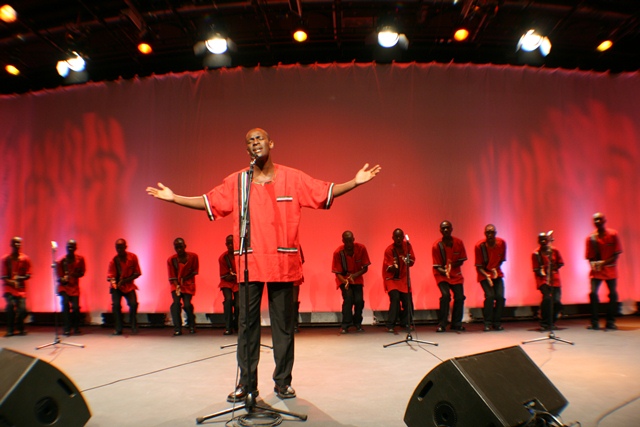
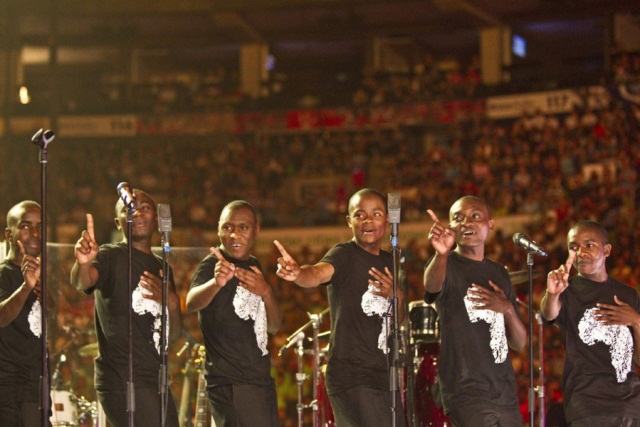
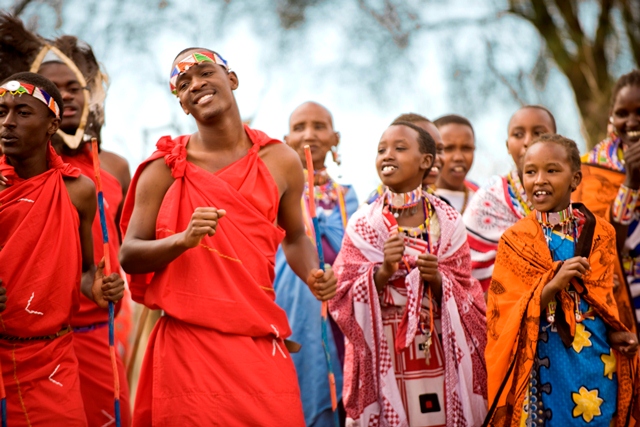
Take a listen to some of their most outstanding works thus far…
Kenya Boys’ Choir… Making Kenya proud as they live out their dream.
For more information on the Kenya Boy’s Choir: thekenyanboyschoir.org

Having gained immense popularity overtime, and ranking as one of Kenya’s top highlights in the social and entertainment calendar, Rhino Charge is clearly no longer solely a preserve for the motorsport fraternity. The event currently has over two decades of physical endurance testing, extreme driving skills showcasing, tough challenging experiences, as well as lots of excitement under its belt. Rhino charge is not for the faint at heart!

The three day event, organized by The Rhino Ark Charitable Trust, is held to raise funds for a very noble cause – conservation of Kenya’s Aberdare, Mau, Mt. Eburu, and Mt. Kenya Ecosystems. Individuals set to compete are required to raise the minimum sponsorship set by the organizing committee.
Rhino Charge competitors are required to visit 13 points scattered over approximately 100 square kms of rough terrain within a 10 hour period. The location of the event is kept secret until the start off which makes it even more challenging for the competitors as they are not accustomed to the terrain. Competitors are supplied with a 1:50,000 scale map of the venue, co-ordinates of the 13 Control Points and their Start position (at one of the Controls). Each competitor must plot the Control Points on the map and decide his/her route. Navigation is by compass/GPS and the winner is the competitor who visits all controls in the shortest distance (GPS measured).
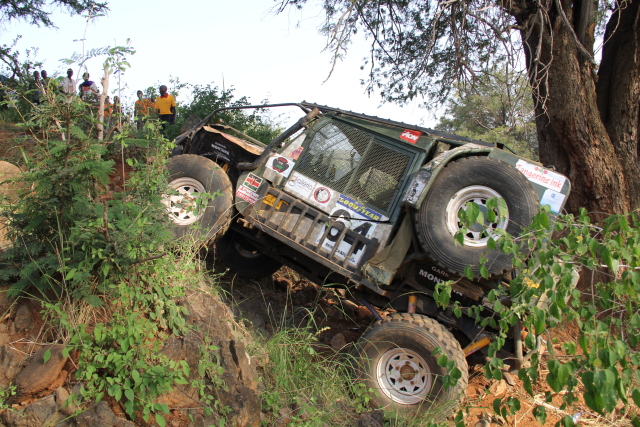
For those not taking part in the exciting challenge, this is the time to have fun camping in the wilderness, mingling with friends, not forgetting cheering on the contestants as they tough it out.
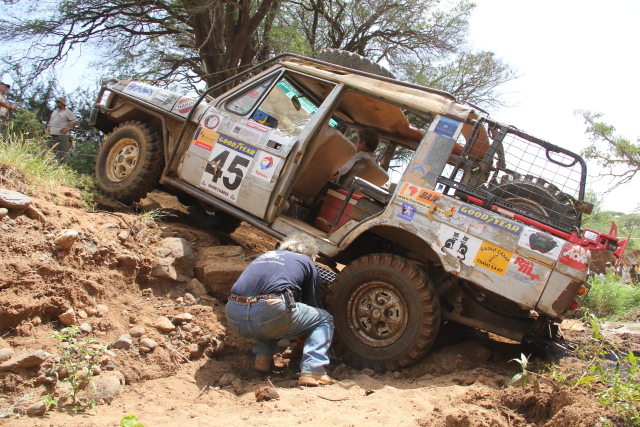


Day Time Activity
May 31 (Fri) 8.30 am Rhino charge scrutineering
June 1 (sat) 7.30 am Rhino charge event
June 2 (sun) 10.00am Rhino charge prize giving
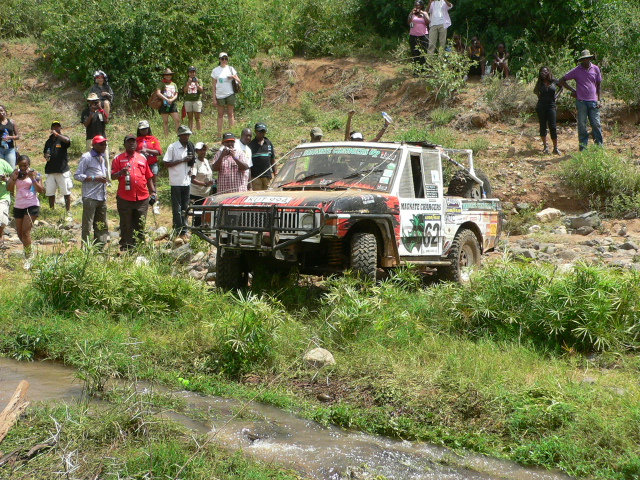
What to carry:

Meet William Kikanae Ole Pere; the Maasai elder whom thanks to his tireless endeavor in search of a better and quality life for his tribe, saw the creation of the “Maasai Project“.

The project which was successfully launched in 2008 saw the coming together of Pikolinos, the Spanish footwear brand & non-profit company and Alternative Trade & Microcredits (ADCAM). William initiated the idea of collaborating the Eco-friendly and socially responsible companies to create a footwear line that earns profits to further women’s development and additional projects in the Maasai Mara National Reserve.
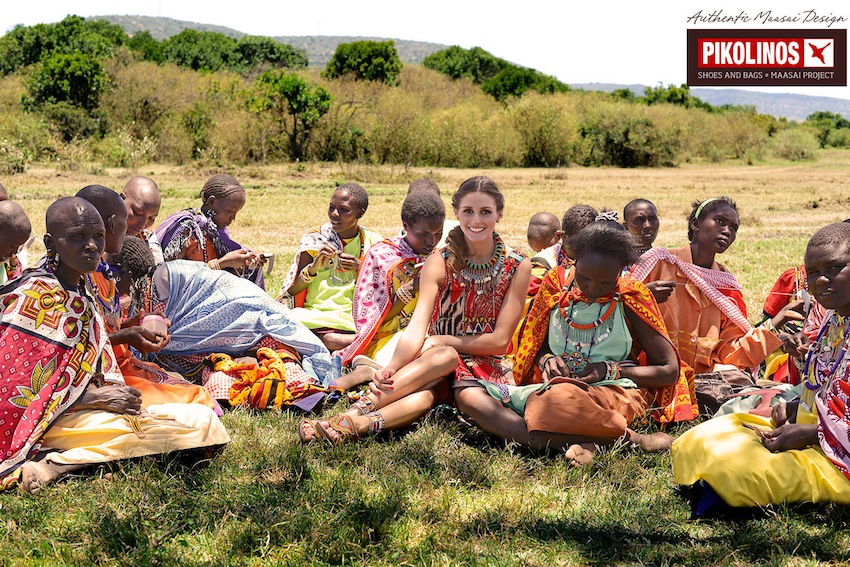
The Maasai Project seeks to supply the Maasai people with resources and tools needed to better both their educational and medical needs as well as help in preserving their endangered culture. All the embroidery featured in the campaign footwear is hand sewn by the Maasai women showcasing their intricate designs and natural artistic talents; this has seen about 1,600 women gain employment.
The embroidered leather pieces – brought to Kenya to be worked on by the Maasai women – are flown back to Spain where the processing of the complete product is done. Proceeds are then distributed to the Maasai tribe.


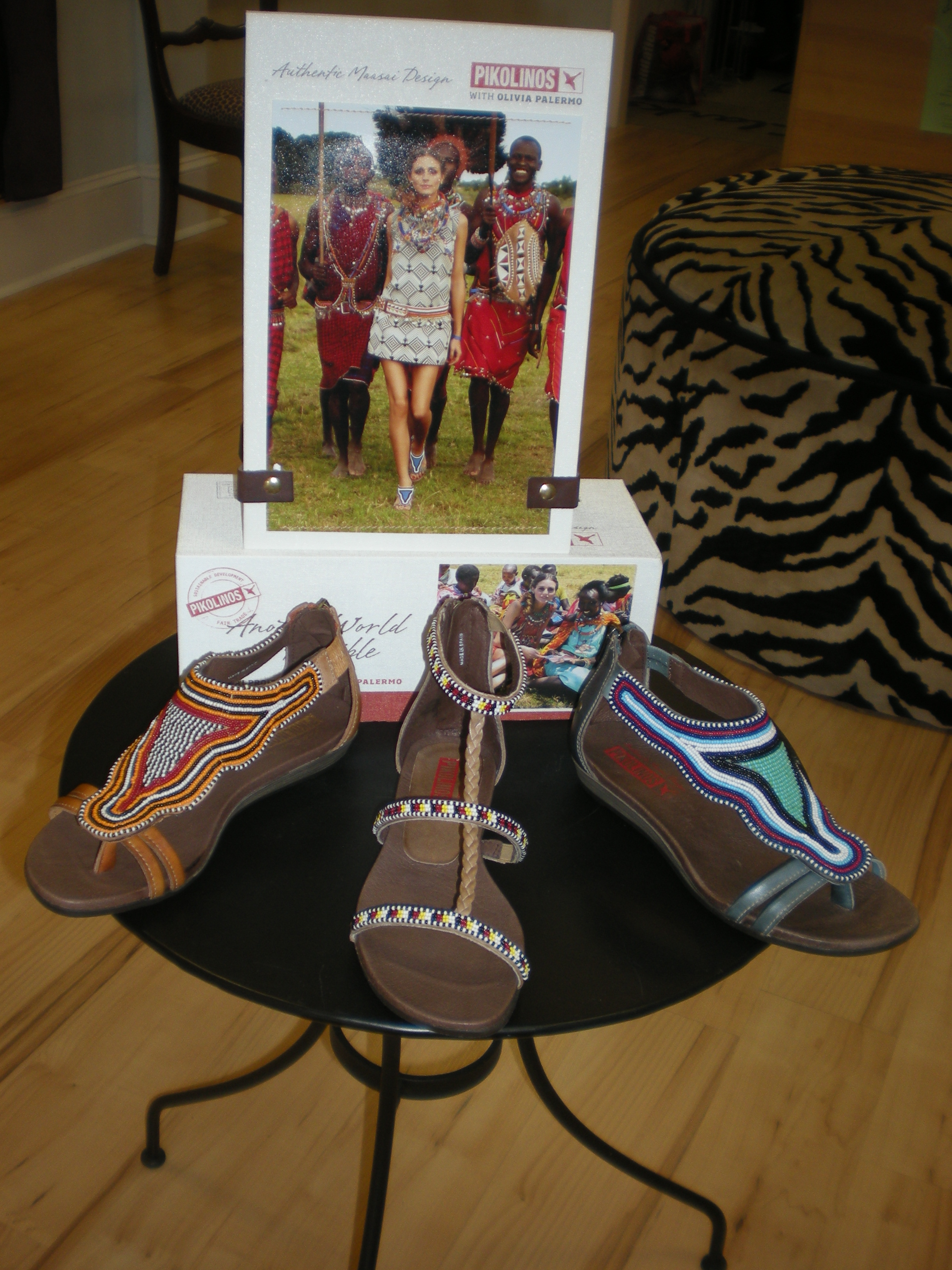
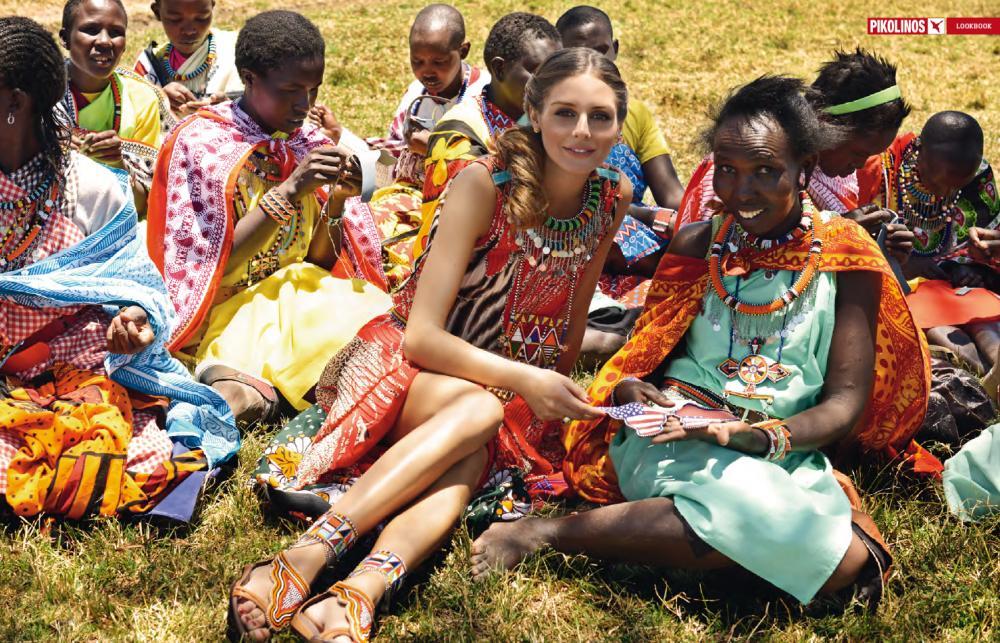
Olivia Palermo; model, fashion consultant and this year’s Maasai Project Brand Ambassador, got to experience first hand, the life and challenges of the Maasai people during her tour to Maasai land in pursuit of getting to know the process of embroidery work as well as shoot the Summer 2013 campaign for Pikolinos.

In her own description of the amazing work produced by the collaboration,
“Fashion and development, cooperation and fashion, fashion and Free Trade – this combination is possible.”
“Thanks, Pikolinos, because indeed another world is possible.”
Olivia Palermo’s look book on her work and experience during her project trip to Kenya…
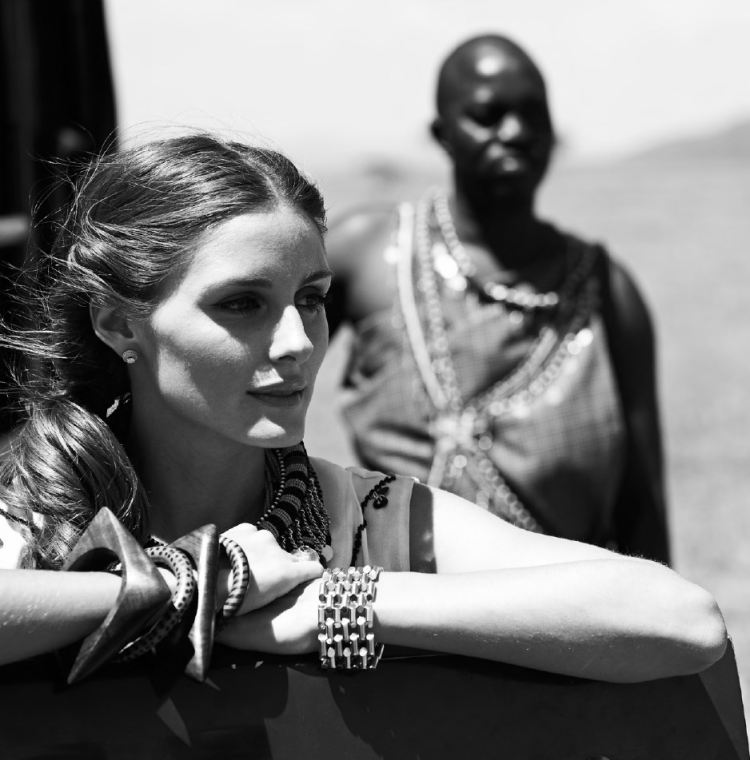



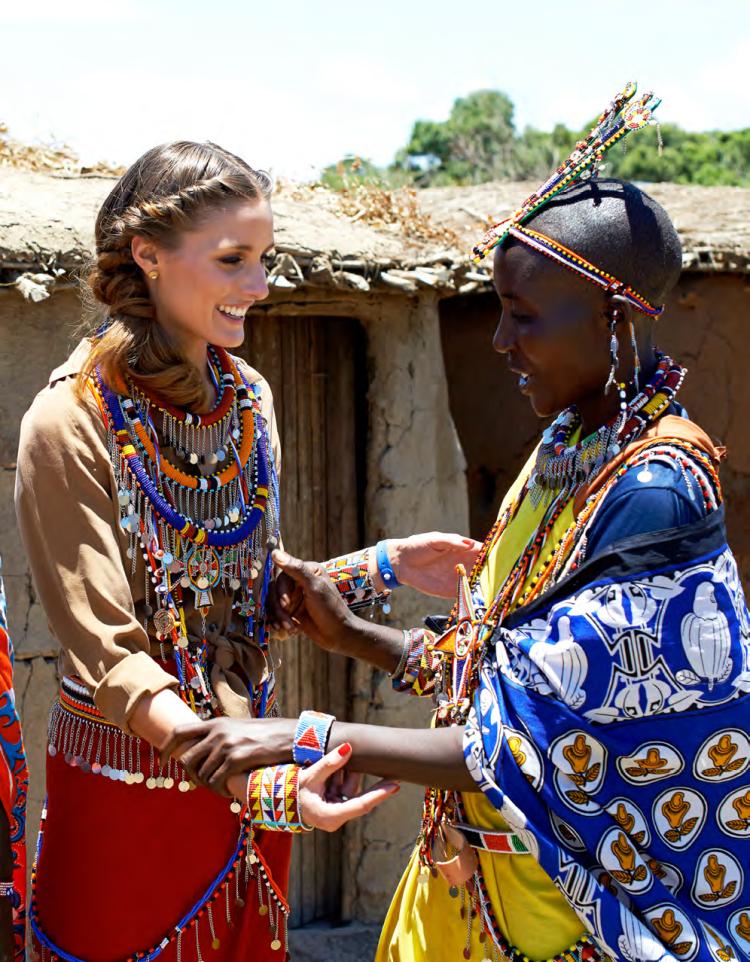


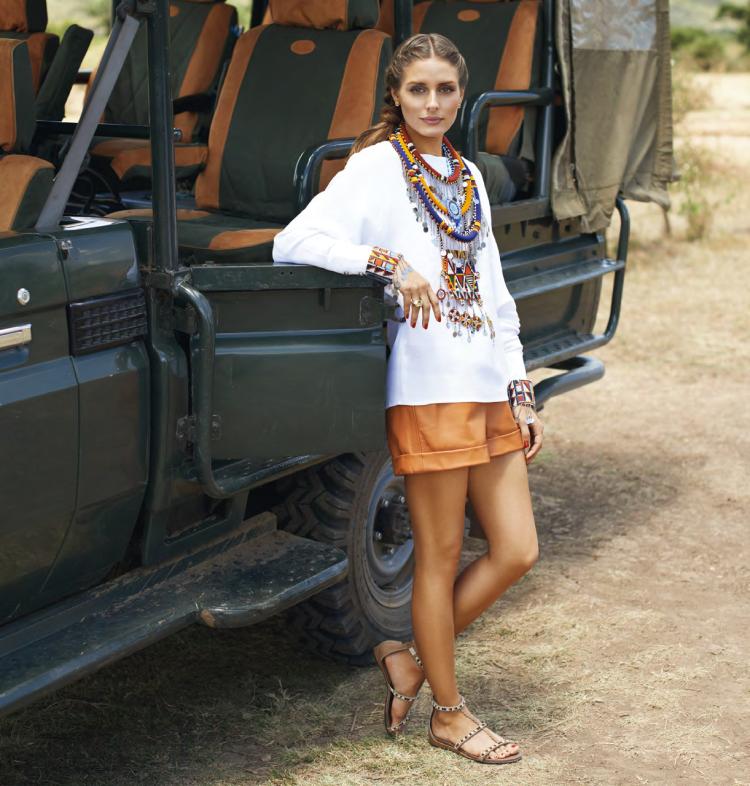
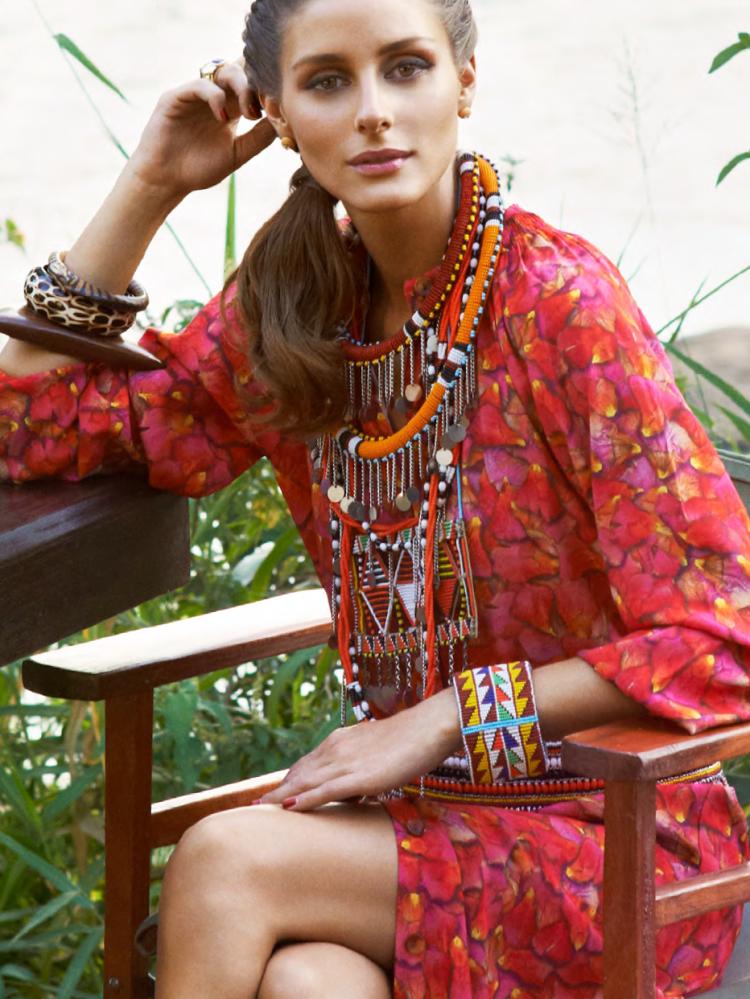

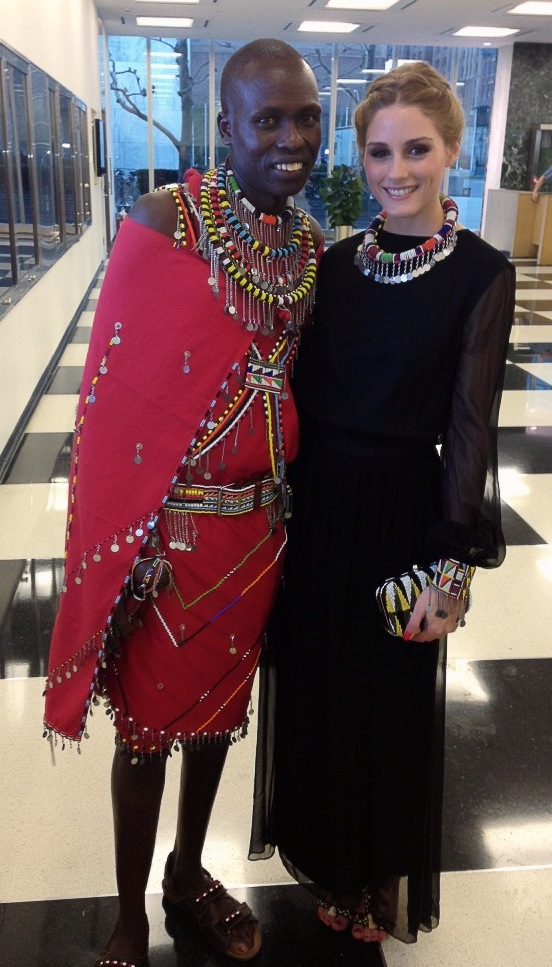 William Kikanae and Olivia Palermo

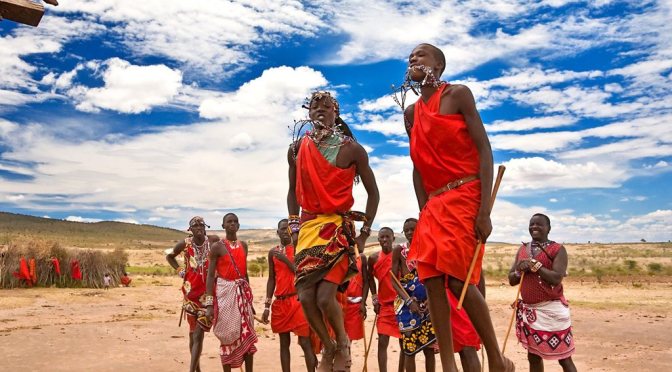
Imagine a Maasai warrior, or a Maasai woman adorned with beads – it’s one of the most powerful images of tribal Africa. Dozens of companies use it to sell products – but Maasai elders are now considering seeking protection for their ” brand”.

Dressed in smart white checked shirt and grey sweater, you’d hardly know Isaac ole Tialolo is Maasai.The large round holes in his ears – where his jewellery sometimes sits – might be a clue, though.
Isaac is a Maasai leader and elder. Back home in the mountains near Naivasha, in southern Kenya, he lives a semi-nomadic life, herding sheep, goats, and – mostly importantly – cattle.
But Isaac is also chair of a new organisation, the Maasai Intellectual Property Initiative, and it’s a project that’s beginning to take him around the world – including, most recently, London.
“We all know that we have been exploited by people who just come around, take our pictures and benefit from it,” he says.
“We have been exploited by so many things you cannot imagine.”
Crunch time for Isaac came about 20 years ago, when a tourist took a photo of him, without asking permission – something the Maasai, are particularly sensitive about.
“We believed that if somebody takes your photograph, he has already taken your blood,” he explains.
Isaac was so furious that he smashed the tourist’s camera.
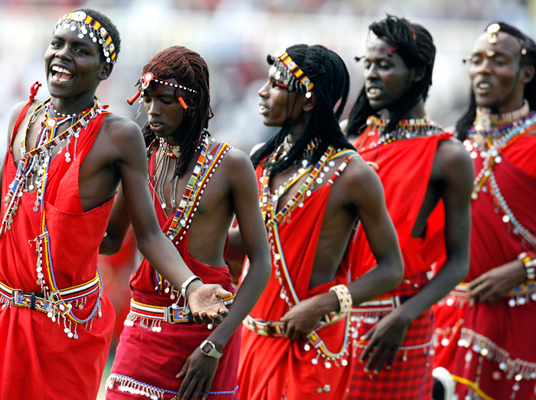
Twenty years later, he is mild-mannered and impeccably turned out – but equally passionate about what he sees as the use, and abuse, of his culture.
“I think people need to understand the culture of the others and respect it,” he says.
“You should not use it to your own benefit, leaving the community – or the owner of the culture – without anything.”
“If you just take what belongs to somebody, and go and display it and have your fortune, then it is very wrong. It is very wrong,” he says.
According to Light Years IP – an NGO which specialises in securing intellectual property rights in developing countries – about 80 companies around the world are currently using either the Maasai image or name.
These include Land Rover, which has a range of accessories called Masai; Masai Barefoot Technology, which makes speciality trainers; and high-end fashion house Louis Vuitton which has a Masai line, including beach towels, hats, scarves and duffle bags.
Light Years IP is involved in a niche – but growing – area of development policy, known as “intellectual property value capture”.
The argument is that intellectual property rules offer the potential to provide a valuable source of income for people in developing countries, who tend to get only a small sliver of the profits made on their goods on the international market.
If the Maasai ” brand” were owned by a corporation, it would be worth more than $10m (£6.6m) a year – perhaps even “tens of millions”, according to Layton. How much of this the Maasai might be able to claim would be up to negotiation.
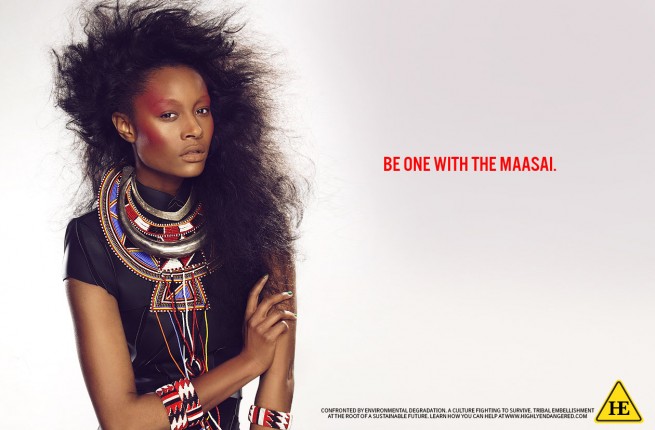
 Features of the HIGHLY ENDANGERED: THE MAASAI awareness campaign.
“It’s time the world sat up and took notice,” says Lord Boateng, a member of the UK’s House of Lords, whose grandfather was a cocoa farmer in Ghana. “It’s an idea whose time has come.”
Boateng is on the board of directors of the newly-created African IP Trust, which has taken on the Maasai as one of its first cases.
“They are not getting value. Their image is being abused,” says Boateng.
“The Maasai are an ancient and sophisticated people – they know they are being ripped off and they want this to stop.”
It is not yet certain that the Maasai will choose to pursue intellectual property protection – Maasai elders like Isaac ole Tialolo want to be sure that the whole community is on board first.
Together with Light Years IP, he has been travelling around Maasai areas holding meetings and workshops.
It’s a huge task – according to some estimates, there could be as many as three million Maasai, in 12 districts, spread across a vast swathe of Kenya and Tanzania.
So far, they have reached about 1.2 million people.

Once the consultation is complete – and if the Maasai choose to go forward – the plan is to create a General Assembly of Maasai elders, trained in IP, who would act as a legal body specifically on this issue, negotiating with companies via a licensing agent, on a case-by-case basis.
For the moment, the Maasai are not going after any companies – though they have written to a number, in cases where they have found the use of their name or image to be particularly offensive.
-BBC





 Zuru Kenya