Category Archives: Msafiri Guide

The Cliff : Chic tented camp meets boutique hotel in Lake Nakuru National Park

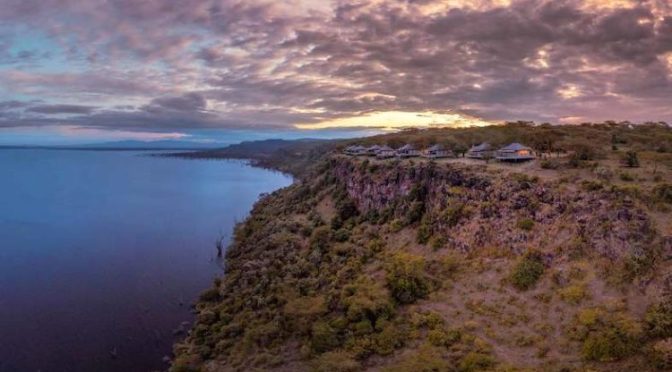
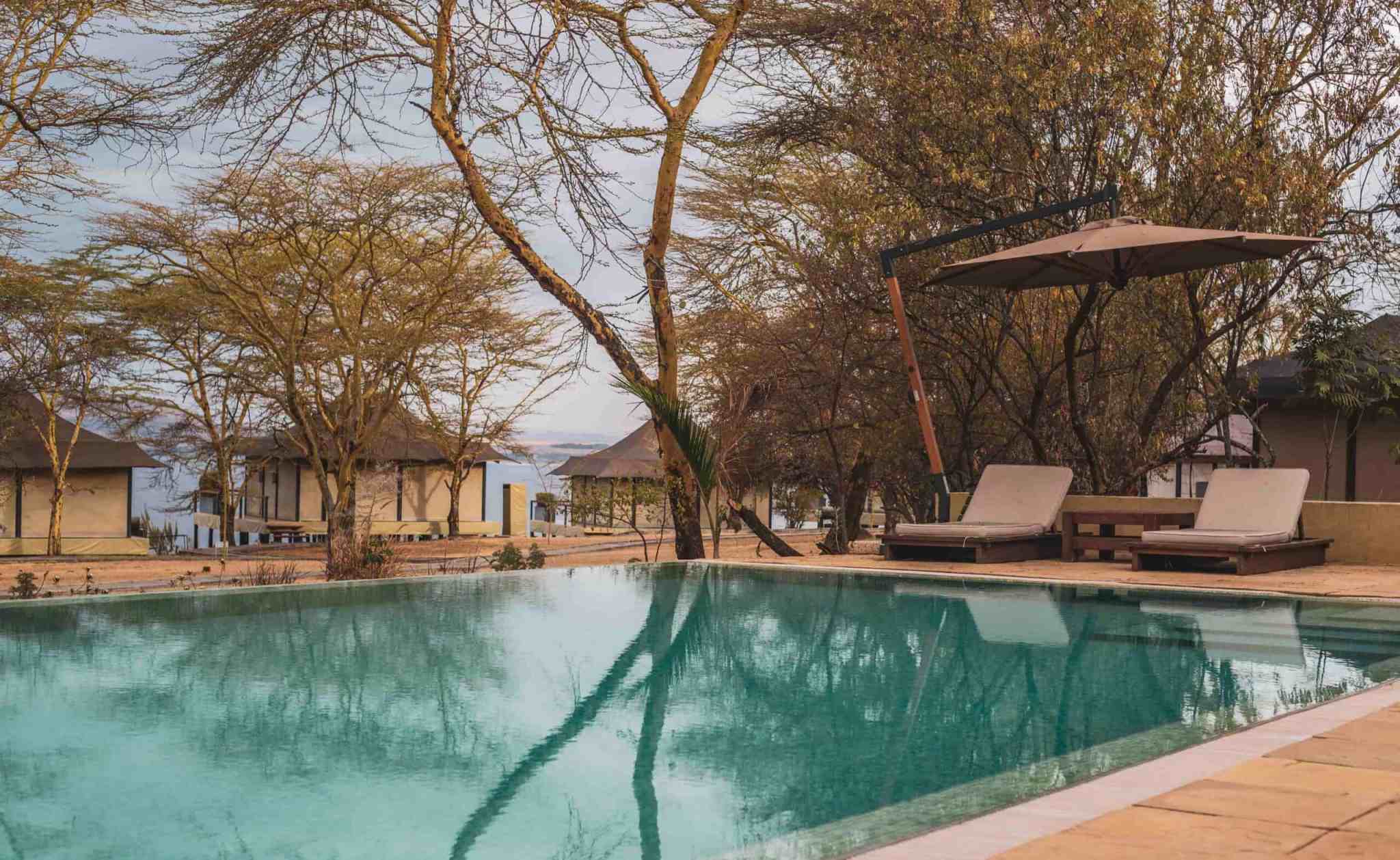
The Cliff – Operated by the Wilder Group, the region’s premier group of luxury tented camps and unique experiences –  blends space and scenery with style and service atop a 100metre high rock face overlooking the magnificent flamingo feeding ground; Lake Nakuru, woodlands and forests protecting the popular lake.

While ‘luxury camp’ is the simplest description, in reality The Cliff located inside Lake Nakuru National Park defies conventional labels, being a combination of safari lodge, tented camp and boutique hotel, constructed and furnished in a contemporary European style. The property is easily accessible within the great rift valley, a two and a half hour drive from Nairobi, Kenya’s capital city and approximately three miles from Nakuru town.

Accommodation

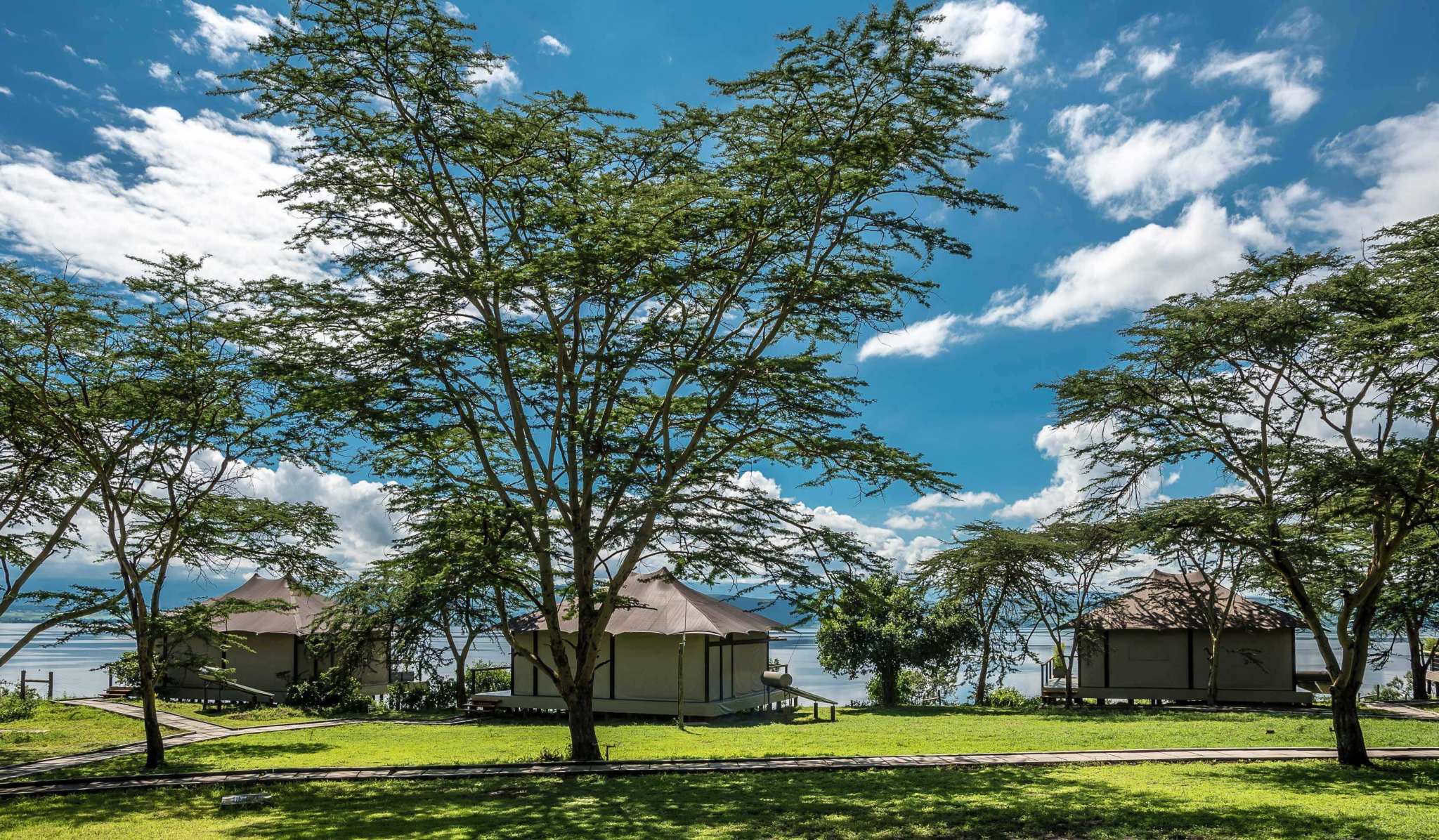
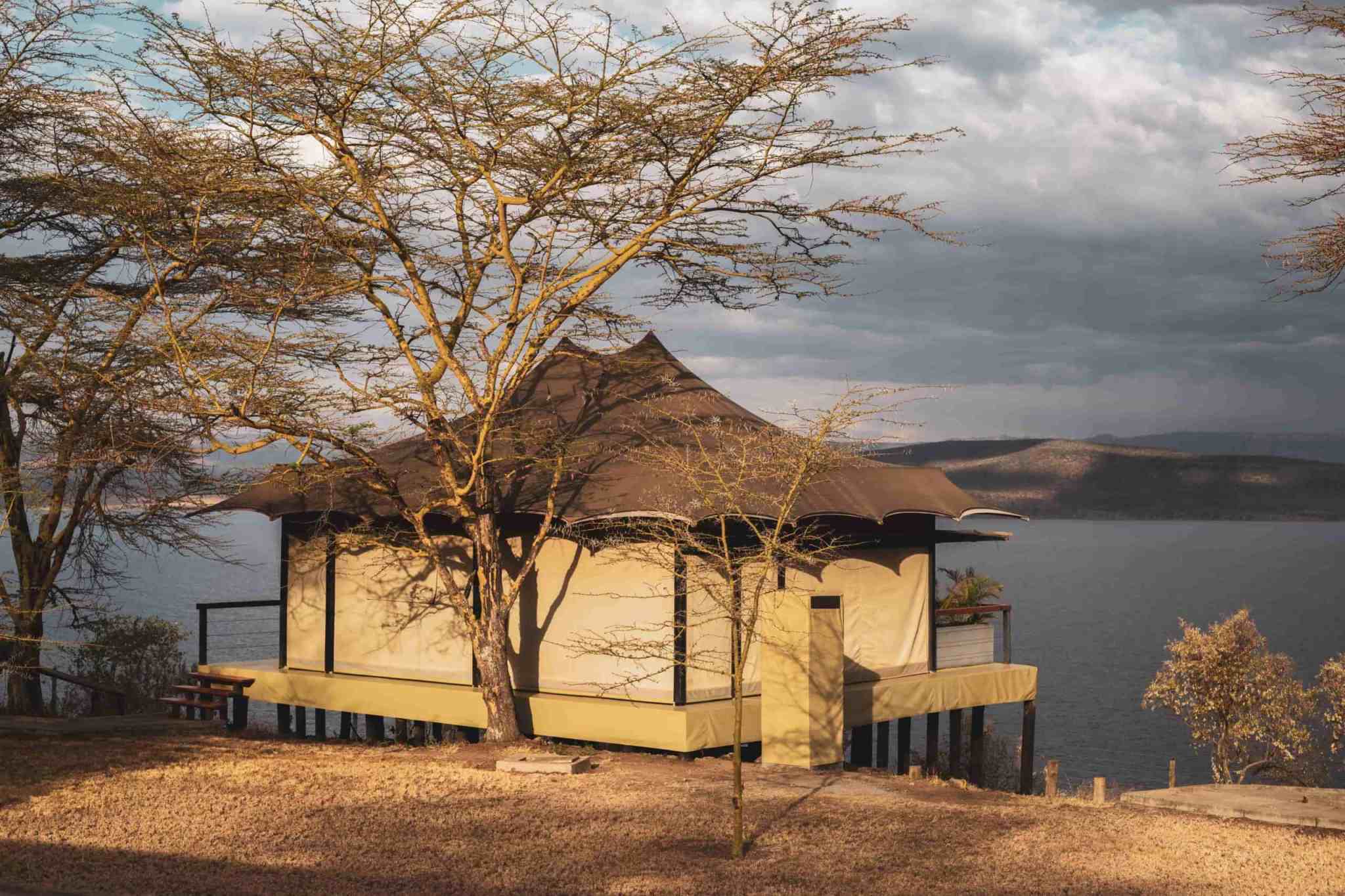
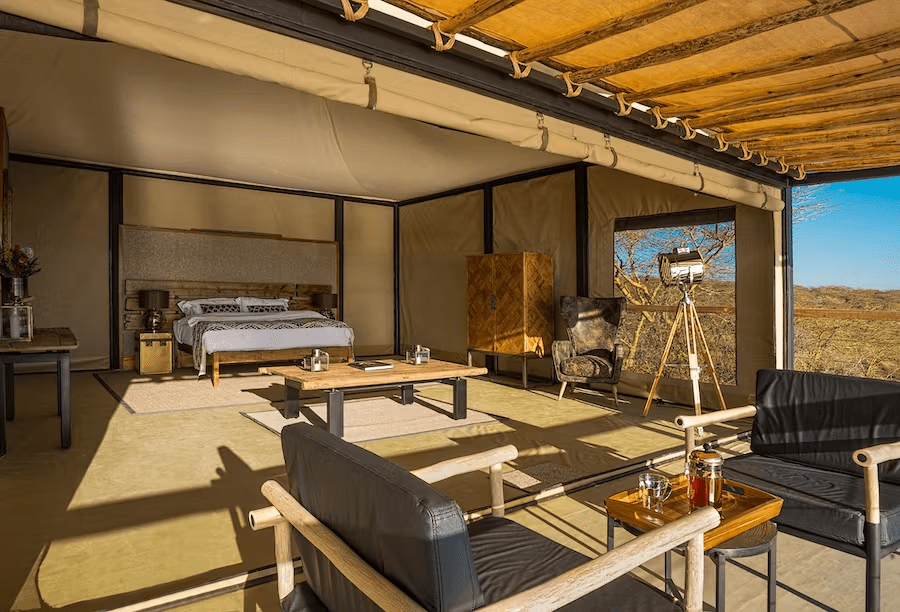
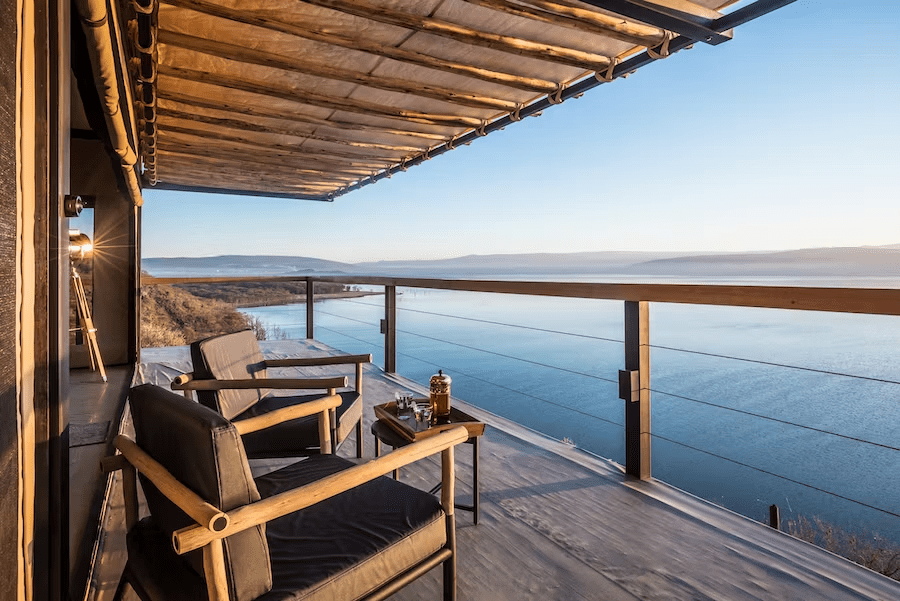
Each tent is built on solid foundations at the edge of the cliff, and faces the lake, allowing guests 180 degree views of the panoramic paradise, yet maintaining privacy. Not wanting to waste the view, the tent is spacious and the freestanding bath looks outwards. While the exterior environment at The Cliff is pure Africa, the room interiors combine organic chic with international design to create the understated style of a modern boutique hotel.

Guests can sit on the veranda to catch the rising sun in the morning as it spreads its vivid light across the lake, nudging life into the park’s occupants and awakening its environs. At the same time, as the sun sets in the evening, the atmosphere of the park settles into the comforts of the unfolding night and the nocturnal sounds of the wilderness.

Activities

It would be easy for a guest at The Cliff to spend the day gazing at the view from the comfort of the elegant tent, but there’s more to do around Lake Nakuru. Get up early and go on a game drive in the open-sided Land Cruisers, and perhaps see a leopard, lion, buffalo, rhino or a rare Rothschild’s giraffe. Hippo can also be sighted around the lake, and for birdwatchers, Lake Nakuru National Park is birdwatcher’s paradise with its incredible bird variety including the famous pink flamingoes.

The Cliff 3

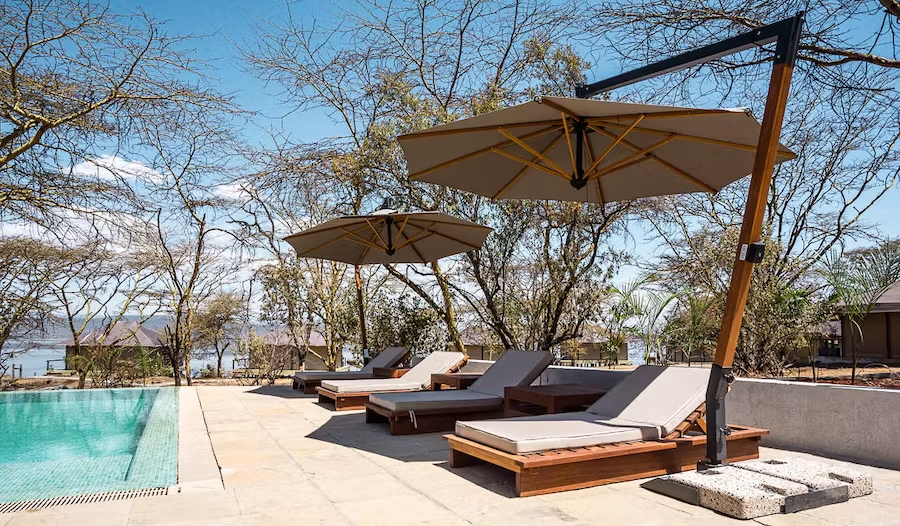
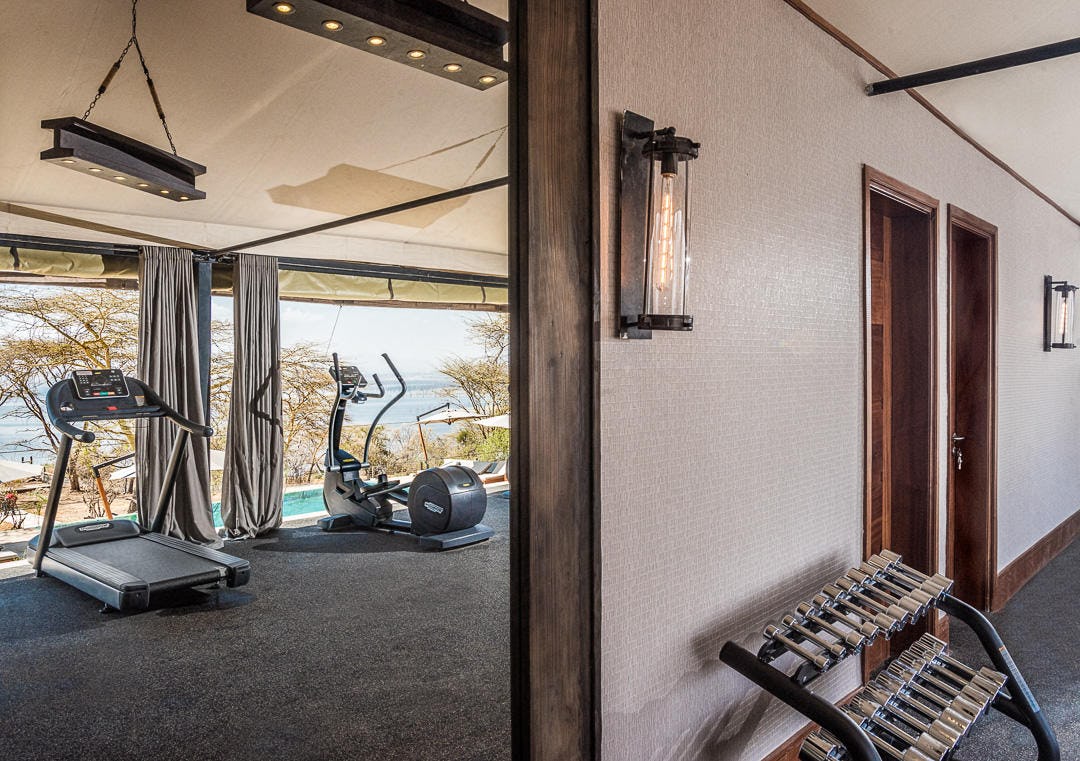
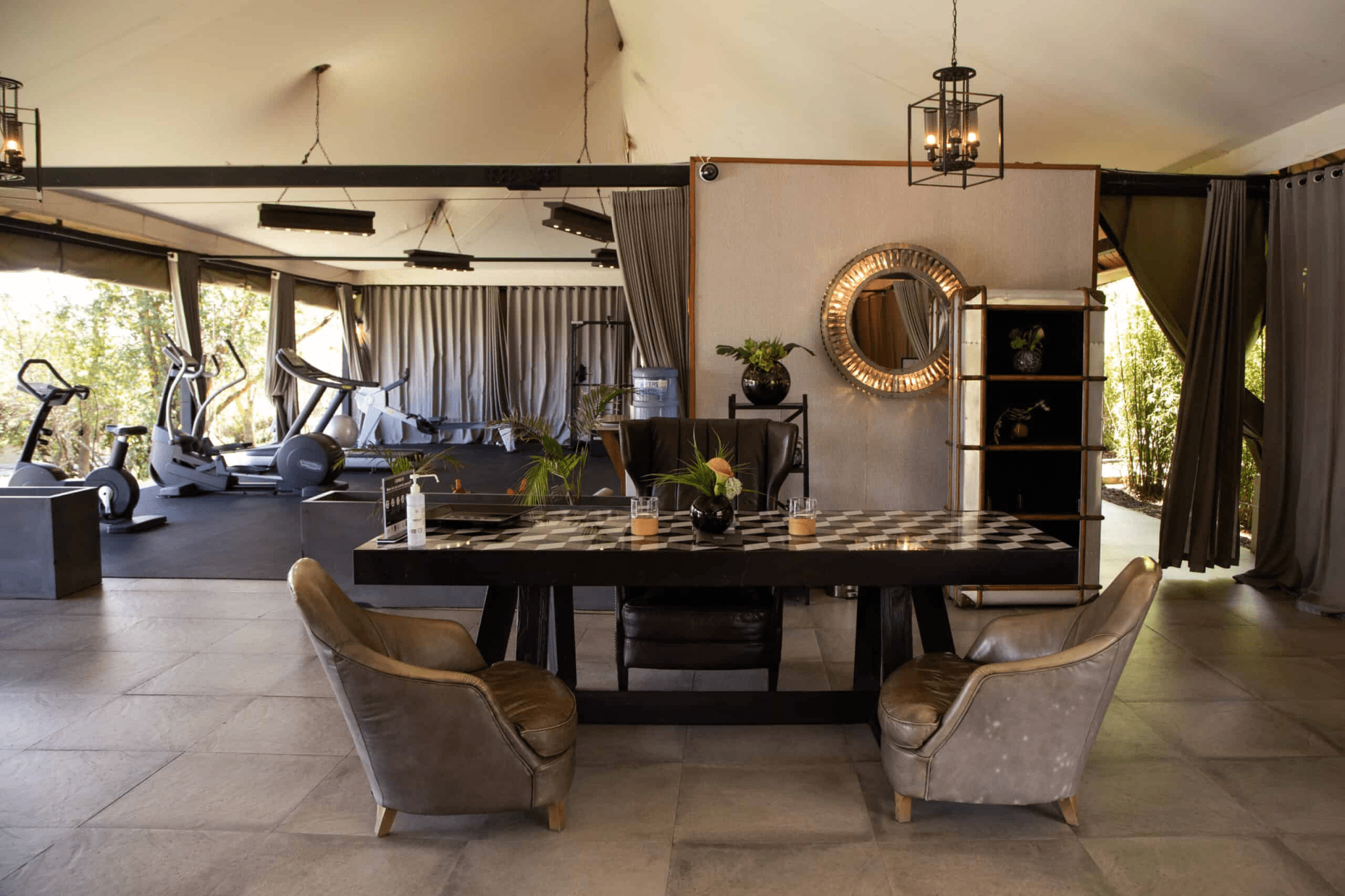
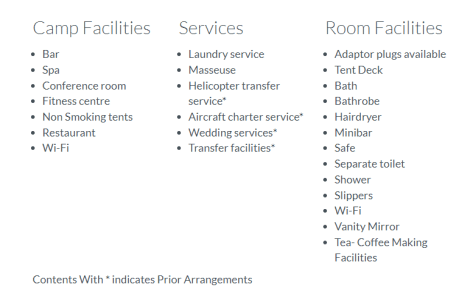
If guests prefer their game drive as the sun goes down they might like to visit the gym before breakfast, relax by the infinity pool with a cold drink just before lunch and have a soothing massage in the spa before heading out at 4 pm. While the day is busy, the pace itself is tranquil, the only disturbance (if you can call it that) being the calls from the nearby fauna.

The cliff offers conference facilities for groups of up to 20 delegates looking to break away and be inspired by the bush for their strategy sessions. This is the perfect way to bring the team together in a setting that will spark creativity and help them think out of the box. And it includes the added bonus of safari adventures!

Whatever your calling – international traveller, smart weekender, corporate strategist, or nature watcher – The Cliff, with its sensitive blend of space, privacy, style, service and scenery will make you feel on top of the world.

Arijiju Retreat; Medieval inspiration meets pure unadulterated luxury

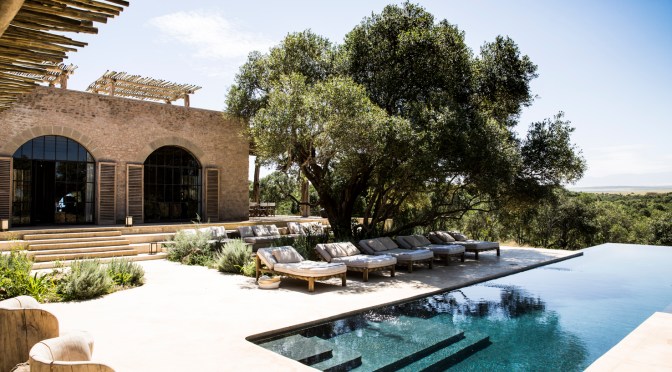
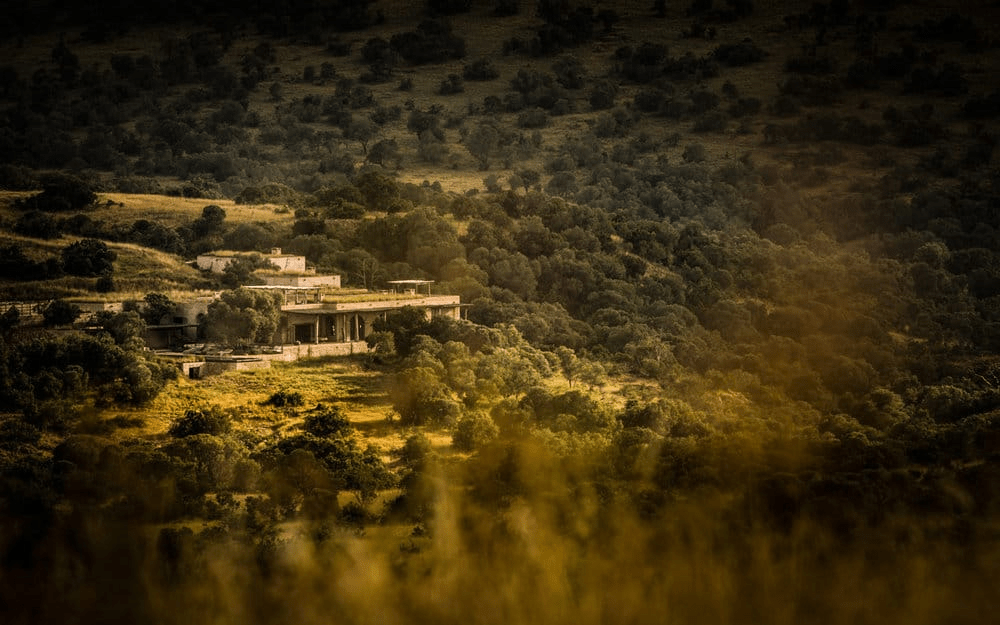
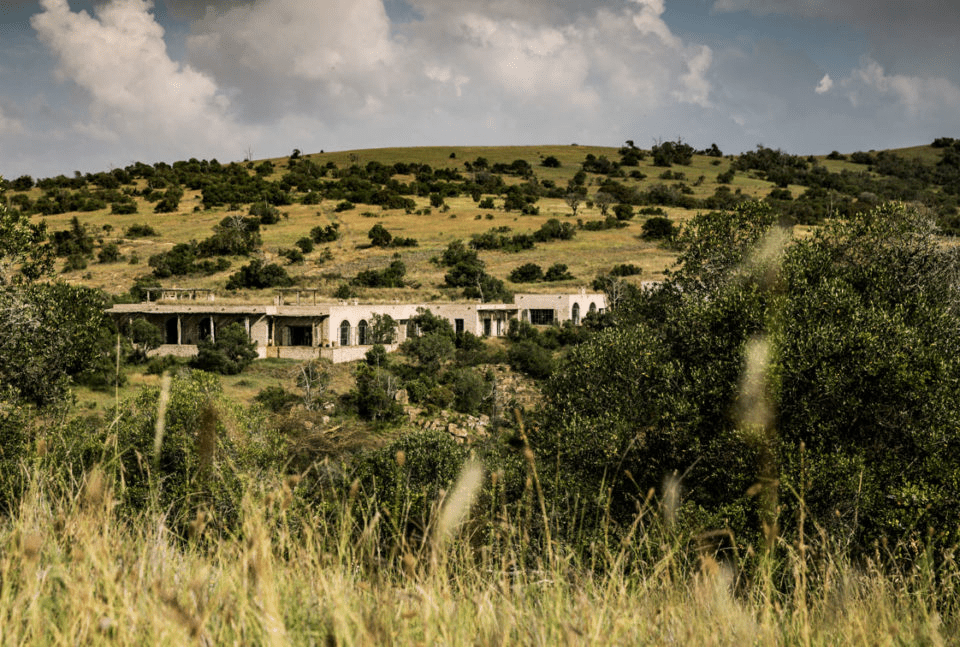
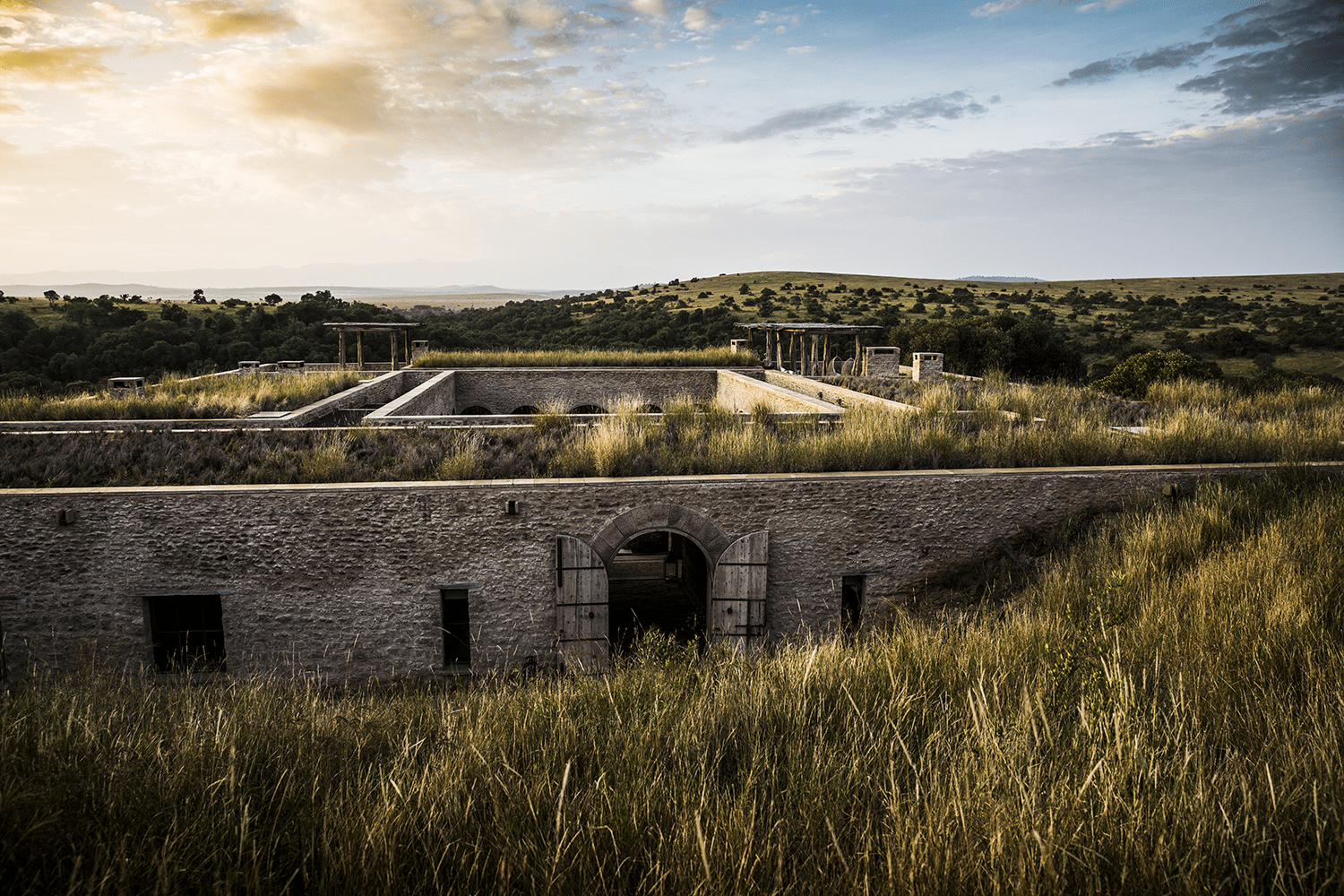
Arijiju is outstanding! Not your ordinary safari lodge, this luxurious exclusive-use retreat exhibits a perfect African-Western design style blend. The establishment is your quintessential chameleon, perfectly camouflaged into a forested hillside and well embedded into the Borana Conservancy landscape.  The house, one of total five properties in the conservancy, four of which are exclusive-use, takes its name ‘Arijiju’ from the Maasai word for the hill on which it was built.

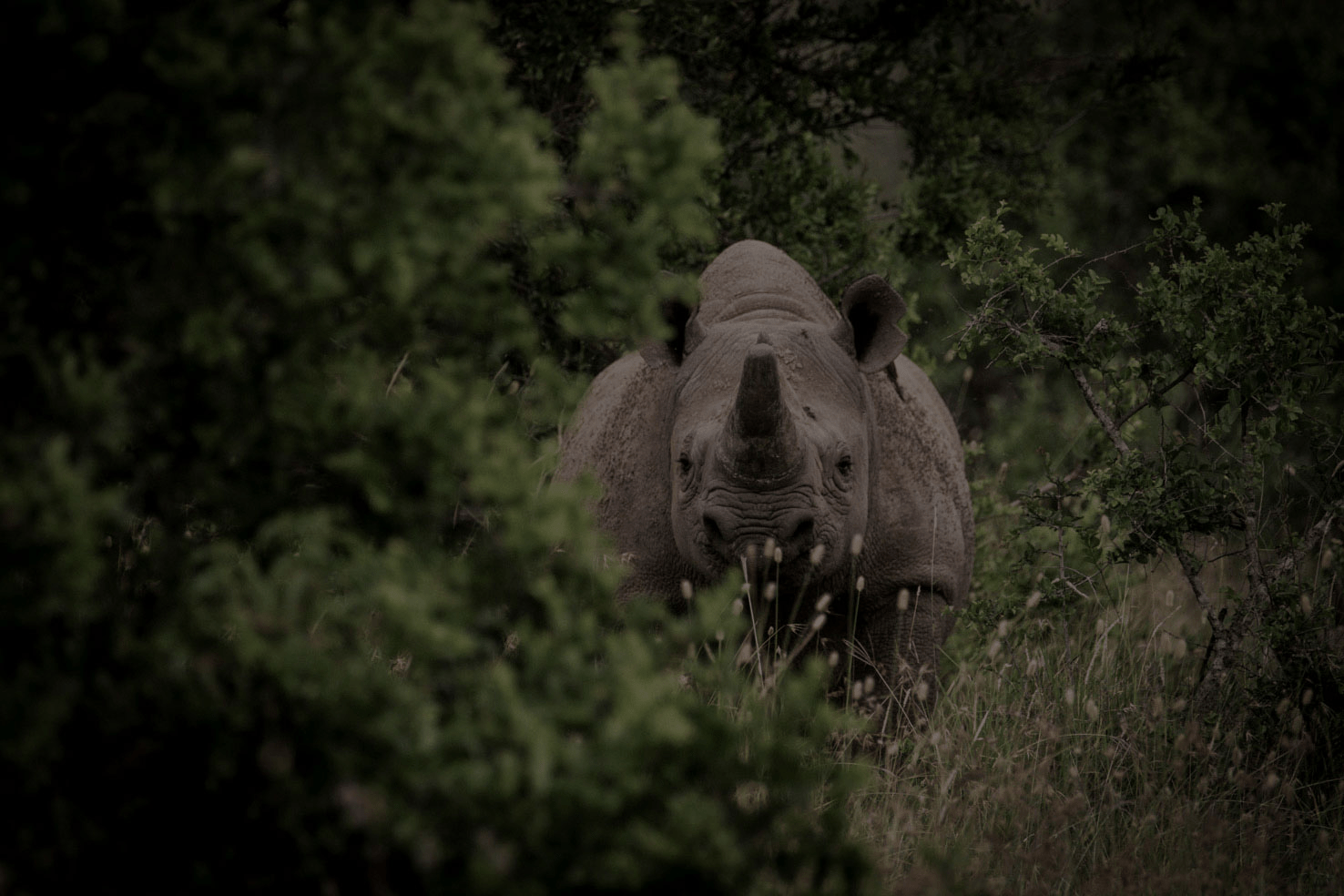
If conservation is a considerable factor whilst selecting where to stay in Kenya then it’s worth noting that you will be directly contributing to Rhino conservation when at Arijiju. Bordering Lewa Wildlife Conservancy, which has been committed to rhino conservation for over two decades, the preservation effect has since sipped into Borana Conservancy with a heavy investment that includes an anti-poaching unit gone into the protection of rhinos under constant threat from poaching. Currently the conservancy holds 22 black rhinos, translocated from Lake Nakuru National Park and neighbouring Lewa – which had reached its own carrying capacity of 70.

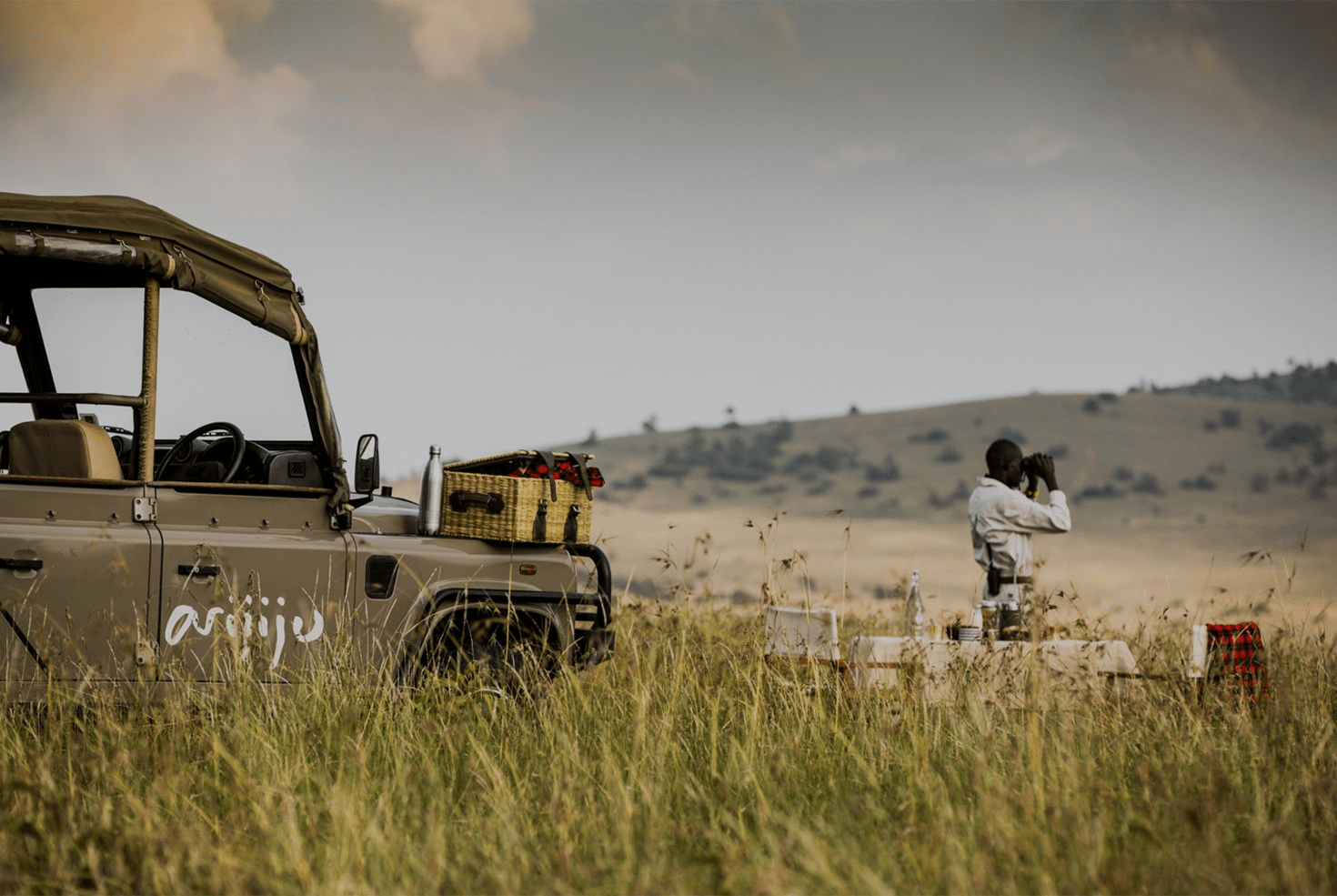
Part of the investment involves an understanding that properties within the conservancy chip into the conservation efforts with some profits being fed back into the land’s projects. Lions, enormous herds of elephants and giraffes are some of the amazing plains game you will spot whilst at Arijiju alongside local maasai herding their livestock as Borana Conservancy doubles up as a working cattle ranch and a wildlife sanctuary.

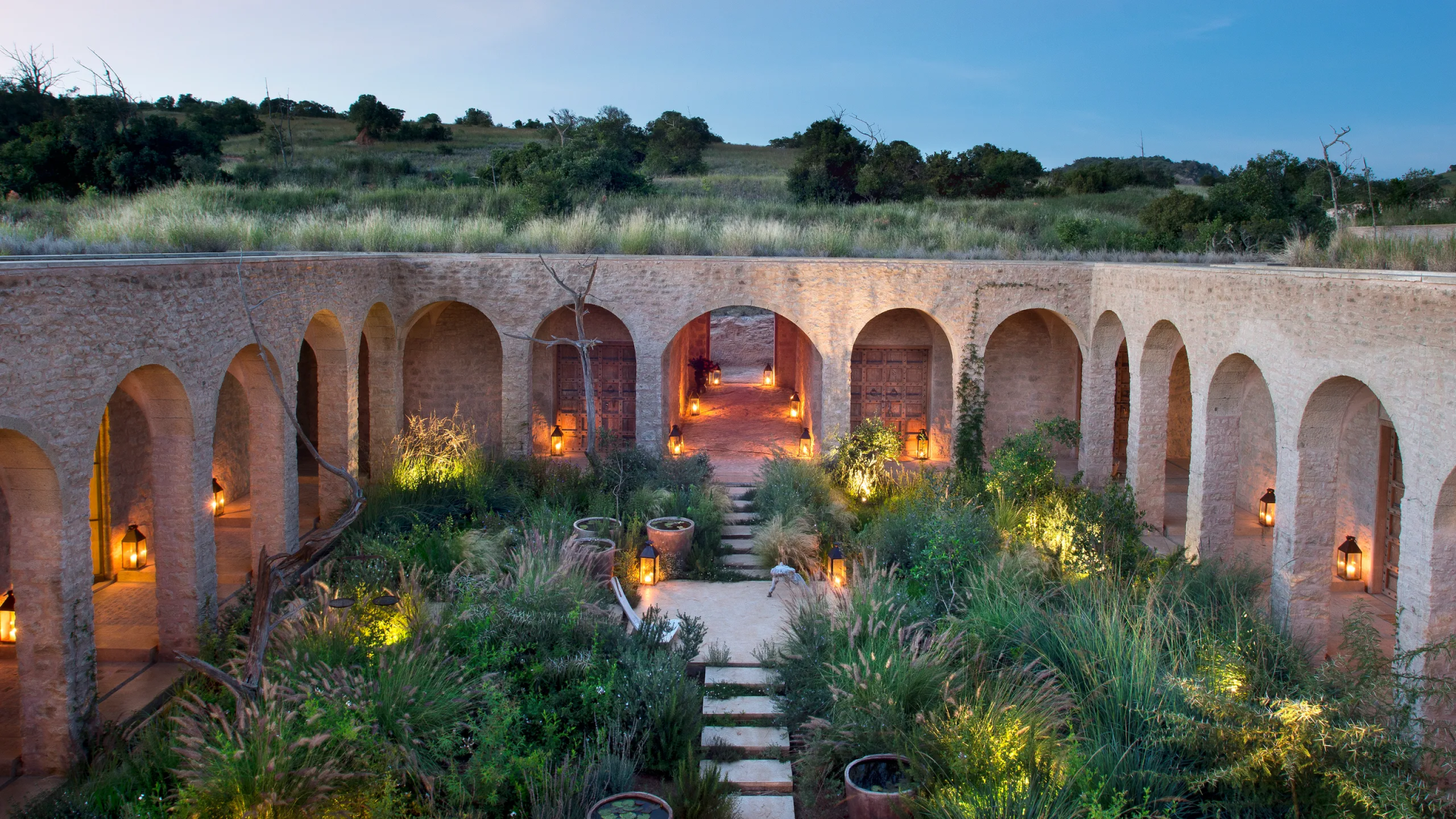
Social responsibility aside, Arijiju the establishment will blow your mind! Literally etched into the rock bed, it is truly a remarkable work of art. One that painstakingly took 10 or so years to complete. with its wild grass roofs and considerate structure, it disappears into the landscape akin to a leopard slumped over his chosen branch in a nearby tree.

Working with two architects – Nick Plewman from Johannesburg and Alex Michaelis from London ; the owner was keen to create something unobtrusive and embedded in the landscape. Inspirations for this establishment include a 12th century French Abbey; Le Thoronet Abbey, a Cistercian monastery built in Provence in the 12th century, distinctive for its lack of embellishment. Arijiju’s structural reclusivity also makes references to the buried, rock-hewn churches of Lalibela in Ethiopia topped with turf, creating something more nuanced. All the quarried Meru stone was hand-chiselled by local masons – that feels ancient and wise, honest and elemental, but also very contemporary.

Within polished concrete and exposed stone walls, stunning in their calming simplicity, oversized chandeliers, sumptuous furniture and opulent trimmings – such as the splendid copper bath tubs and enormous French mirrors – to do the talking. No, it doesn’t quite feel like your quintessential safari lodge, but that’s precisely what makes Arijiju stand out among its neighbors; a lesson in unadulterated luxury.

Service at Arijiju Retreat is impeccable: attentive, stylish, friendly, highly professional. The kitchen takes a farm-to-table approach and caters simultaneously to the health-conscious and the gourmand; the Ottolenghi-style cuisine combines the modern, the classic and the local. The dining area features two large fireplaces and floor-to-ceiling arched windows, and meals can also be taken on any of the many decks and patios or even further afield in the conservancy.

Accommodation comprises of five suites: ten guests is the upper-limit, with smaller groups also catered for. Three of the suites are in the house itself, arranged around the central courtyard. Two more are in ‘cottage’ suites connected to the main villa. Throughout there are king-size beds (some four-poster), stone fireplaces, large lounge areas, luxurious ensuite facilities (with freestanding baths as well as showers) and expansive views. Furnishings are stylish and unique, as in the main areas, blending the traditional Kenyan and the contemporary European.

Activities at Arijiju Retreat are plentiful and varied. There are guided wildlife drives and walks available, as well as mountain biking, helicopter safari, quad-bike trips and access to the Ngare Ndare Forest, as well as much more.

Unequaled luxury in Laikapia

This is one of the most luxurious private homes I’ve ever been to. Everything is included- laundry, food, drinks, game drives, massages, yoga, games, sports, spa, etc. And most darling were the elephants drinking water from the swimming pool. If there is a heaven on earth, this is it.

LhornHarvardMom, Tripadvisor Review

Girl’s guide to packing for East Africa

For many travelers, a trip to any one of the East African countries (Kenya, Uganda, Tanzania, Rwanda etc.) is a much anticipated item waiting to be struck off the bucket list. A long awaited safari probably inspired by “out of Africa” or “Lion King” and other more safari movies that you can list. Whilst Hollywood may have inspired your first trip to Africa, we sure hope that these classics don’t also influence your deck up. Safari fashion has long evolved from pith helmets and heavy-duty vintage khaki gear of the explorer days.

The East African region is vast and offers an environmental diversity that leaves you unsure of what to carry along your trip.  Our weather’s unpredictability for instance, warrants that you are well prepped for whatever; rain or shine. It bewilders us too; it could be sunny one minute and you’d be totally drenched in the next.

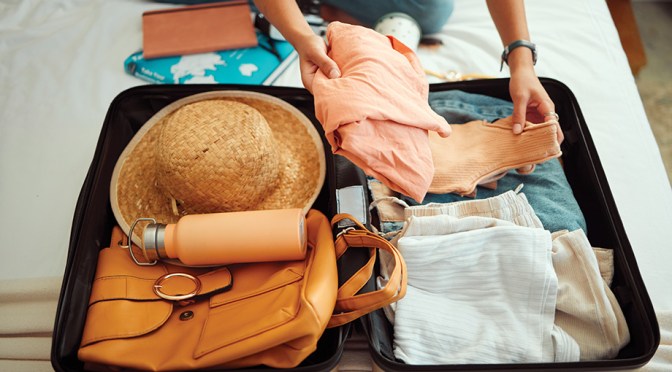
Given your itinerary, packing for this trip requires that you be very practical. Consider that aside from traversing off-the-beaten safari tracks; you are also bound to explore extremely contrasting surroundings such as beaches, hiking trails, villages, city towns and so on. Visiting all these areas means that majority of your time will be spent outdoors; being mobile in transportation that most likely offers very limited luggage space. Weight limits and other baggage rules will also be a determinant of what luggage to carry. The amount of luggage handling that will take place makes a soft duffel bag the best bet for your trip. This bag is not only lightweight, making it easy to carry across all your terrains but it also fits within most airline capacity requirements.

What then therefore should you stuff up in this duffel bag? If your trip highlights quite a number of activities, you will instinctively want to pack a great deal clothing. The trick is to pack smart – do not over-pack. Whilst you may want to carry along all your favorite pieces, you do not want to be tied down to excessive luggage within the entire duration of your itinerary.  Layering is a practical solution. Select comfortable fashion choices that can be won interchangeably and that are favorable for the destinations that you will visit; light and breathable pieces are ideal. Also keep in mind the people’s customs and values so as to ensure that you are respectful in the way of dress.

CLOTHING

  • Lightweight clothing that can be layered
  • Long-sleeved shirts
  • Sweaters or fleece jacket
  • T-shirts and tank tops (be respectful of the people’s culture)
  • Pants and/or shorts
  • Belt
  • Socks
  • Comfortable walking shoes
  • Rain jacket, windbreaker or umbrella
  • Pajamas/sleepwear
  • Underwear
  • Sunglasses and glasses case
  •  Dresses and/or skirts
  • Jewelry
  • Hat or sun visor
  • Scarf or bandana
  • Swimsuit

TOILETRY BAG

  • Toothbrush, toothpaste, floss, mouthwash
  • Hair brush or comb, hair ties, barrettes/bobby pins
  • Deodorant
  • Shampoo and conditioner
  • Sunscreen and face lotion with SPF
  • Makeup
  • Face wash and/or makeup remover wipes and Q-tips
  • Night time moisturizer/lotion
  • Lip balm with SPF and lipstick or lip gloss
  • Personal hygiene items
  • Feminine hygiene products
  • Extra contacts, solution, and contact case
  • Glasses and prescription sunglasses
  • Prescription medication with the label/script so that you can refill if needed

TOILETRY BAG EXTRAS

  • Perfume
  • Personal mini mirror
  • Hair products like hairspray and hair gel
  • Shaving kit and extra razors
  • Sewing kit/clothing care kit, stain remover
  • Facial tissues and/or toilet paper
  • Travel Towel
  • Nail clippers and tweezers

Include an outfit or two and a few essential toiletries in your carry-on bag just in case you lose your luggage.  Airlines require that liquids (toothpaste, shampoo and sunscreen), gels, aerosols and creams be 3.4 ounces (100ml) or less per container, and they must be stored in a quart-sized, clear resealable plastic bag for screening at the security check at the airports.

Keep your tech gear in a way that isn’t easily noticeable.  You might cross parts of East Africa that are ruled out as unsafe; be on the lookout for pick pockets.

TECH GEAR 

  • Mobile device and charger
  • Laptop, iPad, or E-reader and charger(s)
  • Headphones
  • Camera and Go-Pro/video camera, memory card, and chargers
  • Electrical converters and adapters
  • Electronics organizer

COMFORT + ENTERTAINMENT

  • Travel pillow, blanket, eye mask, and ear plugs
  • Travel journal and pen (if you are into journaling)
  • Books and magazines
  • Deck of cards and travel games
  • Lip balm and lotion
  • Water bottle
  • Guide books, travel guides, travel apps, maps, language guides, etc.

You will also need a document organizer where you can store all your important travel documents. It would suck to be stalled at the airport because you forgot essential paperwork.

TRAVEL PAPERWORK

  • Passport/visa(s)
  • Personal ID/Student ID card
  • Frequent flyer card(s) and other loyalty program card numbers
  • Cash and credit card(s) (call your credit card companies before you travel to inform them of your travel, otherwise they might turn them off to prevent perceived fraud)
  • Health insurance cards/document(s)
  • Travel insurance information
  • Reservations and itineraries (print them and save them electronically for easy access)
  • Hotel and/or tour contact information
  • Transportation tickets (plane, train, bus, car, etc.)
  • Emergency contacts and important addresses
  • Copies of all these things in case you lose your wallet

Every traveler is different; so your packing requirements might be different from the ones listed above. Just consider every activity you are going to experience and pack appropriately. Key pointers to remember: Do not overpack, be open minded about the people and places you visit, fully immerse yourself in the experience and enjoy yourself.

“Africa changes you forever, like nowhere on earth. Once you have been there, you will never be the same. But how do you begin to describe its magic to someone who has never felt it? How can you explain the fascination of this vast, dusty continent, whose oldest roads are elephant paths? Could it be because Africa is the place of all our beginnings, the cradle of mankind, where our species first stood upright on the savannahs of long ago?”

* Brian Jackman (British journalist and author, best known for his interest in wildlife and wild places – especially Africa)

Eat like a local: 10 street foods to enjoy in Nairobi

Imagine travelling miles into the vibe that is Kenya and going back to your home country without having sampled any of our go-to street food; bummer, right?

If there’s anything that you can write home about, it is definitely our street food culture. A host to varied tastes, the Kenyan street food culture tells a story. A story of our towns, their occupants’ history and diverse cultures represented therein. The tasty bites you will sample are also adapted to suit the trends and needs of the consumers. In Nairobi for instance, residents are always in search of affordable alternatives in order to survive the demanding urban lifestyle. In this case, street grub is what is sustaining the masses in the city.

What bites should you look forward to munching on whilst in Nairobi? Glad you asked…

1. Mutura (Kenyan Sausage)

If we were to run a poll on what Nairobians would deem the go to street food in the city, our best bet would be Mutura. This popular “evening” snack enjoyed by the roadside after work hours over the grill (some may argue that it’s secret ingredient is darkness; The darkness and smoke from the grill serves for a wholesome experience) originates from the Kikuyu tribe.

Mutura vendor at his station serving customers

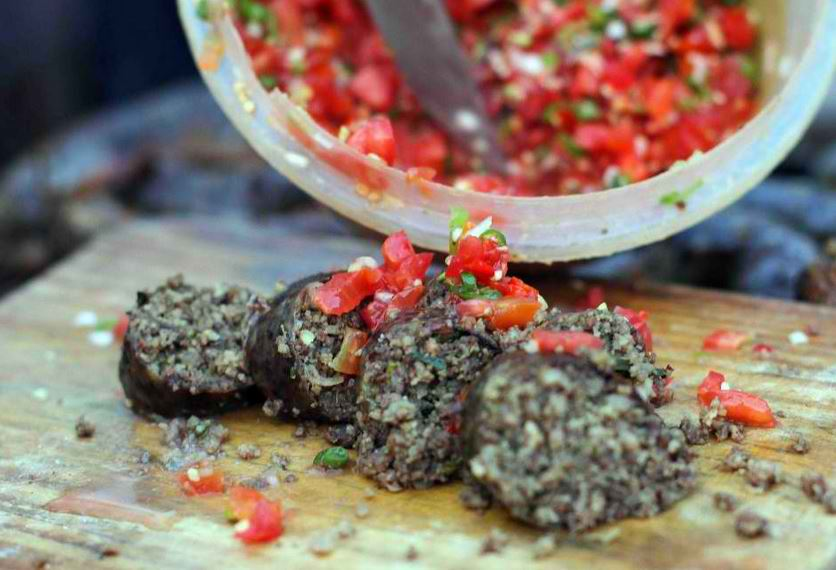
Mutura (Kenyan Sausage) is made from the large and small intestines of cows, goats or sheep. These intestines are thoroughly cleaned and then stuffed with blood, boiled assorted organ meats and some vegetables for more flavor. Some vendors may include ground beef. To spice up the Mutura goodness, sample it with a serving of “firi firi” kachumbari (a salad made up of diced tomatoes, onions, coriander, cayenne pepper (optional) and sprinkled lemon).

Estimated cost – As low as KES 20.00 or $0.20

2. Mahindi Choma (Roasted maize)

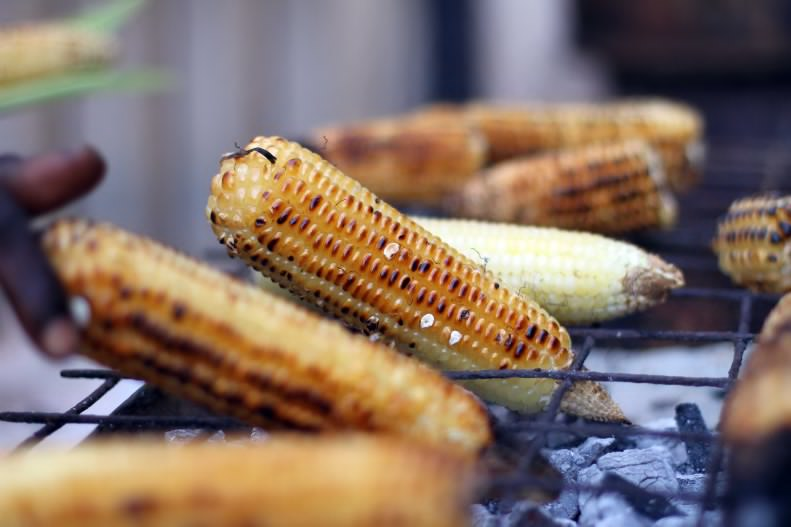
Maize, or corn if you like, is very common in the streets of Nairobi. This is green maize that is roasted (popularly goes by mahindi choma) or boiled on the cob.

The boiled variety is best enjoyed with a sprinkle of salt while the grilled one is spiced up with lemon and ground pepper.

There is no particular joint for roasted maize vendors, you are likely to spot them by the roadside from the late afternoon hours in downtown Nairobi and within the estates.

Estimated cost – As low as KES 10.00 or $0.10 (you can either get the entire cob or have it cut down into pieces according to your budget)

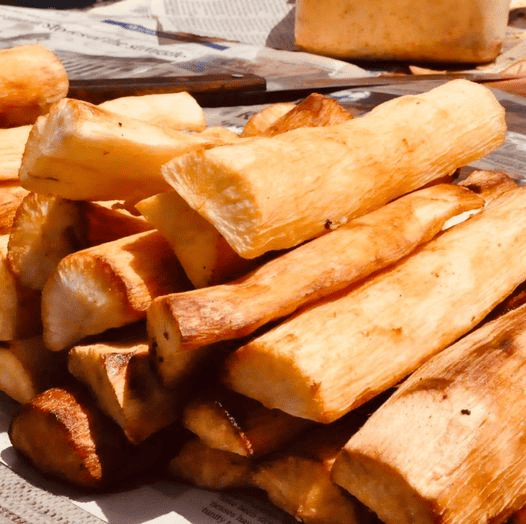
3. Muhogo (Boiled and Fried Cassava)

Muhogo (cassava) is a delightful snack you can enjoy either boiled or deep fried.

Both options can be portioned into two parts with some lemon and ground pepper slathered between the two pieces to spice it up.

Estimated cost – KES 20.00 or $0.20

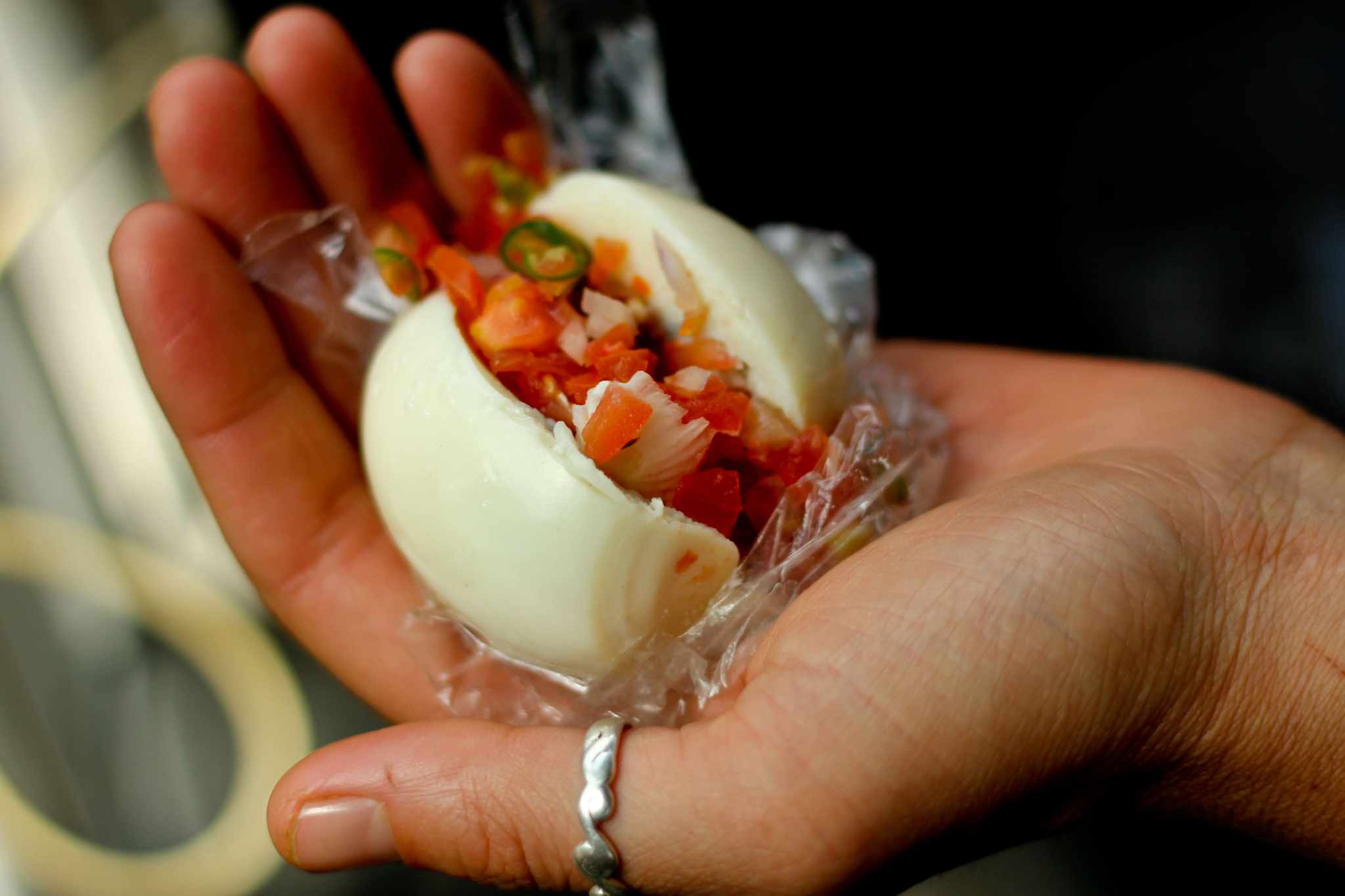
4. Mayai Pasua (Hard Boiled Eggs)

Within the city, you will notice a number of vendors in white lab coats pushing along a metallic trolley with eggs in display. These trolleys are made up of a coal stove underneath that ensures the snacks are kept at an enjoyable temperature.

The “street” boiled eggs go down well with a serving of kachumbari. The vendor will de-shell an egg, slice it in half and stuff it with the salad. Based on preference, you may also get a dash of tomato sauce on your snack.

Aside from trolley vendors, you may also spot some individuals walking along the streets with clear buckets selling eggs. Interesting fact about this snack; you could never replicate it at home no matter how you try, it simply never tastes the same.

Estimated cost – KES 25.00 or $0.25

5. Smokie Pasua (Smoked Sausages)

Smokies are precooked (ready-to-eat) smoked sausages made of pork, beef, chicken or a blend of all these meats and other flavorful inclusions. In popularity, it is perhaps only second to hard boiled eggs.

The name ‘smokie pasua’ translates to a smokie that has been sliced in half (pasua) and filled with Kachumbari. It is often sprinkled with salt and tomato sauce.

Smokie Vendors in one of Nairobi’s busy streets

Smokies are commonly sold alongside the eggs mentioned above in the metallic trolleys.

Estimated cost – KES25 OR $0.25

6. Samosa

This flavorful, deep-fried, triangular snack is the ideal chai partner. Samosa (a pastry with a savory filling) can be sampled two ways; vegetarian or non-vegetarian.

Tracing its roots to the middle east, samosas have a variety of filling options. Within the Nairobi streets however, you will mainly find ground beef samosas for the non-vegetarian or green grams/peas/potato samosas for the vegetarian.

Estimated cost – KES30 OR $0.30

8. Fried Fish

Deliciously crispy, fried fish is commonly found within the estates. Many Kenyans enjoy this as a main meal served alongside our staple “ugali” with veggies on the side. You can also enjoy this on its own; as a ready-to-eat snack right by the vendor’s stand.

Estimated cost – from KES50.00 – KES200.00 or $0.50 -$2.00 (depending on size of fish pieces)

9. Mandazi (fried doughnuts)

Another fantastic tea accompaniment loved in Nairobi is mandazi. Mandazis are a form of deep-fried bread; amazingly soft, triangle-shaped (sometimes square) made from leavened dough.

For some Kenyans, Mandazis are a must-have breakfast treat although you can also enjoy them at any time of the day with a beverage of your choice.

Estimated cost – from KES10.00 or $0.10 (per piece)

10. Chipo Mwitu

We saved the best for last. “Chipo mwitu” is simply french fries/chips depending on where you come from. The term basically describes fries sold by the roadside as opposed to purchasing them from a fast-food restaurant. Chipo is slang for chips and mwitu is a swahili translation for wild; hence fries sourced from the wild.

Chipo mwitu station; Image by Bonface Nyangweso, safari254

Chipo mwitu is always an inexpensive option when the fries bug attacks. The fries are normally prepared over a charcoal jiko or firewood. Although the packaging is not the norm of what you would expect at a fast-food joint, its taste however, you can expect will have you coming back for seconds. Yummy!

Estimated cost – As low as KES50.00 or $0.50 KES100 or $10.00 (prices depend on portion)

Turkana Land: Discover the unventured cradle of Human Kind

Turkana Land is where you can relax kabissa! ‘Kabissa’ means ‘completely’ in Swahili language. It boasts miles upon miles of palm fringed, unspoiled sandy beaches on the shores of Lake Turkana, the world‘s biggest permanent desert lake. Swimming in its slightly alkaline waters cures many skin ailments, making it a giant natural spa.

For those who are fascinated by the fundamental questions of who we are and where we come from, there is no better place to follow the traces of our ancestors. Some of the most significant archeological findings of pre- and early manhood have been made here, and Turkana Land righteously claims the title Cradle of Mankind. This is the place where all humans stem from – so: Welcome back home!

In many ways you can regard Turkana Land as largely unexplored which offers you an opportunity to make your own discoveries and experience true adventures like nowhere else. Enjoy the open spaces and breathe freely, something which is getting hard to find in other regions of Kenya and the world.

Highlighted below are some of the amazing attractions that Turkana has to offer which can easily be explored in three circuits.

A unique cultural wealth

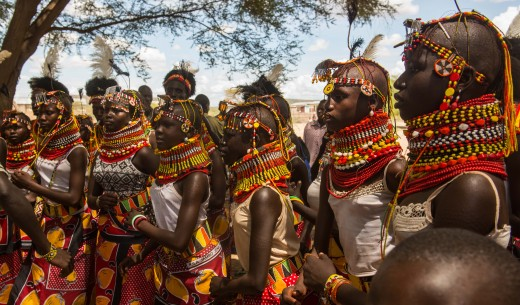
There are view places remaining in Africa of today where you can witness a traditional culture of such beauty and integrity. The Turkana culture is vivified by a unique wealth of dresses, hairstyles, jewellery, sayings, tales, songs, craftsmanship and knowledge. A visit to Turkana Land offers you the chance to experience the fascinating pastoralist way of life.

Rewarding hiking and rock climbing

There are many mountains, such as Silali Volcano, Loima Hills, Mogila Range or the Lokichar Hills that invite you for rewarding rock climbing and hiking tours. As camels are abundant in Turkana Land, you might also decide to use them as a support for carrying your equipment. Just be prepared to act as your own trail blazer and you will have the trip of your life time. These are truly virgin grounds which are waiting to be conquered by YOU!

Water games

Lake Turkana, the infamous Jade Sea offers a huge potential for water sporting, whether you love swimming, boat riding or fishing trips. You could also do a sailing cruise with fishing dhows or try balancing on a traditional raft. Winds are favourable for both, wind surfing and kite surfing, though for the time being you will have to bring your own equipment along.

Come, play in the wild!

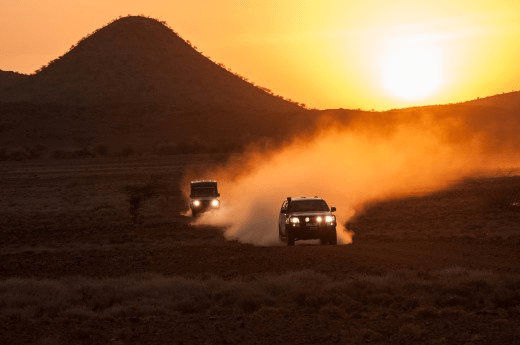
The vast lands of Turkana are a no-limits playground for cross bike riders, 4WD fanatics and GPS freaks, plus anybody else who loves to be out in the bunduz. Make the campfire your kitchen, starry skies your ceiling and the freedom to move in any direction at any time a normality.

Experience real wilderness

Turkana Land is a wide and a wild country, where to the south, especially within the South Turkana National Reserve, elephant, leopard, oryx antelope, gazelle, warthog as well as an exceptionally high number of Kori bustard roam. Along the border with South Sudan in the extreme northwest, the massive savannah grassland of the Lotikipi Plains forms another haven for wildlife which is currently undergoing gazetting as National Reserve and definitely is worth visiting.

An island out of this world

A wilderness with an out-of-this-world flair is Central Island National Park, the home of thousands of birds and crocodiles in the middle of Lake Turkana. Three crater lakes talk of the volcanic origin of Central Island, one offering a home to flamingos, another to tilapia fish and the third to crocodiles. Ferguson Gulf near Kalokol with an abundance in pelicans, flamingos and other waterfowl is a bird watcher’s paradise and so are many other spots of Turkana, making it a prime destination for ‘birdies’.

Shopping of traditional handicrafts

If you want to treat yourself and shop something beautiful to take home with you, you will find plenty of artful traditional jewelry, like the colorful necklaces of Turkana women or the carved wooden elders’ stools on sale almost everywhere. Equally typical is the skilful basketry woven by Turkana women from dried doom palm leaves. The basketry market in the centre of Lodwar probably offers the best choice.

Learn more about Turkana Land:- http://www.visitturkanaland.com/

Solo Travel is the Best! Here’s 10 Reasons why…

While often times, people prefer to travel and explore new destinations in groups, (because it may seem like the safest choice, perhaps even more fun-filled) we are, as of more recently,  seeing adventure seekers break off from the norm by taking what some would deem a “bold step” – going at it solo. Why would anyone prefer to travel all alone devoid of any company? might there be any comfort in doing so? 

I would like to think that there are people out there who solely enjoy the experience of discovering and exploring new places by their lonesome. It might be a slight concern for some that there is “no safety in numbers per se”  when you plunge yourself deep into solo travel but the benefits far out way the concerns.

Read for yourself…

  1. You Are Your Own Master

Yes, you can be your own master when you are alone. You are not answerable to anyone if you stay awake till late or wake up late. You are not forced to go to places that you do not wish to visit or do things for someone’s happiness. You can do something only that pleases you. You get a lot of ‘me’ time.  This is really important. If you visit with kids, you need to plan according to them which can take a lot of your time.

  1. Boosts Confidence

Doing things that you have never done without anybody’s help will surely boost your confidence. Solo travelers have to book tickets and hotel rooms all by themselves. They have to find about other facilities and inquire about everything from others on their own. This helps them improve their communication and hence their confidence.

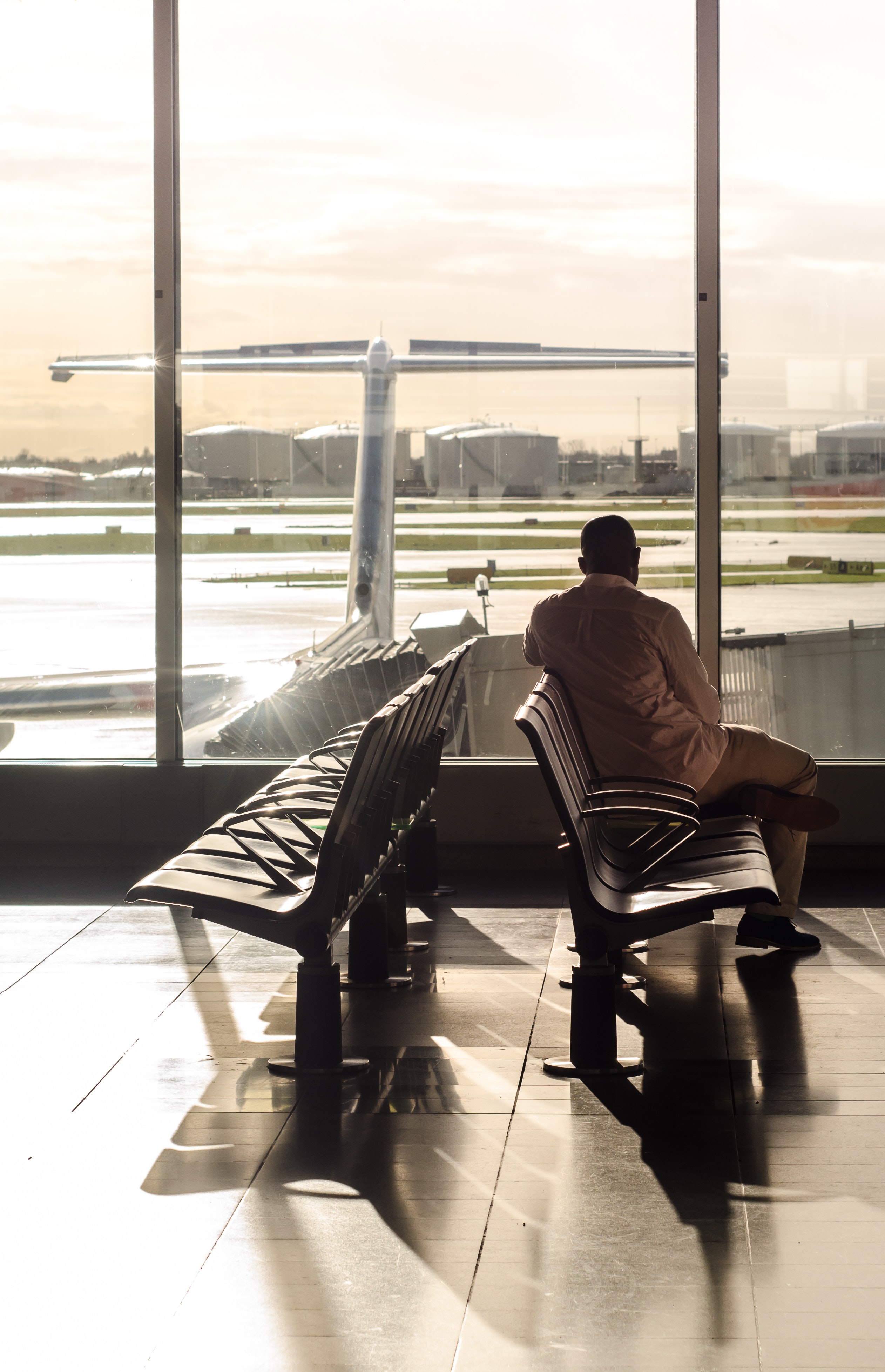
aircraft-airplane-airport-36983

  1. Easy to Plan

When travelling in a group every member’s opinion and likes and dislikes have to be taken into account. Someone has to forgo something for the sake of others. This compromise may rob the fun of the outing. But when it comes to solo travel, planning revolves around you. So, you can decide where you wish to go, when and how. The enjoyment factor will increase manifold.

  1. Make New Friends with Ease

Traveling alone does not mean that you do not speak to someone. Yes, you can add new people to your friends’ list along the way when you share your thoughts and experiences and other things with them. This increases the friendship. This is solely your choice. In a group, it may not be so. You may have to give up a lot.

  1. Get A Lot of Experience

Going about alone in a strange land amidst strange people may not be easy. You may have to learn a new language to mingle with the people. You may have to learn to eat and live like the local people. This will teach you a lot in life. These experiences will help you to grow and mature and help in nurturing your relationships.

  1. Make Your Own Itinerary

A group decides to do things with a majority vote. A single voice crashes down. You have to go to a museum or a national park even if you wished to go to the beach instead. The whole trip you just went by someone’s wishes. Your wishes were curbed and that diminished your fun quotient. A solo traveler has freedom to go as per his or her wish.

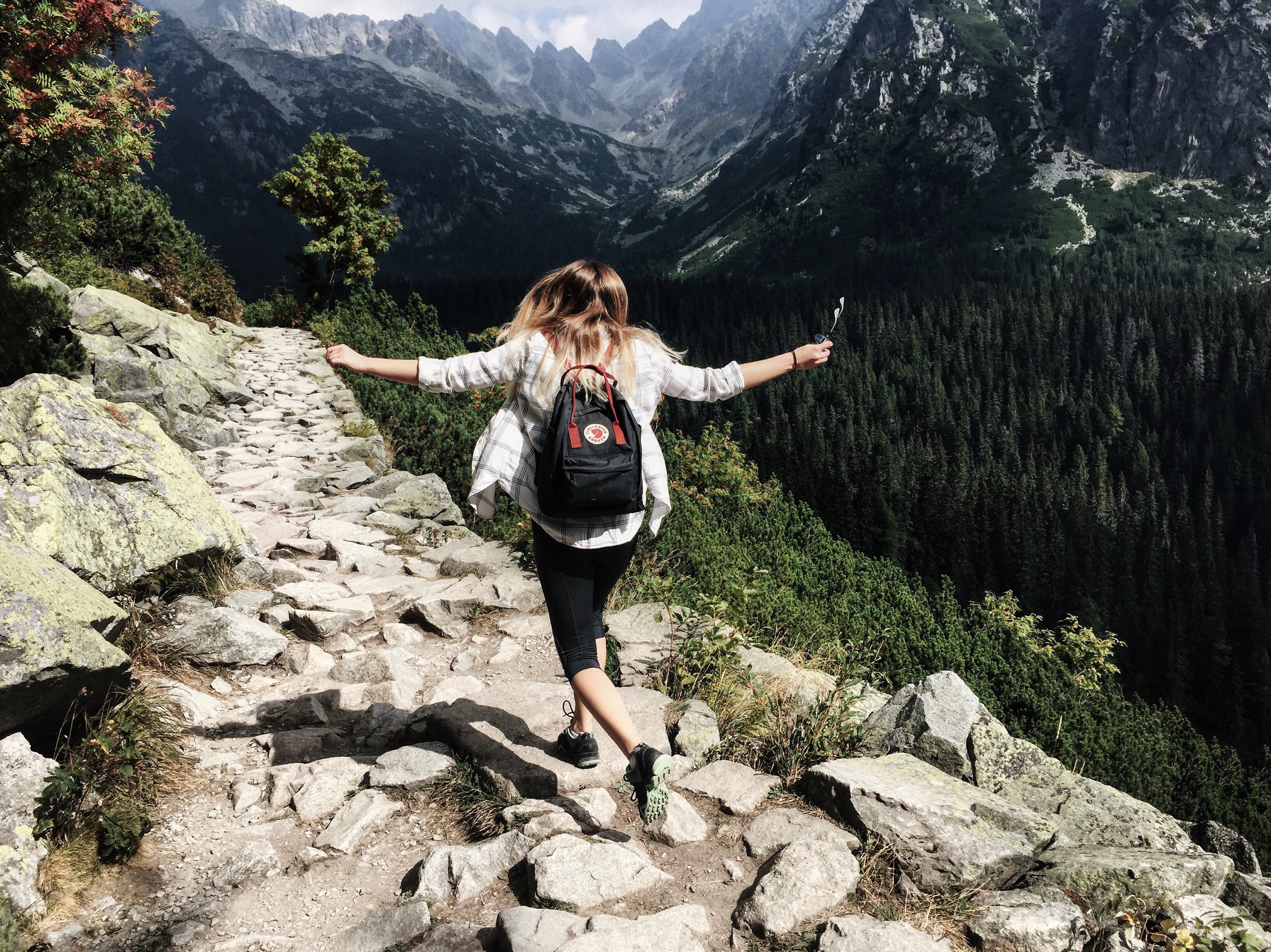
adult-adventure-backpack-287240

  1. Know Yourself Better

It is really important to know your potential and also your weaknesses. Only when you are on your own you can know about this. You are free to do what you wish. There is no pressure and reduced stress. Your performance increases and so does your efficiency. You will be surprised about yourself learning that you can accomplish a task which you dread doing.
  1. Financial Management

You can learn to value many things when you are all on your own. A person who is a spendthrift and does not care about money may learn to value it especially in a new land when there is no one to help when you are short of money. This will teach you to manage your finances better. You will also learn not to spend it on unnecessary items.

  1. Better Observer

You can learn to observe things better when you are alone. You need to be alert and manage everything on your own. You become responsible and also learn to take care of yourself which you may have not done all your life as someone took this responsibility. Increasing your observing skills will make you a better person.

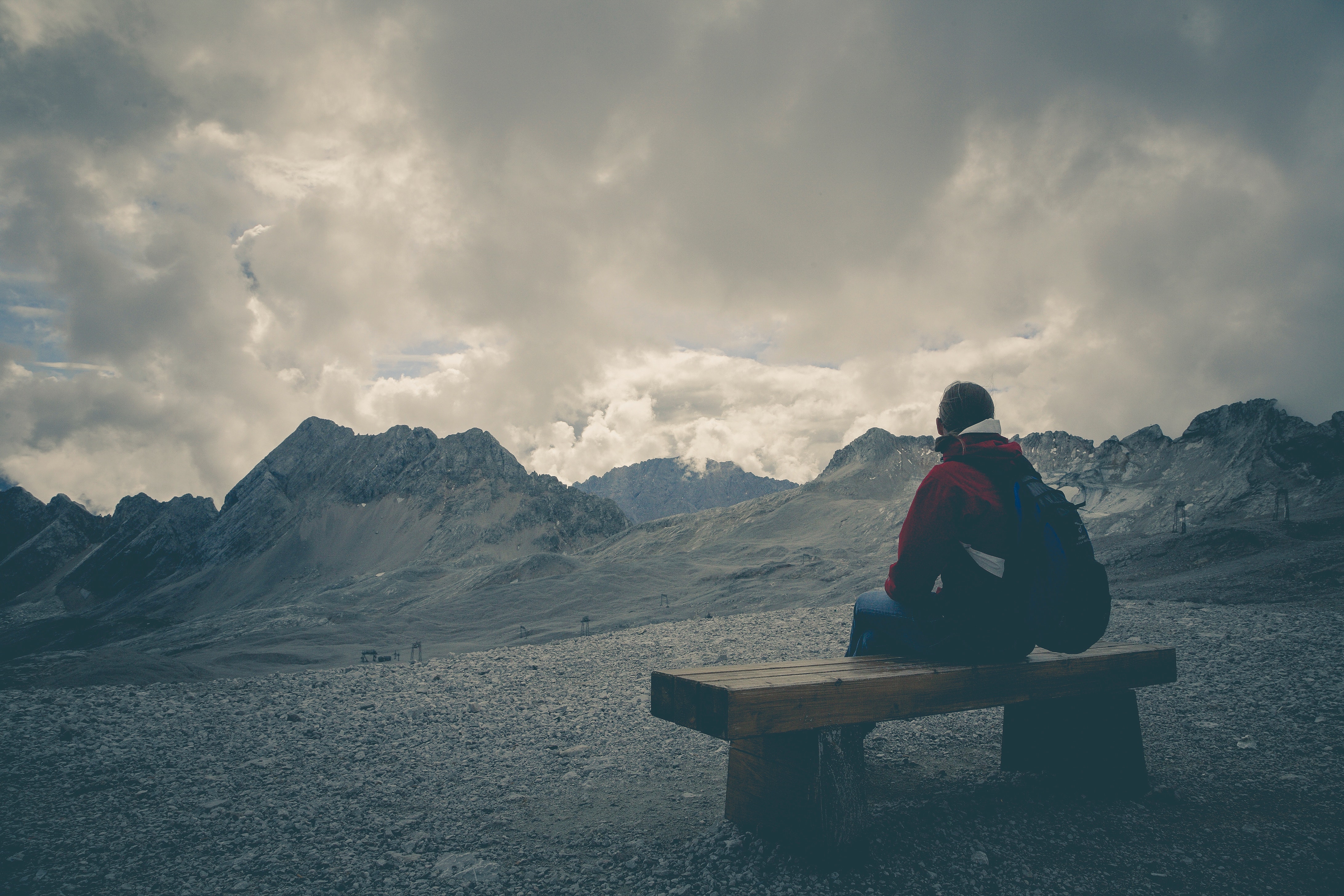
clouds-cloudy-landscape-105857

  1. More Satisfied

For many people gratification does not come easily. When travelling alone almost all wishes get fulfilled and a sense of satisfaction creeps in. This feeling of gratification helps a person to grow up and makes him or her calm from inside. You tend to understand others easily and can build relationships easily.

If you are yet to attempt solo travel, try it once and learn more about yourself.


Author Bio:

Know about Rohit Agarwal’s take on travel on the blog Trans India Travels.


12 heart-thumping reasons why Kereita Forest should top your bucket-list

Whilst we all, overtime get bit by the travel bug, interests differ in relation to the sort of adventures we seek out. “Soaking in sun by the beach,” sort of vacation isn’t everyone’s cup of tea! If it doesn’t involve some heart pumping and loss of breath, then there’s no point to it.

An adrenaline rush-free adventure for some people is the worst! This segment of adventure seekers is seemingly the reason behind the rise of outdoorsy, adrenaline pumping adventure providers in the country; The Forest Adventure Center being one of them.

Located in the heart of the Aberdare Ranges, in the Kereita Forest, Kiambu County, The Forest offers thrill seekers a playground of sorts.

The center’s accessibility – it’s only an hour away from Nairobi City – quickly caters to your urge to burst headlong into the great outdoors. For adrenaline junkies, being here is akin to a kid in a candy store. Whether you get your kicks mountain biking, ripping through the beautiful Kereita Forest or riding through the nature trails on a mighty horse, all we can say is that the Forest more than makes up for an otherwise “boring” laze at the beach.

We bet you by the time you are done scrolling down the list of activities offered at The Forest, you will have had it at the top of your bucket list faster than we can say…Let’s head to Kereita!

Zip line
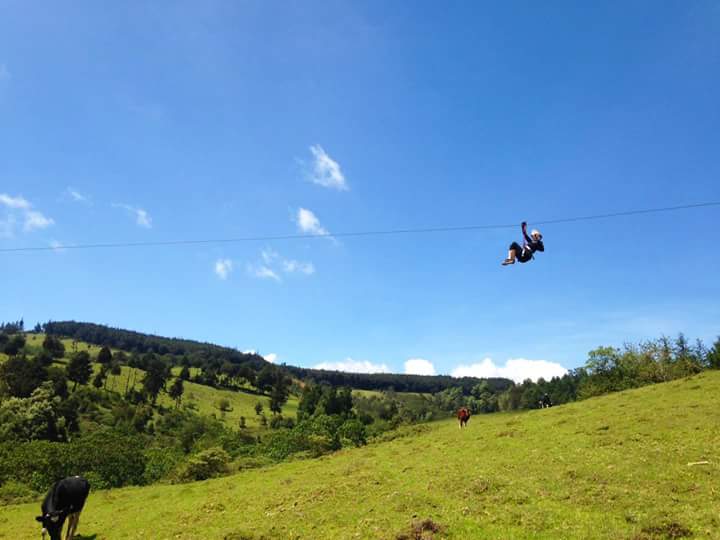
Feel the rush of a world class adventure as you fly a total of 2.2 kilometers over spectacular views of forest canopies, guided by professional instructors maintaining the highest European Union safety standard regulations, with a carrying capacity of a maximum weight of 115kg and minimum height of 1.4m.

Fun fact: The oldest zippers yet at the Forest have been an 84 year old male and an 81 year old for female!

Paintball
Pick your team, get kitted out and start dodging… shoot or be spluttered in sticky paint in the most exhilarating activity at The Forest.

zuru kenya the forest - kereita

Archery
Ever pictured yourself as part of Robin Hood or the hunger games’ cast? Well, daydream no more… bow and arrow in hand, The Forest gives you an ample opportunity to test your “hero” skills.

Got good aim? Let’s see if you can really hit the bull’s eye! The Forest’s experienced instructors will train you to become a master archer in no time on their dedicated range.

Fair warning!! Archery can be addictive.

zuru kenya the forest - kereita

Mountain Biking
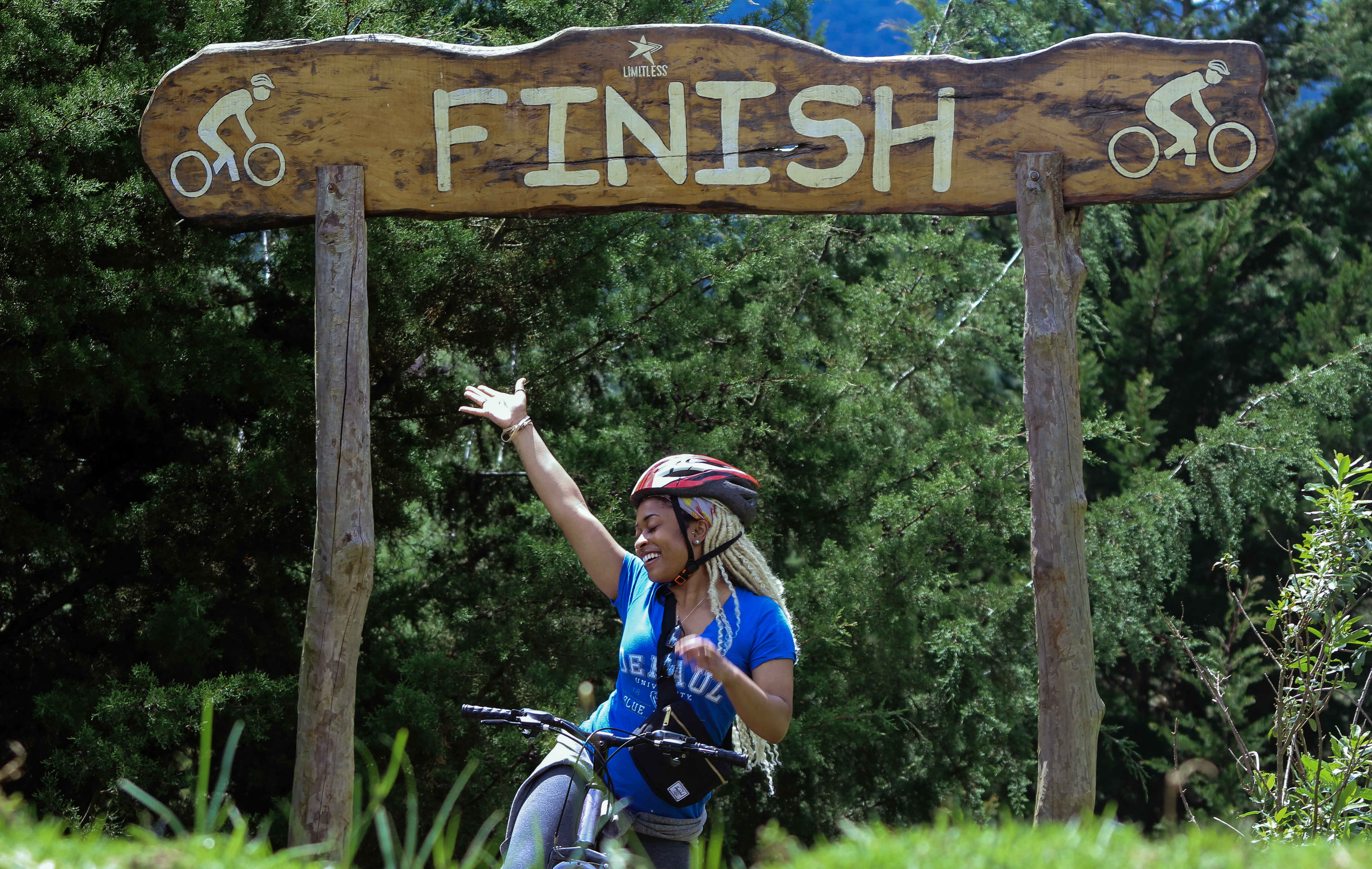
Enjoy kilometers of enchanting trails in nature on mountain bikes as you inhale crispy mountain air and soak in sweeping views. The Forest’s  qualified instructors are on standby to fit you into the right mountain bikes and helmets.

E-bikes
Looking for that extra zing? Try the newest first ever Electric bikes to be offered in East Africa. Ride through those banked corners with that extra jolt of power.

Forest Rovers
Discover your adventurous side by zooming through The Forest on off road capable Forest Rovers, guided by professional instructors while maintaining the highest level of safety and fun. A few minutes to practice riding and you are ready to go.

Nature Walks
Inspiring and informative, a guide leads you through the forest and reveals its secrets.

Tree planting
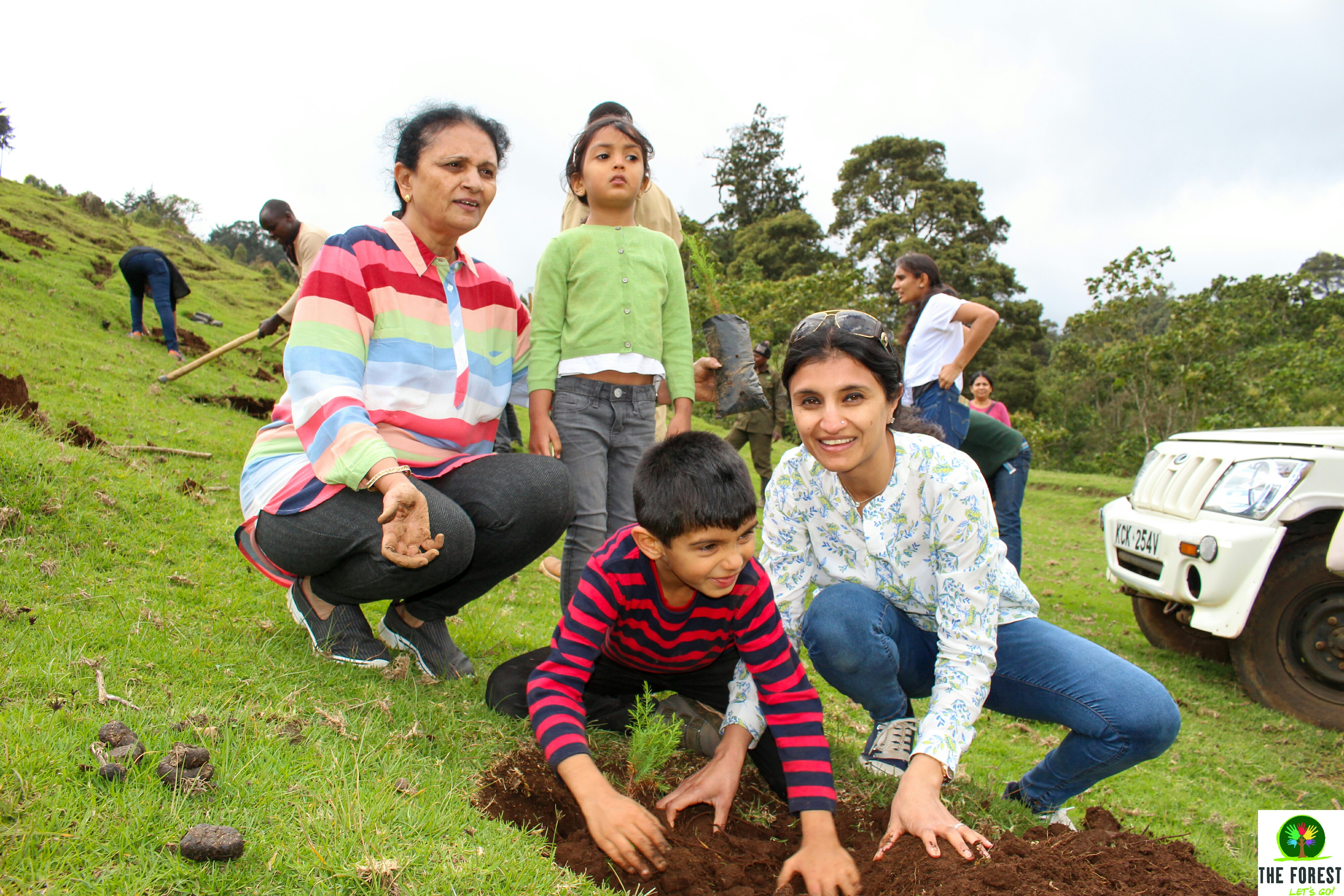
Give back to the future by planting indigenous trees.

Fly Fishing
Love for fish comes alive at the Gatamaiyo River. Bring your own fishing gear and cast your rod to make a catch. Best done in the morning when the fish are hungry.

Foot golf
Play a game that combines the distinction, elegance and precision of Golf with the passion, energy and fun of football in a marvelous sport full of life. Try your best shot and putt a football with the fewest kicks possible.

CHALLENGE: Can you get a hole in one?

Horse Riding
The Forest on a horse back WOW! This activity is available to experienced riders as well as first timers.

Camping

Enjoy star-lit nights at The Forest in a serene and secure environment sitting round a campfire. Each camp site has its own guards, fire-wood, pit latrines and bush showers. Make your camping experience memorable!

Team Building

Talent wins games but team work and intelligence wins championships. With custom made activities, The Forest facilitates coming together as a family, group of friends as well as enhances cohesiveness and team work in the office.

The Forest has made the extraordinary nature in its reaches accessible to thrill seekers through endless numbers of trails and adventure pumping adventures. What’s even more exciting about The Forest is that all activities on offer are pretty affordable and well worth every dime. This center offers child-friendly adventures too!

Alongside the affordable wide range of activities that will cater to your spirit of adventure, the Forest also affords you finger licking delicacies flattering to your taste buds. That said, the Forest Adventure Center is an absolute must-visit with guaranteed heart-thumping and total adrenaline rush!

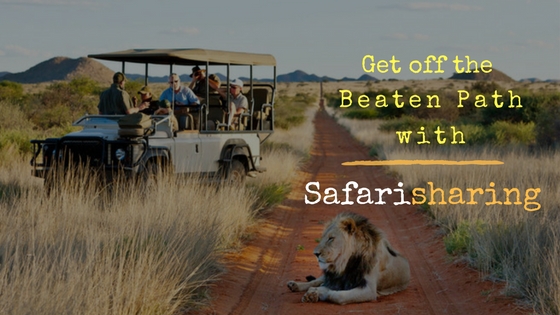
Get off the beaten path with safarisharing

Happy New Year! New Year, new things; yes I know that sounds so cliché but just oblige us here. 2018 has so much potential; places to go, people to meet and new experiences to try. Even if you are working off of a set bucket list, if there’s but one experience you need to try this year, it should be the safarisharing experience.

Safarisharing opens you up to a whole new Kenyan safari experience. The dynamic that the “sharing principle” brings not only drives you off the beaten path to sample the premier of wildlife safari, you also get to cross paths with multicultural individuals eager to share the same unforgettable experience albeit soak it up differently.

But what is safarisharing?

Driven towards a more responsible and sustainable tourism, safarisharing – the brain child of Jorrit Kooi a Netherlander who’s had the opportunity to live in Kenya and explore East Africa – is an independent safari platform built around group travel with the promise of affordable unique experiences.

The agency, which is based in the Netherlands, appeals to the lone traveler looking to switch things up by finding some travel buddies to go on safari with but finding it a bit tough to do. As a matter of fact, difficulty in booking a spot with a group on an existing safari is what realized the inception of this platform in the first instance.

In Jorrit’s own words, “When I travelled to Arusha on a business trip sometime back, I tried to incorporate a safari towards the end of my trip but it wasn’t possible as I couldn’t find a group safari that I could join. Despite having contacted 20 tour agents, no one was able to hook me up with an existing group. All they could offer me was a very expensive private safari which I wasn’t interested in. That was how Safarisharing was born.”

As a result of the founder’s unfortunate experience, individual travelers are now able to join other groups of travelers for an existing safari departure.  As the first front-to-end ecommerce platform in the African safari industry, safarisharing brings together individual travelers seeking to experience safari in East Africa as a group. It also seeks to incorporate educational trips to conservatories as well as engage in cultural initiatives that raise awareness on varied issues that affect east African communities alongside the classic safari as part of their focus on responsibility & sustainability in the industry.

Booking a seat with safarisharing assures you of a fair price, loads of fun with great travel companions and a unique more sustainable way of travel through the ‘sharing’ concept. This concept is not limited to travelers only though, safarisharing offers suppliers a great opportunity to generate additional revenue by putting up their spare capacity and unused seats of their safari vehicles for use.

Safarisharing plunges you into a world of anticipation; you never know who you are going to meet or what level of Camaraderie is going to be formed from this experience. That’s what makes this platform so exciting. Plus, you get to kick back and enjoy your safari without all the fuss of planning.

#BudgetTravel: 7 Ways To Save Money While Traveling In Kenya

Peak season is fast approaching. If you haven’t booked yet, Dennis Carruthers is happy to let you in on tips to help you navigate this beautiful country without breaking the bank.

#1. Don’t travel at peak season if you can avoid it.

So we know the mention of peak season would suggest that you get right on it and book your travel before you are left out of the action but to be honest, the best time to save money on travel to Kenya is off-season on the tourist calendar. The country has tropical climate throughout the year, so anytime goes. Unfortunately, this might also mean missing some engaging experiences. The peak season falls in mid June through October (The best time for safaris and the famous wildebeest migration takes place in July) and mid December to February.

#2. Travel with a group

Individual costs are higher when you travel solo. You will still pay the same for things such as taxi fares and guides. A shared tour also offers the advantage of shared costs. Service providers such as safari operators will still charge you for a dedicated guide and vehicle when you travel alone. You can save on the accommodation budget as well as meals when shared. Additionally, group tours carry more bargaining power even on the ground.

#3. Look for tour packages and special offers

Tour operators frequently run discounted campaigns and specially organized tour packages. Take advantage of these, as they are cheaper than standard rates. Expect minor sharing challenges. For example, a tour operator may decide to pack eight passengers in a van, the standard tour vehicle, instead of the usual six. This lowers the cost as you pay per seat and not for the whole car alone.

#4. Evaluate your accommodation options

zurukenya budget travel

Kenya offers excellent urban hotels such as the Intercontinental Hotel and the Nairobi Hilton alongside two and three-star establishments with elegant facilities and service. Additionally, there are numerous luxury camps and lodges, but since we are in the business of cost saving, why not book yourself a chic budget boutique hotel or better yet stay at a rental, shop at the farmer’s market, live like a local and save on your meal tab. Kenyans are also very hospitable people and if you are lucky, you might just land yourself a host for your stay – try couchsurfing. Feel free to also compare your dining options away from your accommodation.

#5. Plan your itinerary in advance

Which sights excite you the most? How do you want to get there and for how long? A layover of a few hours is different from a week’s safari. Some destinations require travel outside of the major cities e.g. Lamu, Maasai Mara Game Reserve, and so on; Batch together destinations within the same locality to maximize time and save on cost.

#6. Research pricing and costs in advance

Knowing the average price of key services will increase your confidence. In Kenya, you can bargain the prices on any product or service unless the provider firmly insists it is fixed, which is rare. Brush up on your bargaining and negotiating skills. For example, a day’s meals should cost you around a $10 or lower if you try local meals and double that for a day’s alcoholic drinks.

#7. Do as locals do

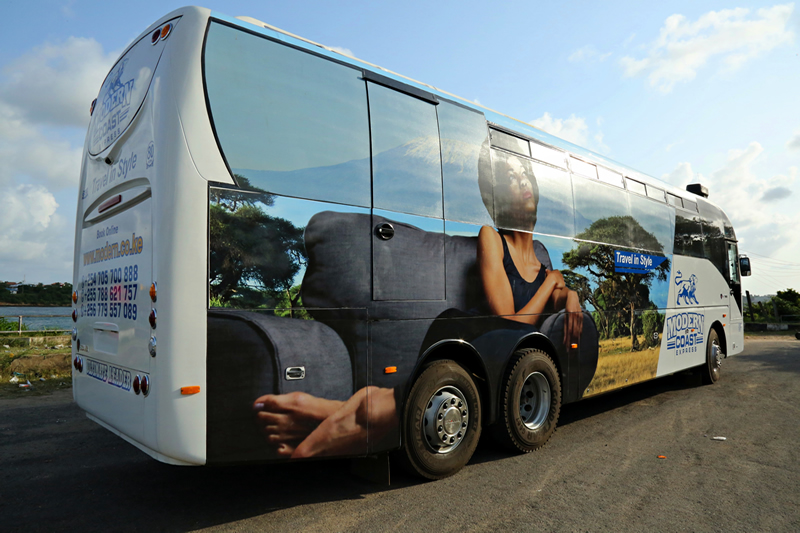
zuru kenya budget travel
Image credit: Modern

Hotel vans and tour operator services can get expensive. Although there is no government-run public transport system, locals use numerous alternatives. These include urban public transport vans, cross-country buses, and a revamped passenger rail service.

Things to note: The local currency is the Kenya shilling. One US dollar is roughly a hundred Kenya shillings.


About the author

D Scott Carruthers, a graduate of Western State University loves photography, exploratory travel and blogging about his adventures and journeys.

Save

Save

Save

Save

Save

Save

7 Wildlife Photography Tips to know for Your Next Safari

There’s only one thing better than an actual wildlife safari adventure, and that’s going through all your photographs on your return. Shooting photographs of wild animals is an art form and it can be extremely gratifying when you get extreme close ups of the big five or an action shot of a kill. Not only is it cool to boast to your friends about what you’ve seen, but you’ll have all these amazing memories of your trip to look back on forever.

zuru kenya photography tips

Any African safari produces the perfect opportunity for memorable photo taking. Here are some photography tips for your next safari.

#1. Make Sure You Have The Right Gear

Having the right photographic gear while you’re on your safari is essential. You’ll want to capture a number of different shots, which will require a variety of lenses. You’ll also want to ensure that everything is easily accessible. If you don’t have a proper camera bag that fits your camera and gear, it would be a wise investment. Then you only need to remember to take one bag on the game vehicle with you and everything will be within reach. In your camera bag you’ll want to pack:

  •       Camera body
  •       Lenses with lens covers or caps
  •       Battery packs
  •       Memory cards
  •       Battery charger
  •       Cables for instant transfer to your tablet or laptop
  •       Camera cleaning equipment

#2. Zoom Lens Is A Must-Have

Make sure you have a great zoom lens on hand in order to capture shots that are further away from the vehicle than a standard lens can capture. You don’t want pixelated photos, but want to be able to enjoy every detail down to a lion’s whiskers. Anything from a 200mm to a 500mm is your most popular choice and is still manageable and easy to carry around.
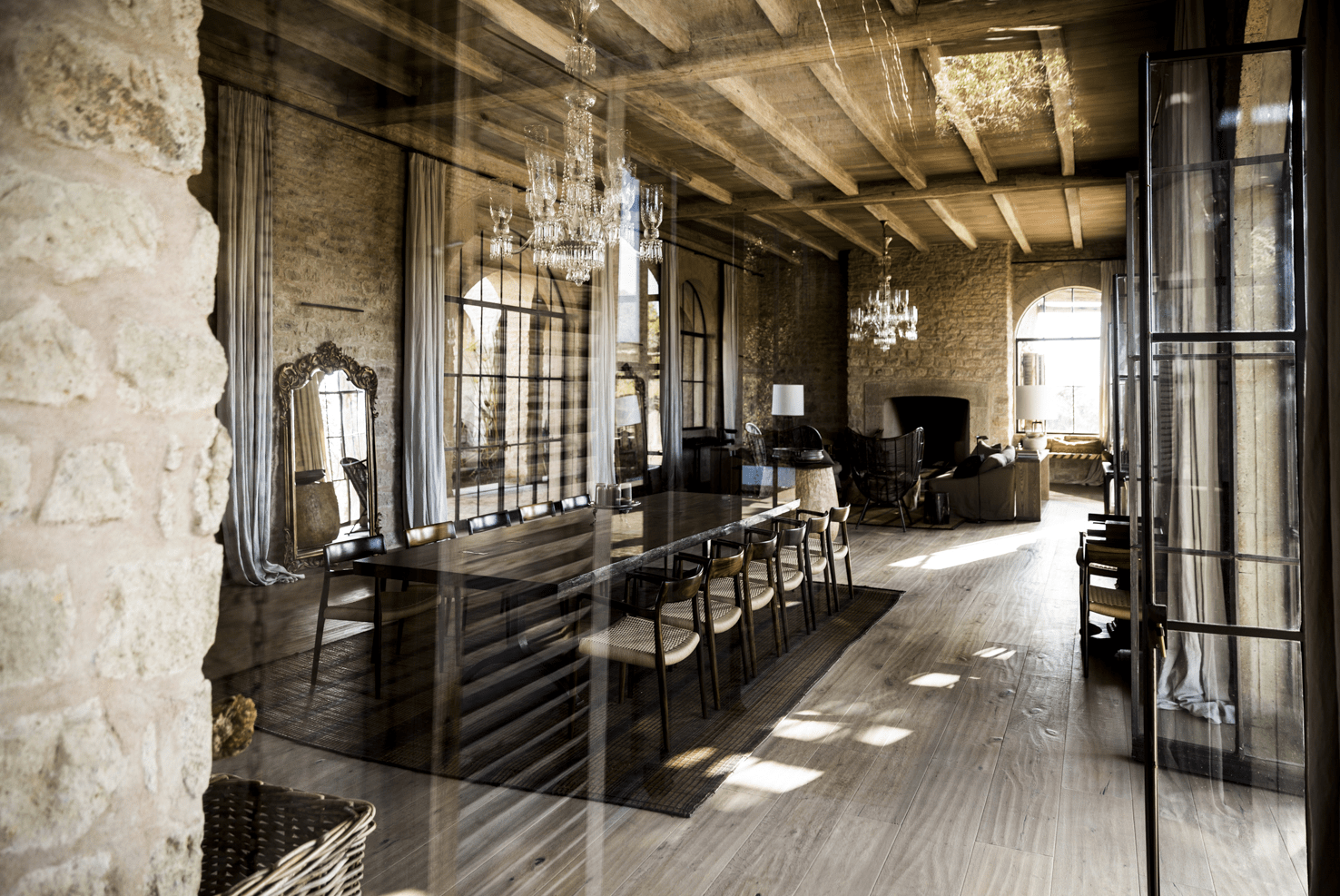
Image credit: Dave Dugdale

#3. Pack Extra Batteries And Memory Cards

What could be worse than spotting an incredible sighting such as a leopard in a tree or a mother hyena feeding her young… and you realise that your memory card is full? Frantically trying to delete photos from your memory card could result in you deleting something worth keeping. A dead battery is the absolute worst and it’s totally avoidable. Ensure you have a spare, charged battery and memory card in your camera bag to avoid any missed shots.

#4. Use Your Guide’s Knowledge To Your Advantage

Your safari guide or ranger will have expert, intimate knowledge of the bush and will – in most cases – be able to tell when you’re about to encounter an animal. They can track animals from kilometers away and also hear or see them long before you do. Alert them to the fact that you’re seeking that elusive photograph and they can give you a heads up when the opportunity is approaching. They can also position the game vehicle favorably for your photographic benefit.

#5. Be Camera Ready At All Times

Make sure that the shutter speed and aperture are both ready and set for you to take photographs at will. Then when the moment arises, you simply need to perfect your composition, focus and snap the shot. If you’re not comfortable working with a manual setup then you can always set your camera to automatic and simply point and snap as and when you see the perfect moment.

#6. Avoid The Flash At Night

It sounds counter intuitive, but the flash can blind the animals temporarily, which can be really dangerous for prey and tame game. It also makes the animals eyes come out red or white in the photograph, which isn’t very appealing.

#7. Practice Before The Drive

Take a few practice shots before the drive at different angles and with the light coming from different directions. Make sure you’re happy with your setup and that you’re aware of how the direction of light and angle of the shot will affect your end product. The sun behind you will always produce the best shots, but isn’t always possible. Take full advantage when conditions are perfect and take as many photos as you can.

Of course you can always edit your photographs afterwards, but the best shots are those that require minimal tweaking.

Good luck!


Guest Post courtesy of  TourRadar, an online marketplace for travelers to compare and book multi-day tours.

Save

Save

Save

Save

Save

Save