Category Archives: Safiri Kenya

Top Family Destinations in Kenya for December 2025

The holiday season in Kenya brings golden beaches, wild safaris, and laughter-filled family memories. Whether it’s your first visit or a homecoming trip, Kenya’s December magic never fades.

Here are our top picks for family-friendly destinations to explore in December 2025.

1. Diani Beach – Coastal Calm Meets Family Fun

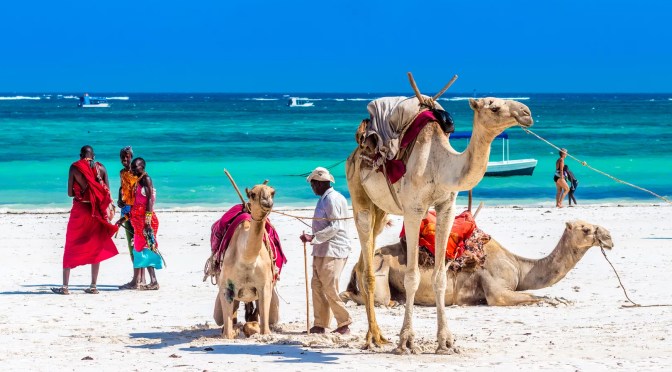
A perfect beach retreat for families; white sandy shores, warm waters and plenty of relaxed resort options for kids and adults alike. Great for multi-age families, easy to access from Mombasa or Ukunda Airport, and plenty of festive events during December.

Note: December is high season, so book early.

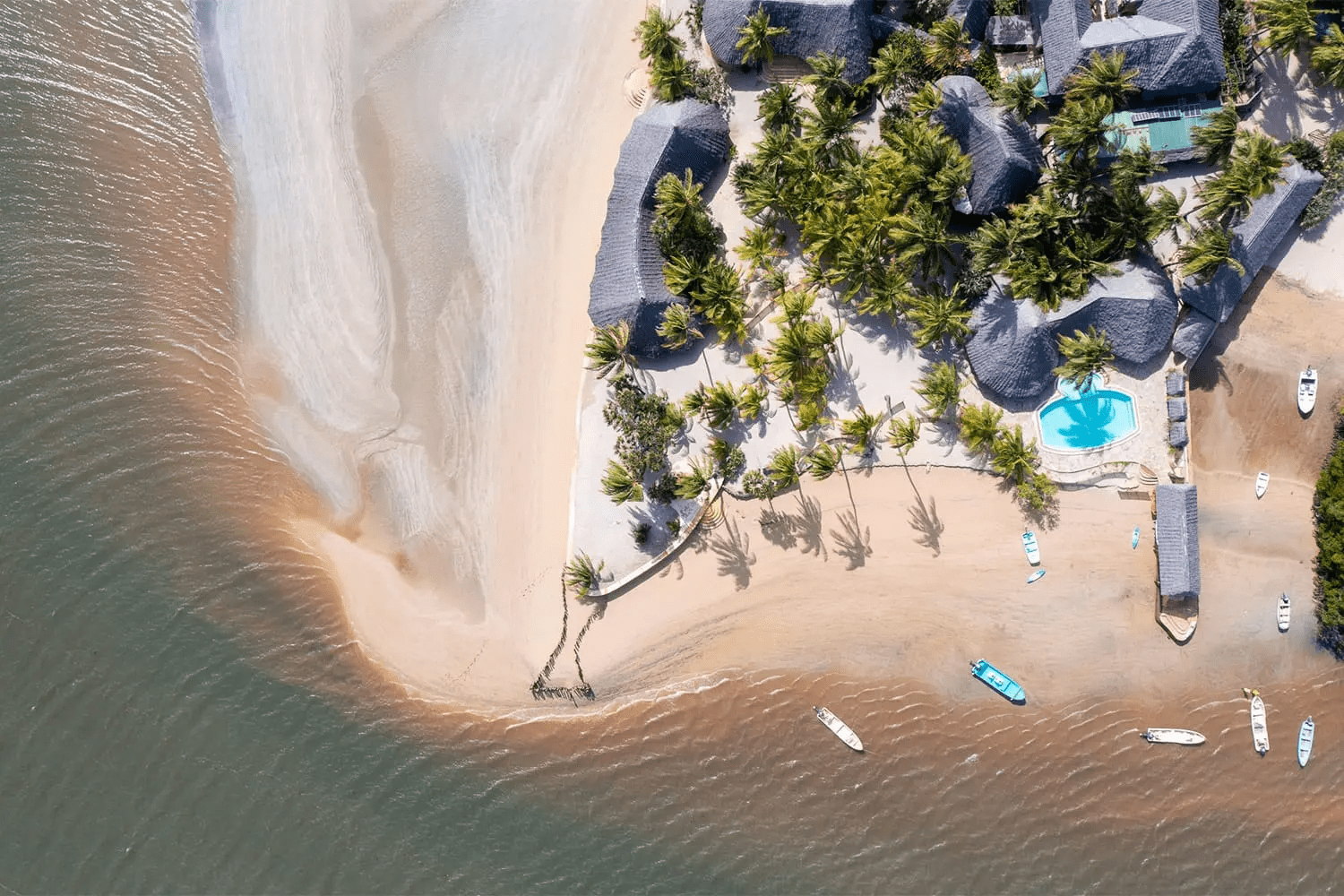
Image: Nomad Beach Resort

Why go: Snorkeling, dolphin-watching, beach sports, kids’ clubs, and festive holiday packages.
Don’t miss: Glass-bottom boat rides & Wasini Island day trips.

2. Maasai Mara – Safari for All Ages

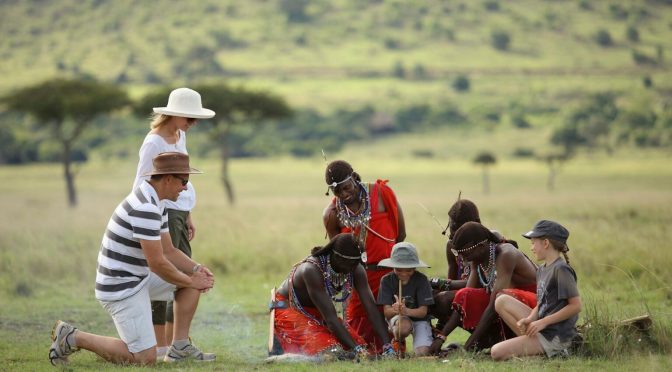
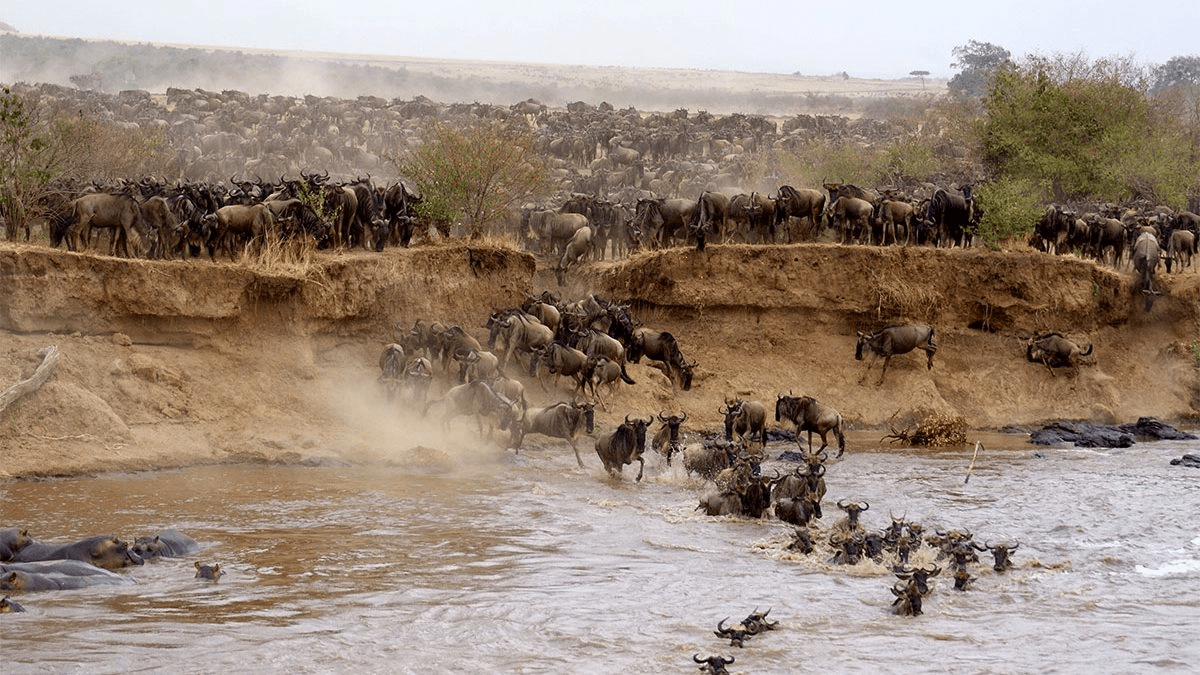
Nothing bonds a family like spotting lions at sunrise. The Mara offers short drives, family lodges, and kid-friendly ranger programs all wrapped in breathtaking savannah views.

Image: Explorer Safari

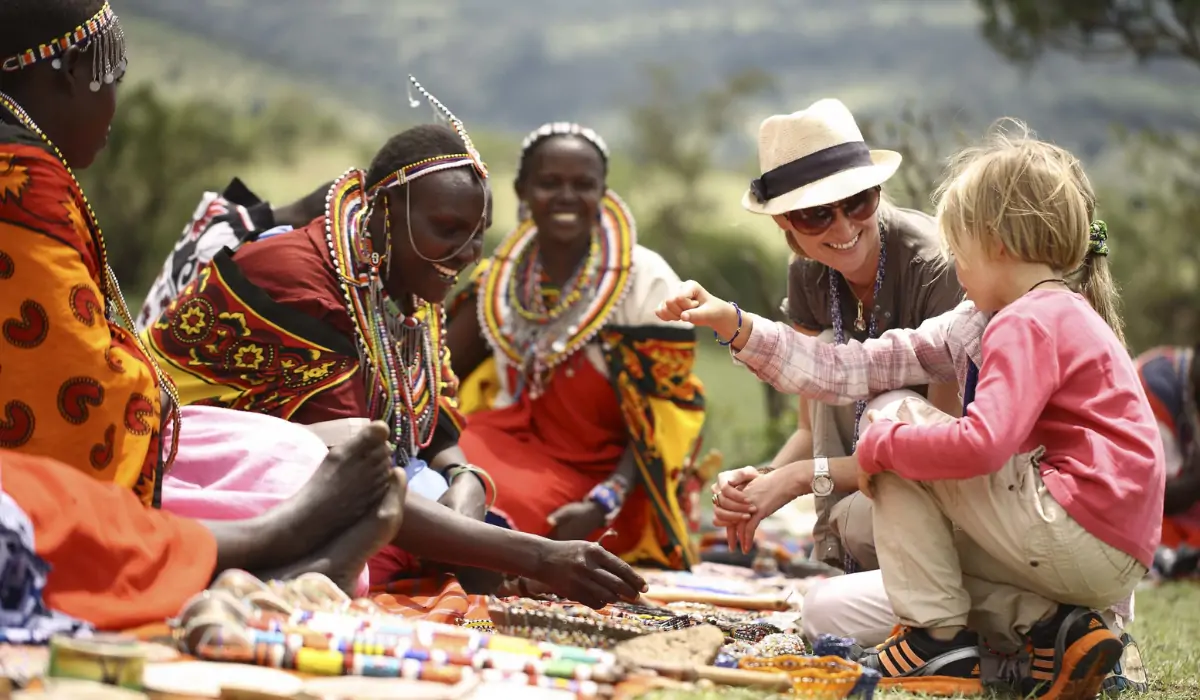
Why go: Big Five sightings, Maasai cultural visits, and the real safari experience.
Pro Tip: Book early, December fills up fast!

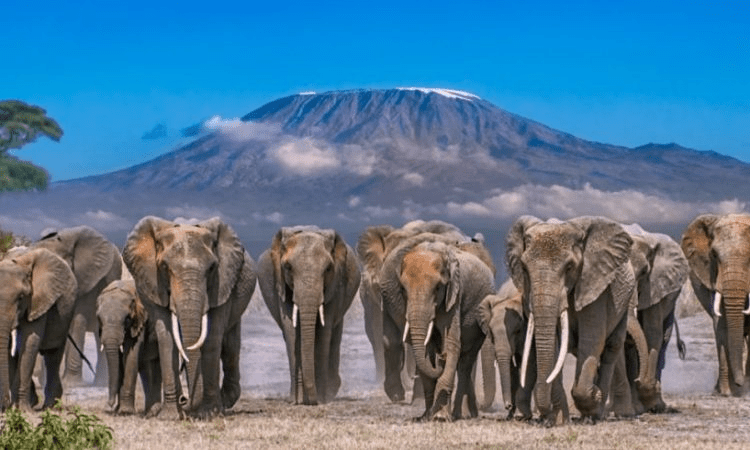
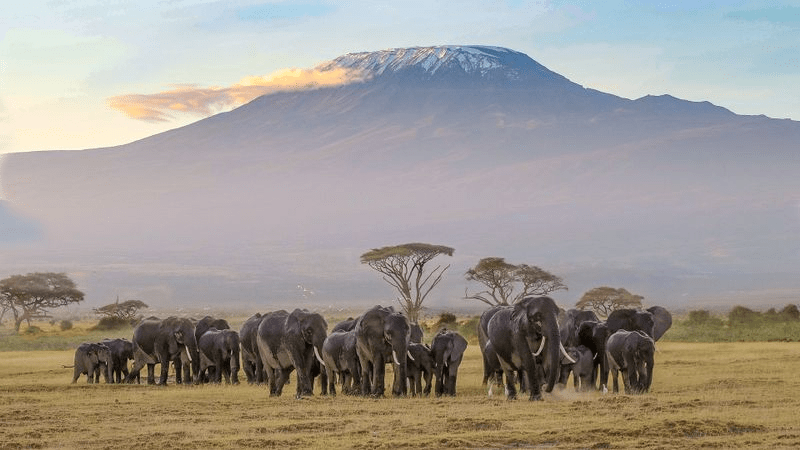
3. Amboseli National Park – Elephants Beneath Kilimanjaro

Set against the snow-capped peak of Mt. Kilimanjaro, this park offers short, gentle drives and close encounters with elephants – a guaranteed crowd-pleaser for kids. Amboseli combines beauty and accessibility. Perfect for young explorers and nature-loving parents.

Image: Amboseli Park Kenya

Why go: Family-friendly lodges, easy road access from Nairobi, and breathtaking photo ops.
Don’t miss: Observation Hill for sunset panoramas.

4. Lake Naivasha & Crescent Island – Nature’s Playground

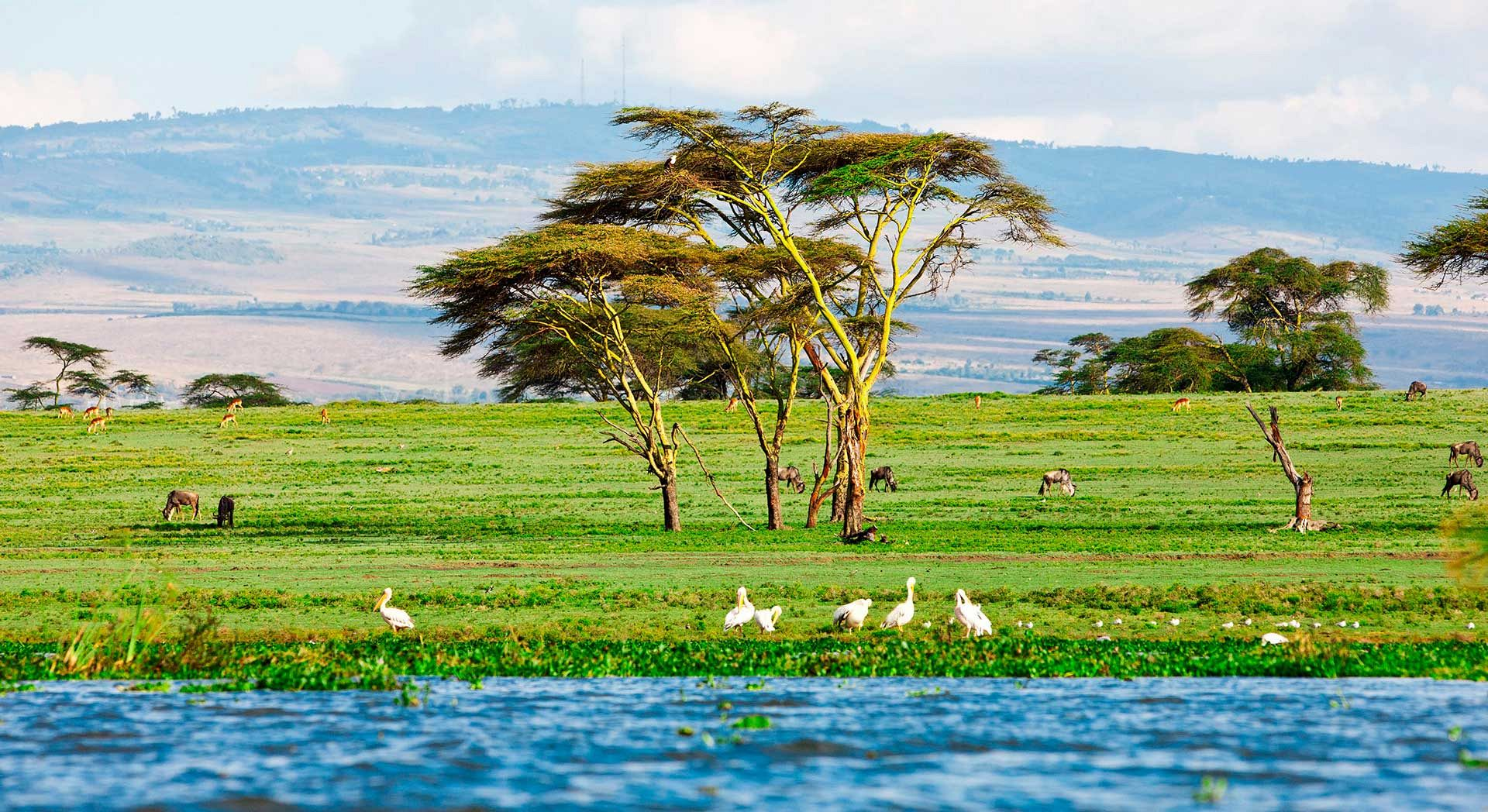
Just two hours from Nairobi, Lake Naivasha is ideal for families seeking peace, nature, and flexibility.

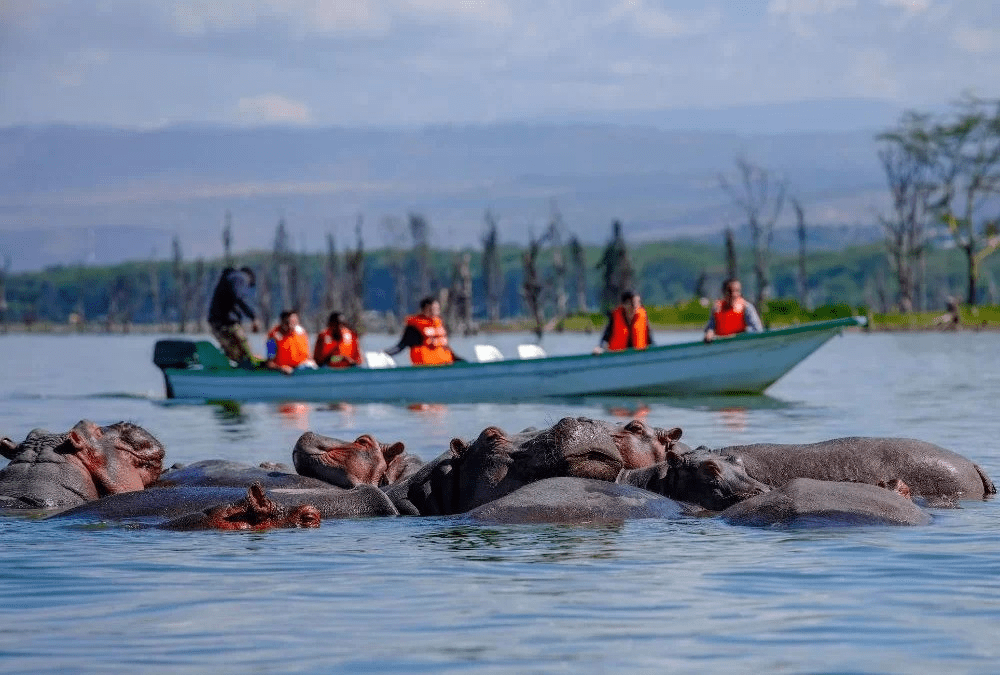
Go on a boat ride to spot hippos, walk among giraffes on Crescent Island, or relax in cozy lakeside lodges with gardens that feel like home.

Why Go: Minimal travel time, gentle activities for all ages, and great weekend-length stays.
Pro Tip: Pair Naivasha with nearby Hell’s Gate for an easy adventure.

5. Watamu & Malindi – Where Ocean Meets Culture

For families who love both beach and discovery, Watamu and Malindi deliver vibrant marine life, cultural flavor, and boutique resorts with a relaxed coastal vibe.

The area’s protected marine park is a playground for snorkelers and young explorers alike. Watamu and Malindi are coastal gems for families, recognized as very good for kids, moderate activity levels and plenty of downtime options.

Why Go: Calm waters, family-friendly hotels, and ethical marine excursions.
Don’t miss: Turtle rehabilitation centers, Gede Ruins and Swahili cooking classes.

Travel Tips for December 2025

  • Book early – it’s peak season! December is one of Kenya’s busier travel months; festive period equals high demand. Reserve accommodation & travel early.
  • Pack light and carry sunscreen. Weather is generally good but some areas may see short rains. Pack accordingly.
  • Try a safari + coast combo for variety. Consider combining two destinations (e.g., safari + beach) to balance adventure and rest.
  • Choose family-friendly lodges with open grounds or pools. For younger children or older adults, choose lodges with comfort amenities, shorter drives & family rooms.

Beyond the sunshine and safaris, December brings a sense of homecoming. A season of wonder and togetherness when families reunite, travelers return, and Kenya’s natural beauty feels especially alive.

Lake Kapedo: Kenya’s Mysterious Blood-Red Alkaline Lake

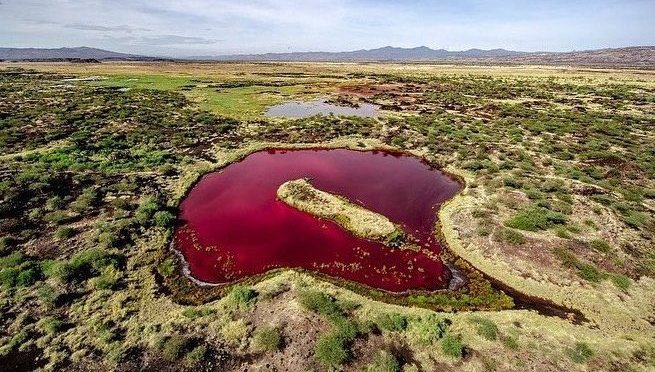
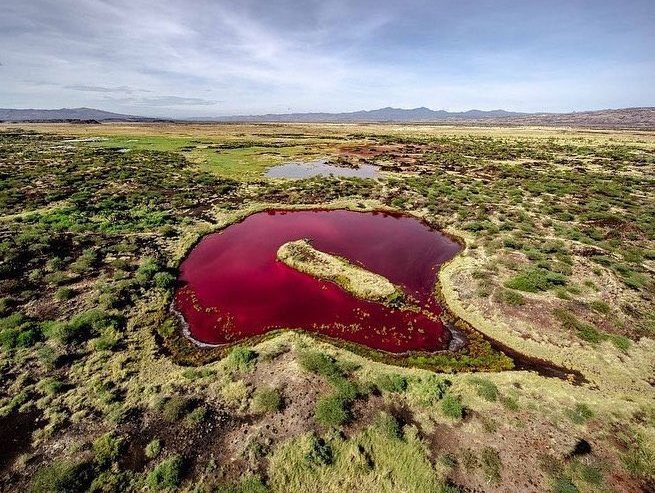
Hidden in the remote wilds between Turkana and Baringo counties lies one of Kenya’s most surreal and least-known natural wonders – Lake Kapedo, a blood-red alkaline lake that looks straight out of a sci-fi film. Is it a natural marvel, a spiritual omen, or a quiet witness to history? The answers lie in a blend of science, culture, and folklore that make this destination a powerful story in itself.

Why Is Lake Kapedo Red?

During dry seasons, Lake Kapedo transforms from a shallow alkaline lake to a bold, crimson spectacle. Scientists attribute the color change to High salt concentration caused by intense evaporation, Dunaliella salina algae which release reddish pigments in saline conditions, and mineral deposits stirred by shifting water levels.

The result is a lake that appears to “bleed” under the sun – dramatic, beautiful, and eerie all at once.

To the nearby Pokot and Turkana communities, Lake Kapedo holds deeper meaning. The locals believe its red color reflects a bloody past of inter-community conflict, especially around the volatile Kapedo Valley region. In traditional storytelling, the lake is said to be a spiritual symbol of past lives lost, echoing the wounds of history and the need for reconciliation.

For many, the lake is a sacred, cautionary presence – not just a geographic feature but a living entity with memory.

Lake Kapedo isn’t just a destination – it’s a conversation between earth, people, and time. With its surreal red waters, powerful cultural symbolism, and off-the-map appeal, it offers a raw, unforgettable adventure for photographers, nature lovers, and cultural explorers alike.

How to Get There

Lake Kapedo lies near the small town of Kapedo, nestled in a hot, rugged landscape surrounded by volcanic hills. The area is remote and requires a sturdy vehicle, local guidance, and awareness of current security updates. Adventurous travelers will find: Untouched terrain, Volcanic rock formations and possibly, natural hot springs in the surrounding areas.

Because Kapedo lies in a sensitive border region, travel should always be planned with care. Here are some tips:

  • Coordinate with local guides or tour companies familiar with the area
  • Travel in a convoy if possible
  • Get updates on the security situation before you go
  • Respect local customs and traditions

Whether you’re drawn by curiosity, art, or history, this blood-red lake will leave you with more than just photos – it leaves you with questions, awe, and a deeper connection to Kenya’s untamed heart.

Hidden Gems in Kenya You’ve Probably Never Explored

Forget the famous travel destinations for a minute; beyond the well-trodden paths in Kenya lies a world of hidden gems waiting to be discovered. Whether you’re a local explorer or a visitor looking to go beyond the tourist trail, these underrated spots offer unforgettable experiences with fewer crowds and more magic.

1. Lake Ellis – Mount Kenya’s Secret Escape

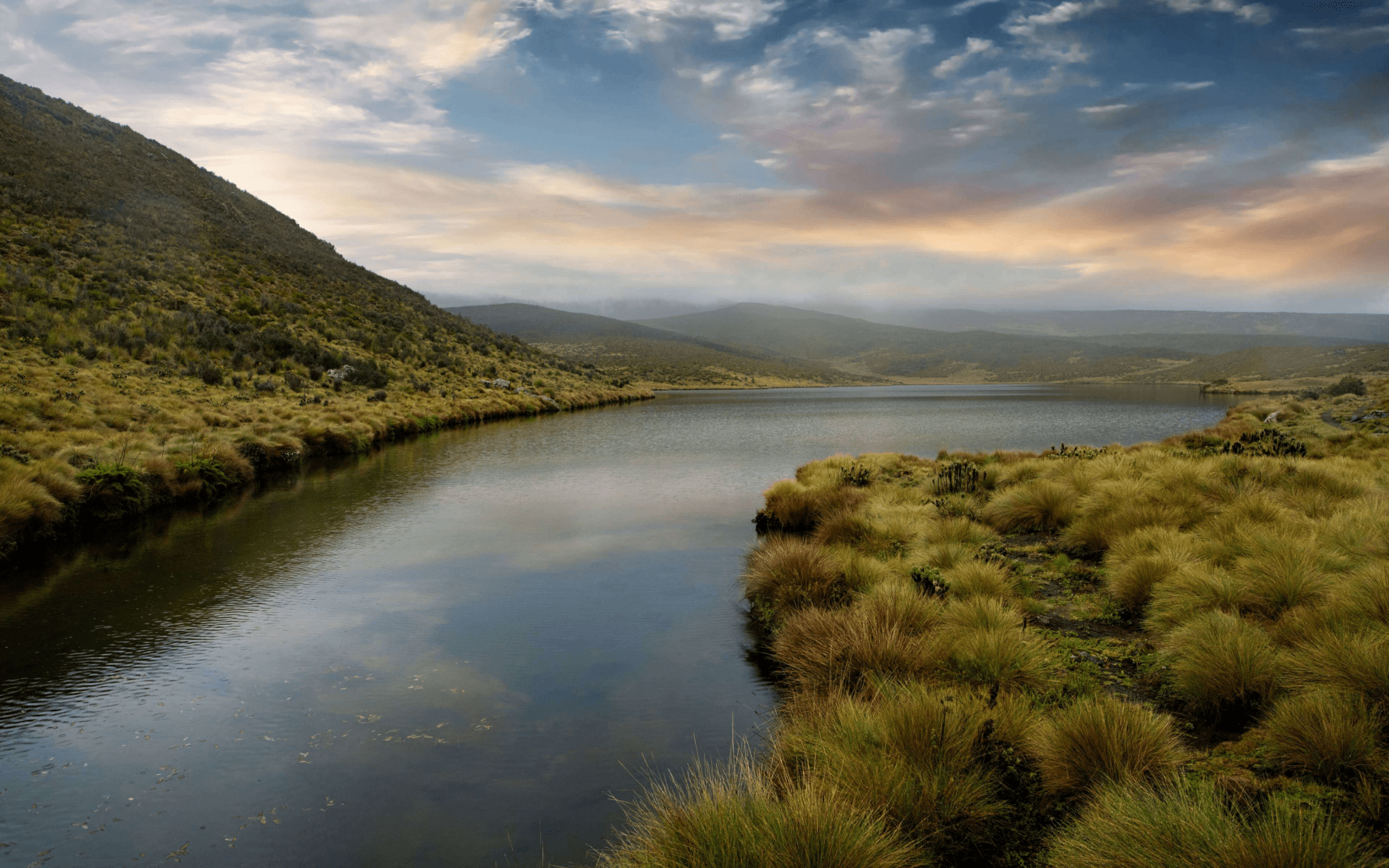
Tucked on the eastern slopes of Mount Kenya, Lake Ellis is a pristine alpine lake offering unmatched serenity. Surrounded by rolling moorlands and misty peaks, it’s the perfect spot for picnics, hiking, fishing, and photography. And best of all? You’re likely to have it all to yourself.

How to get there: Via Chogoria route, a 4WD is recommended.

2. Ngare Ndare Forest – The Magical Blue Pools

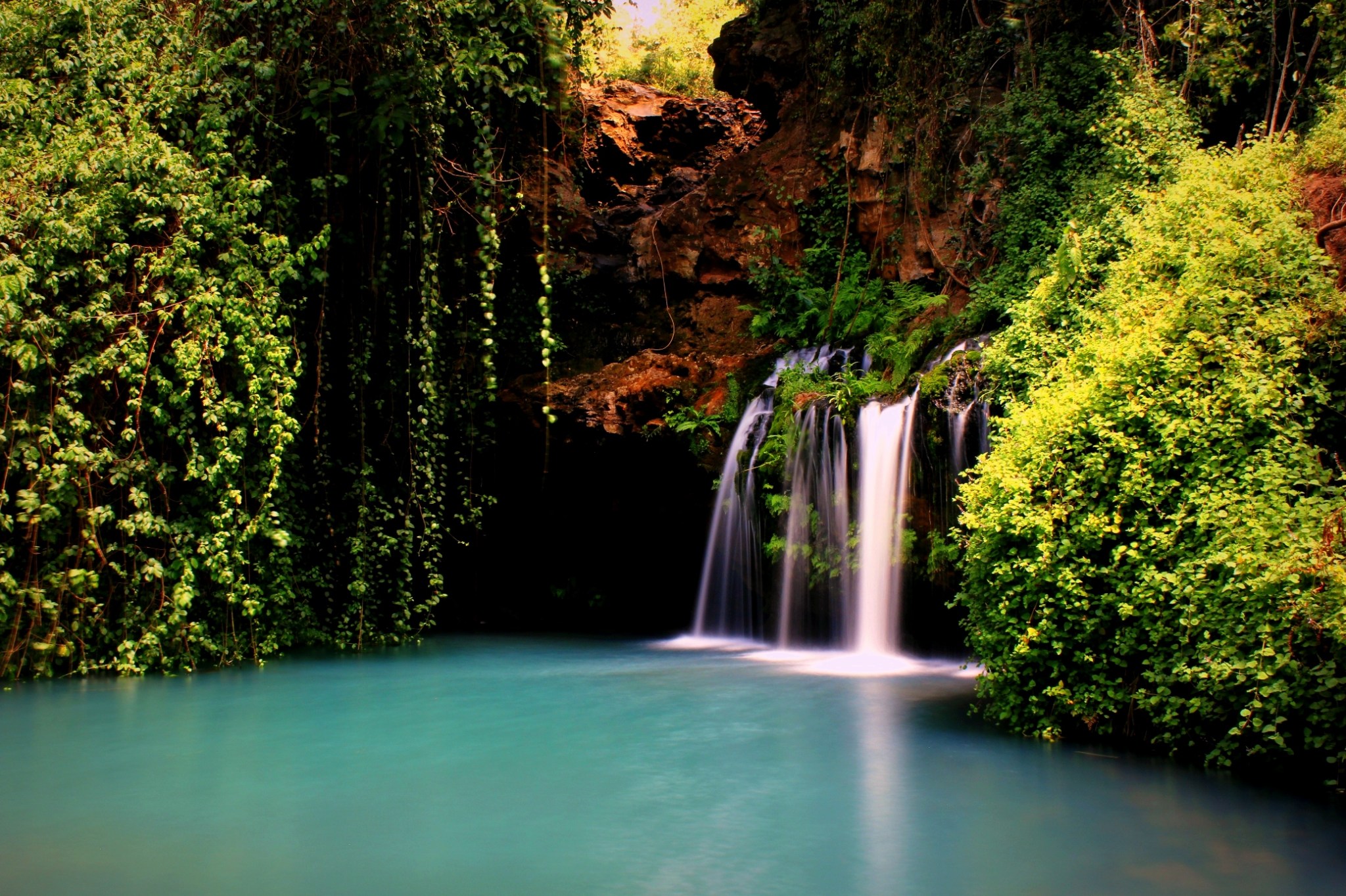
Just outside Nanyuki, Ngare Ndare is an indigenous forest where turquoise pools shimmer under ancient fig trees. A canopy walk suspended 10 meters above the forest floor gives you a bird’s eye view of the untouched landscape. Swim under waterfalls or hike the lush trails — it’s a dream for nature lovers.

Pro tip: Combine with a trip to Ol Pejeta Conservancy nearby.

3. Ruma National Park – Kenya’s Least Known Park

This hidden wildlife sanctuary near Lake Victoria is home to Kenya’s last remaining population of roan antelope. It’s also a birding paradise with over 400 species. If you’re after off-grid game viewing, this is your spot.

Fun fact: It’s often called the “Last Retreat of the Roan Antelope.”

4. Chepkiit Waterfall – Elgeyo Marakwet’s Cascading Wonder

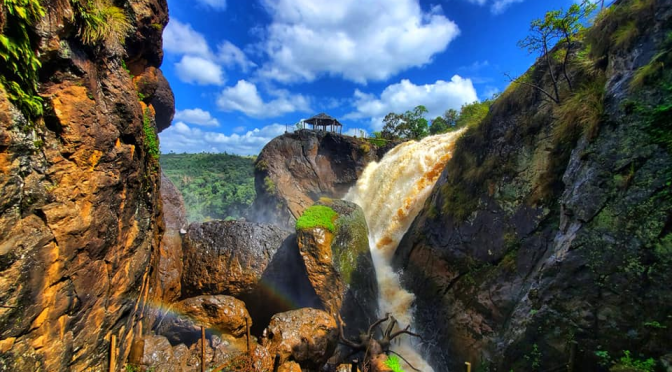
Deep in the Kerio Valley lies Chepkiit Falls — an awe-inspiring waterfall nestled within cliffs and thick forest. Very few people outside the region know about it, but it’s easily one of Kenya’s most beautiful natural landmarks.

Tip: Go with a local guide to get the best access and stories behind the falls.

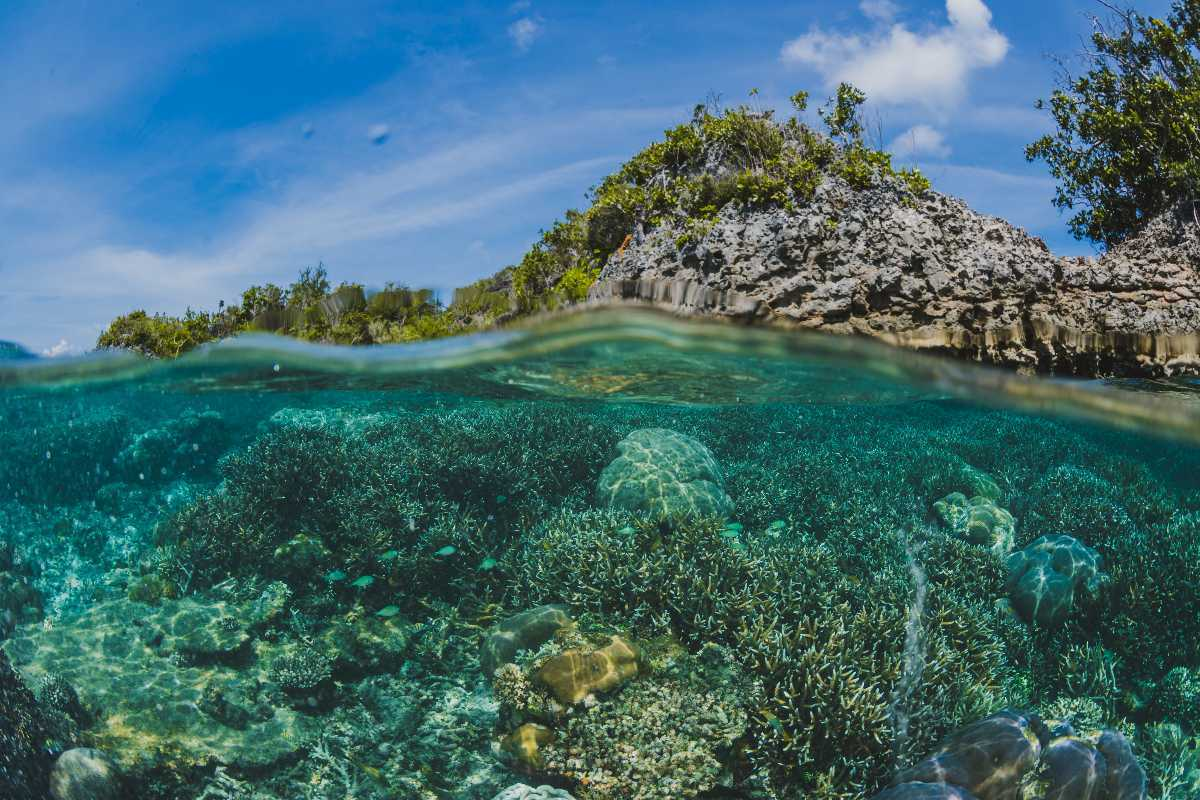
5. Kisite Mpunguti Marine Park – Untouched Coastal Paradise

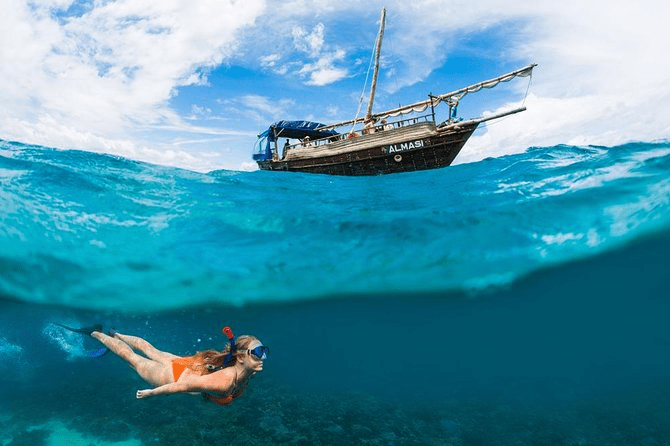
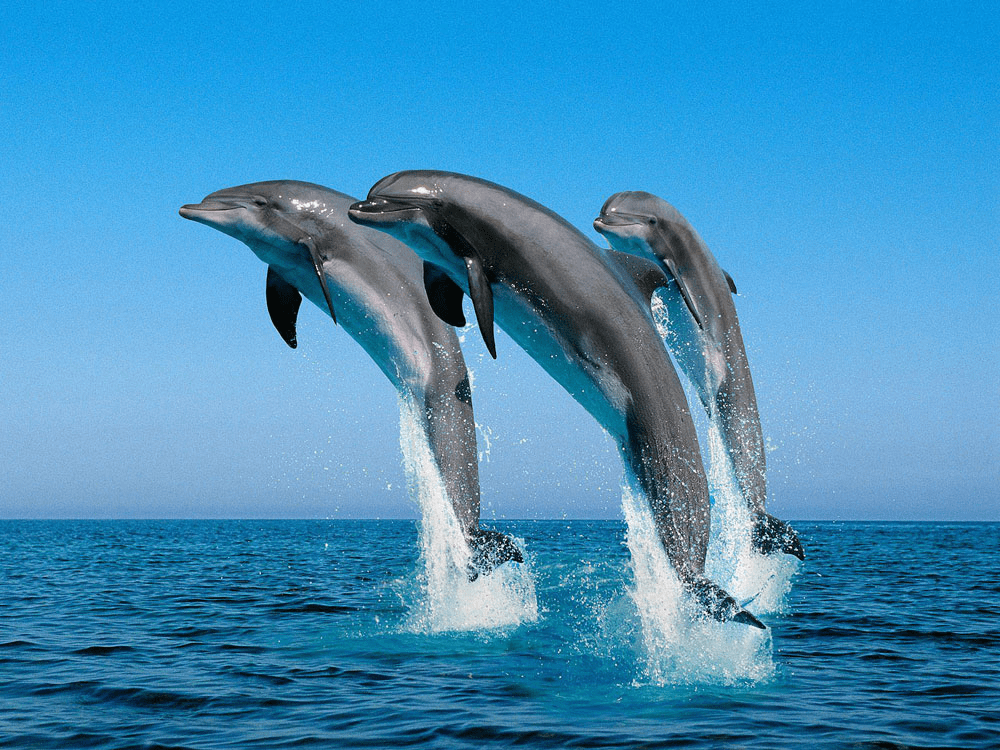
While Diani and Watamu take the limelight, the marine park near Shimoni is a diver’s haven. Swim with dolphins, snorkel coral gardens, and spot turtles — all in crystal-clear waters far from the crowds.

Perfect for: Day trips from the south coast or unique underwater experiences.

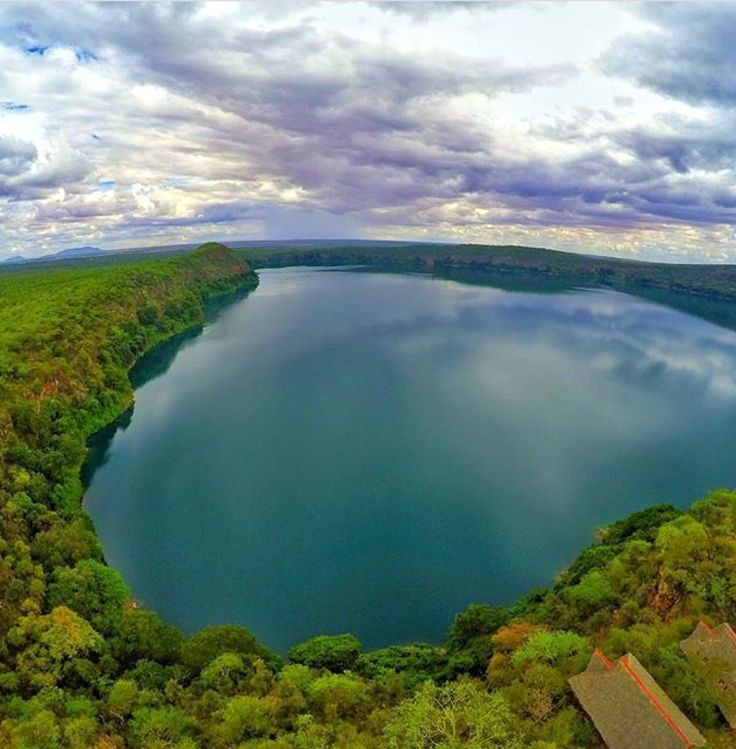
6. Lake Chala – The Crater Lake on the Border

Straddling the Kenya-Tanzania border, Lake Chala is a stunning crater lake with waters that change color throughout the day — from turquoise to emerald. It’s peaceful, mysterious, and ideal for kayaking or meditative walks.

Where to stay: Lake Chala Safari Camp or do a day trip from Taveta.

The real magic of travel lies in discovery. Exploring Kenya’s hidden gems allows you to avoid overcrowded tourist spots and truly connect with the land and its people. By venturing off the beaten path, you not only experience the country in its raw, untouched beauty but also support local communities that rarely benefit from mainstream tourism. Along the way, you’ll discover stories most never hear about — rich in culture, nature, and authentic Kenyan spirit.

So next time you’re planning an escape, skip the usual and take the road less travelled.

Easter Getaways in Kenya 2025: The Best Destinations for a Memorable Holiday

Easter is the perfect time to take a break from the daily routine and explore Kenya’s breathtaking destinations. Whether you’re looking for a serene beach retreat, an adventurous safari, or a cozy countryside escape, Kenya has something for everyone. Here are the top Easter getaways for 2025:

1. Diani Beach – A Tropical Paradise

Diani Beach remains one of Kenya’s top coastal destinations. This Easter, enjoy the pristine white sands, turquoise waters, and luxury resorts. Activities include snorkeling, skydiving, camel rides, and visiting the enchanting Wasini Island for a dolphin-watching tour.

2. Maasai Mara – An Unforgettable Safari

For wildlife enthusiasts, an Easter getaway to the Maasai Mara offers unmatched adventure. Experience the thrill of spotting the Big Five, enjoying sundowners in the savannah, and immersing yourself in Maasai culture. Opt for a luxury tented camp or a family-friendly lodge to make the experience even more special.

3. Naivasha – A Nature Lover’s Haven

Lake Naivasha is a perfect destination for families and couples looking for a relaxed Easter break. Enjoy boat rides with views of hippos and birds, visit Crescent Island for a guided walking safari, or explore Hell’s Gate National Park, where you can hike, cycle, and marvel at the dramatic landscapes.

4. Lamu – A Cultural & Coastal Escape

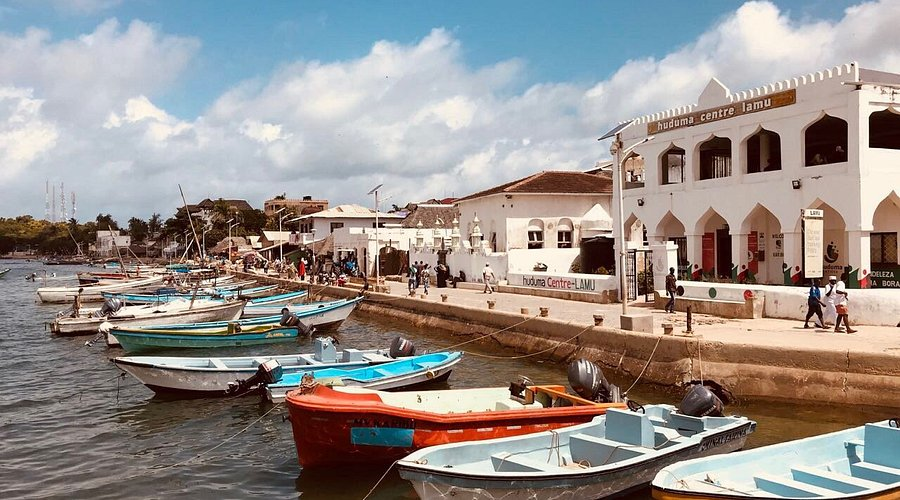
Lamu, a UNESCO World Heritage Site, is ideal for a peaceful getaway. Stroll through the narrow streets of Lamu Town, ride a dhow across the Indian Ocean, and savor Swahili cuisine. The laid-back atmosphere and rich history make it a unique Easter retreat.

5. Nanyuki & Mount Kenya – Adventure and Relaxation

For those who love the outdoors, Nanyuki offers a blend of adventure and relaxation. Visit the Ol Pejeta Conservancy for a safari, trek around Mount Kenya, or unwind in a luxurious lodge with breathtaking views. The cool climate is perfect for a refreshing Easter break.

6. Tsavo National Park – A Hidden Gem

Tsavo, Kenya’s largest national park, is perfect for an off-the-beaten-path Easter escape. Enjoy scenic landscapes, elephant herds, and the stunning Lugard Falls. Stay in a secluded lodge or camp under the stars for an unforgettable experience.

Kenya offers diverse and exciting Easter getaway options, whether you’re looking for relaxation, adventure, or cultural experiences. Start planning early to secure the best accommodations and activities. No matter where you choose to go, Easter 2025 in Kenya promises to be a memorable one!

Kenya’s Top Attraction Sites

Kenya is a diverse and beautiful country where nature and luxury collide. Its varied cultures, intriguing wildlife, stunning scenery and remarkable beaches make it a haven for travelers from across the globe. Visitors quickly discover that the colorful inhabitants ideally complement the top tourist attractions in Kenya, which creates memorable experience. The country has so much to offer to everyone.

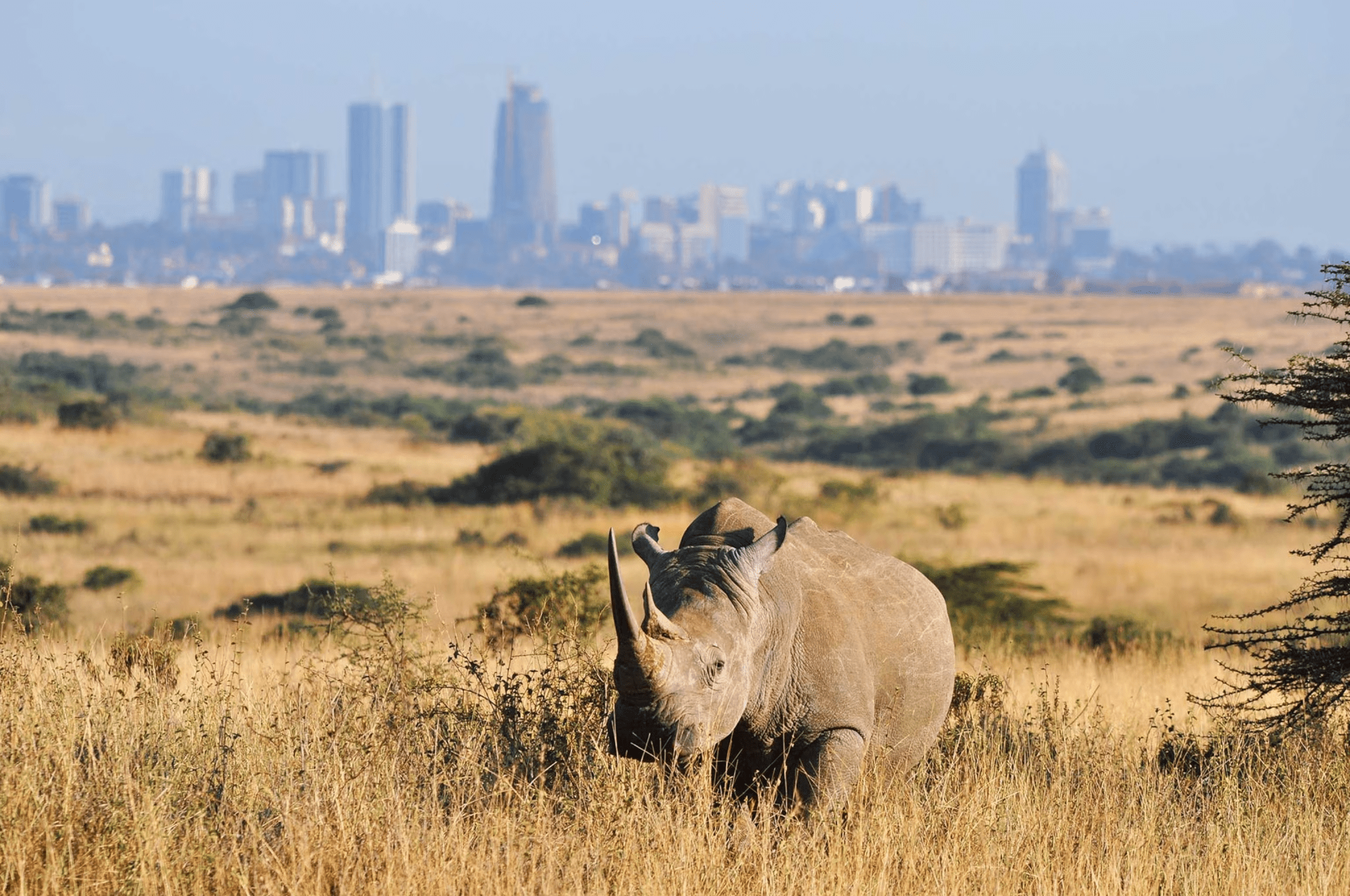
The most famous attraction site is the Nairobi National Park which is approximately 7km from Nairobi Business Center, and it is the sole National Park in the world that is close to the city. The park, whose ecosystem is mainly savannah grassland, is one of Kenya’s most successful rhino sanctuaries with black rhino being the dominant. Other variety of wildlife that can be seen are Lions, buffaloes, cheetahs, leopards, hyena, giraffe, monkeys, and over 400 species of birds among others.

The park has a safari walk, the ivory burning site monument and animal orphanage that is absolutely remarkable.

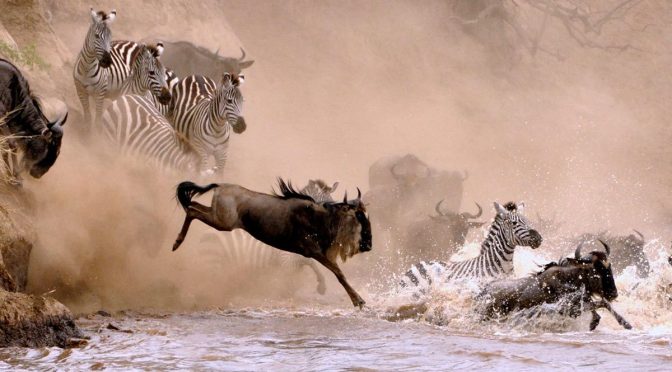
The Masai Mara National Reserve is a must see attraction in the country. It is one of Kenya’s popular game parks known for its Eighth Wonder of the world, The Wildebeest and Zebra migration. It usually offers a spectacular moment when of wildebeests and Zebras cross the crocodile invested Mara River. The annual pilgrimage that takes place between July and October gets to see close to 1.5 million wildebeest cover approximately 3000km as they move to Tanzania to look for greener pastures. It’s usually a dramatic, magnificent moment, coupled with danger, exhaustion and sheer hard work for the animals, as they take a leap of faith to cross safely. The eighth wonder of the world has out shined many other tourist attraction sites.

In Kajiado County, lying on Kenya-Tanzania border is the Amboseli National Park. It is one of the oldest parks in the Kenya with a tourist attraction of approximately 200,000 per year. The park is well known in Africa that one can come close to free-ranging Elephants. The Park is a habitat to wild animals, which include the African elephant, buffalo, impala, lion, cheetah, hyena, giraffe, zebra, and wildebeest among other African animals. There is also a host of Kenyan birds, both large and small, to see if you keep your eyes open and stop at every sighting. The inhabitants of the area are mostly the culture rich Maasai people who are usually welcoming. Anyone visiting the park can have an opportunity to camp, watch the birds and take photos.  

Near the Amboseli National Park there is a splendid view of Mount Kilimanjaro in Tanzania. It is the tallest free standing mountain rise in the world rising 5,895 meters from the foot.

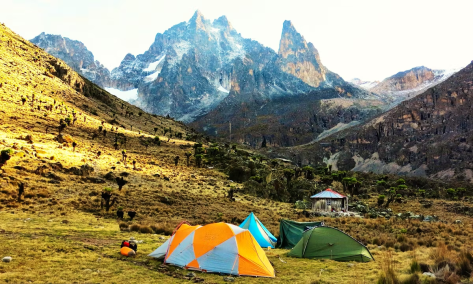
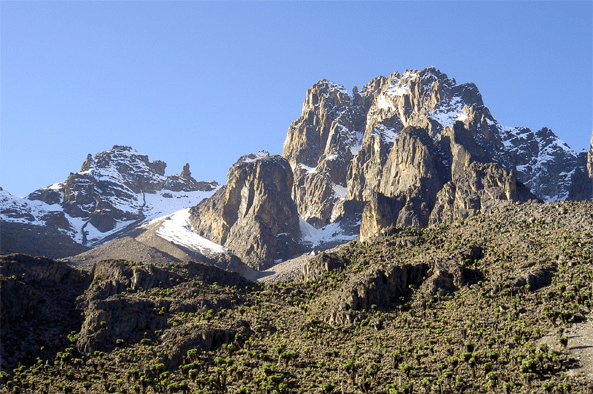
Mount Kenya, standing on 5,199 meters, is one of Kenya’s recognizable natural icons with its distinctive feature of snow all year round. And being the highest mountain in Kenya and second highest in Africa after Mount Kilimanjaro, it’s popular to local and international tourists. It has beautiful peaks crowned with snow and its slopes covered with forest. The mountain has twin summits, namely Batian and Nelion which can only be reached by climbing. The highest peak is Point Lenana which offers a good destination for those who love trekking.

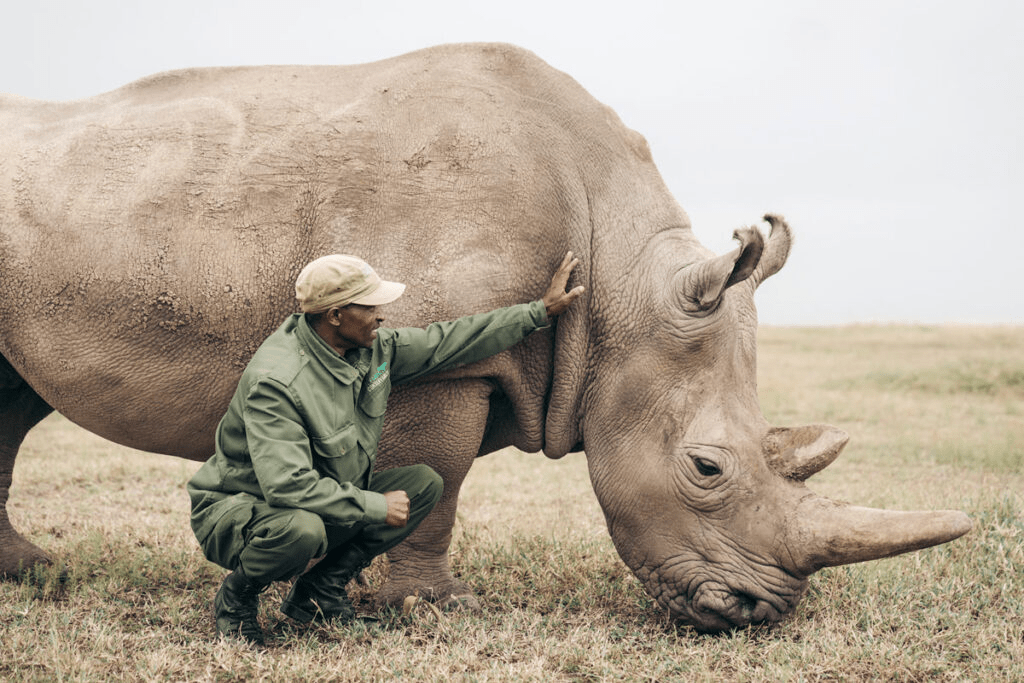
In Laikipia County, there is the Ol Pejeta Conservancy. It is truly a nature lover’s paradise. It is Kenya’s largest black rhino sanctuary in East Africa. For lovers of birds, horse riding, trout fishing and watching the Big Five then the conservancy is the place for you. Here one can enjoy bush meals and night game drives. And it’s the only places in Kenya that is home to chimpanzees.

Lake Nakuru National park found in Nakuru County supports a broad environmental variety with flamingoes and other birds being a big tourist attraction of the area. There is an abundance of flora and fauna with about 56 different species of mammals and over 450 species of birds.

The coast of Kenya boasts of Malindi Marine National Park, one of the most popular surfing spots in the country. It is endowed with beautiful beaches and tourists are treated to a number of activities like deep sea fishing and snorkeling.

Another eye-catching park is the Tsavo National Park which is the largest national park in Kenya and also one of the largest worldwide. It is found between lower eastern and coastal region of Kenya. The main attraction in the park is the Mzima springs and large mammals as elephants, hippos, buffalos, zebras and gazelles. It is an ideal place for those who love private quiet day out.

Still in the coast, there is the Mamba Village, East Africa’s largest crocodile farm housing crocodiles and snakes. It offers both world class cuisine and Kenyan traditional dishes and can be such a thrilling place for those who love to shaky-leggy and enjoy other series of entertainment.

When heading to Northern Kenya, Samburu National Reserve is the place tourists can find a pleasant serene atmosphere. The park attracts wild animals because of the formidable flow of River Ewaso Nyiro. Here you can feed your eyes to lions, cheetahs, and leopards. The river is also home to hippos and crocodiles.

7 Beautiful churches in Kenya to add to your travel bucket list

Whether you consider yourself spiritual or not, there is a magnificence sacred sites hold that solidify their mark in society as iconic monuments. Kenya is host to a good number of churches built in various architectural styles, including Tudor, Victorian, Modern, Art nouveau, Romanesque, Renaissance, Baroque and Gothic. These styles help document the era in which they were built or refurbished and their rich, captivating detail make them an attraction worth adding to your travel bucket list.

Whether it’s a Romanesque and Gothic masterpiece in Nairobi or a tiny little chapel along the highway, there’s no denying the aesthetic draw of churches – we highlight (7) seven churches that make for some of the most important architectural and historical landmarks built with extraordinary design and intricate details. 

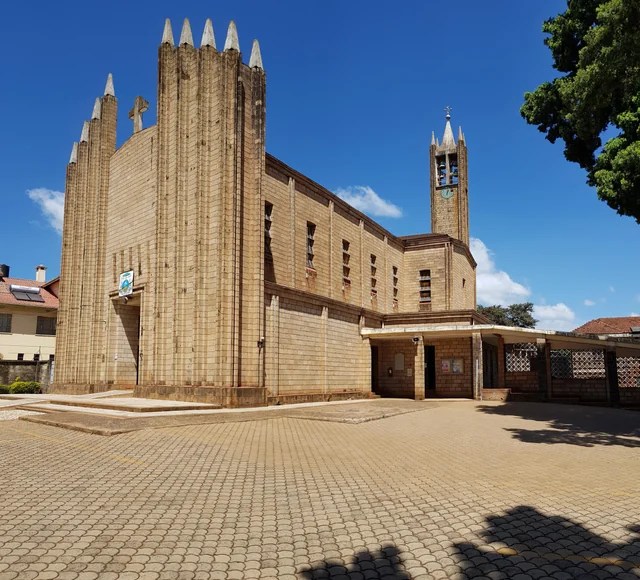
Sacred Heart Cathedral, Kericho

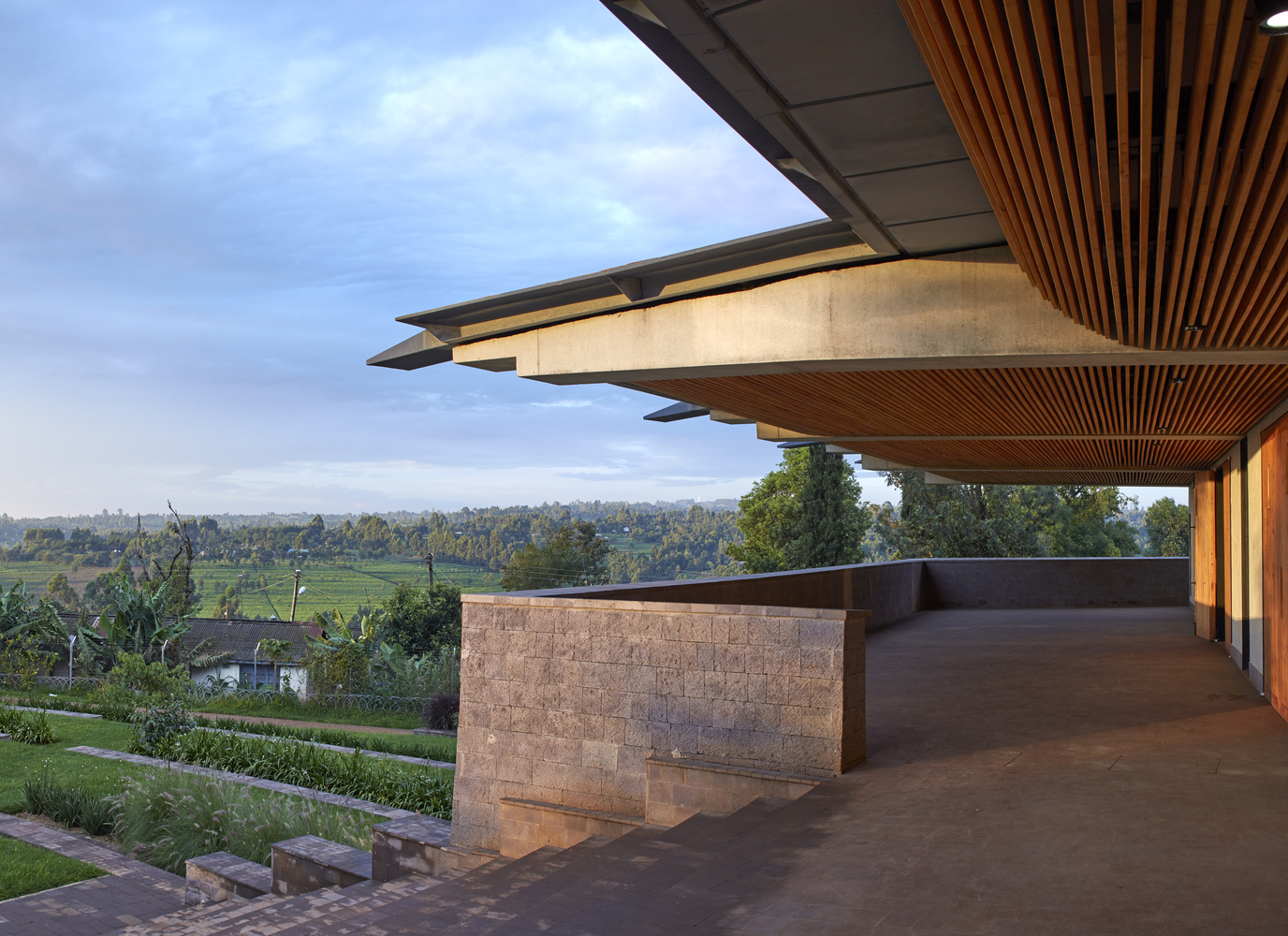
The Sacred Heart Cathedral of Kericho is located 250 km west of Nairobi, Kenya. It lies within the Highlands, close to the Rift Valley, enjoying magnificent views across tea plantations and surrounding hills.

The Cathedral’s great inclined roof is a distinctive form in the rolling panorama of Kericho’s hills and valleys. Strikingly crafted, the building’s simple palette of materials honours the faith and frugality of this rural African context. It can hold up to 1500 people at the same time making it the second largest cathedral in Kenya.

All Saints Cathedral, Nairobi

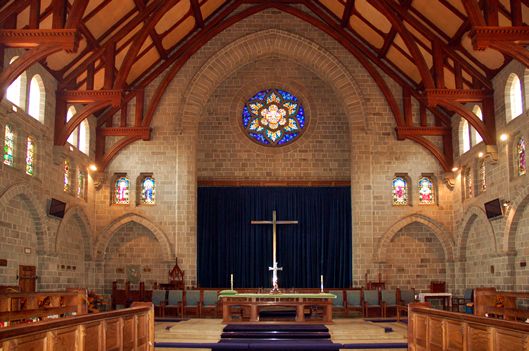
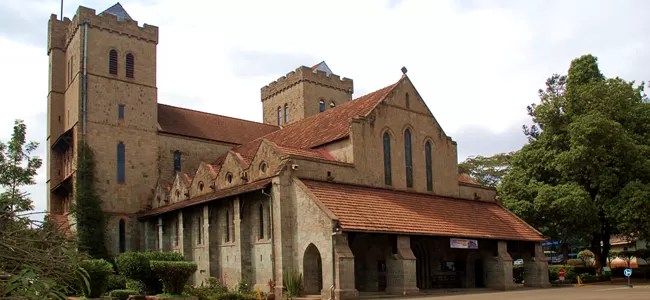
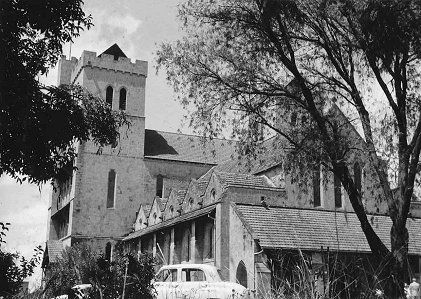
Located at the intersection of Kenyatta Avenue and Processional Way, the building has been a crucial element in the history of the country over the 102 years it has been in existence. The building was conceptualised in 1914 at a meeting chaired by Governor Henry Conway, and addressed by the Archbishop of Cape Town. The agenda was to address the desire of Chaplain Reverend W. M. Falloon.

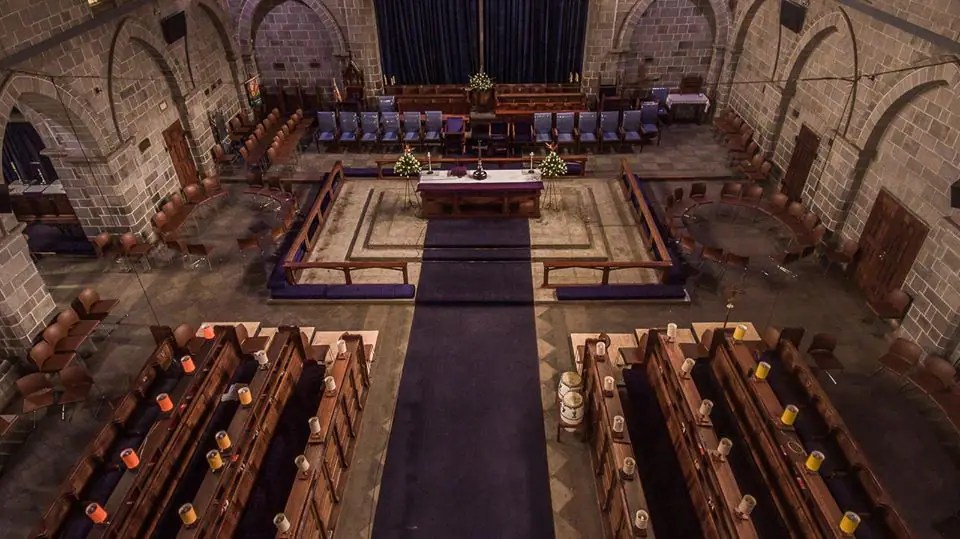
The building’s cross-like shape symbolises the cross on which Christ was crucified and creates room for movement of congregates. Construction, which took place in four stages from 1917 to 1952, was done using grey stone from Lang’ata quarries and Government House, what we know as State House. Its walls are decorated with stained-glass windows with the outstanding one being the circular Rose Window, which traces its origin to the 13th century works of Comacini an Italian designer. The cathedral’s compound is dotted with indigenous trees and cypress whose seeds came from Jerusalem and others from the Garden of Gethsemane and the Garden of the Tomb. It was not until 1963 after independence that Africans were allowed to use the facility for worship. 

Don Bosco Catholic Church, Nairobi

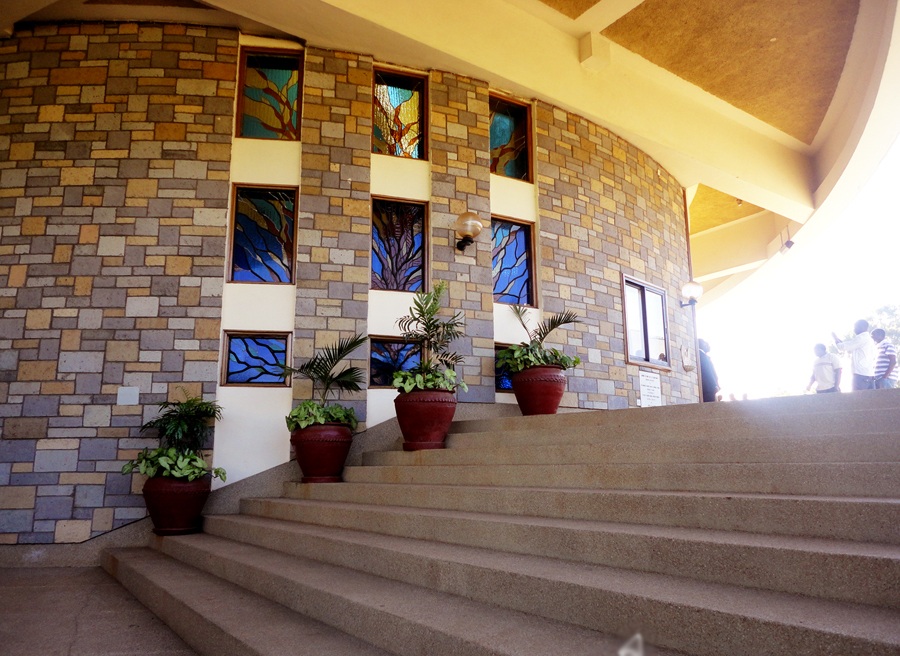
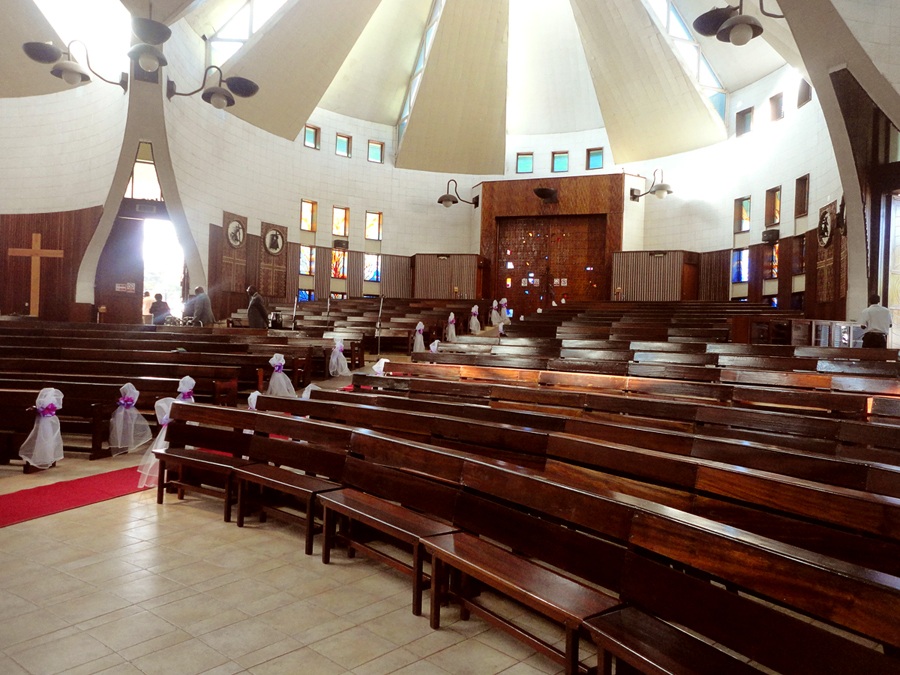
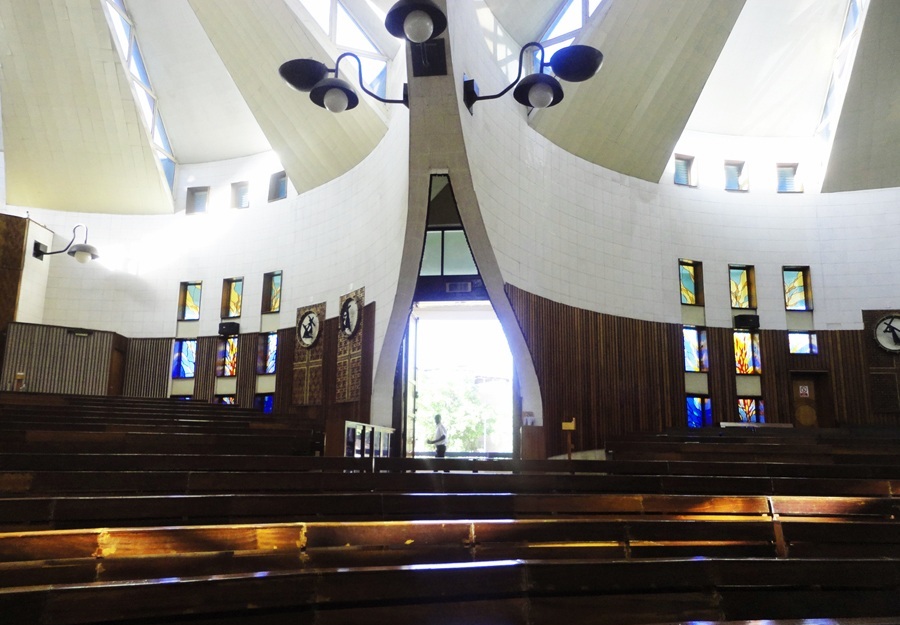
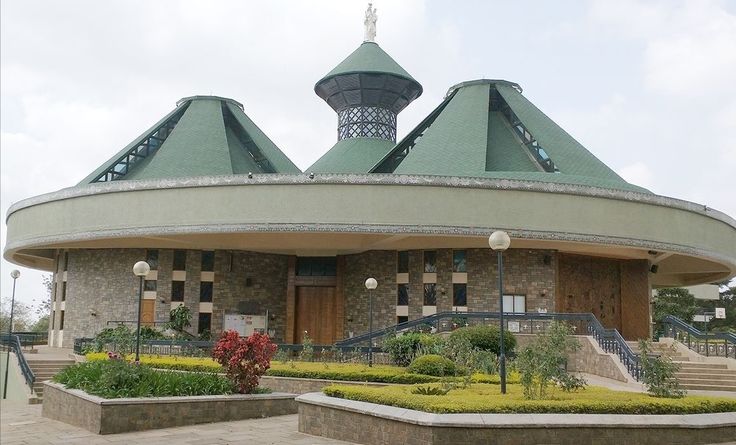
This youth church stands out from the traditional Catholic Church which was more solemn, more linear and with cold colors in a curvilinear, natural lit stepped high volume space that remains true its spirit.The composition of circular forms has been perfected where four independent circular forms are tied together by another circular cantilevering plane with conical roofs at the top. The resultant space forms neat curved seating that has sweeping and uninterrupted views of the altar and the entire space.The church maintains the stained glass for the windows as most church would but adds to that by the introduction of the staggered roof that creates roof lights between them that allow natural diffused light into the space lifting the spirit of the space and creating a more spiritual experience.

The Mai Mahiu Catholic Church

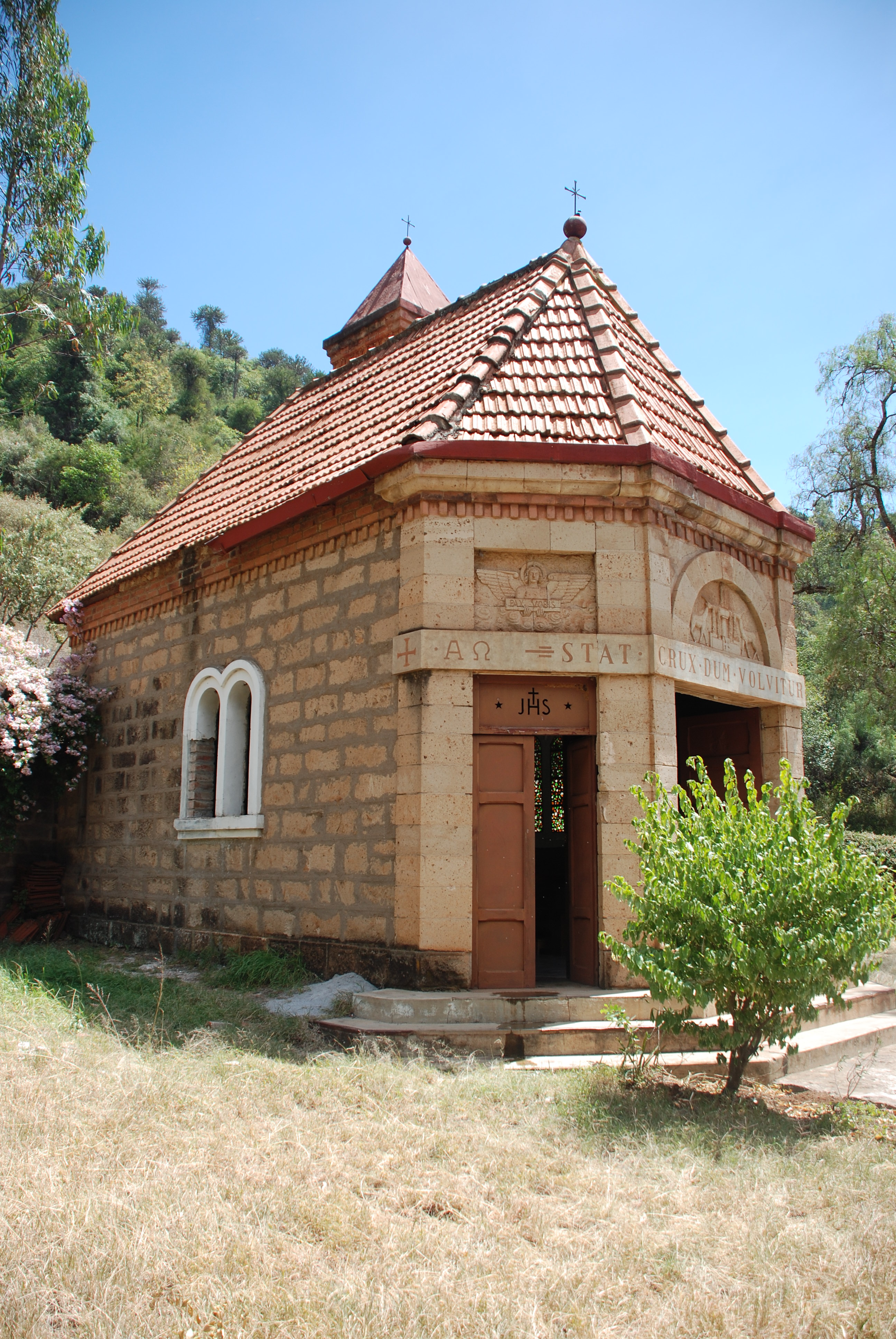
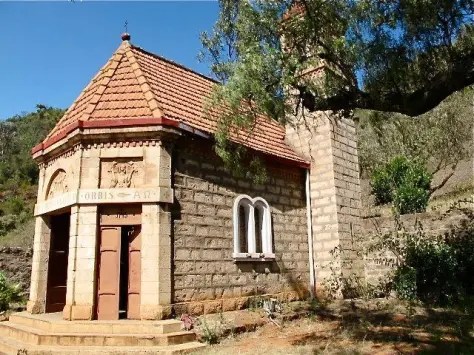
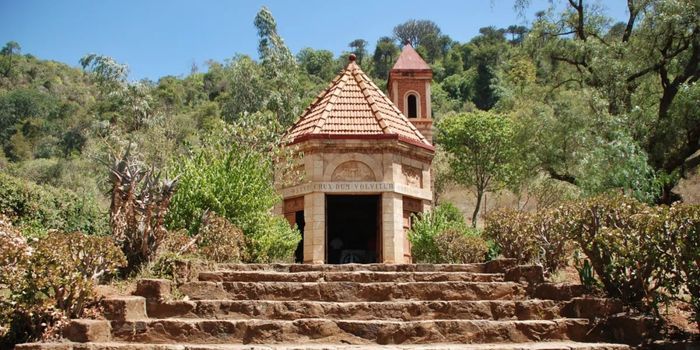
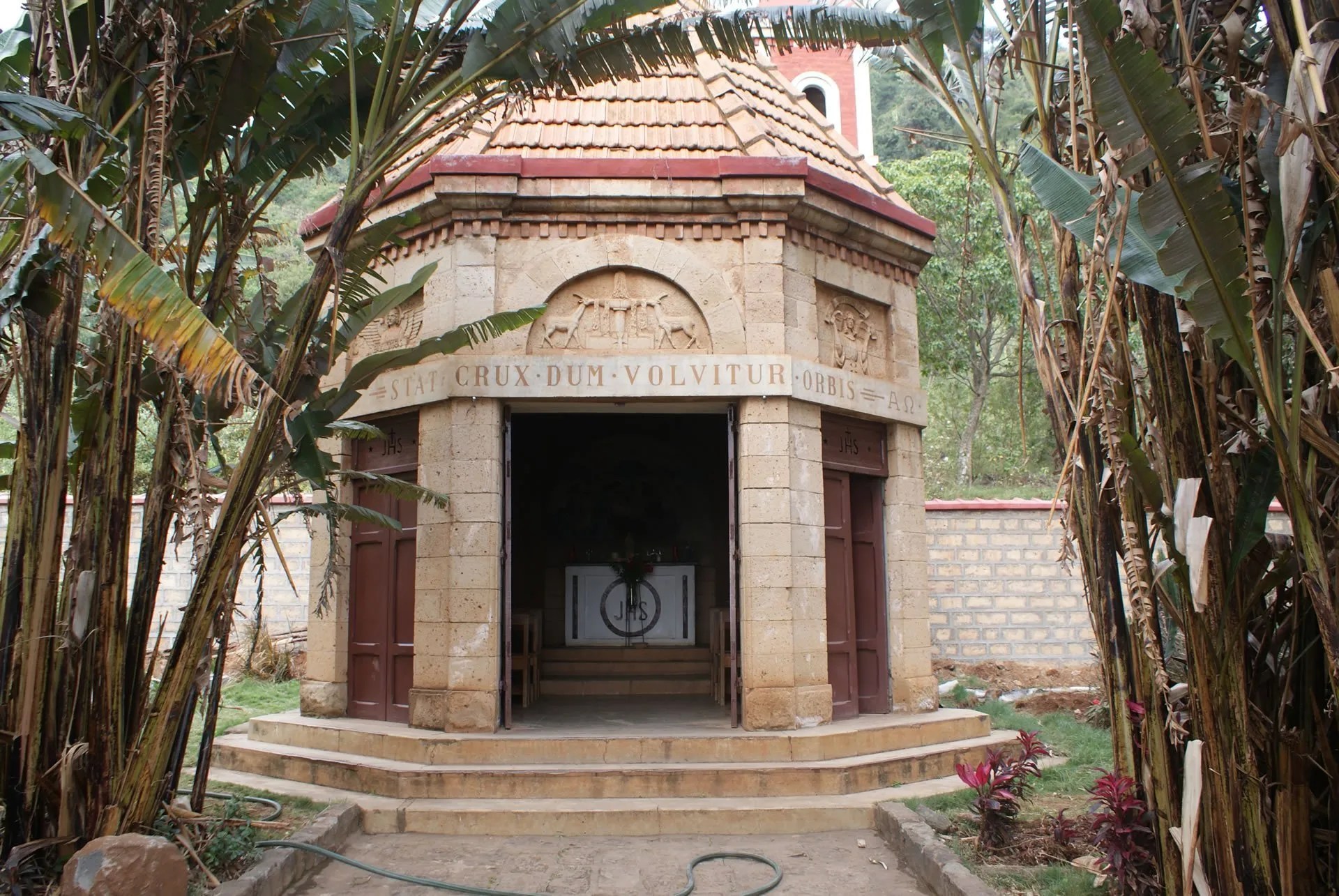
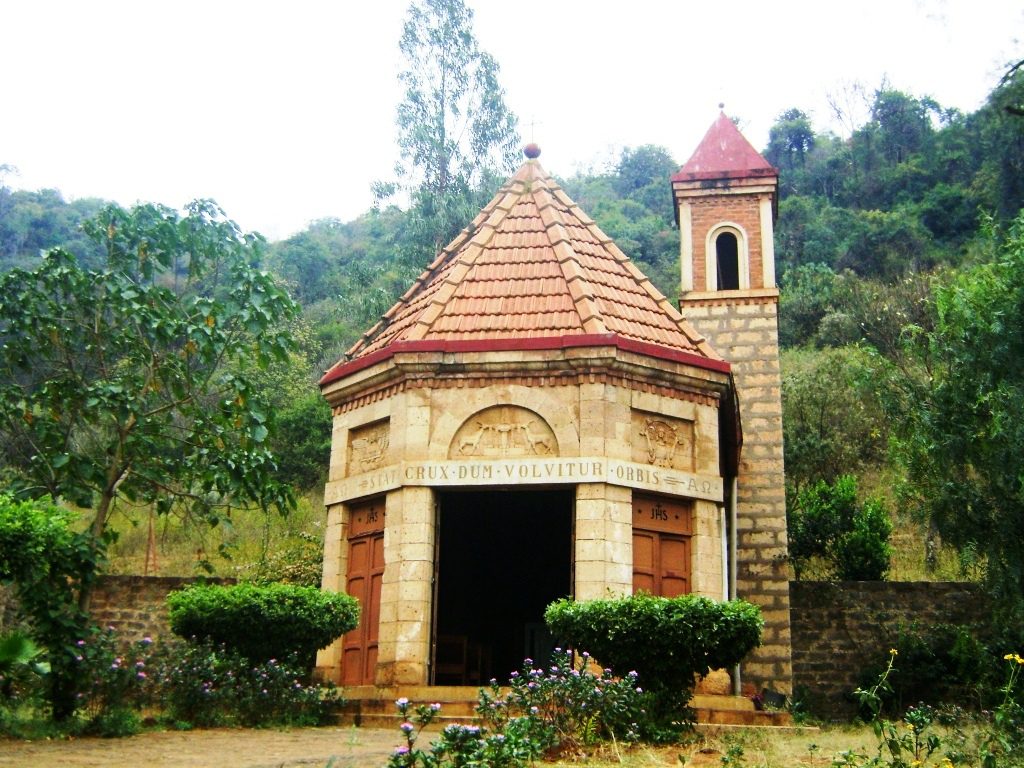
Built by the Italian Prisoners of War interned in Kenya during the Second World War, who were made to build the Limuru – Maai Mahiu – Naivasha road in 1942-1944, this tiny catholic church which is also the smallest church in East Africa and a gazetted national monument with many Latin phrases and paintings encrypted on the internal walls packs quite a rich history. Tucked away behind a concrete wall and beautiful gardens it is often quite easy to miss on the highway and many a times has been used a perfect spot for geocaching.

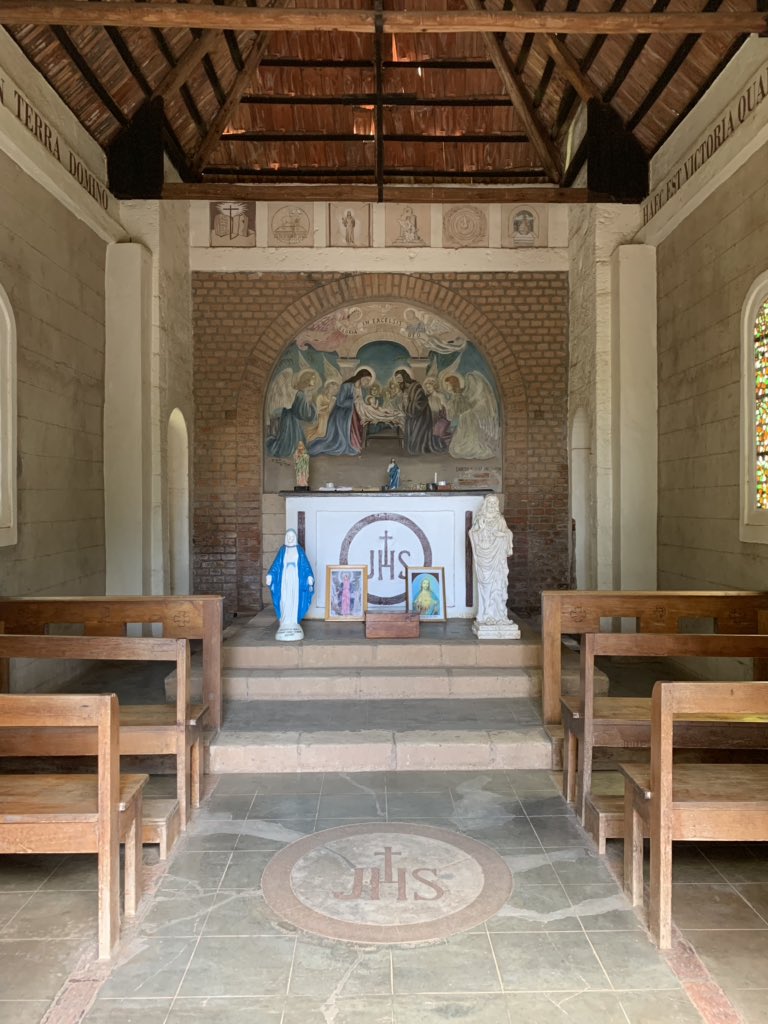
The pentagon-shaped church interior has four small wooden pews and an altar with a pulpit. Measuring 15 by 8 feet, it has a capacity to sit 12 people during mass. Just like its bigger counterparts, the church has three normal doors for access.The inside walls are decorated with inscriptions in Latin. Above the stained glass windows and the entrance doors are painted the words, Venite Ad Memone (Come to me my people), Haec Est Victoria Quae Vincit Mundum Fides Mustra (This is the victory that has won the world by our faith), Benedicite Coeli Domino Benedicite (Blessed be the sky and blessed again) and finally Universa Germinatia In Terra Domino, which translates to, everything will germinate in the sky and also on the earth.

St. Joseph’s Cathedral, Meru

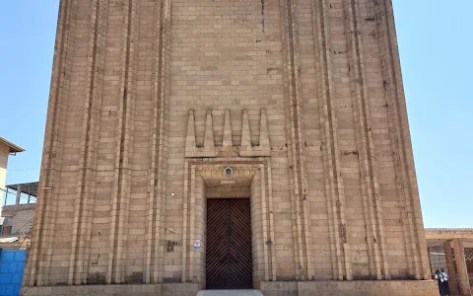
St Joseph Cathedral, situated about 2 KM from the Meru CBD, was built at the height of the Mau Mau uprising. The times were dark for the catholic missionaries seeking to establish themselves in this part of Kenya.

Four years before the cathedral was built in 1957, the mission in Mujwa had been attacked by the Mau Mau who killed a Nun and wounded a Priest. Such is the backdrop of this magnificent cathedral in the heart of Meru County.

St Joseph Cathedral was built by a team of Consolata brothers, including Brothers Joseph Argese and John Comaron. Brother Argese was among those who built the beautiful Mukululu Consolata Shrine.

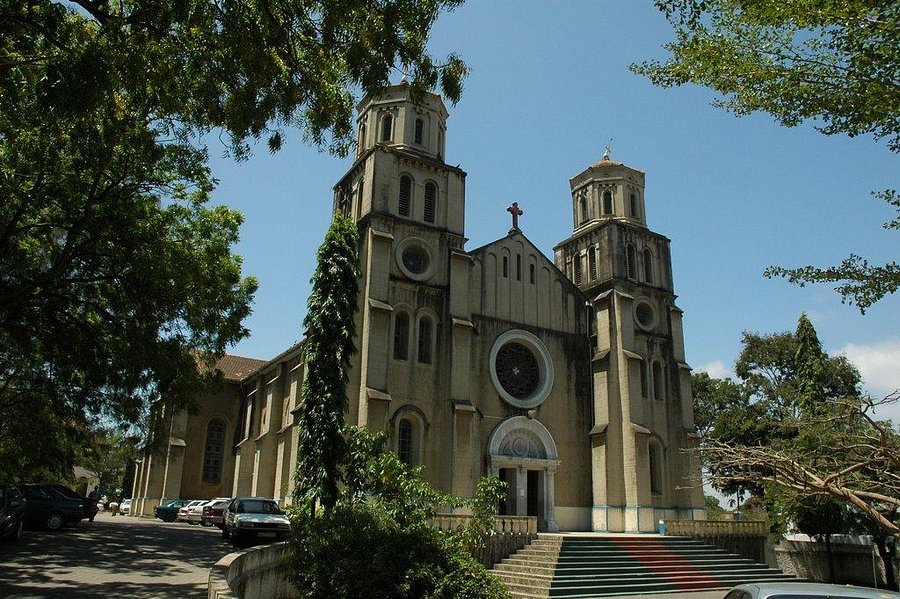
Holy Ghost Cathedral, Mombasa

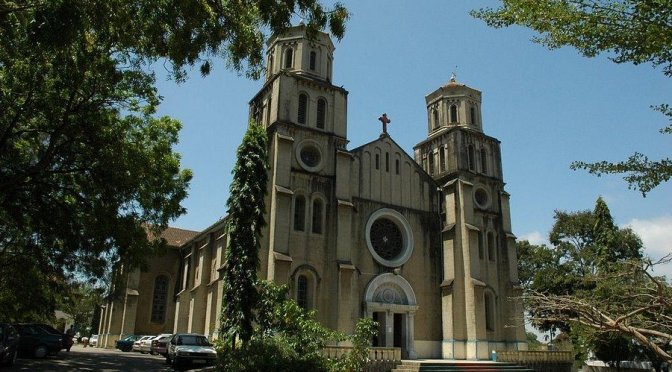
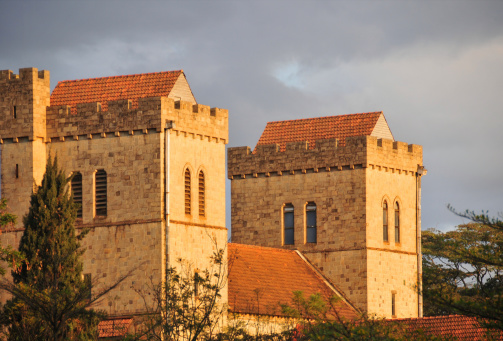
The Holy Ghost Cathedral Catholic Church stands as a testament to the city’s rich history and architectural splendor. Established in 1889 by Father Alexander le Roy, a Holy Ghost missionary, it is Mombasa’s first Catholic mission. The cathedral, built in the imposing Romanesque style, was opened to the faithful in 1923 after eight years of construction that commenced in 1916, during the tumultuous period of the First World War and the devastating Spanish flu pandemic.

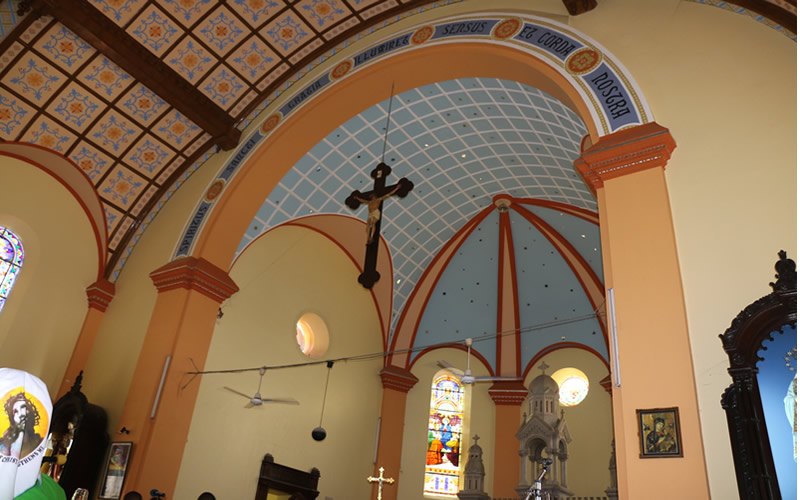
The interior of the cathedral is equally captivating. The high altar, tabernacle, and ambo were crafted from exquisite marble, skillfully carved and sculpted by stonemasons in Toulouse, France. The church boasts an array of coloured stained glass windows, each depicting significant aspects of the Catholic faith. Behind the tabernacle, three windows narrate the story of the church, with the central one dedicated to the Holy Spirit, the right one symbolizing the baptism of Christ, and the left representing the descent of the Holy Spirit, which marked the church’s inception.

The church’s ceiling is an intricate replica of London’s Westminster Cathedral. Painstakingly hand-painted by an artist lying on a precarious platform, each cell was meticulously adorned, showcasing the remarkable craftsmanship involved.

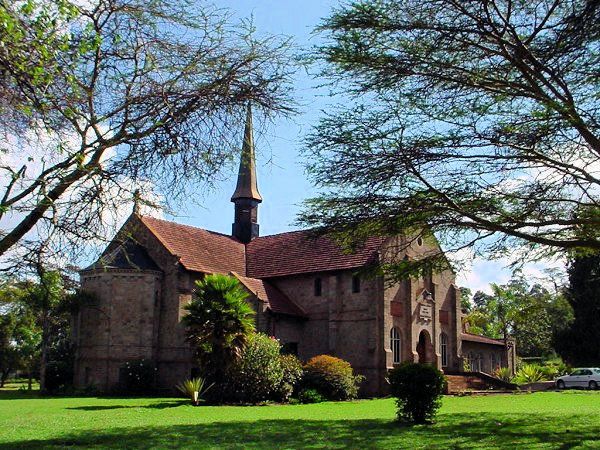
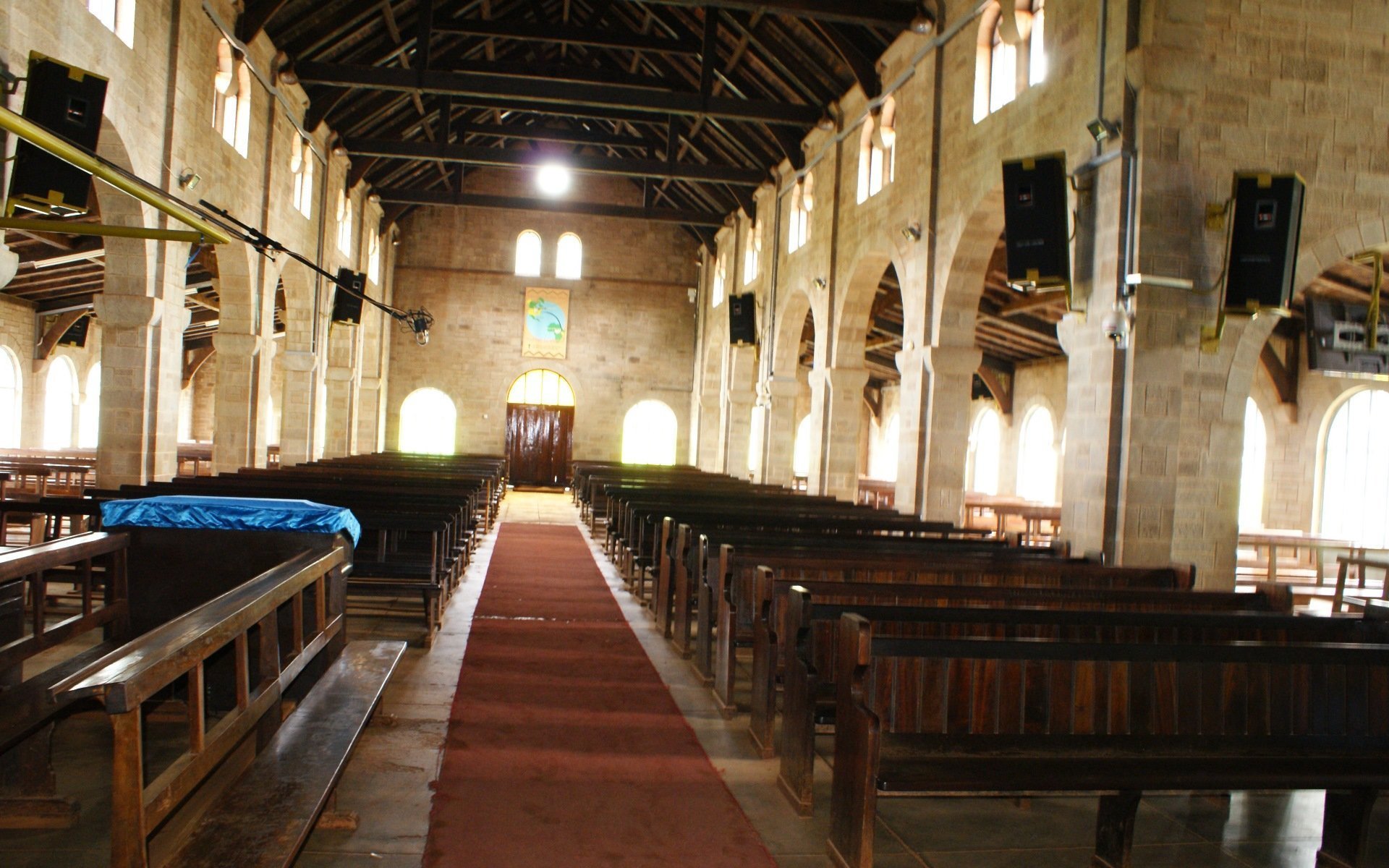
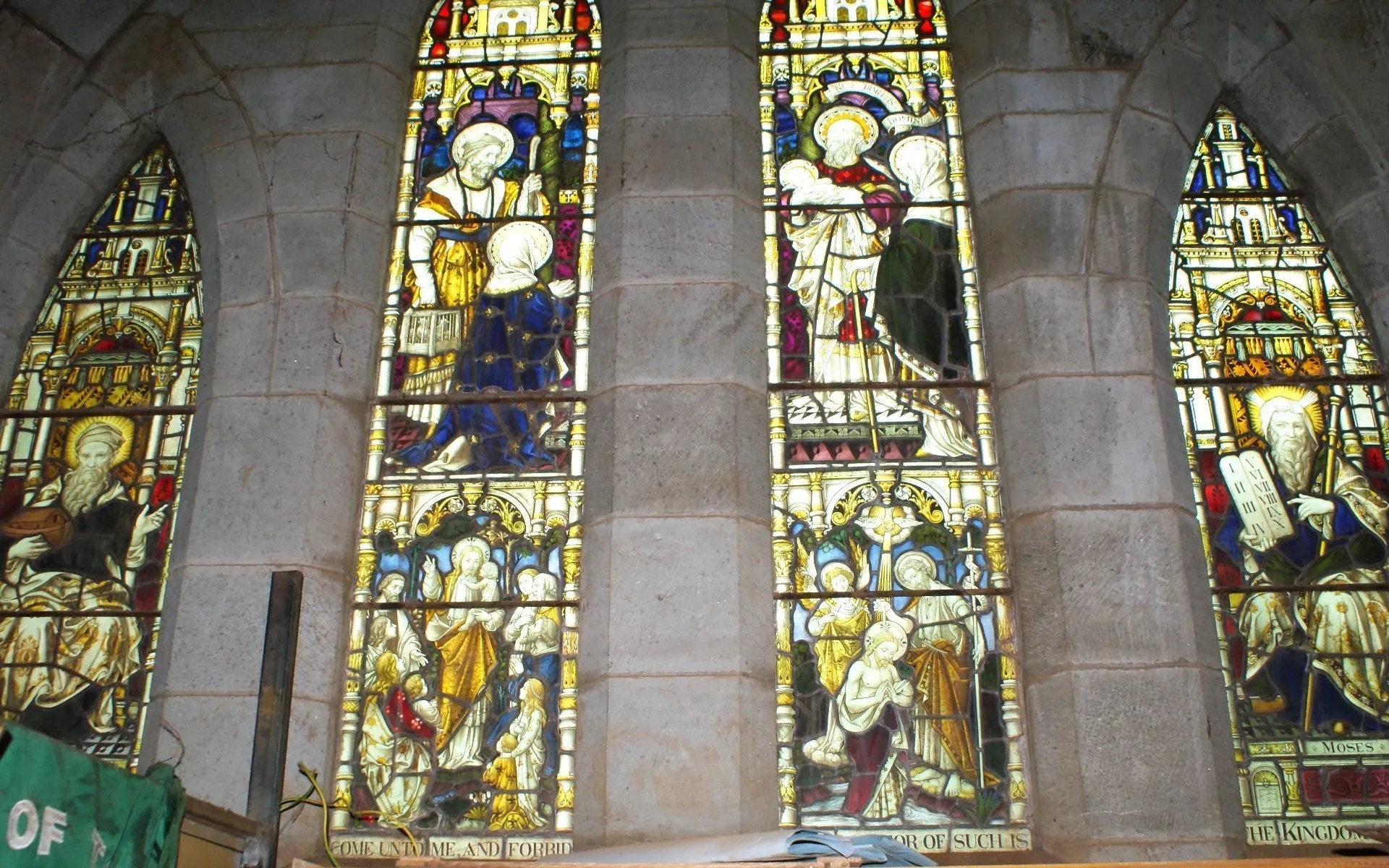
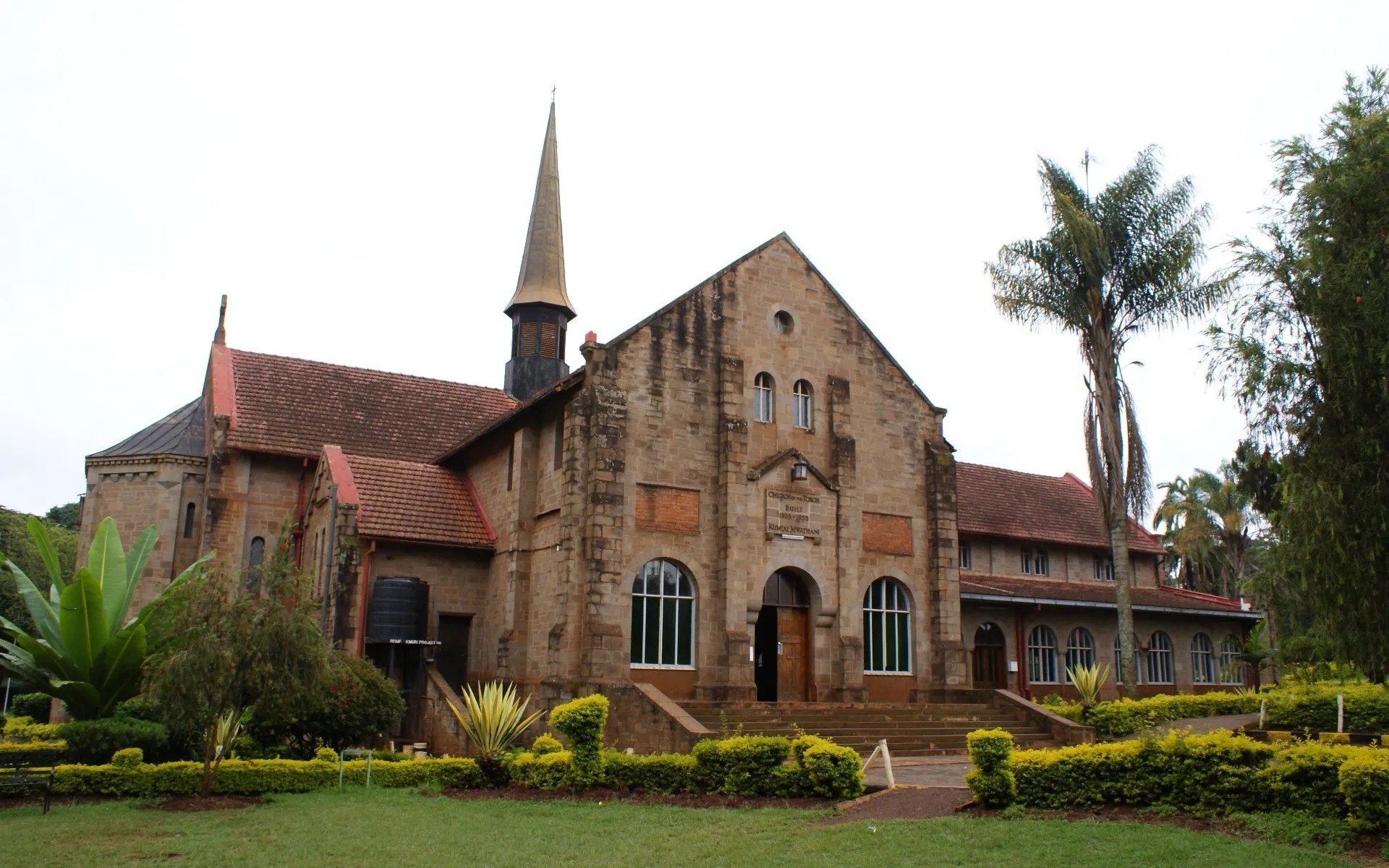
Church of the Torch, Kikuyu

Slightly over an hour’s drive from the Karen shopping centre in Thogoto, Kikuyu, sits the Church of the Torch. Built between 1928 and 1933 by Scottish architect Bernard P Gaymer, this 86-year-old neo-Gothic marvel of architecture was intended to be a light on a dark continent.

Laid out in a traditional cruciform shape with a triple aisle nave, transept and apse, the Church of the Torch rivals many modern buildings in grandeur and precision. Its walls consist of finely dressed masonry with recessed mortar joints beneath a Mangalore tiled roof supported by massive treated timber trusses.

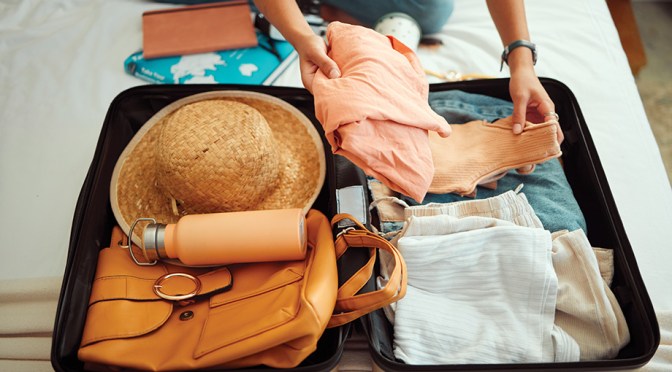
Girl’s guide to packing for East Africa

For many travelers, a trip to any one of the East African countries (Kenya, Uganda, Tanzania, Rwanda etc.) is a much anticipated item waiting to be struck off the bucket list. A long awaited safari probably inspired by “out of Africa” or “Lion King” and other more safari movies that you can list. Whilst Hollywood may have inspired your first trip to Africa, we sure hope that these classics don’t also influence your deck up. Safari fashion has long evolved from pith helmets and heavy-duty vintage khaki gear of the explorer days.

The East African region is vast and offers an environmental diversity that leaves you unsure of what to carry along your trip.  Our weather’s unpredictability for instance, warrants that you are well prepped for whatever; rain or shine. It bewilders us too; it could be sunny one minute and you’d be totally drenched in the next.

Given your itinerary, packing for this trip requires that you be very practical. Consider that aside from traversing off-the-beaten safari tracks; you are also bound to explore extremely contrasting surroundings such as beaches, hiking trails, villages, city towns and so on. Visiting all these areas means that majority of your time will be spent outdoors; being mobile in transportation that most likely offers very limited luggage space. Weight limits and other baggage rules will also be a determinant of what luggage to carry. The amount of luggage handling that will take place makes a soft duffel bag the best bet for your trip. This bag is not only lightweight, making it easy to carry across all your terrains but it also fits within most airline capacity requirements.

What then therefore should you stuff up in this duffel bag? If your trip highlights quite a number of activities, you will instinctively want to pack a great deal clothing. The trick is to pack smart – do not over-pack. Whilst you may want to carry along all your favorite pieces, you do not want to be tied down to excessive luggage within the entire duration of your itinerary.  Layering is a practical solution. Select comfortable fashion choices that can be won interchangeably and that are favorable for the destinations that you will visit; light and breathable pieces are ideal. Also keep in mind the people’s customs and values so as to ensure that you are respectful in the way of dress.

CLOTHING

  • Lightweight clothing that can be layered
  • Long-sleeved shirts
  • Sweaters or fleece jacket
  • T-shirts and tank tops (be respectful of the people’s culture)
  • Pants and/or shorts
  • Belt
  • Socks
  • Comfortable walking shoes
  • Rain jacket, windbreaker or umbrella
  • Pajamas/sleepwear
  • Underwear
  • Sunglasses and glasses case
  •  Dresses and/or skirts
  • Jewelry
  • Hat or sun visor
  • Scarf or bandana
  • Swimsuit

TOILETRY BAG

  • Toothbrush, toothpaste, floss, mouthwash
  • Hair brush or comb, hair ties, barrettes/bobby pins
  • Deodorant
  • Shampoo and conditioner
  • Sunscreen and face lotion with SPF
  • Makeup
  • Face wash and/or makeup remover wipes and Q-tips
  • Night time moisturizer/lotion
  • Lip balm with SPF and lipstick or lip gloss
  • Personal hygiene items
  • Feminine hygiene products
  • Extra contacts, solution, and contact case
  • Glasses and prescription sunglasses
  • Prescription medication with the label/script so that you can refill if needed

TOILETRY BAG EXTRAS

  • Perfume
  • Personal mini mirror
  • Hair products like hairspray and hair gel
  • Shaving kit and extra razors
  • Sewing kit/clothing care kit, stain remover
  • Facial tissues and/or toilet paper
  • Travel Towel
  • Nail clippers and tweezers

Include an outfit or two and a few essential toiletries in your carry-on bag just in case you lose your luggage.  Airlines require that liquids (toothpaste, shampoo and sunscreen), gels, aerosols and creams be 3.4 ounces (100ml) or less per container, and they must be stored in a quart-sized, clear resealable plastic bag for screening at the security check at the airports.

Keep your tech gear in a way that isn’t easily noticeable.  You might cross parts of East Africa that are ruled out as unsafe; be on the lookout for pick pockets.

TECH GEAR 

  • Mobile device and charger
  • Laptop, iPad, or E-reader and charger(s)
  • Headphones
  • Camera and Go-Pro/video camera, memory card, and chargers
  • Electrical converters and adapters
  • Electronics organizer

COMFORT + ENTERTAINMENT

  • Travel pillow, blanket, eye mask, and ear plugs
  • Travel journal and pen (if you are into journaling)
  • Books and magazines
  • Deck of cards and travel games
  • Lip balm and lotion
  • Water bottle
  • Guide books, travel guides, travel apps, maps, language guides, etc.

You will also need a document organizer where you can store all your important travel documents. It would suck to be stalled at the airport because you forgot essential paperwork.

TRAVEL PAPERWORK

  • Passport/visa(s)
  • Personal ID/Student ID card
  • Frequent flyer card(s) and other loyalty program card numbers
  • Cash and credit card(s) (call your credit card companies before you travel to inform them of your travel, otherwise they might turn them off to prevent perceived fraud)
  • Health insurance cards/document(s)
  • Travel insurance information
  • Reservations and itineraries (print them and save them electronically for easy access)
  • Hotel and/or tour contact information
  • Transportation tickets (plane, train, bus, car, etc.)
  • Emergency contacts and important addresses
  • Copies of all these things in case you lose your wallet

Every traveler is different; so your packing requirements might be different from the ones listed above. Just consider every activity you are going to experience and pack appropriately. Key pointers to remember: Do not overpack, be open minded about the people and places you visit, fully immerse yourself in the experience and enjoy yourself.

“Africa changes you forever, like nowhere on earth. Once you have been there, you will never be the same. But how do you begin to describe its magic to someone who has never felt it? How can you explain the fascination of this vast, dusty continent, whose oldest roads are elephant paths? Could it be because Africa is the place of all our beginnings, the cradle of mankind, where our species first stood upright on the savannahs of long ago?”

* Brian Jackman (British journalist and author, best known for his interest in wildlife and wild places – especially Africa)

Eat like a local: 10 street foods to enjoy in Nairobi

Imagine travelling miles into the vibe that is Kenya and going back to your home country without having sampled any of our go-to street food; bummer, right?

If there’s anything that you can write home about, it is definitely our street food culture. A host to varied tastes, the Kenyan street food culture tells a story. A story of our towns, their occupants’ history and diverse cultures represented therein. The tasty bites you will sample are also adapted to suit the trends and needs of the consumers. In Nairobi for instance, residents are always in search of affordable alternatives in order to survive the demanding urban lifestyle. In this case, street grub is what is sustaining the masses in the city.

What bites should you look forward to munching on whilst in Nairobi? Glad you asked…

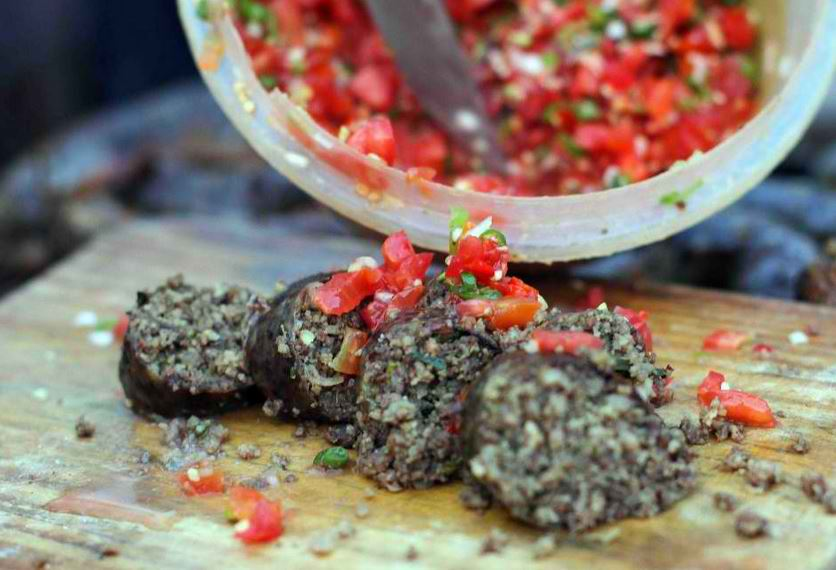
1. Mutura (Kenyan Sausage)

If we were to run a poll on what Nairobians would deem the go to street food in the city, our best bet would be Mutura. This popular “evening” snack enjoyed by the roadside after work hours over the grill (some may argue that it’s secret ingredient is darkness; The darkness and smoke from the grill serves for a wholesome experience) originates from the Kikuyu tribe.

Mutura vendor at his station serving customers

Mutura (Kenyan Sausage) is made from the large and small intestines of cows, goats or sheep. These intestines are thoroughly cleaned and then stuffed with blood, boiled assorted organ meats and some vegetables for more flavor. Some vendors may include ground beef. To spice up the Mutura goodness, sample it with a serving of “firi firi” kachumbari (a salad made up of diced tomatoes, onions, coriander, cayenne pepper (optional) and sprinkled lemon).

Estimated cost – As low as KES 20.00 or $0.20

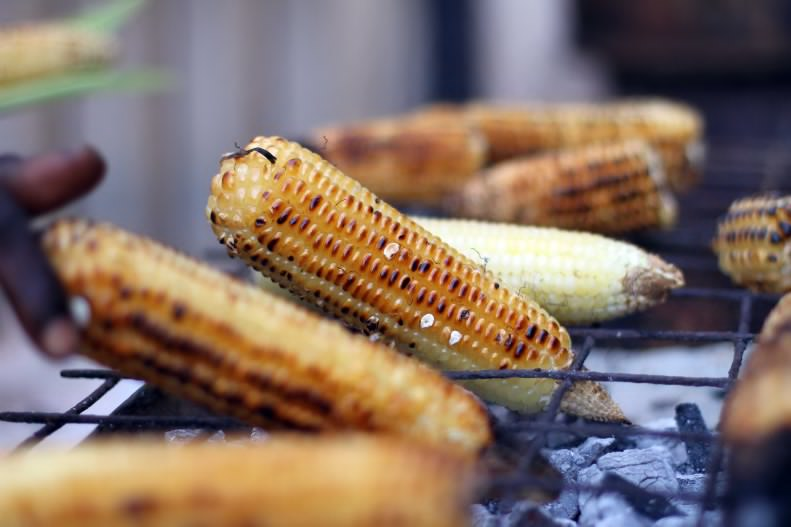
2. Mahindi Choma (Roasted maize)

Maize, or corn if you like, is very common in the streets of Nairobi. This is green maize that is roasted (popularly goes by mahindi choma) or boiled on the cob.

The boiled variety is best enjoyed with a sprinkle of salt while the grilled one is spiced up with lemon and ground pepper.

There is no particular joint for roasted maize vendors, you are likely to spot them by the roadside from the late afternoon hours in downtown Nairobi and within the estates.

Estimated cost – As low as KES 10.00 or $0.10 (you can either get the entire cob or have it cut down into pieces according to your budget)

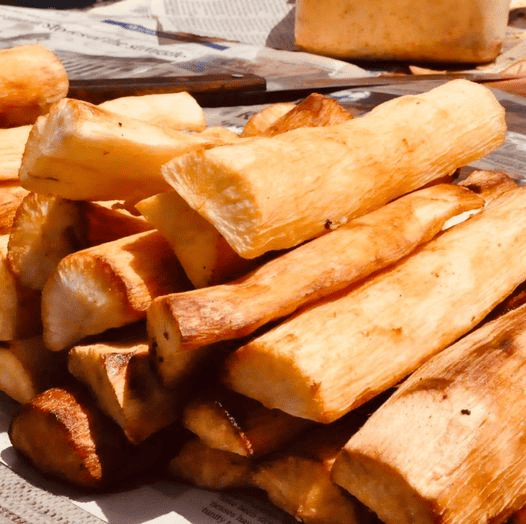
3. Muhogo (Boiled and Fried Cassava)

Muhogo (cassava) is a delightful snack you can enjoy either boiled or deep fried.

Both options can be portioned into two parts with some lemon and ground pepper slathered between the two pieces to spice it up.

Estimated cost – KES 20.00 or $0.20

4. Mayai Pasua (Hard Boiled Eggs)

Within the city, you will notice a number of vendors in white lab coats pushing along a metallic trolley with eggs in display. These trolleys are made up of a coal stove underneath that ensures the snacks are kept at an enjoyable temperature.

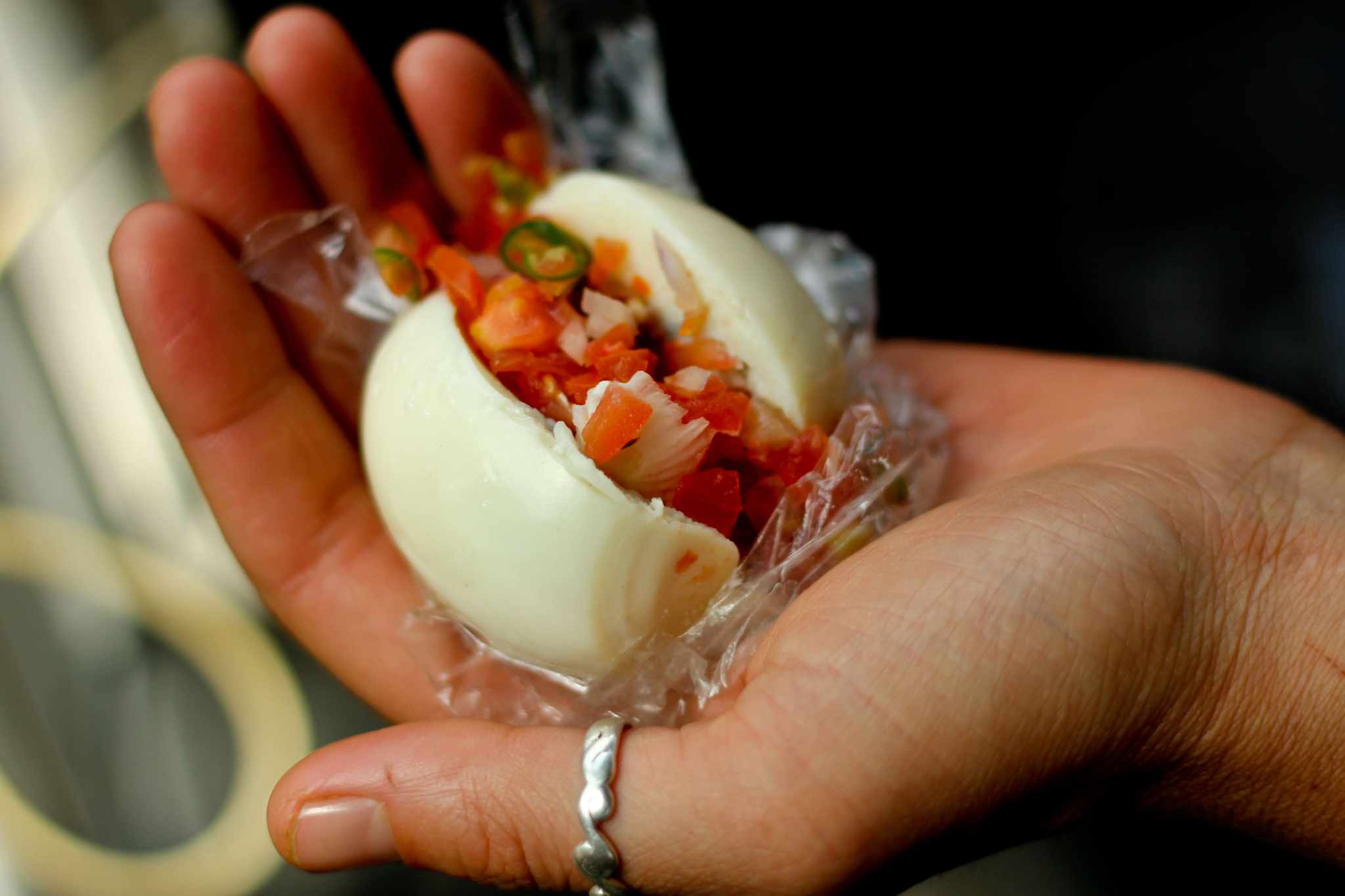
The “street” boiled eggs go down well with a serving of kachumbari. The vendor will de-shell an egg, slice it in half and stuff it with the salad. Based on preference, you may also get a dash of tomato sauce on your snack.

Aside from trolley vendors, you may also spot some individuals walking along the streets with clear buckets selling eggs. Interesting fact about this snack; you could never replicate it at home no matter how you try, it simply never tastes the same.

Estimated cost – KES 25.00 or $0.25

5. Smokie Pasua (Smoked Sausages)

Smokies are precooked (ready-to-eat) smoked sausages made of pork, beef, chicken or a blend of all these meats and other flavorful inclusions. In popularity, it is perhaps only second to hard boiled eggs.

The name ‘smokie pasua’ translates to a smokie that has been sliced in half (pasua) and filled with Kachumbari. It is often sprinkled with salt and tomato sauce.

Smokie Vendors in one of Nairobi’s busy streets

Smokies are commonly sold alongside the eggs mentioned above in the metallic trolleys.

Estimated cost – KES25 OR $0.25

6. Samosa

This flavorful, deep-fried, triangular snack is the ideal chai partner. Samosa (a pastry with a savory filling) can be sampled two ways; vegetarian or non-vegetarian.

Tracing its roots to the middle east, samosas have a variety of filling options. Within the Nairobi streets however, you will mainly find ground beef samosas for the non-vegetarian or green grams/peas/potato samosas for the vegetarian.

Estimated cost – KES30 OR $0.30

8. Fried Fish

Deliciously crispy, fried fish is commonly found within the estates. Many Kenyans enjoy this as a main meal served alongside our staple “ugali” with veggies on the side. You can also enjoy this on its own; as a ready-to-eat snack right by the vendor’s stand.

Estimated cost – from KES50.00 – KES200.00 or $0.50 -$2.00 (depending on size of fish pieces)

9. Mandazi (fried doughnuts)

Another fantastic tea accompaniment loved in Nairobi is mandazi. Mandazis are a form of deep-fried bread; amazingly soft, triangle-shaped (sometimes square) made from leavened dough.

For some Kenyans, Mandazis are a must-have breakfast treat although you can also enjoy them at any time of the day with a beverage of your choice.

Estimated cost – from KES10.00 or $0.10 (per piece)

10. Chipo Mwitu

We saved the best for last. “Chipo mwitu” is simply french fries/chips depending on where you come from. The term basically describes fries sold by the roadside as opposed to purchasing them from a fast-food restaurant. Chipo is slang for chips and mwitu is a swahili translation for wild; hence fries sourced from the wild.

Chipo mwitu station; Image by Bonface Nyangweso, safari254

Chipo mwitu is always an inexpensive option when the fries bug attacks. The fries are normally prepared over a charcoal jiko or firewood. Although the packaging is not the norm of what you would expect at a fast-food joint, its taste however, you can expect will have you coming back for seconds. Yummy!

Estimated cost – As low as KES50.00 or $0.50 KES100 or $10.00 (prices depend on portion)

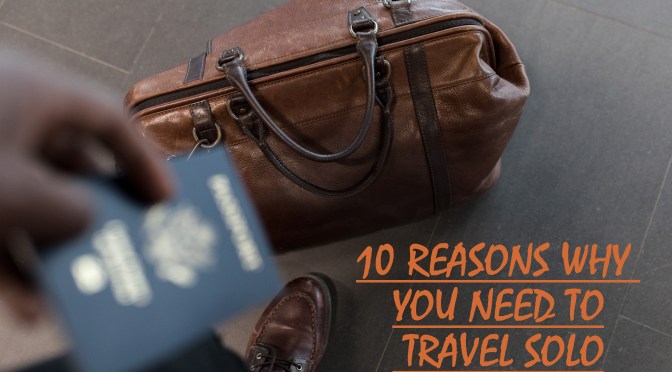
Solo Travel is the Best! Here’s 10 Reasons why…

While often times, people prefer to travel and explore new destinations in groups, (because it may seem like the safest choice, perhaps even more fun-filled) we are, as of more recently,  seeing adventure seekers break off from the norm by taking what some would deem a “bold step” – going at it solo. Why would anyone prefer to travel all alone devoid of any company? might there be any comfort in doing so? 

I would like to think that there are people out there who solely enjoy the experience of discovering and exploring new places by their lonesome. It might be a slight concern for some that there is “no safety in numbers per se”  when you plunge yourself deep into solo travel but the benefits far out way the concerns.

Read for yourself…

  1. You Are Your Own Master

Yes, you can be your own master when you are alone. You are not answerable to anyone if you stay awake till late or wake up late. You are not forced to go to places that you do not wish to visit or do things for someone’s happiness. You can do something only that pleases you. You get a lot of ‘me’ time.  This is really important. If you visit with kids, you need to plan according to them which can take a lot of your time.

  1. Boosts Confidence

Doing things that you have never done without anybody’s help will surely boost your confidence. Solo travelers have to book tickets and hotel rooms all by themselves. They have to find about other facilities and inquire about everything from others on their own. This helps them improve their communication and hence their confidence.

aircraft-airplane-airport-36983

  1. Easy to Plan

When travelling in a group every member’s opinion and likes and dislikes have to be taken into account. Someone has to forgo something for the sake of others. This compromise may rob the fun of the outing. But when it comes to solo travel, planning revolves around you. So, you can decide where you wish to go, when and how. The enjoyment factor will increase manifold.

  1. Make New Friends with Ease

Traveling alone does not mean that you do not speak to someone. Yes, you can add new people to your friends’ list along the way when you share your thoughts and experiences and other things with them. This increases the friendship. This is solely your choice. In a group, it may not be so. You may have to give up a lot.

  1. Get A Lot of Experience

Going about alone in a strange land amidst strange people may not be easy. You may have to learn a new language to mingle with the people. You may have to learn to eat and live like the local people. This will teach you a lot in life. These experiences will help you to grow and mature and help in nurturing your relationships.

  1. Make Your Own Itinerary

A group decides to do things with a majority vote. A single voice crashes down. You have to go to a museum or a national park even if you wished to go to the beach instead. The whole trip you just went by someone’s wishes. Your wishes were curbed and that diminished your fun quotient. A solo traveler has freedom to go as per his or her wish.

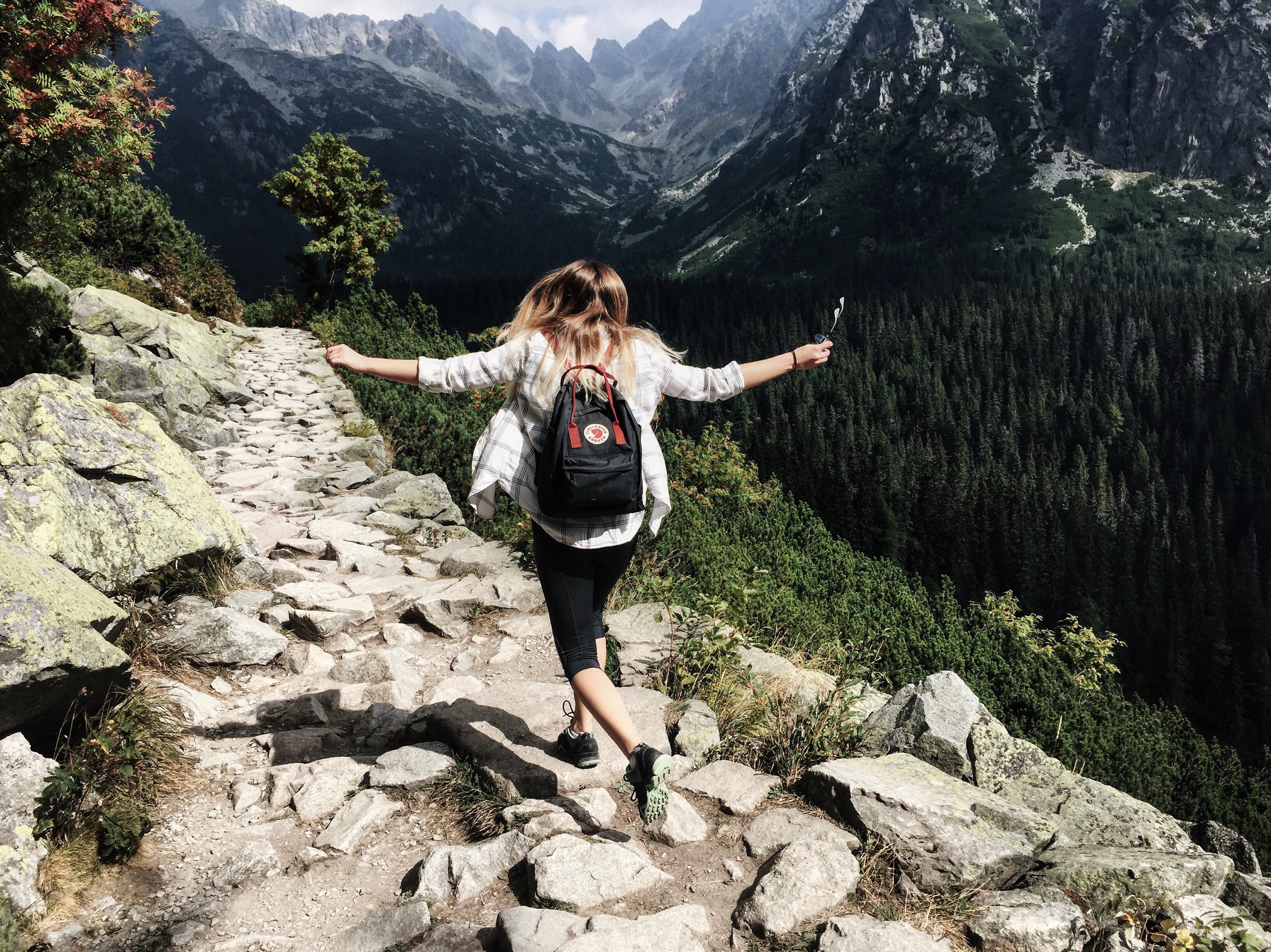
adult-adventure-backpack-287240

  1. Know Yourself Better

It is really important to know your potential and also your weaknesses. Only when you are on your own you can know about this. You are free to do what you wish. There is no pressure and reduced stress. Your performance increases and so does your efficiency. You will be surprised about yourself learning that you can accomplish a task which you dread doing.

  1. Financial Management

You can learn to value many things when you are all on your own. A person who is a spendthrift and does not care about money may learn to value it especially in a new land when there is no one to help when you are short of money. This will teach you to manage your finances better. You will also learn not to spend it on unnecessary items.

  1. Better Observer

You can learn to observe things better when you are alone. You need to be alert and manage everything on your own. You become responsible and also learn to take care of yourself which you may have not done all your life as someone took this responsibility. Increasing your observing skills will make you a better person.

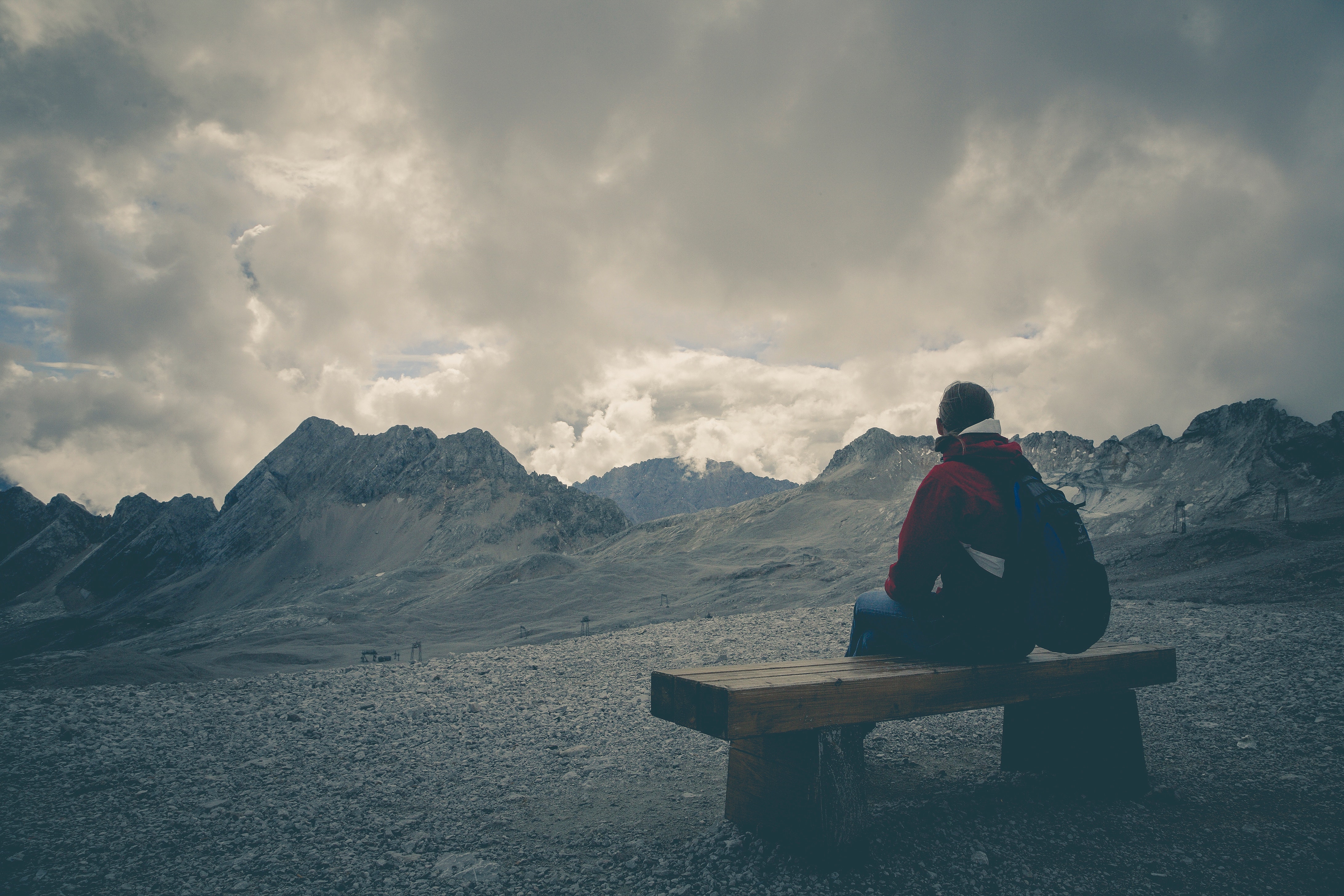
clouds-cloudy-landscape-105857

  1. More Satisfied

For many people gratification does not come easily. When travelling alone almost all wishes get fulfilled and a sense of satisfaction creeps in. This feeling of gratification helps a person to grow up and makes him or her calm from inside. You tend to understand others easily and can build relationships easily.

If you are yet to attempt solo travel, try it once and learn more about yourself.


Author Bio:

Know about Rohit Agarwal’s take on travel on the blog Trans India Travels.


12 heart-thumping reasons why Kereita Forest should top your bucket-list

Whilst we all, overtime get bit by the travel bug, interests differ in relation to the sort of adventures we seek out. “Soaking in sun by the beach,” sort of vacation isn’t everyone’s cup of tea! If it doesn’t involve some heart pumping and loss of breath, then there’s no point to it.

An adrenaline rush-free adventure for some people is the worst! This segment of adventure seekers is seemingly the reason behind the rise of outdoorsy, adrenaline pumping adventure providers in the country; The Forest Adventure Center being one of them.

Located in the heart of the Aberdare Ranges, in the Kereita Forest, Kiambu County, The Forest offers thrill seekers a playground of sorts.

The center’s accessibility – it’s only an hour away from Nairobi City – quickly caters to your urge to burst headlong into the great outdoors. For adrenaline junkies, being here is akin to a kid in a candy store. Whether you get your kicks mountain biking, ripping through the beautiful Kereita Forest or riding through the nature trails on a mighty horse, all we can say is that the Forest more than makes up for an otherwise “boring” laze at the beach.

We bet you by the time you are done scrolling down the list of activities offered at The Forest, you will have had it at the top of your bucket list faster than we can say…Let’s head to Kereita!

Zip line
Feel the rush of a world class adventure as you fly a total of 2.2 kilometers over spectacular views of forest canopies, guided by professional instructors maintaining the highest European Union safety standard regulations, with a carrying capacity of a maximum weight of 115kg and minimum height of 1.4m.

Fun fact: The oldest zippers yet at the Forest have been an 84 year old male and an 81 year old for female!

Paintball
Pick your team, get kitted out and start dodging… shoot or be spluttered in sticky paint in the most exhilarating activity at The Forest.

zuru kenya the forest - kereita

Archery
Ever pictured yourself as part of Robin Hood or the hunger games’ cast? Well, daydream no more… bow and arrow in hand, The Forest gives you an ample opportunity to test your “hero” skills.

Got good aim? Let’s see if you can really hit the bull’s eye! The Forest’s experienced instructors will train you to become a master archer in no time on their dedicated range.

Fair warning!! Archery can be addictive.

zuru kenya the forest - kereita

Mountain Biking
Enjoy kilometers of enchanting trails in nature on mountain bikes as you inhale crispy mountain air and soak in sweeping views. The Forest’s  qualified instructors are on standby to fit you into the right mountain bikes and helmets.

E-bikes
Looking for that extra zing? Try the newest first ever Electric bikes to be offered in East Africa. Ride through those banked corners with that extra jolt of power.

Forest Rovers
Discover your adventurous side by zooming through The Forest on off road capable Forest Rovers, guided by professional instructors while maintaining the highest level of safety and fun. A few minutes to practice riding and you are ready to go.

Nature Walks
Inspiring and informative, a guide leads you through the forest and reveals its secrets.

Tree planting
Give back to the future by planting indigenous trees.

Fly Fishing
Love for fish comes alive at the Gatamaiyo River. Bring your own fishing gear and cast your rod to make a catch. Best done in the morning when the fish are hungry.

Foot golf
Play a game that combines the distinction, elegance and precision of Golf with the passion, energy and fun of football in a marvelous sport full of life. Try your best shot and putt a football with the fewest kicks possible.

CHALLENGE: Can you get a hole in one?

Horse Riding
The Forest on a horse back WOW! This activity is available to experienced riders as well as first timers.

Camping

Enjoy star-lit nights at The Forest in a serene and secure environment sitting round a campfire. Each camp site has its own guards, fire-wood, pit latrines and bush showers. Make your camping experience memorable!

Team Building

Talent wins games but team work and intelligence wins championships. With custom made activities, The Forest facilitates coming together as a family, group of friends as well as enhances cohesiveness and team work in the office.

The Forest has made the extraordinary nature in its reaches accessible to thrill seekers through endless numbers of trails and adventure pumping adventures. What’s even more exciting about The Forest is that all activities on offer are pretty affordable and well worth every dime. This center offers child-friendly adventures too!

Alongside the affordable wide range of activities that will cater to your spirit of adventure, the Forest also affords you finger licking delicacies flattering to your taste buds. That said, the Forest Adventure Center is an absolute must-visit with guaranteed heart-thumping and total adrenaline rush!