
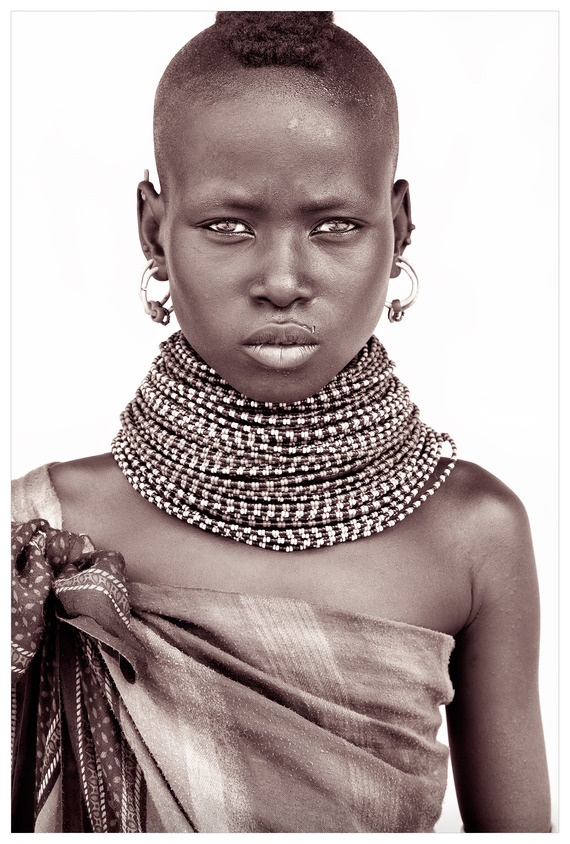
I am still captivated by her gentle smile and the thousand stories told through her face…Fanny Shiz
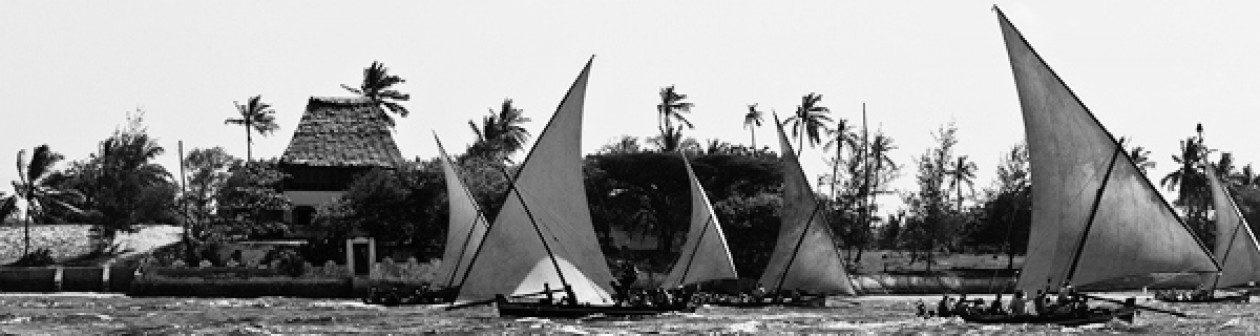
I am still captivated by her gentle smile and the thousand stories told through her face…Fanny Shiz

STORY HIGHLIGHTS
- Kenya celebrates its 50th year of independence from British rule
- A photography competition celebrated the country’s heritage and history
- Outstanding images show people or places with historical and cultural significance
Turning 50 is a major milestone in a person’s life — and a country’s history.
Kenya is celebrating its Golden Jubilee year following 50 years of independence from British rule.
To commemorate the event, Nairobi-based photographer Mutua Matheka teamed up with Samsung to launch Picha Hamsini, a photo contest celebrating the East African country’s heritage from past to present. They asked photography enthusiasts from across Kenya to submit images of people or places with historical and cultural significance and explain why these were relevant to them or the country.


“The goal of the contest was to see and show Kenya from the eyes of Kenyans,” says Matheka. “(To) use images to celebrate our country and get people involved in that celebration. We have a lot we are not happy about as a country, but I believe we also have a lot to celebrate and I feel photography is usually a tool to further and foster that.”


The goal of the contest was to see and show Kenya from the eyes of Kenyans.
Mutua Matheka, photographer
The organizers received more than 2,000 images submitted via Facebook, Twitter and Istagram. In the end, the 25 best were selected and featured in a street exhibition in the center of the Kenyan capital, alongside some of Matheka’s photos.


“The images we received were fantastic,” says Matheka. “Some celebrated people, others celebrated our activities, others celebrated beautiful places,” he adds. “The winners were mostly amateur photographers.”


With celebrations underway across Kenya, many believe that this is also a time to look back and learn from the mistakes of the past.

Matheka says the overriding message of the celebrations is that “we have moved quite a distance in democracy, value of life, ability to make a living in this country from 50 years back to now.”


He adds: “A lot has changed for the better and a lot has changed for the worse too. I celebrate the progress and keep track of it so that for the next 50 years we try to avert from the former mistakes and progress as a nation.”
-Teo Kermeliotis,
Source; CNN

50 days, 8 countries, 50 people, 1 Tusker…All on an incredible journey through East Africa and Europe to deliver a taste of home and show the world that a little bit of Kenya can go a long way.
Kenya is 50, and what better way to celebrate it than this; Tusker Twende Kazi. Last week, East African Breweries Limited (EABL) launched an all new reality TV show, the first of its kind in the country, “Tusker Twende Kazi”. The East African version of the popular reality series, The Amazing Race, this show which kicked off at Uhuru Gardens (the location of Kenya first ever flag-raising), follows 50 East African citizens as they race from Kenya to London on a task to deliver “a little bit of home” – tusker Lager to the celebrated Kenyan rugby export Humphrey Khayange, currently based in London.  The 50 participants grouped in 25 teams of two (comprising of an ordinary East African citizen and a celebrity) must find their way to London through 8 countries armed with nothing but their strength and charm. The teams will get around with no money at all! and must rely only on goodwill from strangers and all the charm they can muster to get to the various checkpoints they will be sent to each week. Celebrities featured here from East Africa include; Ezekiel Kemboi, Legendary Kipchoge Keino, Nameless, Bebe Cool, Maurice Kirya, STL, “the blackest man in black Africa” – Fred Obachi Machoka, Eve D’Souza, Collo, Radio & Weasel, Papa Shirandula, Jalang’o and a host of many others.
To get them through this long, tough, obstacle ridden 50-day journey, each team will have the option of traveling by car or air, depending on how far the next checkpoint is from their current point. Each team has a time limit to get the Tusker bottle to the next team in the relay; no delays!
 The relay Tusker bottle
Unlike the Amazing Race though, participants of Tusker Twende Kazi are not in it to win any race or money, but to show what a great country and a people we are. The journey is meant to demonstrate the resilience of the Kenyan spirit to achieve whatever it sets out to do; it is a nation-building mission. It is further aimed at bringing East Africans together and igniting the belief that we can do anything, demonstrating that together, we can make a little bit of Kenya go a long way.
We were introduced to the participants in the first episode, with Team 1 members consisting of Ezekiel Kemboi and Michael Nduati setting off with the “relay bottle” to face tasks ahead in a bid to get that bottle to Humphrey Kayange in London. The other 24 teams left in one hour intervals subsequently.


Eric Kiniti, the Corporate Affairs Director had this to say about the show “As we join Kenyans’ in celebrating the 50th anniversary of independence, this show is meant to demonstrate the resilience of the Kenyan spirit to achieve whatever it sets out to do. This show is tailored to reflect Kenya’s coming of age.”
Below, some of the teams seek help from strangers along their journey…


 Don’t forget to catch your favorite teams as they traverse two continents to accomplish their task. The show airs every Sunday from 8pm, on Citizen TV hosted by Channel O VJ, radio and TV personality Joey Muthengi. It also broadcasts across East Africa.
Tusker, “My beer, My country!!”

It’s well known that Kenya is one of of the best spots in the world to take a safari. But did you know that it is also rife with topographical diversity? I’m talking about glacial mountains, Rift Valley volcanoes, coral reefs and desert escapes. Sounds pretty amazing, right? I thought so too, which is why I reached out to three travel experts–Jason Florio, of FlorioPhoto.com, Marcello Arrambide, of Wandering Trader, and Matt Gross, editor of BonAppetit.com and the author of The Turk Who Loved Apples–to get some of their best tips for traveling through this eclectic East African country.

Gnus and zebras in Mara Masai National Reserve. Image courtesy of Marcello Arrambide
What is your must-try food or beverage in Kenya? And why?
JF: I would go for a Somali lamb stew in the Eastleigh neighborhood of Nairobi, which is also known as Little Mogadishu. Why have this in Kenya? Because you don’t need six armed guards as your dining companions, which you would need if you went out to eat it in (Big) Mogadishu. As for drinks, I hate to be cliche, but it has to be the national brew, Tusker.
MA: The food I would say that everyone has to try are samosas and chapatis. Both are inspired by Indian cuisine but are found commonly throughout Kenya. They’ve become a common staple of Kenyan cuisine.
Samosas are what some may call an African version of an empanada. They are triangular in shape and deep fried, which creates an outer coating that is crispy brown. Inside you’ll find a tasty filling of spicy meat or even veggies. You can find them alongside the endless number of street carts in the country (especially Nairobi). Samosas are one of my favorite things to eat while on the road in Kenya. Chapatis, on the other hand, can be compared to a pita flat bread. No matter where I ordered this dish it was always the right texture and taste. Just soft enough to allow you to roll it into a pita and just hard enough to have with coffee or tea. It’s a great snack.
MG: I guess you have to eat ugali, which is sort of like the Kenyan version of polenta. They eat a lot a maize and corn there, and grind it up with flour to create this polenta-like semi-solid porridge that everybody eats at every meal. The other thing that’s pretty good is sukuma wiki. It’s a braised kale dish.

Giraffe licking Marcello in Kenya.
In your opinion, what’s an important “do this” or “don’t do that” when it comes to traveling in Kenya?
JF: Do learn how to paddle a tiny balsa wood canoe on Lake Baringo with the charming Njemp fisherman, and watch the fish eagles snatch fish from the lake around you–mind the hippos though.
Do not try and take pictures of the ferry crossing in Mombasa. The local security has come up with a neat little shakedown if they see you taking pictures. They have no authority and there are no clear signs about not photographing, but they will threaten you with police action. It cost me a $5 bribe and left a bad taste in my mouth–but that was soon washed out with a Tusker.
MA: When in Kenya interactions with the animals are a must. Outside of the common safari, I would highly recommend a visit to some of the orphanages and nonprofit organizations that allow tourists to get close to the animals. You can feed giraffes at the Giraffe Centre and even have breakfast with them at the Giraffe Manor. Another exciting up close encounter would be the Elephant Orphanage where a massive family of elephants comes out for a feeding and to interact with the keepers. And then just outside of Nairobi the adventurous tourist is able to ride ostriches at a local ostrich farm. Tourists are even allowed to order ostrich for lunch as well.
MG: Do say hello to everyone–people you pass on the street, people you meet anywhere. Be happy, friendly and polite, because in Kenya people are friendly. They want to meet you, talk to you and hear about what’s going on. I got invitations to have dinner at random people’s houses because I was running past.
Don’t try to rush things. It’s a big country. It’s a bit messy and rough in places. You can’t assume that just because it is 30 miles from point A to point B that you should be able to get there in half an hour or that everything will be ready. You must be patient. You must also plan a lot of free time to account for the fact that things do not move as smoothly as they do in North America. But that can be enjoyable. It gives you more time to say hello to everybody.

Njemp people who live and work around Lake Baringo paddling their canoes made of balsa wood. ©Jason Florio 2013.
Jason, what was one of the biggest challenges you, as a photographer, encountered while shooting in Kenya for the AFAR story, Runner’s High?
JF: Thinking I could make photographs of athletes sprinting along side giraffes.
Marcello, you saw the Big 5 on your first Kenyan safari, so I’m curious what your best tip is for someone going on their first African safari?
MA: I’d recommend that someone spends more time on a safari. The cheapest safari available is a three day safari where one drives all day to the reserve and a small drive is taken during the end of the day. The following day is a full day of safari and then an early departure the third and last day. There are so many unique opportunities that can happen at a moments notice that one day just isn’t enough. Also, make sure to have a good enough camera with a great zoom, even if you have to rent one. Safaris are a once in a lifetime experience and it would be shame if you couldn’t take pictures.
And finally, Matt, you spent two weeks running in the town of Iten for the AFAR story, Runner’s High, so what is your best advice for travelers who would like to go to Kenya to run?
MG: The thing is not to be intimidated. I was one of the slowest people for hundreds of miles around, but I ran twice a day and people recognized that. I remember coming back from one run, just like an afternoon/evening run that was like 10 miles, and, as everyone does, someone asked me, ‘How far did you run this afternoon?’ And I said, ‘10 miles.’ And they said, ‘Oh, oh, that’s nice.’ They were one of those professional Kenyan or British runners. And they were impressed that I did 10 miles after already having done five or seven in the morning. Forget all about your self-consciousness and just run, you’ll get respect for that.
source: gadventures

A highlight for fashion enthusiasts, the Fashion High Tea is not only touted as one of the most glamorous fashion events in the country but is also the most anticipated annual charity event in Nairobi’s social calendar.

Hosted by Zen Garden, these events known to feature high-profile guests and personalities boast rave reviews on pizzazz, style and execution. This year’s Fashion High Tea held on Saturday 8th of this month was no different albeit bigger and better.

The fourth edition, Fashion High Tea 2014 was a buzz with fashion, shopping and lots of socializing activity. Aside from the glamorous fashion show that featured top Fashion local and international Designers – Shenu Hooda, Kooroo by Hebret Lakew and Enid Lanez, Masaba, Njema Helena, DivaBag by Kenneth Chiaji, Suave by Simi Sethi, Mini Boutiques were at hand showcasing and selling an array of fashion garments, shoes, accessories and jewelry.


As is the norm with this event, an elaborate High Tea Menu is not to be a miss. Zen created a lavish menu that included, Delicious Pastries, Muffins, Cupcakes & Cookies. There was also a Sushi Bar on Ice, Burger Stations, and Cheese Corners. Guests munched on savory selections passed around while they mingled. The Beverage Bars at the event are also always a treat…there was unlimited Cocktails, Beer, Spirits, Wines, Soft Drinks, Tea and Coffee throughout the event.
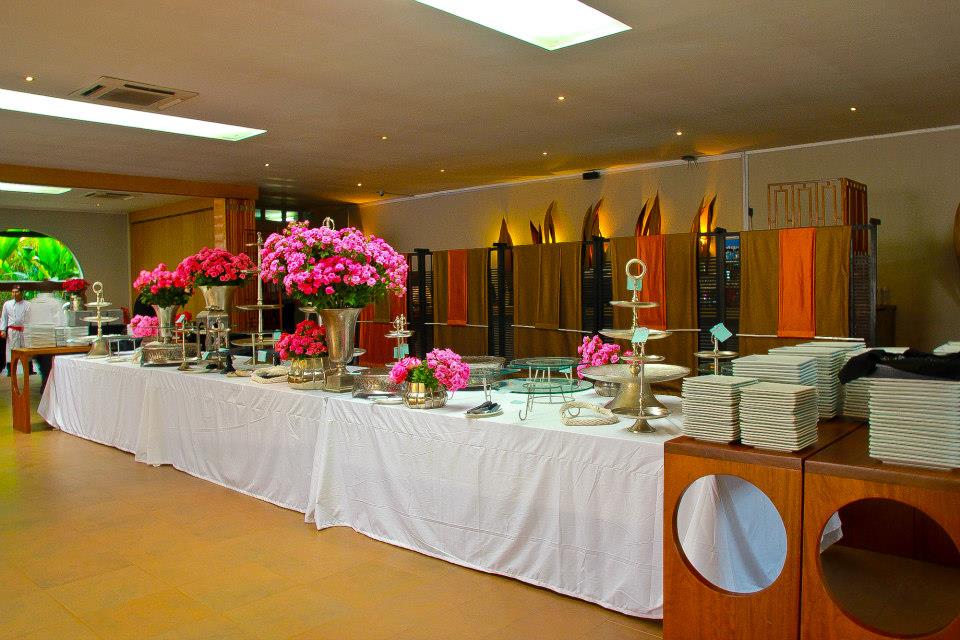

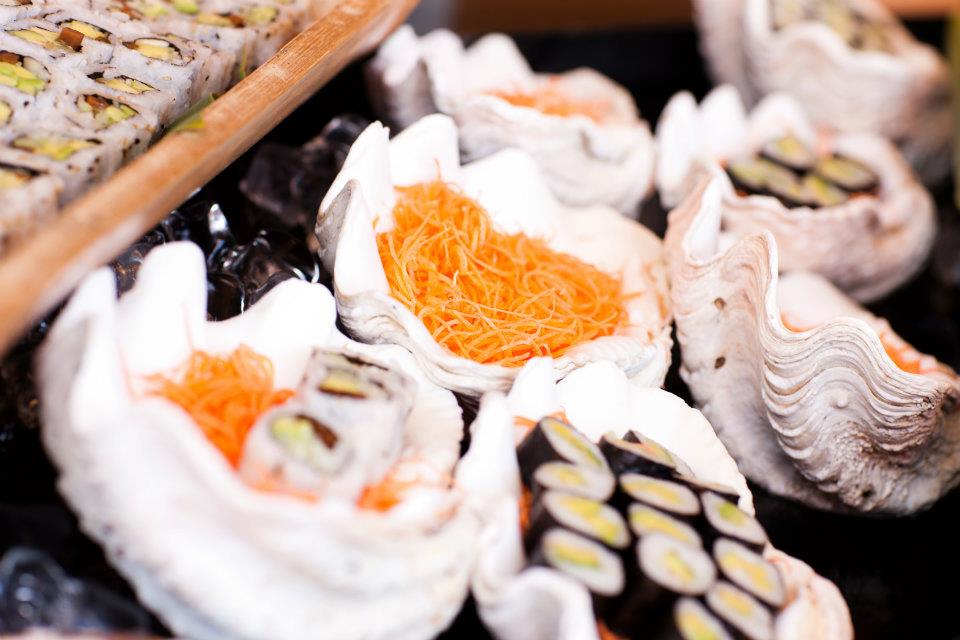


Just like previous editions, this year’s event was also for a worthy cause…Fashion High Tea 2014 was in support of the First Lady’s Beyond Zero campaign launched to raise funds for purchase and deployment of mobile clinics across the country in order to provide better prenatal, delivery and postnatal services to the underprivileged.
For further information on the campaign: Beyond Zero
Some of the Showcased Designs (source; Replay254):
Njema Helena by Cecilia Ostman & Annika Ostman, whose collection dresses the young and daring as well as the classic and timeless brought together vibrant prints and bright colors of African fabrics.



Divabag by Kenneth Chiaji was a beautiful fashion-utility first for the Zen Catwalk. This handbag-only collection featured chic and functional designer-inspired handbags perfect for any occasion; made from high quality genuine leather with creative design work patterns on them.
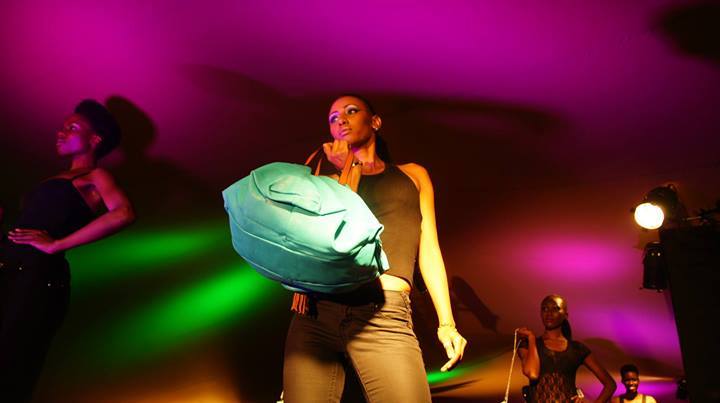


Suave by simi sethi which is just but a year old strutted fashionable pieces unique to her personality while catering for the 21st century woman.
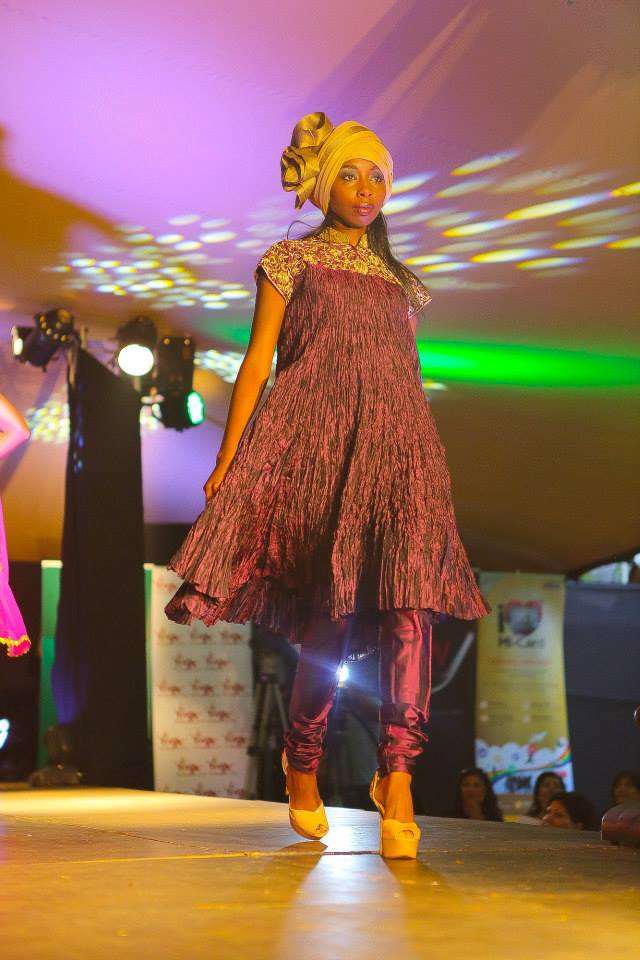
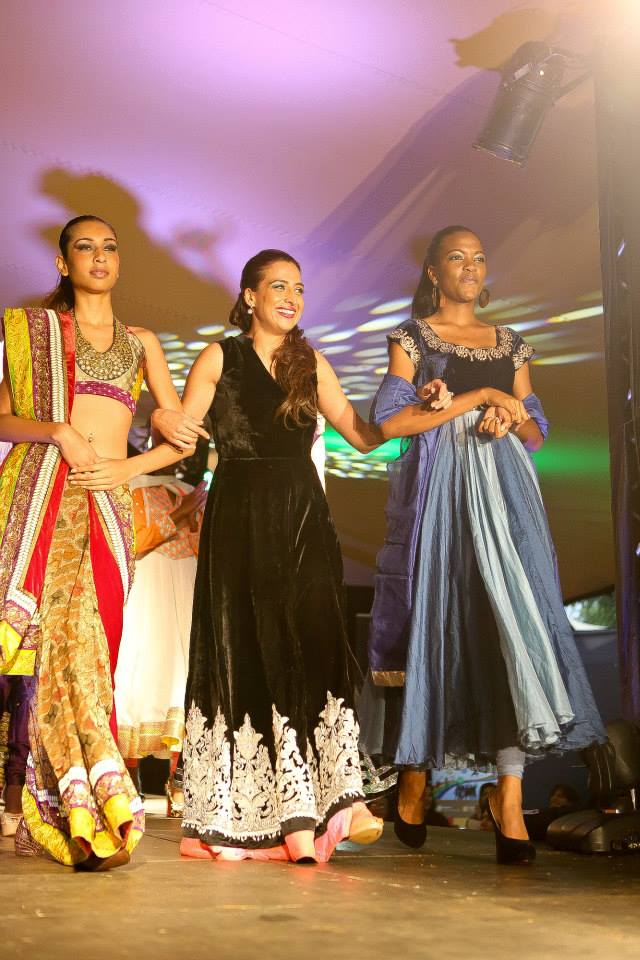
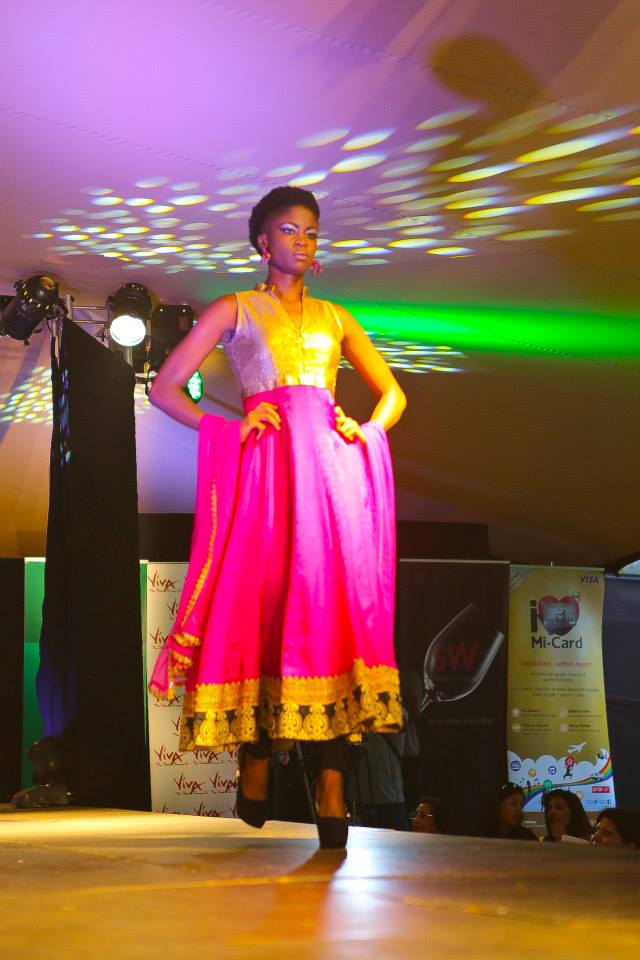
Shenu Hooda whose exclusive designs comprised of semi-formal and bridal outfits that drew inspiration from both Pakistani and Kenyan prints, brought out an amazing colorful touch on the runway. She has an amazing upcoming fashion portfolio having recently showcased her work both at the Kenya and Tanzania Swahili Fashion Week not forgetting previously featuring in various several private shows.
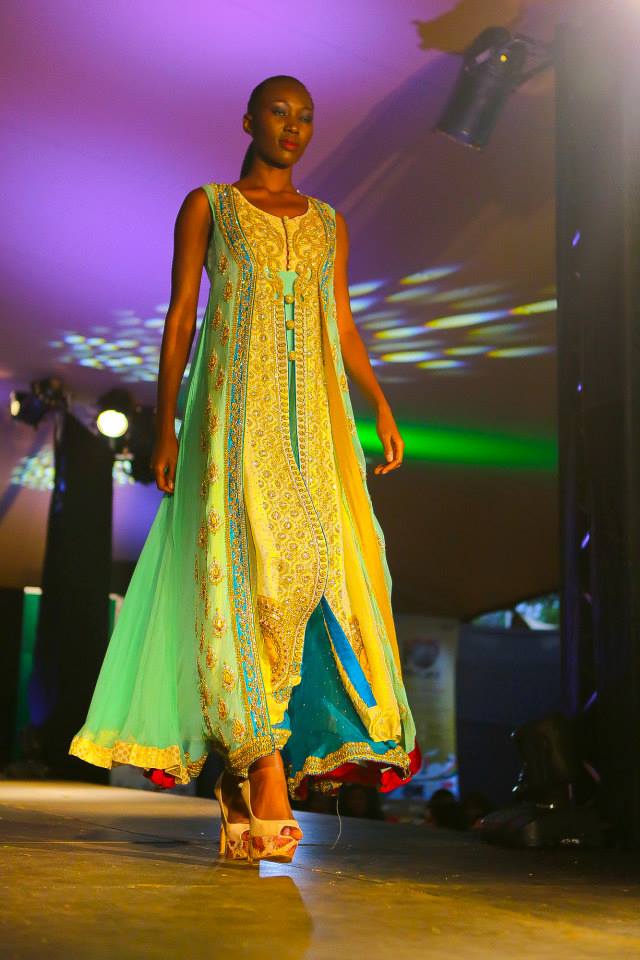
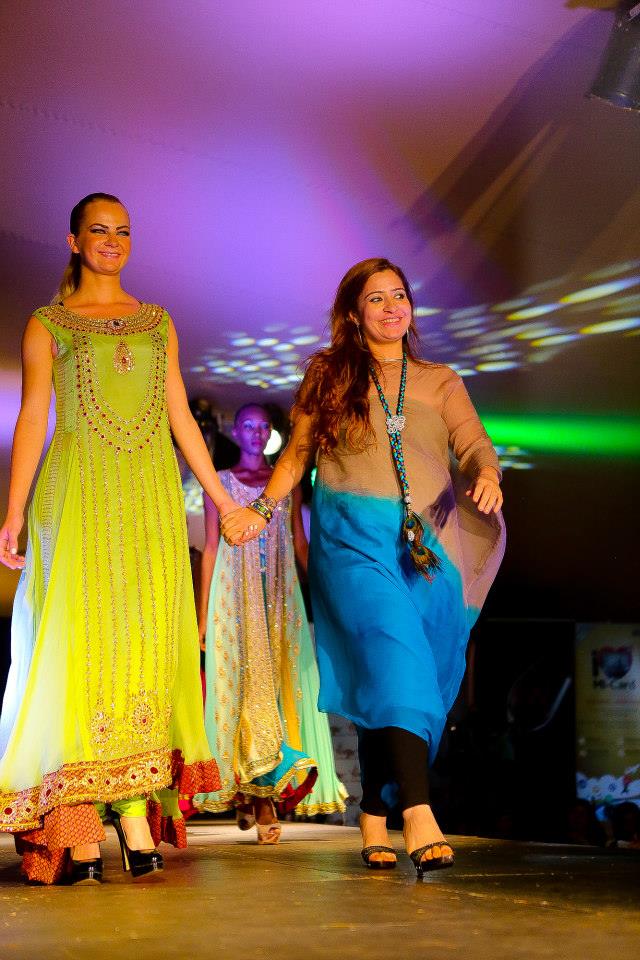

Kooroo was one brand that really wowed the crowd with their unique pieces. Their collection’s inspiration was drawn from Africa’s rich cultural lifestyles integrating African prints, silks, jerseys, cotton and linens to create pieces with exceptional global appeal. One unique touch on the Kooroo collection was the exquisite usage of original craftwork i.e beading and embroidery used to embellish simple silhouettes on the pieces.

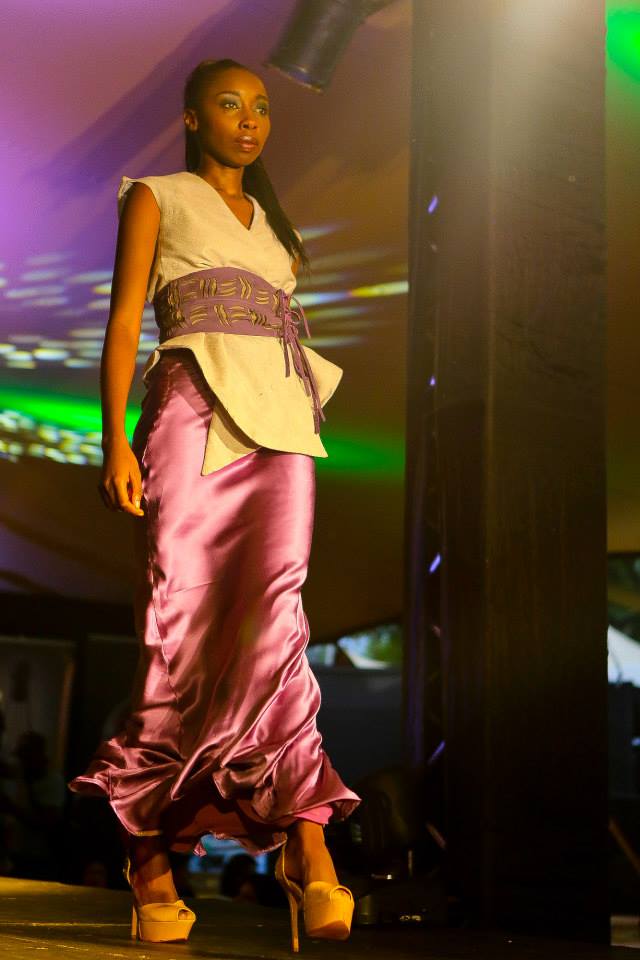

Also on the runway was Masaba by Masaba Gupta whose designs encompassed vibrant colors fused with beautiful patchwork grafted from Indian ensembles offering the Indian consumer, Indian fusion wear that’s edgy yet rooted to its culture at affordable prices. She has even designed outfits for Bollywood actresses i.e. Sonam Kapoor, Kareeena Kapoor and Jacqueline Fernandez.


 Masaba’s designs

Masaba Gupta, Fashion designer
The Fashion High Tea dress code was highly respected and perfected having been associated with elegance and sophistication. Ladies adorned big hats and sundresses – although the weather didn’t behave so well, whereas the gentlemen were in slim-fit suits and well-tailored custom outfits.
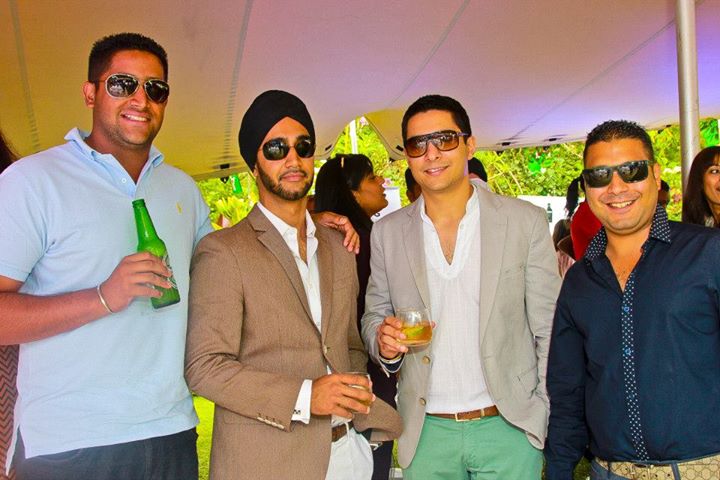
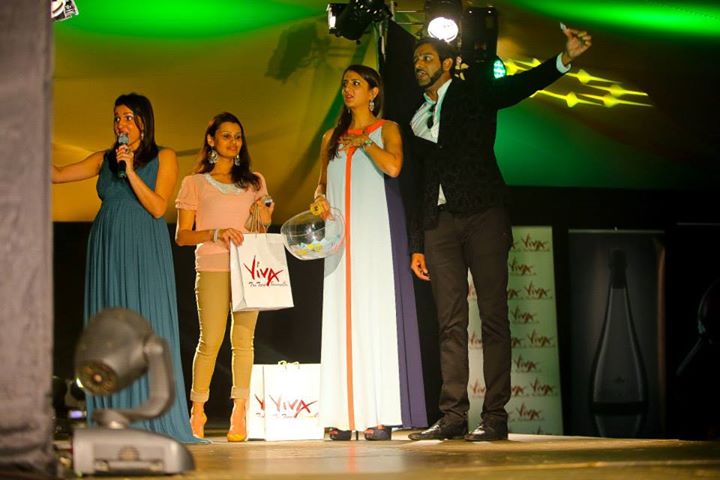




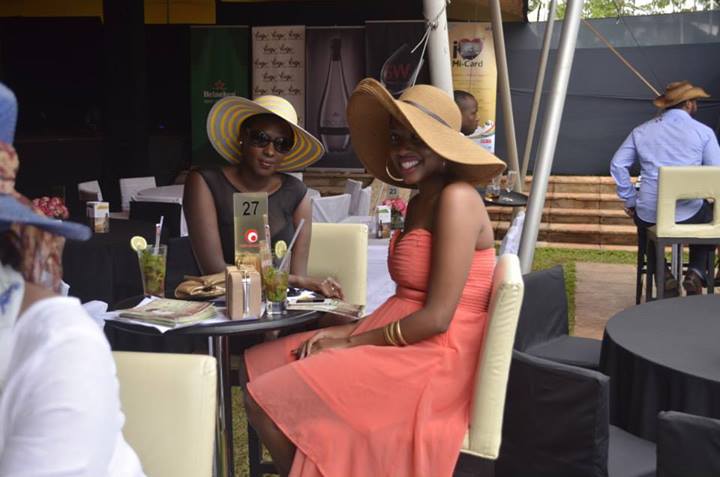

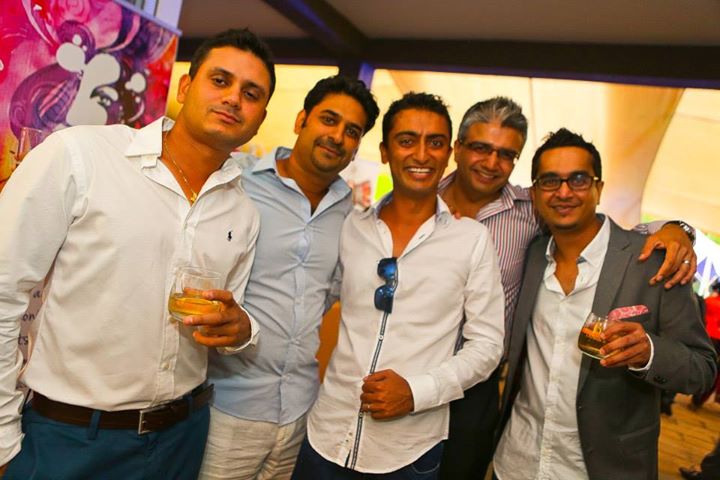


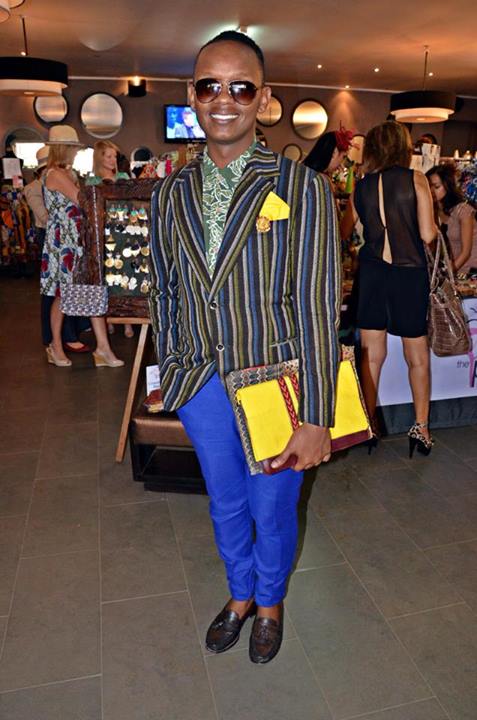
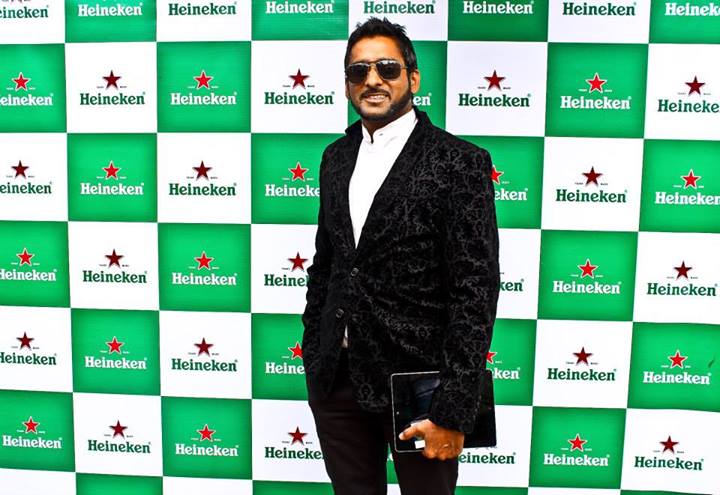
With so much glamour and pizazz, The Fashion High Tea is truly an event in a league of its own.

KissFm, XFM, Couture Africa, Eat Out, Heineken, Slater & Whittaker, Prosecco Blu, KWV Wines, BullDog Gins, Campari, Dewars Whisky, Nomadic Tents, Majestic Printers, Executive Water, Mi-Fone, Mi-Card, Roc Nation, The Berry Company, Subati Flowers & Suzie Beauty are among the sponsors that support the event.
Photos courtesy: Zen Garden, Nick Klaus
– See more at: http://lifestylespread.blogspot.com/2014/01/blog-post.html#sthash.7mfPaF0B.dpuf
– See more at: http://lifestylespread.blogspot.com/2014/01/blog-post.html#sthash.7mfPaF0B.dpuf
– See more at: http://lifestylespread.blogspot.com/2014/01/blog-post.html#sthash.7mfPaF0B.dpuf
– See more at: http://lifestylespread.blogspot.com/2014/01/blog-post.html#sthash.1xXb1t3t.dpuf

Machakos County Governor, Dr. Alfred Mutua, has been kicking some serious ass lately…to say the least. With only eleven months of being in office, this man has everyone talking and for all the right reasons. Not only has he made Machakos the envy of every other county, his work ethic is also exemplary.
Governor Mutua’s Government has in this short-term initiated several development projects for Machakos County:
• 40 tractors are already ploughing farms for free together with free seed in subsidized fertilizer in a Food Security Subsidy programme.
• 2 million chicks are being given to the youth in the county.
• From 1st December, 2013, grants (not loans) are being given. Youth-Ksh 15m; Women Ksh20m; the disabled Ksh 20m and Ksh20M to the elderly as a social welfare empowerment Programme.
• 60 roads in 40 wards are being repaired and maintained as from December 10, 2013.
• From January 2014, Ksh. 464M will be used to upgrade 40 Healthcare Centers to Community Hospital standards each with a ward, x-rays lab, mini theatre and maternity.
• 70 ambulances-one per location will be distributed.
• 140 police and specialized vehicles have been launched.
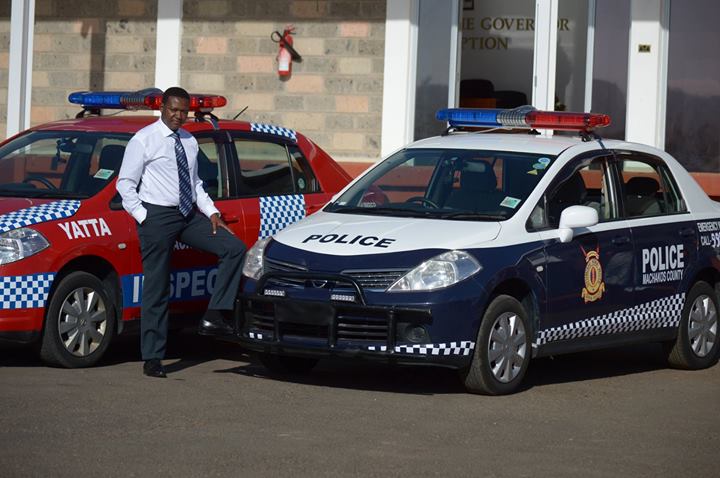
• MachaWood (Machakos Entertainment Centre for Film, Music, Media and the Arts) opened its doors in early January 2014.
• Machakos Forensics and Research Centre started operating January 15, 2014.
• 800 floodlights (mulika mwizi) will be installed in the county between January and March 2014.
• 500 CCTVs have been installed in the county.
 Machakos County CCTV cameras to provide 24hrs countywide surveilance.
• Water drilling rigs and excavators are on order and will be on the ground from February 2014 to dig 700 boreholes, 500 dams and water pans together with installation of 300 water tanks in Machakos County.
Moreover, on top of these projects that also include the New Machakos City, the government of Machakos bid to host CECAFA Senior Challenge Cup and promised to have the stadium (which has been known as Jomo Kenyatta Stadium for 40 years) ready in six weeks. Amazingly, within four weeks, terraces, toilets, two beautiful changing rooms for competing teams, CCTVs, public toilets and an amazing pitch-considered the best in the country, was ready.
 Player dressing room 1 Machakos stadium
 Facilities inside the players changing room
 VIP Lounge in the Machakos Stadium
Just so you know, this so-called stadium was just a patch of dry land prior to its facelift. The construction of a stadium from dry dust and grass to a ten thousand (10,000) capacity world-class sports centre has never been done any faster in the African continent. Governor Mutua supervised the construction all the way to ensure international quality standards were met.
 A view of the stadium before its upgrade
If you think that to be impressive, just a week ago, Dr. Alfred Mutua was at it again, this time unveiling the most beautiful public park in Africa – Machakos People’s Park. This 35-Acre park which sits by Maruba Dam in Machakos Town, also boasts of Africa’s first and only 5000-seater open-field Amphitheater.
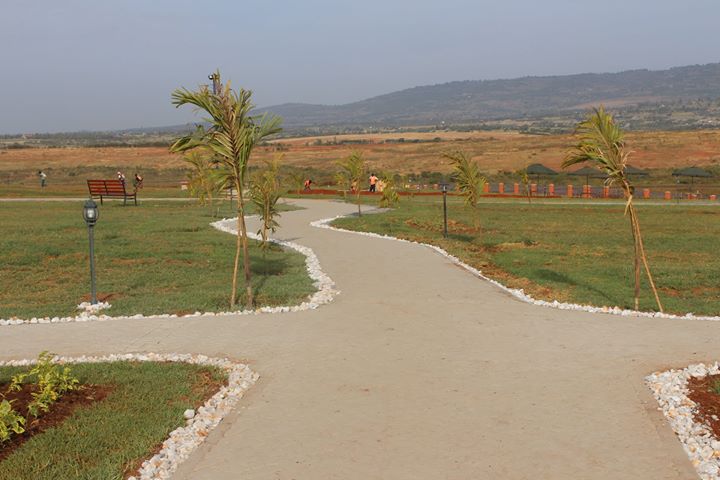 Path ways leading to different sections within the Machakos People’s park.
 Breath taking fountain at the Machakos Peoples’ Park
“This park is for the enjoyment, relaxation and meditation by members of the public from Machakos, from Kenya and beyond. The park should at all times be made accessible to all the members of our community, regardless of their backgrounds and economic ability, so that it forever remains the people’s park.” Dr. Alfred Mutua – Governor, Machakos County
 Machakos People’s Park Amphitheater before and after
This Park will officially be open to the public this Valentine’s weekend, from Friday February 14th, where people will enjoy a three (3) day entertainment extravaganza. Saturday, 15th and Sunday 16th will be family days. Entertainment will be free featuring great musicians and comedians.


“We have chosen to open the Park over the Valentine’s weekend because we want to uphold Machakos as the city and county of friendship, harmony and yes, LOVE,” said Dr. Mutua at the launch.


(CNN) — They say there are no stupid questions — or are there?
How about, “Do you speak African?” Or, “What is Africa’s flag?“
Yes, these are quite ludicrous. Tired of regularly having to answer questions like these, a group of U.S.-based African students has launched a photo campaign in a bid to dispel misconceptions about their continent.

Called “The Real Africa: Fight the Stereotype,” the social media initiative aims to educate and raise awareness about the common stereotypes surrounding Africa and its people — misunderstandings like Africa being a homogenous entity rather than a diverse continent of more than 50 countries.

The campaign features striking images of the members of the African Students Association of New York’s Ithaca College wrapped in different African flags or holding them proudly.

“What we wanted to do was embrace the individual flags of the countries of Africa,” says Rita Bunatal, head of PR for the organization. “We wanted to show the beauty and the power of the flag. We also wanted to break one of the biggest misconceptions about the continent, which is that Africa is a country,” she adds.

For each photograph, the posing students, aged 18 to 21, were also asked to come up with simple but powerful quotes that would disprove the ignorant and offensive remarks they would often hear.

As a result, the images boast statements like “Africans do not all look alike,” “Africans don’t need to be saved,” “Africa is not a country” and “Africa is not a land filled with diseases.” In addition, the campaign is saturated with educational facts that are designed to strengthen the students’ quotes — “I don’t speak ‘African’ because ‘African’ is not a language” says one student, his declaration accompanied by the fact that “there are an estimated 2,000 languages spoken in Africa.”

What we wanted to do was embrace the individual flags of the countries of Africa.
Rita Bunatal, African Students Association, Ithaca College

“We wanted to give facts, to correct, to give knowledge,” says Bunatal, “trying to educate and stop people from saying these other things.”

The African Students Association of Ithaca College first posted their photo campaign on CNN’s iReport platform on January 20. Since then, some 5,000 people have viewed the photos and more than 2,000 have shared them on Facebook.

“The simplest actions can create awareness and we are hoping to do this not only campus-wide, but also world-wide,” says Bunatal.
– Teo Kermeliotis, source: CNN






 Zuru Kenya