It is 1.15pm, and before I have my sumptuous lunch at the Sarova Whitesands Beach Resort and Spa in Mombasa, I decide to put down a few thoughts of my six-day visit to three different parts of Kenya with a Ugandan delegation.
“This is a beautiful country,” I remember my colleague Edgar Batte saying earlier. Abu Mwesigwa had chimed in: “Unfortunately, some Kenyans don’t know what they have and that is why they let outsiders disrupt their peace.”
Here were Ugandans enjoying what God gifted Kenya.
This was a dream holiday coming true. However, I could have freaked out had I been fainthearted. A day before my flight from Kampala last Saturday, a bomb had gone off in Nairobi.
A few days earlier, British tour firms had evacuated their clients fearing for their safety after some Western governments issued travel advisories, especially against travelling to the Kenyan Coast.
It is some of these places that I was due to visit on invitation of the Kenya Tourism Board (KTB), who are now looking to Uganda to boost the number of foreign tourists.
On May 17, I boarded a Kenya Airways flight from Entebbe and landed at Nairobi’s Jomo Kenyatta International Airport after a 50-minute journey.
The Immigration officer allowed me a six-month stay in Kenya despite my telling him that I was spending only six days.
During my stay, I have spent nights in four hotels: Stanley in Nairobi, Sarova Mara in Maasai Mara Game Reserve, Swahili Beach in Diani, South Coast and the Whitesands from where I am working now. From the four hotels, Whitesands seems to have the highest number of guests, and guess what, the majority are Africans.
The friend who had warned me on Facebook about travelling to Kenya would certainly have been put to shame by the number of visitors.
He had seen my photos as I enjoyed swimming at the grand Swahili Beach. Cowardly attacks would not stop me from visiting the Mara, the beautiful beaches in Diani, and enjoying swimming, scuba diving and watching dolphins in the Indian Ocean at the reef near Wasini Island.
Now at the mainland in Mombasa, I cannot imagine fear would deny me such an experience.
And forgive my language, only stupid Kenyans could collaborate or allow foreigners to deny them to enjoy this immensely endowed country.
On Saturday, together with six colleagues from Uganda, we spent a night at Stanley. The attention to detail of the staff was my highlight.
I was in a beautiful room facing Kimathi Street. I later ventured into the night, starting out at Mojos and Tribeka, just opposite Nation Centre. I later relocated to Club Rumours on Tom Mboya Street. It was full-house in the entertainment spots as Arsenal fans celebrated their first trophy in nine years.
We danced to local music, and Ugandan artistes like Jose Chameleone, Radio and Weasal also played through the night. I walked back to my hotel room at 3.20am and slept for two and half hours before I was woken up to catch a flight at Wilson Airport.
Our flight on a Safarilink plane to the Mara was filled with foreigners. A few Europeans I spoke to dismissed the travel advisories and said they were having fun in Kenya.
Kenyans have heard so much about the Mara and I am the wrong person to talk about it. But it’s good to note the sundowner in the park, dinner in the wild in the dark night, the tent bandas at the Sarova Mara Lodge, and the animals that were kind enough to come out to be seen.
Uganda is increasingly becoming Kenya’s friend in deed. Even as the tourist industry is getting a beating from travel advisories and terrorism threats, Ugandans have not stopped visiting.
In fact, more are arriving, not for business or jobs but for holidays. According to KTB statistics, Ugandans have overtaken South Africans as the continent’s top visitors to Kenya with Nigerians coming second.
Last year, Ugandan tourists arriving by air numbered 47,398, South African were 36,409 and Tanzanians were 28,561. Ms Ann Kanini, the public relations officer for KTB says they have rolled out marketing programmes in Uganda, South Africa, Nigeria, China and India because those markets are “less sensitive” and can take advantage of the low seasons to enjoy Kenya’s wonders.
“Most Ugandans who come to Kenya for honeymoon or holidays largely go to the beach,” says Ms Kanini.
Now Kenya wants to increase awareness of more destinations they can visit such as the marine parks in Wasini, the luxury beaches in the South Coast, Nakuru, Naivasha, and parks like the Mara.
“Cooperation between Uganda and Kenya is picking up well and in the last two years, Kenya has engaged more than 10 key tour operators from Uganda,” Ms Kanini says.
Kenya wants Ugandans to visit more than the regular sites. When I arrived at the Coast through Ukunda airport, a flight that took one hour and 20 minutes from Nairobi, we checked into the Swahili Beach Hotel near the airport.
The hotel can easily be mistaken for a traditional structure plucked out of the 18th century Arabic-cum-Indian epoch. The rooms give a feel of the life of sultans of yesteryears and the swimming pool stretches down to the beach.
On our fourth day, we drove 70km south, stopping at Shimoni in Kwale County. Here, we passed the slave caves, and boarded the Dolphin Dhow. We headed into the ocean, towards Wasini Islands, a land of 3,500 residents. The island sits on a coral reef with mangrove trees as vegetation.
In the middle of nowhere, we saw light blue water and our guide, Hamis Ali — a young man who speaks Arabic, German, French and Spanish in addition to English and Kiswahili and his local Digo language — told us we could swim. “What?” I asked. Here, he said, are beaches in the middle of the sea because of the coral reef that rises and it is gifted with sands like you find on the main beach. As we swam on a reef in the Indian Ocean, we could see the Tanzania mainland in the distance. Not far from where we were swimming, we saw three pairs of magnificent dolphins.
Our guide told us that the Digo, the small tribe on the island, look after the dolphins. “We don’t swim with dolphins but dolphins are allowed to swim with us,” he said.
It is here in the middle of nowhere — but feeling like I am living in paradise — that I looked around and the only Kenyans on board were the dhow captain, our two guides and KTB representatives. Down in the reef we saw all kinds of fish, and the corals which are soft unlike the rocky ones on the mainland. Ms Kanini could only ask, “do you see what Ugandans who end their trips in Mombasa miss?” She was right.
As the sun went down, we rushed back to Shimoni, but not before visiting Wasini Island. We walked through the coral park that is under the care of a women’s group on the island, where a wood bridge stretches through the mangrove forest and connects two villages. We were warned not to walk barefoot on the island because the corals were acidic.
At Shimoni, as darkness approached, we entered the historical slave caves from where those captured from the hinterland, as far as Uganda, were detained in a warehouse and shipped to faraway lands. That broke down my spirit but I appreciated it as part of East Africa’s history.
We later returned to Mombasa. As I signed out on Friday, the front desk manager at Sarova Whitesands told me that many Ugandans have spent nights at the hotel.
“And they know how to spend their money,” Jayne said.
Ms Kanini only wishes Ugandans who come for wedding and honeymoons at the Whitesands venture into places like Wasini and experience the marine parks.
With my flight only two hours away, I tell my friend on Facebook, “What travel advisories were you talking about?”
-Mike Ssegawa
Daily Nation



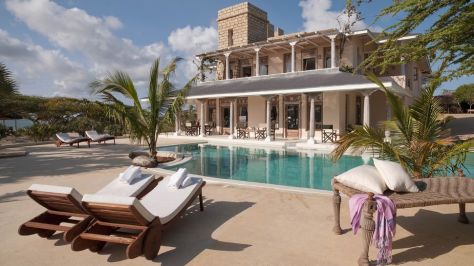 Idyllic, luxurious, stylish, unique… The Majlis, with a superb beachfront location and breathtaking views over the bay and Lamu Island, offers the perfect setting and the ideal accommodation for barefoot luxury and informal pampering on your trip to Kenya.
 This unique hotel offers a harmonious blend of the architectural influences from the East African coast, Arabia, India, and Zanzibar that have fused over millennia to create the vibrant Swahili culture. you can expect picturesque views across the gardens or cascading pools and of the Indian ocean.
 This small boutique lodge appeals to individuals seeking personalized service and an intimate beach experience. Highlight of the house is certainly its stunning centre-piece infinity pool that merges with the azure waters of the Indian Ocean.
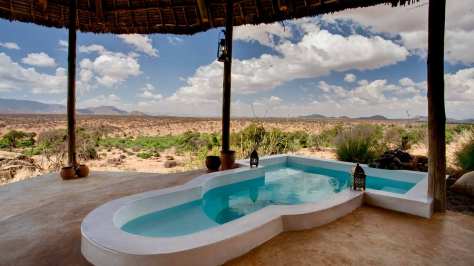 Sasaab is a sensational and stylish lodge, majestically situated on the high banks of the Ewaso Nyiro River (Kenya’s third largest watercourse). Sasaab commands breathtaking views across the arid landscape of the Northern Frontier District towards the jagged peak of Mt Kenya, and offers a truly exceptional safari experience in an area renowned for its variant species.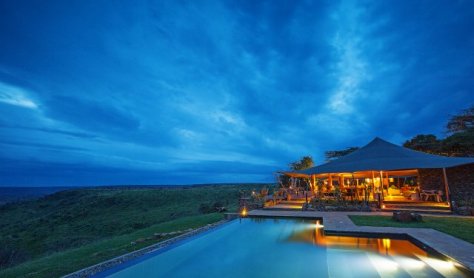
 Lapped by the waters of Lake Victoria shaded by giant fig trees, and lost to the world, Mfangano Island Camp is an oasis of tranquility, an ideal retreat from the hustle and bustle of modern life.
 Who would have thought, tucked away on the East Coast of Africa would be this little gem. The beach is picturesque perfect, stunning white sand and crystal clear blue seas.
 Situated high on a remote ridge at the edge of the indigenous cedar and wild olive forest, Sirai offers stunning views in every direction.


 Staying at Casa de Palma is not only pleasant but well worth it at $120 a night. The fact that it’s also located within Mtwapa creek near etablishments like La Marina Restaurant, the range of activities do to here is endless.


 Zuru Kenya