Tag Archives: Nairobi

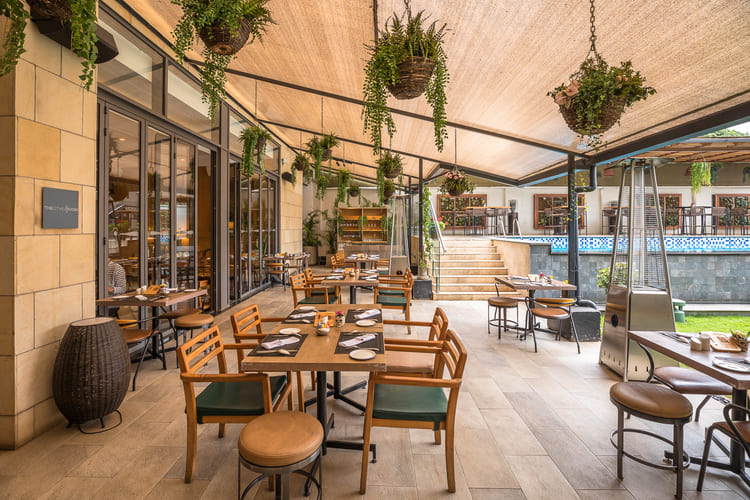
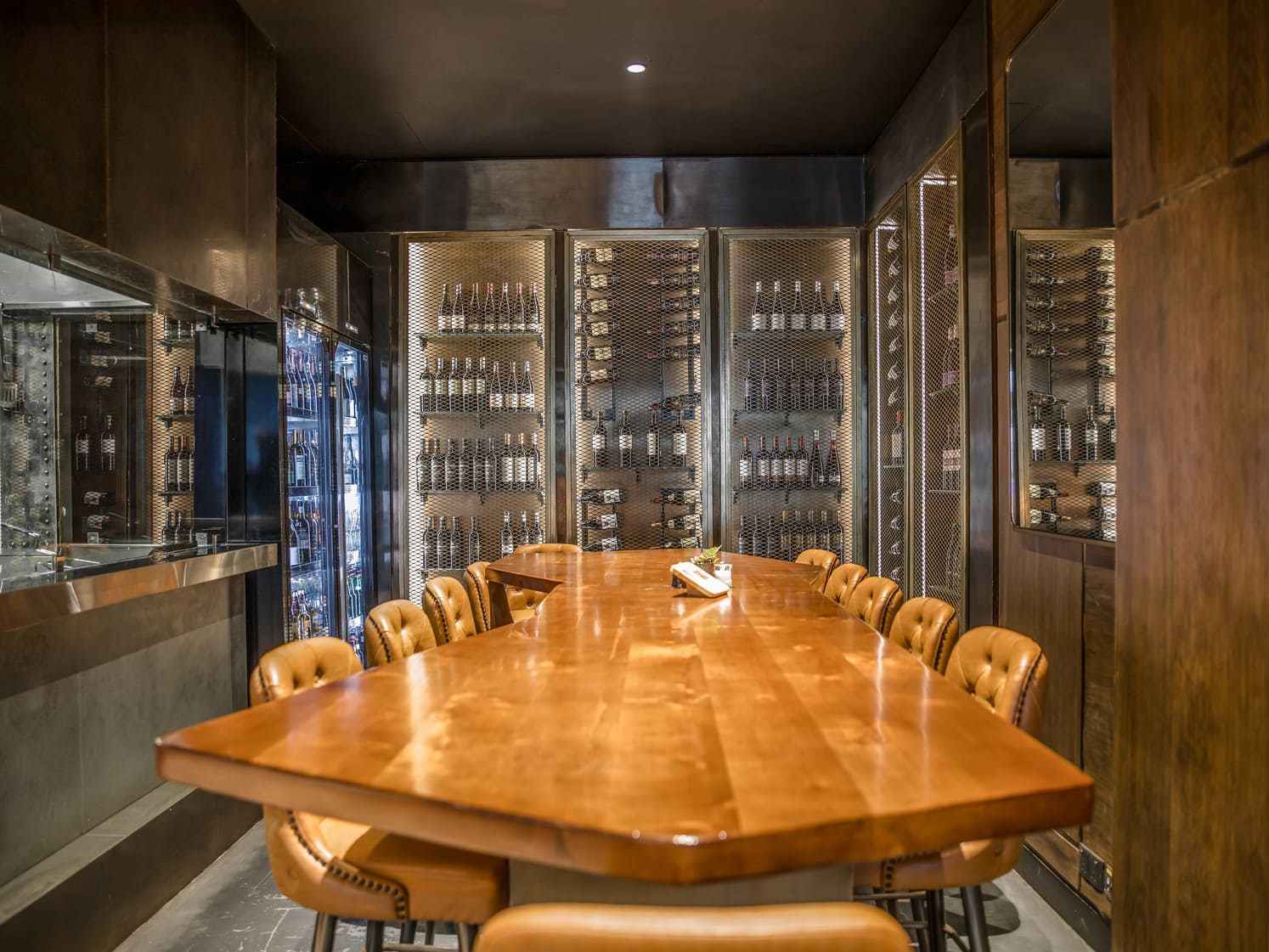
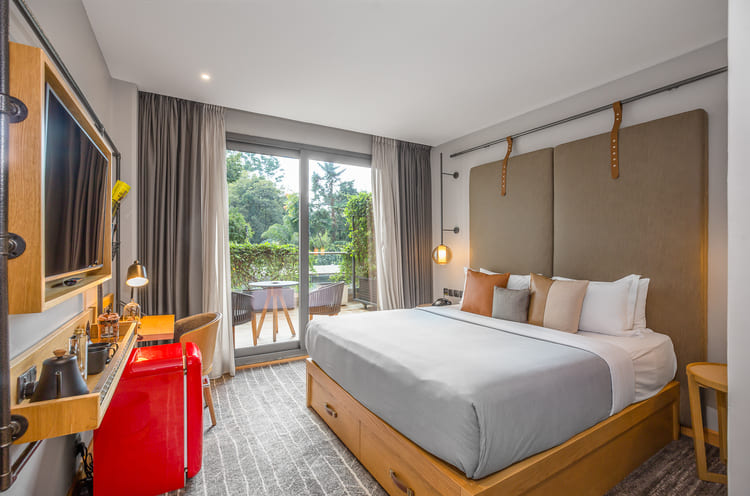
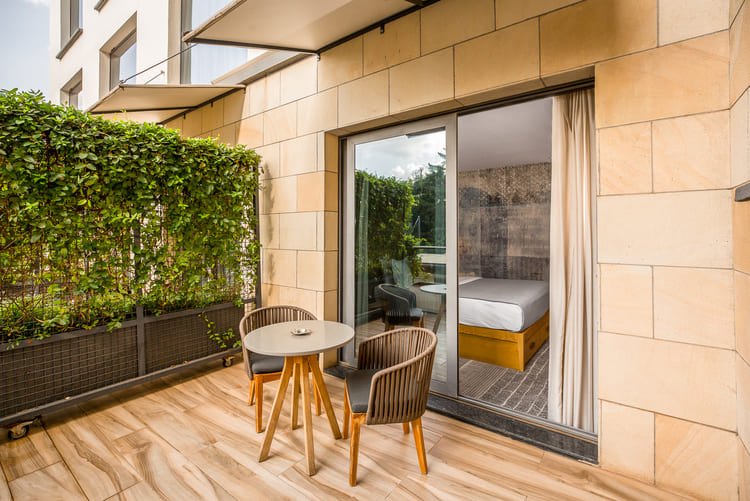
The Social House Nairobi: 1.3° from The Equator. 180° from Ordinary

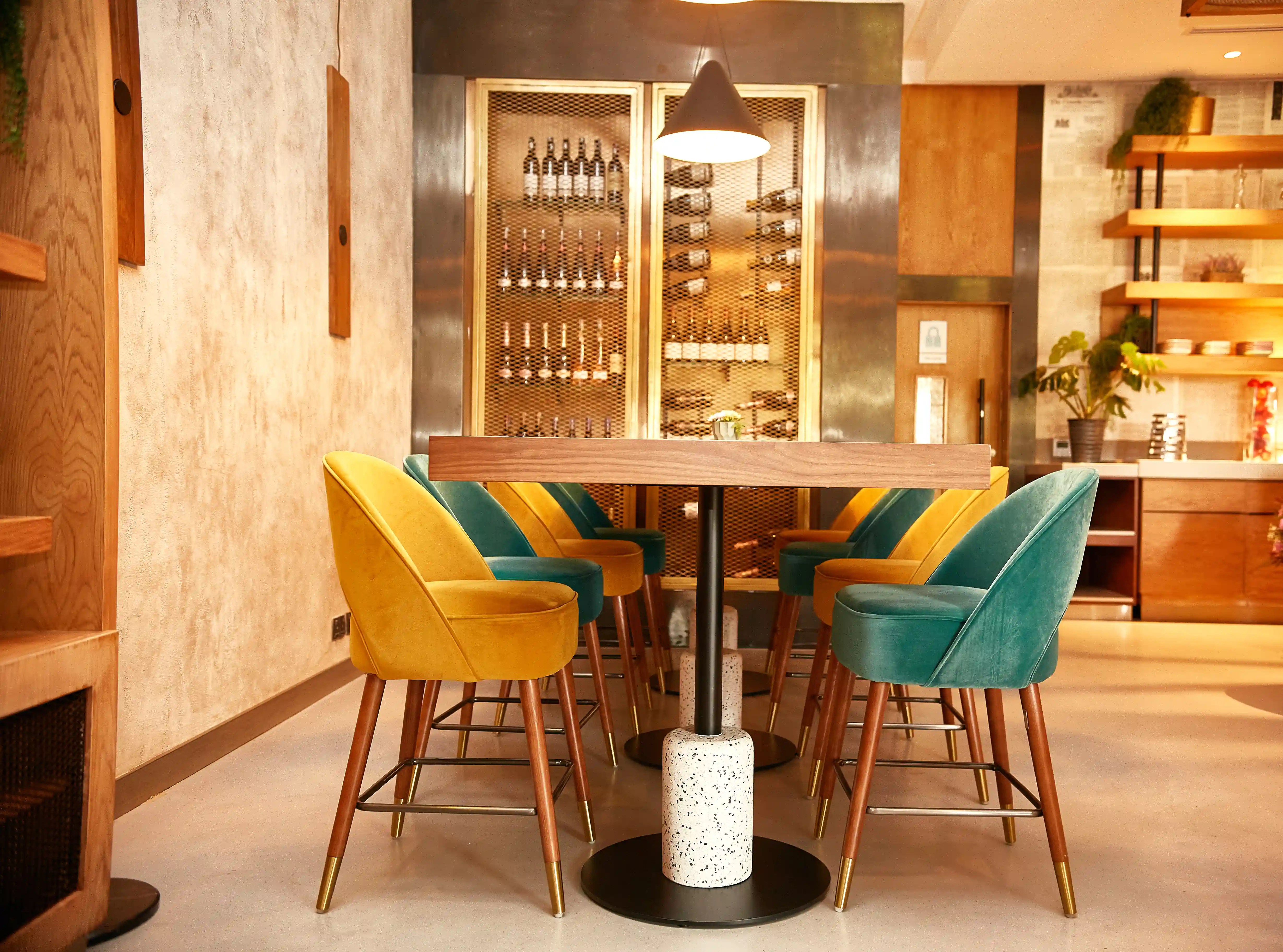
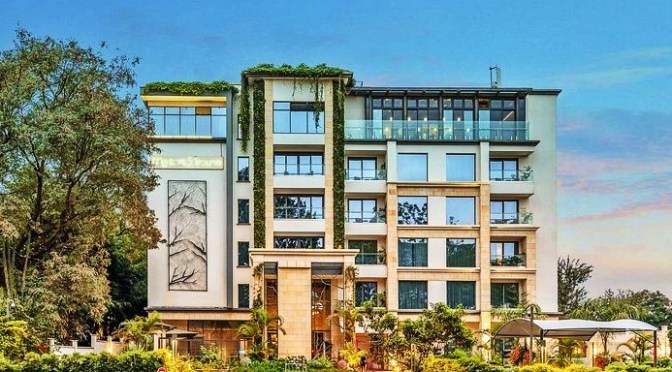
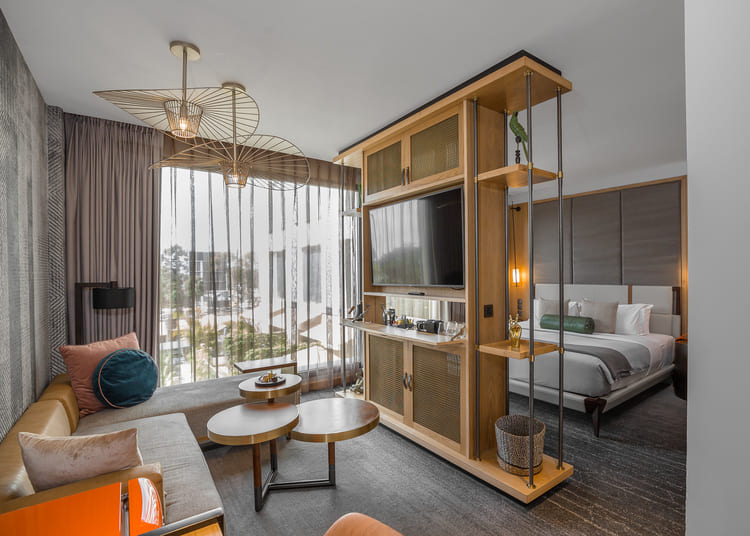
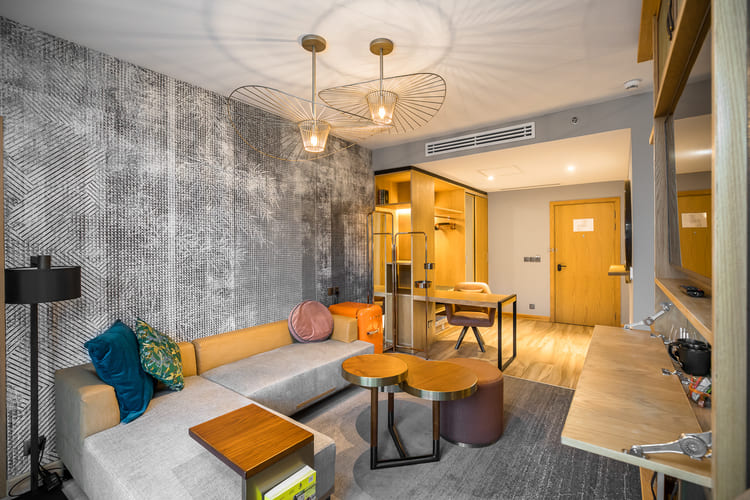
A Little Offbeat, A Lot Extraordinary: The Social House Nairobi is anything but ordinary—offering unusual cuisines, unexpected events, untypical meetings, and unorthodox interiors. It’s a place where unconventional spaces meet uncommon people, living up to its tagline: “1.3° from The Equator. 180° from Ordinary.”

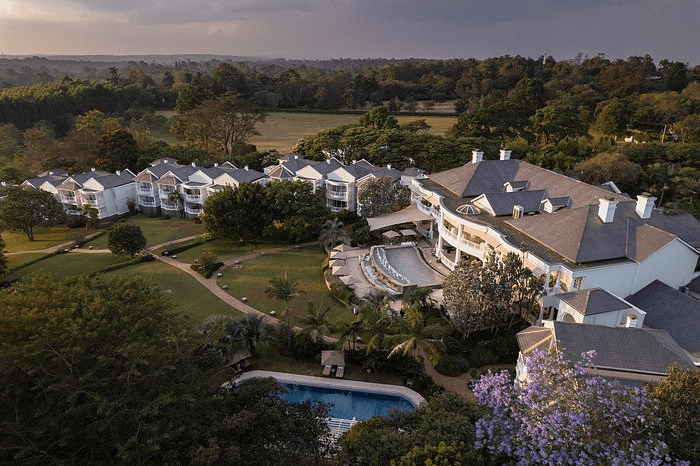
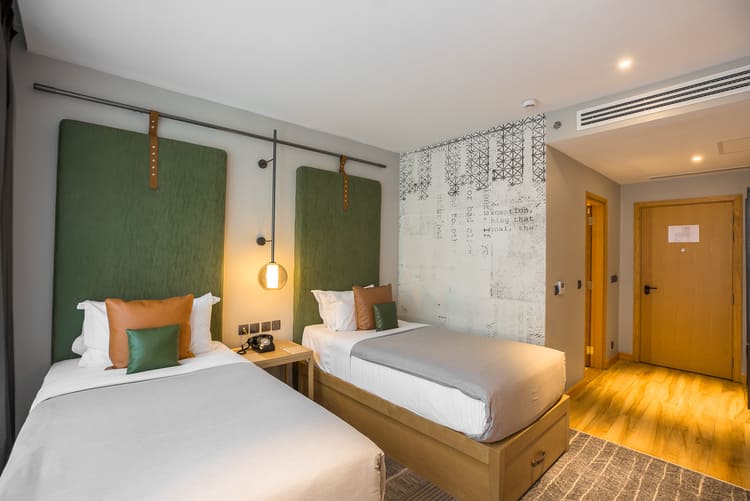
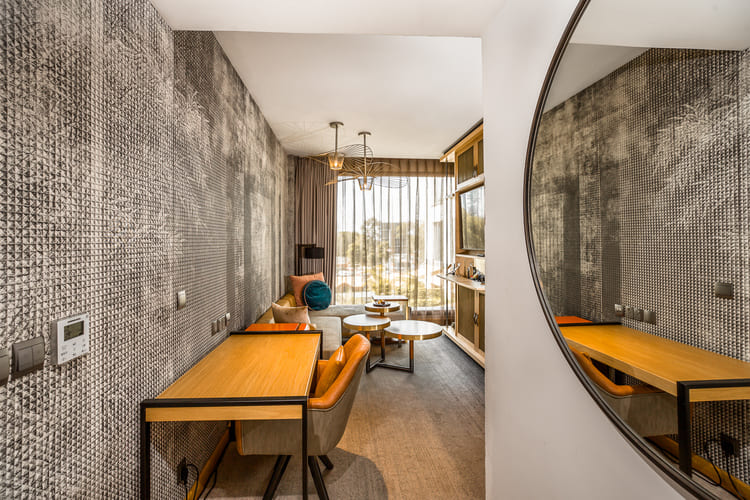
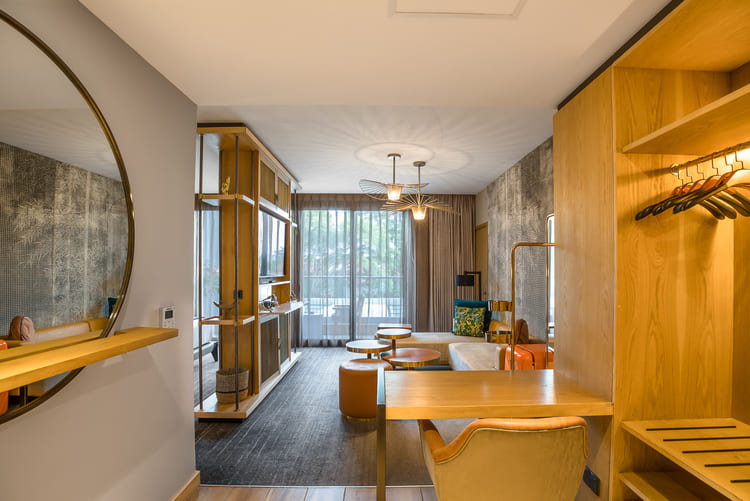
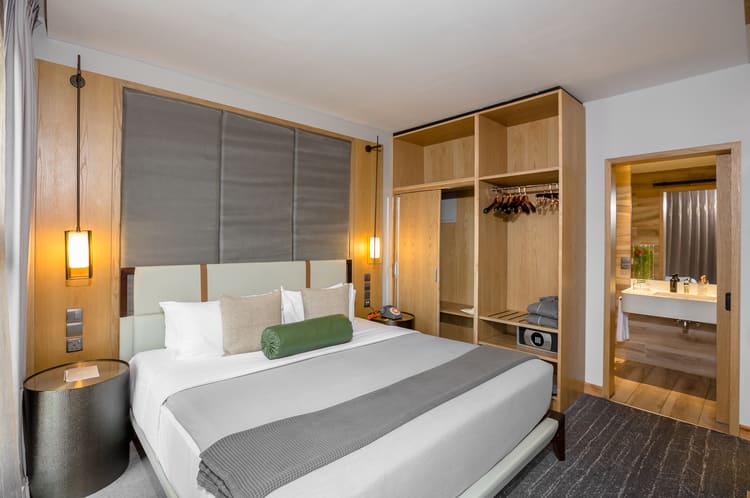
Located in the west of Nairobi, this boutique hotel is more than just a stay—it’s a social hub where friends, family, and creatives come together in a vibrant, fun, and inspiring environment. Though casual in feel, The Social House creates a warm, home-like atmosphere, making every visit feel effortlessly welcoming.

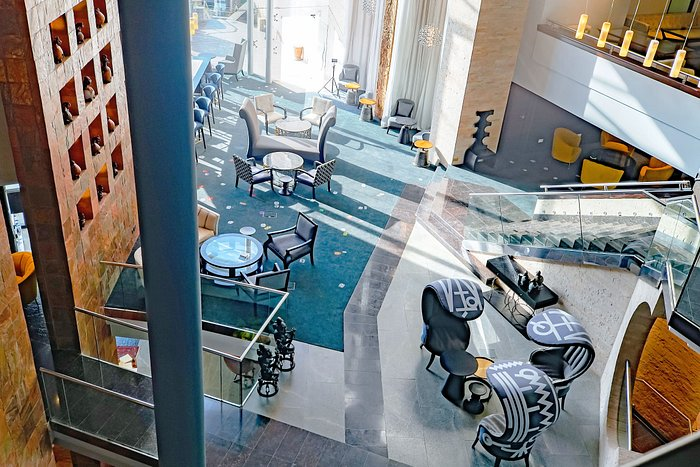
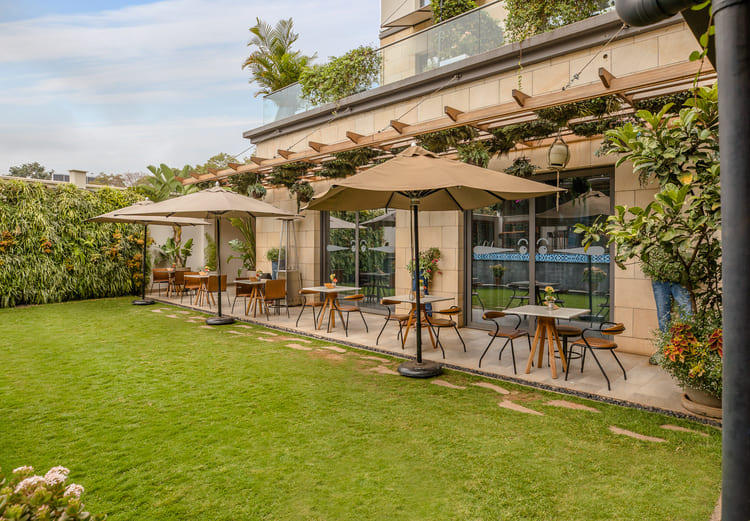
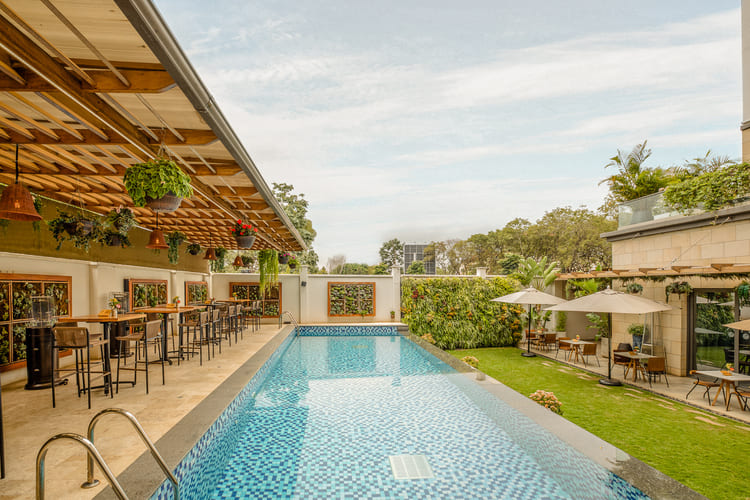
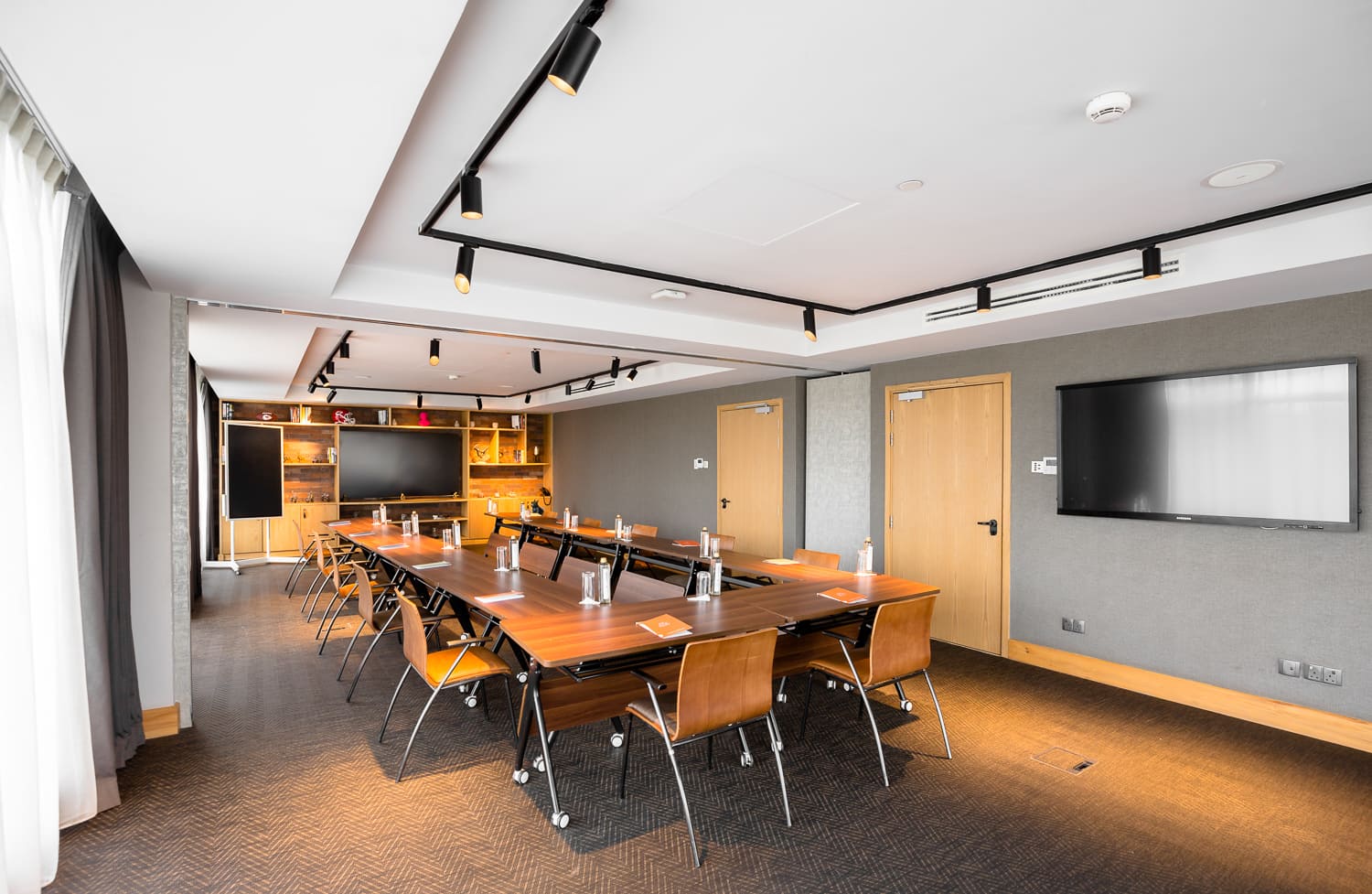
With 83 stylish rooms, 7 dynamic event spaces, 4 diverse restaurants, an outdoor pool, a gym, and a buzzing back garden, there’s always something happening here. It has quickly become a go-to spot for entrepreneurs, artists, and creatives looking for a fresh and lively space to connect.

Designed to be Simple (easy to navigate), Stylish (natural tones with bold pops of color), and Sensible (practical and guest-friendly), The Social House Nairobi is redefining hospitality—one unordinary experience at a time.

Versatile Spaces for Every Occasion

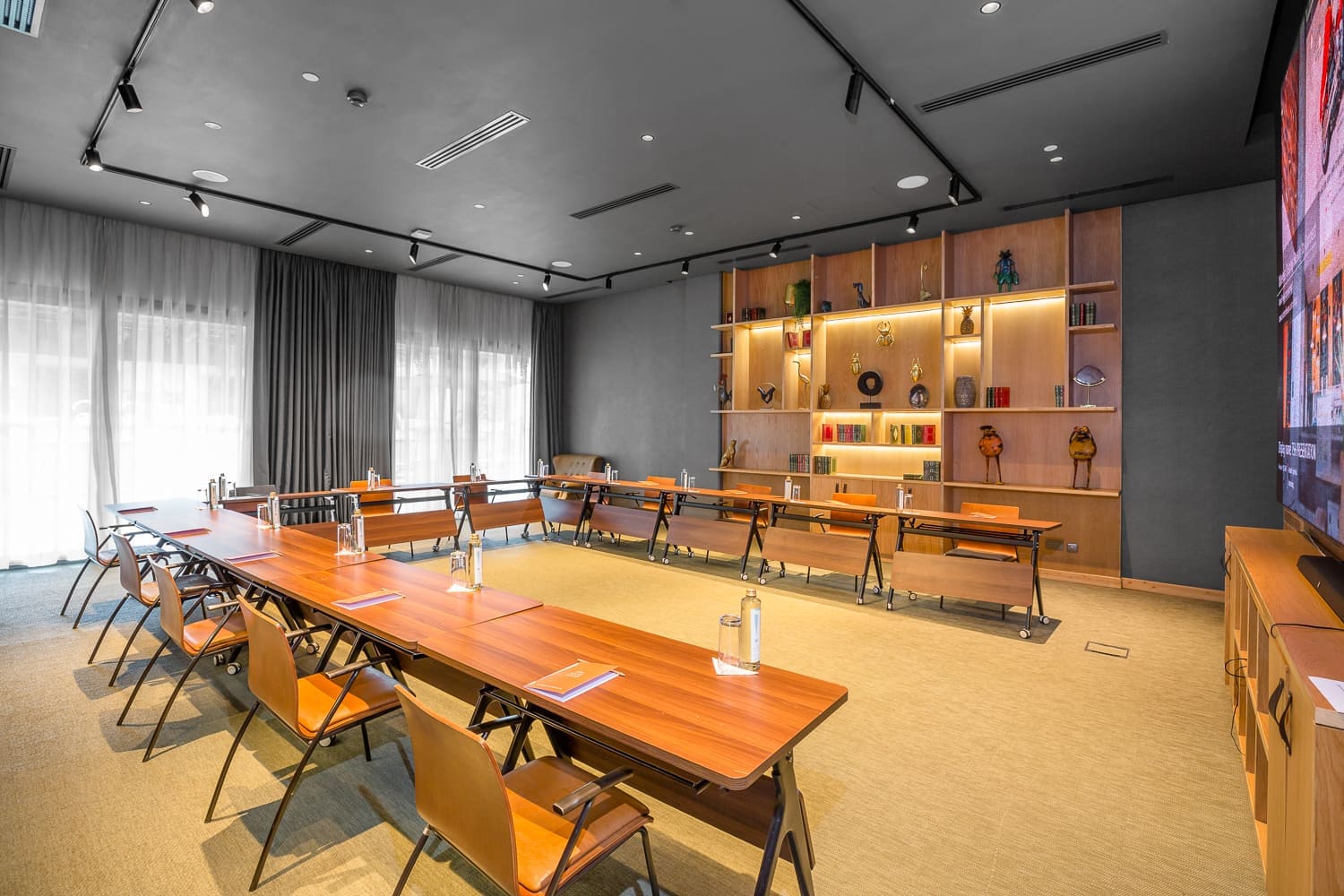
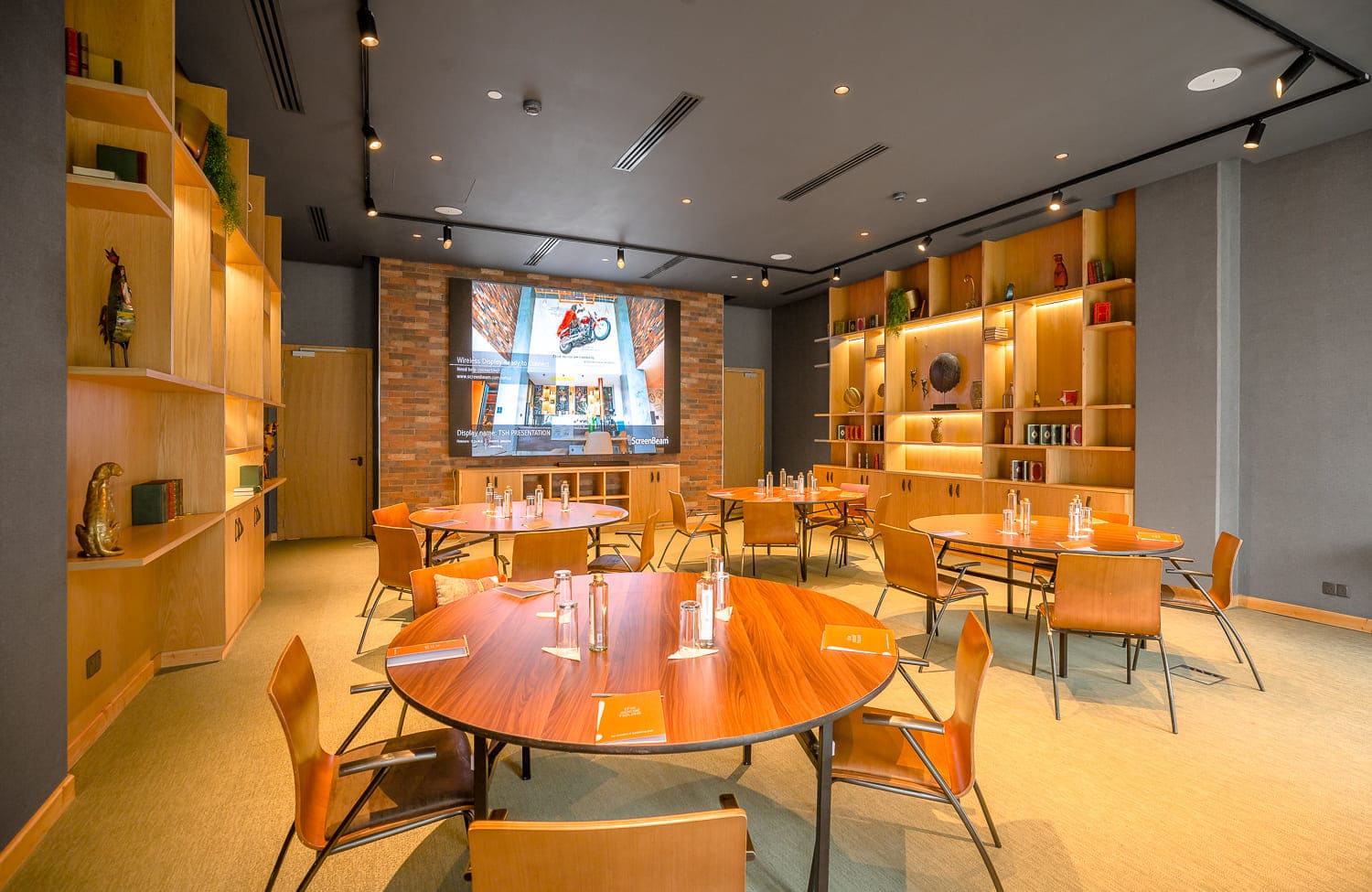
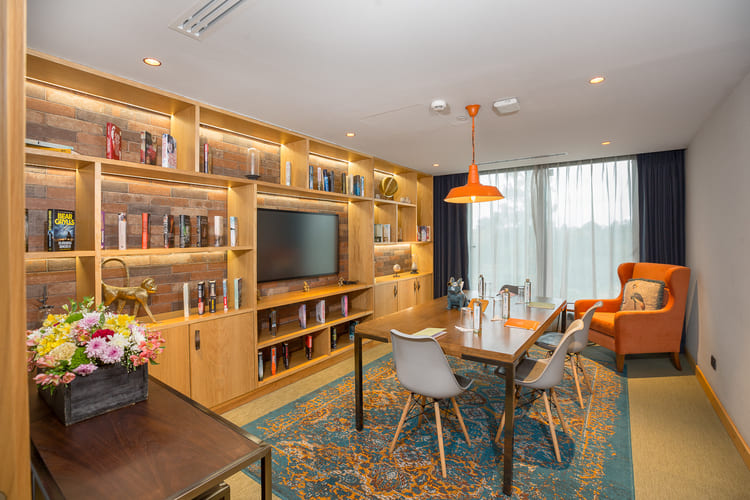
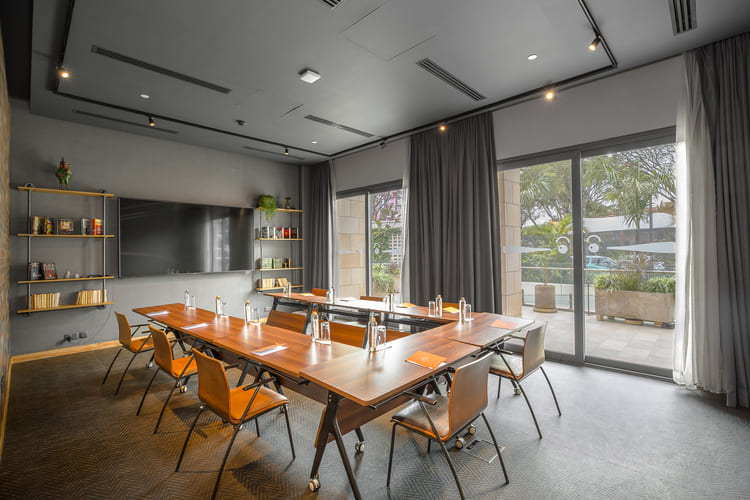
The Social House Nairobi offers a variety of event spaces, perfect for lounging, working, or hosting gatherings. With a dynamic calendar of weekly events, there’s always something happening.

  • The Shed (Ground Floor) – A relaxed indoor-outdoor space overlooking the garden, complete with a large TV and four Bose speakers, ideal for casual meetups or entertainment.
  • The Library (Ground Floor) – A blend of indoor and outdoor seating, featuring dedicated workspaces, making it the perfect spot for productivity while on holiday.
  • The Snug, The Garage, The Studio, and The Workshop (Fifth Floor) – Intimate and well-equipped spaces designed for independent work, brainstorming sessions, or private meetings.

Whether you’re here to unwind, collaborate, or create, The Social House has a space tailored for every need.

Restaurants 

The Social House has four restaurants, each offering a variety of options. 
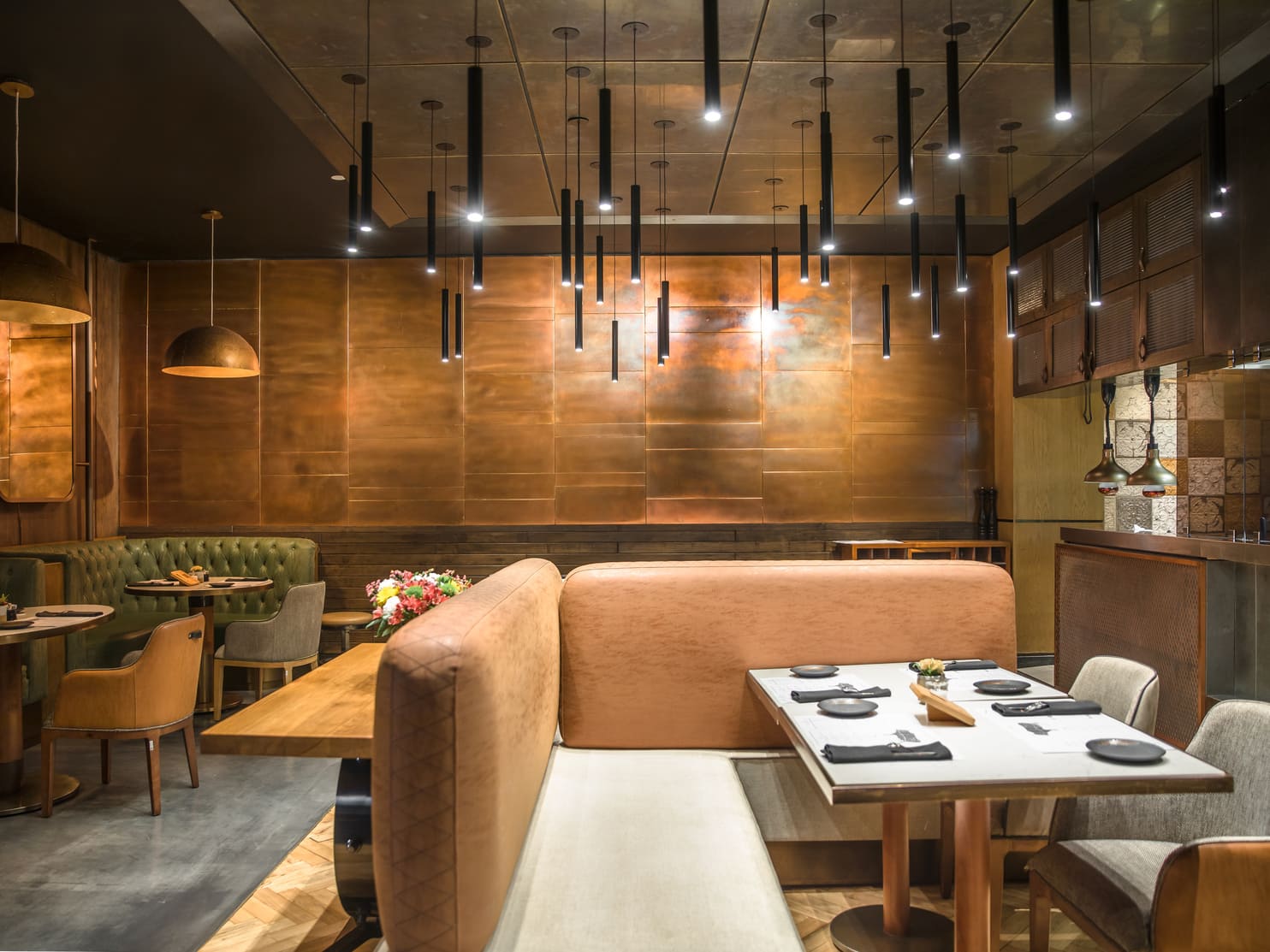
Copper – Where Fire Meets Flavor

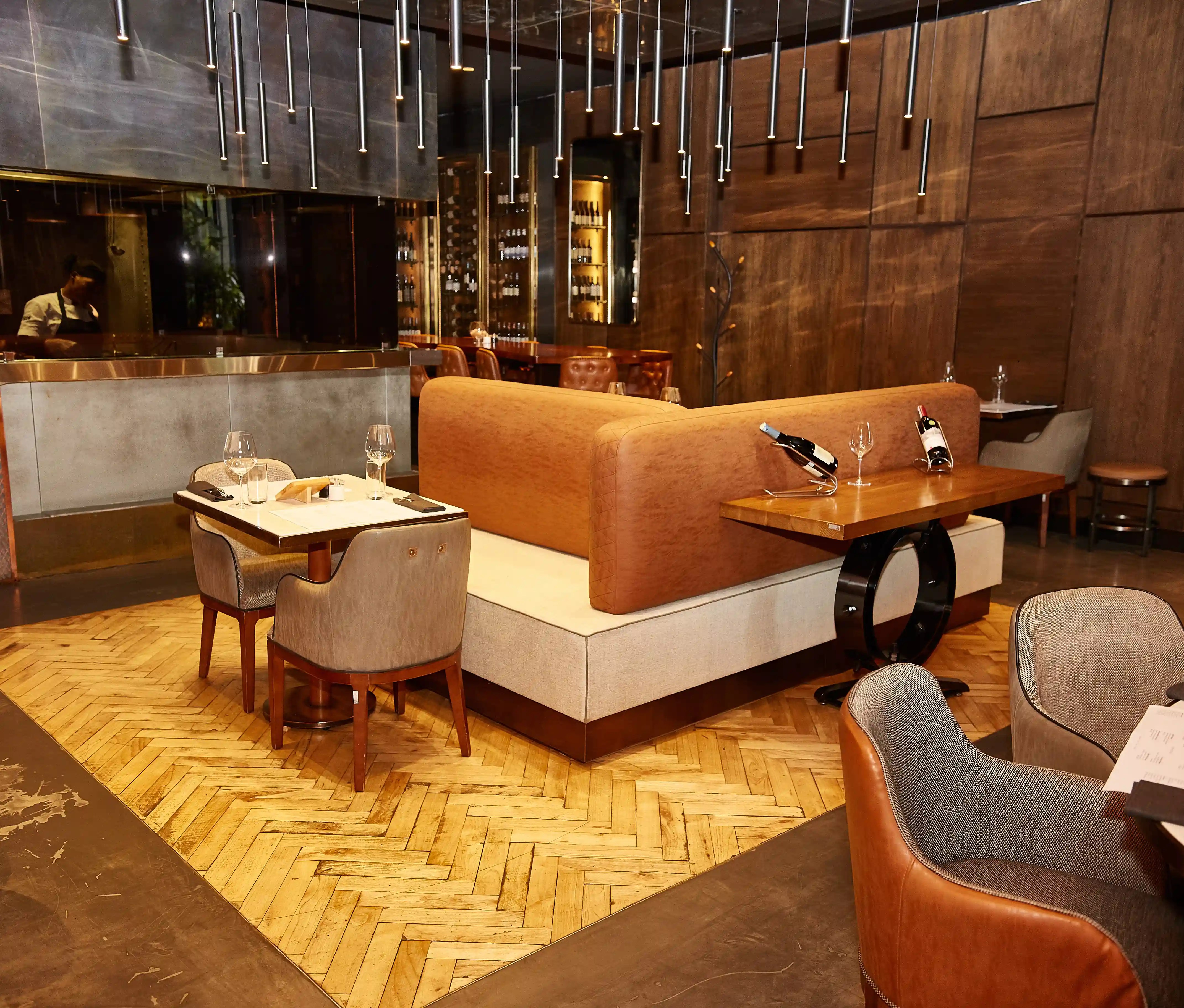
As one of The Social House’s four distinct restaurants, Copper is best known for its open-fire grill, serving up expertly crafted meat and fish dishes, alongside a generous selection of vegetarian options.
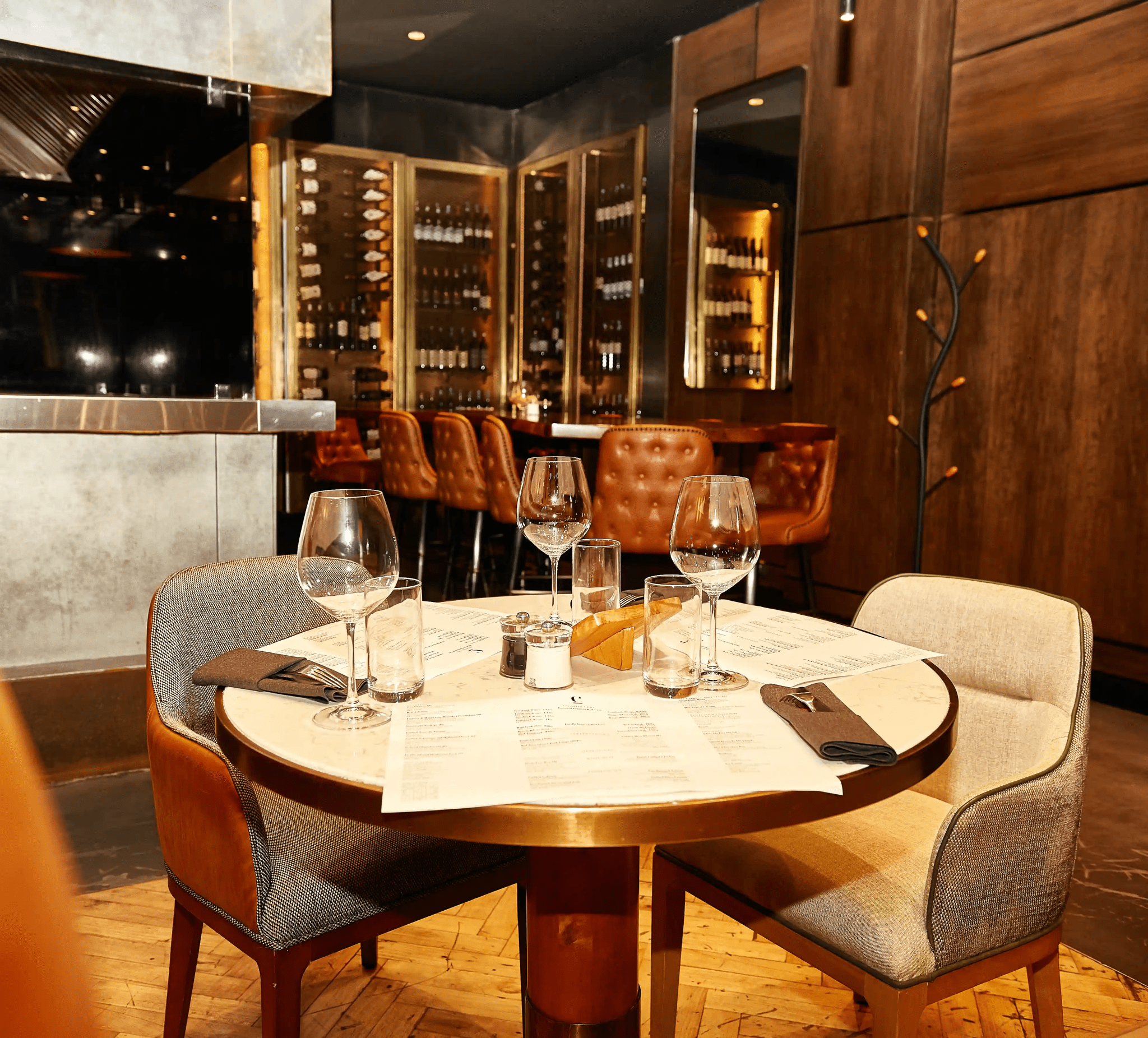
Highlights from the starter menu include beef carpaccio, grilled prawn avocado and beef empanadas. Of the main dishes, highlights include the red wine-infused BBQ pork chops, tomahawk wagyu, and Thai green vegetable curry. Copper also offers a series of signature cocktails. Guests may want to try the Dukuu; A bold blend of naked whisky, pineapple juice, passion fruit, lime juice and grenadine or the Mar-tea-ni; A unique mix of tea gin, Walker Black, martini rosso, ginger syrup, and lime juice.

With its warm ambiance and rich flavors, Copper is the perfect spot for those who appreciate fine dining with a fiery touch.

The Other Room – Classic Dishes with a Twist

For those craving comfort food with a creative touch, The Other Room is the perfect spot. This poolside, farm-to-table restaurant serves up fresh, flavorful dishes around the clock.

Highlights of the Other Room’s menu include a chicken caesar salad, avocado toast, tangy asian pork ribs, as well as a variety of brunch and breakfast options. Enjoy both a buffet and an à la carte menu, available 24/7 for whenever hunger strikes.

Whether you’re looking for a leisurely brunch, a late-night bite, or a poolside feast, The Other Room promises fresh flavors and a laid-back vibe.

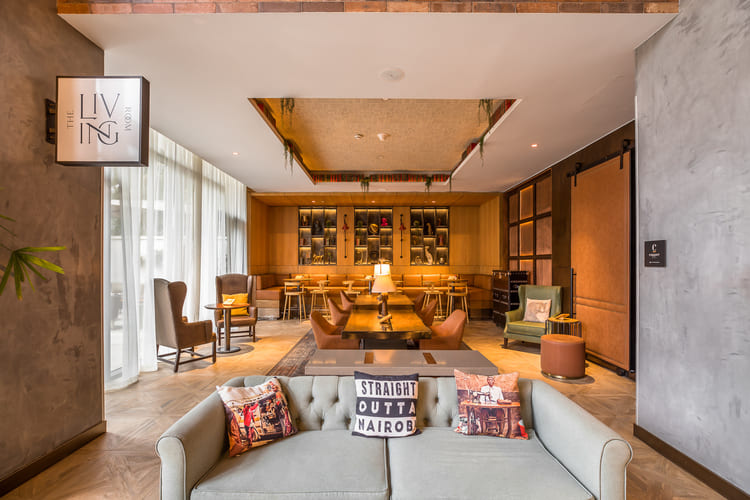
The Living Room – The Heart of The House
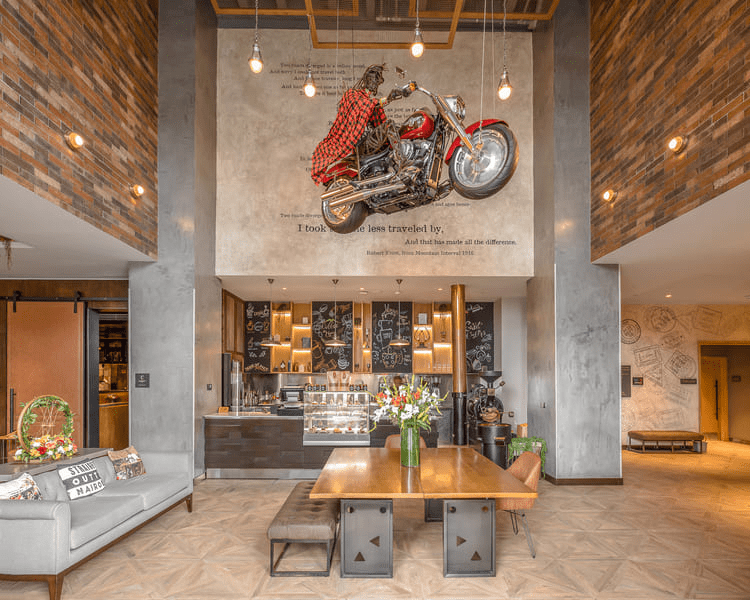
A cosy café-bar and coffee roastery, The Living Room is The Social House’s inviting hangout spot, designed for guests to feel right at home.

The Living Room which is open 24/7 serves pure Kenyan coffee freshly roasted in-house and offers a warm, relaxed ambiance for work, socializing, or unwinding.

Whether you’re in for a morning caffeine fix, an afternoon meeting, or a late-night wind-down, The Living Room is where comfort and quality meet.

Inca – A Taste of Peru on the Rooftop

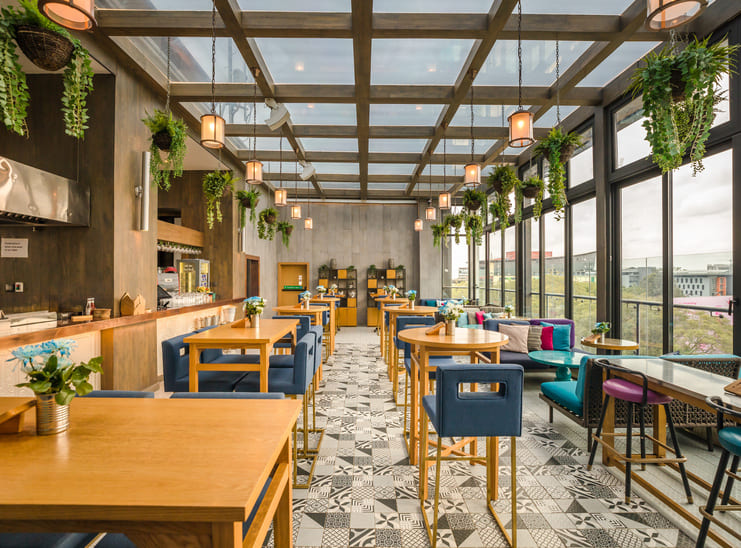
Perched atop The Social House, Inca is a vibrant rooftop restaurant offering a bold and colorful ambiance with shades of blue, pink, orange, and purple.

Designed for sharing, Inca’s Authentic Peruvian menu brings rich flavors and fresh ingredients to the table.

Menu Highlights here include: Tuna Incataki (Lightly seared tuna with citrus soy sauce, sesame seeds, and oyster sauce) and Langostino Popcorn (Crispy arrebosado prawn paired with house chili mayo).

With breathtaking rooftop views and an electric atmosphere, Inca delivers an unforgettable dining experience, perfect for those looking to explore unique, shareable flavors.

From its vibrant ambiance to its thoughtfully curated experiences, The Social House Nairobi is more than just a place to stay—it’s a space to connect, unwind, and indulge; every moment here feels like home with a twist of adventure.

If you’re looking for a destination that blends comfort, culture, and community, The Social House is where you belong. Until next time, stay social!

7 Top Hotels to Stay in While in Nairobi

Nairobi, Kenya’s vibrant capital, offers a wide range of accommodations catering to every traveler, from luxury seekers to business professionals. Here are some of the top hotels to consider during your stay:

1. Giraffe Manor

Highlight: Get up close and personal with giraffes.

Image Credit : maymelanie

Why Stay: Giraffe Manor is an iconic boutique hotel where guests can share breakfast with giraffes poking their heads into the dining area. It’s a one-of-a-kind experience blending luxury with wildlife encounters.

Location: Langata, Nairobi.

2. Villa Rosa Kempinski

Highlight: 5-star luxury with European flair.

Why Stay: Known for its elegant rooms, impeccable service, and world-class spa, this hotel is perfect for business and leisure travelers alike. The fine dining options are a must-try.

Location: Chiromo Road, Nairobi.

3. Hemingways Nairobi

Highlight: Sophisticated boutique experience.

Why Stay: With spacious suites, personalized service, and stunning views of the Ngong Hills, Hemingways offers a serene escape with a touch of colonial charm.

Location: Karen, Nairobi.

4. Fairmont The Norfolk

Highlight: A historic hotel with modern amenities.

Why Stay: Opened in 1904, The Norfolk is a landmark of Nairobi. Guests enjoy luxurious rooms, a lush courtyard, and a central location close to the city’s attractions.

Location: Harry Thuku Road, Nairobi.

5. Tribe Hotel

Highlight: Stylish design and vibrant atmosphere.

Why Stay: Tribe combines contemporary architecture with African art. It’s adjacent to The Village Market, a premier shopping and entertainment destination. Perfect for young and trendy travelers.

Location: Gigiri, Nairobi.

6. Sankara Nairobi, Autograph Collection

Highlight: Rooftop pool and bar.

Why Stay: Sankara is a luxury hotel with a cosmopolitan vibe. The rooftop bar and pool are great for unwinding while enjoying city views. The hotel also boasts excellent dining options.

Location: Westlands, Nairobi.

7. Nairobi Serena Hotel

Highlight: Tranquil gardens, luxury amenities, and prime location.

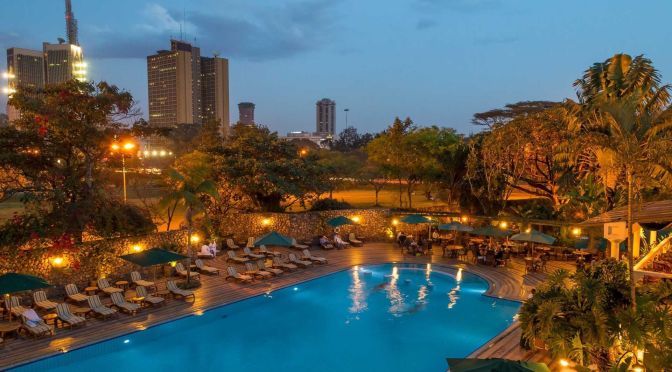
Why Stay: Nairobi Serena Hotel offers a seamless blend of five-star luxury and authentic African hospitality, the hotel provides top-notch amenities, including elegant rooms, fine dining options, and a serene outdoor pool. Its an ideal choice for both business and leisure travelers seeking a refined and relaxing stay in the heart of Nairobi.

Location: Kenyatta Avenue, Nairobi

Top Places in Kenya to Add to Your New Year Travel Bucket List

Kenya is a land of unparalleled natural beauty, diverse wildlife, and vibrant cultures. Whether you’re an adventure seeker, a beach lover, or a history enthusiast, this East African gem has something for everyone. Here’s an in-depth review of the must-visit destinations to inspire your 2025 travel plans:

1. Maasai Mara National Reserve

Known for: The Great Migration, Big Five wildlife, and Maasai culture.

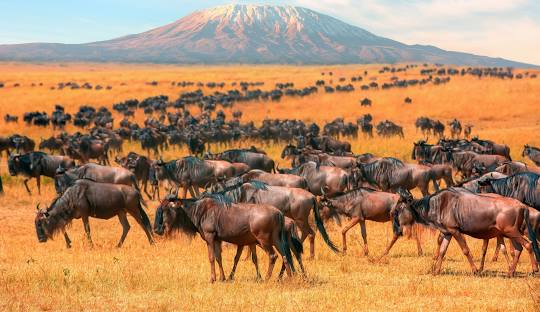
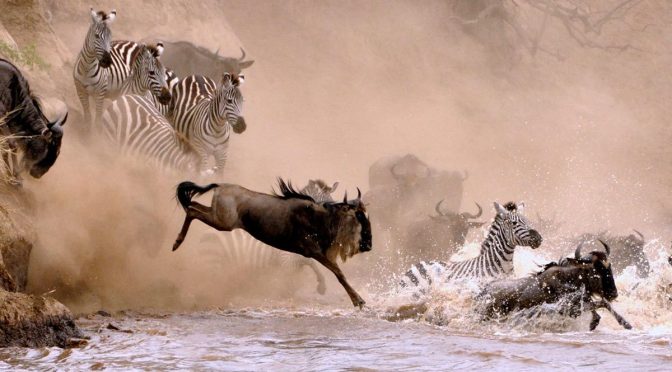
The Maasai Mara is arguably Kenya’s most famous safari destination. Each year, millions of wildebeests, zebras, and gazelles traverse its plains during the Great Migration—a natural spectacle unlike any other. Visitors can also spot the Big Five (lion, leopard, rhinoceros, elephant, and Cape buffalo) while enjoying luxurious safari lodges or authentic tented camps. Engage with the Maasai people to learn about their rich traditions and way of life.

2. Diani Beach

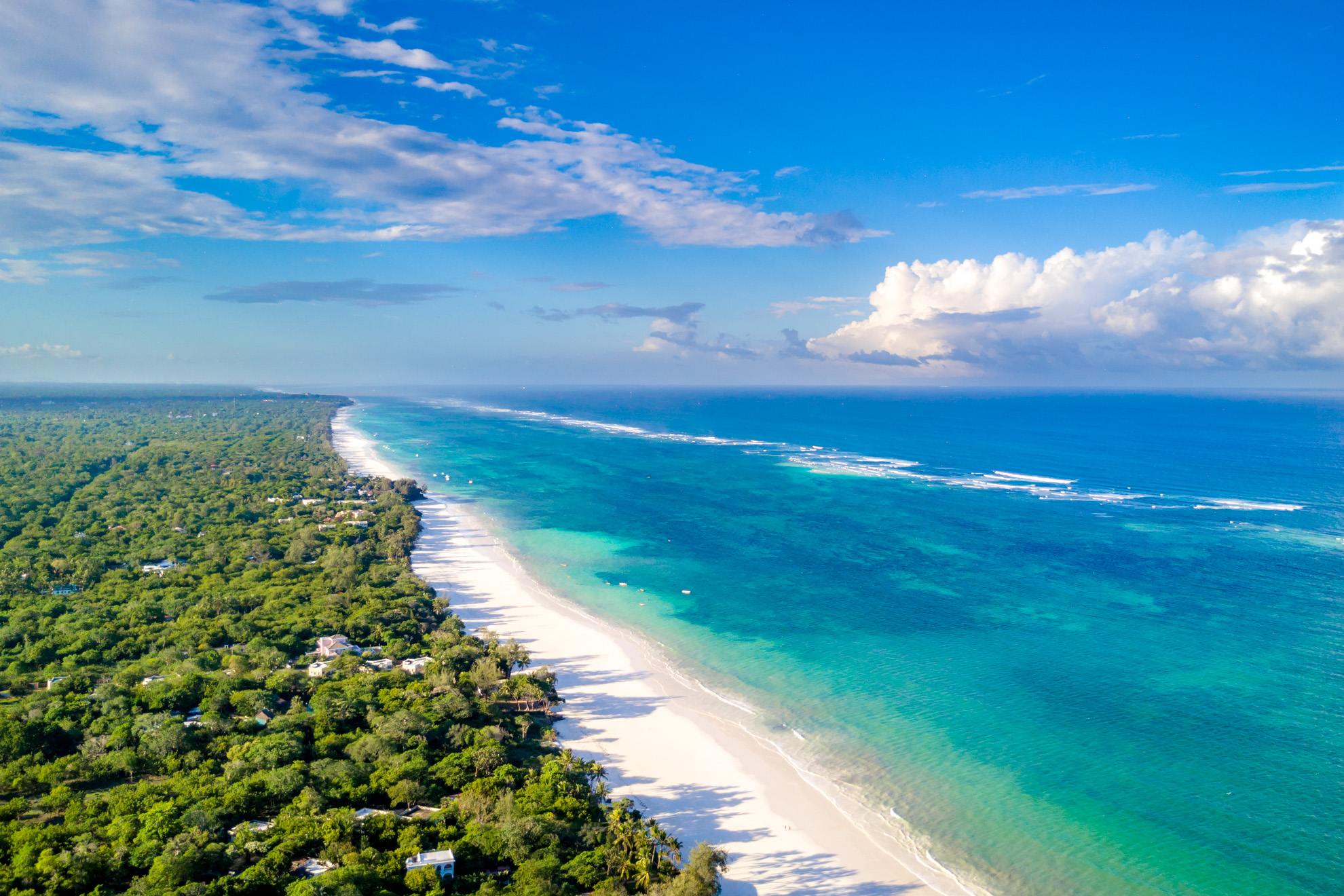
Known for: Pristine white sands, turquoise waters, and water sports.

Located along Kenya’s southern coast, Diani Beach is a slice of tropical paradise. It’s the perfect destination for relaxation, with its palm-fringed beaches and luxurious resorts. Adventure seekers can enjoy kite surfing, snorkeling, and scuba diving, while nature lovers can explore the nearby Shimba Hills National Reserve or take a dhow trip to Wasini Island for dolphin watching.

3. Mount Kenya

Known for: Alpine scenery, trekking, and wildlife.

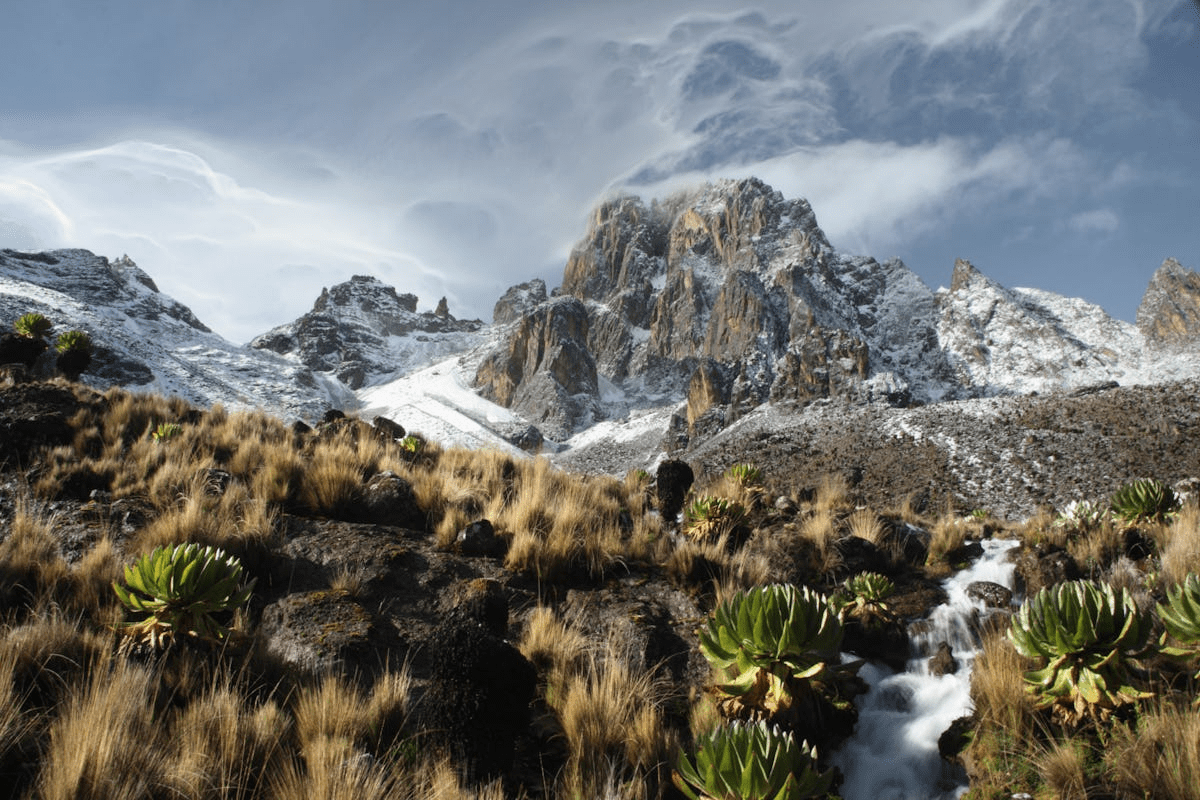
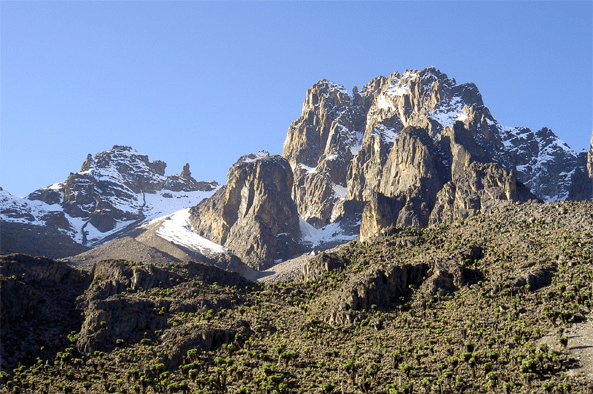
Mount Kenya, Africa’s second-highest peak, offers a mix of challenging climbs and scenic treks. The mountain’s slopes are home to diverse ecosystems, including bamboo forests and glaciers. Trekking routes like Sirimon and Chogoria provide breathtaking views of valleys, lakes, and peaks. Wildlife enthusiasts might spot unique species like colobus monkeys and Mount Kenya’s rock hyrax.

4. Lake Nakuru National Park

Known for: Flamingos, rhinos, and picturesque landscapes.

A jewel in the Rift Valley, Lake Nakuru is renowned for its flocks of flamingos that create a pink shoreline. Although their numbers vary with water levels, the park remains a haven for wildlife, including black and white rhinos, lions, leopards, and over 450 bird species. The park’s surrounding escarpments and waterfalls add to its stunning beauty.

5. Lamu Island

Known for: Swahili architecture, dhow sailing, and a laid-back vibe.

A UNESCO World Heritage Site, Lamu Island offers a serene escape steeped in history. Wander through narrow alleys, explore ancient Swahili architecture, and visit historical sites like Lamu Fort and Shela Village. Take a dhow (traditional sailing boat) ride to explore the archipelago’s surrounding islands. With no cars on the island, life moves at a slower, more tranquil pace.

6. Samburu National Reserve

Known for: Unique wildlife and arid landscapes.

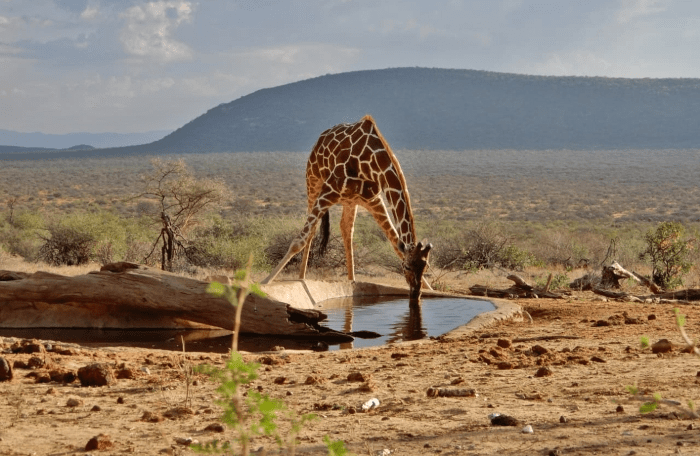
In northern Kenya, Samburu offers a less crowded but equally rewarding safari experience. The reserve is home to species rarely seen elsewhere, such as Grevy’s zebras, Somali ostriches, and gerenuks (long-necked antelopes). The Ewaso Ng’iro River provides a lifeline for the region’s wildlife, and cultural visits to nearby Samburu villages add a rich dimension to your trip.

7. Hell’s Gate National Park

Known for: Geothermal features, rock climbing, and biking safaris.

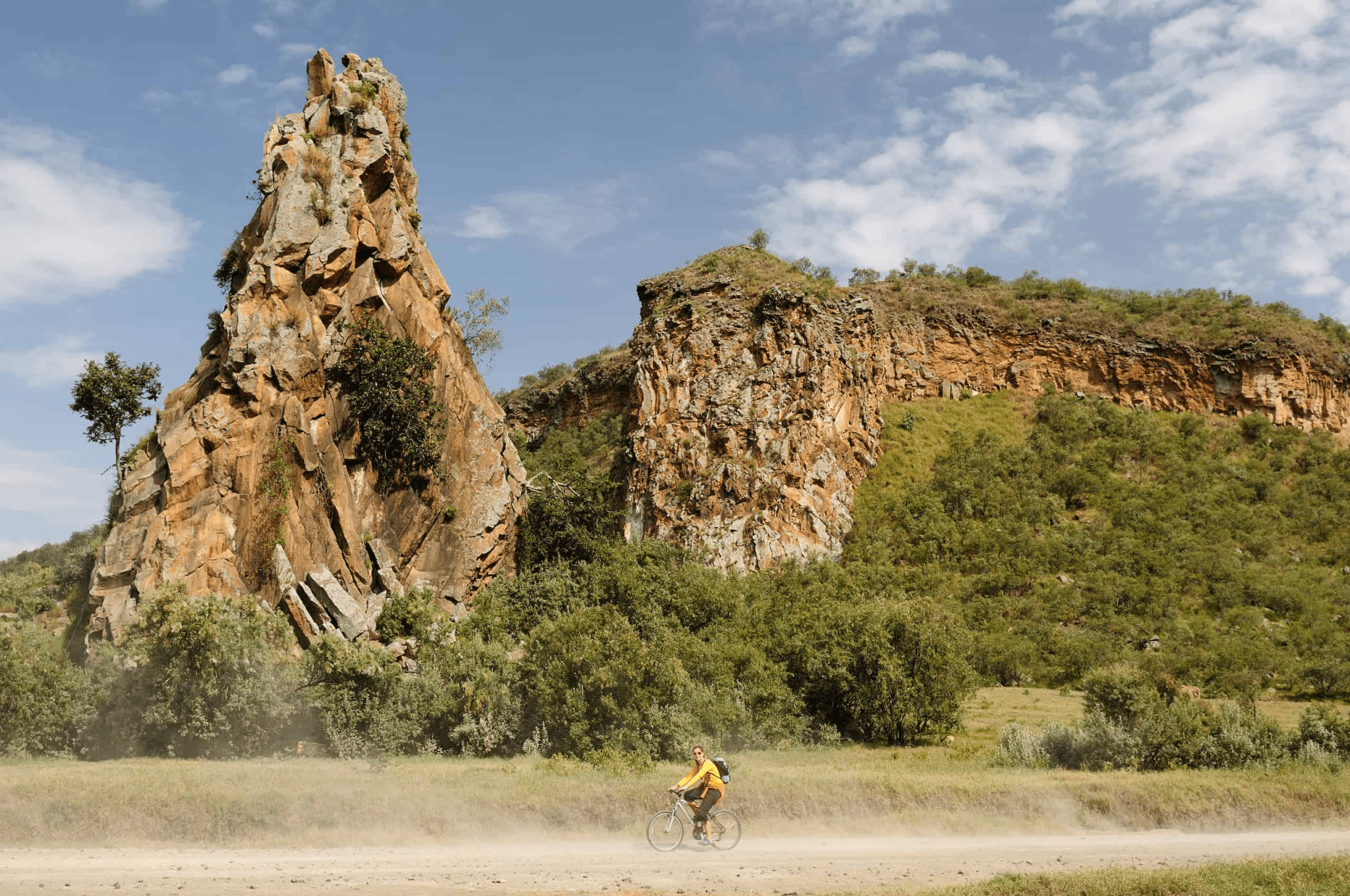
Hell’s Gate is a unique park where visitors can walk, bike, or climb alongside wildlife like zebras and giraffes. Its dramatic cliffs, gorges, and geothermal activity inspired the landscapes in Disney’s The Lion King. Explore the Olkaria Geothermal Spa for a relaxing soak after an active day.

8. Tsavo National Parks (East & West)

Known for: Vast wilderness and diverse ecosystems.

Together, Tsavo East and Tsavo West form Kenya’s largest national park. Tsavo East is known for its open plains and red-dusted elephants, while Tsavo West offers rugged landscapes with volcanic cones and the Mzima Springs, where you can watch hippos and fish through underwater viewing chambers.

9. Nairobi National Park

Known for: Proximity to the city and iconic wildlife.

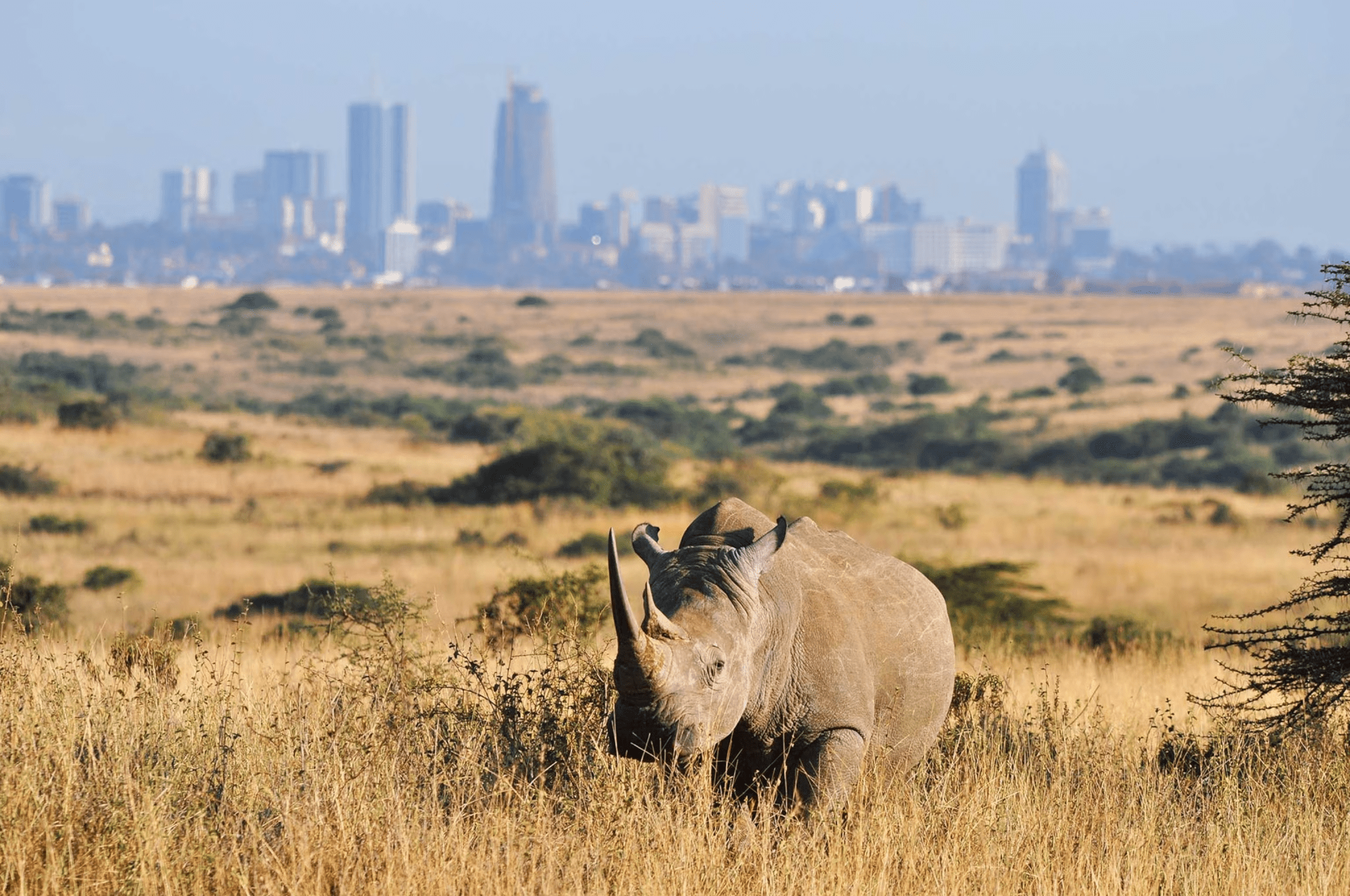
Just a short drive from the bustling capital, Nairobi National Park provides a unique safari experience with a city skyline backdrop. It’s home to lions, giraffes, rhinos, and over 400 bird species. The David Sheldrick Wildlife Trust, located nearby, offers opportunities to learn about elephant conservation efforts.

10. The Aberdares

Known for: Misty forests, waterfalls, and unique accommodations.

The Aberdare Range is a lush, mountainous region with scenic waterfalls, bamboo forests, and cool highland air. Visitors can enjoy game drives to spot animals like elephants, leopards, and antelopes or stay at iconic lodges like The Ark or Treetops, which overlook active wildlife-watering holes.


Plan Your Adventure Kenya’s diverse landscapes and rich culture offer endless possibilities for exploration. Whether you’re chasing wildlife, relaxing by the beach, or immersing yourself in history, there’s a destination for everyone on this list. Start planning your New Year travels today, and make unforgettable memories in Kenya! Pack your bags and make 2025 a year of adventure and discovery!

Kenya’s Top Attraction Sites

Kenya is a diverse and beautiful country where nature and luxury collide. Its varied cultures, intriguing wildlife, stunning scenery and remarkable beaches make it a haven for travelers from across the globe. Visitors quickly discover that the colorful inhabitants ideally complement the top tourist attractions in Kenya, which creates memorable experience. The country has so much to offer to everyone.

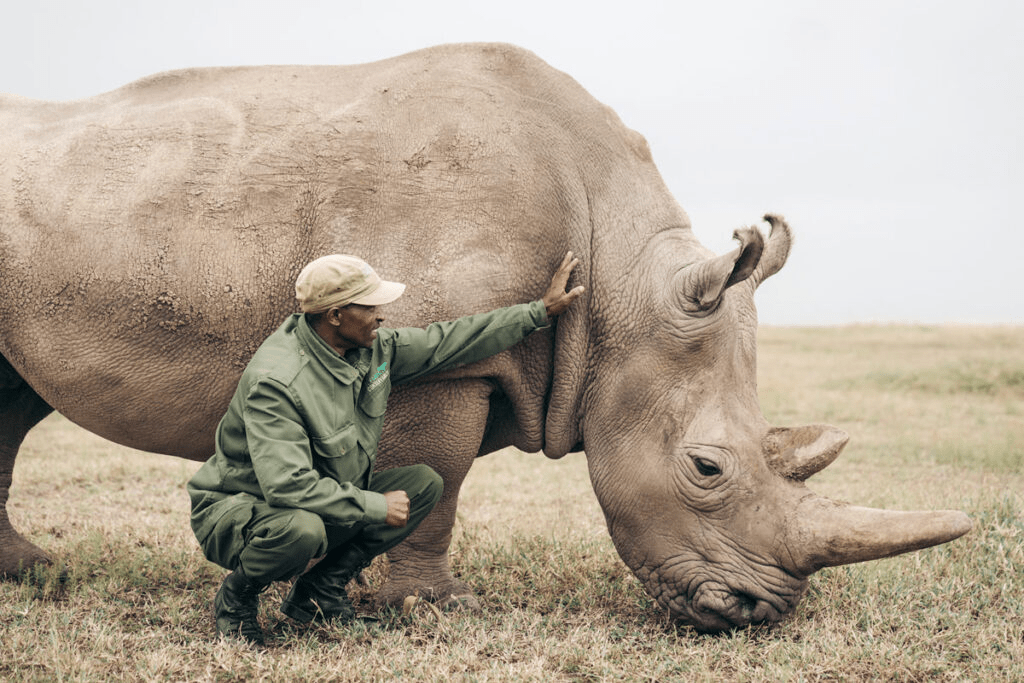
The most famous attraction site is the Nairobi National Park which is approximately 7km from Nairobi Business Center, and it is the sole National Park in the world that is close to the city. The park, whose ecosystem is mainly savannah grassland, is one of Kenya’s most successful rhino sanctuaries with black rhino being the dominant. Other variety of wildlife that can be seen are Lions, buffaloes, cheetahs, leopards, hyena, giraffe, monkeys, and over 400 species of birds among others.

The park has a safari walk, the ivory burning site monument and animal orphanage that is absolutely remarkable.

The Masai Mara National Reserve is a must see attraction in the country. It is one of Kenya’s popular game parks known for its Eighth Wonder of the world, The Wildebeest and Zebra migration. It usually offers a spectacular moment when of wildebeests and Zebras cross the crocodile invested Mara River. The annual pilgrimage that takes place between July and October gets to see close to 1.5 million wildebeest cover approximately 3000km as they move to Tanzania to look for greener pastures. It’s usually a dramatic, magnificent moment, coupled with danger, exhaustion and sheer hard work for the animals, as they take a leap of faith to cross safely. The eighth wonder of the world has out shined many other tourist attraction sites.

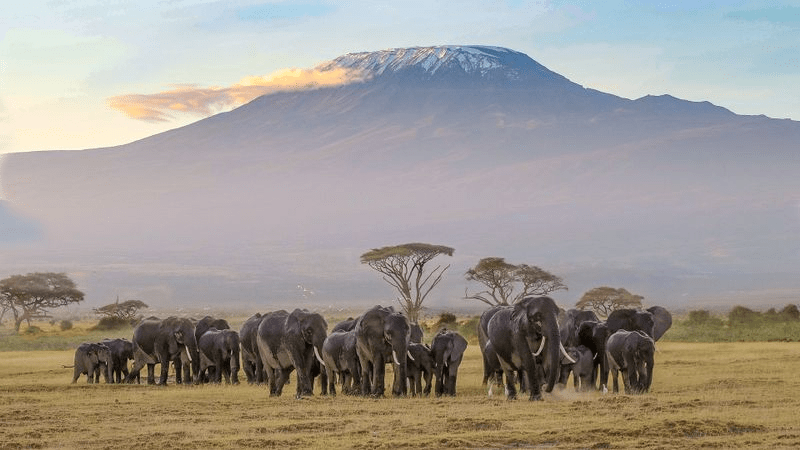
In Kajiado County, lying on Kenya-Tanzania border is the Amboseli National Park. It is one of the oldest parks in the Kenya with a tourist attraction of approximately 200,000 per year. The park is well known in Africa that one can come close to free-ranging Elephants. The Park is a habitat to wild animals, which include the African elephant, buffalo, impala, lion, cheetah, hyena, giraffe, zebra, and wildebeest among other African animals. There is also a host of Kenyan birds, both large and small, to see if you keep your eyes open and stop at every sighting. The inhabitants of the area are mostly the culture rich Maasai people who are usually welcoming. Anyone visiting the park can have an opportunity to camp, watch the birds and take photos.  

Near the Amboseli National Park there is a splendid view of Mount Kilimanjaro in Tanzania. It is the tallest free standing mountain rise in the world rising 5,895 meters from the foot.

Mount Kenya, standing on 5,199 meters, is one of Kenya’s recognizable natural icons with its distinctive feature of snow all year round. And being the highest mountain in Kenya and second highest in Africa after Mount Kilimanjaro, it’s popular to local and international tourists. It has beautiful peaks crowned with snow and its slopes covered with forest. The mountain has twin summits, namely Batian and Nelion which can only be reached by climbing. The highest peak is Point Lenana which offers a good destination for those who love trekking.

In Laikipia County, there is the Ol Pejeta Conservancy. It is truly a nature lover’s paradise. It is Kenya’s largest black rhino sanctuary in East Africa. For lovers of birds, horse riding, trout fishing and watching the Big Five then the conservancy is the place for you. Here one can enjoy bush meals and night game drives. And it’s the only places in Kenya that is home to chimpanzees.

Lake Nakuru National park found in Nakuru County supports a broad environmental variety with flamingoes and other birds being a big tourist attraction of the area. There is an abundance of flora and fauna with about 56 different species of mammals and over 450 species of birds.

The coast of Kenya boasts of Malindi Marine National Park, one of the most popular surfing spots in the country. It is endowed with beautiful beaches and tourists are treated to a number of activities like deep sea fishing and snorkeling.

Another eye-catching park is the Tsavo National Park which is the largest national park in Kenya and also one of the largest worldwide. It is found between lower eastern and coastal region of Kenya. The main attraction in the park is the Mzima springs and large mammals as elephants, hippos, buffalos, zebras and gazelles. It is an ideal place for those who love private quiet day out.

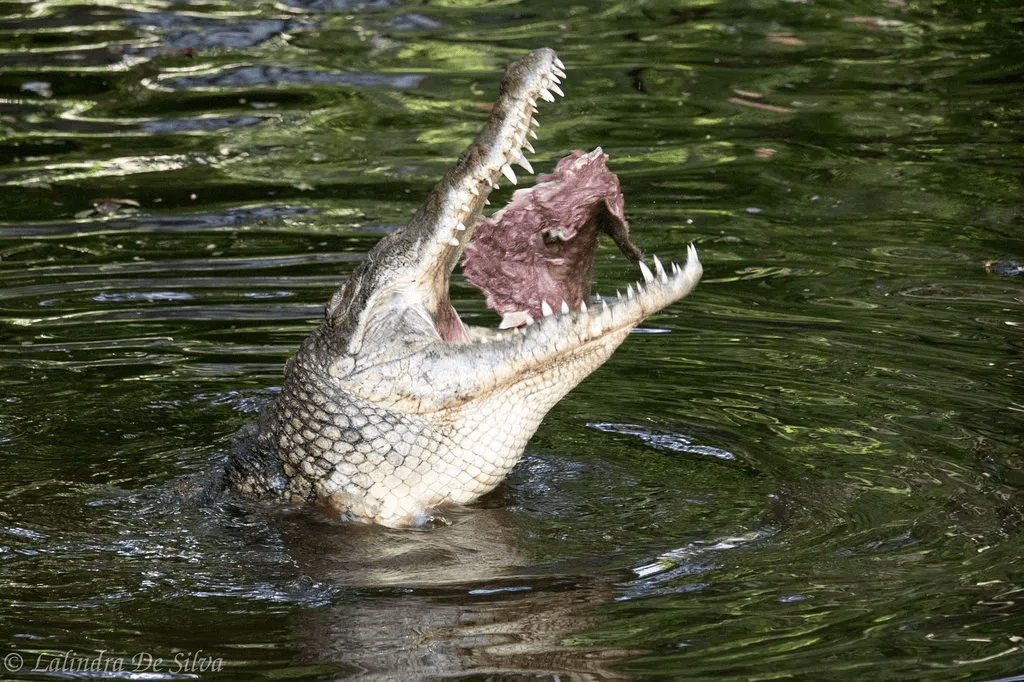
Still in the coast, there is the Mamba Village, East Africa’s largest crocodile farm housing crocodiles and snakes. It offers both world class cuisine and Kenyan traditional dishes and can be such a thrilling place for those who love to shaky-leggy and enjoy other series of entertainment.

When heading to Northern Kenya, Samburu National Reserve is the place tourists can find a pleasant serene atmosphere. The park attracts wild animals because of the formidable flow of River Ewaso Nyiro. Here you can feed your eyes to lions, cheetahs, and leopards. The river is also home to hippos and crocodiles.

Eat like a local: 10 street foods to enjoy in Nairobi

Imagine travelling miles into the vibe that is Kenya and going back to your home country without having sampled any of our go-to street food; bummer, right?

If there’s anything that you can write home about, it is definitely our street food culture. A host to varied tastes, the Kenyan street food culture tells a story. A story of our towns, their occupants’ history and diverse cultures represented therein. The tasty bites you will sample are also adapted to suit the trends and needs of the consumers. In Nairobi for instance, residents are always in search of affordable alternatives in order to survive the demanding urban lifestyle. In this case, street grub is what is sustaining the masses in the city.

What bites should you look forward to munching on whilst in Nairobi? Glad you asked…

1. Mutura (Kenyan Sausage)

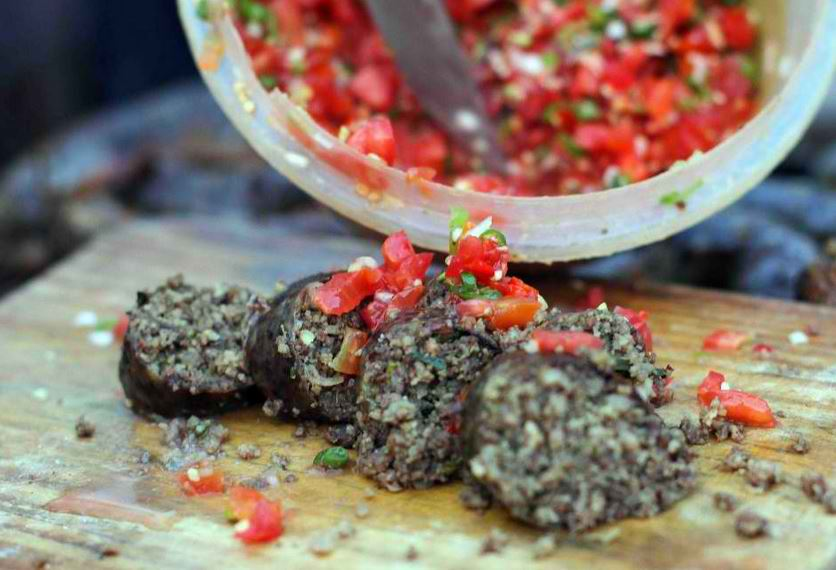
If we were to run a poll on what Nairobians would deem the go to street food in the city, our best bet would be Mutura. This popular “evening” snack enjoyed by the roadside after work hours over the grill (some may argue that it’s secret ingredient is darkness; The darkness and smoke from the grill serves for a wholesome experience) originates from the Kikuyu tribe.

Mutura vendor at his station serving customers

Mutura (Kenyan Sausage) is made from the large and small intestines of cows, goats or sheep. These intestines are thoroughly cleaned and then stuffed with blood, boiled assorted organ meats and some vegetables for more flavor. Some vendors may include ground beef. To spice up the Mutura goodness, sample it with a serving of “firi firi” kachumbari (a salad made up of diced tomatoes, onions, coriander, cayenne pepper (optional) and sprinkled lemon).

Estimated cost – As low as KES 20.00 or $0.20

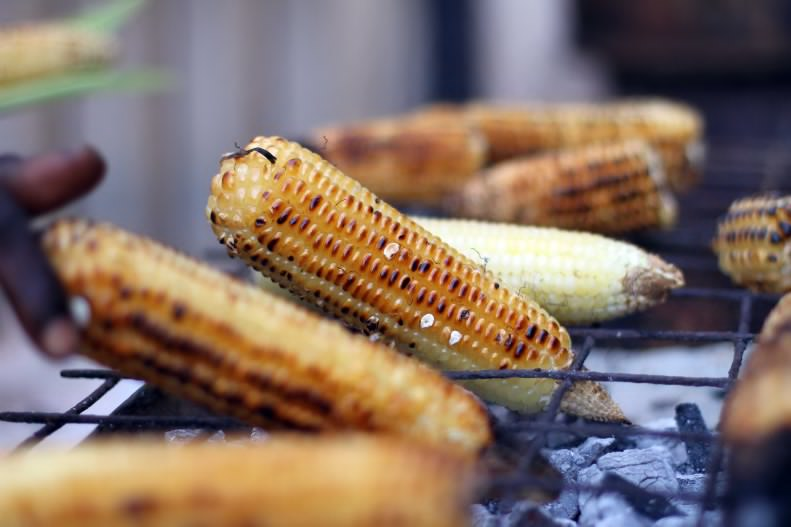
2. Mahindi Choma (Roasted maize)

Maize, or corn if you like, is very common in the streets of Nairobi. This is green maize that is roasted (popularly goes by mahindi choma) or boiled on the cob.

The boiled variety is best enjoyed with a sprinkle of salt while the grilled one is spiced up with lemon and ground pepper.

There is no particular joint for roasted maize vendors, you are likely to spot them by the roadside from the late afternoon hours in downtown Nairobi and within the estates.

Estimated cost – As low as KES 10.00 or $0.10 (you can either get the entire cob or have it cut down into pieces according to your budget)

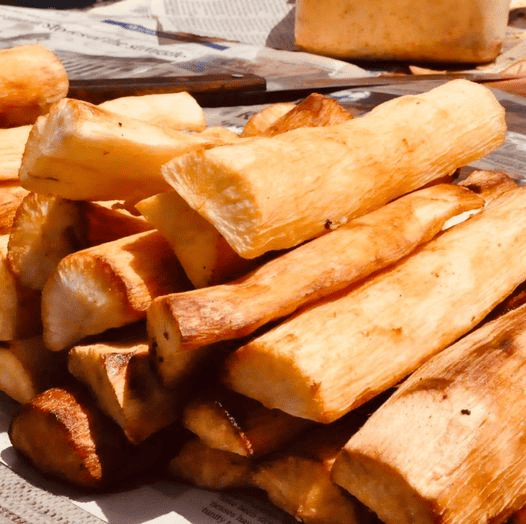
3. Muhogo (Boiled and Fried Cassava)

Muhogo (cassava) is a delightful snack you can enjoy either boiled or deep fried.

Both options can be portioned into two parts with some lemon and ground pepper slathered between the two pieces to spice it up.

Estimated cost – KES 20.00 or $0.20

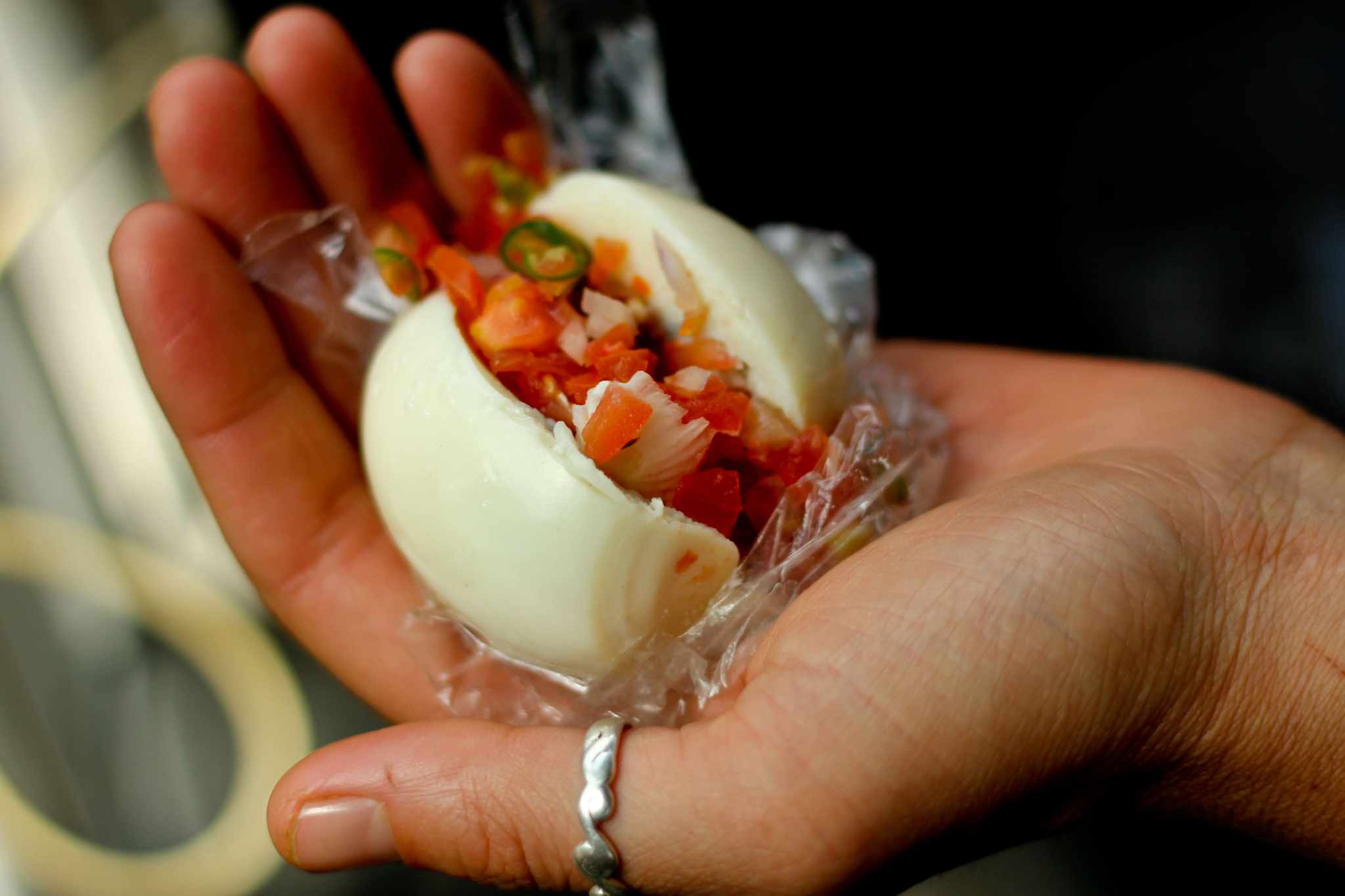
4. Mayai Pasua (Hard Boiled Eggs)

Within the city, you will notice a number of vendors in white lab coats pushing along a metallic trolley with eggs in display. These trolleys are made up of a coal stove underneath that ensures the snacks are kept at an enjoyable temperature.

The “street” boiled eggs go down well with a serving of kachumbari. The vendor will de-shell an egg, slice it in half and stuff it with the salad. Based on preference, you may also get a dash of tomato sauce on your snack.

Aside from trolley vendors, you may also spot some individuals walking along the streets with clear buckets selling eggs. Interesting fact about this snack; you could never replicate it at home no matter how you try, it simply never tastes the same.

Estimated cost – KES 25.00 or $0.25

5. Smokie Pasua (Smoked Sausages)

Smokies are precooked (ready-to-eat) smoked sausages made of pork, beef, chicken or a blend of all these meats and other flavorful inclusions. In popularity, it is perhaps only second to hard boiled eggs.

The name ‘smokie pasua’ translates to a smokie that has been sliced in half (pasua) and filled with Kachumbari. It is often sprinkled with salt and tomato sauce.

Smokie Vendors in one of Nairobi’s busy streets

Smokies are commonly sold alongside the eggs mentioned above in the metallic trolleys.

Estimated cost – KES25 OR $0.25

6. Samosa

This flavorful, deep-fried, triangular snack is the ideal chai partner. Samosa (a pastry with a savory filling) can be sampled two ways; vegetarian or non-vegetarian.

Tracing its roots to the middle east, samosas have a variety of filling options. Within the Nairobi streets however, you will mainly find ground beef samosas for the non-vegetarian or green grams/peas/potato samosas for the vegetarian.

Estimated cost – KES30 OR $0.30

8. Fried Fish

Deliciously crispy, fried fish is commonly found within the estates. Many Kenyans enjoy this as a main meal served alongside our staple “ugali” with veggies on the side. You can also enjoy this on its own; as a ready-to-eat snack right by the vendor’s stand.

Estimated cost – from KES50.00 – KES200.00 or $0.50 -$2.00 (depending on size of fish pieces)

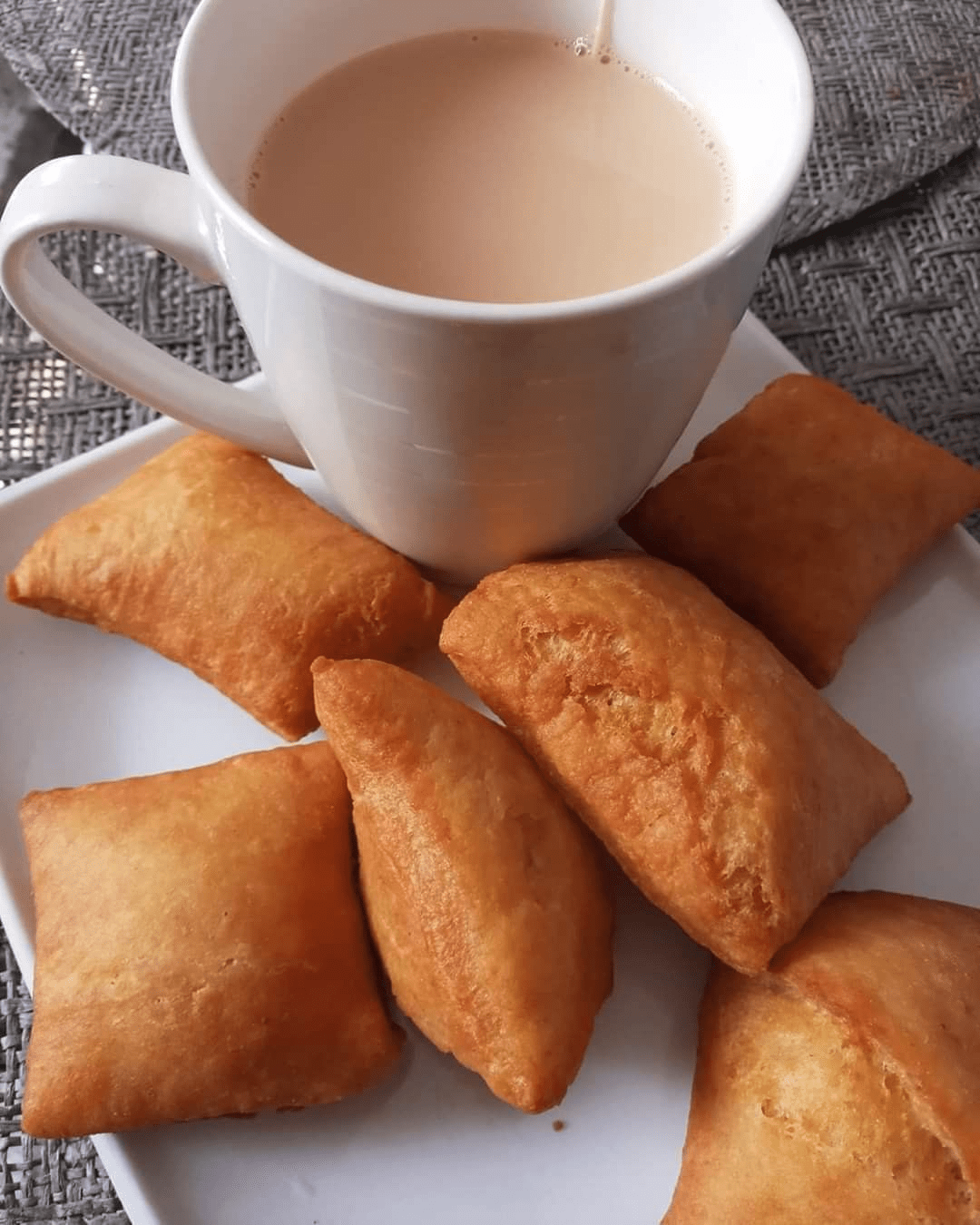
9. Mandazi (fried doughnuts)

Another fantastic tea accompaniment loved in Nairobi is mandazi. Mandazis are a form of deep-fried bread; amazingly soft, triangle-shaped (sometimes square) made from leavened dough.

For some Kenyans, Mandazis are a must-have breakfast treat although you can also enjoy them at any time of the day with a beverage of your choice.

Estimated cost – from KES10.00 or $0.10 (per piece)

10. Chipo Mwitu

We saved the best for last. “Chipo mwitu” is simply french fries/chips depending on where you come from. The term basically describes fries sold by the roadside as opposed to purchasing them from a fast-food restaurant. Chipo is slang for chips and mwitu is a swahili translation for wild; hence fries sourced from the wild.

Chipo mwitu station; Image by Bonface Nyangweso, safari254

Chipo mwitu is always an inexpensive option when the fries bug attacks. The fries are normally prepared over a charcoal jiko or firewood. Although the packaging is not the norm of what you would expect at a fast-food joint, its taste however, you can expect will have you coming back for seconds. Yummy!

Estimated cost – As low as KES50.00 or $0.50 KES100 or $10.00 (prices depend on portion)

Nairobi Restaurant Week: You can’t afford to miss it!

“One of the very nicest things about life is the way we must regularly stop whatever it is we are doing and devote our attention to eating.” Luciano Pavarotti     Jiko-Restaurant-at-Tribe-Hotel-in-Nairobi-photo-credit-Susan-Wong-2011-10

Restaurant week has been a proven tradition amongst many major cities around the World including Cape Town, London, New York and Tokyo to name a few. 2014 will see Nairobi’s astounding restaurant scene be added to this list. Kenya celebrates her Golden Jubilee this year. Heineken has teamed up with chefs from fifty of the finest restaurants in the city to create fifty one-of-a-kind menus to tickle your taste buds. Come join in on the party

The event takes place from 30th Jan – 6th Feb 2014

For more details visit: http://nairobirestaurantweek.com/

A Kenyan’s guide to Kenya (HILARIOUS)

I’ve often been terribly disappointed by the tourist  guidebooks written about Kenya. Most of the time they tell you stuff you already know, like “you can go on safari and see some lions.” That’s probably why you wanted to come here in the first place, so that’s not helpful. Other times they give you all manner of useless information. For example: what’s the point of telling you how to ask for directions in Kiswahili if you’re not going to understand the answer? (sometimes they seem to be written by a malicious Kenyan who hates tourists). One time I was taking a walk at the beach alone and was accosted by an earnest American who said, “Jambo. Nyinyi mna Kula Viazi?” First of all, no Kenyan says “Jambo”. Secondly, I was alone and I definitely wasn’t eating potatoes.HUH 1000x500px-LL-90ad9322_WTF-ARE-YOU-TALKING-ABOUT
These books never tell you about all the amazing people you can meet in Kenya, or how to understand what they’re saying. Determined to correct this horrible wrong, I’m issuing the first of many useful, practical tips for our many visitors. Here with the Volume I of “A Kenyan’s guide to Kenya.” (Disclaimer: this is written from a Nairobi Perspective. Other parts of the country are a whole other story and will cost you extra.) Here’s what you should Know:
bestreading_hppromo
1. When we want you to pass us something – the salt, say – we’ll point with our mouths. Example: We’ll catch your eye then say, “Nani.” Then we’ll use our mouths to point at the desired object. This is achieved by a slight upward nod followed by an abrupt thrusting out of the lower lip, which is pointed in the object’s general direction. There’s no explanation for this. (“Nani” can be roughly translated as, oh I don’t know, “Whats-your-face,” “You,” or “Thingie.” We’re unfailingly polite.)

turoWhy lift a finger when you can point with your lips??

2. Frequently, and for no reason whatsoever, we’ll refer to a person as “another guy.” However, this MUST be pronounced/slurred thus: An-aa guy. This also applies to “the other day,” which is when some momentous event in our lives always took place. We do the same thing with Kiswahili words like ‘bwana’, which is pronounced ‘bana.’ Example: “I was driving in town the aaa day and this guy comes from nowhere and cuts me off, bana. Man I abused him!” ‘Abused’ in this sentence must be drawn out and emphasised for maximum effect: a-BUSE-d.

3. We claim to speak English and Kiswahili, which technically means that we should be able to communicate with the English-speaking world and Tanzania. What we really mean is that if you’re not Kenyan you won’t understand a damn word we say or why we say it. Example:“Sasa” in Kiswahili means “now.” We use it as a greeting. Correct usage: “Sasa?” “Ah, fit.” It confuses us that Tanzanians don’t understand this.

images1We also, just as randomly, might greet you by saying, “Otherwise?” Common response: “Uh-uh.” There is no explanation for this.

4. Kenyans are multi-lingual, but all this means is that we believe that if we translate something word for word from one language to another it will make sense. A Kenyan might say, for example, “You mean you’re not brothers? But you look each other!” Be kind, they just think that muna fanana can slip into English unfiltered. Speaking of filters, that’s why some people (tribe/ethnicity withheld to protect my uncles) will claim to ‘drink’ cigarettes. If you’re not Kenyan you won’t understand this. Let it go.

5. We can buy beers at police stations. Grilled meat too. Heck, in some cop shops you can even play darts. I am NOT making this up. Example: “Man the aaa day I pitiad (pass through) the Spring Valley cop station after work. I was leaving there at midnight, bana. I was so wasted! I told those cops to just let me go home.”Oh, that’s another thing: when we’re leaving a place (your house, a wedding, the cop shop bar) we tend to say, “Ok, me let me go…” We’re not implying that you’re holding us against our will; we’re just saying that we’d like to go. (The plural is, of course, “Us let us go.”)

6. When Kenyans say that you’re mad, it’s a profound compliment. “Man this guy is mad. You know what he did…” then they’ll go on to recount some of your admirable exploits. It’s high praise. Smile modestly and accept it. By modest I mean look down, draw a circle in the dust with the toe of your shoe (or just your toe) and then smile, draw your mouth down into a brief frown, and smile again. Alternate quickly a few times. This is known by English-speaking Kikuyus as The Nyira Smile, or The Sneering Smile. Then say “aah, me?” in a high, sing-songy voice. However, only do this if you’re female.On the other hand, if Kenyans ask, “are you normal? (sometimes pronounced “nomo”), then they’re getting a bit concerned about your state of mental health. Reassure them by buying another round.

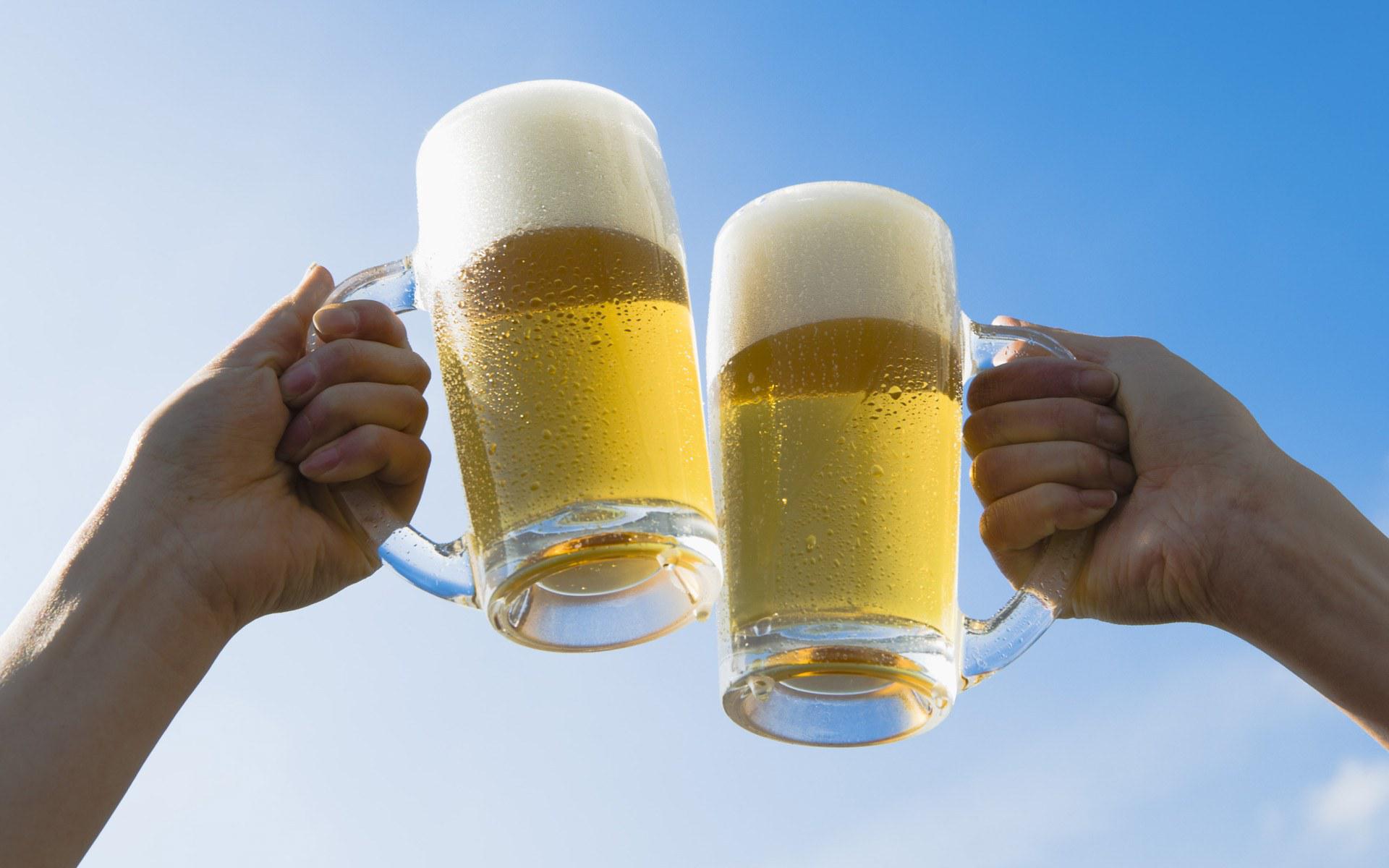
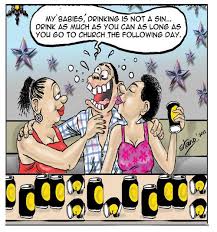
7. Which brings me to Alcohol. Our national pastime. You know that myth about Eskimos having thousands of word for ‘snow?’ Well, our beloved drinks are known by a thousand names and phrases too. Kenyans will ‘catch pints (or just ‘catch’),’ ‘go for a swallow,’ have a ‘jweeze,’ ‘keroro,’ ‘kanywaji,’ ‘jawawa…’ really, no list can be exhaustive. Be aware, though, that the words you use will immediately tip off your audience about your age. (For the Kenyans reading this, no I was NOT born during the Emergency, you swine.)
cheers 8. Our other pastime is religion. (What contradiction?) If you’re broke on a Sunday – and your hangover is not too bad – stroll over to one of our parks and catch some open-air preaching. Jeevanjee Gardens in town is a prime location. There you will see us in our full multi-lingual, spiritual splendour. There is always, and I mean always, a freelance preacher thundering in English while his loyal and enthusiastic sidekick translates into Kiswahili. 

images
Sample:
Preacher: And then Jesus said…
Sidekick: Alafu Yesu Akasema…
Preacher: Heal!
Sidekick: Pona!
Preacher: HEAL!
Sidekick: PONA!
It’s hypnotic. We suggest you go with a Kenyan who understands both languages because sometimes the sidekick nurses higher ambitions and, instead of translating, tries to sneak in his own parallel sermon. If you’re bored in Kenya it’s because you’re dead.
pastor-translator-17-11-139. As you’ve probably figured out, we like abbreviating things. (Why would the word ‘another’ have to be any shorter than it is? Why would the Kenyans reading this find it odd that I keep talking about ‘Kiswahili?’) This can lead to unnecessary confusion.
beats-me
But by now you should have figured out that when you’re catching and someone says, “Si you throw an-aa ra-o?” they of course want you to buy another round of drinks. Don’t worry about the ‘si;’ like so many words in Swa it’s impossible to translate. Embrace it, sprinkle it liberally in your speech and move on.
Courtesy KLIST 

Source: DAILY POST

30 Epic Places You Absolutely Must Visit Before You’re 30

Traveling young is important because it shapes your worldview. When you travel young, you realize who you are and what you believe in before it’s time to make the big-kid decisions (career, marriage, and all that scary stuff) that will impact the rest of your life.

If you were to visit each of these places before turning 30, you would be pretty darn well in touch with yourself and pretty equipped to take on real, adult existence.

Check out — and check off! — our ultimate soul-searching bucket list.

30. Sossusvlei in the Namib Desert, Namibia
Larger-than-life red sand dunes will make you feel, well, smaller than life. In a good way.
sossusvlei

29. Tiger’s Nest Monastery in Bhutan
Padmasambhava, known as the “Second Buddha,” meditated in this cliff-top carve-out for three years, three months, three weeks, three days and three hours. Close your eyes for three minutes, and inspiration will find you, too.
tiger

28. Jellyfish Lake in Palau
Swimming through thousands of golden jellies without a sting leaves you feeling half awestruck, half invincible.
jellyfish lake

27. Dharavi in Mumbai, India
One of the largest slums in the world, this friendly community is a square-mile pocket of poverty in India’s booming economic center.
dharavi

26. Half Dome in Yosemite National Park, California
It’s just a day hike, but it’s a strenuous one at that. When you summit, you’ll know what it’s like to stand on the top of California.
181177235

25. The Songkran Festival in Chiang Mai, Thailand
In a display of national unity, pretty much everybody in Thailand has a wild water fight to celebrate the new year.
157992766

24. Hydra, Greece
Before you surrender to big city life, learn to savor the pace of a small town (in what happens to be an incredibly artsy small town).
hydra greece

23. The Washington Monument observation deck in Washington, D.C.
Sure our country is defunct sometimes, but it gave you the freedom to be.
dc

22. The Rhino Charge in Nairobi, Kenya
Every year, extreme drivers embark on a 10-hour, off-road race through the savannah to fundraise for animal conservation.
rhino charge kenya

21. Estadio Azteca in Mexico City, Mexico
The only soccer stadium in the world that’s hosted two World Cups– sit in the seats where fans before you witnessed Maradona’s “goal of the century” in 1986.
79647699

20. Salar de Uyuni in Bolivia
The world’s largest salt flat is miles of flat, zen, abandoned bliss.

19. Disney World in Florida
Because soon you’re gonna have to bring your kids with you, and they’re not going to stop for a beer break.
149699548

18. The Pyramids of Giza in Egypt
This is the only of the seven wonders of the ancient world that’s still in existence.
170303602

17. Rio Upano in Ecuador
Whitewater raft through the rainforest and see what it’s like to grow up beside toucans in a native tribe.
126559927

16. La Closerie des Lilas in Paris, France
Picasso, Cezanne and Apollinaire used to chat at this fancy café. So did Hemingway– you can still sit at his favorite bar stool.
la closerie des lilas paris

15. The Inca Trail in Peru
On the 26-mile trail to Machu Picchu, you’ll pass five lesser-recognized Incan towns that were once thriving.
148097742

14. Nowhere, Spain
Each year, attendees at the desert festival design their own society based on “creative freedom.”
bodo norway

13. Bernauer Strasse in Berlin, Germany
When the Berlin Wall first made one side of this residential street part of Soviet East Berlin, people died trying to jump out their windows to a free neighborhood on the other side. It’s an odd and important contrast to modern Berlin’s hipster-filled streets.
107684502

12. Plaza Mayor in Madrid, Spain
Spending downtime outdoors is a weird concept to Americans. Madrid’s social hub will change your opinion real fast.
plaza mayor coffee

11. Macau Tower in China
The second-highest bungee jump in the world starts 760 feet above China’s version of Las Vegas.
macau tower jump

10. Drake Passage, Antarctica
Get a penguin’s eye view of our Earth’s very bottom before you start working your way to the top.
drake passage

9. The Dead Sea in Jordan
With a Biblical history and a perch in the midst of modern conflict, this could be the most historic (and saltiest!) body of water on Earth.
160863138

8. XS Nightclub in Las Vegas
Go big with bottle service at the highest-grossing club in America.
xs

7. The Old Jewish Cemetery in Prague, Czech Republic
Stacks of graves are layered over each other, so nobody knows exactly how many people are — or who exactly is — buried here. That’s intense.
aa020530

6. Carnival in Rio de Janeiro, Brazil
Last year, literal millions of people turned up for what might be the biggest party on Earth.
162045079
5. Havana, Cuba
Get a glimpse of what happens when a culture hits the pause button.
163081092

4. Hitachi Seaside Park, Japan
These zany, Seuss-like fields will reintroduce you to your zany little kid self.
108745751

3. Zurriola Beach in San Sebastian, Spain
Surfers in this small city get amped about riding the same waves, on the same beach, every single day. And they never ask for anything more.
zurriola

2. Bodø, Norway
The quiet village outside the Arctic Circle will give you major room to think, especially when you spelunk deep into one of its caves.
148720943

1. Mount Fitz Roy in Patagonia, Chile
At the top, you’ll treasure the view of towering, unspoiled glaciers– and the pride of knowing you climbed there.
170155865

The Huffington Post

Kenyan iconic Hall of Famers

Kenya is today viewed as a great tourist destination with a beautifully warm climate, coastline on the Indian Ocean and Savanna grasslands. It is also home to and has been associated with many great men and women who have had greater successes over time. If Kenya had a Hollywood Boulevard then these names would definitely have their own golden star. Here we reveal a few Kenyan Hall of Famers.

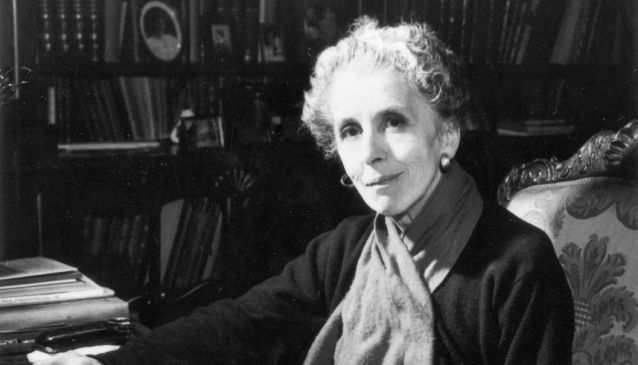
1. Karen Blixen (Author & Early Settler)   510417_638_365

Karen Blixen, pen name Isak Dinesen, is the author of ‘Out of Africa’, a memoir of her seventeen years living on her own coffee plantation in British East Africa. Published in 1937 her book was ultimately a love story, yet gave readers a unique snapshot of colonial life in the 1940’s. Blixen also gave insight to the different tribes of Kenya, gently portraying the characters in her book as individuals and free of the racial stereotypes that plagued Western literature at the time. An area in Nairobi has been named after her and visitors can see the farmhouse where she lived, with many original items still intact.

Image credit: http://www.laescueladelosdomingos.com


2. Richard Leakey (Palaeontologist, Politician & Conservationist)

leak2source: afflictor

Born in Kenya to British parents, Richard Leakey and his family were all famous for their findings relating to early man. Richard Leaky continued the family traditional of palaeontology in East Africa, making many important discoveries of his own, which has helped better our understanding of human evolution. Leaky was appointed head of the Kenyan Wildlife Service in 1989.

In that same year, together with President Arap Moi, he made a dramatic anti poaching statement by burning a stockpile of ivory. Leaky soon became a well-known activist and politician, which made him many friends as well as enemies. His passionate views on wildlife conflict may have been the cause of his plane crashing in 1993. He lost both his legs, and although sabotage was suspected, it was never proved. After entering politics for a short time Leakey has continued to this day to promote animal conservation.

Image credit: http://www.greenwichlibrary.org


3. Jomo Kenyatta (Freedom fighter and Kenya’s first President)

510406_638_365

Kenyatta might not have a Hollywood star but he does have his face on Kenyan currency. He was the first President of the Republic of Kenya when it was declared independent from British rule in December 1964. Prior to this he was the face of the freedom fight for many years and is now widely considered by Kenyan people as the founding father of the nation. His face is synonymous with a free and independent country.

Image Credit: Albert Kenyani


4. Joy Adamson (Author, painter & conservationist)

510415_638_365

Joy Adamson was the author of novel and award winning film Born Free. Joy, together with her husband George, became adoptive parents to a very endearing lion cub, who they named Elsa. Rescued after her mother was killed, Elsa soon became a household name due to the glamorous portrayal of their life in the Kenyan bush. Together with a host of other cute adopted wildlife, Elsa was cared for in the Adamson’s home in Naivasha before being released back to the wild.

The Adamson’s were devoted to conservation and helped to revive Kenya as a world-class safari destination. Joy was also an accomplished artist, documenting much of Kenya’s plant life and traditional tribal costumes through her beautiful paintings. Some of her paintings and prints can be found at the National Museum of Kenya or Elsamere in Naivasha.

Image Credit: Suneet’s


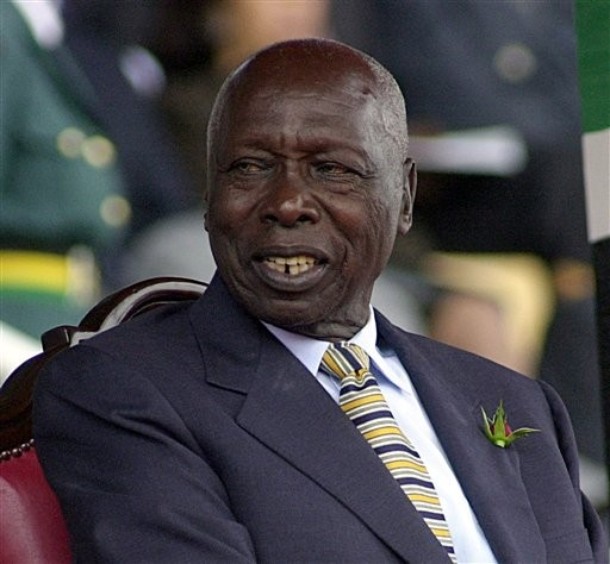
5. Daniel Arap Moi (Kenya’s Second President)

Daniel Toroitich arap Moi is a Kenyan politician and former President of Kenya (1978 to 2002). He succeeded Kenyatta as President upon the latter’s death. Daniel arap Moi is popularly known to Kenyans as “Nyayo”, a Swahili word for “footsteps”, as he was said to be following the footsteps of the first.

Former President Moi

6. Wangari Maathai (Nobel Prize winner for her work with the environment)

510414_638_365

Maathai was a woman of many talents, a human rights political activist, a conservationist and environmentalist among other things. In 2004 she was the first African woman to receive the Nobel Peace Prize. In doing so she set a precedent for other women in a country where they were often subdued under a patriarchal system.

Wangari also founded the Green Belt Movement for grassroots conservation of Kenyan wildlife and landscape. To complete her impressive CV, in 2006 she met President Barack Obama, whose father was educated on the same program that allowed Maathai to study in America during her youth.

7. David Sheldrick (Inspiration behind the Elephant Orphanage in Nairobi)

daphne-shedrick01

Image Credit: Courtesy Photo, source WWD

At the tender age of 28, David Sheldrick had already taken on the role of game-keeper at Kenya’s largest National Park, Tsavo. In this role, he confronted poachers on a daily basis and began to form close protective relationships with the elephants. Later, with the help of his wife Daphne, they studied the elephants and collected data on their feeding and behaviour. They even hand-reared some particularly vulnerable calves.

After David’s death in 1977, Daphne founded the Elephant Orphanage in Nairobi to carry on his good work. The orphanage is still a very popular tourist attraction in Kenya as it has featured on international television many times, giving the David Sheldrick Elephant Orphanage a global reputation for their conservation efforts.


8. Iain Douglas Hamilton Zoologist & founder of ‘Save the Elephants’ & TV presenter

510411_638_365

Iain Douglas Hamilton is a world-renowned zoologist, who’s focus over the past four decades has concentrated primarily on the lives and behaviour of elephant groups in Kenya. Ian looked closely at elephant choices and for this he closely studied their migration patterns. In 1993 he started the organisation ‘Save the Elephants’ which has given him even greater fame around the world. His daughter, Saba Douglas Hamilton, is also a well-known face, appearing in many BBC wildlife documentaries. Growing up with her father in Kenya, Saba became very familiar with the animals on her doorstep and is also committed to protecting them.


9. Alan Root Photographer, filmmaker and conservationist

510410_638_365

Alan Root is a filmmaker and conservationist who has led a wonderfully exciting career in wildlife conservation and documentary production. Alan initially became famous along with his wife, Joan, for producing a documentary called ‘Two in the Bush’. The movie depicted the couple living close to nature and had some amazing footage of their adventures and connection to wildlife.

Alan moved to Kenya as a boy and his passion for animals, flora and fauna of Kenya led to him working for publications such as National Geographic and the BBC. His films were nominated for an Oscar. In his biography, Ivory, Apes and Peacocks, this gripping read gives a thrilling account of his adventures as an intrepid explorer and conservationist.

10. Ngugi Wa Thiongo  (Author)

ngugi_wa_thiongo_Daniel_A_Anderson_press

Image credit; Karisan Media

Ngugi is Kenya’s most celebrated author and playwright, he published his first novel, Weep Not, Child in 1964. He later left Kenya on exile in the 70s as a result of his outspokenness and harsh criticisms of the government of the day using plays and novels as his outlets. In 2006 he published his first novel in two decades, Wizard of the Crow which tells the story of an imaginary African state governed by its despotic ruler. Ngugi is currently based in the UK where he serves as a Professor of Comparative Literature at the University of Irvine. He has become popular in Africa as a result of his literary works that are read all over the world more so in African Universities.

Sources: My Destination, Mwakilishi

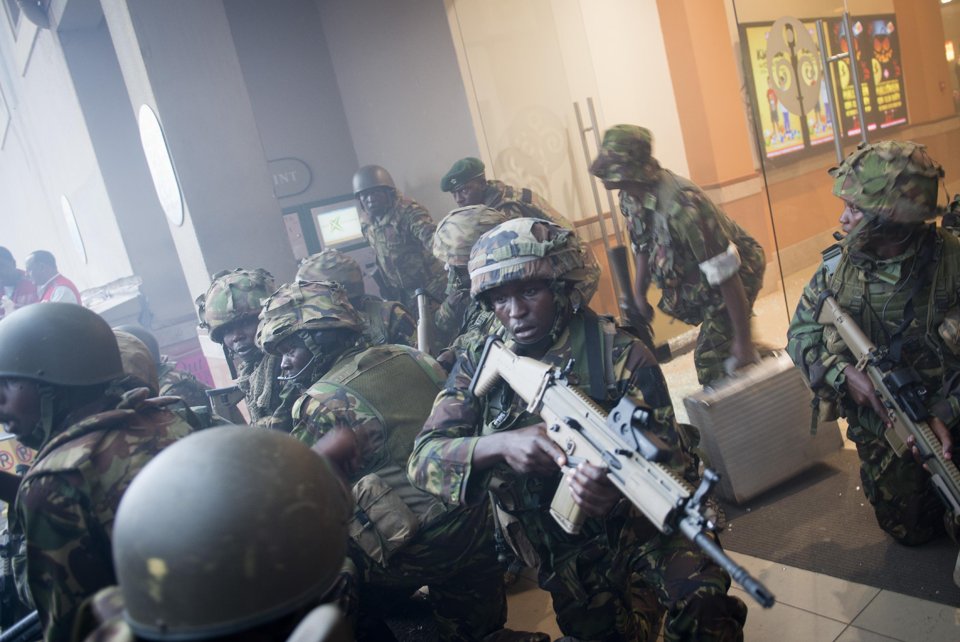
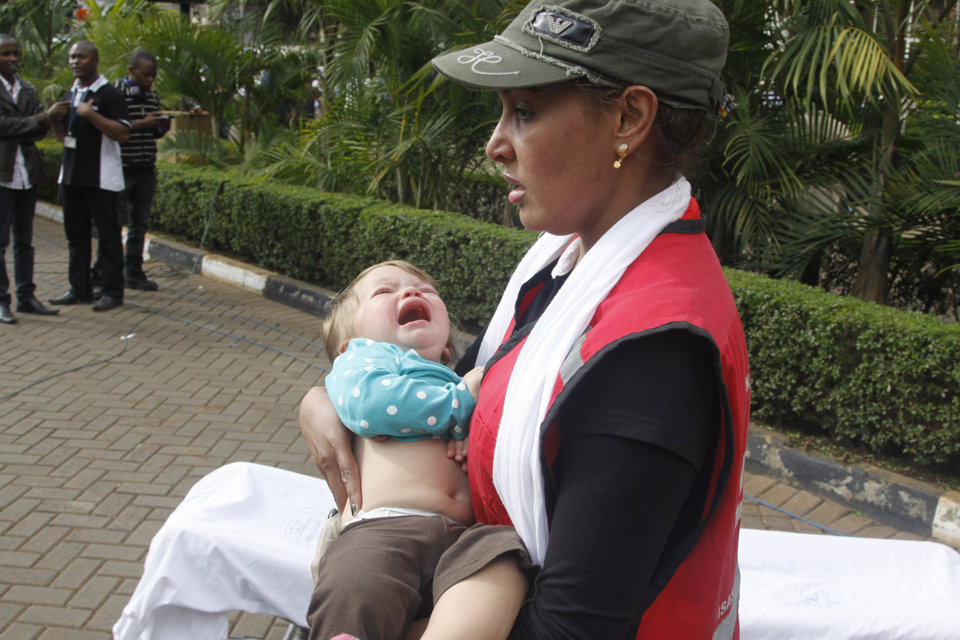
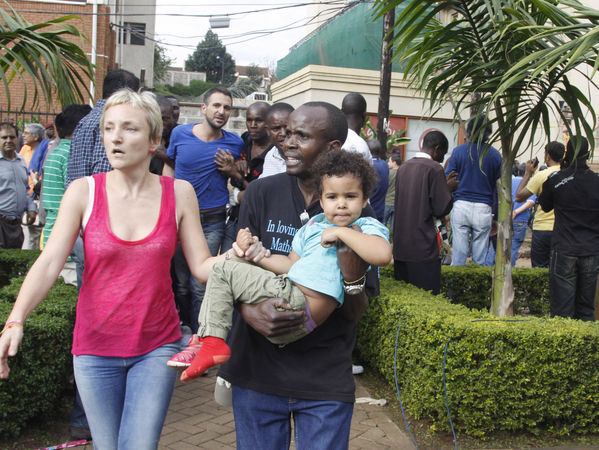
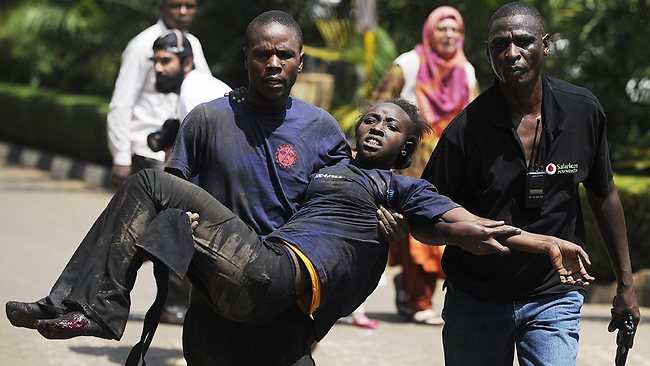
Kenyans unite to assist Westgate Mall Attack victims

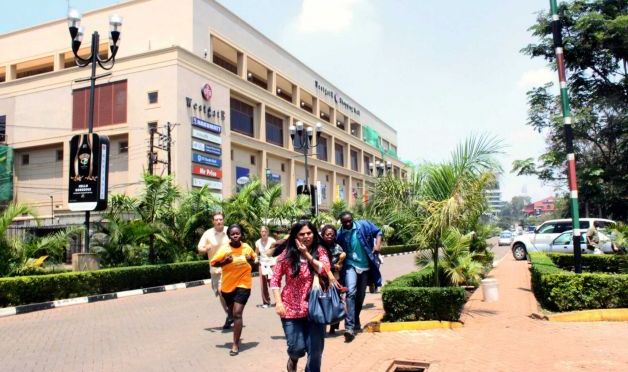
Following the Westgate Mall attack yesterday, Kenyans have turned up in large numbers to donate blood for victims. Various designated blood donation centers in the country include Kencom and Moi sports centre Kasarani (where the Safaricom7s is underway) in Nairobi, Koblenz hall, Agha Khan Hospital and Pandya Hospital in Mombasa, Agha Khan Hospital in Kisumu, Moi teaching & referral hospital in Eldoret amongst others. Many other Kenyans have as well donated foodstuffs for the victims, even prepared breakfast meals for the security officers, press and all others who had camped at the site of the attack throughout the night.

1240023_596222103770434_1694828914_n BUwi0rVCEAAb6F2Photo Credit: Kenya red cross society

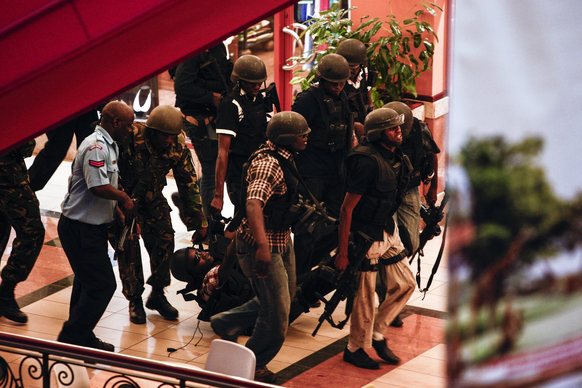
The death toll has sadly risen to 59 people with 175 people wounded, as per Interior Cabinet Secretary Joseph Ole Lenku’s latest statement. The Cabinet Secretary states that the siege at the mall continues, but the security forces are in a “delicate” rescue mission that has seen over 1,000 people rescued from the mall since the Saturday morning attack.

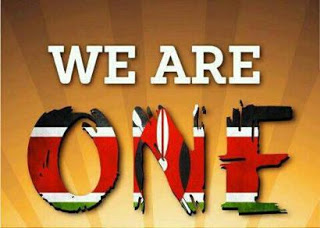
The unity and goodwill showcased by Kenyans at large has been extremely encouraging and it indeed goes to show that we are one irregardless of color, race, tribe and even religion. Condolences to all who have lost loved ones as we continue to pray for you and those still held hostage and those in hospitals.

04db959ab2430e0f3103feff0aec775bpeace in kenya photos

Some of the images captured following the attack yesterday…

article-2427892-1823F70700000578-332_964x696Women carrying children run for safety as armed police hunt gunmen who went on a shooting spree in Westgate shopping centre

Photo Credit: Reuters

article-2427892-18240A6100000578-448_964x644A child runs to safety across the shopping mall  Photo Credit: Reuters

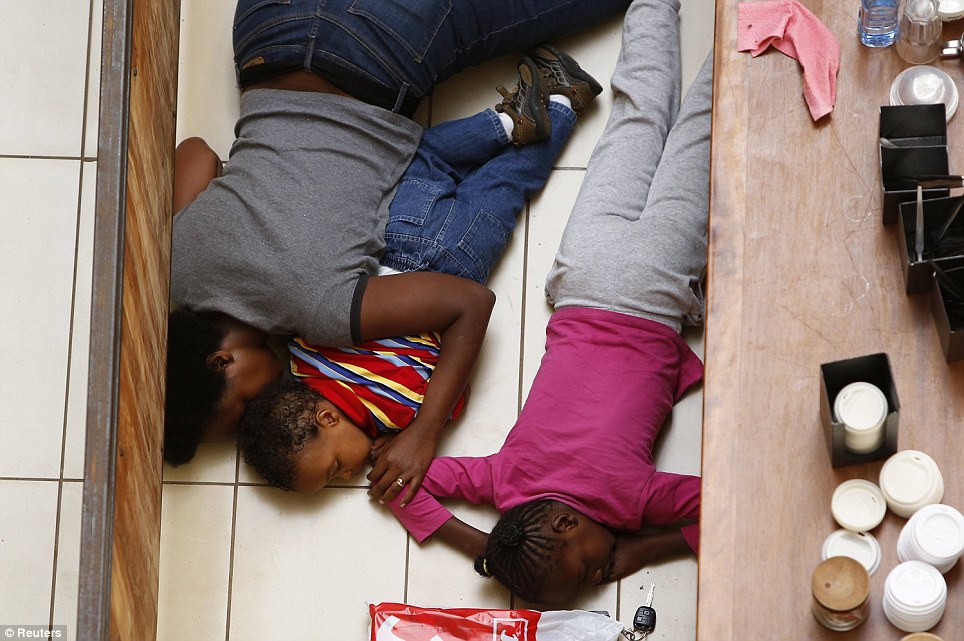
article-2427892-1824B23800000578-239_964x641A mother and her children lie on the floor as they attempt to hide while the gunmen armed with automatic weapons go on the rampage Photo Credit: Reuters

Death toll hits 30 after Nairobi shopping mall attack

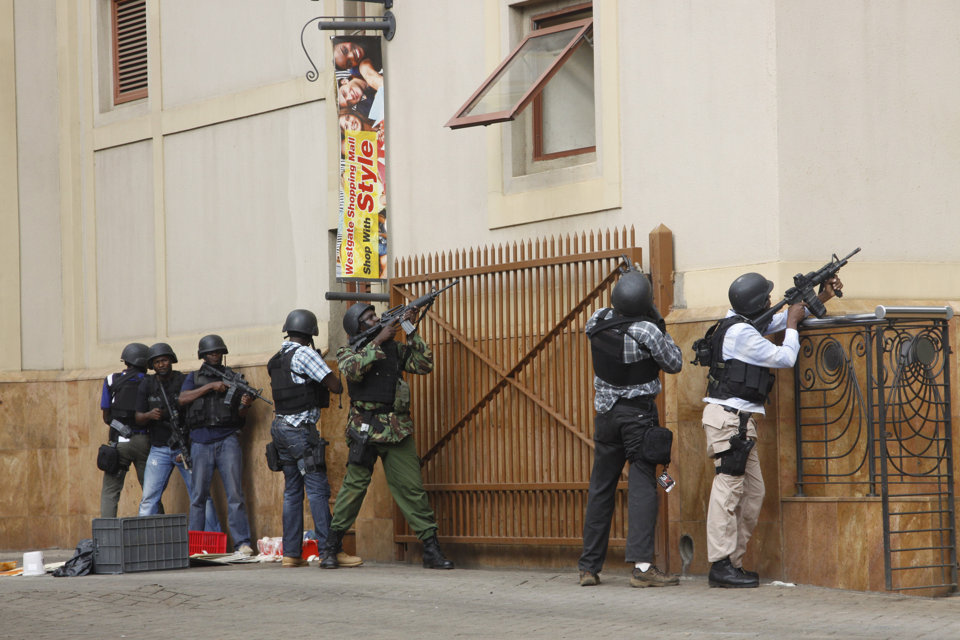
65dba52ee0b6071f3e0f6a7067000b41Armed special forces aim their weapons at the Westgate Mall in Nairobi, Kenya Saturday, Sept. 21, 2013, after gunmen threw grenades and opened fire during an attack that left multiple dead and dozens wounded. Photo Credit: Khalil Senosi

628x471

A rescue worker helps a child outside the Westgate Mall,  Photo credit: Riccardo Gangale

3226ce90e1410a1f3e0f6a706700aea8

Photo Credit: Jonathan Kalan

5296b911e0ea081f3e0f6a7067001347

An armed police officer takes cover during a bout of gunfire outside the Westgate Mall. Photo Credit: Ben Curtis

5495c905e0b4071f3e0f6a706700dfc2

A Red Cross assistant helps a child outside the Westgate Mall. Photo Credit: Khalil Senosi

-6110dc982e44dc72

American-Citizens-Injured-in-the-Attack-in-Nairobis-Westgate-Mall-Copy-e1379792072774
3640879947
515634-kenya-mall-attack

Kenya's ultimate travel and lifestyle magazine

Design a site like this with WordPress.com
Get started