Tag Archives: Nairobi

President Kenyatta’s statement on terror attack

UHURU KENYATTA

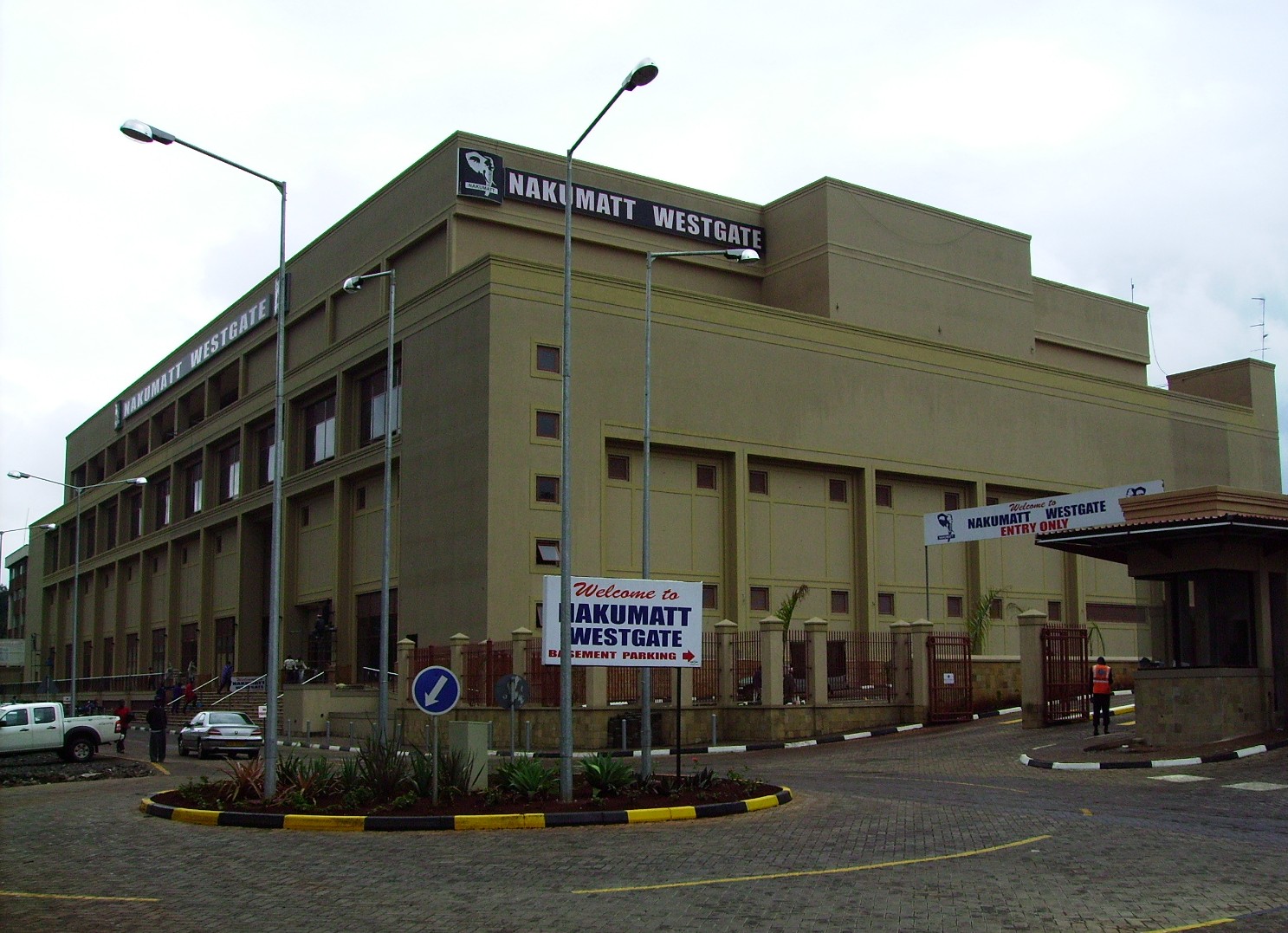
This morning, a group of armed terrorists forcefully entered the Westgate Mall in Nairobi’s Parklands area and unleashed senseless violence upon customers and workers. They have killed at least 39 innocent people and injured more than 150 others.

With the entire nation, I stand with the families of those who have lost their lives and extend every Kenyan’s deepest condolences. I ask God to give all of you comfort as you confront this tragedy. My Government will provide the support you will need in the days to come.

To those who were injured, I wish you a quick recovery from the physical and other shocks you underwent today. The Government will be at hand to ensure that your lives return to normal as quickly as possible.

The people of Kenya have been wonderful, as always. With your support we safely evacuated hundreds of people from the Mall. I salute your conscientious and selfless acts of solidarity in response to the terrorist attack. Your courage and sympathy saved lives and reassured countless people.

I commend those who volunteered by giving first-aid, transporting the injured to hospital, donating blood, locating and contacting loved ones and making it easy for rescue, medical and security personnel to do their work. I appreciate those who have used media to rally help of all kinds, condole with and comfort the affected and thank all those responsible citizens who have desisted from spreading panic and despondency. Please continue helping, and continue praying.

The despicable perpetrators of this cowardly act hoped to intimidate, divide and cause despondency among Kenyans. They would like us to retreat into a closed, fearful and fractured society where trust, unity and enterprise are difficult to muster. An open and united country is a threat to evil doers everywhere. With our values of solidarity and love for our homeland, we fought proudly and bravely to secure the freedom to lead our lives as we choose. Our choice is codified in our Constitution.

We have overcome terrorist attacks before. In fact, we have fought courageously and defeated them within and outside our borders. We will defeat them again. Terrorism in and of itself, is the philosophy of cowards.

The way we lead our lives; in freedom, openness, unity and consideration for each other represents our victory over all those who wish us ill. We are as brave and invincible as the lions on our Coat of Arms.

My Government stands ready to defend the nation from internal as well as external aggression. I urge all Kenyans to stand together and see this dark moment through. Donate blood. Provide information to the authorities. Comfort and reassure the affected families. Let us ashame the Devil and his works by demonstrating our timeless values of love, compassion and solidarity.

Our security forces are conducting a multi-agency response to this attack as we speak and are in the process of neutralizing the attackers and securing the Mall. It is a very delicate operation as our top priority remains to safe guard the lives of innocent people held up in this unfortunate incident.

But let me make it clear. We shall hunt down the perpetrators wherever they run to. We shall get them. We shall punish them for this heinous crime.

I have directed security agencies to be decisive in their response to this or any other threat. They must and will do this to demonstrate our constitution’s categorical guarantee of Kenyans’ indefeasible rights to life and property.

Across the country, we have tightened security but I urge all of you to remain calm and vigilant.

God bless you. God bless Kenya.

Kenya: my mission to become the first female Masai warrior

Driven to test the tribe’s male-dominated culture Mindy Budgor went to Kenya … to become the first female Masai warrior


MindyMindy Budgor with tribesmen in Kenya during her training as a Masai warrior

It was 5.12am, deep in Kenya’s Forest of the Lost Child. Seven Masai warriors, standing with spears high in the sky and ready to kill, were huddled around me. I was nudged by one of the taut, muscular bodies, scantily covered in its tiny red tartan cotton robe, and I had to make a decision: be a warrior by joining the front line to protect my tribe from a snorting, slobbering 500kg bitch of a buffalo, or stay on the sidelines by hustling up a tree to watch from above as the true warriors went to battle.

A year before, my instincts might have said something else, but by this time I had seven weeks of warrior training under my beaded belt, and a renewed trust in my personal power. I looked the buffalo straight in the eye and with a flex of my muscles, I charged like the warrior I had trained to be, sprinting and screaming with the spear ready to strike.

The Masai are a semi-nomadic tribe living in Kenya and Tanzania. Their warriors are similar to a typical military force, but the main offenders in the bush are the lions, buffalo, elephants and hippo. While the goal of the tribe is to live in harmony with the land and the animals, the warriors will back away from nothing if the community is in harm’s way. Showing one hint of fear as a warrior is strictly prohibited.

One standard practice to prove a warrior’s strength is the circumcision, which occurs when a male is in his teens. The procedure is not a little snip snip – it is a complete skinning of the penis. One wince during this procedure could get you shunned from society. The Masai live in the wild in homes made of mud, sticks, grass, cow dung, human urine and ash, and their diet is animal blood, meat and milk. I was a 27-year-old Jewish girl from California, who had spent the past four years building a concierge service for college students. I spent four years building the business before selling it.

Masai manMasai man. Mara national park, Kenya Photograph: Angelo Cavalli

My most extreme backpacking excursion had been on a cruise ship to Alaska. I loved my manicures and pedicures, and driving around in my BMW and I believed that life wouldn’t be OK without a just-out-of-the-oven croissant and a cup of Earl Grey tea in the morning. But I wanted to test myself. After selling my company I started applying to business schools. Once the applications were submitted, I faced a significant time gap. I sent out an email to solicit ideas. A college friend responded, raving about a trip she took with a US-based foundation that sends westerners to places, including Kenya, to help build schools and clinics. The particular trip my friend mentioned was to build a clinic in the Masai Mara game reserve in south-western Kenya. This was the type of experience I wanted, so I submitted a check and the registration for the trip the same day.

On the flight from Nairobi, I peered down at the thin, twisting valleys etched through parched, dusty-brown land dotted with fluffy green treetops. When the pilot pointed out the volunteer centre, a pinprick of a settlement in the middle of the savanna, I knew that being left alone with my thoughts and nature was exactly what I needed.

For the next two weeks, while laying bricks and making mortar with the locals, I learned about the Masai. I took morning hikes with Winston, a chief from the tribe and also our guide while volunteering. His deep, almost spiritual sense of purpose and confidence was what I wanted.

Winston explained that his tribe was at a crossroads because the Kenyan government was taking away more and more of its land and because global warming meant continual droughts that caused their cattle (their main asset) to die. There was widespread fear among the tribe that the Masai culture will no longer exist in 50 years.

Losing the integrity of a tribe because of westernisation seemed unacceptable to me, but I felt one element of modern life – women’s rights – could help the tribe continue while remaining true to its practices and beliefs.

Maasai wedding, Loita Hills, KenyaWomen at a Masai wedding. Photograph: Kristian Buus/Corbis

Masai women are extraordinarily strong: they build homes, chop trees for firewood, walk seven hours a day to fetch water. But they are not treated as equals. I knew that the warriors had the utmost respect in the tribe and that they were given greater access to education and not married off when they were 12. I believed that providing women with the right to become warriors would broaden the tribe’s perspective of their personal power, which could only help them fight to maintain their customs.

On a hike I asked Winston the question that had been gnawing at me since I met him: “How many women are warriors?”

His reply: “None. Women aren’t strong or brave enough to do it.”

His response ignited a fire within me that made me want prove him wrong. I asked him to explain what was involved in becoming a warrior. He said: “You need to be a man. You need to go through rites of passage that only a man can do. You need to live where you can only eat meat and drink blood and herb soup that makes you lose your mind. You need to get circumcised and not wince from the pain. You need to be fearless. You need to protect and entertain your community and be able to face any animal head-on. You need to be able to throw a spear and use a sword with total accuracy. And you need to be a man

I said: “Don’t Masai women want to be warriors?”

“Of course they do. Who wouldn’t want to be like us?”

“And they’ve never had a chance?”

“No.”

“But everything you just said is something a woman can do – something I can do – except for the penis part,” I said.

The Chief wasn’t entertained. “Women aren’t built emotionally or physically for the work that warriors do.” He shrugged his sculpted shoulders and turned back to the mountain. Winston’s words and that shrug made me furious! I can take no for an answer if there’s a good reason, but the idea that women couldn’t be warriors just because they weren’t men wasn’t sitting well with me. Winston and I made a deal that if I left my stilettos behind, he would take me through the traditional rites of passage to become a warrior.

I was excited about this, and tried not to spend any time thinking about the dangers. But later that day Faith, a Masai woman who worked at the volunteer centre, told me that women in her tribe had been trying to get the right to be warriors for generations, and if for some reason a white, Jewish girl had the opportunity to make a change, I should take it seriously.

I went home to California to prepare for a longer stay with the Masai, but after reviewing myself in my bedroom mirror, I wondered if my pleasantly plump figure was going to be able to climb a tree if needed. Deciding not to wait until a hippo was about to swallow me whole, I started training to get myself fit.

Two months later, I returned to Kenya with Becca, a friend from the US. Becca and I had met in Kenya on the building trip and became friends when we agreed that women should have the right to be warriors. Landing in Nairobi, we travelled back to the clinic and found Winston, the chief.

“What are you doing here?” he asked. I reminded him of our deal. Clearly, he hadn’t taken me seriously, and despite our pleading, turned us down. He said he would not have the deaths of two Americans on his head.

Becca and I were back at our hotel in Nairobi. Our project seemed roadblocked when out of the blue a friend from California introduced us to the man who would guide us through the rites of passage: Lanet Danson Lekuroun, a university-educated Masai warrior who was raised to believe that women’s voices should be heard.

“I can’t promise that you will become warriors. I also can’t tell you that my tribe will accept you. There is going to be much danger. I will do my best to help prepare you, but there is no way to predict the future in my world or yours. All we can do is try.”

Masai warriors traditional jumping In the round … Masai men form a circle and perform a traditional ‘jump’ dance.

Photograph: Adam Jones/Getty

Within hours we piled into a taxi and were on the road headed into the bush – again. As the main road ended, my teeth clenched and my hands were in tight fists as we slowly crept over rocks and tall grass. On the way, Lanet explained that a new warrior class only happens every five to seven years, but the training that he would put us through would be exactly the same as what the Masai men do.

Lanet also told us that he had chosen six other Masai men to live with us deep in the forest while we underwent training. He said the men chosen were known as community leaders and also quite progressive in their thoughts about women’s rights.

For the next two months, we lived on a 20-square-foot patch of land in the forest and slept in a communal bed made mainly of oak leaves. On many occasions, I truly believed that I was going to die.

On day one, we were almost stampeded by elephants, and I had to suffocate a goat and then drink its blood directly from the jugular. On day two, my hands were covered with bloody blisters from learning how to use a spear and a sword. And a few weeks later, I was very nearly swallowed by a hippo. It was only a pull of my belt by a fellow warrior that yanked me back.

I had a daily urge to wave the white flag, especially after 10 smelly days without a bath. But just as the flag was about to go up, Lanet would remind me that this mission was about much more than my personal goal. And this reminder allowed me to transition to Masai life. I quickly learned that by just doing and not questioning, I would have a greater chance of surviving.

Hipp yawningOpen wide … one of Mindy’s most extreme experiences was nearly being swallowed by a hippo. Photograph: Manoj Shah/Getty

Initially, the tribesmen thought that Becca and I would last less than a day. Surely the nightly calls from the hyenas or the diet of raw kidneys and goat brain soup would make us bolt back to a five-star hotel. Once several weeks passed, however, we proved that we were able to live an authentic Masai life. Most important, though, our values adapted to those of the Masai, which revolve around community, courage, selflessness and living in the moment.

After a little over four weeks of training, we moved camp to a more dangerous part of the forest. It was a regular day of spear training and trekking until we purposely went to what the Masai called a “buffalo playground” so that we could test our mental and physical strength.

Just as we arrived, we saw a baby buffalo grazing on the grass. Everyone went silent as we knew that the calf would not be far from its mother. If the mother saw us, she would try to kill us to protect her baby. I stood petrified, as the ground started to rumble. The baby buffalo trotted to the edge of the field and the sea of green parted again to reveal the meanest animal I had ever seen.

Grunting and howling, I sprinted towards the beast and released my spear. As it rocketed through the air, the other Masai released their spears, but mine landed first, in the edge of the buffalo’s right butt cheek. The buffalo died, but only because it was going to kill us. I was able to claim the kill because my spear hit the buffalo first.

That night, the elders decided that Becca and I had proved we were strong and brave enough to be warriors. They felt that the training we had gone through and our fearlessness and selflessness were at an equal level to the male warriors. One of the elders, who was a senior leader of the Rhino clan, inducted us into his clan with a short ceremony followed by a long speech over the fire, which allowed us to be officially recognised as the first female Masai warriors.

We stayed with the Masai for another month. Our first major community interaction was at a wedding, two days after we left the forest. Lanet told us hundreds of people would be at the wedding. It would be like my coming-out party. Lanet had said from the beginning that he wasn’t sure if his tribe would accept us, and we were finally going to find out their true feelings.

At the wedding we sang and danced as warriors. I felt completely at one with the tribe until an elder male approached me, screaming and waving his sword. I was paralysed with fear and just as he swung his sword again, Lanet and another warrior whisked me away. I asked what happened. Lanet told me that the man was angry that Becca and I had been recognised as warriors.

He said: “This is now up to the tribal leadership to decide if Masai females will have the right to become warriors. There will be much opposition, but there will be, and already is, much support.”

While making this change is not unanimously accepted by men and women in the tribe, the vast majority believe steps towards equality will help sustain the culture in the long term, and one of those steps is allowing women to become warriors. And I am so proud to say that there are at least 20 girls in Loita who are ready to be part of the next warrior age set.

As a result of our training and advocacy, the Masai in Loita, Kenya, are leading the charge to change tribal law and allow all Masai women the right to become warriors.

-Mindy Budgor, the guardian.
Nairobi; Green city in the sun

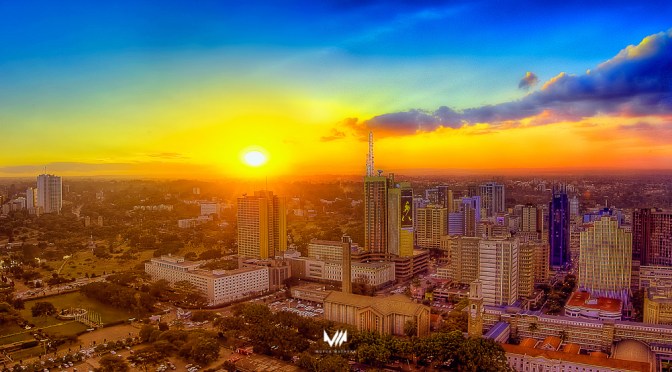
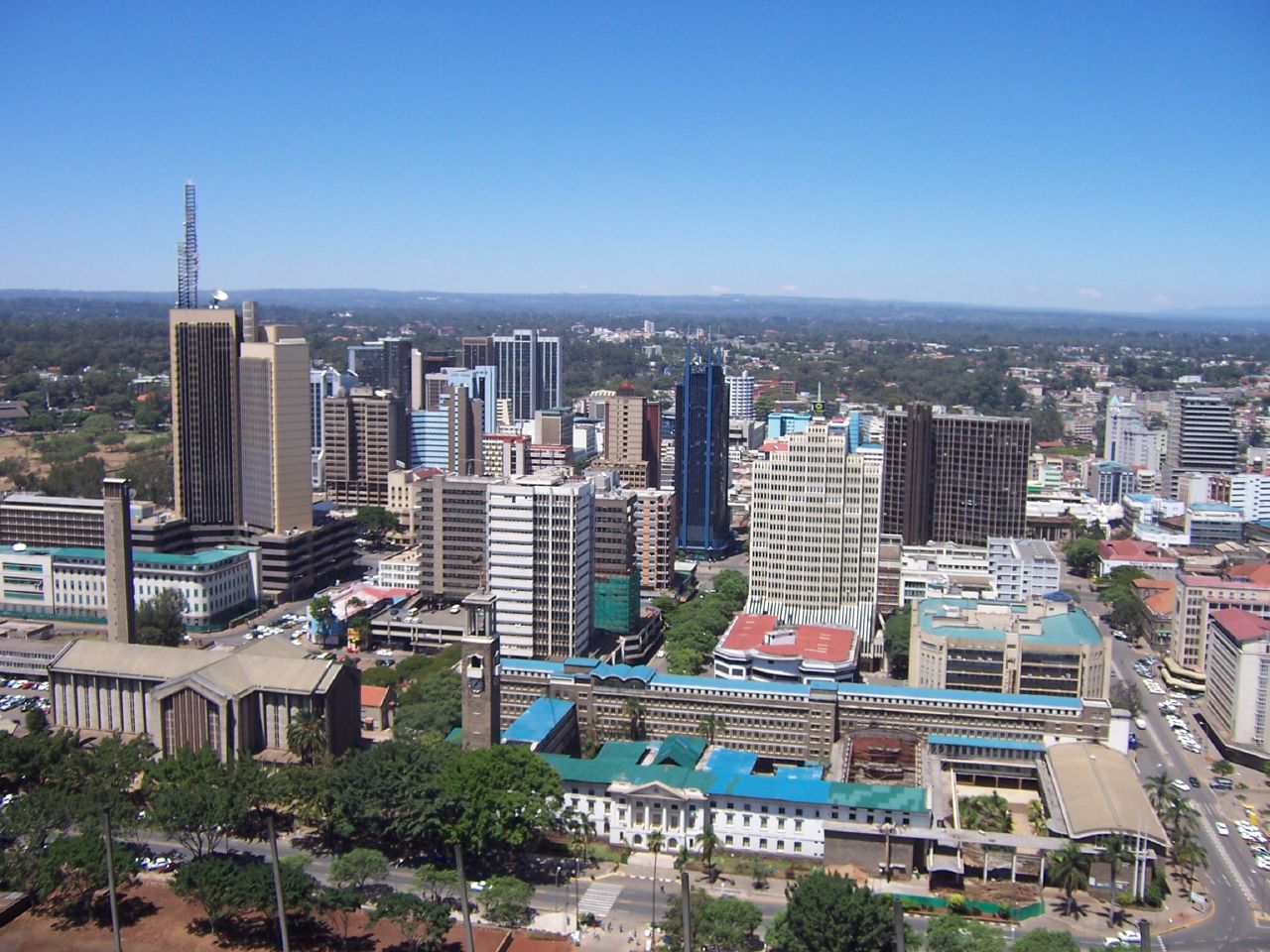
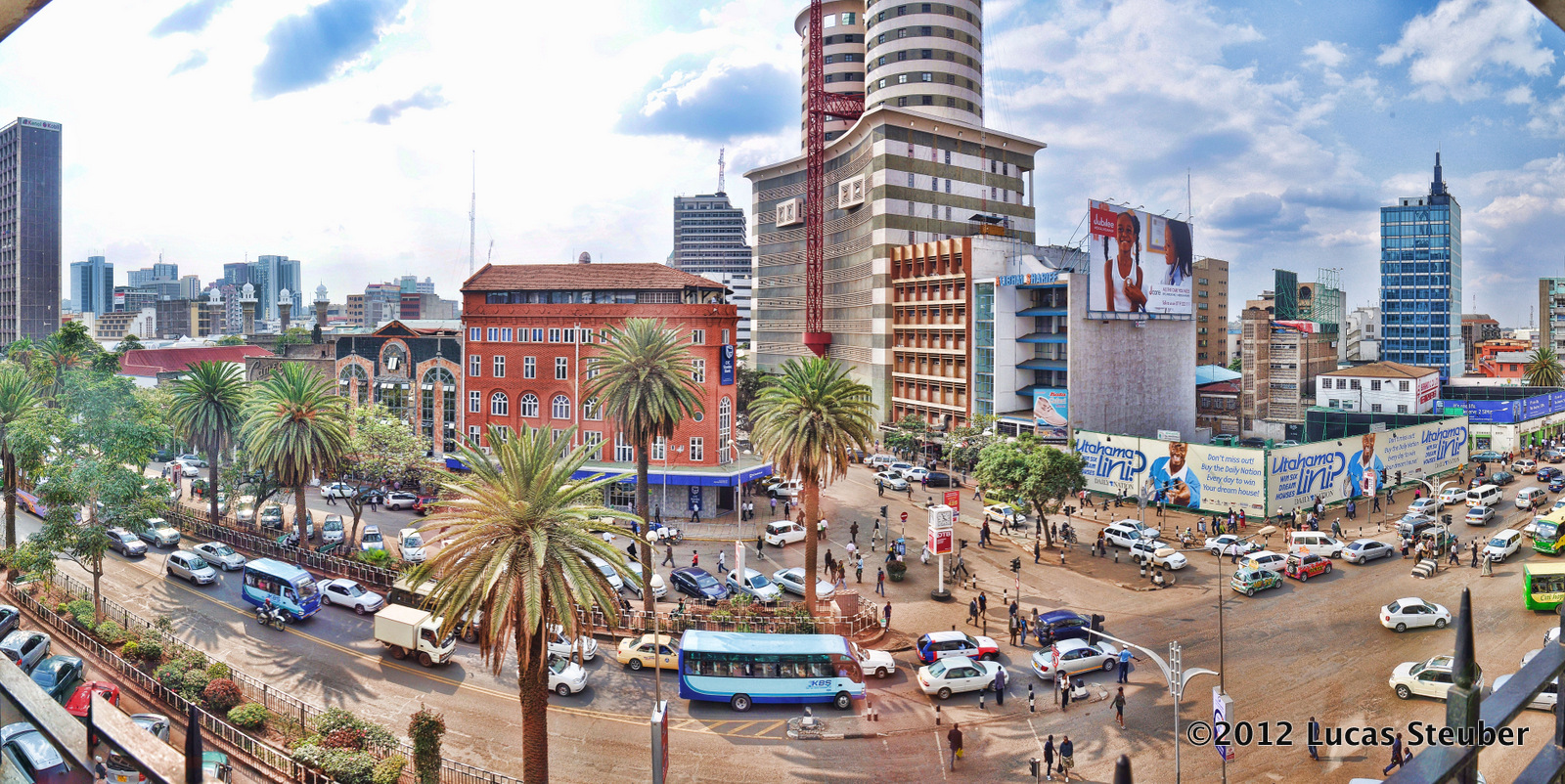
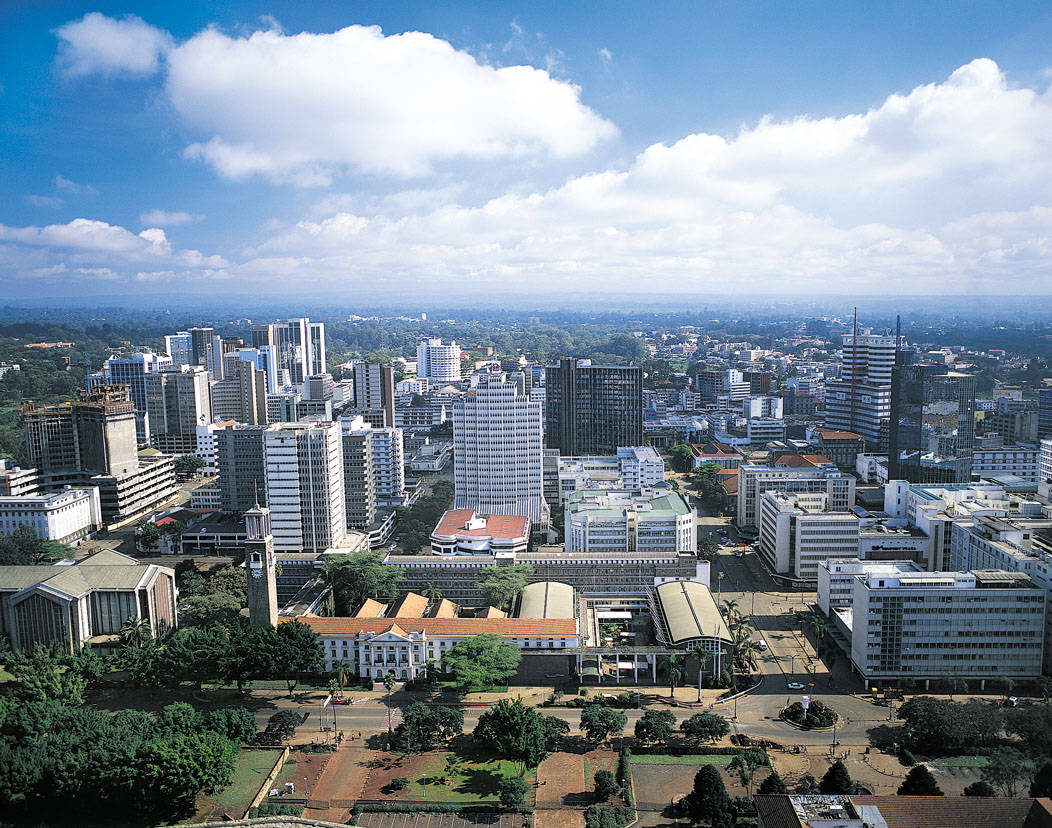
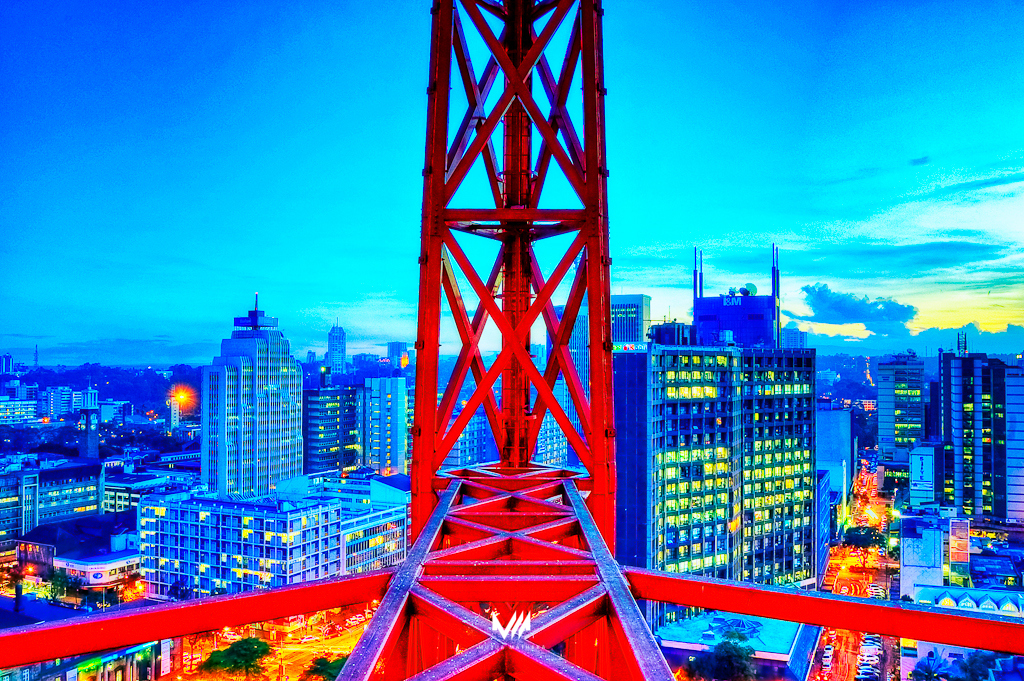
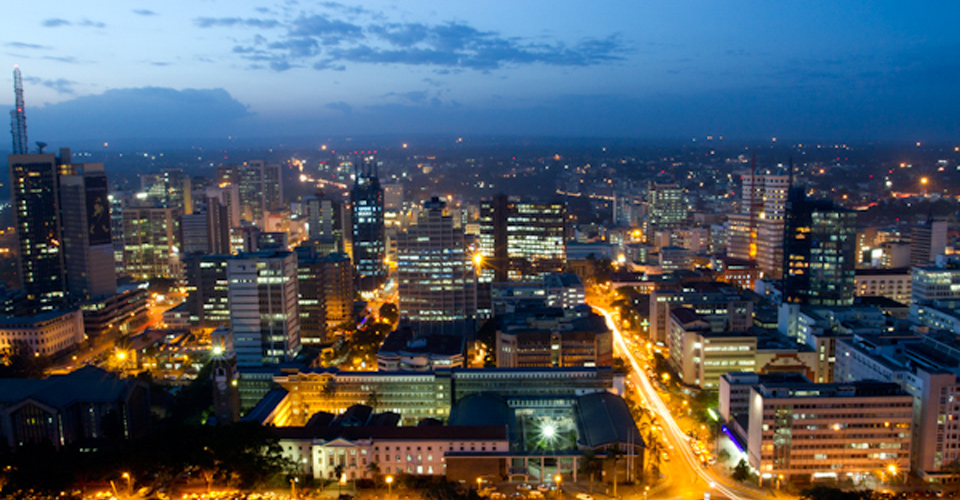
A place of cool waters, they called this place; Ewaso Nai’beri  is the name the local Maasai gave to what we now call Nairobi. It started out as Mile 327, a basic camp for construction workers back in the railway days slowly upgrading to a rustic village, a shanty town capital of all British East Africa and now a big city, one of Africa’s largest as a matter of fact. Nairobi, Kenya’s Capital, is a hive of activities; Here is where people of all tribes, race and origin assemble in search of the good life where hustle and bustle is the order of the day. It is in fact the economical hub for the East and Central African regions. Contrary to Nairobi being a big economical hub, it is also home to the largest slum in Africa and poverty is a major problem here due to unemployment. Population here therefore comes from both ends of the spectrum.

4223104103_95d1d42fe9_b

nairobi

nairobi-04

Nairobi is however not all business, Visitors here can get treated to a variety of interesting places to explore being home to museums, historical sites, monuments and a booming night life for those who fancy a little partying. Wildlife lovers can also get to sample a taste of what awaits them in the Kenyan wild before setting off on safari as Nairobi goes in the books as the only city in the world that boasts a natural national park teaming with wildlife right on its doorstep. Here travel enthusiasts can explore the various ecosystems that await them in the wild as well as different species of wildlife including, herds of Zebra, Wildebeest, Buffalo, Giraffe,  Rhino, Cheetah,  a large number of Lions and many more.

park-Nairobi

nairobi-11

another-night-in-the-city

OLYMPUS DIGITAL CAMERA

Nairobi being the capital, is the arrival point for many visitors. There are two airports in the city; Jomo Kenyatta International (handles international and domestic flights) and Wilson airport ( handles chartered domestic flights). The main mode of transport around the city is by matatu (mini-bus) and buses. Taxis are also widely accessible and are parked at convenient locations around hotels and tourist areas. Public transport is marked with a yellow line on each side.

City_centre

nairobi_city_night-1

nairobi-nights_mutua-matheka_k

802074.TIF

Must do in Nairobi

  • Nairobi National Museum

The country’s National Museum and largest in the city, it houses a large collection of artifacts portraying Kenya’s rich heritage through history, nature, culture, and contemporary art. It also includes the full remains of a homo – erectus popularly known as the Turkana boy. Other prominent museums include the Nairobi Gallery, Nairobi Railway Museum, and the Karen Blixen Museum located in the affluent Karen suburb.

2881955550_350b1723de DSCF0837

  • Nairobi National Park

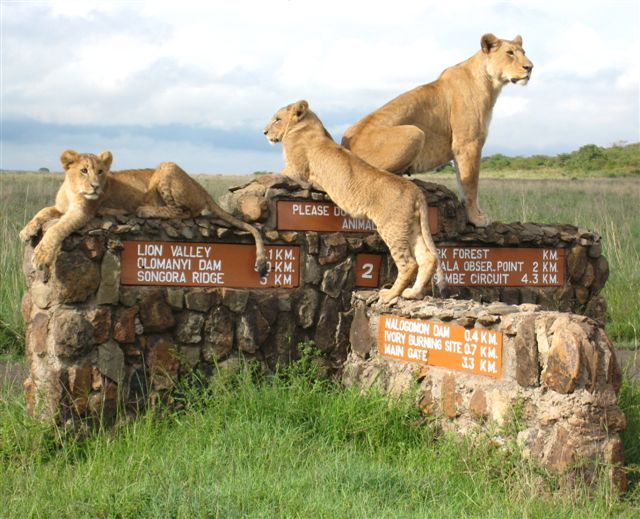
The city boasts of it’s very own national game park where lions and buffalo’s roam free! It is located just moments away from the city center and is one of the best Nairobi attractions.

nai nairobi-park

  • Uhuru Gardens

Uhuru Gardens, a national monument and the largest memorial park in Kenya, is also the place where the first Kenyan flag was raised at independence. It is located along Lang’ata road near the Wilson Airport.

image21

  • Ice skating

Nairobi is home to the largest ice rink in Africa: the Solar Ice Rink at the Panari Hotel’s Sky Centre. The rink, opened in 2005, covers 15,000 square feet (1,400 m2) and can accommodate 200 people. You are bound to have loads of fun here with a group of friends.

home_img12

  • Shopping

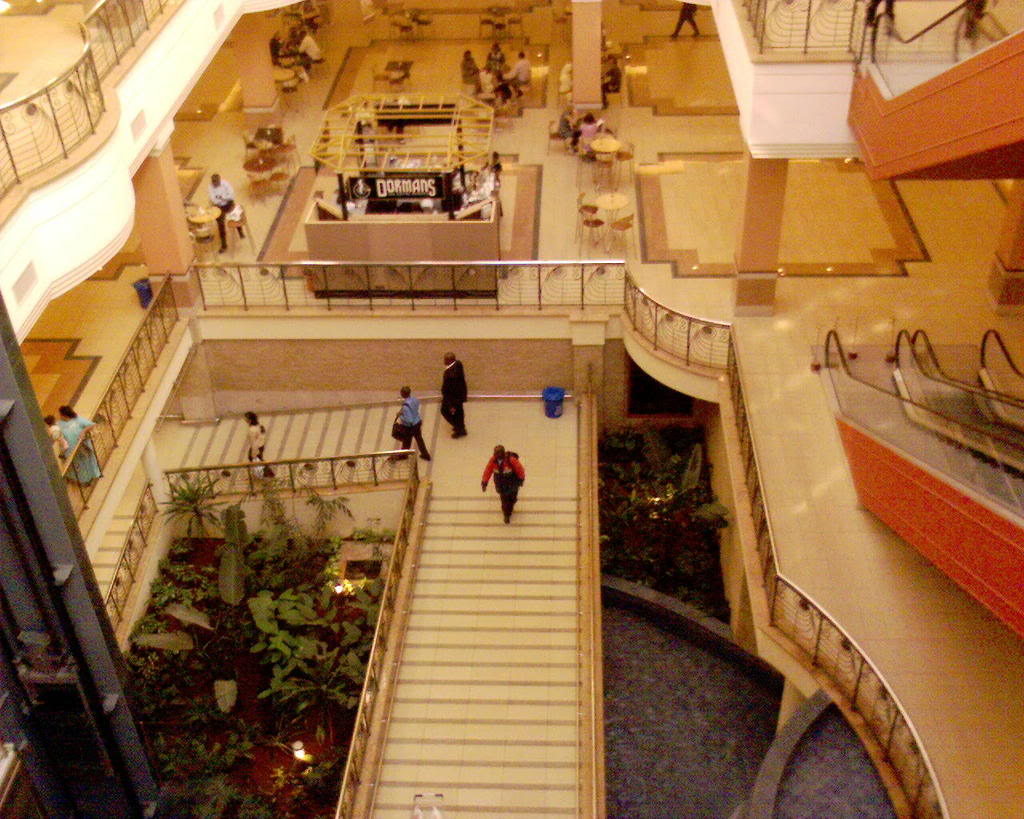
Shopping malls in Nairobi include; The Yaya Centre (Hurlingham), Sarit Centre (Westlands), Westgate Shopping Mall (Westlands), ABC Place (Westlands), The Village Market (Gigiri), Junction Shopping Centre (Ngong Road), Prestige Plaza (Ngong Road), Galleria Shopping Mall (Bomas) Crossroads Shopping Centre (Karen), and T-Mall (Langata). Nakumatt, Uchumi, and Tuskys are the largest supermarket chains with modern stores throughout the city.

Nairobi_Westgate_mall

IMG_0459

2102545583_d62e48ec9d_o

  • Eateries and nightlife

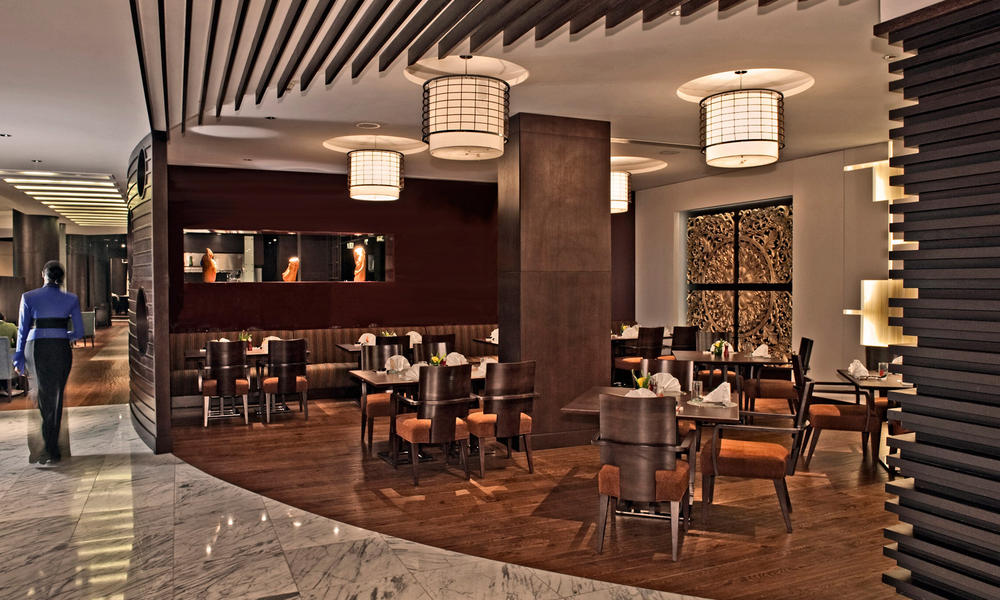
From a collection of gourmet restaurants offering local and international cuisine, Nairobi has something to offer to every age and pocket. Most common known food establishments include The Carnivore and The Tamarind Restaurants which have outlets in Langata, City Centre, and the Village Market. For those more discerning travellers, one can choose from a wide array of local cuisine, Mediterranean, fast food, Ethiopian, and Arabian. The city’s nightlife is mostly centred along friends and colleagues meeting after work especially on Fridays – commonly known as “Furahiday” (Happy Day), theme nights, events and concerts, and of late a new trend – “herbal bubble” or “Shiisha”. The most popular clubbing spots are centred in upmarket Westlands which has come to be known as “Electric Avenue”, Karen, Langata, Hurlingham, and “uptown” venues in the city centre. Nairobians generally go out every day of the week and most establishments are open till late.

thai-chi-restaurant-the

Muhibbah

  • The Giraffe Centre;

Run by the African Fund for Endangered Wildlife, this is a sanctuary for the rare Rothschild’s giraffe. Spend some time observing, hand-feeding (and if lucky, get a big wet kiss) as well as capturing close-up photos of the giraffes in case you did not catch sight of them while on safari. One can also enjoy a quiet nature trail through thick bushes and forest. Other animals you are bound to encounter include warthogs, hyenas and sometimes leopard.There is a variety of flora and fauna.

nairobi-giraffe-center3

  • Maasai Markets;

Meet craftsmen of authentic Kenyan artifacts and enjoy the sight of ladies beading and making jewellery at the markets. Held around the city at different venues on different days, bag yourself a set of souvenirs for your friends and families back home including wooden carvings and bead-work; beaded necklaces, batik wall hangings, shoes, soap stone carvings, sisal bags, kikois, textiles and much more.  All Maasai Markets items are Kenyan and the range of goods on offer is impressive .You can’t go wrong at the Nairobi Masai Market.

256061_800_600

  • David Sheldrick Animal Trust – Elephant orphanage

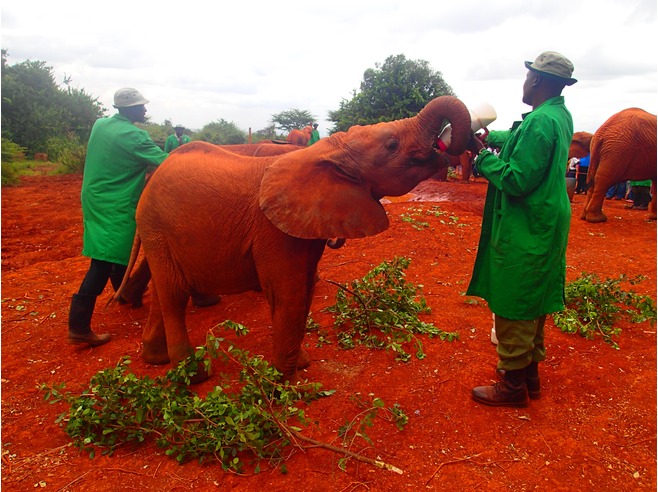
For the conservationists, and those who love elephants, this is a place you don’t want to miss. The elephant orphanage is inside the Nairobi National Park and to see the orphan elephants you must go between 11-12 (daily). Get to sponsor the orphans if you would like and also buy yourselves souvenirs including T-Shirts, Bags, Soap stone carvings and other memorabilia in support of the elephants.

6700113-Watch_elephants_Nairobi6700115-Watch_elephants_Nairobi

  • Bomas of Kenya

The Bomas of Kenya is a cultural centre at Langata, near the main gate to Nairobi National Park. The talented resident artistes perform traditional dances and songs taken from the country’s various tribal groups, including Arab-influenced Swahili taarab music, Kalenjin warrior dances, Embu drumming and Kikuyu circumcision ceremonies. Each boma (homestead) in this cultural village was built using traditional specifications of myriad Kenyan tribes; through architecture, crafts, music and dance this village serves to preserve Kenyan culture.

492932_640_447

kenya_dance_bomas

  • Safari walk

Nairobi Safari Walk, funded by the Kenya Wildlife Service is a great way to learn about the animals of Kenya and to view the various natural environments Kenya has to offer. It is located at the headquarters of Nairobi National Park.

nairobi-safari-walk

This and many more other activities await you in Nairobi.

nairobi-06

nairobi-10

Nairobi-Background

from-nation-center_mutua-matheka_c

nairobi-10

nairobi-nights_mutua-matheka_b

01_frontlongwideshot_0

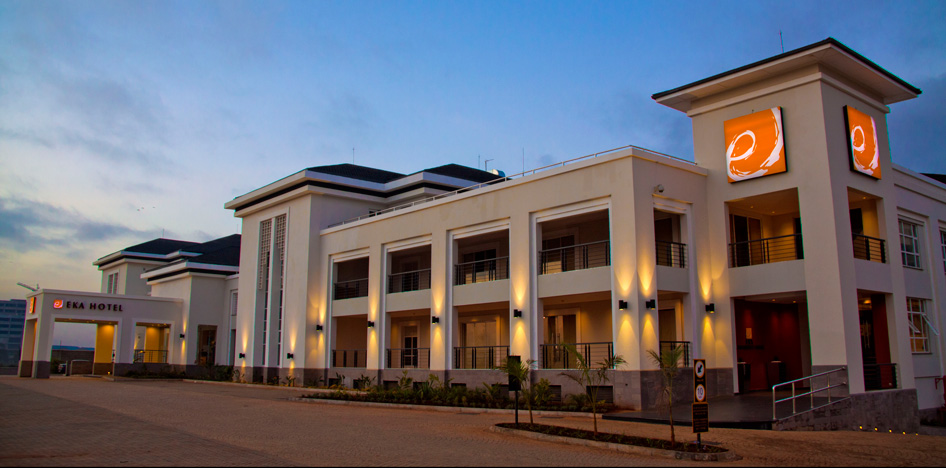
Five star hotels in Nairobi include the Nairobi Serena, Laico Regency (formerly Grand Regency Hotel), Windsor (Karen), Holiday Inn, Nairobi Safari Club (Lilian Towers), The Stanley Hotel, Safari Park & Casino, InterContinental, Panari Hotel, Hilton, and the Norfolk Hotel. Other newer ones include the Crowne Plaza Hotel Nairobi in Upper Hill area, the Sankara Nairobi in Westlands, Tribe Hotel-Village Market, House of Wayne, The Eastland Hotel, Ole Sereni, and The Boma located along Mombasa Highway. International chains apart from the Hilton, the Intercontinental group, and Serena Hotels are also setting up prime properties in Nairobi city.

Photo credits;Lucas steuber, Mutua Matheka, Click

Ivory belongs to Elephants

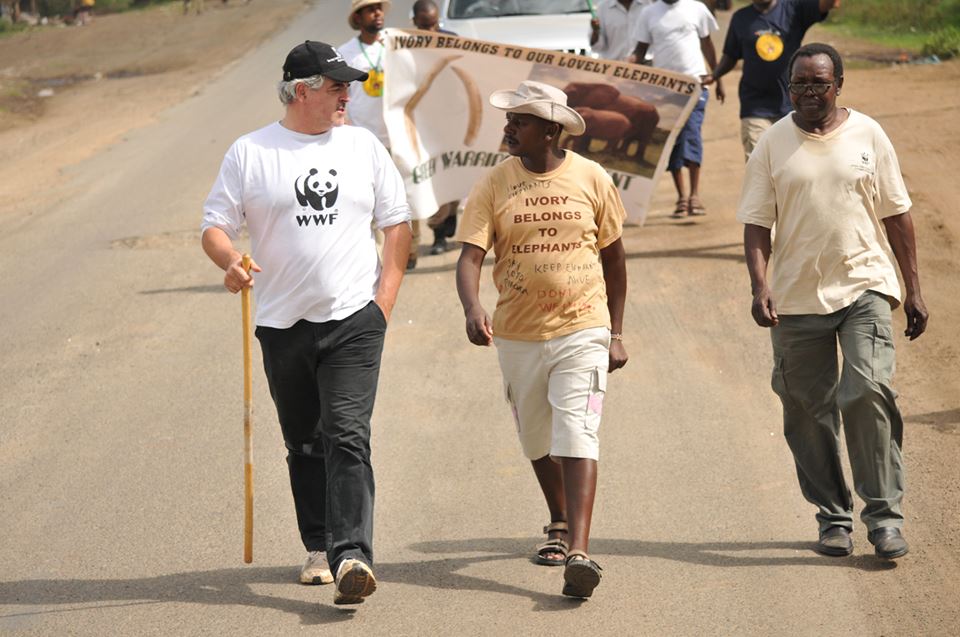
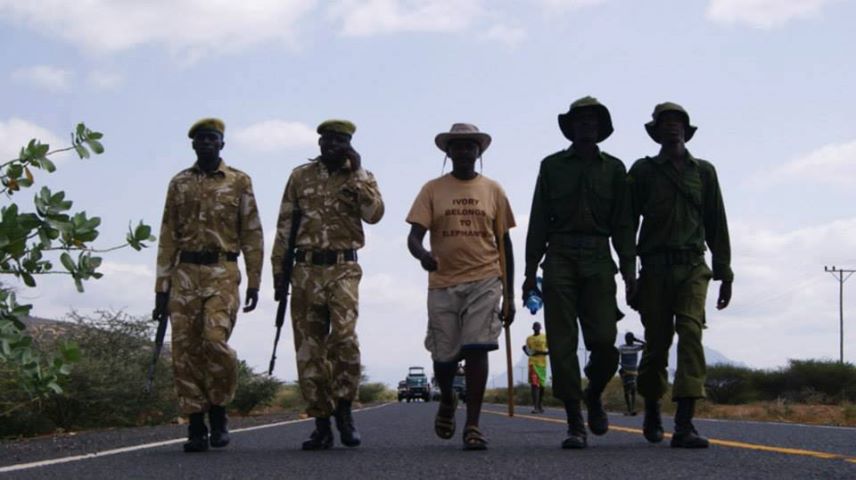
In February this year,  Wildlife conservation activist and CEO of Elephant Neighbors Center (ENC) (a Non-Governmental Organization whose mission is to protect the African elephant and secure landscape for elephants outside protected areas) Mr. Jim Nyamu set out on an important mission, Create public awareness on poaching and the plight of elephants in our country by walking from Mombasa to Nairobi. He has since covered about 1500km on foot having traversed other areas that include;  Maasai Mara in Narok County, Mai Mahiu, Naivasha, Nakuru, Nyahururu, Nanyuki, Laikipia, Wamba, Archer’s Post in Samburu, Isiolo and Meru. Mr. Nyamu has achieved quite a feat that also saw the First Lady Excellency Mrs. Margaret Kenyatta accompanied by Prof Wakhungu (Environment cabinet secretary), KWS Director, Mr William Kiprono and other officials partake in even just so for a few kilometers.

264482_526830420708821_1100325006_n

The noble endeavor came to a close on the 29th of June with a ceremonial walk to the Ivory Burning Site in Nairobi National Park to pay tribute to poached elephants.  The site was set up in remembrance of the iconic incineration of tonnes of ivory stockpile in 1989 by retired President Daniel Arap Moi. The walk, dubbed ‘Ivory for Elephants‘ was under the banner of Elephants for Kenya, a coalition comprising individuals and organisations, cutting across all sectors of society united against elephant poaching and sensitising the public on the importance of elephants to Kenya’s economy and people’s livelihoods. The organisations involved included Elephant Voices, University of Nairobi, Elephant Neighbors Center, Maniago Safaris, African Eden, Youth for Conservation, Save the Elephants, World Wildlife Fund (WWF), International Fund for Animal Welfare (IFAW), Friends of Nairobi National Park (FoNNaP) and Stand Up Shout Out.

From Jim’s diary we get a few excerpts to help us delve into his world and get a feel of how his experience was…

9th February Flag off of Ivory belongs to Elephants walk.

I started the day with my team at Nakumatt Likoni at around 9 am. I met with the branch manager Mr. Aswani and briefed him about the walk. He then flagged us off at 10 am. We were then joined by the Nakumatt staff and together with my team the procession started from Nakumatt Likoni escorted by a traffic police officer. I led the walk through Kenyatta Avenue via Tononoka traversing Kibarani into Makupa. It is at this point that I was interviewed by several media houses. Mombasa Island, being a very busy town with a large population, many vehicles and narrow roads, is characterized by heavy traffic congestion especially Kenyatta avenue where the walk began, this is due to the heavy traffic flow coming from the Likoni ferry. So for us to hold traffic on such a major road, it was obviously expected that motorists would be highly inconvenienced to the point that some hurled insults. One truck driver for instance told us to hold our demonstration in remote places like Isiolo (a town in Northern Kenya) where there is no traffic, only camels. (This was however humorous especially because of his native Swahili accent, they are so eloquent and convincing in how they speak, I think one day I just might walk in Isiolo: lots of elephants there too). Many of the locals however were very supportive and had lots of encouraging words. Many are aware of the elephant situation in the country which I had anticipated given that there was a demonstration of a similar theme held in Mombasa town some few days back. Being the first day, I was surprised that the weather condition was in my favor. It was cloudy all morning hence unusually low temperatures for an area of such low altitude. (Maybe God was setting a fast pace for me) It is because of this weather that I was able to walk all the way to Mikindani a distance of about 17km despite the late flag off in the morning which was delayed 2 hours due to logistical issues. On reaching Mikindani, I was joined by Ivan of African Free Press and after a short interview and taking a few photos I extended the walk together with him for another kilometer. Satisfied by the days turn out of events, we went back to Wildlife Clubs of Kenya and called it a day.

419651_629632163732532_867594839_n

13th February, Five days after flag off

I left the camp much earlier today as compared to yesterday. At around 7:30am, having covered almost five kilometers, My good friend Captain George flew past me at a low altitude and saluted from his KWS aircraft, he is a great man and I feel honored. The Captain was my college mate and this noble gesture reminded me that I was not alone in this fight. As I walked on, I encountered 5 carcasses, 1 jackal, 1 hyena, 1 African, hare a mongoose and a vervet monkey all at different points. My guess was they had been run over by fast moving vehicles. I felt so sad and distracted it even slowed down my pace. I stopped at around 10.00am to take my usual rest which happened to be in a wildlife watering point. I also had to take a few gulps of water. The nurse checked my blisters, a little massage and I had my light meal before I got ready for the midday and afternoon walk. In the afternoon I covered another 15km the sun was a little scorching but I managed to meet my target. I made my stop for the day 15km past our campsite for today (Wildlife Works) in Maungu town and then came back to Wildlife Works where we had a very warm welcome from Rob and the team. They gave us tents for the night. My blisters are getting worse, they are quite big and my left foot is swollen. One of the team members won’t even look at my feet, says they are too fragile to massage, another threatens to burst the blisters when I’m asleep because they are too large. I think tomorrow I’ll walk in my open shoes, at least in the morning hours. The internet connection here is great, I haven’t slept on a bed in a while, it feels great….am going to bed a happy man! Thank you Rob and thank you Wildlife Works as a whole.

1000545_542097495854708_1041997481_n

14th February, Valentines Day!!

I started my walk from Maungu set for Voi junction. Not sure why, but I had so much energy today, I managed to cover 30km by noon (maybe it’s the Valentine mood that has plagued my team, they are all so happy). Probably because I received a call that we had been given a valentines treat by a lady who learnt about the walk on Facebook (am grateful to my very efficient communication officer, all info is always up on time). This was from a lady I dint even know. She made reservations for the whole team at Tsavo lodge. Apart from that, she bought us meals and enough water to last us for 5 days. At around 5:30, though tired, I went with the team to the David Sheldrick station in Tsavo East National Park and here, I met my friends, the Ele’s, this was the best valentines ever. I wished the female jumbos happy valentines in person. How awesome is that! They’ll be talking about me for ages, haha We took so many photos with the gentle giants, they are so playful and friendly I can’t believe there’s a soul out there that would harm such an incredible creature. We got back to the lodge and I was visited by senior Assistant Director KWS (Tsavo Ecosystem), the senior Research Scientist and the Community Warden who later joined me for dinner. We had a lengthy and healthy conversation with them and they really encouraged me and offered so much support for the cause. One team member has busted my blisters, which are now three, my right foot is quite swollen I have decided to soak it in cold water this time. We are really enjoying our stay here, some of the team members are a bit sad being away from their loved ones on such a special day, but nevertheless, I can still hear them laughing from their rooms, their energy is just amazing.

elephant_campaign_nairobi_ke

17th February

Having slept for an hour, I left at 6am as usual in the company of the rangers. The walk started at Man Eater’s junction. Here, there are no settlement at all since we are at the heart of Tsavo east and west. On the way, we encountered 3 troops of baboons, 2 hyenas and two giraffes that were peacefully feeding along the road, a caracal, a vervet monkey, a mongoose and a jackal. We had the chance to meet Lucy from Save the Elephants and two gentlemen from Walt Disney who were with her as they headed back to Nairobi. We covered an astonishing 47km today, like I said earlier, “If you want to walk far, walk together”. The rangers are extremely physically fit! They just keep going, which is a good thing, they motivated me so much. For the first time I drunk all the water I had carried. The rangers too emptied all their hydration bags (that’s what they call them) and we blamed it on the scorching sun. The walk came to an end at 7pm. My team was so proud, but concerned that I might have pushed myself a bit too hard, and now as I write this, I think I did. I can’t feel my feet, it’s like the blisters don’t exist anymore. I can see the wounds but can’t feel any pain. Sounds like a good thing, but we’re all a bit worried. I hope my nervous system is okay, I got pins-and-needles that just won’t go away. We’ve pitched our tents at Mtito Andei Tsavo East gate, this is the halfway kilometre mark between Mombasa and Nairobi.  My team are a bit depressed from worrying about my feet, though they try as much as they can to hide it, I can see the look in their eyes when the nurse is examining my feet, I think they’re more scared than I am. I’ll just sign off now and go sit with them, it is the last night with the rangers, and we’ll have a kind off a farewell.

998268_543776145686843_99162242_n

Jim and a team of rangers

21st February

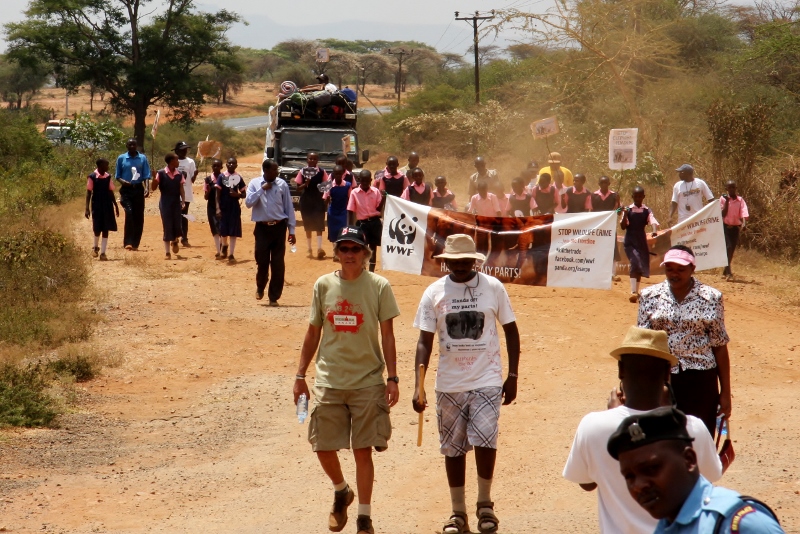
Today I left Sultanhamud for Kima at 6.15am. I was to meet Mary from Action for Cheetahs. I covered 14km before meeting her, my support team and a group of pupils from Kavuko Primary School and Kiima Kiu secondary School. The students are scouts and members from the wildlife club in their school. They somehow reminded me of my days back in primary school. I was a founder member of the wildlife club in my high school. I told them briefly the main purpose of my walk though I knew Mary had done so prior to our meeting, (they needed to hear it from the Elephants mouth). They were ready to walk with me for a few miles. The terrain here is quite hilly and I was afraid I will drag because of the little ones, but I was shocked to see them climb the hilly roads with so much energy, BRAVO little ones. As we walked, Dr. Cynthia Moss an old elephant matriarch from Amboseli Elephant Trust joined us to show her support. Even with a twisted ankle, she managed to walk with me for about 10 meters. She also brought us a gift of wrist bands printed with a strong message “DON’T BUY IVORY”. I gave some children and my team members each wore one. Thanks Cynthia. We covered 9km to Salama town, had lunch before meeting students from Kiima Kiu Secondary School. The people of Salama had so much to tell us about elephants, very friendly people. I think we were given a better service at the restaurant when they realized who we are. They had seen us on TV and had been waiting eagerly for the day we would pass by their town. They really admired the wrist bands and I distributed some at random to a few lucky chaps. (Thanks again Cynthia, you’re a lifesaver). My sincere gratitude goes out to the highway patrol officers for making the walk a success. They really helped in controlling the fast moving traffic, and ensuring that the students crossed the road safely. Together with the secondary school students we covered another 16km to Malili centre. Mary has accommodated me and the entire team for the night. For a relief I will sleep on a bed after days camping in a sleeping bag. I can hear my support team chatting around the bonfire and others playing poker with Mary. I wish I could join them but I have to wake up early tomorrow. Wonder why they haven’t come to say goodnight yet, they always come at around this time…….maybe for a change I’ll go say goodnight instead. “Big mistake Jim!”

Peter-and-Jim-following-police-escort-800x534

23rd February

Today being the last day, I can say excitement woke me up earlier than usual. At 6.30am I received a call from Anabella from Maniago safaris (She is like a mother to me) asking where I was. She was already at Jomo Kenyatta International Airport (a few Kilometers from camp) waiting. We met at Small world and I was surprised to see a very big team from Maniago safaris ready to walk with me. The staff told me that Manaigo offices had been closed for the first time in history on a Saturday. Together with Maniago safaris was Dr Sitati: Head Species/Elephant and Rhino Program World Wildlife Fund (WWF) Kenya and his team. The walk destined to end at the Aboretum grounds started at 10.30am and along the way we were joined by a bus full of members from Wildlife Clubs of Kenya and others from Elephant voices who also walked with us all the way. Students from The University of Nairobi and Kenyatta University wildlife clubs also joined us. The energy in this young people was immense. They sang and danced and waved, encouraging passersby to come walk with us. The crowd kept getting bigger and louder. Our convoy was getting longer and longer. I was wrong last night, Kenyans really do care about our Elephants. Ever since I started this walk, I walked fastest today. One of my team members said it was like I was walking with the rangers again…….. And I replied, “son,……this time I have a whole army”!! Good Job Kenyans! Good Job. People will always lend a helping a hand to a man who tries hard We walked through Nairobi City to our finishing point at Aboretum. We received a warm welcome amid cheers from a large group of energetic people. Later, Dr.Kagiri and I received the Chief guest The Permanent Secretary of the Ministry of Wildlife; Mr Gathara, The Kenya Wildlife Service(KWS) spokesman Mr. Mbugua and together we held a press briefing and gave a few short speeches. Very inspiring speeches by the two and the very funny speech by Dr.Kagiri. I introduced every member of my team and they surprised me with a lovely gift of an elephant carving with my new nickname “JIMBO” engraved………thanks guys! I couldn’t have made it without you!!  So everyone asks me what next Jim?……….. Well my blisters are dry now, I have the best support team ever and a strong will , I could walk round the globe for the elephants, we’re not even halfway in the fight against poaching……. to me, the Walk has just began.
                                     “It is no use walking anywhere to preach unless our walking is our preaching” Francis of Assisi

1010650_549678955096562_1496982430_n

                         Jim accompanied by the First Lady Margaret Kenyatta and other officials


So what next? The Maasai Mara – Mt Kenya walk here I come in May ….. Welcome to the next exhilarating, amorous and longest WALK.

Here is a link for those interested in reading the whole adventure; http://www.elephantneighborscenter.org/files/jim_diary.PDF

Portraying Kenya’s Magnificence; Safaricom

Nafurahia undugu na ukoo wetu (I rejoice our brotherhood and family)…these are the first words that welcome you to this enchanting ad and with a spectacular view of Mount Kenya to top it. Despite lots of talk regarding Niko Na (title of the ad)…taking a glance at it for the first time one would need no persuasion placing it in the tourism sector right? Not only is this not a tourism ad (it would be awesome if it was), it comes to many a surprise as a mobile network operator’s ad. Safaricom went on a level high on this one ( Qantas controversy aside) showcasing Kenya’s beauty and all the magnificence it has to offer.

From here the ads could only be expected to go a notch higher, then comes the current ad Naweza (I can)…a continuation of the previous…Hence Niko na Safaricom, Naweza (I have Safaricom, therefore I can). Many can surely attest to the fact that had it not been for the ads, they would still be in oblivion to some of the regions showcased existing in Kenya.

The ads take only a minute or so, but the work behind that magical minute, we can only try to comprehend the energy, dedication and manpower that goes in to all that. Kudos! Safaricom for the beauty portrayed…Kenya Tourism Board should definitely borrow a leaf. Below we take a look at the making of the ads and how much goes into producing perfection.
Nairobi in a day

Courtesy of The Tribe Hotel Nairobi, below is a take of things to do and places one should visit if they only had a day in the City.


Karura Forest;
Fancy a family picnic by the lake, bird walks, bike trails and generally a spectacular nature trail, Karura forest should then definitely be on your list of things to do. Things to enjoy here include the Mau Mau caves, scenic waterfalls, picnic sites, bamboo forest and nature trails. Karura does not fall short of wildlife as well one can spot  different monkey species, bush baby, bush-buck, bush pig, porcupine, duiker, genet, dik dik, African civet and epauletted bat.
filename-img-1291-jpg
img_0445
Karura_forest_indegenious_forest
Cafe Brasserie;
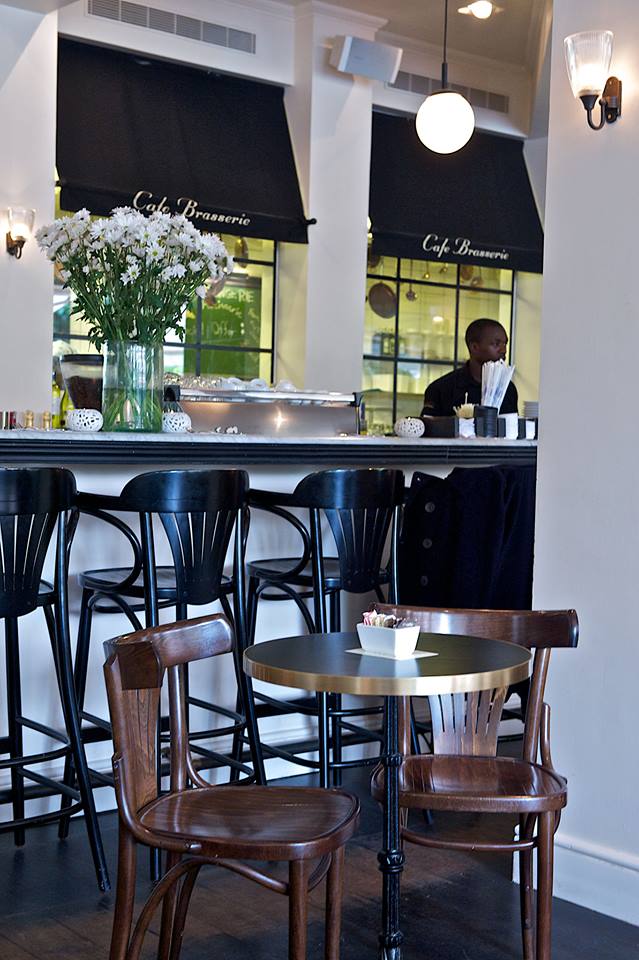
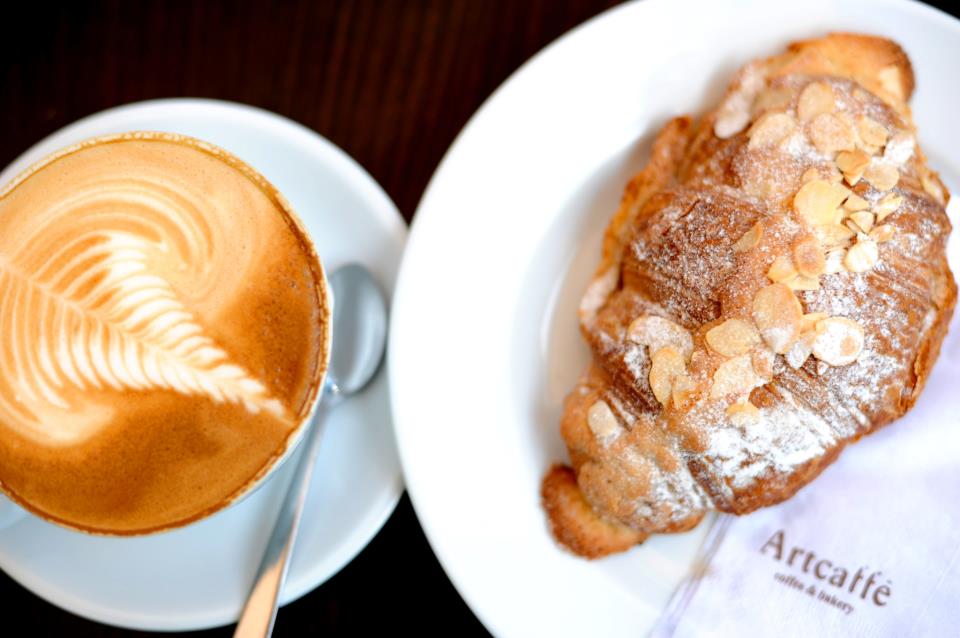
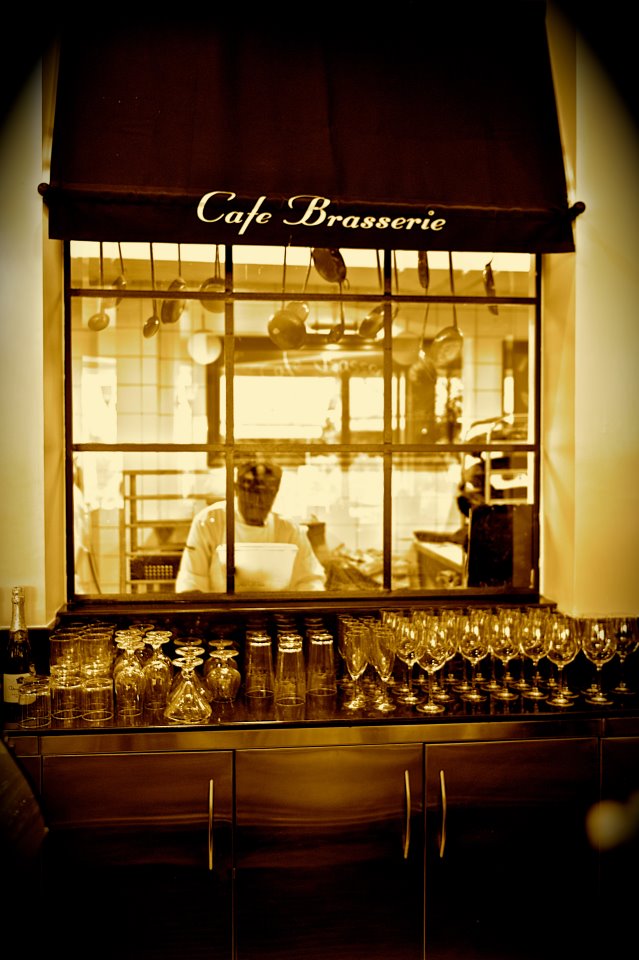
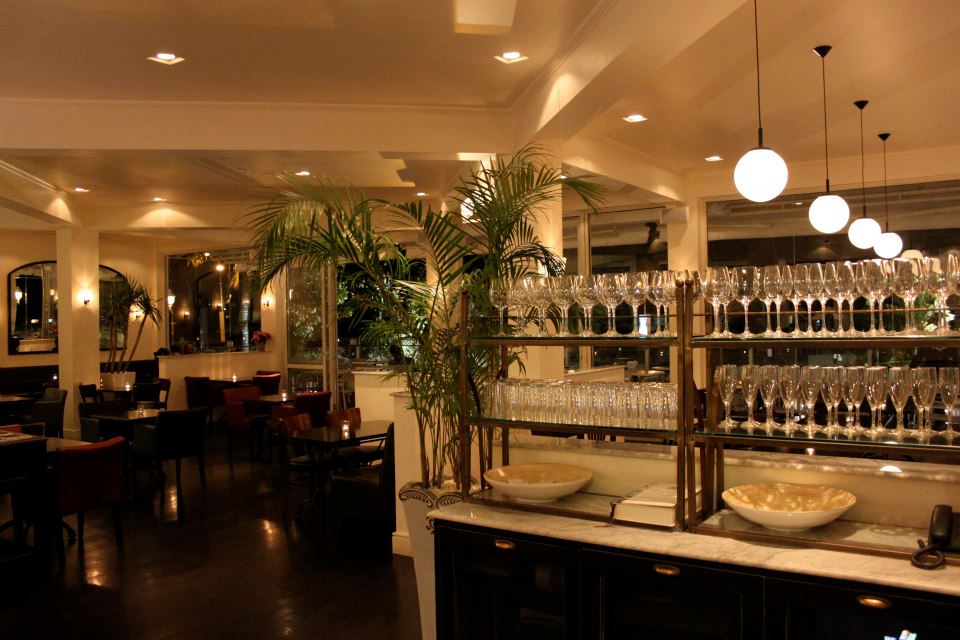
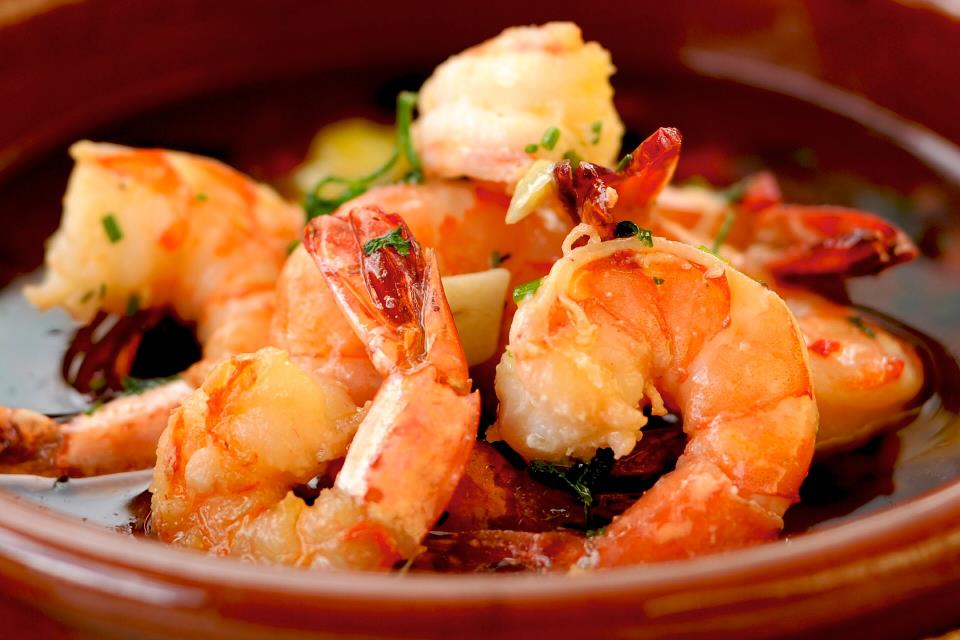
Located in Nairobi’s Village Market, The Cafe Brasserie by Art Caffe is a bright, light-filled café famous for its roasted coffees, hearty dishes and mouth-watering deserts. With wood-panelled walls and high ceilings, the café has a unique character, and is the ideal spot for post-shopping coffee and cake breaks with friends, pre-shopping breakfasts and leisurely lunches. The contemporary interior with clean lines, combined with a convivial ambiance, have made this restaurant a staple on the local dining scene.
401779_591553057552017_1570248523_n
150143_480586495315341_255118144_n
251133_473030742737583_166097947_n
314072_444136895626968_1379807483_n
320467_473031372737520_572965740_n
  431220_469359739771350_1773504506_n
484118_570944092946247_476880611_n
The Giraffe Centre;
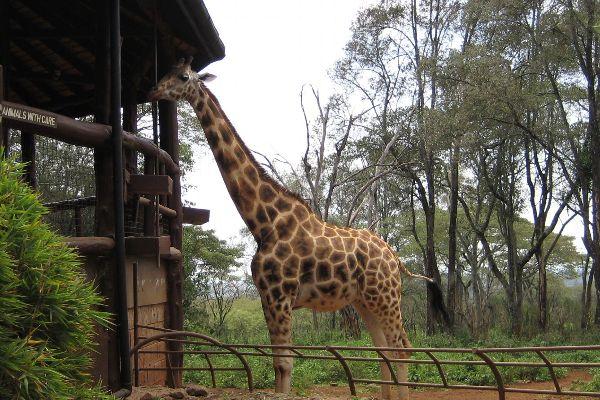
Run by the African Fund for Endangered Wildlife, this is a sanctuary for the rare Rothschild’s giraffe. Spend some time observing, hand-feeding (and if lucky, get a big wet kiss) as well as capturing close-up photos of the giraffes in case you did not catch sight of them while on safari. One can also enjoy a quiet nature trail through thick bushes and forest. Other animals you are bound to encounter include warthogs, hyenas and sometimes leopard.There is a variety of flora and fauna.
431597_600_400
giraffe-3
girraffe centre
nairobi-giraffe-center3
House of Treasures;
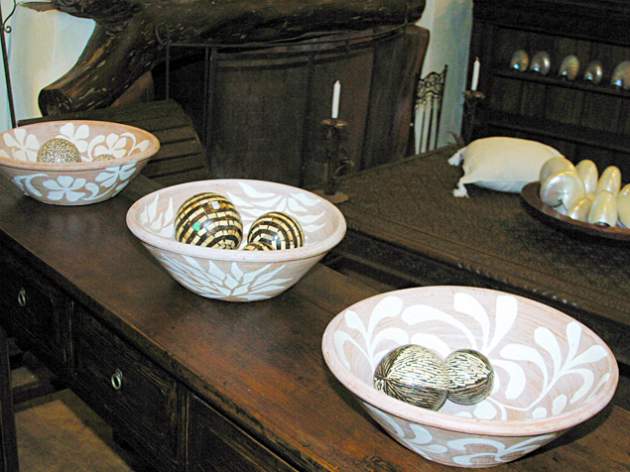
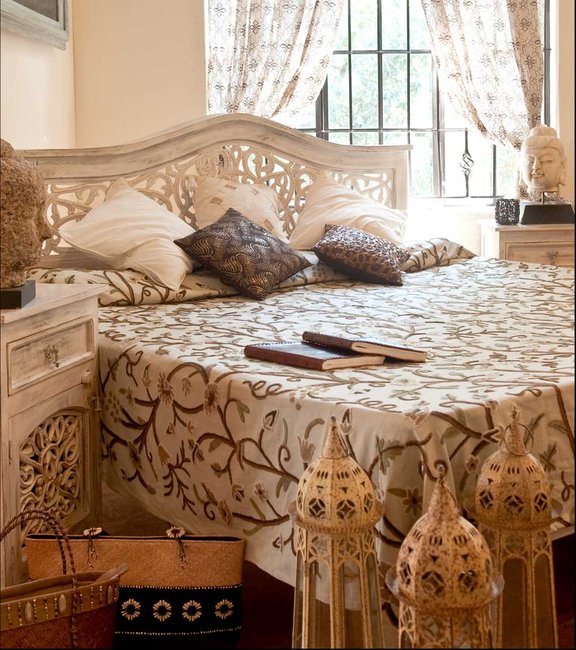
The House of Treasures is filled with unusual and exotic goods from around the globe. Antique and modern furniture, architectural pieces, innovative fashion & jewellery, Africana artefacts, children’s toys and eclectic home-ware – all gathered in a striking double-storey gallery set in mature gardens in Karen, just outside Nairobi, Kenya.
65
78
650
HoT_image_upload_King-size-bed_jpg_800x650_q85
HoT_image_upload_shelf_jpg_800x650_q85
Maasai Markets;
Meet craftsmen of authentic Kenyan artifacts and enjoy the sight of ladies beading and making jewellery at the markets. Held around the city at different venues on different days, bag yourself a set of souvenirs for your friends and families back home including wooden carvings and bead-work; beaded necklaces, batik wall hangings, shoes, soap stone carvings, sisal bags, kikois, textiles and much more.  All Maasai Markets items are Kenyan and the range of goods on offer is impressive .You can’t go wrong at the Nairobi Masai Market.
1.1260012493.091205-maasai-market
41245943.nbofeb05067
Baskets
  Thin leather bracelets
Adèle Dejak;
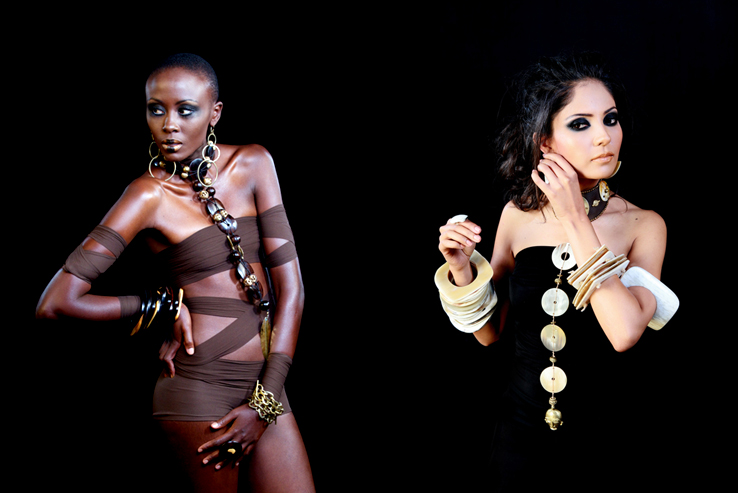
The Adèle Dejak brand creates handmade fashion accessories for the modern, sophisticated and multidimensional woman. Inspired by African shapes, textures and traditional techniques, the cutting-edge pieces sit perfectly between artifact and high fashion statement designs. The Adèle Dejak collections express acute appreciation for African-made fabrics, including Kuba cloth and kitenge (wax print); a dedication to using recycled materials including rice and cement sacks, brass, aluminium and glass and; a commitment to exceptional quality.
afri love 4_0
kim and jewellery_0
kimora kitenge_0
Anselm – Kitengela Hot Glass;
Sleek vases the colour of sea glass, a coffee table that looks as if it is made of crushed ice.  Extravagant murals. A goblet that feels solid and perfect in your hand, majestic and bejeweled chandeliers. A splash of window that is a mosaic of the sun, a globe-shaped lamp glowing like a planet. A Maasai necklace design that is an explosion of colour and lighting. A passionate and practical ensemble of scrap window and bottle glass renewed, refashioned into stylish pieces, functional art and inspired design. All this and more at Anselm- Kitengela Hot Glass, each piece is unique, handmade to catch the eye and satisfy the soul.
140_additional_bild6_rr5_003
about-kitengela_jpg_960x519_q85
Anselms-Kitengela-Hot-Glass-9
Anselms-Kitengela-Hot-Glass-11
New Kitengela Works-Westend House, Westlands, 1_4 tonnes, 750 pieces
African Heritage House;
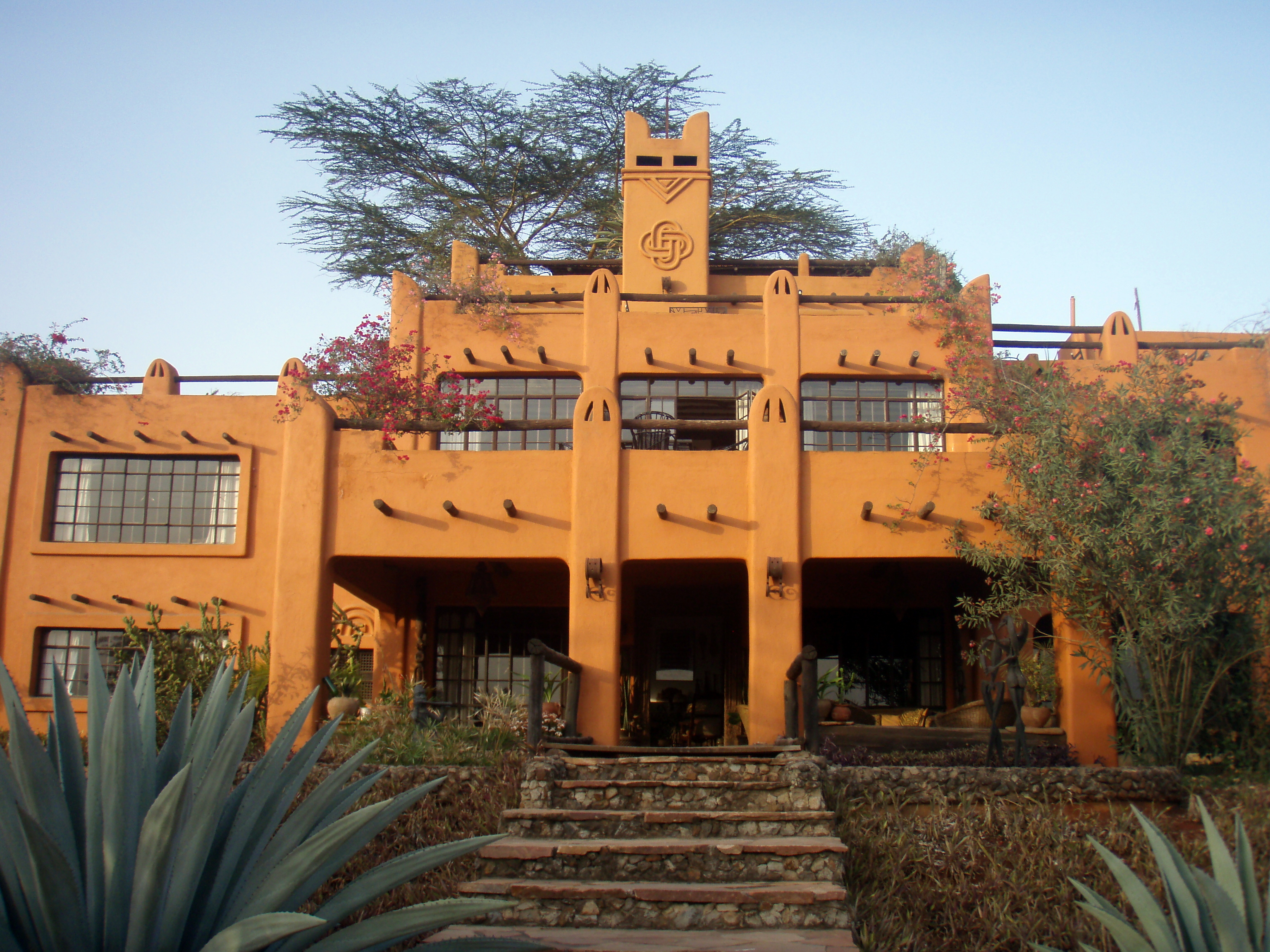
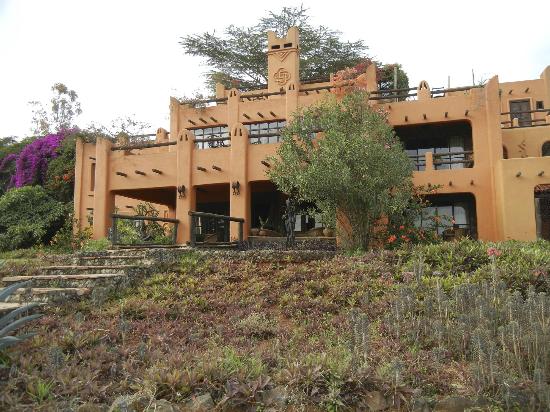
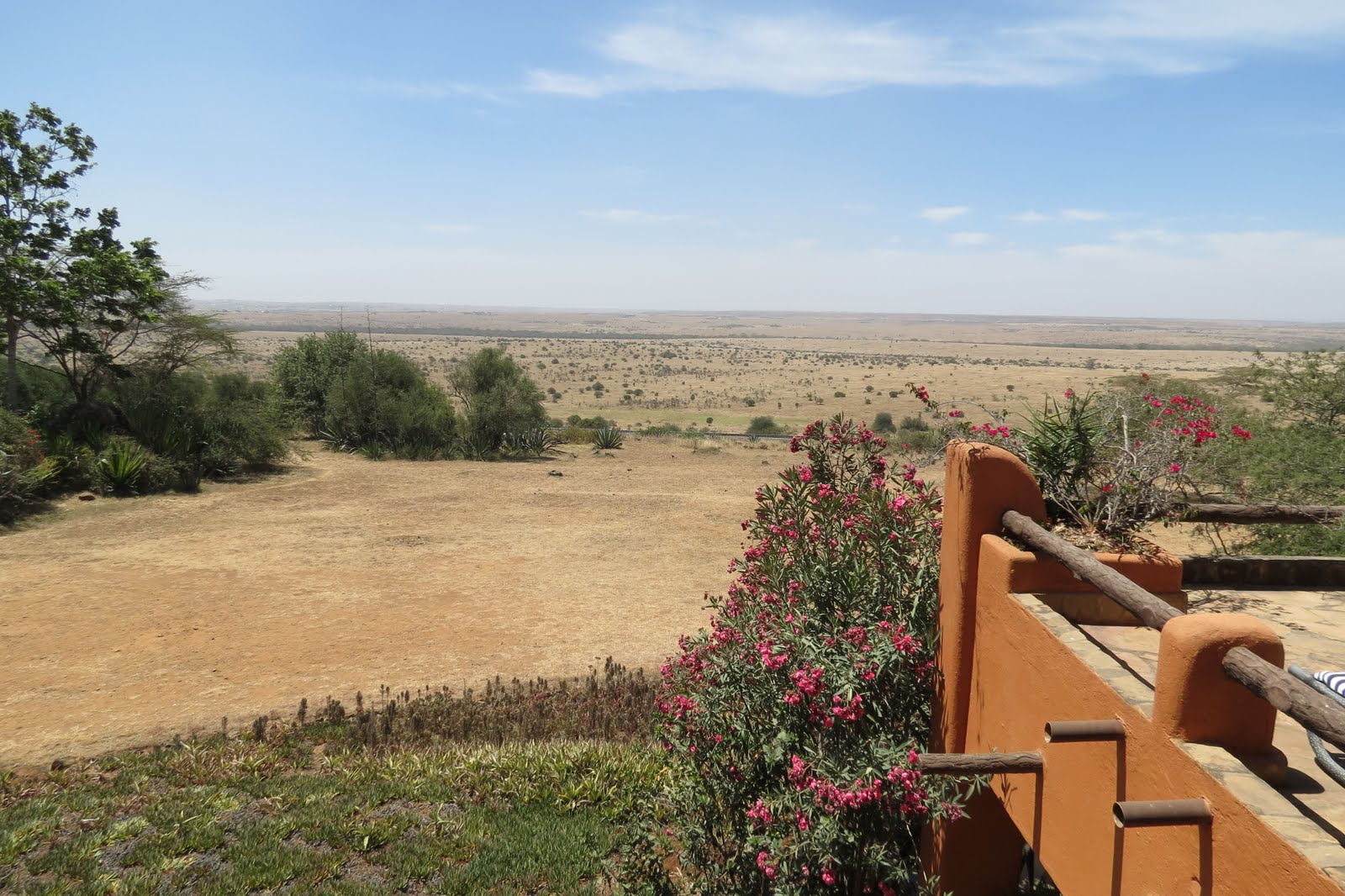
The African Heritage House overlooking the Nairobi National Park is described by the prestigious Architectural Digest as “an architecture rising from the serene Kenyan plain like an outcropping of earth, a vision of usefulness informed by the African genius for decoration.”
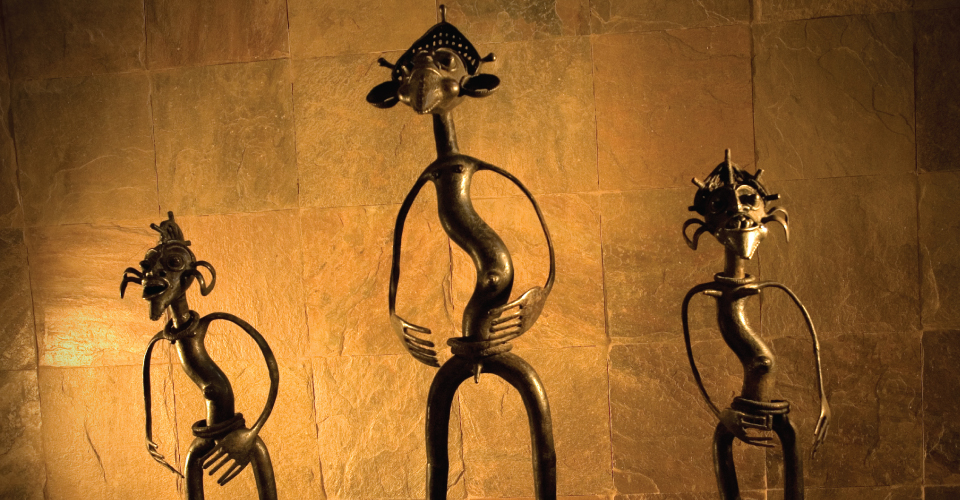
Designed by American Alan Donovan, co-founder of the African Heritage Pan-African Galleries, the house is a combination of the mud architectures from across Africa.The house is available for tours, meals (breakfast, lunch, and dinners on the rooftop or by the refreshing pool), conferences/functions, as well as overnight stays in its luxurious rooms, filled with African art and furnishings with modern appointments.
OLYMPUS DIGITAL CAMERA
getlstd-property-photo
5
africa_heritage_house-109
africa_heritage_house-230
africa_heritage_house-296
Kalabash;
Once at Kalabash you will be awed by the creativity and pronounced ethnic artistry that awaits you. Kalabash Selections specializes in extraordinary art, crafts and accessories from across Africa.  The curated collection represents the finest examples of Africana in wood, stone, metal and beads. It  glows with unique earthly African shades of brown, which most of its racy crafts represent. Kalabash also stocks beadwork and artifacts made from driftwood, soapstone and clay.
brass-rider-2
dancing-man
soap-stone-bowl-faces
Kaya Spa;
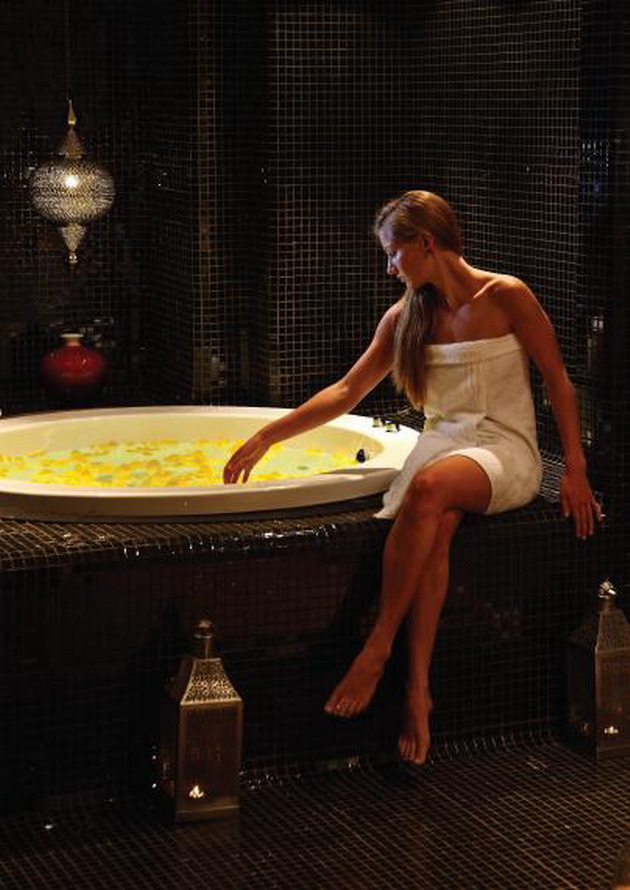
Kaya, Tribe’s exclusive spa combines traditional and new-world treatments from around the globe. The five treatment rooms and hair studio infuse a sense of tranquility through inspiring design – taming the body, mind and soul.
33bf6df3669f284d069a14bf22a7bf44
                                                                                   20110203000211_282
kaya_spa_nairobi
kaya-spa-main
               tribe
NEST;
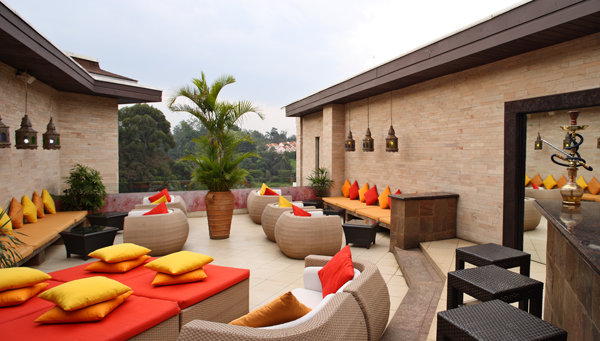
Also at the Tribe,  NEST is the perfect location for sun-downer drinks, private parties, or just an intimate space to get away and hang out. NEST serves the best martinis in Nairobi which are a perfect compliment to aromatic shisha pipes or hookahs.
058dstribe_0
134144_720_553
558665_10151539140931552_582436287_n
at-nest-for-a-sundowner
Jiko;
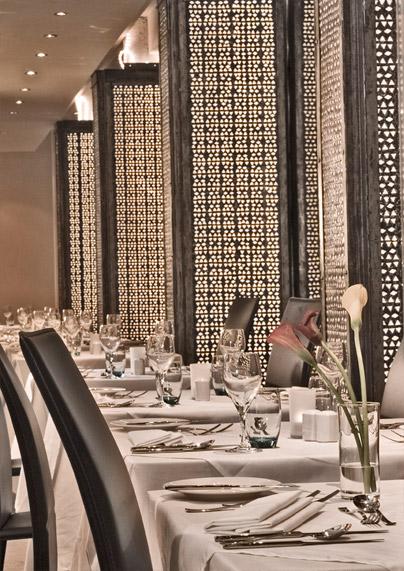
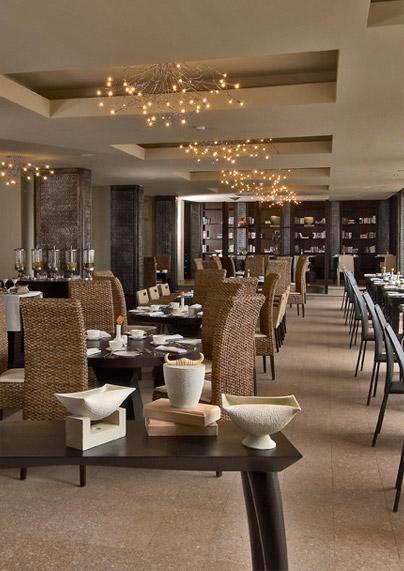
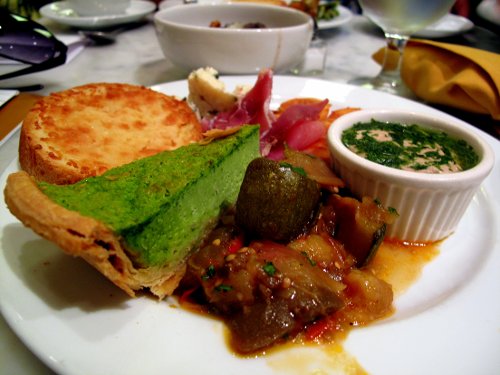
Jiko holds true to the glamorous yet sophisticated feel of the Tribe hotel whilst maintaining the warmth and personality of Kenya. Its contemporary international cuisine focuses on carefully grown fresh ingredients and specially sourced international imports. The extensive menu features grilled meats and vegetables as well as house made pastas, breads, pastries and gelatos. Jiko’s exclusive wine list highlights some of the finest selections of wines to perfectly compliment the flavors of Jiko.
20100324135314_908
20100324135320_284
20100324135321_505
i-375629444_5cd644b0bdb5279c7865c3f727a0ac47
jiko
Jiko-Restaurant-at-Tribe-Hotel-in-Nairobi-photo-credit-Susan-Wong-2011-8
Jiko-Restaurant-at-Tribe-Hotel-in-Nairobi-photo-credit-Susan-Wong-2011-9
Jiko-Restaurant-at-Tribe-Hotel-in-Nairobi-photo-credit-Susan-Wong-2011-10
tribe-hotel

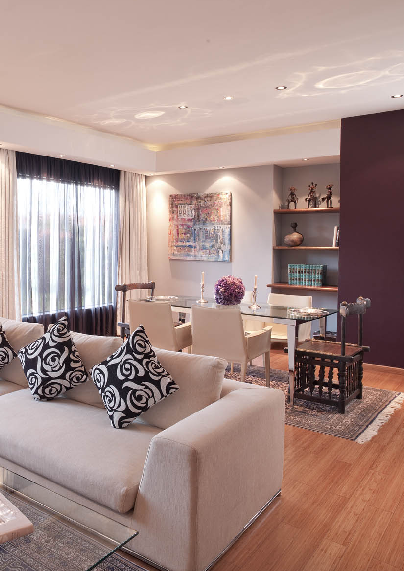
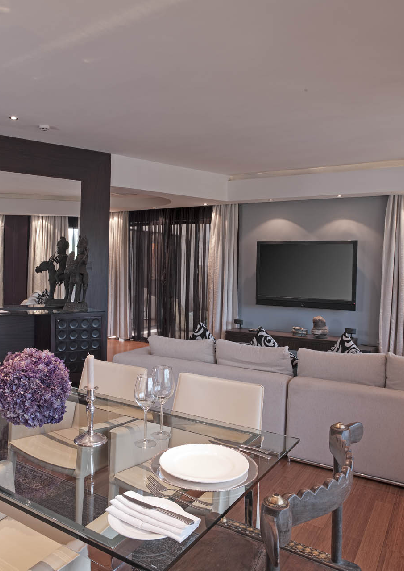
Finish your day in style sleeping at the Tribe’s Presidential suite. A one-bedroom suite overlooking the protected natural wetland, the Presidential Suite features a living room with dining table and over-sized couches, a 60-inch plasma TV with a BOSE Lifestyle sound system, guest bathroom, a private balcony, enhanced storage facilities and the suite’s iconic master bathroom. The Presidential suite is furnished with a rain shower, bath tub, 300 thread-count sheets, and a king bed. Tribe offers a complimentary mini-bar and free high-speed wireless internet with all rooms.

20100316180714_685

20100316180717_122

20100316180723_828

20100316180726_828