All posts by zurukenya

Zuru Kenya is a sophisticated, high quality, visually impacting travel, leisure and lifestyle Blog. We seek to raise the profile of Kenya by showcasing its diversity in cultures, tastes, wildlife, stunning landscapes and more! Our passion for travel drives us to highlight what makes Kenya a top tourist destination (not only in Africa but worldwide) and the premier of wildlife safari. Our aim is to bring you relevant travel content that features Kenya's fascinating history and culture, her people, amazing sights & sounds and beautiful regions designed to aid you in planning and/or enjoying your trip to this beautiful country

Love, Life, and Elephants: An African Love Story

The day had begun well. My friend and I were in Tsavo National Park, among the tangled vegetation and wild herds, searching for Eleanor. I was eager to find my most treasured orphaned elephant. Over my many years of involvement with elephants, there was no doubt about it: Eleanor had taught me the most about her kind. We had been through many ups and downs together. She was my old friend.

Finding her was not an easy task. Tsavo spreads over 8,000€€€ square miles. We were looking now in the place where I had heard she had been just the day before. There had been many occasions in the past when, suspecting that Eleanor might be among a wild herd, I had simply called her name and she had turned quietly from her group and come to me. We had shared many tender moments, her massive trunk prickly as she wrapped it gently around my neck, one huge foot raised in greeting for me to hug with both my arms.

I had known Eleanor since she had become an orphan at two – now she was in her forties, almost the same age as Jill, my elder daughter – and there existed between us an amazing bond of friendship and trust that had persisted beyond her return to the wild. At last – in the right area – we spotted a wild herd. From a distance it was never easy to identify Eleanor among a milling crowd of her fellow adults, and I had never felt the need to do so, certain that she would always know me. Unlike the other wild elephants of Tsavo, who had no reason to either like or trust humans, Eleanor would always want to come when called, to greet me, simply for old times’ sake. I have come to know a lot about elephant memory and how very similar to ourselves elephants are in terms of emotion – afterall, greeting an old friend makes you feel good, remembered, wanted.

There stood a large cow elephant drinking at a muddy pool, her family already moving on among the bushes. From this distance, it didn’t look much like Eleanor, for although as large, this elephant was stockier. I told my friend as much.

“How disappointing,” he said. “I was so hoping to meet her.”

“I’ll call her,” I replied, “and if this is Eleanor, she will respond.”

She did. The elephant looked up at me, her ears slightly raised, curious. She left the pool and walked straight up to us.

“Hello, Eleanor,” I said. “You’ve put on weight.”

I looked into her eyes, which curiously were pale amber. I had a fleeting thought that Eleanor’s eyes were darker, but I dismissed this instantly. This must be Eleanor. Wild elephants in Tsavo simply did not behave in this way, approaching humans so trustingly. The Tsavo herds were now innately suspicious of our kind, having been relentlessly persecuted in the poaching holocaust of the 70s, 80s and early 90s.

“Yes,” I said to my friend. “This is Eleanor.”

Reaching up, I touched her cheeks and felt the cool ivory of her tusks, caressing her below the chin in greeting. Her eyes were gentle and friendly, fringed with long dark lashes; her manner was welcoming.

“She’s beautiful,” murmured my friend. “Stand next to her so that I can take a photo.”

I positioned myself beside one massive foreleg, reaching up my hand to stroke her behind the ear, something that I loved doing with Eleanor. The hind side of an elephant’s ear is as soft and smooth to the touch as silk and always deliciously cool.

I was totally unprepared for what happened next.

The elephant took a pace backwards, swung her giant head and, using her trunk to lift my body, threw me like a piece of weightless flotsam high through the air with such force that I smashed down onto a giant clump of boulders some twenty paces away. I knew at once that the impact had shattered my right leg, for I could hear and feel the bones crunch as I struggled to sit up. I could see too that I was already bleeding copiously from an open wound in my thigh. Astonishingly, there was no pain – not yet, anyway.

My friend screamed. The elephant – I knew for certain now that this was not Eleanor – rushed at me, towering above my broken body as I braced myself for the end. I closed my eyes and began to pray. I had a lot to be thankful for, but I did not want to leave this world quite yet. Inside I began to panic, jumbled thoughts crowding my mind. But suddenly there was a moment of pure stillness – as if the world had simply stopped turning – and as I opened my eyes I could feel the elephant gently insert her tusks between my body and the rocks. Rather than a desire to kill, I realized that the elephant was actually trying to help me by lifting me to my feet, encouraging me to stand. I thought: this is how they respond to their young.

But lifting me now could be catastrophic for my broken body.

“No!” I shouted, as I smacked the tip of the wet trunk that reached down to touch my face.

She gazed down at me, her ears splayed open in the shape of Africa, her eyes kind and concerned. Then, lifting one huge foot, she began to feel me gently all over, barely touching me. Her great ears stood out at right angles to her huge head as she contemplated me lying helpless, merely inches from the tip of two long, sharp tusks. I knew then that she did not intend to kill me – elephants are careful where they tread and do not stamp on their victims. If they do intend to kill, they kneel down and use the top of the trunk and forehead. And it was at this moment – with an astonishing clarity of thought that I can still feel within me to this day – I realized that if I were to live, I needed to fulfill the debt I owed to Nature and all the animals that had so enriched my life. For even as I could feel the broken bones within my crumpled body, feel the fire of pain now engulfing me, and even though it was one of my beloved creatures that had caused me this distress, I knew then and there that I had an absolute duty to pass on my intimate knowledge and understanding of Africa’s wild animals and my belonging to Kenya.

I thought: if I survive this, I will write. This will be my legacy. I will set down everything I have learned in my efforts to contribute to the conservation, preservation and protection of wildlife in this magical land.

It was as if the elephant had heard my thoughts. There was a tense silence as she took one more look at me and moved slowly off.

I would live on. In a state of some distress, my friend managed to find his way back to our driver to fetch help.

After many hours of lying beneath that boulder, experiencing agonizing pain such as never before, I was rescued by the Flying Doctors. My ordeal was far from over. I was to endure endless operations, raging infections, bone grafts and a lengthy convalescence in which it took me months of learning to walk again. But I was alive, still here in Africa. I had survived because of elephants’ extraordinary ability to communicate very sophisticated messages to each other, messages that often go against all their natural instinct. For we discovered that Eleanor knew Catherine – as we subsequently named my wild attacker – and had somehow told her that I was a friend.

As for my epiphany – the certainty that I had to write about my life and my work – here it is, some years down the line. This is the story of my settler ancestors; of growing up on my parents’ farm; of safaris and nights under the stars; of my soulmate David, my daughters Jill and Angela, the birth of our elephant orphanage, my life lived – all interwoven with spellbinding stories of the many different animals that have immeasurably enriched my life, animals I have reared and loved and come to know as a surrogate mother.

Set against the majestic land of Africa, the birthplace of mankind, my story begins.

Dame Daphne Sheldrick. My hero.:

Elephant:

For over 30 years, Dame Daphne Sheldrick has pioneered the hand-raising of orphaned elephants. Here she is with Eleanor, now a fully wild orphan who was rescued in 1960. Read more about Eleanor at http://www.sheldrickwildlifetrust.org/asp/orphan_profile.asp?N=21:

Excerpted from “Love, Life, and Elephants: An African Love Story” by Dame Daphne Sheldrick, published in May 2012 by Farrar, Straus and Giroux, LLC. Copyright ©2012 by Dame Daphne Sheldrick. All rights reserved. All photos are courtesy of David Sheldrick Wildlife Trust.

Di Caprio, Bloomberg, Elton John for Kenya jumbo talks

CELEBRITY: Nicole Kidman

LEADING Hollywood and media personalities will be in Kenya in April to attend a major summit on the illegal trade in wildlife.

Among those expected in Nairobi are naturalist and broadcaster David Attenborough, American actor and film producer Leonardo DiCaprio and American business magnate and philanthropist Michael Bloomberg, a former New York mayor.

The others include Australian-American actress Nicole Kidman, billionaire businessman George Soros, Yao Ming, Elton John, Paul Allen, Kim Tan and Howard Buffet.

“They will be joined by a host of African gliterrati in a campaign to sustain the fight against poaching and the illegal trade in ivory, for which Kenya is already a recognised leader,” the Environment Cabinet Secretary, Professor Judi Wakhungu, said.

Several heads of state and governments, including high-powered representatives of Western nations and China, are also set to attend the two-day Pan-African Giants Club in April.

Kenya plans to use the occasion to set ablaze 120 tonnes of ivory, the biggest to be burned by any country in one go, as its commitment to zero tolerance for poaching and the illegal ivory trade.

The summit is set for April 29 and 30, and will also be attended by heads of state and government.

According to government statistics, poaching has gone down in Kenya by 80 per cent, with the number of elephant and rhinos poached in 2015 dropping to 57 and five respectively.

The success has been attributed to the high penalties enforced by the Wildlife Management and Conservation Act 2013, increased numbers of rangers and improved surveillance at Kenya’s major airports.

Continued training of the Judiciary on enforcement and collaboration with the office of the director of public prosecutions is also said to be part of the success story.

President Uhuru Kenyatta signed up as a founding member of the pan-African Giants Club in July last year, joining political, business and finance leaders to fight the illegal trade in wildlife that has devastated Africa’s elephants.

The President also committed to the Elephant Protection Initiative launched in the UK in 2014, which is supported by dozens of African countries struggling to eradicate the increasingly lucrative ivory trade.

Some 100,000 elephants have been killed across Africa in the past three years.

The Giants Club was established by The Space of Giants, whose patron is the media billionaire Evgeny Lebedev, owner of The Independent and the London Evening Standard newspapers.

– By Felix Olick, Source: The Star

#InspirationMonday: 5 Inspiring TED Travel talks to give you wanderlust

New year, new resolutions…perhaps “travel more” is one of them?!

We have just the right bit of inspiration; perhaps a brief insight into the lives of others who view life as an adventure will give you the much needed excitement and enlightenment to start you along on your journey.

It’s essential that from time to time we escape the monotony of routine, and actually listen and absorb what we see, feel what could be and embrace that rush of invincible energy that is strong enough to change your direction.

So, if your will is to travel but you just can’t seem to get away from the magnetism of money and the daily grind,  I believe these stories will pull you in and sway you for a life of adventure. The TED speakers listed below have managed to alter not only their own lives through their powerful beliefs and strong-will but also the lives of many others.

Discover the unknown and learn from other peoples’ view of travel:

MY JOURNEY TO START A SCHOOL FOR GIRLS IN KENYA
Daniela Papi says: “Schools don’t teach kids. People do.” This ted talk here is a touching story about an inspiring woman -KAKENYA NTAIYA, who never gave up on her dream to improve her community’s overall standard of life. You will hear about the horrifying practice of mutilation in Africa and the importance of education and giving opportunities.

DIVE INTO BIOLOGY – GET INSPIRED TO SCUBA-DIVE
This is how teaching by entertaining is supposed to look like. David Gallo is talking about the intriguing creatures that live underwater. But not only talking – he is showing them to us on the screen. Check out for yourselves, what you can see in our oceans and get inspired to go scuba-diving in at least one of them.

TAKE A LOOK AT OUR FUTURE
Robert Neuwirth gives a presentation on why he thinks that squatter districts of cities like Rio de Janeiro, Mumbai, Nairobi and Istanbul are going to define the future of our civilisation. Understanding how people live there will most probably make you want to see at least one of them with your own eyes.


FOR MORE TOLERANCE, we need more … TOURISM?
Aziz Abu Sarah is a Palestinian activist with an unusual approach to peace-keeping: Be a tourist. The TED Fellow shows how simple interactions with people in different cultures can erode decades of hate. He starts with Palestinians visiting Israelis and moves beyond…

THE JOY OF SURFING IN ICE-COLD WATER
“Anything that is worth pursuing is going to require us to suffer, just a little bit,” says surf photographer Chris Burkard, as he explains his obsession with the coldest, choppiest, most isolated beaches on earth. With jawdropping photos and stories of places few humans have ever seen — much less surfed — he draws us into his “personal crusade against the mundane.”

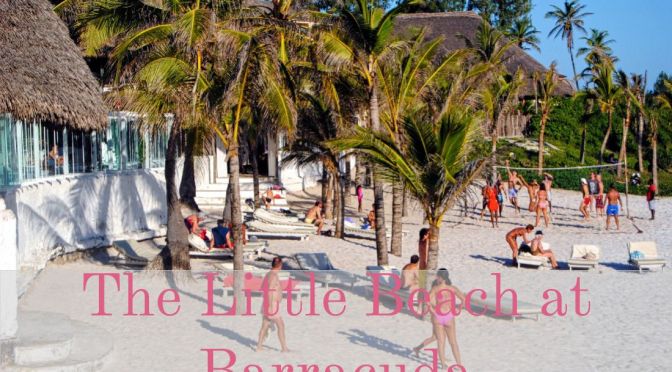
The Little Beach at Barracuda

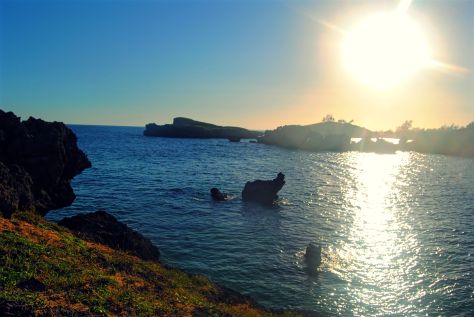
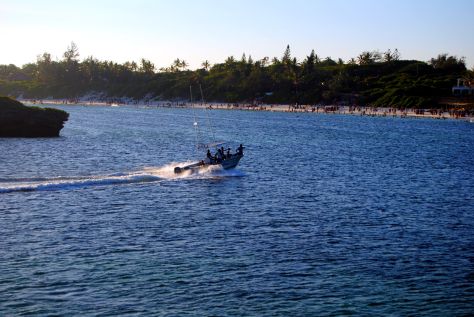
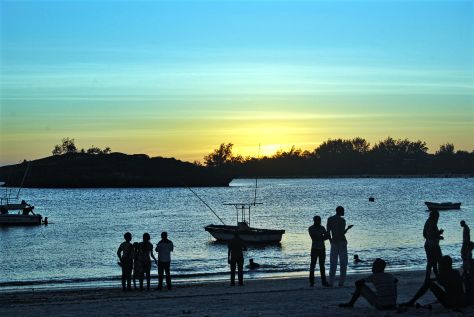
Driving down the small trail, a Watamu local in the backseat giving us directions, I couldn’t have envisioned what awaited us. I’ve had my fair share of coastal beaches but what I was about to step into I couldn’t have imagined. This little piece of paradise sitting pretty outside the small village of Watamu, is no wonder Watamu is listed as having some of the most beautiful beaches in the world.

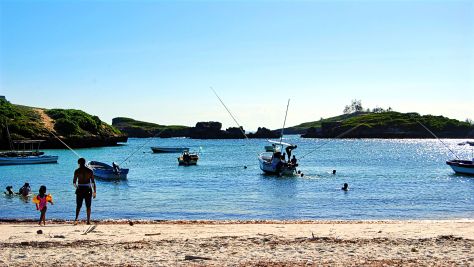
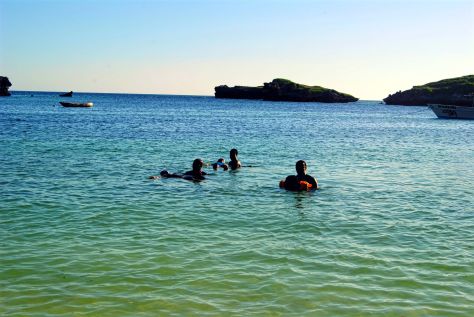
Once you step on the beach, the rocky lagoons across the street instantly catch your eye. These reef-protected lagoons line the Watamu National Marine Park and Reserves, which are the oldest in East Africa and one of the best kept secrets in the world recognized internationally as a UNESCO Biosphere Reserve.

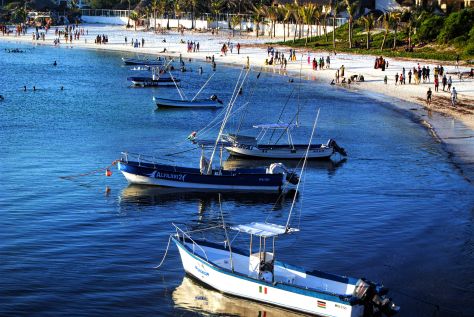
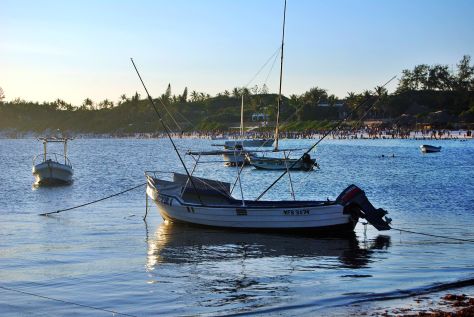
The Blue Lagoon bay where we chose to spend our christmas afternoon is known for its extraordinarily clear waters sheltering a rich marine life; ideal for snorkelling and offers great panoramic views out over the bay. Watersports, swaying hammocks and luxury beachfront resorts complete the picture – it’s the perfect definition of paradise.

Little beach at barracuda - zuru kenya

little beach at barracuda 1 - zuru kenya

little beach at barracuda 2 - zuru kenya

Little beach at barracuda 3 - zuru kenya

little beach at barracuda 4 - zuru kenya

little beach at barracuda 5 - zuru kenya

little beach at barracuda 6 - zuru kenya

little beach at barracuda 7 - zuru kenya

little beach at barracuda 8 - zuru kenya

little beach at barracuda 9 - zuru kenya

little beach at barracuda 10 - zuru kenya

little beach at barracuda 11 - zuru kenya

little beach at barracuda 12 - zuru kenya

little beach at barracuda 13 - zuru kenya

little beach at barracuda 14 - zuru kenya

little beach at barracuda 15 - zuru kenya

little beach at barracuda 16 - zuru kenya

little beach at barracuda 17 - zuru kenya

little beach at barracuda 18 - zuru kenya

little beach at barracuda 19 - zuru kenya

What to anticipate: A “beach boy” or two may approach you with a boat ride offer to the Marine Park. On seeing that we weren’t interested in seeing dolphins, the guy who’d approached us offered to join him and his crew at their hangout joint, a small makuti restaurant where they look out for clients.

Here I met Hussein Guida Turistica who currently goes by the alias Brian when at work. Given the terrorist attacks that majorly hurt the tourism economy, he fears that using his real name Hussein will ward off clients and he could not afford to lose his main way of earning a living.

The little beach at barracuda 20 - zuru kenya
Hussein Guida Turistica taking me round the bay

little beach at barracuda 21 - zuru kenya

little beach at barracuda 22 - zuru kenya
Hussein Guida Turistica requested for this photo with this lovely lady when we first met him

Italian is the language of commerce here and once in a while he and his friends would shift from swahili to italian when they didn’t want us  to here what they were saying while bargaining for a boat ride to the Marine Park.

#Conservation: This is how you can help the endangered Grevy’s Zebra

PHOTO: Francis Mbatha

The IUCN Red List of Threatened Species is widely recognized as the most comprehensive, objective global approach for evaluating the conservation status of plant and animal species – in 2015, it was updated three times.

Sometimes it can feel intimidating when you get inspired to help in conservation, especially once you understand the urgency, the overwhelming numbers and extent of the need – the List currently includes 79,837 assessed species, of which 23,250 are threatened with extinction, with habitat loss and degradation identified as the main threat to more than 80% of species assessed.

“How can I help,” What can I do,” are common questions you may find yourself asking, but it doesn’t always have to be complicated or expensive. Citizen science is gaining popularity in conservation efforts globally since the crucial data and insights collected by citizen scientists (usually the public), are used in scientific research, and also engages people in conservation through providing tangible assistance.

PHOTO: Grevy's Zebra Trust

PHOTO: Grevy’s Zebra Trust

The Great Grevy’s Rally Calls On Citizen Scientists

The endangered Grevy’s Zebra (Equus grevyi), which is taller than the Plains Zebra, has narrower stripes, a white belly and large rounded ears and has an estimated population of only 2,800 in the wild (primarily in Kenya with few in Ethiopia).

For the first time, a national census of the endangered Grevy’s Zebra will be held in Kenya on 30th-31st of January, 2016. The collected data will be used in updating the existing database and populate the new Image Based Ecological Information System and identify future conservation strategies.

The success of The Great Grevy’s Rally will depend greatly on the public’s participation. So if you’re someone who’s always wanted to help – this is your chance!

How You Can Help

If you know how to operate a digital camera and can spot different animals – you’re perfect for the job!

Register as citizen scientists and join academics, conservationists and local community members capture Grevy’s Zebras on your GPS enabled camera (provided by organizers for the two days). The only thing you need to keep in mind, for uniformity,  is to take pictures of only the right flank of the Grevy’s Zebra.

The Great Grevy’s Rally will be taking place in Nanyuki, Kenya and there will be many camping and lodging options – there are affordable camping options that begin as low as KSh 400 per night. The Registration fee is KSh 2,000 per vehicle team and each member of your team must provide proof of medical evacuation or AMREF air evacuation coverage at time of registration. If you don’t have proof of medical evacuation, AMREF air evacuation annual coverage will be available for purchase on Friday, 29th of January for KSh 2,000 to KSh 2,500 at the registration desk at Nanyuki Sports Club.

If you would like to help, I would suggest registering as soon as possible. The first teams of citizen scientists will be able to reserve a specific location to conduct their census and book their preferred accommodation.

For more information on how you can register, complete the form here.

Cheers to a year full of mistakes!

Happy new year good people…

“I hope that in this year to come, you make mistakes.

Because if you are making mistakes, then you are making new things, trying new things, learning, living, pushing yourself, changing yourself, changing your world. You’re doing things you’ve never done before, and more importantly, you’re Doing Something.

So that’s my wish for you, and all of us, and my wish for myself. Make New Mistakes. Make glorious, amazing mistakes. Make mistakes nobody’s ever made before. Don’t freeze, don’t stop, don’t worry that it isn’t good enough, or it isn’t perfect, whatever it is: art, travel, or love, or work or family or life.

Whatever it is you’re scared of doing, Do it.

Make your mistakes, this year, next year and forever.”
Neil Gaiman

How Women Are Effecting Change in Kenya’s Kasigau Corridor

It is well known that women are more likely to invest in their communities than men, and that a developing country that invests in women advances quicker and further. What is amazing is to see this phenomena occur in a society, as I did last month in Kenya.

As part of my work documenting Audi’s carbon offset program, I flew to the Kasigau Corridor REDD+ Project in the southeastern part of Kenya. Like in many parts of Africa, women are generally considered second class citizens. But in the Kasigau Corridor, they are creating systemic change that, in turn, is protecting the land.

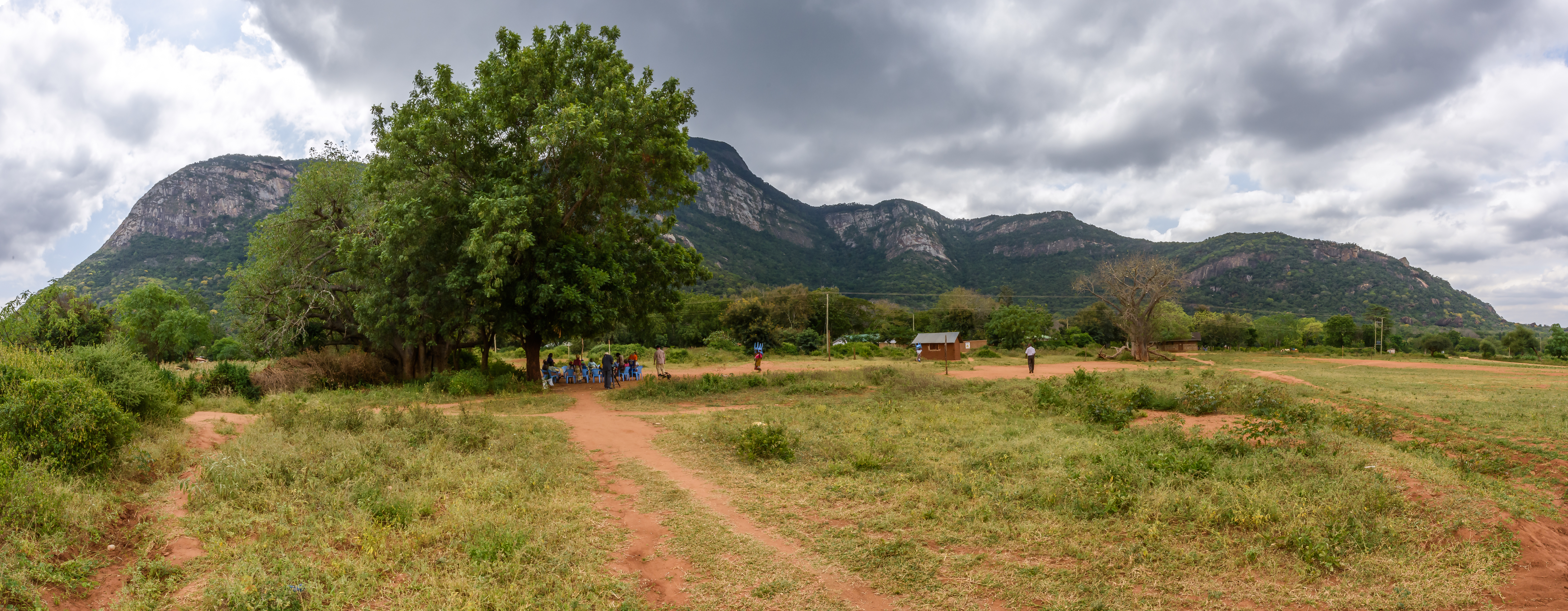
2015-07-15-1436993341-1760822-BunguleWomensGroupMeetsUnderaTree.jpg

Income is a huge issue in the corridor. Slash and burn farming, the deforestation of the land for charcoal, and elephant poaching all provide quick sources of income for families in need, particularly the men responsible for support. Unfortunately, the income is not sustainable and fleeting at best.

The long-term impacts are many. The land is ravaged, meaning less economic opportunity. There is a resulting downward spiral that creates a desperate situation in the home.

zurukenya wildlife works

As a result, women often find themselves in suffering households with many risks ranging from HIV/AIDS to extreme poverty. That is why their role in the Kasigau Corridor’s recovery is so amazing.

The Power of Kenyan Women

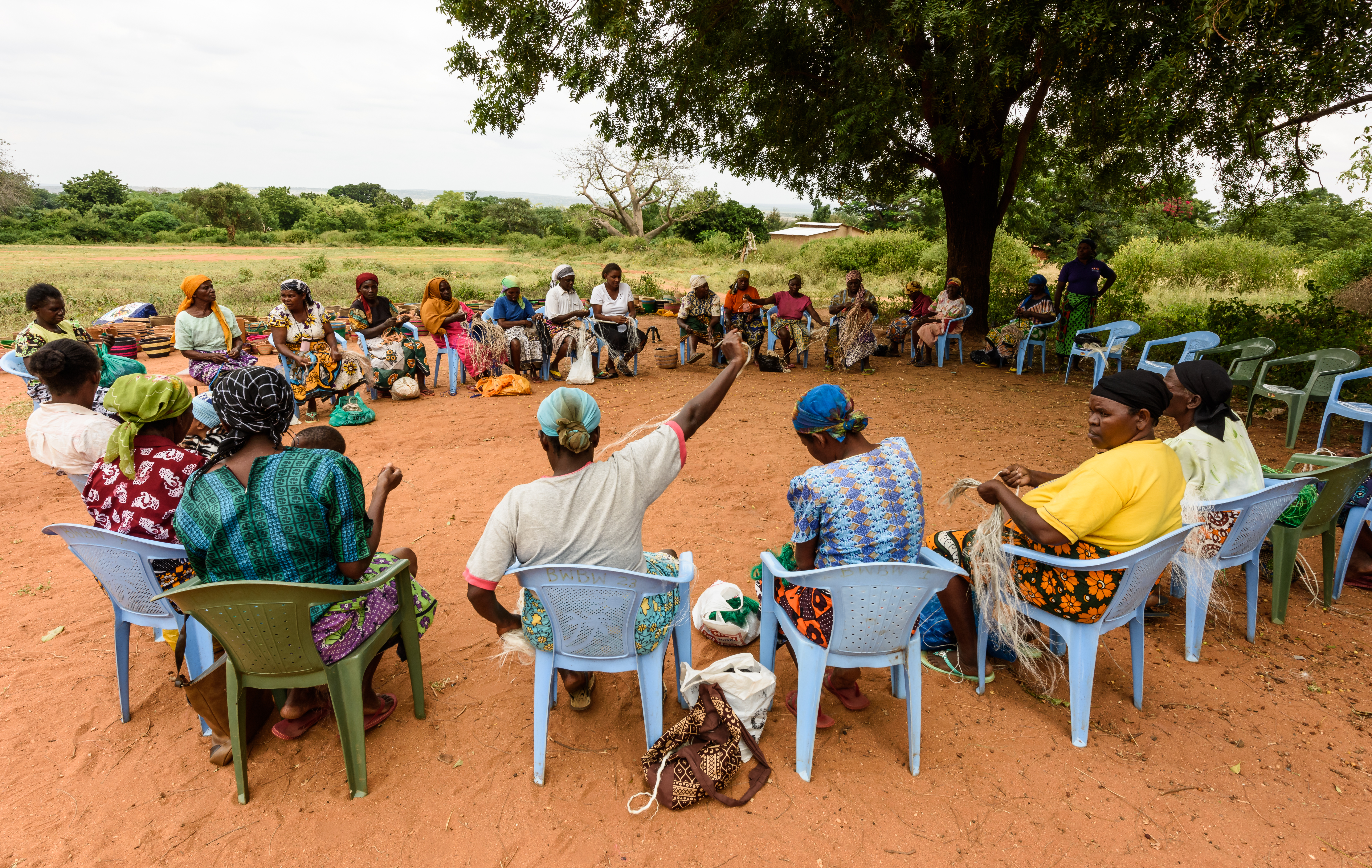
2015-07-15-1436992895-4237428-TheBunguleWomensGroup.jpg

Women’s groups in Kasigau Corridor are one of the leading solutions ushering in sustainable change in the region. The loosely knit associations of women engage in entrepreneurial activities like producing arts and crafts sold in the U.S. through the auspices of REDD+ Project manager Wildlife Works. In all, there are 26 registered women’s groups in the Corridor, touching 550 women or 4% of the overall population.

With the resulting money women are building clean water tanks, buying solar lights and clean cook stoves for their households, and providing an education for their children. Husbands see the positive impact on their households and encourage their wives’ newfound roles in the Kasigau community.

2015-07-15-1436992647-9985653-YoungGirlsPrepareforaCeremonialDance.jpg

These Marasi Primary School girls are dressed up for a traditional dance ceremony to celebrate World Environment Day. They have a chance for a different future than their mothers, thanks to the changes occurring in the Kasigau Corridor.

The impact is far more than numerical though. Each woman has her own story of renaissance. And each story impacts handfuls of others, creating a spreading boon of positivity and economic growth in the Kasigua Corridor.

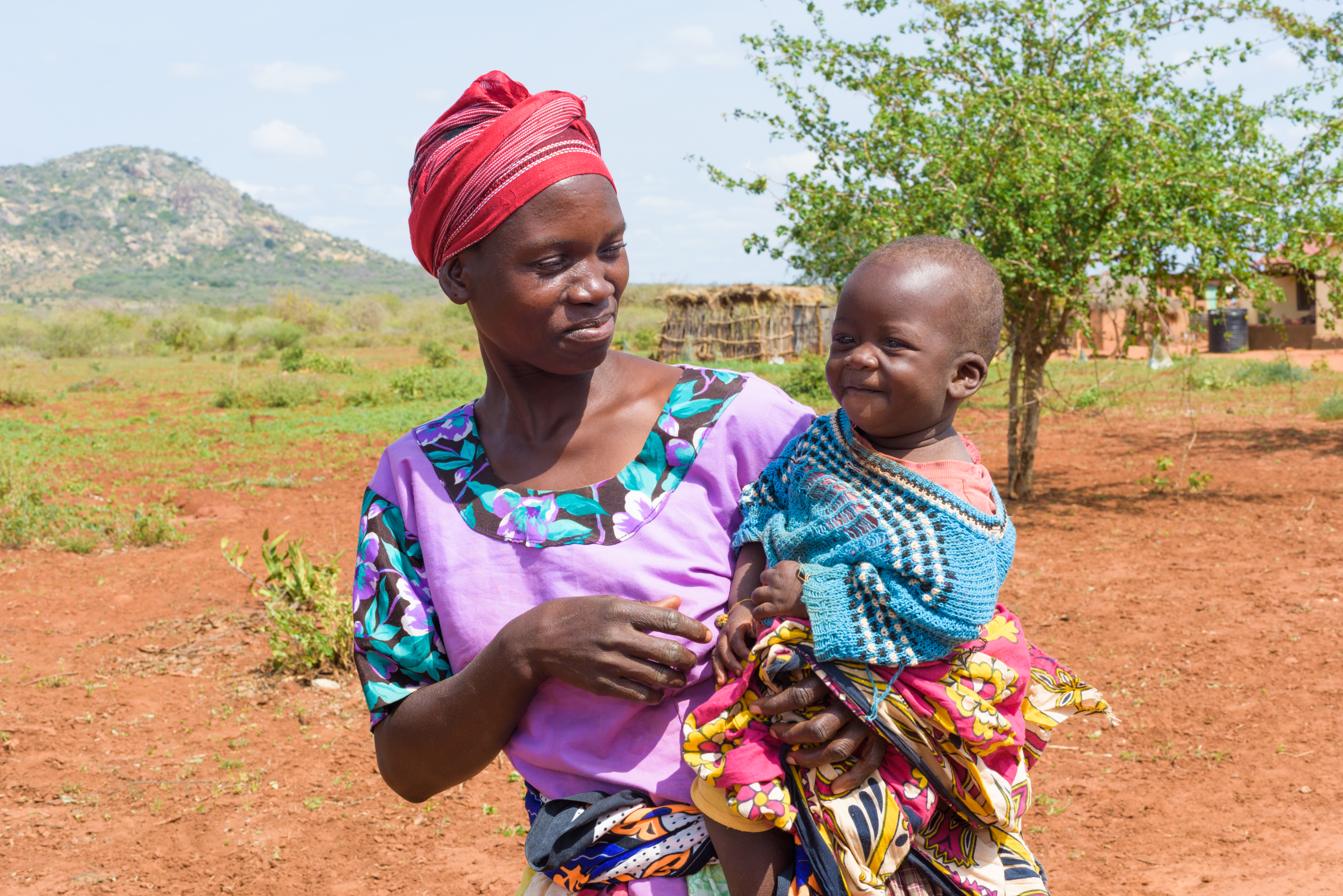
2015-07-15-1436992978-3659490-SaumChakaandChild.jpg

Saum Chaka (above) is a member of the Neema Women’s Group, which has been operating since 2011. The group helped her out when a windstorm destroyed her house. She and her six children had nowhere to go, so the group put up funds to house her and her family while the home was being rebuilt.

The Neema Group has 15 women in total, and they often help each other out in times of need. They make their money by selling young trees, creating paper from elephant dung, and making beautiful jewelry. Some projects the women have taken on include building a water tank for their community (which ended a five-mile walk for water) and sending their children to school.

2015-07-15-1436993033-7482630-JenlizaMwikamba_.jpg

Jenliza Mwikamba (above) is part of the 32-member, 10-year-old Bungule Women’s Group. She said her house was made of grass and leaky, and that her kids did not have beds and were not attending school. Now there is a metal roof over her house, and her children sleep in beds and are in secondary school. She and the other women in Bungule make money by weaving and selling colorful baskets.

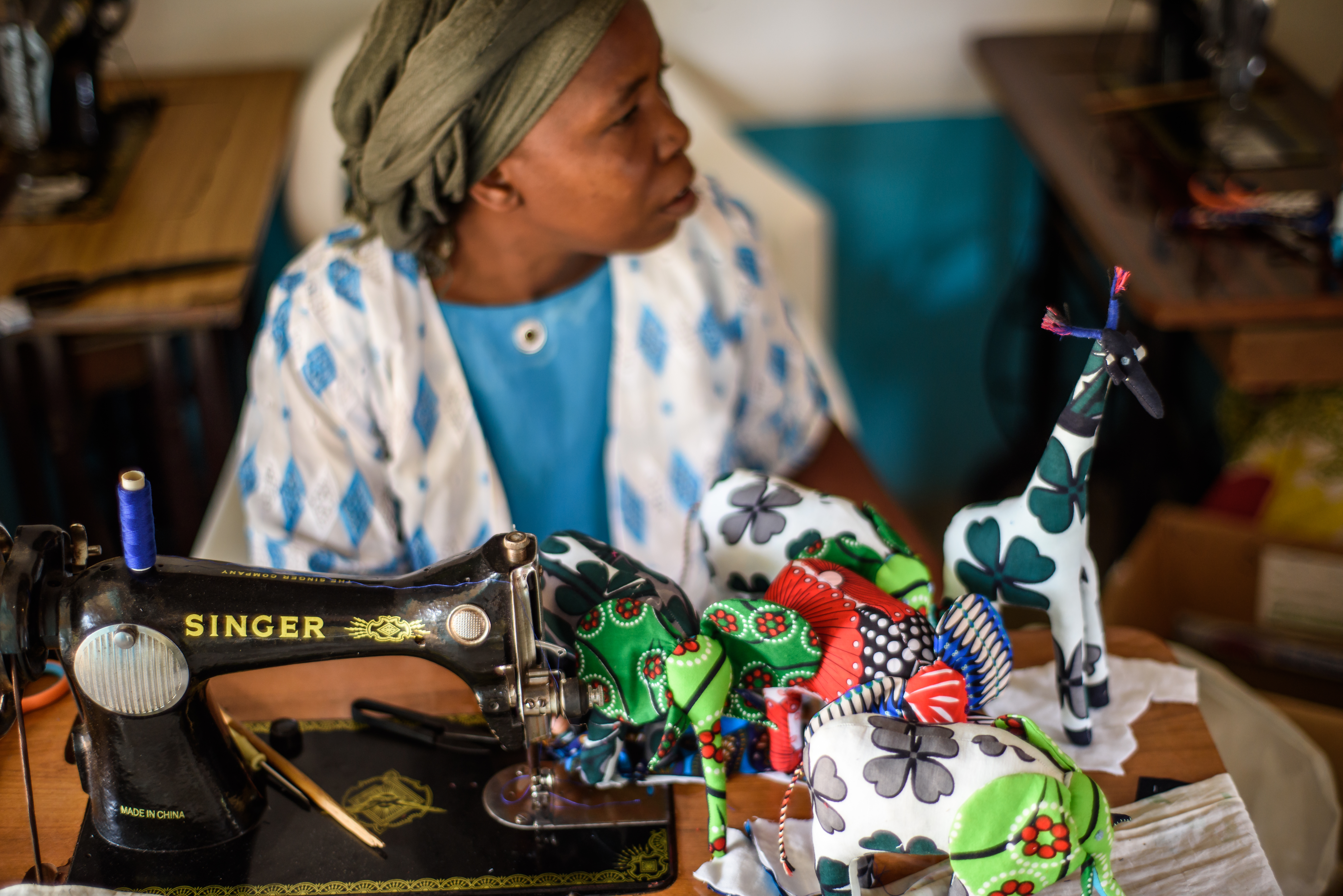
2015-07-15-1436993281-588918-TheBugataDisabledandHandicappedGroup_.jpg

A third women’s group features opportunities for women who have suffered injuries or are handicapped. The Bugata Disabled and Handicapped Group produces stuffed animals for the Wildlife Works markets.

The Overall Impact

2015-07-15-1436993401-7398830-ConstanceFemaleRanger.jpg

Women’s groups are powerful, but they are not completely open. A woman must be invited to participate, and participate she must. If a woman does not show up and meet her obligations, she is asked to leave.

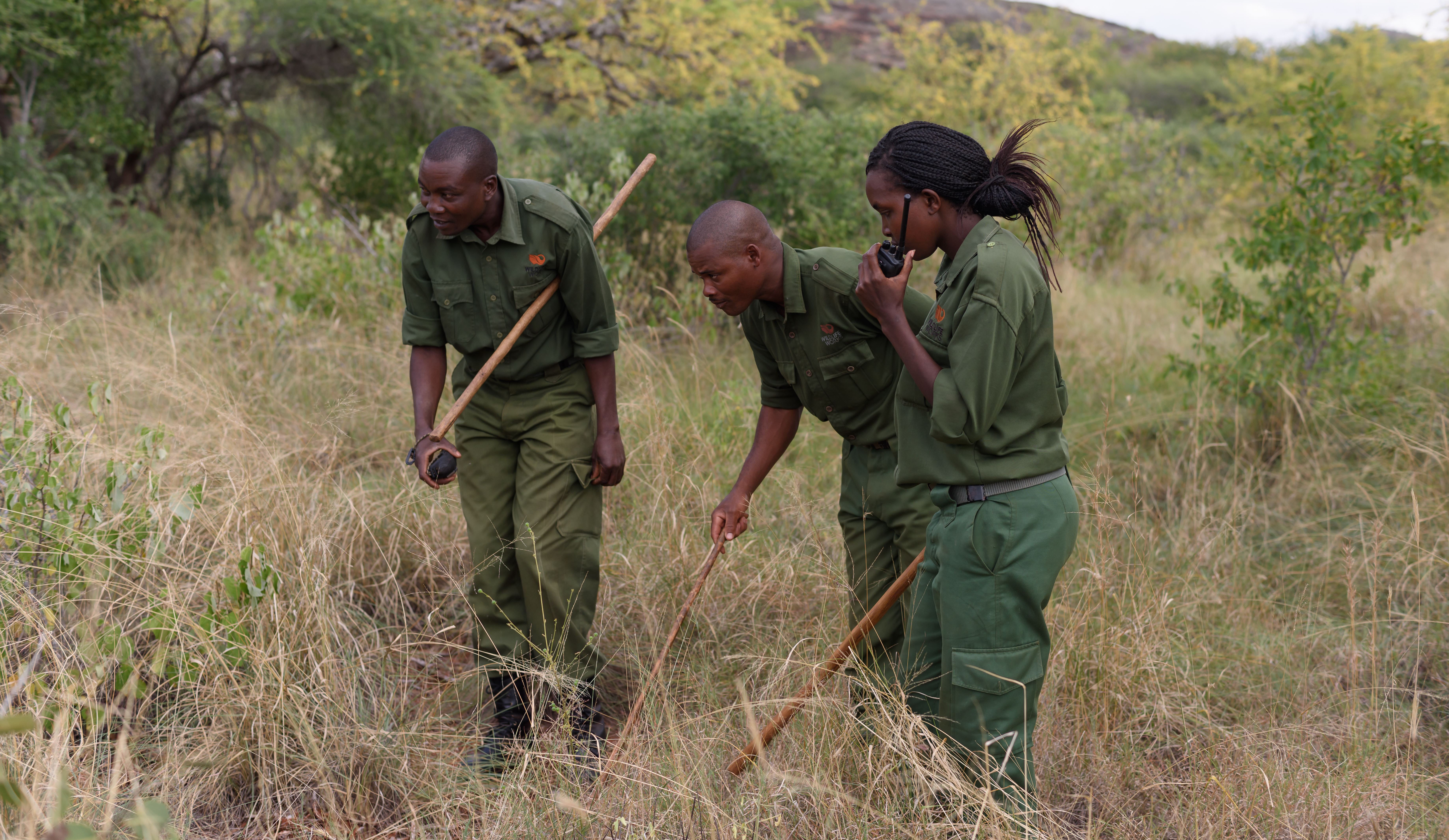
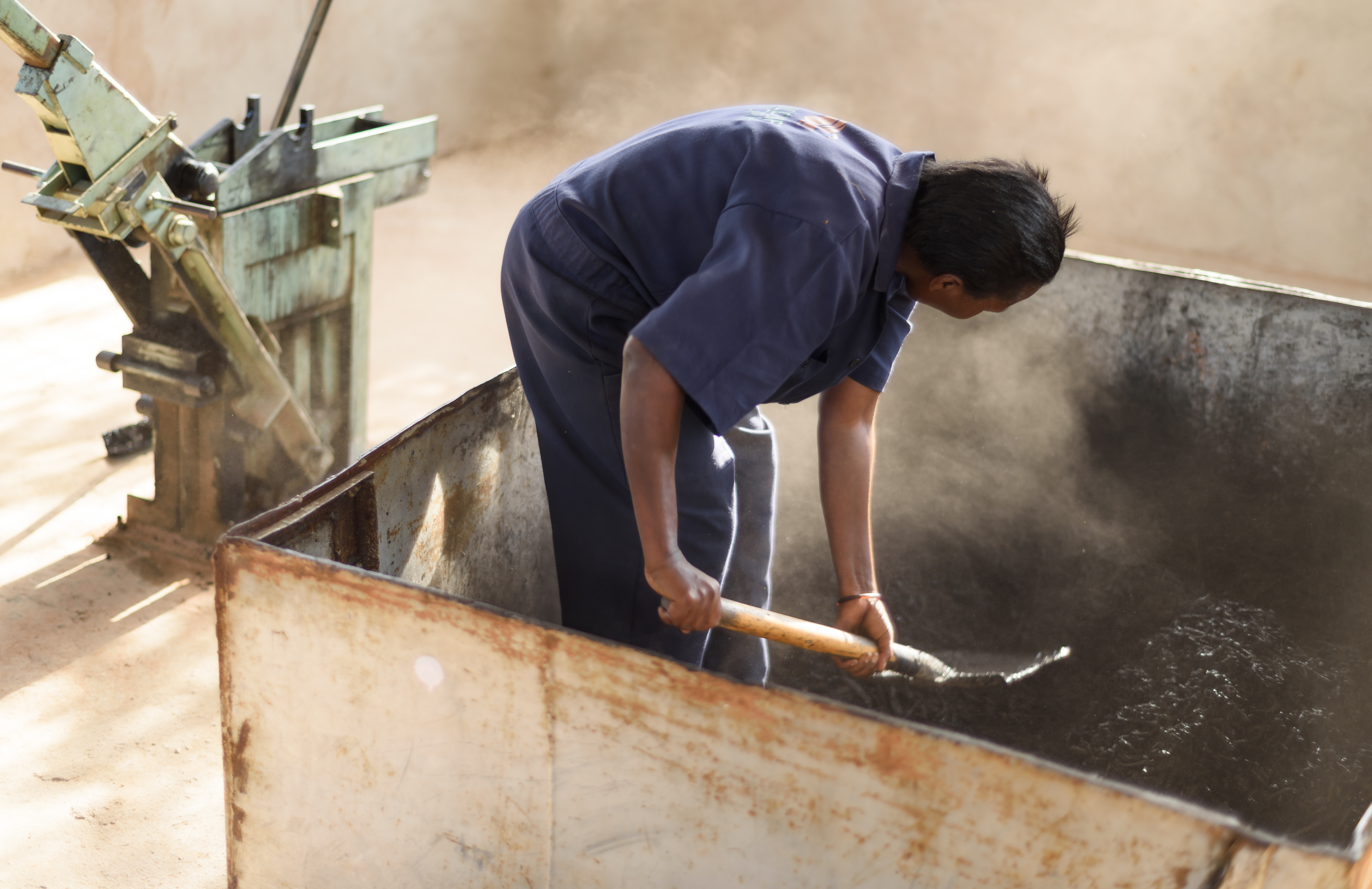
While the groups are a primary source of revenue for women, there are additional opportunities. The Wildlife Works Ranger Corps has added women to its staff in its efforts to protect the forest from slash and burn farming and charcoal burning, as well as its wildlife inhabitants from poachers. Other women have joined the Wildlife Works eco-charcoal making team.

2015-07-15-1436993437-9093501-FemaleEcoCharcoalMaker.jpg

There are many, many levers that are changing the course of the Kasigau Corridor REDD+ Project area’s future. It is clear that women are one of the most powerful ones.

When I consider that their reach touches more than 10% of the region, it is clear that the home improvements, education and general living improvements are lifting the morale of the region. I think these levers are a primary reason people are friendly and welcoming in Kasigau. Life is improving and the future looks brighter.

Disclosures: Audi paid me to visit Africa and capture content as part of a larger documentary project that will be released this Fall. Audi supports Wildlife Works as part of a carbon offset program that compensates for the manufacturing and the first 50,000 gas driving miles of the new A3 e-tron. All photographs are by me, the author, Geoff Livingston.

Source; Huffingtonpost Geoff Livingston


Ways to keep kids happy during a game drive

Now that we are settled on a safari this festive season, we of course have to give you tips on getting through it with ease and ensuring that you enjoy your experience to the fullest.

If your’s is a family getaway, you may be a bit worried if your kids will be safe and sound while embarking on game drives. Worry not; our tips will set you up for that perfect holiday experience.

The biggest attraction of any family safari holiday is naturally “The Big 5″: lions, African elephants, Cape buffalo, leopards, and rhinoceros. With this in mind, guided safari drives are the safest way for children and families to maximise the magical Kenya experience. Whilst children may get very excited about seeing wildlife, patience is often needed while tracking the African game therefore the main concern here is whether your kids may or may not behave.

Wait until your children are at an appropriate age
The key is to wait until your kids are at the point where they can take instructions (especially on when to keep still and be quiet for the safety of the group). Recommended ages is 5 and over, however ensure that you check with the accommodation first on their policies regarding children and game drives (most require children to be at least 8 years old).

Encourage participation
Children get bored easily. You definitely want to ensure that once bored, they do not start causing tantrums. Let your kids be part of the action by either letting them use a camera or a binocular, who knows they may spot the game before you do.

zuru kenya ways to keep kids happy on a game drive

Have activities ready to keep children busy during the drive
Driving to your safari destination may take a few hours and parents know that even the most patient child will get bored during the drive. You can either prepare your ‘our activity package’ with coloring sheets and quiet games, or ask your safari guide and lodge for ideas to keep children busy.

Consider a self-drive or private safari
At larger lodges where families may have to share vehicles during a game drive, keep in mind not all travelers will enjoy having children on their safari. In such cases, get a private guide and vehicle if possible.

ways to keep kids happy on a game drive - zuru kenya

Book with a reliable tour operator that accommodates kids
The family travel market is full of tour operators offering safaris to families on a budget; it may be tempting to book with a less expensive operator. Keep in mind that not all lodges accommodate children and that less expensive is not always better. Look out for a single tour operator offering an established portfolio of properties.
Pack clothing that will keep them comfortable
Most family safari game drives take place in the morning or afternoon but older children may want to take part in night drives too. If this is the case, remember to bring warm clothes in the jeep.

ways to keep kids happy during a game drive - zuru kenya

Remember your little kids are potential prey for the Big 5
Yes, it’s a scary thought that your young children could potentially be a meal for wild dogs. On her post on National Geographic’s Intelligent Travel, Heather Greenwood-Davis reminds parents to weigh the prey factor. “My sons once stepped out of a jeep at a game reserve where wild dogs were being preserved and the immediate transformation of the dogs from playful puppies to hunters made me very grateful for the electric fence,” she writes.

Don’t feel pressured to go on every safari game drive
The excitement of being on a family trip can get the kids wanting to take part in all the drives and activities offered which in turn may leave them cranky and exhausted. If your children are tired, let them sleep. “Let your little ones rest when things are slow and rouse them for the highlights, tired kids make for terrible safari companions.”

ways to keep kids happy during a game drive - zuru kenya

Since safari lodges and camps offer several drives throughout the day, you and your family can still get a break from the excitement of it all and enjoy some quiet family-time together back at camp.

Image courtesy: andbeyond.com, bushtracks.

Bush Christmas in the “African Village”: Why Kivuli Camp should be your plan this festive season!!!

Hasn’t this year flown by fast? we certainly think so. There is still a few days to the festivies though and we have just the perfect place for you to spend your December holidays this year.

If you’ve had a rough year and just want a break from it all; just you, your friends/family and some tranquility, nothing says ‘breakaway’ like the village-like Kivuli Camp.

zuru kenya african village

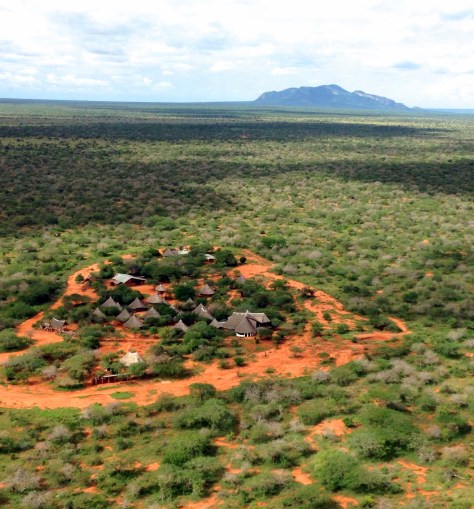
Situated in the heart of Rukinga Wildlife Sanctuary; one of the seven ranches that make up the Tsavo Conservancy, you not only get the intimacy of wildlife viewing unparalleled elsewhere in the continent but also an amazing level of true luxury accommodations, service and cuisine.

Formerly known as Camp Tsavo and before that as the Taita Discovery Centre, the camp just underwent complete refurbishment and so not only can you anticipate a charming accommodation with a new outlook, but also anticipate an affordable experience filled with wildlife, and fun-filled bush activities.

THE LOCATION

zurukenya african village camp

Situated conviniently along the Nairobi-Mombasa highway and just approximately 3hrs away from the coastal towns of kenya, the Kivuli camp experience is perfect for a combination of bush and beach safari (How amazing is that? double fun for you this festive season as you can easily switch up beach for bush for either chrismas or new years’). If safari is not your thing though, the camp can still serve as a transit point for a night’s stopover between Nairobi and Mombasa.

zurukeny african village camp

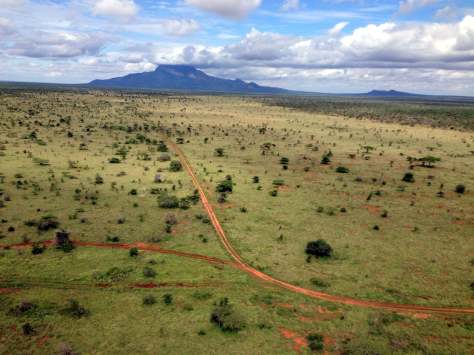
The camp is easily accessible right off Maungu town on your way to mombasa with the entrance point visibly labelled RUKINGA. Nestled  amidst the Marungu Hills in a wilderness of ‘wait-a-bit’ thorns and occasional Baobab trees, you cannot go wrong with Kivuli  in terms of the game viewing experience seeing as the Rukinga plains form the main migratory corridor for wildlife passing from Tsavo East National Park to the foothills of the mighty Kilimanjaro.

Rukinga sign zurukenya african village camp

The camp is the epitome of tranquillity and truly embraces the glorious environment it is blessed to be within. All you hear at night is the sound of the wild: elephants, hyenas and the occasional lion; morning is announced by a swell of bird calls.

How remote? The camp has an airstrip adjacent to it. Arrangements can also be made for one to ride in by motorbike, enter with their pets,  or fly in to the airstrip with private charters.

Getting around: You will need a car, preferably a four wheel drive.
NOTE: When staying at Kivuli Camp, Conservancy entry fees are only paid once, no matter how long you plan to stay! (It can’t get better than this).

THE CAMP

zurukenya african village camp

First things first. Though Kivuli Camp is set up in a traditional African Village model, The nearest community village is quite a distance so do not expect that sort of enviroment within the camp. So no farm animals, or crop land and so on, however if you fancy such an experience and would love to be immersed in community life while here, village visits can be arranged.

zurukenya african village camp

The Camp’s setting not only affords you utmost privacy and tranquility, but you are able to experience the real African bush, sleep underneath the star-filled sky, explore the fauna and flora up close whilst on bush walks or enjoy a cold Tusker whilst watching the beautiful sunset on top of one of the conservancy’s hills!

ACCOMMODATION

zuru kenya african village camp

You’re spoilt for choice when it comes to accommodation at Kivuli Camp. Camp in your own tent, sleep in bunk beds or in private rooms. The establishment can accommodate individuals, families as well as large groups.

You have the option of a Family banda, which is a  thatched hut containing one room with double bed, one room with twin beds and a bathroom shared between the two rooms.

zurukenya african village camp

zurukenya african village camp

zurukenya african village camp

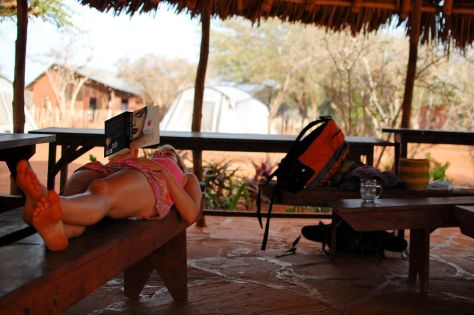
If camping is more your thing though, Kivuli’s shady Kudu campsite will have you set in your own tent under a tree. The  campsite offers clean communal flushing toilets and showers.

zurukenya african village camp

You also have a more cheaper option for the backpackers at heart in the dormitory bandas. These thatched huts contain 4 wild wood bunk beds and guests staying in these bandas have access to communal bathrooms (these are separate for ladies and gents, one drawback though: the bathrooms have sheer curtains in place of doors; not the most privacy one could hope for).

zurukenya african village camp

zurukenya african village camp

PRIVATE HOUSE

Ndovu_House Zuru Kenya african village camp

If the accommodation options above don’t suit your needs and you would rather just a private space for you, your family or friends, fret not! Kivuli Camp has just the place for you; NDOVU HOUSE


zurukenya village african village camp

Although part of Kivuli Camp, guests staying in this house have their own private access and move independently of the other accommodation spaces.

Ndovu_entrance

This beautiful breezy four-bedroomed house with an upstairs lounge offers a great view over the Tsavo Conservancy and sleeps 11 people. So quiet, so private, so unique!

zurukenya african village camp


zurukenya african village camp

zurukenya african village camp

zurukenya african village camp

ndovu house bedroom 1

zurukenya african village camp

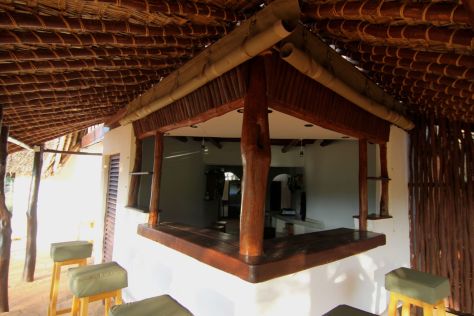
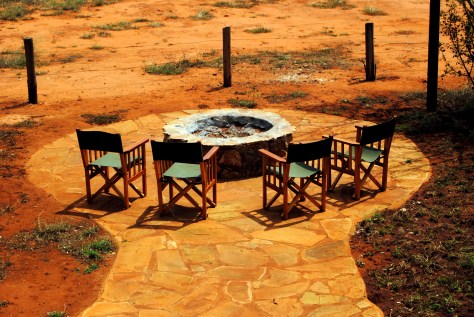
The design of the house puts a lot of consideration into comfort and convinience  what with an open kitchen connecting to an outside bar and fire pit. The perfect place for a family or friends getaway. so much bliss!

ndovu house kitchen 1

ndovu house kitchen 2

zurukenya african village camp

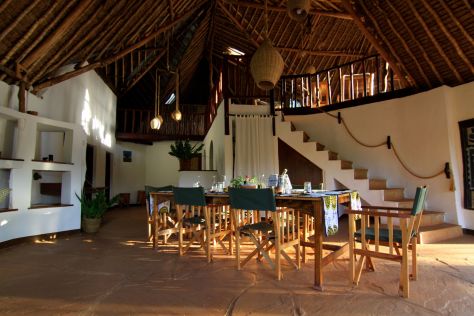
The house is very airy and adapts an open space plan built with a lot of natural materials; flours of Galana stone, a lot of wood and an impressive makuti roof. The dining of the house is completely open to the garden as well. Being in the wild though, you don’t have to worry about the open-plan design of the house as kivuli camp has a fence surrounding the area to keep wildlife out.

ndovu house open dining

Guest Access: While staying at Ndovu, you will have access to the house in its entirety. That is the dining area, kitchen, upstairs lounge, four en-suite bedrooms and a large garden equipped with a  bar and fire pit.

ndovu house lounge 2

ndovu house lounge 1

zurukenya african village camp

zurukenya african village camp

zurukenya african village camp

Room Service: Um, no, the accommodation is set up to be of self-service however there is a staff who make  beds and clean every day. If you would rather not make your own meals during the stay, a cook can be provided at a small fee.

Amenities: I would like to think that setting out on a bush safari,  this would be the least of your concerns. Kivuli Camp is about experiencing the African wilderness — its game, its birds, its flowers, its dazzlingly night sky — in its remotest, wildest and most beautiful sense.

The Best Spots:

The hills around the conservancy are definitely something to look forward to for great sundowners and breathtaking views of the African wild.

zuru_kenya_view african village camp

Being more of a private conservancy, with very little traffic, the animals here are not very accustomed to cars and thus tend to run when you get closer (hint: try to be as quiet as possible). With various watering points in the area, your best bet is to catch the animals playing with mud or cooling off on a hot day.

zurukenya african village camp

HIGHLIGHTS

Kivuli Camp unlike other camps is guaranteed to up your game-viewing experience with a one-of a kind ultimate discovery game drive vehicle (eerm truck!) famously known as Beba Kuu. Nothing will skip your eye with this ‘little’ thing.

beba kuu zurukenya african village camp

With the 1962 French ‘Berliet’ Truck, seated at height under a canvas cover, you can spot wildlife even from the longest distance.

zurukenya african village camp

While at the camp you can also visit the Tsavo East and West National parks for more wildlife viewing  experience.

Tsavo Discovery Centre: This is a specialty education centre that hosts schools, universities and youth groups for overnight educational programmes at Kivuli Camp. The Tsavo Discovery Centre is equipped to teach an abundance of subjects related to conservation, biodiversity, community and much, much more. Here you will find a laboratory with field exhibits, museum collections, and an education centre for meetings and classes.

zurukenya african village camp

Moreover, if you fancy a community living experience, Wildlife works has many community projects that you can be part of or visit e.g the Basket weaving women at Kasighau and so on.

zurukenya african village camp

Bottom Line: There are many interesting things to explore around the camp itself, that I guarantee you’ll end up having very little time to experience it all.

Nitty Gritty:

  • Main area with reception, loung/library, dining and fire-pit
  • Communal showers and flushing toilets, a kitchen and a laundry area
  • Generator power from 6pm to 10pm, phone charging possible from a solar lighting system 24hrs.
  • Phone signal available in certain areas of the camp. Internet available in the evenings

Contact us for enquiries on Kivuli Camp.

Minnesota photographer’s images of Kenya’s “Action for Children in Conflict” featured in the 4th edition of PWB magazine

November 1, 2015, Photographers Without Borders will launch the 4th edition of their self-titled magazine. Featured in the magazine is a photo documentary story by Jenna Ammerman, a photographer who travelled to Kenya to document the impacts of an NGO called Action for Children in Conflict. This organization visualizes a world having equal and sustainable opportunities for every child through appropriate interventions to give communities, in Kenya, the capacity to protect the rights of children and youth. Ammerman collects, shares memories, and photographs the lives of bright souls and strange friendships where ever she goes.

Photo of Jenna Rae Ammerman 
Photo of Jenna Rae Ammerman; source – PWD

Photographers Without Borders (PWB) will launch its fourth issue of magazine on November 1, 2015. The magazine features significant and positive changes done by grassroots charities and NGOs to communities across the globe.

Founded by photographer/director Danielle Da Silva in 2009, Photographers Without Borders is a non-profit organization in Toronto that aims to make a difference through photography.

Photographers Without Borders® (PWB) visually communicates ways that grassroots initiatives are addressing global issues. They cover the stories of grassroots initiatives all over the world who contribute to sustainable development and conservation. The original images that PWB photographers produce are donated to the initiative being documented so that they may better visually communicate their stories.

The magazine will be available for purchase November 1st here: http://www.photographerswithoutborders.org/pwbmagazine
Ebook is also available in Apple’s iBook store:
http://itunes.apple.com/ca/book/id1050044517