Hemingways Nairobi

A warm welcome to guests at Hemingways Nairobi,

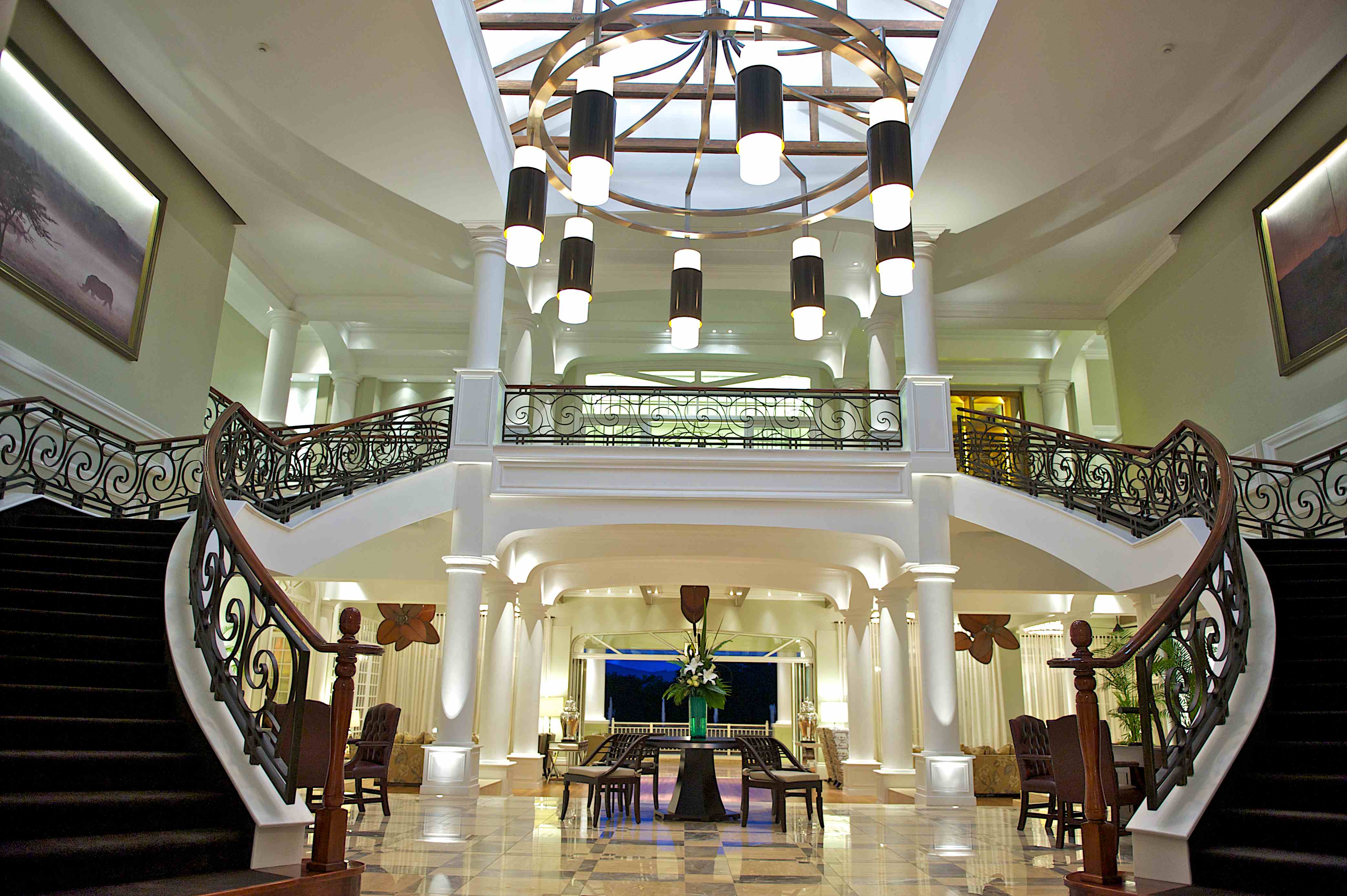
The lobby

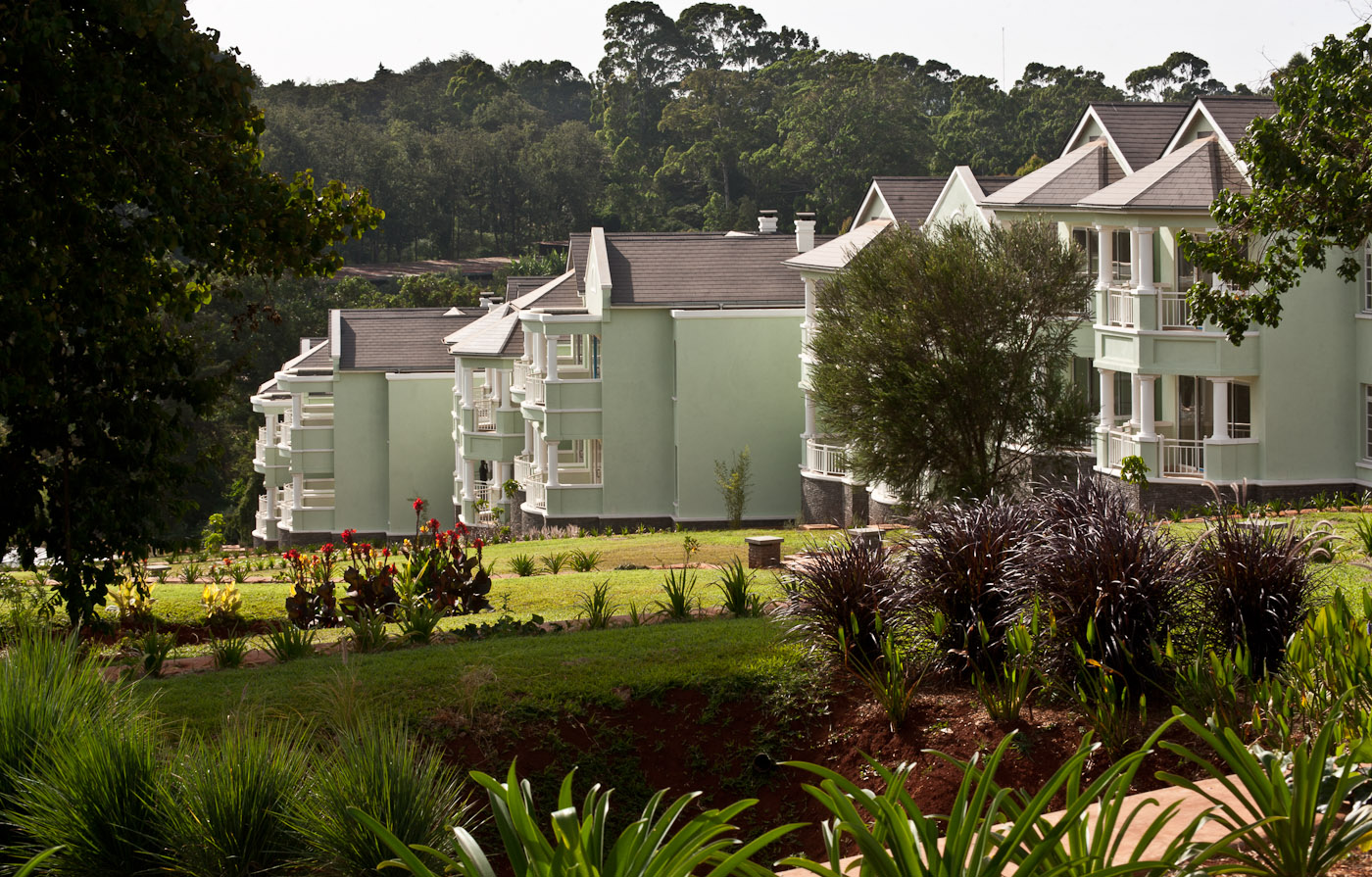
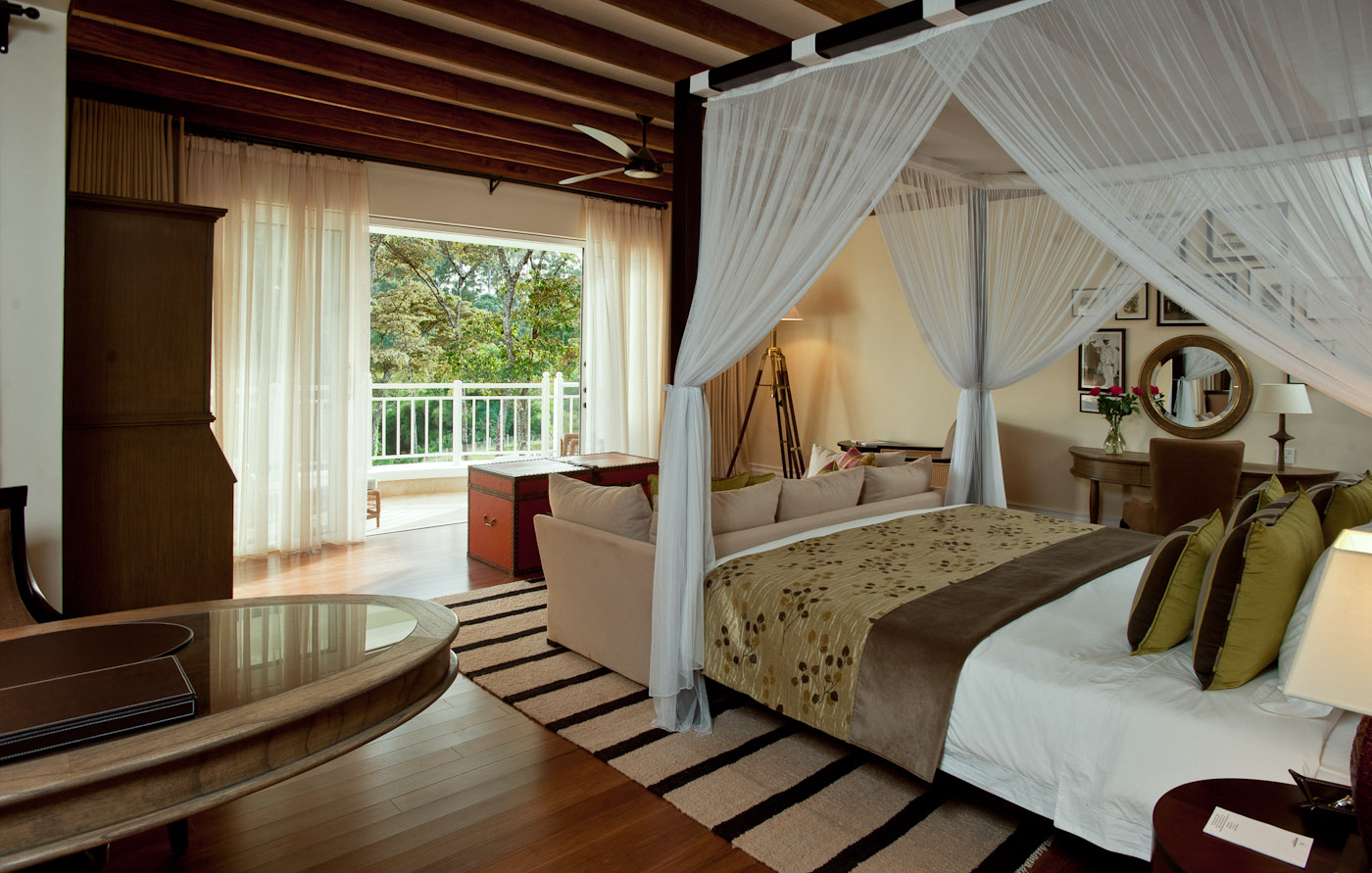
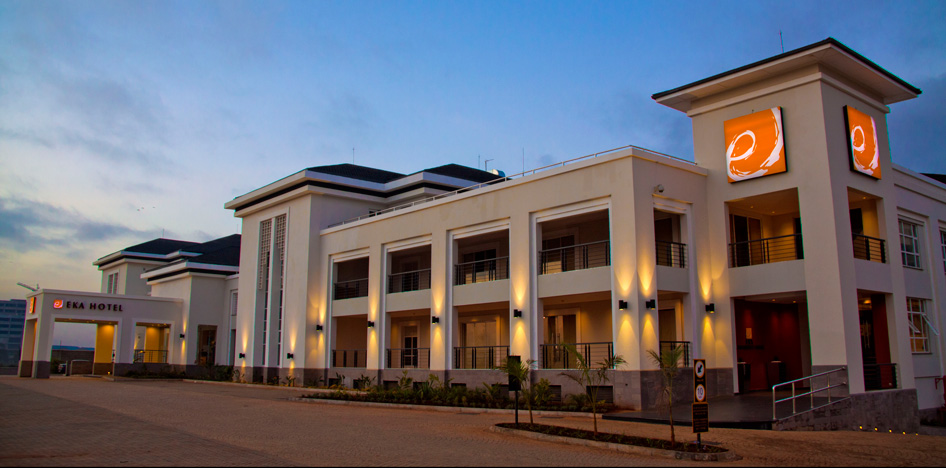
The debut of this 45-room boutique hotel elevates the standard of luxury service for travellers in the region. Beautiful in its symmetry and flooded with natural light, this plantation-style property is airy and spacious. Its 80 squared metre bedrooms each have a private balcony overlooking the iconic silhouette of the Ngong Hills.

Exterior12

The Hemingways Bar (2)

Hallmark Hemingways hospitality, borne out of decades of expertise in welcoming guests to Kenya, makes guests the focus of their every design. This new hotel, only a 40-minute drive away from Nairobi’s international airport, completes Hemingways’ definitive Collection which encompasses the beach and the bush.

Exterior1(1)

The BrasserieThe Residents Lounge (2)

Hemingways’ guest-attention is personal and sincere, offering a seamless service from the moment guests touchdown in Kenya to the final adieu of their departure. They are there to enhance your experience and surprise you with the detailed care they give you during your stay. Your dedicated butler will know that you prefer Earl Grey to Assam with your scones and Cornish clotted cream, and he’ll remember which trousers you like pressed flat and which ones need a central crease.

The lobby 2

The Chef's table 1

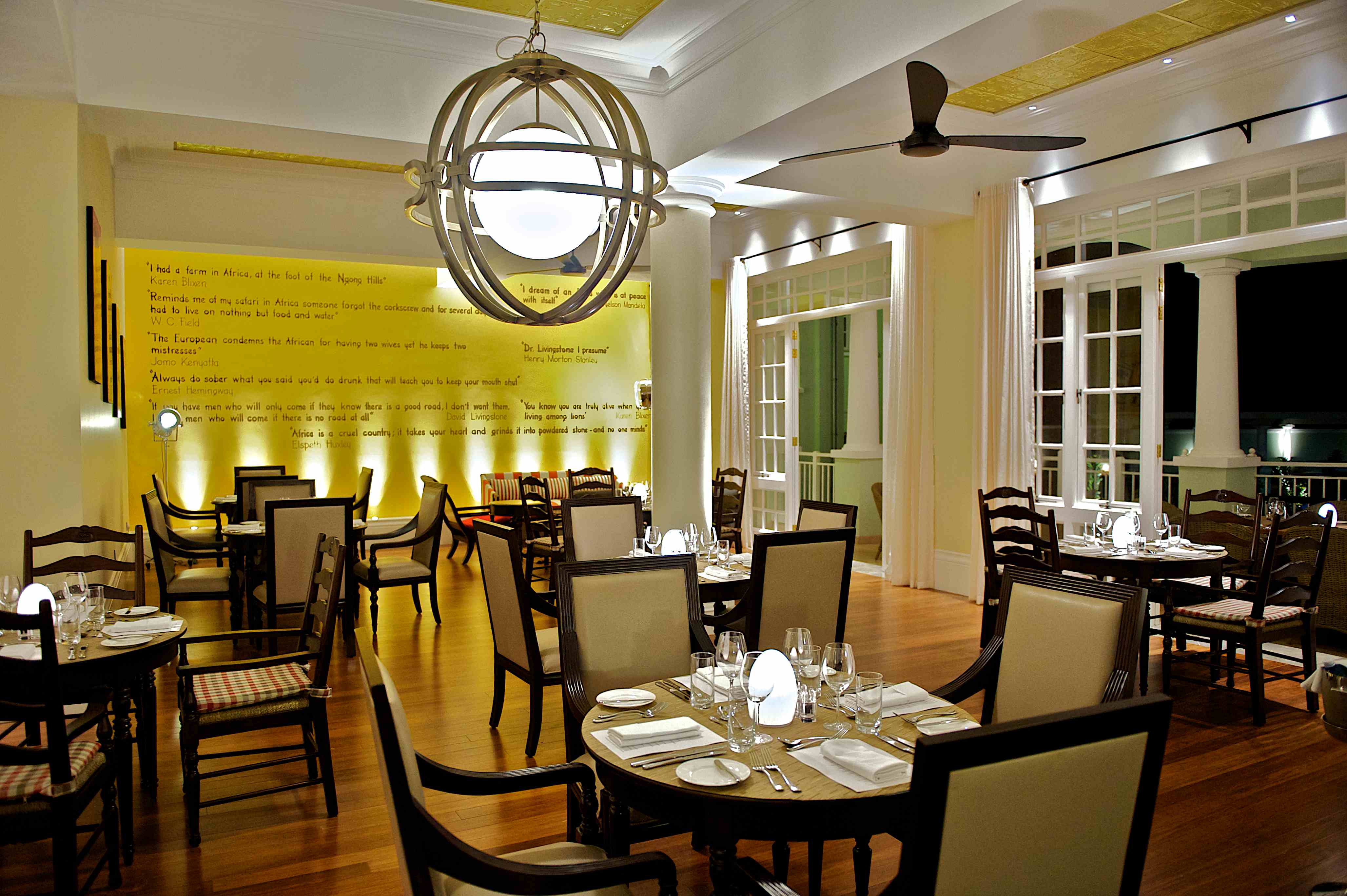
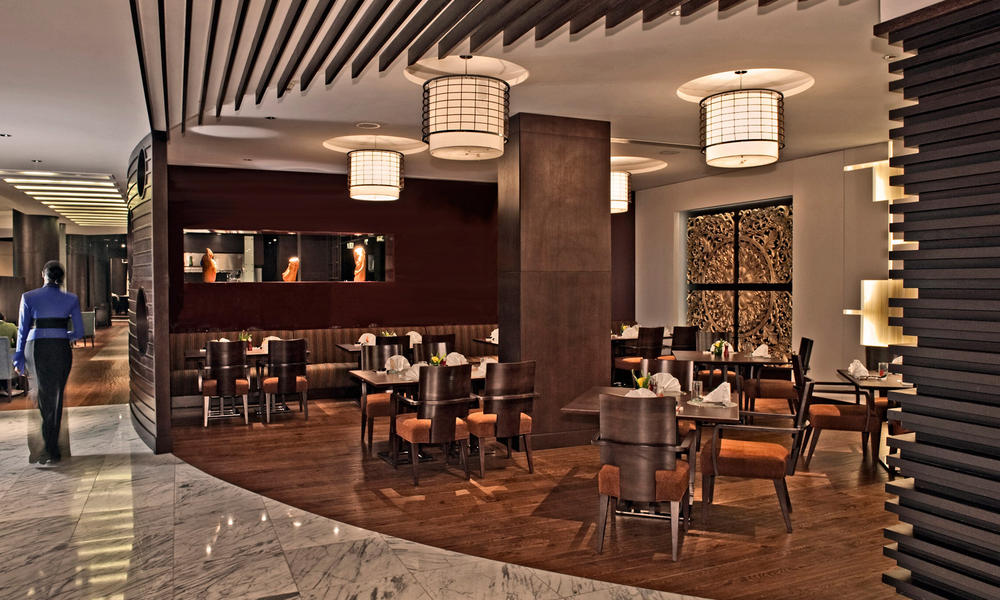
So while you’re reposing in the spa or discussing the delicacies of the a la carte menu with their Michelin-starred chef in the private dining room, back in your suite your butler will have dimmed the lights, adjusted your personalised pillows, set out your nightcap and arranged the morning’s outing to the game park down to the last detail.

V44A5620

The Dining Room 1

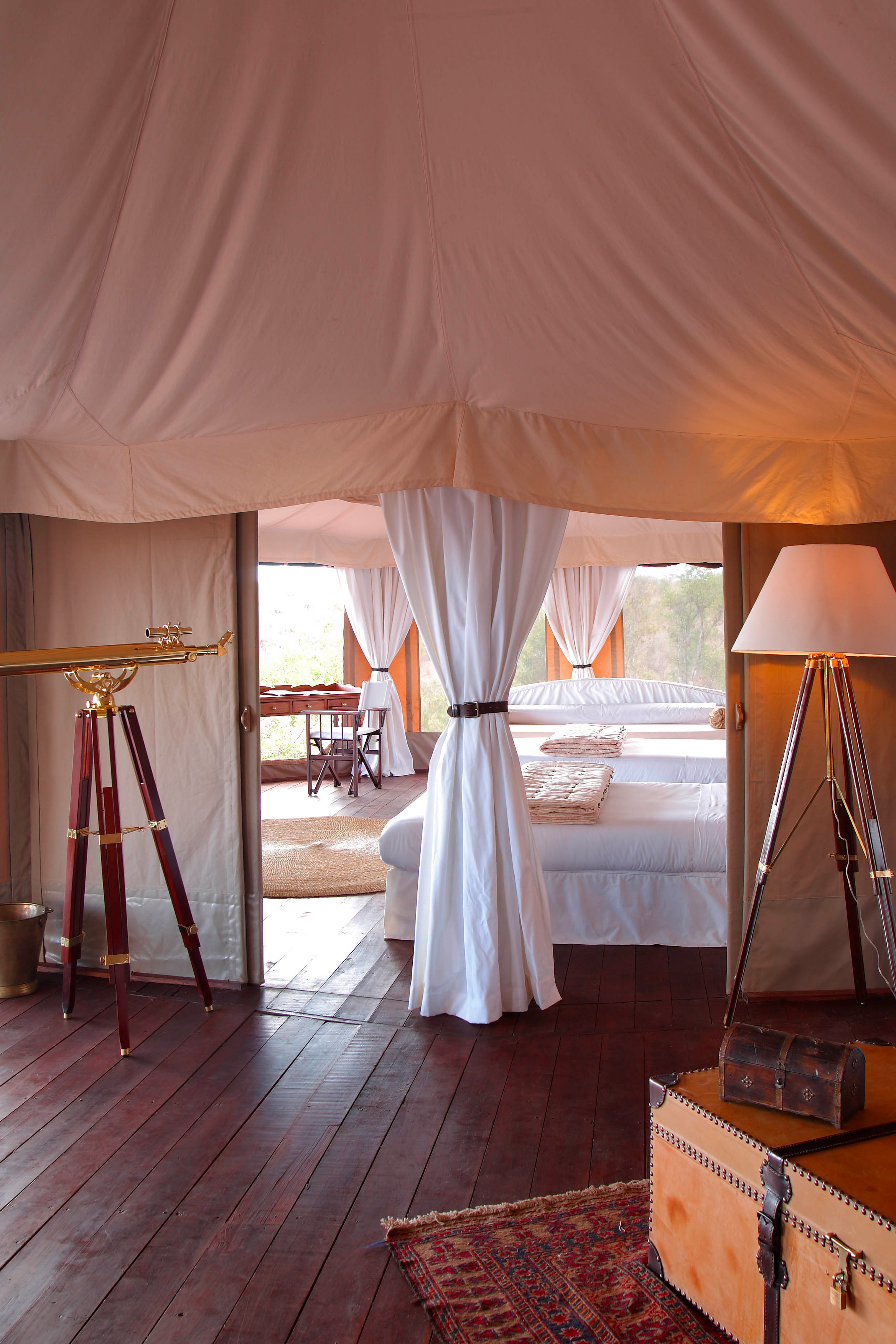
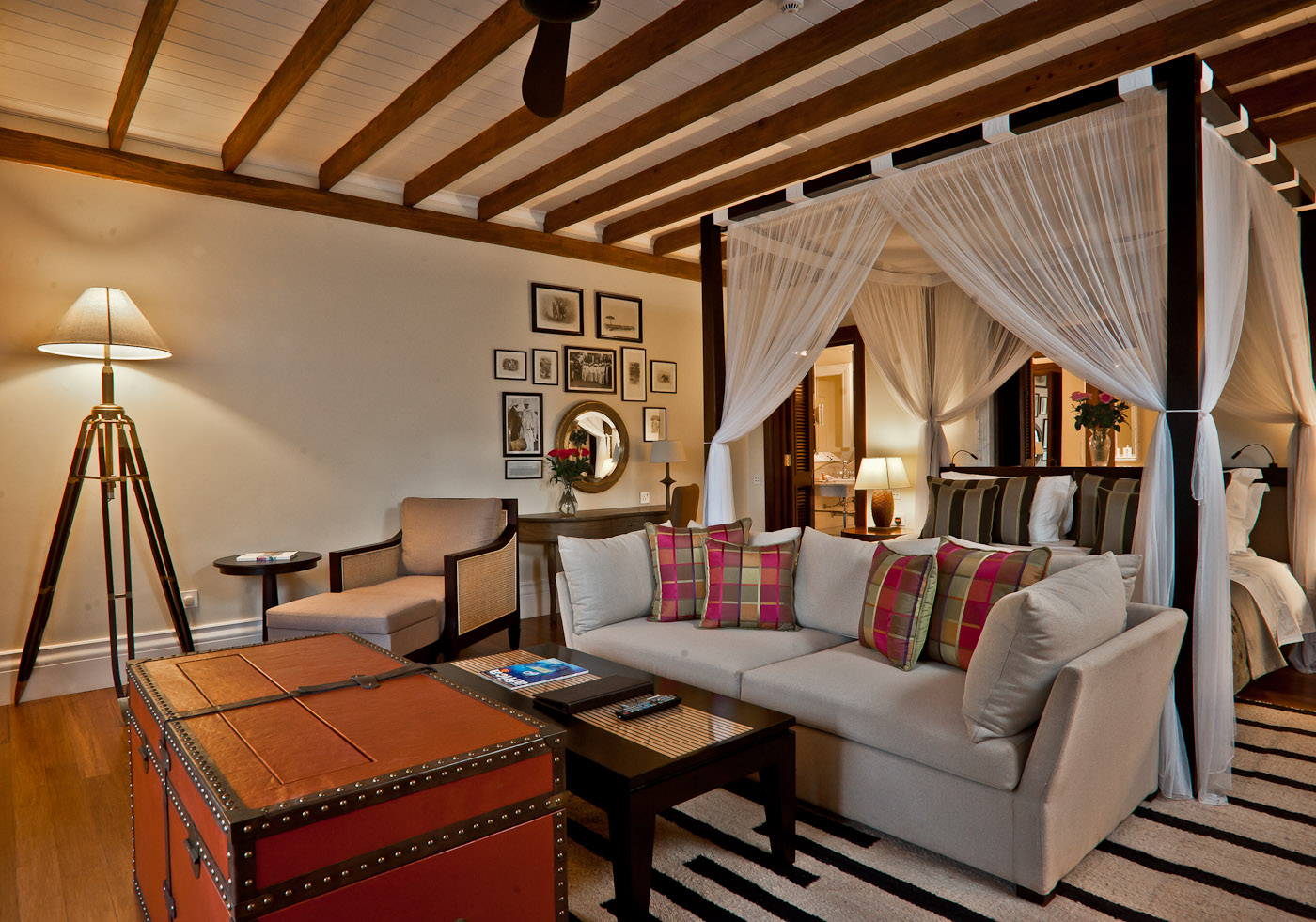
Lofty, expansive rooms with vast, bright en-suite bathrooms are characteristic of hemingways’ boutique hotel’s wonderful sense of space and use of natural light. The hotel has 45 high-ceilinged rooms, two of which are penthouse style Presidential Suites and 43 Junior Suites culminating in vaulted beams. Muted colours and textured fabrics in ecru and taupe create an ambiance of contemporary-chic while subtle touches of brass, mahogany and leather bear reference to the classic elegance of vintage East African safaris. Your attentive butler is on hand to rustle up a treat from the pantry and tend to the artisan bouquets of fresh roses in your room. Beyond the balustrade of your private balcony, Hemingways have chosen for you a view of The Green Hills of Africa, as described in Hemingway’s novel.

Bedroom 5

Bedroom 1

Room Features

  • Spacious en-suite bathroom lined with hand cut Italian marble, walk-in wardrobe, double vanity, separate toilet, bath and shower
  • Complimentary wired and Wi-Fi internet acces
  • Pop-up 40″ LED television
  • Dual Telephone lines with conference call and speakerphone capabilities call forwarding and voice mall
  • Bathroom telephone
  • Air conditioning and ceiling fan
  • Personalised bar
  • Electronic safe with charging socket and space for 17” laptop
  • Hairdryer
  • Bathrobes & Slippers
  • Overnight kit
  • Hypoallergenic pillows available
  • Finest Egyptian cotton bed linen and towels
  • Complimentary daily newspaper (local)
  • Same day international newspapers available
  • On request laptop PC, DVD player, fax machine, Playstation 3, Xbox 360


Luxury Suite Features:

  • Early check-in and late check-out, on request and subject to availability
  • Complimentary international daily newspaper of choice
  • Laptop PC, DVD player, fax machine


Owner’s Description.

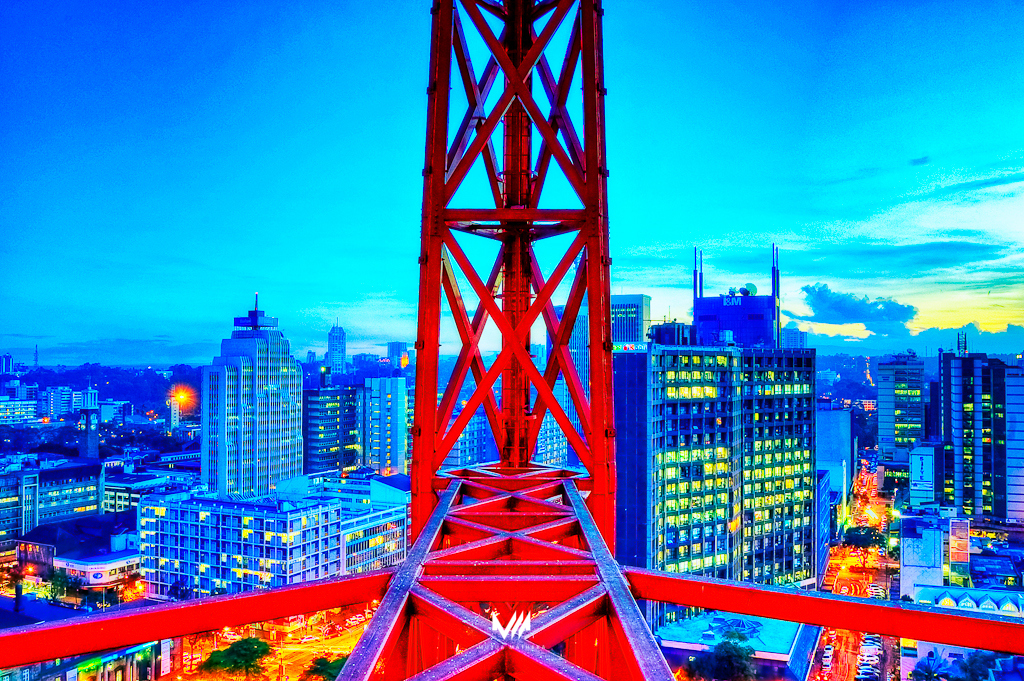
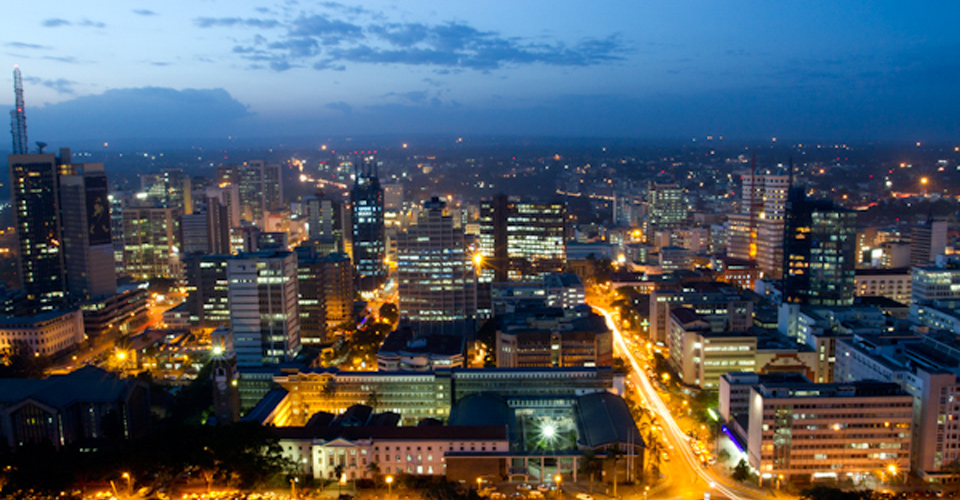
Nairobi; Green city in the sun

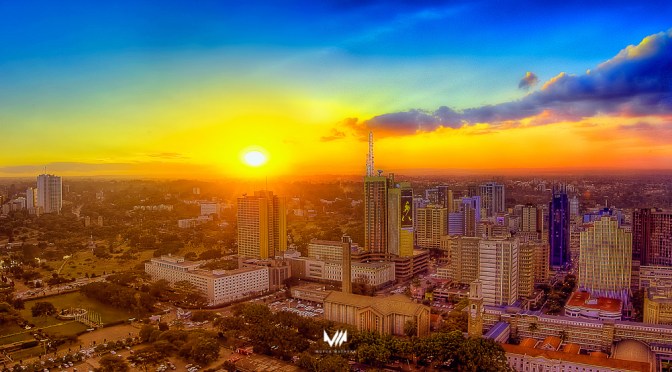
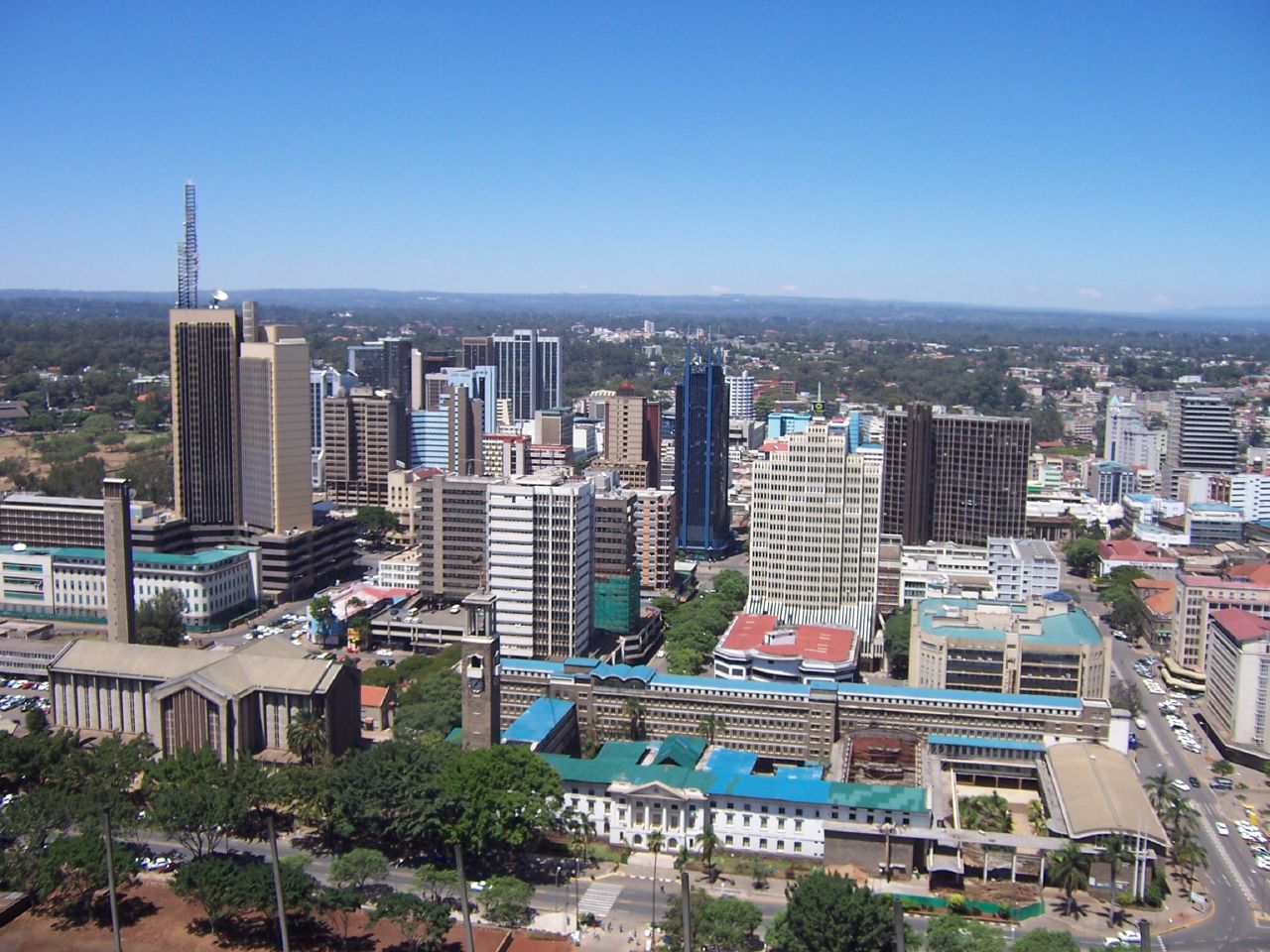
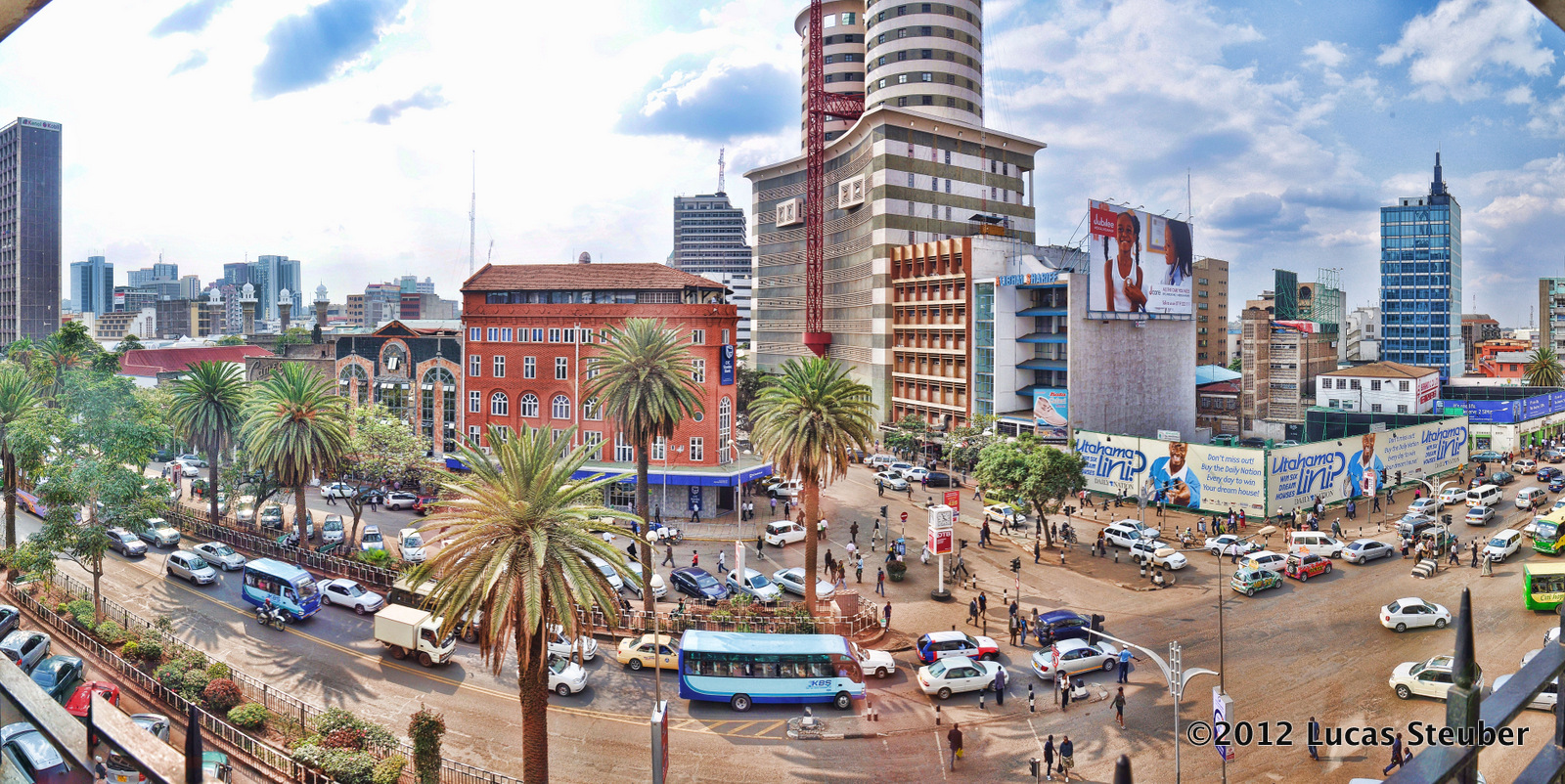
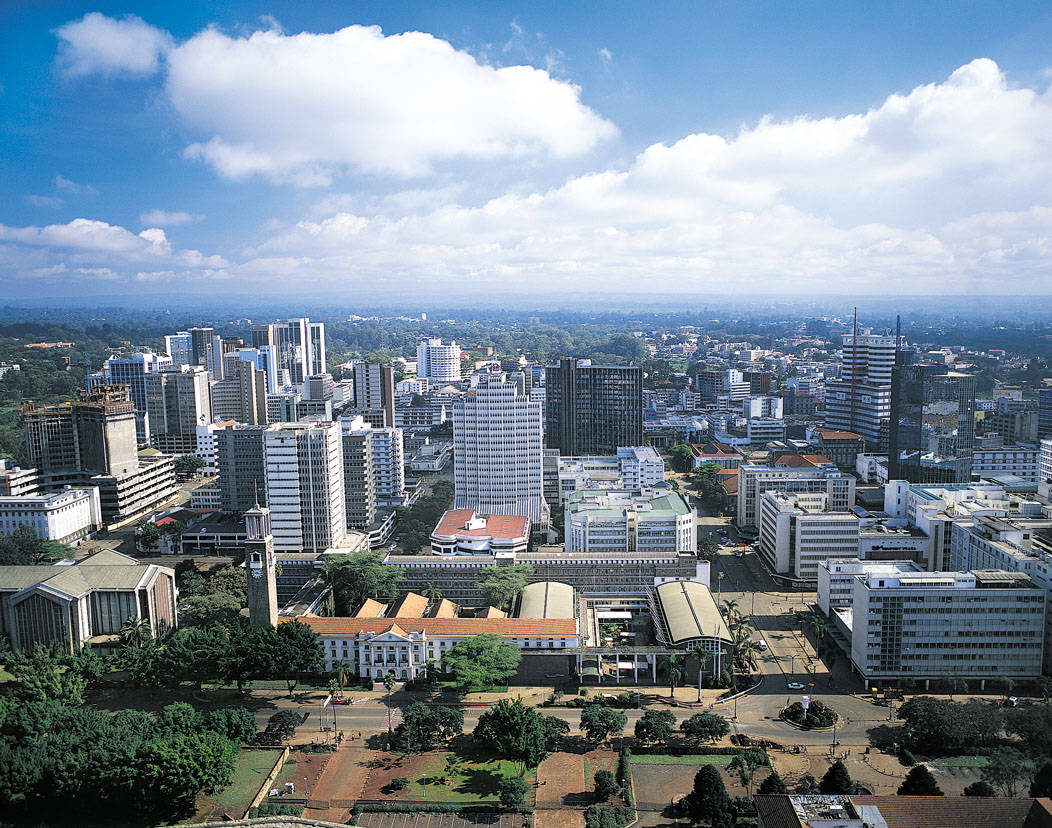
A place of cool waters, they called this place; Ewaso Nai’beri  is the name the local Maasai gave to what we now call Nairobi. It started out as Mile 327, a basic camp for construction workers back in the railway days slowly upgrading to a rustic village, a shanty town capital of all British East Africa and now a big city, one of Africa’s largest as a matter of fact. Nairobi, Kenya’s Capital, is a hive of activities; Here is where people of all tribes, race and origin assemble in search of the good life where hustle and bustle is the order of the day. It is in fact the economical hub for the East and Central African regions. Contrary to Nairobi being a big economical hub, it is also home to the largest slum in Africa and poverty is a major problem here due to unemployment. Population here therefore comes from both ends of the spectrum.

4223104103_95d1d42fe9_b

nairobi

nairobi-04

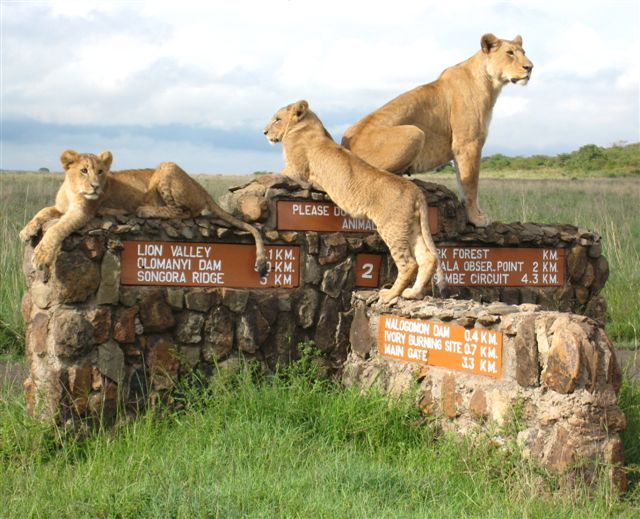
Nairobi is however not all business, Visitors here can get treated to a variety of interesting places to explore being home to museums, historical sites, monuments and a booming night life for those who fancy a little partying. Wildlife lovers can also get to sample a taste of what awaits them in the Kenyan wild before setting off on safari as Nairobi goes in the books as the only city in the world that boasts a natural national park teaming with wildlife right on its doorstep. Here travel enthusiasts can explore the various ecosystems that await them in the wild as well as different species of wildlife including, herds of Zebra, Wildebeest, Buffalo, Giraffe,  Rhino, Cheetah,  a large number of Lions and many more.

park-Nairobi

nairobi-11

another-night-in-the-city

OLYMPUS DIGITAL CAMERA

Nairobi being the capital, is the arrival point for many visitors. There are two airports in the city; Jomo Kenyatta International (handles international and domestic flights) and Wilson airport ( handles chartered domestic flights). The main mode of transport around the city is by matatu (mini-bus) and buses. Taxis are also widely accessible and are parked at convenient locations around hotels and tourist areas. Public transport is marked with a yellow line on each side.

City_centre

nairobi_city_night-1

nairobi-nights_mutua-matheka_k

802074.TIF

Must do in Nairobi

  • Nairobi National Museum

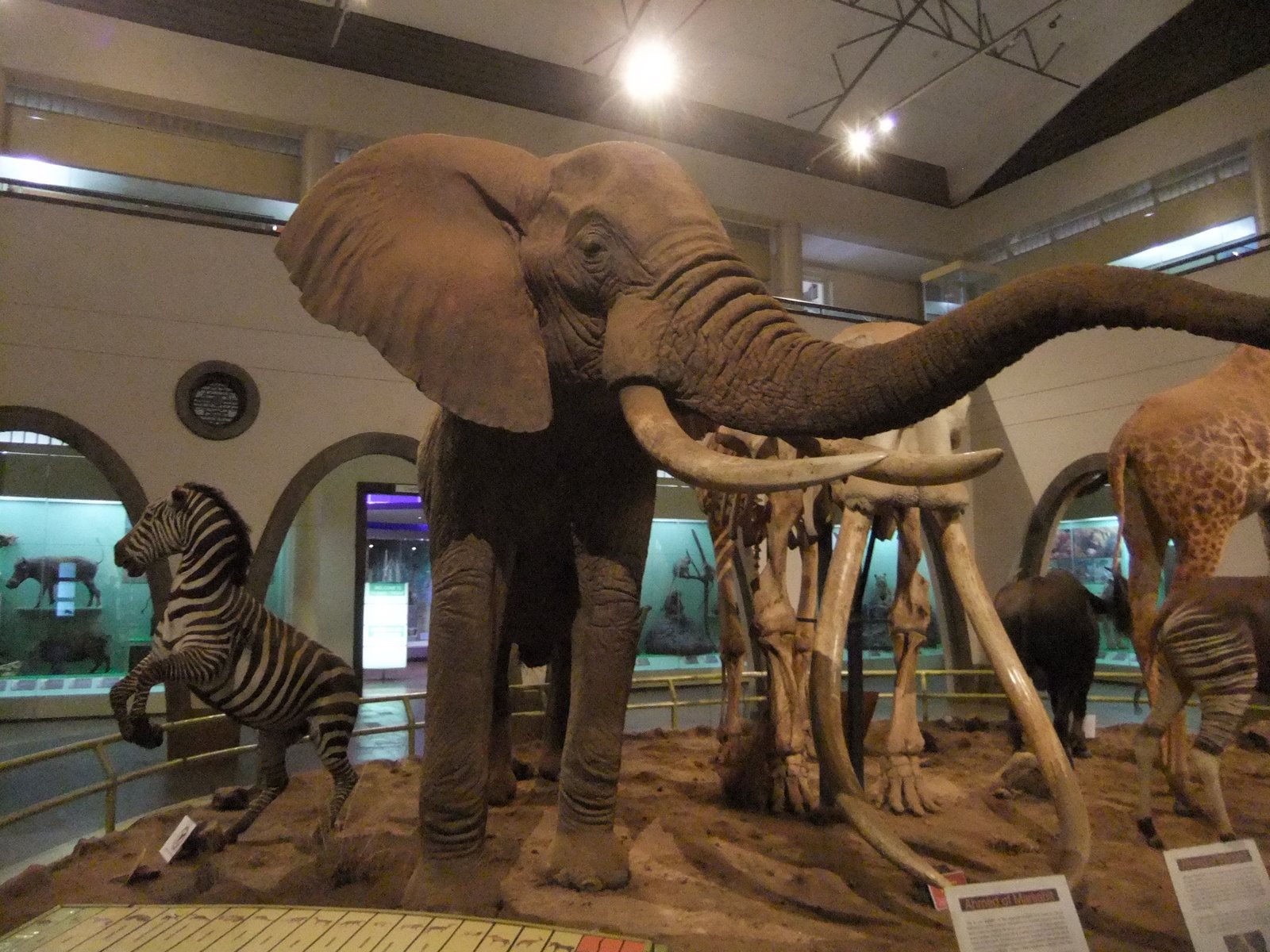
The country’s National Museum and largest in the city, it houses a large collection of artifacts portraying Kenya’s rich heritage through history, nature, culture, and contemporary art. It also includes the full remains of a homo – erectus popularly known as the Turkana boy. Other prominent museums include the Nairobi Gallery, Nairobi Railway Museum, and the Karen Blixen Museum located in the affluent Karen suburb.

2881955550_350b1723de DSCF0837

  • Nairobi National Park

The city boasts of it’s very own national game park where lions and buffalo’s roam free! It is located just moments away from the city center and is one of the best Nairobi attractions.

nai nairobi-park

  • Uhuru Gardens

Uhuru Gardens, a national monument and the largest memorial park in Kenya, is also the place where the first Kenyan flag was raised at independence. It is located along Lang’ata road near the Wilson Airport.

image21

  • Ice skating

Nairobi is home to the largest ice rink in Africa: the Solar Ice Rink at the Panari Hotel’s Sky Centre. The rink, opened in 2005, covers 15,000 square feet (1,400 m2) and can accommodate 200 people. You are bound to have loads of fun here with a group of friends.

home_img12

  • Shopping

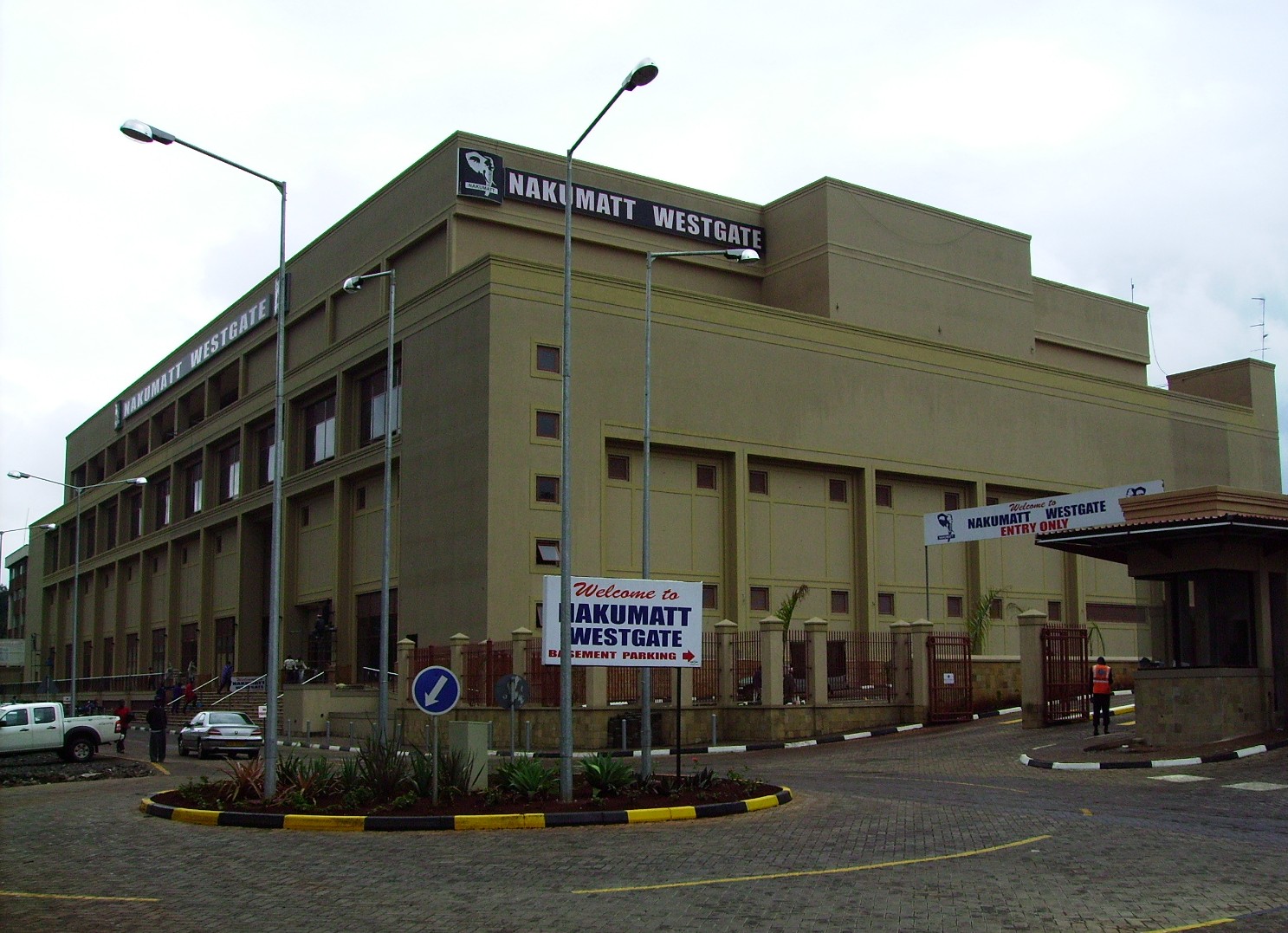
Shopping malls in Nairobi include; The Yaya Centre (Hurlingham), Sarit Centre (Westlands), Westgate Shopping Mall (Westlands), ABC Place (Westlands), The Village Market (Gigiri), Junction Shopping Centre (Ngong Road), Prestige Plaza (Ngong Road), Galleria Shopping Mall (Bomas) Crossroads Shopping Centre (Karen), and T-Mall (Langata). Nakumatt, Uchumi, and Tuskys are the largest supermarket chains with modern stores throughout the city.

Nairobi_Westgate_mall

IMG_0459

2102545583_d62e48ec9d_o

  • Eateries and nightlife

From a collection of gourmet restaurants offering local and international cuisine, Nairobi has something to offer to every age and pocket. Most common known food establishments include The Carnivore and The Tamarind Restaurants which have outlets in Langata, City Centre, and the Village Market. For those more discerning travellers, one can choose from a wide array of local cuisine, Mediterranean, fast food, Ethiopian, and Arabian. The city’s nightlife is mostly centred along friends and colleagues meeting after work especially on Fridays – commonly known as “Furahiday” (Happy Day), theme nights, events and concerts, and of late a new trend – “herbal bubble” or “Shiisha”. The most popular clubbing spots are centred in upmarket Westlands which has come to be known as “Electric Avenue”, Karen, Langata, Hurlingham, and “uptown” venues in the city centre. Nairobians generally go out every day of the week and most establishments are open till late.

thai-chi-restaurant-the

Muhibbah

  • The Giraffe Centre;

Run by the African Fund for Endangered Wildlife, this is a sanctuary for the rare Rothschild’s giraffe. Spend some time observing, hand-feeding (and if lucky, get a big wet kiss) as well as capturing close-up photos of the giraffes in case you did not catch sight of them while on safari. One can also enjoy a quiet nature trail through thick bushes and forest. Other animals you are bound to encounter include warthogs, hyenas and sometimes leopard.There is a variety of flora and fauna.

nairobi-giraffe-center3

  • Maasai Markets;

Meet craftsmen of authentic Kenyan artifacts and enjoy the sight of ladies beading and making jewellery at the markets. Held around the city at different venues on different days, bag yourself a set of souvenirs for your friends and families back home including wooden carvings and bead-work; beaded necklaces, batik wall hangings, shoes, soap stone carvings, sisal bags, kikois, textiles and much more.  All Maasai Markets items are Kenyan and the range of goods on offer is impressive .You can’t go wrong at the Nairobi Masai Market.

256061_800_600

  • David Sheldrick Animal Trust – Elephant orphanage

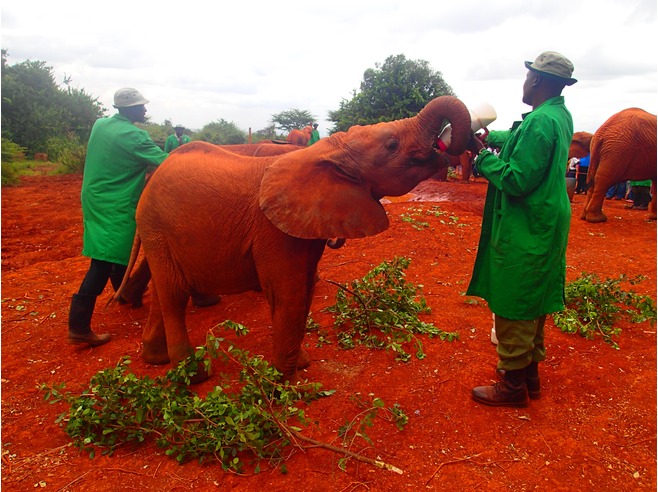
For the conservationists, and those who love elephants, this is a place you don’t want to miss. The elephant orphanage is inside the Nairobi National Park and to see the orphan elephants you must go between 11-12 (daily). Get to sponsor the orphans if you would like and also buy yourselves souvenirs including T-Shirts, Bags, Soap stone carvings and other memorabilia in support of the elephants.

6700113-Watch_elephants_Nairobi6700115-Watch_elephants_Nairobi

  • Bomas of Kenya

The Bomas of Kenya is a cultural centre at Langata, near the main gate to Nairobi National Park. The talented resident artistes perform traditional dances and songs taken from the country’s various tribal groups, including Arab-influenced Swahili taarab music, Kalenjin warrior dances, Embu drumming and Kikuyu circumcision ceremonies. Each boma (homestead) in this cultural village was built using traditional specifications of myriad Kenyan tribes; through architecture, crafts, music and dance this village serves to preserve Kenyan culture.

492932_640_447

kenya_dance_bomas

  • Safari walk

Nairobi Safari Walk, funded by the Kenya Wildlife Service is a great way to learn about the animals of Kenya and to view the various natural environments Kenya has to offer. It is located at the headquarters of Nairobi National Park.

nairobi-safari-walk

This and many more other activities await you in Nairobi.

nairobi-06

nairobi-10

Nairobi-Background

from-nation-center_mutua-matheka_c

nairobi-10

nairobi-nights_mutua-matheka_b

01_frontlongwideshot_0

Five star hotels in Nairobi include the Nairobi Serena, Laico Regency (formerly Grand Regency Hotel), Windsor (Karen), Holiday Inn, Nairobi Safari Club (Lilian Towers), The Stanley Hotel, Safari Park & Casino, InterContinental, Panari Hotel, Hilton, and the Norfolk Hotel. Other newer ones include the Crowne Plaza Hotel Nairobi in Upper Hill area, the Sankara Nairobi in Westlands, Tribe Hotel-Village Market, House of Wayne, The Eastland Hotel, Ole Sereni, and The Boma located along Mombasa Highway. International chains apart from the Hilton, the Intercontinental group, and Serena Hotels are also setting up prime properties in Nairobi city.

Photo credits;Lucas steuber, Mutua Matheka, Click

Lamu

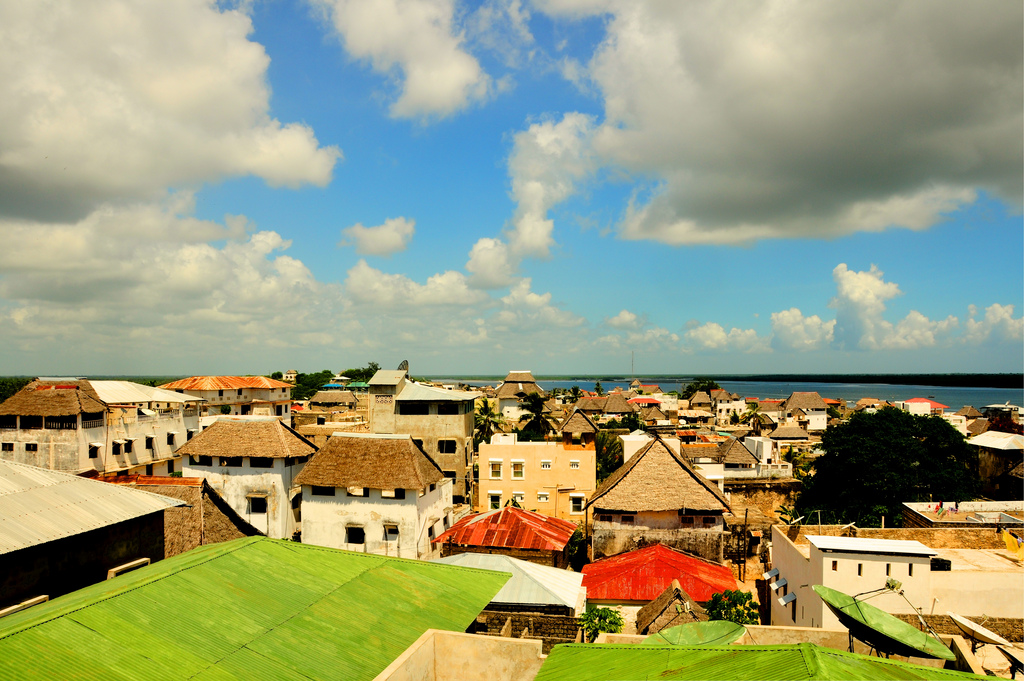
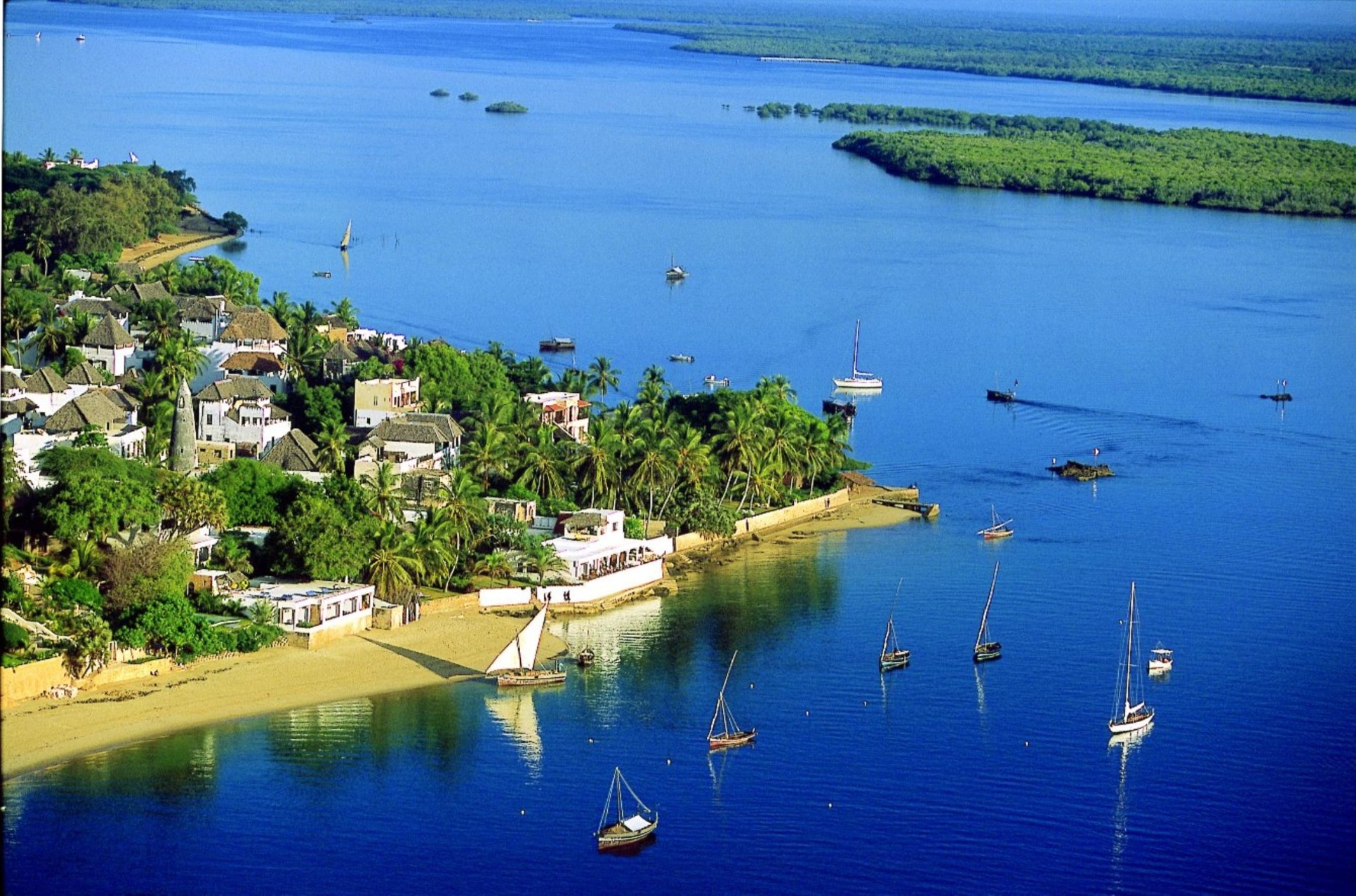
Lamu Island, Kenya’s oldest inhabited town, tells a wonderful story of unspoilt culture and heritage, of unforgettable history and magnificent architecture and most of all, a story of a people with heart and love for others. Lamu portrays an influence of a myriad of cultures ranging from the Oman, Yemeni, Indian, Chinese, Portuguese, as well as the  Victorian British featuring in its architecture, museums, as well as the language of the people here. Founded in the 14th century, the town is regarded as the oldest and best preserved Swahili settlement in the whole of East Africa.

tumblr_m1t0euEMR41qdcasso1_1280

8099310844_b7518b6949_z

26

blonde_photo_100309_159_2951

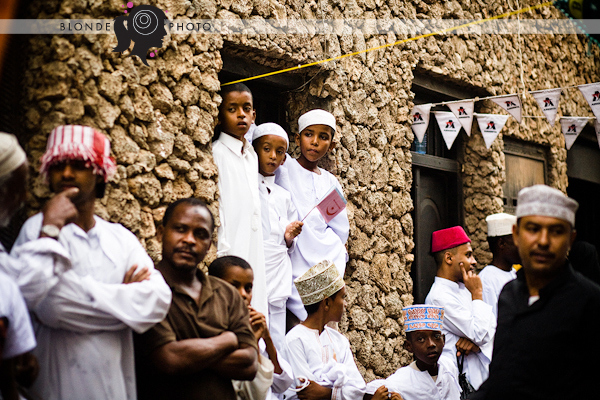
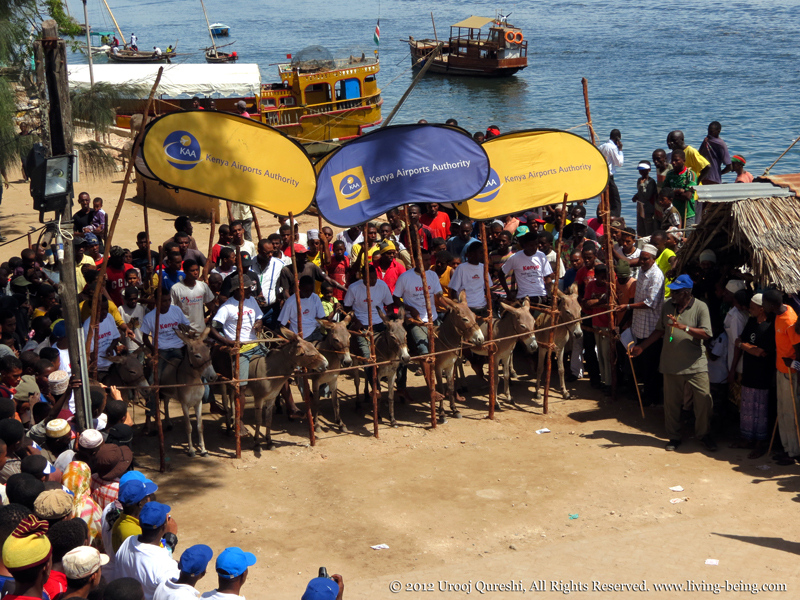
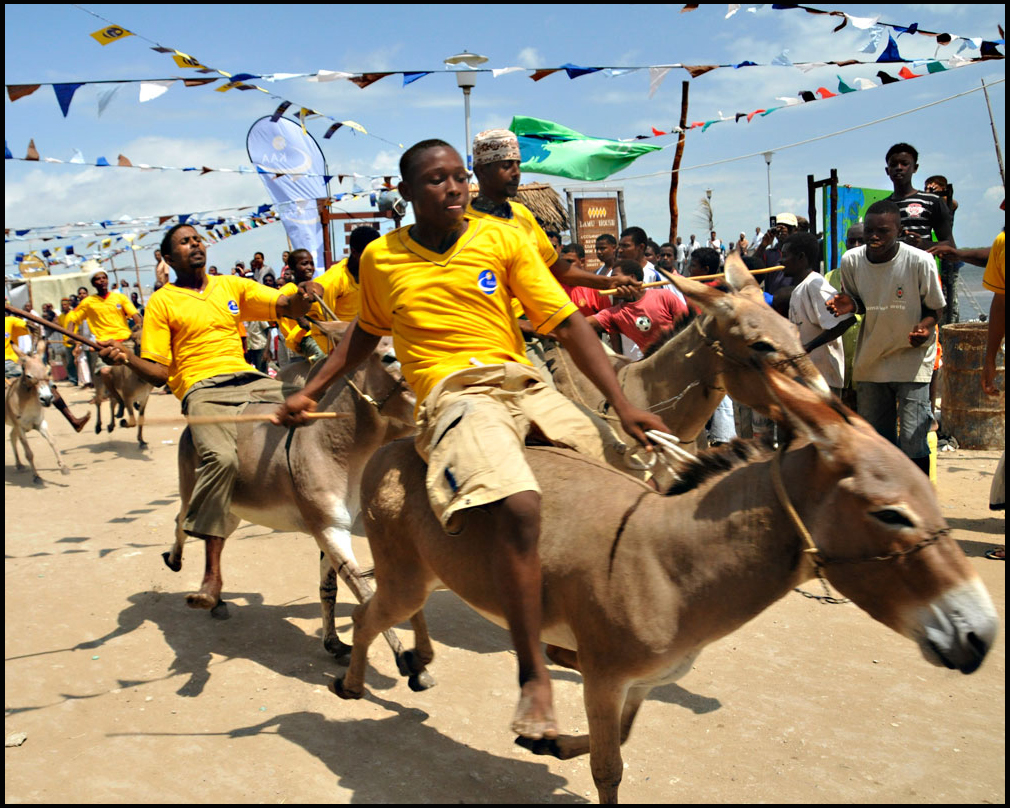
The small town is populated by a majority of Muslims seeing as the early settlers were of Arab origin. Each year the people of Lamu partake in the Maulidi Festival which takes place in the month of June, Rabi-al-Awal month according to the Muslim calendar. The event is a fun-packed affair with activities like dhow races, swimming competition, donkey races, Bao competition, henna painting, cross country, Koranac recitals, Swahili poetry, football and much more taking place.

lamu_cnt_26nov09_iStock_646

7026120081_25464e0d9d_z

Lamu_Kenya20120328184732_s

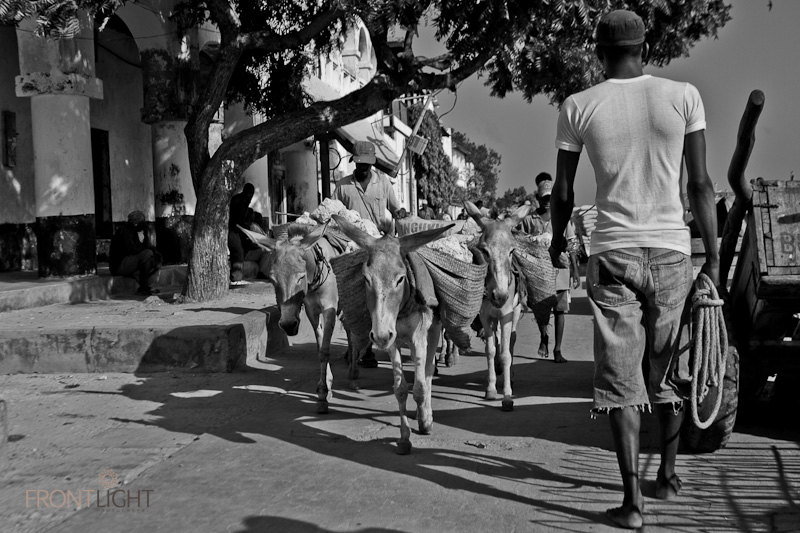
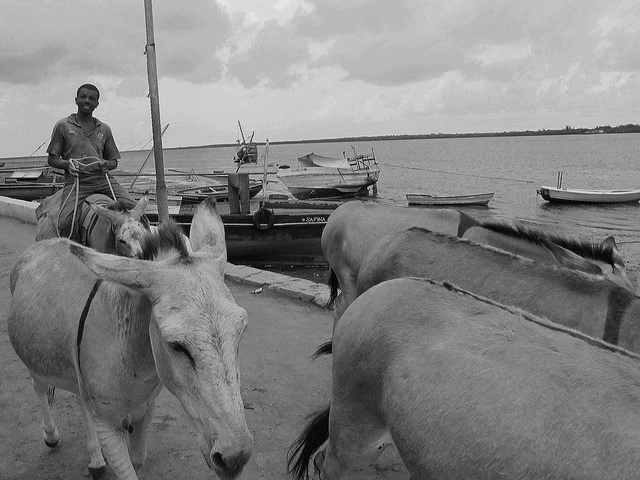
Lamu’s unspoilt culture is also reflected in its mode of transportation whereby very few vehicles can be spotted in the town hence no air pollution from exhaust pipes, the people either walk or ride on donkeys another alternative is the use of dhows and speed boats for transport. Due to its respect of heritage and preservation of culture,  Lamu town had the honor of being designated as a UNESCO World Heritage Site back in 2001. It has managed to stay unspoilt and untouched by the mass tourism and development that has hit much of Kenya’s coastline. Lamu has retained all the charm and character built up over centuries. Most houses here have a rooftop which is used as a patio – indicative of a society where ‘hanging back’ and ‘catching the breeze’ is important. Visitors to the island can stay in one of these Swahili style Lamu villas where sandy-toed days stretch out into tropical rooftop evenings.

32176_505036636214295_2070607264_n

blonde_photo_100312_173_2398

blonde_photo_100312_165_2318

480885_371957426188884_832609401_n

483879_519982968052995_1429885578_n

Lamu_Pictorial-8111

398903_376241062427187_1182456376_n

08

blonde_photo_100310_191_3178

536722_461173713933921_2075844870_n

599691_417206901663936_1763351542_n

10642151-essay

02

Lamu_Pictorial-8519

5197881463_2c3d4a0ec2_z

kenya-boats-2-1

Lamu_Pictorial-8524

Flying is the best way to reach this region of Kenya and there are daily flights to Lamu. The airport is located on the neighbouring Manda Island from where one will be collected by their hotel or lodge and transferred by boat across the channel to Lamu town (10 minutes), Shela Village (20 minutes) or further afield (up to 45 minutes).

Must do in Lamu

  • Dhow Safari
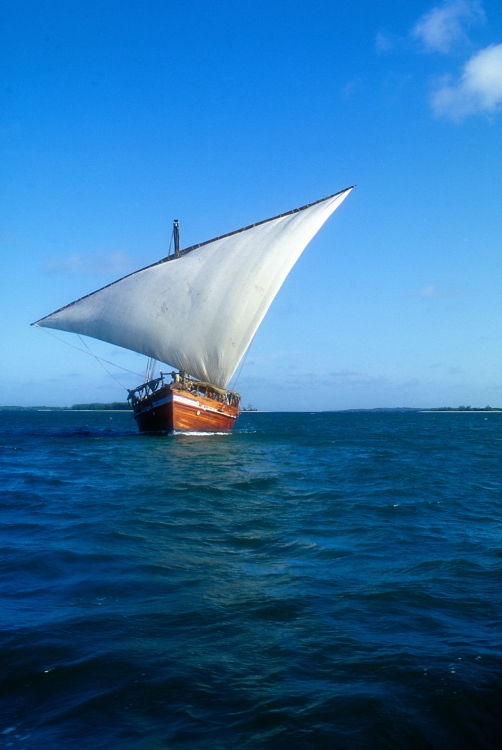
    A day spent at sea on a Dhow is a wonderful experience and a fantastic way to explore the area. The calm waters around Lamu are perfect for sailing, and the neighbouring islands are well worth visiting for their small fishing villages, ancient ruins and deserted beaches.

dhow

  • Dhow Racing 
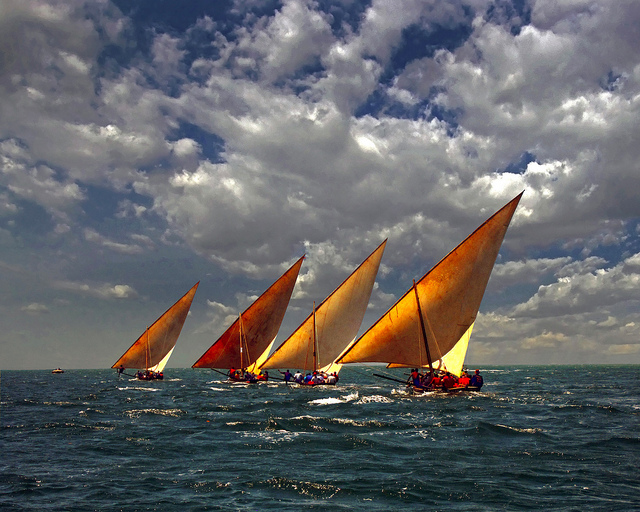
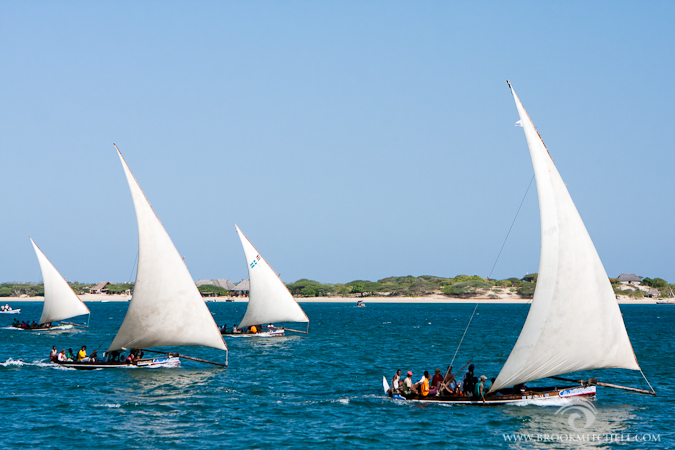
    Dhow racing is the most important event in Lamu annually taking place to usher in the new year. Lamu Dhow builders are considered some of the best on the coast, and this is a culture born of the sea and sailors. Winning the race is a great honour among Dhow captains, and the race attracts the best of the best. This event brings the Island to life, and the shorelines throng with supporters. Individual Dhows are brightly decorated, and festivities on race day last well into the night.

15

  • SCUBA Diving and Snorkelling
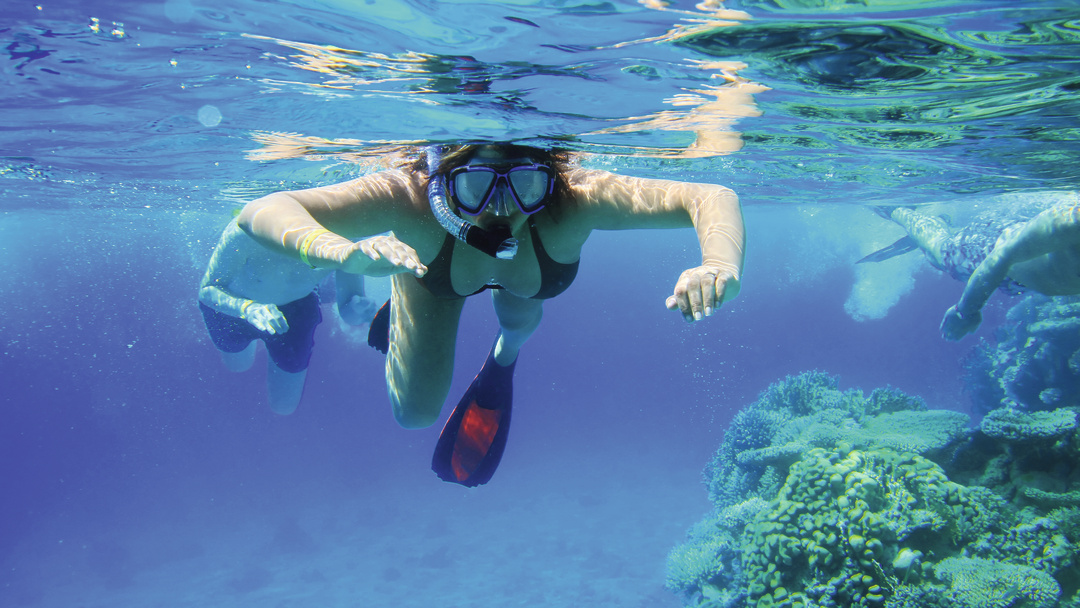
    Private Dhow trips from Lamu often visit good snorkeling sites, and provide equipment. There are a few good dive sites to be found around Lamu and the surrounding archipelago.

LIB_SHU_12_F567_RF_c52a190ea519cb455bc18d9416828f85be36d93f

  • Big Game Fishing
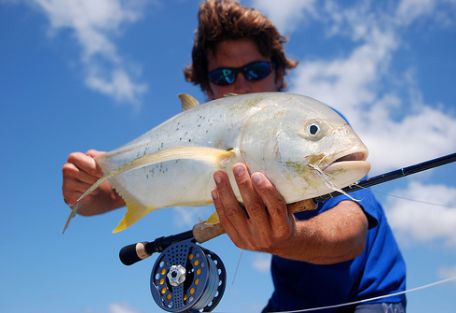
    Big game fishing can be arranged from Manda Island or by some hotels in Lamu in season (December – March). Kenya’s main coastal game fish include Sailfish and Marlin, Kingfish, Wahoo, Horse Mackerel and others.  A tag and release program ensures eco-friendly fishing.

456x313_-manda-bay

img160

  • Bird Watching
    The Kiunga Marine Reserve near Lamu is an important sanctuary for shorebirds and pelagics, including the Sooty Gull, White Cheeked Tern, Bridled Tern, Brown Noddy, and many Crab Plovers and Roseate Terns.

4649994224_bd4569af53_z

  • Islamic Festival of Maulidi
    Held each year around the month of June, several special sporting events are held during Maulidi. The main event is a donkey race along the waterfront, running the entire length of the old town. Lamu residents are accomplished Donkey jockeys, and victory in this annual race is a much coveted title. The race attracts most of the townspeople, who gather along the waterfront or anchor offshore in dhows to watch the action. Both riders and donkeys are well prepared for the event and the competition is always fierce, with each competitor attracting their own loyal local supporters.The race day is a major event in the Lamu calendar, and there are plenty of festivities and celebrations both before and after the big event. Often dhow races are held around the island during the same period.

50

Lamu-Cultural-Festival-Donkey-Race

  • walking tour of Lamu old town and a visit to the Museum as well as the Old Fort  which have been nicely restored and enjoy some fascinating displays.
  •  Shopping for beautiful clothes, kanga’s and kikoys, leather work, carved wooden furniture, silver jewellery and many more souvenirs.

Photo credits; Eric Lafforgue , Flowerbeetle,the fort, Joe Makeni, Jaime Windon, Urooj Qureshi

Vasco Da Gama’s Memorabilia

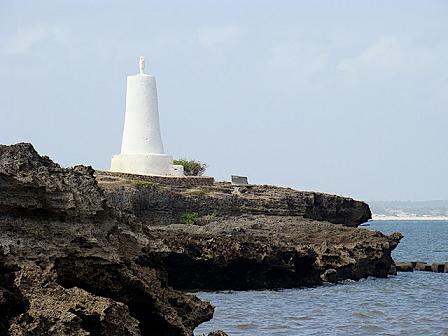
It stands on the Northern end of Casuarina Beach atop rocks that provide stunning views along the coast; an architectural memorabilia affiliated with Vasco Da Gama and his exploring adventures. One of Malindi’s top attractions, the Vasco Da Gama pillar came into existence in 1498 built as a sign of appreciation for the hospitality of the then sultan of Malindi, and still stands today as one of the oldest remaining monuments in Africa. Its erection was met with resistance from the muslim community and as a matter of fact what many do not know is that the Portuguese explorer had not only built one pillar but two. The first pillar had been erected near the sultana’s palace however due to christian-muslim animosity then, the pillar was demolished sighting that the cross surmounting it was seen as encouraging Christianity. Vasco was later allowed to build the second pillar on the cliff where it stands today only after explaining to the sultan of its importance.

maltow01

It may come across to many as just a simple monument but this coral pillar right here might well define the essence of colonial intrusion into the country and East Africa at large, with the Portuguese being the first Europeans to explore the country. Vasco Da Gama’s arrival into Kenya was led by his endeavor into finding a sea route to India and Malindi being well placed as a sea route to and from the east coast, saw the pillar serve well as a landmark that could be sighted from a far by those approaching the harbour from the sea.

beach-safari-in-kenya-vasco-da-gama-pillar

Today the Pillar is a frequent for couples what with the cool breeze and spectacular view, it has also become a good fishing ground; practiced either leisurely or as a sport and you will definitely not fail to spot the photographers who offer instant photo services to the many visitors. Make this the site to see next time you are in Malindi!!

Vasco da Gama Pillar, Malindi, Kenya

Guns will not win the war against elephant poachers

Bigger fines and stronger penalties alone won’t be enough to stop poaching for ivory – but traditional values could help

A Kenyan wildlife ranger inscribes markings on the 775 elephant tusks, seized by port police in Mombasa Photograph: Joseph Okanga/Reuters

Despite best efforts we are not winning the war on poaching. A massive seizure of 1.5 tons of ivory in Kenya’s port city of Mombasa on 3 July flies in the face of threats against poachers and dealers by the Kenya government, and yet ivory traffickers continue unabated. In the first six months of 2013 more than 7.5 tons of ivory was seized in the country – more than was seized in all of 2012.

By all measures, elephants are much worse off than last year; ivory continues to flow through the country at increasing rates, and the slaughter of elephants is accelerating. The public, CITES, conservationists and the world criticizes Kenya for her failure to match words with actions. The situation is rapidly spiraling out of control.

Kenya has taken many decisive actions. Thirty-two staff including senior officers of the Kenya Wildlife Service were sent home for involvement or suspicion of involvement in driving the crisis, the list of shame includes senior officers in the security department. The government is enacting new legislation, committing additional funds to hire 1,000 new rangers, and private sector has also re-doubled their efforts through increasing investment in anti-poaching with special training, more monitoring, drones, sniffer dogs, attack dogs, vehicles, 1000$ worth of remote cameras and aircraft.

Despite these military efforts to stop the poachers, the problem is worsening. As Julius Kimani, Deputy Director of Security in KWS said in a meeting last week

We cannot win this war with guns, it is time to explore more intelligent ways of motivating people to stop killing our most magnificent species.

Changing trends in poaching

There was a time when despite the costs and risks, Kenyans defended elephants. Poaching elephants for ivory was unacceptable to most, and those who engaged in it were demeaned. In the 1970’s and 80’s poachers mostly the tough wiry Somali people who entered Kenya on foot from the north with guns under their shuka’s (sarongs). They followed the tracks of elephants, shot them and buried the ivory for collection at a later date. It was a low tech business. Today the poaching and trafficking of ivory is no longer the prestige of the Somali, it is being done by all tribes, professionals, and individuals of all walks of life:

In April a young university student was arrested at a Kenyan shopping mall in a smart SUV full of ivory.

Local community members once considered the buffer against poachers from outside are now poaching.

Local poaching rings operate with impunity in Kenya.

Staff and ex-staff of conservation bodies are now doing the poaching themselves.

Army officers have been arrested on suspicion of poaching
.

Two renowned Kenyan elephant conservationists have been arrested on charges of ivory trafficking.

On 29th of June an American traveller was arrested at Nairobi International Airport and charged with smuggling ivory.

At this rate it is conceivable that anybody could be suspected of involvement in the ivory trafficking business because it is not poverty that drives people to kill elephants or traffic ivory. Why is it that so many people are now involved in poaching and trafficking of ivory?

Understanding the psychology of poachers

In a recent discussion with behavioral economist and professor at Duke University Dan Ariely, I was challenged to think about the human motivations behind the poaching. Ariely, the author of three New York Times Best Sellers Predictably Irrational, The Upside of Irrationality, and The Honest Truth about Dishonesty has studied motivations behind the actions of criminals.

I spoke to Ariely about the Kenyan government response to the crisis, by enacting extreme penalties to discourage poachers. Like others I have a gut feeling that higher penalties may not work, I fear that instead suspects will bribe the police, the price of ivory will increase to compensate and thus accelerate the killing. Ariely said I had a point, but not necessarily for the reasons I thought.

I learned three important things about behavioral economics that are relevant to poaching.

1. Everyone is dishonest to the limit of social acceptance

First, Ariely’s research suggests that when many of people are doing bad things, it is easier for anyone to view it as socially acceptable and starting engaging in this activity as well. Ariely’s logic suggests that the more we report the scale of ivory trafficking and elephant poaching, the more it seems ubiquitous and therefore people will think “Everyone else is doing it so why not me?”. It seems counter intuitive but what this means is that the more awareness we create about poaching and ivory trafficking, the worse it’s going to get. At least as long as the awareness is not tightly connected with moral disgust and condemnation.

His research also finds that we tend to do bad things only up to a limit, and that limit is defined by our own personal standards of acceptable dishonesty. For example, everyone may steal a little, and even when given the opportunity to take more, people tend to restrict their cheating to a certain level which is defined by personal and social norms. It is a kind of social learning, where we observe other people’s actions as a way to figure out what is OK and what is not.

Social acceptance of many dishonest activates such as drug use, infidelity, doping by elite athletes, bribery and corruption may be rooted in repeated media stories about more and more individuals engaging in thee activities – leading us to view these activities as more commonplace. We then rationalize our cheating behavior and say “I know it’s wrong, but so what, everyone else is doing it”. We see this daily in Kenya where drink driving is socially acceptable and many people do it. Yet few Kenyans would dream of drink driving in USA or UK where there is no social acceptance of this kind of behavior.

2. Criminals start small

The second thing I learned from Ariely is that most criminals start off small, whether it’s insider trading or drug crimes. Once they get started it is easier to do a little more, and before long they are doing things that initially were unthinkable. Culprits often report surprise and horror about the scale of what they are doing when they get caught. It’s what we affectionately call the slippery slope, once you are on it you will stay on it and it just gets worse and worse. To many people, committing a crime, no matter how small, is like losing your virginity; once it’s gone it can’t be reclaimed. But the good news is that we do have mechanisms to reboot and start over. Think of confession in the Catholic Church.

3. Risk of getting caught deters criminals more than the size of the penalty

The third thing I learned is that the likelihood of someone engaging in criminal activity is related less to the severity of the penalty and more to the likelihood of getting caught – and particularly when the probability is very high (think about crossing a red light when the fine is $1,000 and the probability is 1% vs a situation where the fine is $0 and the probability is 100%). Ariely’s research finds that despite the fines and jail terms for drug dealing, people still do it, especially in places where the odds of getting caught are low, and especially where there is a culture of crime. So according to this argument, as long as there is a high probability of getting away with it, a poacher might continue to take the risks no matter how high the penalty. From this perspective, higher penalties in an unchanged world of poor investigations, and high corruption, might even escalate the problem as more people stepping onto the slippery slope and the dark world of wildlife crime. All of this means that while stiffer penalties (if they get executed) will certainly get hundreds if not thousands of people into jail for 15 years or more (which is far from ideal), it is not likely to stop the killings.

Ariely concluded

“Rather than creating stiff punishments for offenders if they are caught, we need to change the moral standing on these issues and the educational process that leads to our understanding of the unacceptability of such behaviors”.

How can we apply behavioural economics to save elephants?

From Ariely’s research we can take two lessons and actions that might stem the flow of poachers, and reverting those already in crime back to a life of honesty.

First we must address the perception that everyone is poaching and stop those people from becoming engaged in poaching or ivory trafficking because everyone else is doing this. This may be possible through social messaging mechanisms. Poaching must become a socially unacceptable practice, morally wrong, and a taboo.

Secondly, we should look for a way to give those who have just entered onto the thin edge of the slippery slope, a reason to jump off it. African traditions are replete with examples of traditional courts that allow petty criminals to be forgiven. The convict apologizes, pays the penalty, promises not to do it again, and returns to society. This was most famously, if not, controversially applied in the case of the Rwanda genocide through the traditional and officially recognized Gacaca courts.

Honoring traditional values to save elephants

Traditional courts have been shown to be effective for wildlife crimes. For example, in May when the rhino named Omni was killed in Ilingwesi, north Kenya. Government efforts to trace the killers failed until the elders decided to use traditional methods. They gave the culprits 10 days to face up to the crime or risk being cursed. On the tenth day two men came forward. They were immediately fined 3 cows each as per tradition, and then taken to a police station for formal charges. The public acknowledgement, show of remorse, apology and repentance allows these men to return to society though their community is likely to be keeping a close eye on them. Not much publicity or recognition has been accorded to this case which may hold the answer for changing values.

If Ariely is right, then conservationists and governments should begin seriously thinking about how to prevent ordinary people from losing their ‘virginity’ and entering into the shadowy world of wildlife crime. Unless the social acceptance of corruption and bribery are significantly reduced, it is unlikely that much will be gained in terms of reducing crime of all kinds in Kenya. Poaching and ivory trafficking must once again become so socially unacceptable that communities will not tolerate their own getting involved. By applying behavioral lessons to the problem, we can recognize and empower traditional African courts to honour our African values, change perceptions and grow a community that defends elephants despite the economic incentives.

By

TheGuardian

Out of Africa

If I know a song of Africa, of the giraffe and the African new moon lying on her back, of the ploughs in the fields and the sweaty faces of the coffee pickers, does Africa know a song of me? Will the air over the plain quiver with a colour that I have had on, or the children invent a game in which my name is, or the full moon throw a shadow over the gravel of the drive that was like me, or will the eagles of the Ngong Hills look out for me?

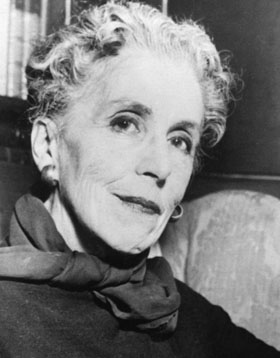
karenblixen_late

I had a farm in Africa at the foot of the Ngong Hills. The Equator runs across these highlands, a hundred miles to the north, and the farm lay at an altitude of over six thousand feet. In the day-time you felt that you had got high up; near to the sun, but the early mornings and evenings were limpid and restful, and the nights were cold.

The geographical position and the height Of the land combined to create a landscape that had not its like in all the world. There was no fat on it and no luxuriance anywhere; it was Africa distilled up through six thousand feet. like the strong and refined essence of a continent. The colours were dry and burnt. like the colours in pottery. The trees had a light delicate foliage, the structure of which was different from that of the trees in Europe; it did not grow in bows or cupolas, but in horizontal layers, and the formation gave to the tall solitary trees a likeness to the palms, or a heroic and romantic air like full-rigged ships with their sails furled, and to the edge of a wood a strange appearance as if the whole wood were faintly vibrating. Upon the grass of the great plains the crooked bare old thorn trees were scattered, and the grass was spiced like thyme and bog-myrtles; in some places the scent was so strong that it smarted in the nostrils. All the flowers that you found or plains, or upon the creepers and liana in the native forest, were diminutive like flowers of the downs – only just in the beginning of the long rains a number of big, massive heavy-scented lilies sprang out on the plains. The views were immensely wide. Everything that you saw made for greatness and freedom, and unequaled nobility.

56IMG_5538-

The chief feature of the landscape, and of your life in it, was the air. Looking back on a sojourn in the African highlands, you are struck by your feeling of having lived for a time up in the air. The sky was rarely more than pale blue or violet, with a profusion of mighty, weightless, ever-changing clouds towering up and sailing on it, but it has a blue vigour in it, and at a short distance it painted the ranges of hills and the woods a fresh deep blue. In the middle of the day the air was alive over the land, like a flame burning; it scintillated, waved and shone like running water, mirrored and doubled all objects, and created great Fata Morgana. Up in this high air you breathed easily, drawing in a vital assurance and lightness of heart. In the highlands you woke up in the morning and thought: Here I am, where I ought to be.

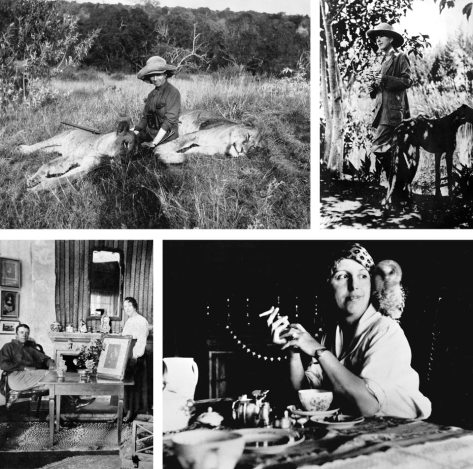
Karen Blixen

There is something about safari life that makes you forget all your sorrows and feel as if you had drunk half a bottle of champagne — bubbling over with heartfelt gratitude for being alive. One only feels really free when one can go in whatever direction one pleases over the plains, to get to the river at sundown and pitch one’s camp, with the knowledge that one can fall asleep beneath other trees, with another view before one, the next night. I had not sat by a camp fire for three years, and so sitting there again listening to the lions far out in the darkness was like returning to the really true world again, where I probably once lived 10,000 years ago…

Out on the Safaris, I had seen a herd of buffalo, one hundred and twenty nine of them, come out of the morning mist under a copper sky, one by one, as if the dark and massive, iron like animals with the mighty horizontally swung horns were not approaching, but were being created before my eyes and sent out as they were finished. I had seen a herd of elephant travelling through dense native forest, where the sunlight is strewn down between the thick creepers in small spots and patches, pacing along as if they had an appointment at the end of the world.
21

It was, in giant size, the border of a very old, infinitely precious Persian carpet, in the dyes of green, yellow and black brown. I had time after time watched the progression across the plain of the giraffe, in their queer, inimitable, vegetative gracefulness, as if it were not a herd of animals but a family of rare, long stemmed, speckled gigantic flowers slowly advancing. I had followed two rhinos on their morning promenade, when they were sniffing and snorting in the air of the dawn, which is so cold that it hurts in the nose, and looked like two very big angular stones rollicking in the long valley and enjoying life together. I had seen the royal lion, before sunrise, below a waning moon, crossing the grey plain on his way home from the kill, drawing a dark wake in the silvery grass, his face still red up to the ears, or during the midday siesta, when he reposed contentedly in the midst of his family on the short grass and in the delicate, spring like shade of the broad acacia trees of his park of Africa.

The natives have, far less than the white people, the sense of risks in life. Sometimes on a Safari, or on the farm, in a moment of extreme tension, I have met the eyes of my native companions, and have felt that we were at a great distance from one another, and that they were wondering at my apprehension of our risk. It made me reflect that perhaps they were, in life itself, within their own element, such as we can never be, like fishes in deep water which for the life of them cannot understand our fear of drowning. This assurance, this art of swimming, they had, I thought, because they had preserved a knowledge that was lost to us by our first parents; Africa, amongst the continents, will teach it to you: that God and the Devil are one, the majesty co-eternal, not two uncreated but one uncreated, and the natives neither confounded the persons nor divided the substance.
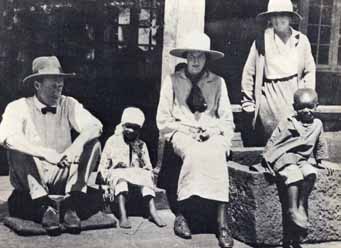
EPSON scanner Image

The natives were Africa in flesh and blood. The tall extinct volcano of Longonot that rises above the Rift Valley, the broad mimosa trees along the rivers, the elephant and the giraffe, were not more truly Africa than the natives were, small figures in an immense scenery. All were different expressions of one idea, variations upon the same theme. It was not a congenial up-heaping of heterogeneous atoms, but a heterogeneous up-heaping of congenial atoms, as in the case of the oak leaf and the acorn and the object made from oak. We ourselves, in boots, and in our constant great hurry, often jar with the landscape. The natives are in accordance with it, and when the tall, slim, dark, and dark eyed people travel, always one by one, so that even the great native veins of traffic are narrow footpaths, or work the soil, or herd their cattle, or hold their big dances, or tell you a tale, it is Africa wandering, dancing and entertaining you. In the highlands you remember the Poet’s words: Noble found I ever the native, and insipid the immigrant.

There was a place in the hills, on the first ridge in the game reserve, that I myself at the time when I thought that I was to live and die in Africa, had pointed out to Denys as my future burial-place. In the evening, while we sat and looked at the hills, from my house, he remarked that then he would like to be buried there himself as well. Since then, sometimes when we drove out in the hills, Denys had said: “Let us drive as far as our graves.” Once when we were camped in the hills to look for buffalo, we had in the afternoon walked over to the slope to have a closer look at it. There was an infinitely great view from there; in the light of the sunset we saw both Mount Kenya and Kilimanjaro.
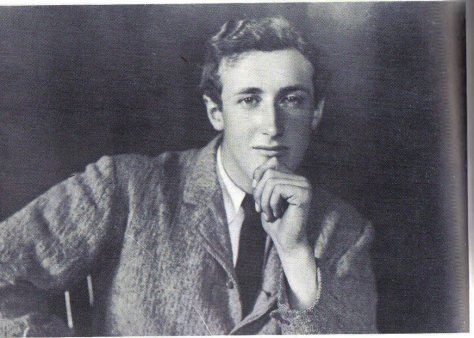
denys finch hatton

Perhaps he knew, as I did not, that the Earth was made round so that we would not see too far down the road.

Here in the early afternoon they brought out Denys from Nairobi, following his old Safari-track to Tanganyika, and driving slowly on the wet road. When they came to the last steep slope, they lifted out, and carried the narrow coffin, that was covered with the flag. As it was placed in the grave, the country changed and became the setting for it, as still as itself, the hills stood up gravely, they knew and understood what we were doing in them; after a little while they themselves took charge of the ceremony, it was an action between them and him, and the people present became a party of very small lookers-on in the landscape.
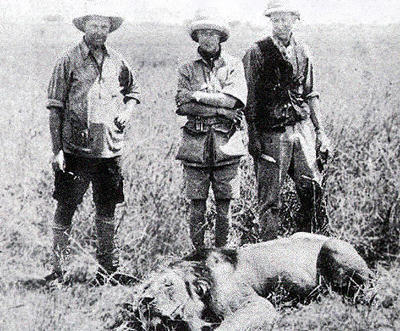
FinchHatton_KarenBlixen

Denys had watched and followed all the ways of the African Highlands, and better than any other white man, he had known their soil and seasons, the vegetation and the wild animals, the winds and smells. He had observed the changes of weather in them, their people, clouds, the stars at night. Here in the hills, I had seen him only a short time ago, standing bare-headed in the afternoon sun, gazing out over the land, and lifting his field-glasses to find out everything about it. He had taken in the country, and in his eyes and his mind it had been changed, marked by his own individuality, and made part of him. Now Africa received him, and would change him, and make him one with herself.

After I had left Africa, Gustav Mohr wrote to me of a strange thing that had happened by Denys’ grave, the like of which I have never heard. “The Masai,” he wrote, “have reported to the District Commissioner at Ngong, that many times, at sunrise and sunset, they have seen lions on Finch-Hatton’s grave in the Hills. A lion and a lioness have come there, and stood, or lain, on the grave for a long time. Some of the Indians who have passed the place in their lorries on the way to Kajiado have also seen them. After you went away, the ground round the grave was levelled out, into a sort of big terrace, I suppose that the level place makes a good site for the lions, from there they can have a view over the plain, and the cattle and game on it.”
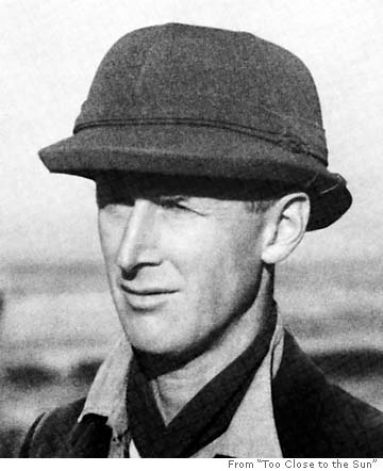
denys

It was fit and decorous that the lions should come to Denys’s grave and make him an African monument. Lord Nelson himself, I have reflected, in Trafalgar Square, has his lions made only out of stone.

Exerpts

(by Karen Blixen)
World Travel Awards 2013 Kenya nominees

We already know that Kenya is hosting this year’s World Travel Awards Africa, and as months go by we are getting nearer to the big day, 16th of October. Aside from Sarova hotels scooping a whopping five nominations, little is known of other nominees in Kenya’s travel industry. Here is a look at the Kenyan industry players who received nominations in various categories of this prestigious awards.

Kenya Leading Car Hire 2013

  • Avenue car Hire
  • Avis Kenya
  • Central rent a car
  • Europcar Kenya
  • Glory car hire
  • sixt kenya

Kenya’s Leading Beach Resort 2013

  • Alfajiri Villa resort
  • Diani Reef Beach Resort & Spa
  • Hemingways Watamu Resort
  • Leopard Beach Resort & Spa
  • Msambweni Beach House
  • Sarova Whitesands Beach Resort & Spa
  • Severin Sea Lodge
  • Swahili Beach
  • The Majlis
  • The Red Pepper House

Kenya’s Leading Business Hotel 2013

  • Fairmont Mount Kenya Safari Club
  • Fairmont The Norfolk
  • Intercontinental Nairobi
  • Nairobi Serena Hotel
  • The Sarova Stanley
  • Tribe Hotel

Kenya’s Leading Golf Resort 2013

  • Fairmont Mt.Kenya Safari Club
  • Leisure Lodge Beach & Golf Resort
  • The Great Rift Valley Lodge & Golf Resort
  • Windsor Golf & Country Club

Kenya’s Leading Hotel 2013

  • Fairmont Mount Kenya Safari Club
  • Fairmont The Norfolk
  • Intercontinental Nairobi
  • Laico Regency
  • Nairobi Serena Hotel
  • Sankara
  • The Sarova Stanley
  • Tribe Hotel

Kenya’s Leading Hotel Brand 2013

  • Fairmont Hotels & Resorts
  • Hemingway Hotels & Resorts
  • Kempinski Hotels
  • Mada Hotels
  • Marasa Africa
  • Pride Inn Hotels & Conferencing
  • Sarova Hotels
  • Serena Hotels

Kenya’s Leading Resort 2013

  • Alfajiri Villa Resort
  • Diamonds Dream Africa Resort
  • Hemingways resort
  • Kinondo Kwetu
  • Leopard Beach Resort &Spa
  • Manda Bay
  • Mt. Kenya Safari Club
  • Southern Palms Beach Resort

Kenya’s Leading Safari Camp Brand 2013

  • Advantage East Africa
  • Ashnil Hotels
  • Atua Enkop Africa
  • Governors Camp Collection
  • Heritage Hotels
  • Out of Africa Collection
  • Porini camps
  • The C&P portfolio
  • The Safari and Conservation Company
  • The Safari Collection

Kenya’s Leading Spa Resort 2013

  • Diani Reef Beach Resort & Spa
  • Enashipai Resort & Spa
  • Leopard Beach Resort & Spa
  • Lion in the sun
  • Ocean Beach Resort & Spa

Kenya’s Leading Domestic Safari carrier 2013

  • Air Kenya
  • Fly540
  • Mombasa Air Safari
  • Safarilink
  • Tropic Air

Kenya’s Leading Safari Lodge 2013

  • &Beyond Kichwa Tembo Maasai Mara Tented Camp
  • Amboseli Serena Safari Lodge
  • Elsa’s Kopje
  • Finch Hattons
  • Governors Camp
  • Keekorok Lodge – Sun Africa Hotels
  • Little Governors’ camp
  • Loisaba
  • Ol Donyo Lodge
  • Ol Tukai Lodge Amboseli
  • Olonana
  • Sanctuary at Ol Lentille
  • Sarova Shaba Game Lodge
  • Serena Mountain Lodge
  • Tortilis Camp

Kenya’s Leading Tented Safari Camp 2013

  • &Beyond Kichwa Tembo Masai Mara Tented Camp
  • Cottars Safari Camp
  • Encounter Mara
  • Joy Camp
  • Kicheche Bush Camp
  • Mara Gypsy Camp
  • Naboisho Camp
  • Rekero Camp
  • Sarova Mara Game Camp
  • Severin Safari Camp

Kenya’s Leading Inbound Tour Operator 2013

  • African Quest Safaris
  • Gamewatchers Safaris
  • Hemingways Expeditions
  • Pollmans Tours & Safaris
  • Private Safaris
  • Somak Holidays
  • Sourthern Cross Safaris
  • Travelmart
  • Twiga Tours

Kenya’s Leading Travel Agency 2013

  • Bunson Travel Kenya
  • Diani Travel Centre
  • Explorer Kenya
  • Express Travel Group
  • Jet Travel
  • Pollmans Tours & Safaris
  • Sagal Travel & Tours
  • Sayari Africa
  • Somak Holidays
  • UNIGLOBE Northline Travel

Kenya’s Leading Travel Management Company 2013

  • &Beyond
  • Abercombie & Kent
  • Asilia Africa
  • BCD Travel
  • Carlson Wagonlit Travel Kenya
  • Cheli & Peacock
  • Express Travel Group
  • FCm Travel Solutions
  • Hogg Robinson Kenya
  • Pollmans Tours & Safaris
  • Somak Holidays
  • The Rickshaw Travel Group

Vote! Vote! Vote!

http://www.worldtravelawards.com/vote

Treasures of Kenya

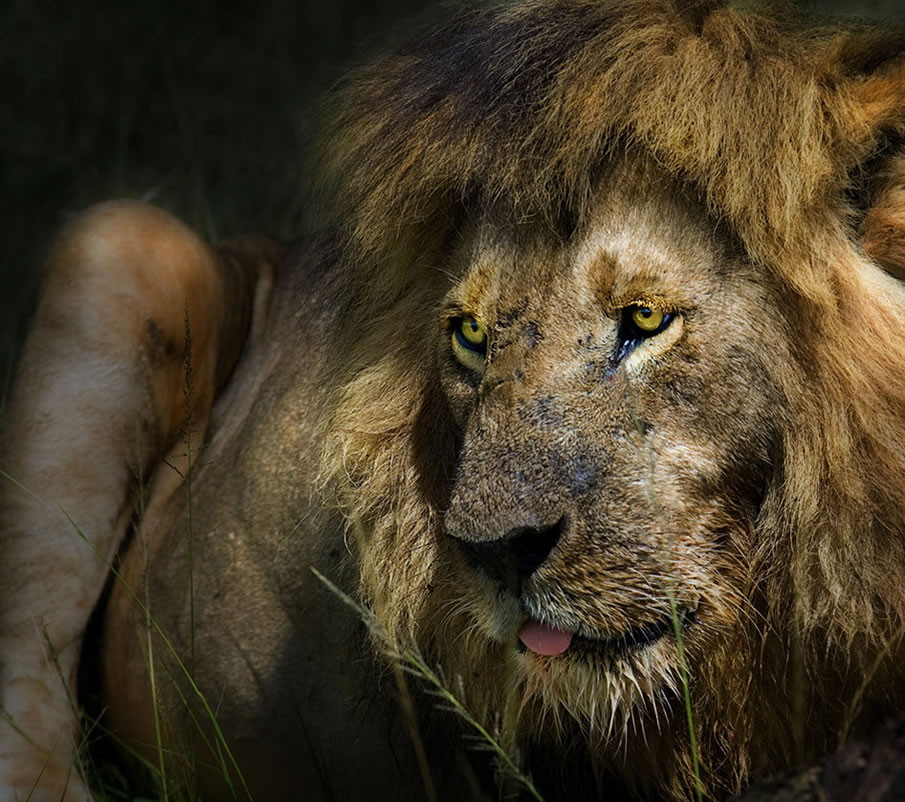
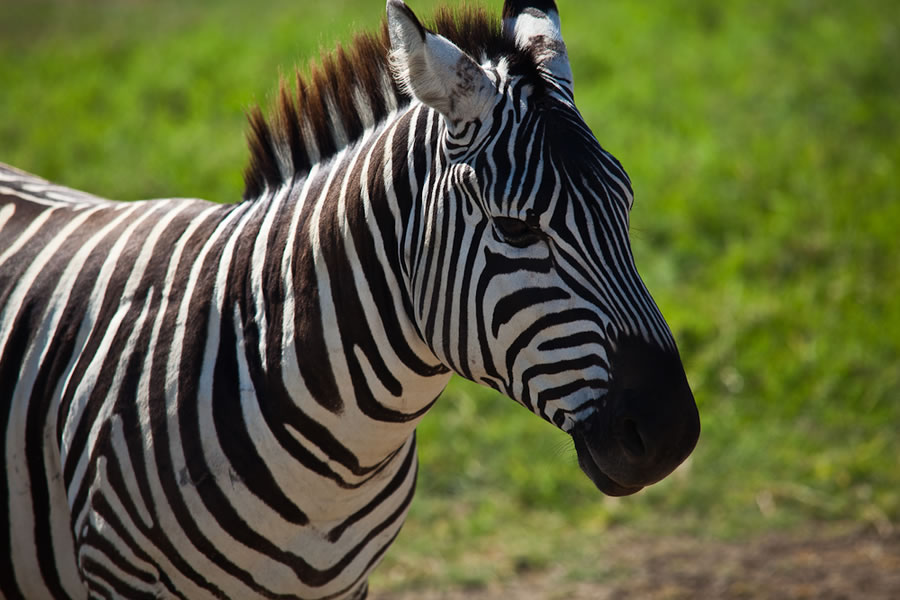
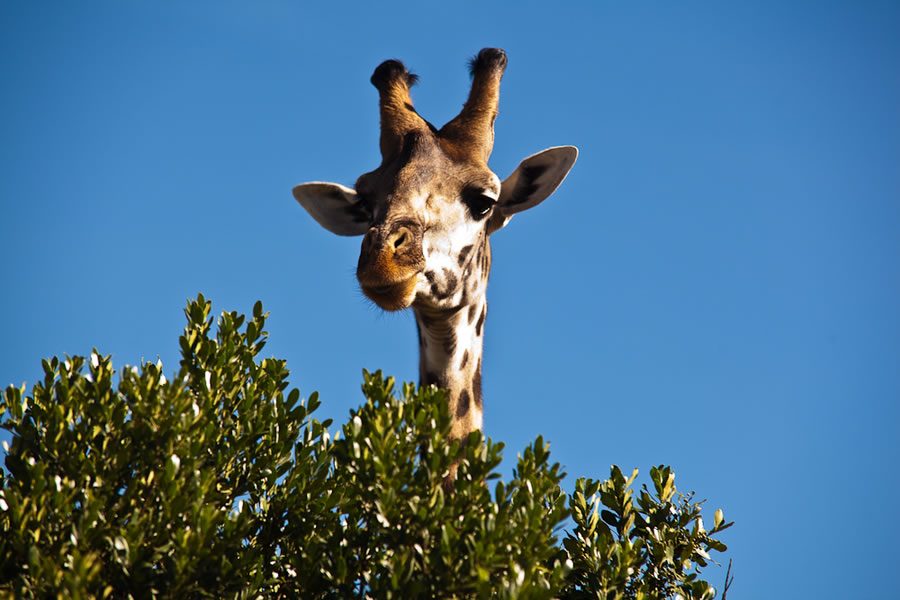
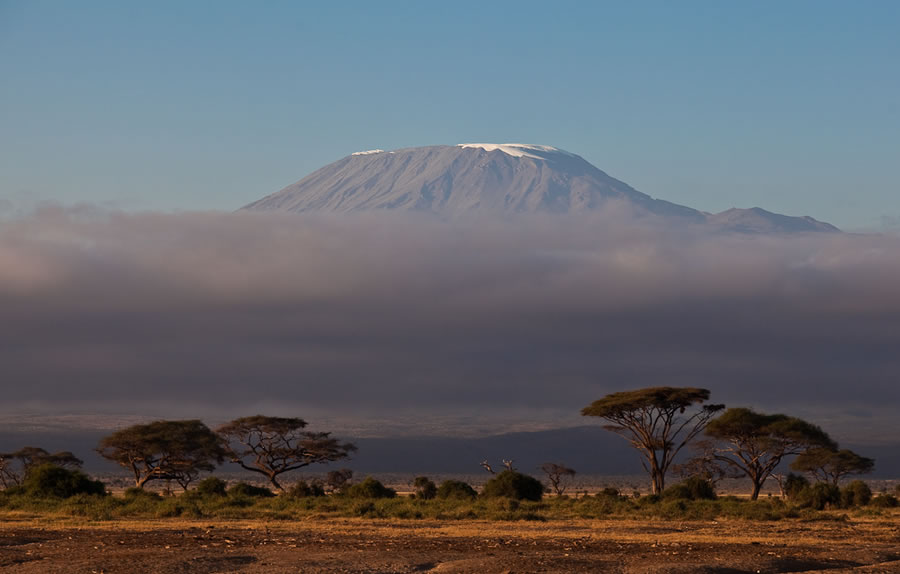
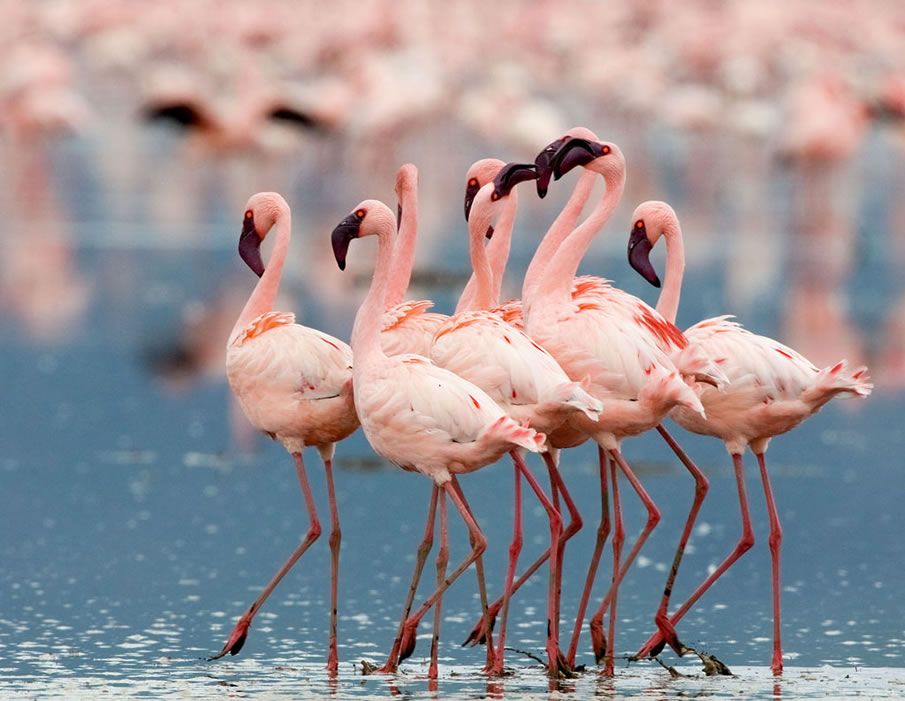
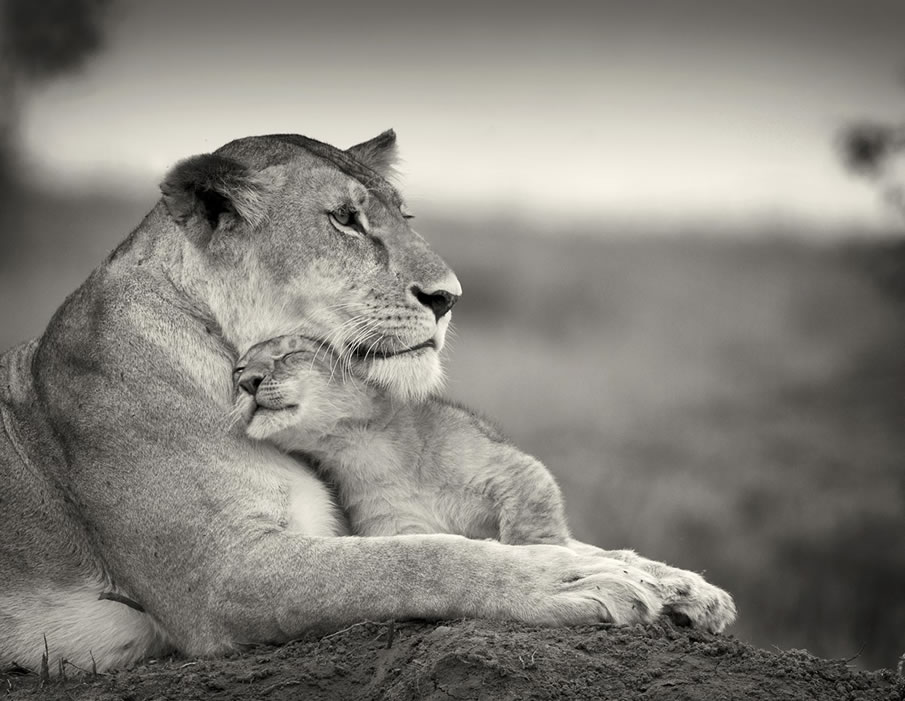
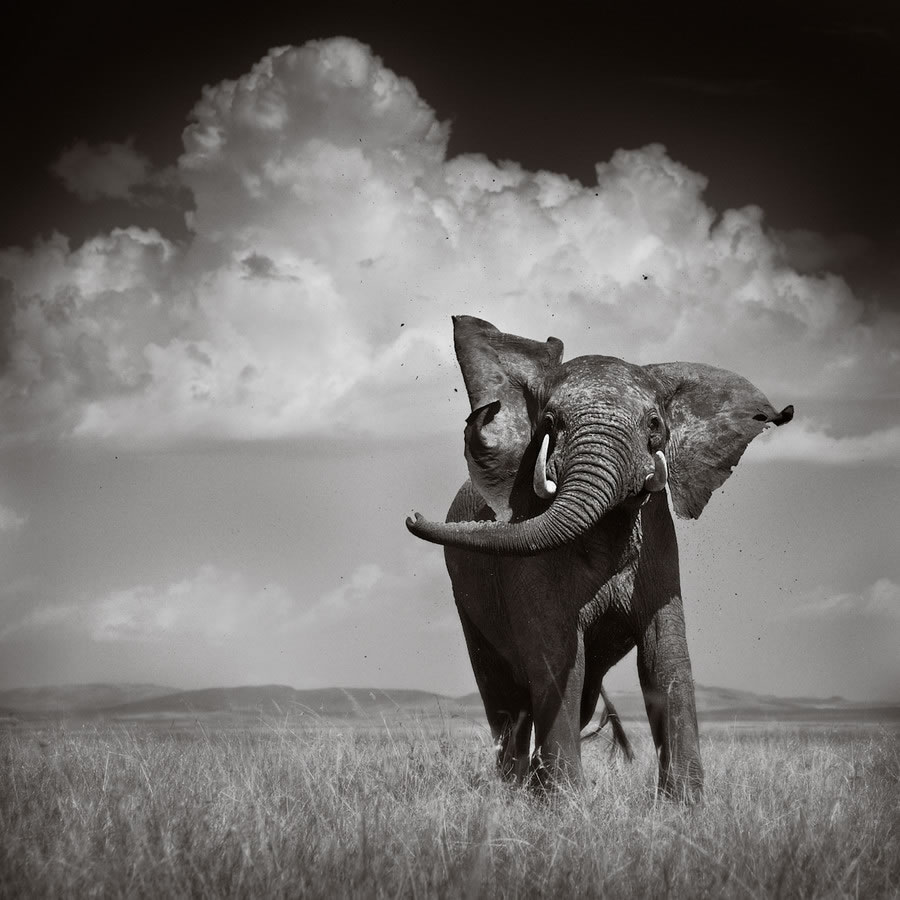
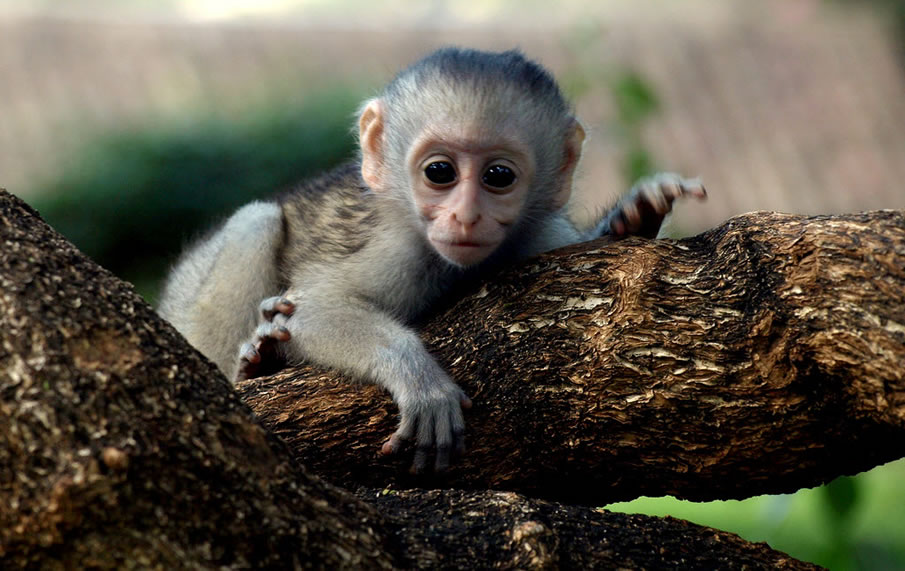
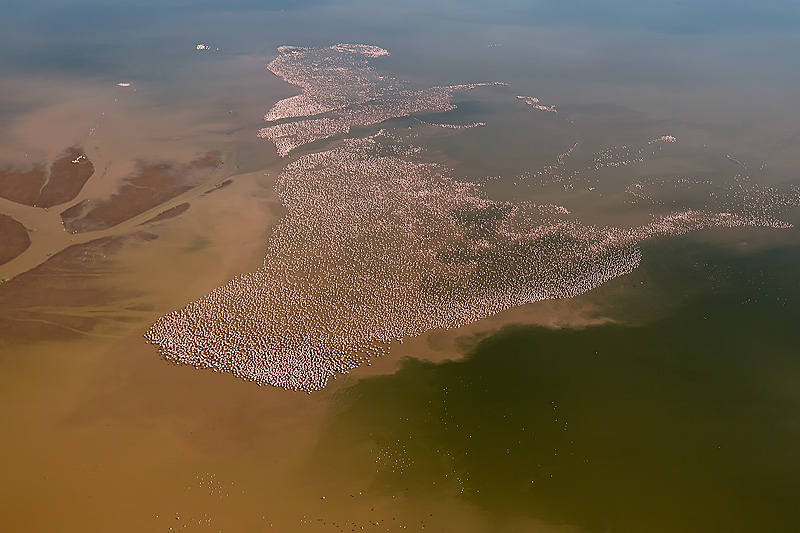
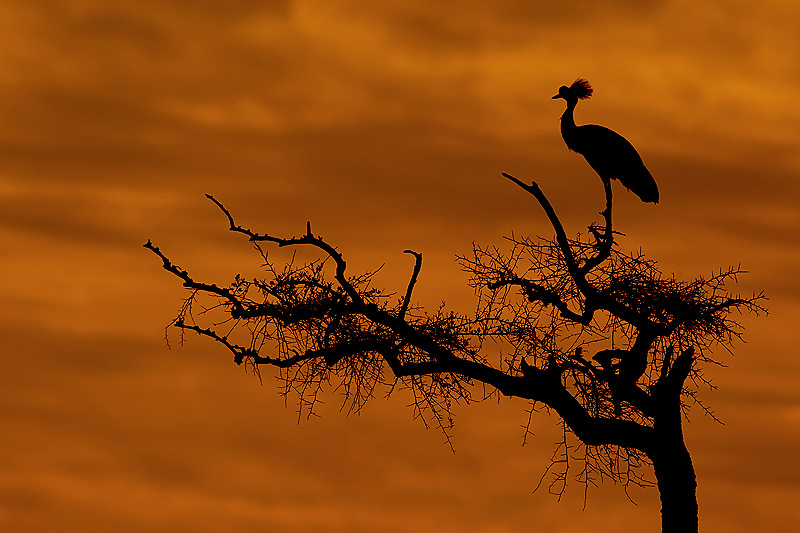
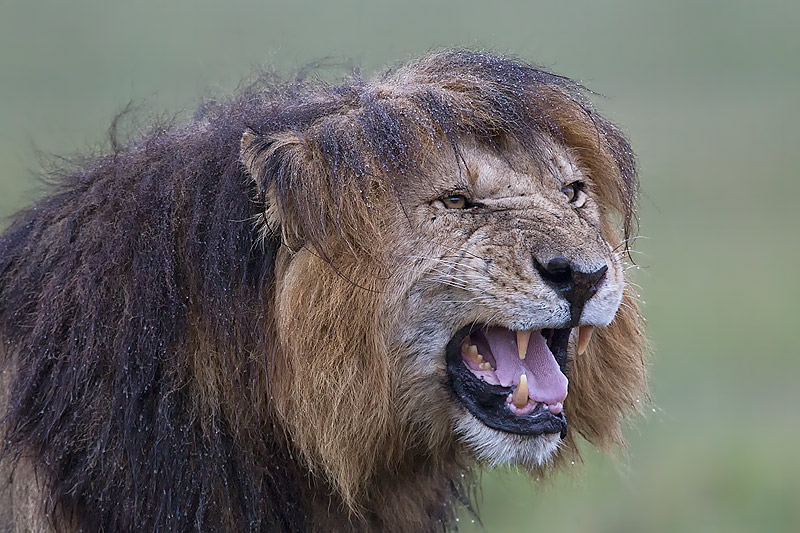
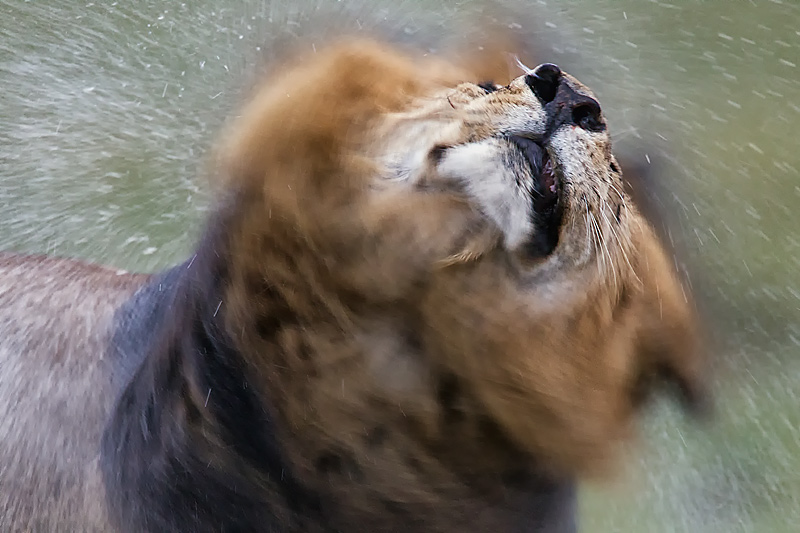
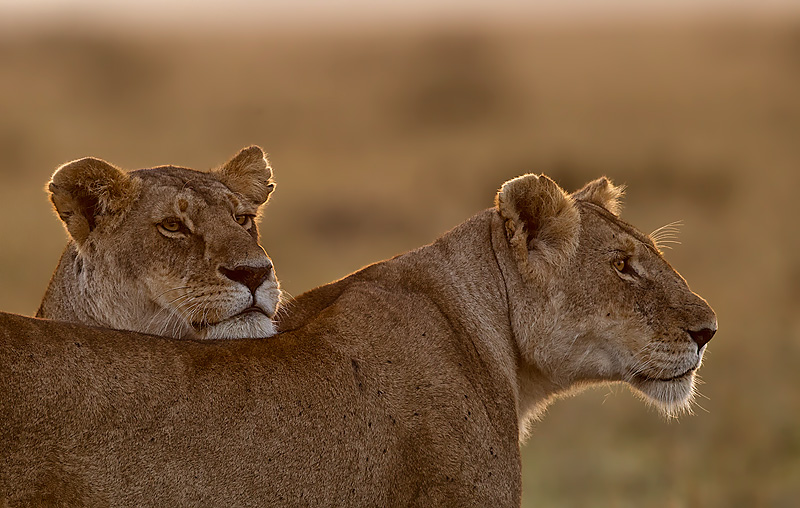
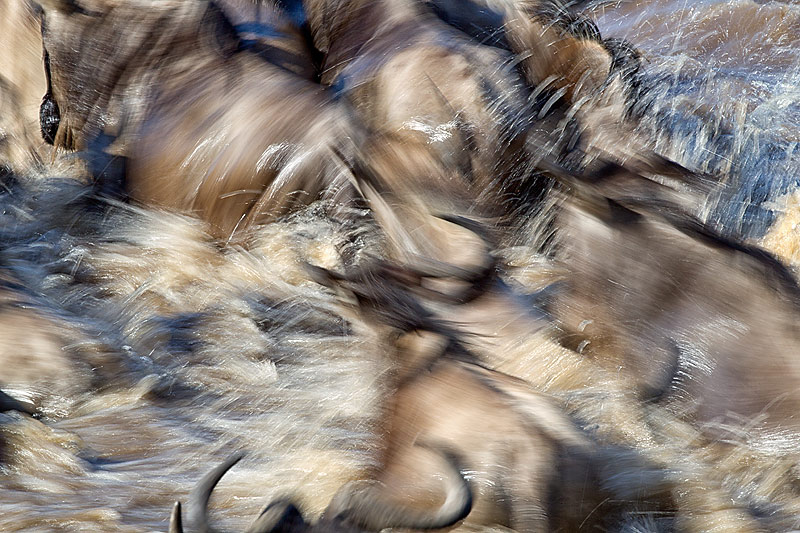
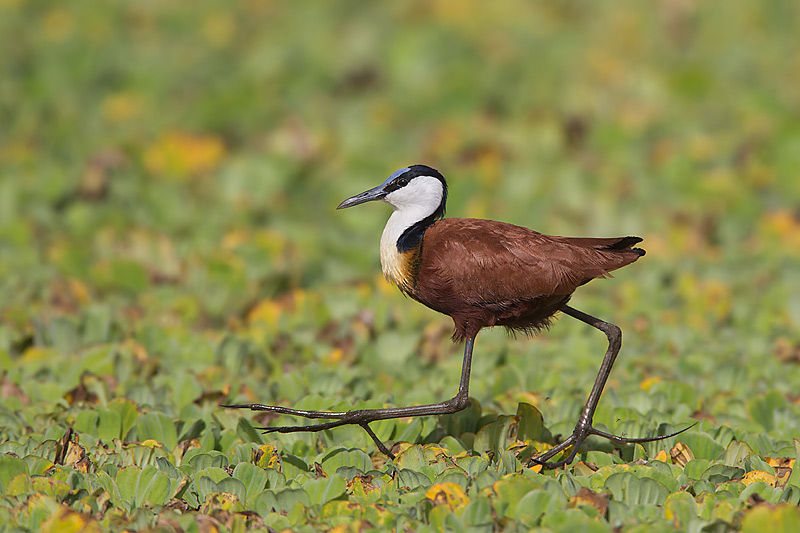
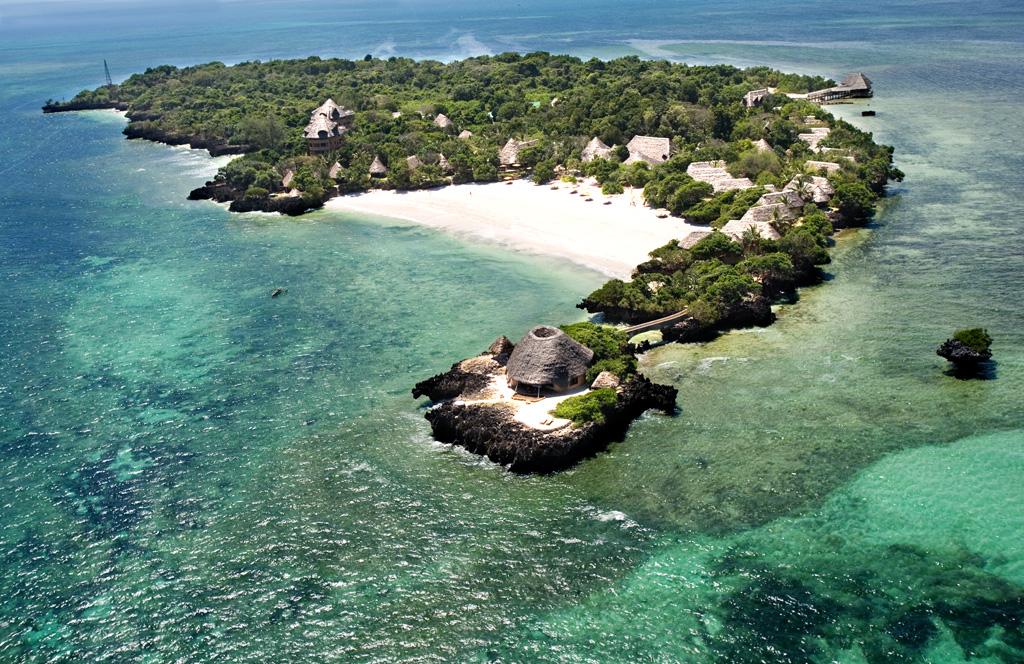
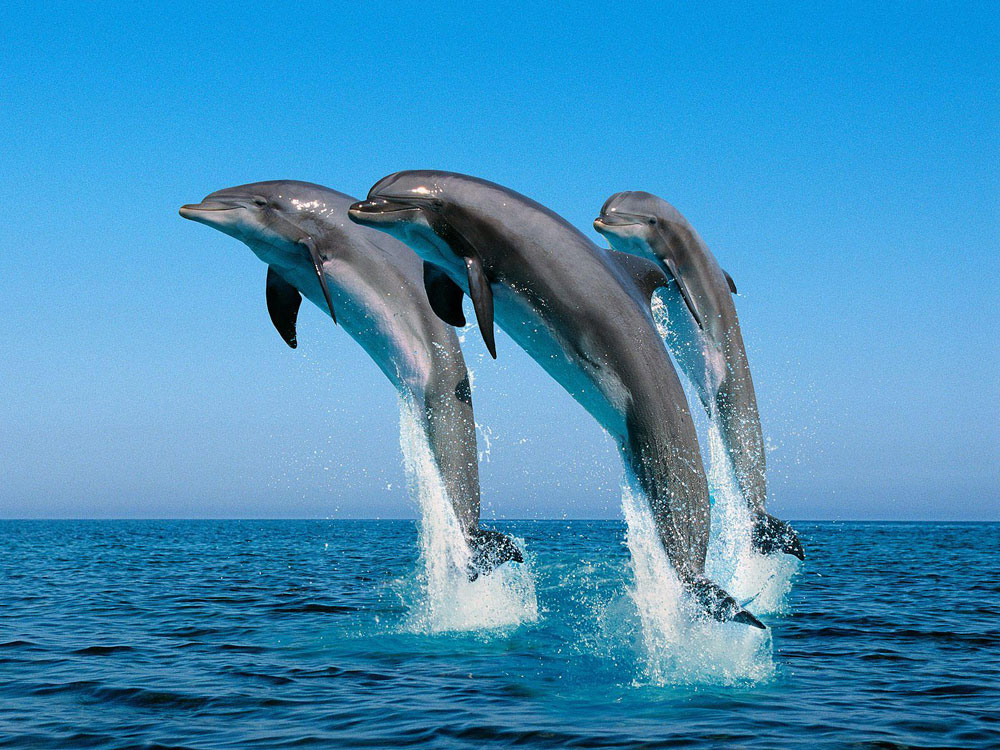
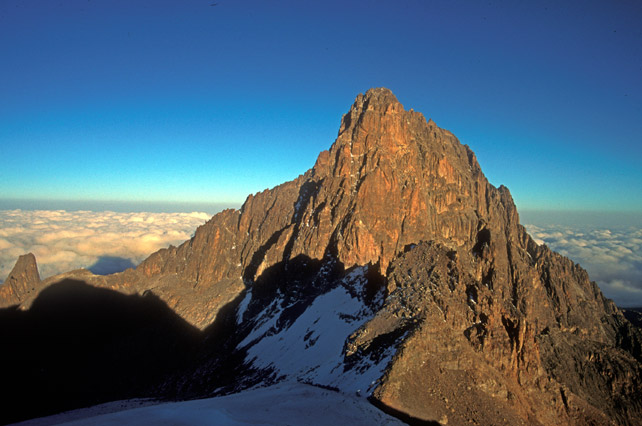
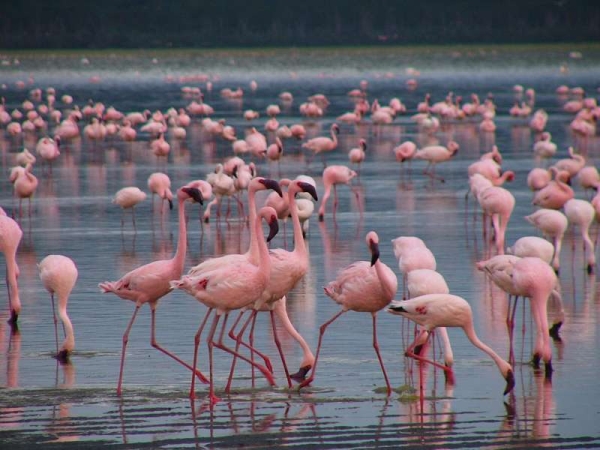
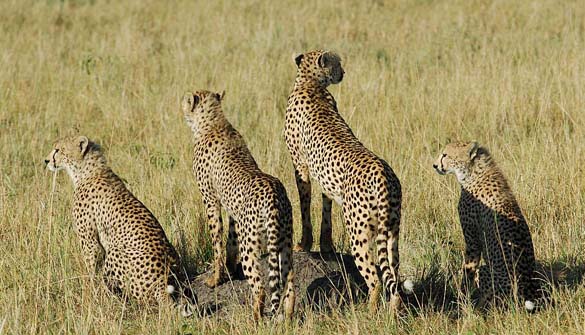
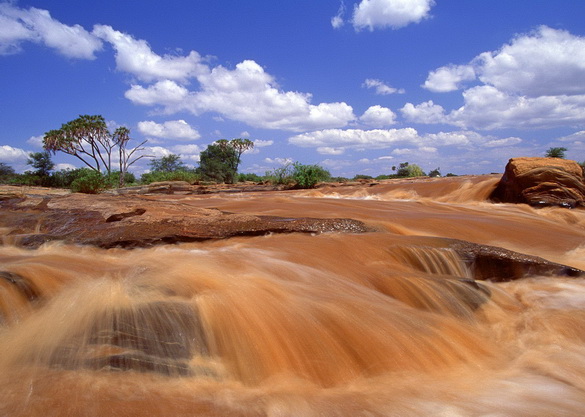
Beauty and magnificence…Kenya in a nutshell.  A land blessed with so much awesomeness and diversity, what with the tropical beaches, deserts, rainforests, open Savannah, glaciers, alpine meadows, rivers and soda lakes, and to top it all very hospitable people. Where else will you find habitats that couldn’t be so different under one roof? Kenya has proven to be a true haven for photographers as well, enjoy incredible shots of this wonderful motherland…

3

1

2

4

5

7

8

9

10

11

12

13

14

15

16

17

19

20

21

22

23

25

26

27

28

32

33

35

36

37

43

45

46

49

50

10142808

Beauty-Of-Kenya-2

Beauty-Of-Kenya-7

f20c086d8db90acee82a48d9f25520f4-d3ardn5

leopardess-at-sunset-maasai-mara-kenya

Lesser-flamingos-congregating-in-Lake-Nakuru-National-Park-Adam-Riley-950x633

Menengai Crater Kenya Geothermal

1.-Lesser-Flamingos-grouped-tightly-together-in-mud-and-algae-infused-shallow-water-lake-aerial-shot-Lake-Logipi-Kenya

7.-Small-Date-Palm-clump-among-sand-dunes-aerial-shot-Seguta-Valley-Kenya

8.-Aruba-Rock-set-amongst-sand-dunes-aerial-shot-Seguta-Valley-Kenya

16.-Aerial-image-of-thousands-of-Lesser-Flamingos-lining-the-shore-of-Lake-Bogoria-Kenya

35.-Black-Backed-Jackal-pups-play-flighting-Masai-Mara-Kenya

36.-Jackal-pups-playing-Masai-Mara-Kenya

37.-Crowned-Crane-in-Acacia-tree-silhouetted-at-sunset-Masai-Mara-Kenya

39.-Three-male-Lions-walking-closely-together-Masai-Mara-Kenya

42.-Male-Lion-with-wet-mane-snarling-Masai-Mara-Kenya

46.-Male-Lion-shaking-rain-off-wet-mane-head-shot-with-motion-Masai-Mara-Kenya

47.-Male-Lion-shaking-rain-off-wet-mane-head-shot-with-motion-Masai-Mara-Kenya

49.-Adult-female-Impala-with-newly-born-fawn-attempting-its-first-steps-Masai-Mara-Kenya-copy1

50.-Lioness-with-chin-resting-on-the-back-of-another-Lioness-Masai-Mara-Kenya

57.-Widebeest-river-crossing-chaos-Mara-River-Masai-Mara-Kenya1

58.-Lioness-carrying-Wildebeest-calf-kill-on-the-bank-of-the-Mara-River-Masai-Mara-Kenya

61.-Adult-African-Jacana-showing-long-toes-and-claws-walking-on-floating-vegetation-2-Masai-Mara-Kenya

Bunaken_Marine_Park2

Chale_Island

wasini-dolpnis

Park-4

305039_470538536313855_1960677962_n

mt-kenya-peak-hanseltravel

The North Ridge of Batian, Mt. Kenya

7662967866_34bdfd5b89_z

20100716-093044.Full

Kayaking-and-Fishing-Funzi-Keys2

480823_10152037451755371_423898384_n

'The_Very_Best_of_Kenya'_Rondreis6809-17076

'The_Very_Best_of_Kenya'_Rondreis6809-17077

29-ACTIVITIES-3_600x300

Turtle-Marine-600x450

Rondreis_'The_Very_Best_of_Kenya'6809-16145

'The_Very_Best_of_Kenya'_Rondreis6809-16848

'The_Very_Best_of_Kenya'_Rondreis6809-16845

kenya-view

'The_Very_Best_of_Kenya'_Rondreis6809-16853

68908643

38.-Lioness-carrying-Thomsons-Gazelle-fawn-kill-Masai-Mara-Kenya

Photo credits; Paul McKenzie, serhatdemiroglu, greuh1, Marina Cano, Piet Flour, Mitchell Krog, Mario Moreno, Olga La Lyna, Jonathan P., Louisa Wong, Ralph Cheung, yesholidays, simo2409, Oleg Karpov, Oleg Domalega, goldhamster, deseonocturno, Jeff Smith , Billy Dodson, Ludmila Yilmaz, Mathilde Guillemot, Austin Thomas, froggyfr1972, Urszula Kozak, Paul Souders, blakesamic , David Lloyd, Ragnar Mogård Bergem, Tim Nicholson

ECO WARRIOR AWARD 2013

Shortlisted finalists of the The Eco Warrior Award 2013 are expected to be announced on the 8th of this month under the theme: Tourism’s role in sustainable community development. The Eco Warrior Award is designed to recognize, encourage and applaud leadership and innovation in tourism business planning, development and management centred on community participation and natural resource conservation. Finalists will feature under various categories:
  • Conservancy of the Year 2013 – This category has two awards
  1. Private conservancy (for privately owned conservancies)
  2. Community conservancy (community-owned nature conservancies)
  • Ecotourism Enterprise of the Year 2013 – This category has 6 awards
  1. Accommodation – Lodge
  2. Accommodation – Tented Camp
  3. Accommodation –Holiday homes
  4. Community Based Tourism Enterprise
  5. Tour Operator
  6. Airline
  • Eco-Rated Facility of the Year
  • Eco tourism Partnership of the Year 2013
  • Eco tourism Guide of the Year 2013
  • Eco tourism Journalist of the Year 2013
  • Eco tourism Student Innovation Award 2013
  • Eco tourism Training program of the year 2013
  • Eco tourism Student Host Organization of the Year 2013


Winners will be announced during a Gala Dinner ceremony which will be held on 24th September 2013 at the Safari Park Hotel & Casino.

Be on the look out for the list of Finalists!!

Kenya's ultimate travel and lifestyle magazine

Design a site like this with WordPress.com
Get started