Tag Archives: Kenya

Kenya’s “Little Italy”

Visiting  Malindi for the first time, one would be forgiven for thinking to be in some part of Italy and rightfully so…one glimpse at this coastal town and everything Italian is conspicuous; Italian restaurants, hotels, bakeries and so on. As a matter of fact, there are more than 2,500 Italian-owned properties in the town including residences, supermarkets, barber shops, butcheries, and other small businesses. What’s more, the locals who by the way speak fluent Italian, will warmly welcome you with a “Ciao Bella” with kids joyfully shouting “Ciao, Ciao”.

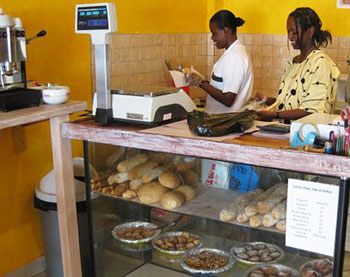
bakery Italian bakery

Italian culture is rife in Malindi. More and more Italians are either taking up residence or visiting the town annually. Today around 4,000 Italians are permanent residents, while 30,000 tourists visit each year. There is only one foreign consulate in Malindi — it represents Italy. Italian is probably the third most widely spoken language here, after Kiswahili and English. Goes to show just how deep the culture has seeped in “little Milan”. In fact many local businesses now advertise in Italian, alongside either English or Kiswahili. There has also been the mushrooming of many Italian language centers.

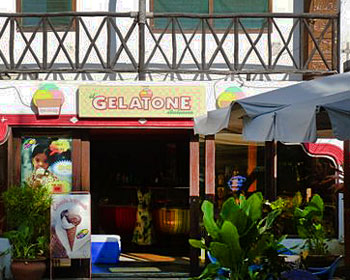
gelato-storeGelato store

For a taste of good pizza, fine Italian wine, gelato and great Italian conversations, Malindi or better yet “Little Italy” is the place to be.

With such a high profile list of visitors to Malindi, the owner of Suli Suli Hotel which was later renamed Bougan Village, the late Duranti Camillo, may long have passed on and his body interred at the Malindi Christian Cemetery but his legacy lives forever in Malindi because he is the one who opened the doors for Italian tourism in Malindi. “Malindi’s good weather and its friendly people make the resort just addictive. Italian holiday makers who come to Malindi for the first time are so overwhelmed by its beauty they often come back, some come back to stay forever” says the Italian Consul in Malindi, Roberto Macri, who himself arrived in Malindi in 1978 and got stuck here. “I found this small fishing village where the weather was so good, the beaches wide and empty and the people extremely friendly, always smiling and co-operative and just felt at home. I decided to stay and even started my new life here complete with a family,” explains the Italian Consul who speaks fluent Swahili and some local languages. Italians interest in Malindi could as well have started in earnest in 1964 when Italian engineers and space scientists arrived in the then bushy town and established the San Marco Space Research Centre in Ngomeni area. Malindi tourism Among other early investors who put Malindi tourism on the world map for quality include international architectural designer and art promoter Armando Tanzini who constructed the White Elephant Hotel & Resort around 1981. Encouraged by Armando and following on his footsteps, other Italian investors such as millionaire Vitali Gianfranco established the Coconut Village. Years later came the Coral Key chain of hotels now owned by one of the most respected Italian investors Marco Vancini. Today the Italian investor owns several blue chip tourist resorts among them the Coral Key, the Blue Key and the Lawfords Beach Club besides many villas and cottages which provide accommodation mainly for top notch Italian tourists.
Read more at: http://www.standardmedia.co.ke/?articleID=2000082966&story_title=the-italian-connection-in-malindi&pageNo=2
With such a high profile list of visitors to Malindi, the owner of Suli Suli Hotel which was later renamed Bougan Village, the late Duranti Camillo, may long have passed on and his body interred at the Malindi Christian Cemetery but his legacy lives forever in Malindi because he is the one who opened the doors for Italian tourism in Malindi. “Malindi’s good weather and its friendly people make the resort just addictive. Italian holiday makers who come to Malindi for the first time are so overwhelmed by its beauty they often come back, some come back to stay forever” says the Italian Consul in Malindi, Roberto Macri, who himself arrived in Malindi in 1978 and got stuck here. “I found this small fishing village where the weather was so good, the beaches wide and empty and the people extremely friendly, always smiling and co-operative and just felt at home. I decided to stay and even started my new life here complete with a family,” explains the Italian Consul who speaks fluent Swahili and some local languages. Italians interest in Malindi could as well have started in earnest in 1964 when Italian engineers and space scientists arrived in the then bushy town and established the San Marco Space Research Centre in Ngomeni area. Malindi tourism Among other early investors who put Malindi tourism on the world map for quality include international architectural designer and art promoter Armando Tanzini who constructed the White Elephant Hotel & Resort around 1981. Encouraged by Armando and following on his footsteps, other Italian investors such as millionaire Vitali Gianfranco established the Coconut Village. Years later came the Coral Key chain of hotels now owned by one of the most respected Italian investors Marco Vancini. Today the Italian investor owns several blue chip tourist resorts among them the Coral Key, the Blue Key and the Lawfords Beach Club besides many villas and cottages which provide accommodation mainly for top notch Italian tourists.
Read more at: http://www.standardmedia.co.ke/?articleID=2000082966&story_title=the-italian-connection-in-malindi&pageNo=2
With such a high profile list of visitors to Malindi, the owner of Suli Suli Hotel which was later renamed Bougan Village, the late Duranti Camillo, may long have passed on and his body interred at the Malindi Christian Cemetery but his legacy lives forever in Malindi because he is the one who opened the doors for Italian tourism in Malindi. “Malindi’s good weather and its friendly people make the resort just addictive. Italian holiday makers who come to Malindi for the first time are so overwhelmed by its beauty they often come back, some come back to stay forever” says the Italian Consul in Malindi, Roberto Macri, who himself arrived in Malindi in 1978 and got stuck here. “I found this small fishing village where the weather was so good, the beaches wide and empty and the people extremely friendly, always smiling and co-operative and just felt at home. I decided to stay and even started my new life here complete with a family,” explains the Italian Consul who speaks fluent Swahili and some local languages. Italians interest in Malindi could as well have started in earnest in 1964 when Italian engineers and space scientists arrived in the then bushy town and established the San Marco Space Research Centre in Ngomeni area. Malindi tourism Among other early investors who put Malindi tourism on the world map for quality include international architectural designer and art promoter Armando Tanzini who constructed the White Elephant Hotel & Resort around 1981. Encouraged by Armando and following on his footsteps, other Italian investors such as millionaire Vitali Gianfranco established the Coconut Village. Years later came the Coral Key chain of hotels now owned by one of the most respected Italian investors Marco Vancini. Today the Italian investor owns several blue chip tourist resorts among them the Coral Key, the Blue Key and the Lawfords Beach Club besides many villas and cottages which provide accommodation mainly for top notch Italian tourists.
Read more at: http://www.standardmedia.co.ke/?articleID=2000082966&story_title=the-italian-connection-in-malindi&pageNo=2
MALINDI, KENYA: When sometime in December 1978, one sunny afternoon, a group of 150 Italian tourists landed at the Moi International Airport in Mombasa, in a charter flight from Italy, and headed to Suli Suli Hotel in Malindi, no one knew that the arrival would herald the opening of tourism floodgates from Italy to the sleepy town of Malindi. Demand for accommodation and Italian lifestyles have, since that December 35 years ago, seen Italians invest trillions of Lira (the Italian currency) in tourism sector in Malindi. Not for nothing then Malindi has come to be known in some circles as the ‘Little Italy’ in Kenya. Looking back , there is no doubt that without Italians, the tourism industry in Malindi would have long died since the Germans and Swiss stopped coming to the resort town many years ago. Italian community The Italian community has invested so heavily in Malindi’s Hotel and Villas accommodation to a level that today- it is one of the few small urban centers in the world with an Italian consulate. Tourism in Malindi is highly Italian-oriented with close to 50 Italian-owned hotels and resorts employing more than 15,000 Kenyans. On the other hand, private villas and cottages in Malindi which are mainly patronized by Italian provide between 5,000 and 6,000 accommodation units. At least 10,000 workers are employed by the owners of the villas and cottages with an average of at least 1,500 Italians living in Malindi permanently throughout the year. At least 30,000 Italian tourists visit Malindi every year. Malindi’s wide, pristine and golden sandy beaches have proven an irresistible attraction to Italian holiday makers who have often included billionaires, politicians and celebrities willing to pay top dollar for the privacy and tranquility that is only found in Malindi. Former Italian Prime Minister and billionaire Silvio Berlusconi has holidayed in Malindi several time including a visit a few months ago.
Read more at: http://www.standardmedia.co.ke/?articleID=2000082966
With such a high profile list of visitors to Malindi, the owner of Suli Suli Hotel which was later renamed Bougan Village, the late Duranti Camillo, may long have passed on and his body interred at the Malindi Christian Cemetery but his legacy lives forever in Malindi because he is the one who opened the doors for Italian tourism in Malindi. “Malindi’s good weather and its friendly people make the resort just addictive. Italian holiday makers who come to Malindi for the first time are so overwhelmed by its beauty they often come back, some come back to stay forever” says the Italian Consul in Malindi, Roberto Macri, who himself arrived in Malindi in 1978 and got stuck here.
Read more at: http://www.standardmedia.co.ke/?articleID=2000082966&story_title=the-italian-connection-in-malindi&pageNo=2
With such a high profile list of visitors to Malindi, the owner of Suli Suli Hotel which was later renamed Bougan Village, the late Duranti Camillo, may long have passed on and his body interred at the Malindi Christian Cemetery but his legacy lives forever in Malindi because he is the one who opened the doors for Italian tourism in Malindi. “Malindi’s good weather and its friendly people make the resort just addictive. Italian holiday makers who come to Malindi for the first time are so overwhelmed by its beauty they often come back, some come back to stay forever” says the Italian Consul in Malindi, Roberto Macri, who himself arrived in Malindi in 1978 and got stuck here. “I found this small fishing village where the weather was so good, the beaches wide and empty and the people extremely friendly, always smiling and co-operative and just felt at home. I decided to stay and even started my new life here complete with a family,” explains the Italian Consul who speaks fluent Swahili and some local languages. Italians interest in Malindi could as well have started in earnest in 1964 when Italian engineers and space scientists arrived in the then bushy town and established the San Marco Space Research Centre in Ngomeni area. Malindi tourism Among other early investors who put Malindi tourism on the world map for quality include international architectural designer and art promoter Armando Tanzini who constructed the White Elephant Hotel & Resort around 1981. Encouraged by Armando and following on his footsteps, other Italian investors such as millionaire Vitali Gianfranco established the Coconut Village. Years later came the Coral Key chain of hotels now owned by one of the most respected Italian investors Marco Vancini. Today the Italian investor owns several blue chip tourist resorts among them the Coral Key, the Blue Key and the Lawfords Beach Club besides many villas and cottages which provide accommodation mainly for top notch Italian tourists.
Read more at: http://www.standardmedia.co.ke/?articleID=2000082966&story_title=the-italian-connection-in-malindi&pageNo=2

Live Like a Kenyan

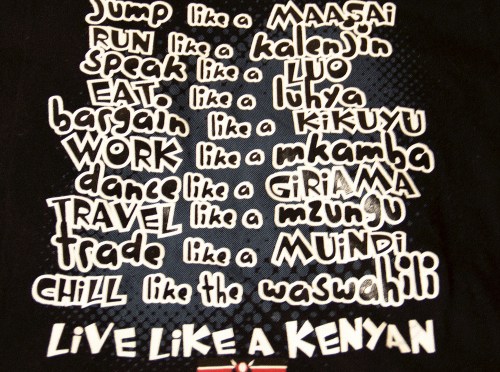
Below are some common fun stereotypes about Kenyans and their ethnicity…(not to be tribalistic or anything). These stereotypes normally come up either because of the people’s cultures, economic activities or even how they interacted with the colonialists. Whereas some Kenyans maybe known to have great athletic ability, others are regarded as agile business people, traders and so on…Here are some fun stereotypes for you (true or not).

The Kikuyu

eb4175fb45c34808011965b59fa5cf80Women
Everyone has heard the one about Kikuyu women. How they plait their hair, read a novel or knit and placidly inform their partners to cover them when they are through with their business. If one day you return home to find an empty house and your children gone, then you are in the groove with a Kikuyu. They are known to be “packers”. They will pack and go with the children and furniture after 40 years of hard labor on a marriage. A common saying goes “A Kikuyu woman will treat you like a king as long as you have cash, but toss you like rotten mutura (traditional sausage) once you are broke.”

Cynics say Kiambu women are so materialistic! They will kill their marriages to enjoy the wealth alone. One Kikuyu lady coined the following phrases to her defense, “I would rather cry on a Mercedes than laugh on a bicycle. Money is not everything it is the only thing.” But Lydia Wambui comes to her sisters’ defense. “Everyone loves money. You cannot go to your landlord or the headmaster at your children’s school and say, ‘we are in love, please understand us for not paying.’ Love is no substitute for money.” Wags also poke fun at the culinary skills of Kikuyu women. They will mix rice, arrow roots,  sukuma wiki, potatoes, githeri and all imaginable ingredients in one pot. Their men have to always sneak out to enjoy nyama choma or chapati in a smoke-filled joint on their own.

They say all women are said to be schemers but the Kikuyu have perfected it to an art. On the first date, they have you all sized up. Wallet size, level of education, future ambitions. So by the second date, you will be paying their rent.

The Nyeri ones are fabled to be harsh and authoritative. If you have the bad fortune of marrying one, chances of being her punching bag are inevitable. They are the Thatcher’s of Wahome Mutahi fame. Rivals in love will also dismiss them on account of their figures. Below five inches in height, light complexioned, round pretty face with long lovely hair, over-sized chests, voluminous hands, flabby waist lines, ironed out behind, vertical hips all suspended on hockey-sticks-like legs.

They are known to have an undying thirst for white shoes.

Yet even their hottest critics acknowledge that they are so hard-working and organized that their men only come home in the evening to collect cash for their drinking sprees.

Men
The Kikuyu man walks eats and dream more plots, matatus and company shares. The ambitious and hard-working nature of these men dates back to the Wangu wa Makeri era. You are on your own after they give you a ‘mugunda’ a plot.

And most people must have heard the joke about the Kamau’s coming for your hard-earned money in the middle of the night. All the vices such as muggings, carjackings etc are believed to be their preserve.

It does not matter how far the economic ladder a Kikuyu man is, he will always have some “deals” in the name of business. Often these deals will be hatched and sealed in a smoke-filled bar.

But if you think he will have extra money to take you to some posh place, forget it. They are said to be so stingy that they believe leisure and expensive food is for fools. A typical Kikuyu man’s luxury car is a pick-up, and he believes you relax in the countryside weeding your shamba, not frolicking on the beach in Mombasa . Because of this, women think they are unromantic and dull. Their perfect date is taking a woman to dance to Mugithi while you eat nyama choma and mutura.

They also love moving in cliques and speaking their mother tongue everywhere even if you, a non-Kikuyu does not understand their language. Women say Kikuyu men assume that all light-skinned women are from their tribe. So they will talk to you in their mother tongue. If you express displeasure, they will sneer and tell you “wacha kujiringa!”

Then they are known to have parallel families. Word has it that a Kikuyu man will not marry a second wife, but will have mistress or two tucked away somewhere. It is only when he dies, that the other family surfaces. The joke is that, your kids and those of the mistress will have been born at the same time. If you have four children, she will also have her four. If you are thinking of ignoring the mother-in-law, then steer clear of this man. Kikuyu men are mama’s boys. So the way to his heart, is through his mother.

They are also said to be poor dressers and lack refined mannerisms. A must-have in every Kikuyu man’s wardrobe includes Savco and Freezer jeans preferably brown, Chicago Bulls T-shirts, North star sneakers and an over-sized leather jacket.

The Kamba
Kamba-CultureWomen
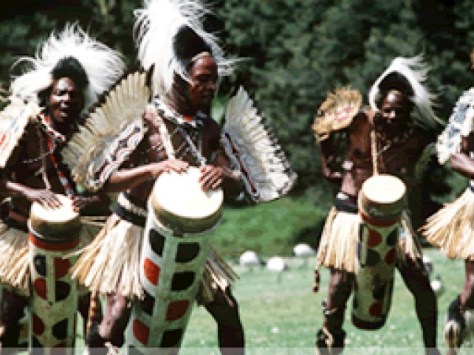
The myth of the sex athlete goes back a long way. Kamba women are known to be a force to reckon with. That is why they are hot material for barmaids. By the time she is 30, she is in total control. It is said that they are given a thorough briefing by their aunts and grandmothers as part of their initiation rituals. And yes, many of these women are unbelievably stunning in looks. She gives you a killer smile, giggles knowingly, and you want to marry her there and then. So why do Kamba women marry in the military? Army men’s weddings are full of glamour and endless feasts. They also love celebrity. However, for them, serious business is popping up juniors year after year.

And if you want to feed numerous dependents, then marry a Kamba. By your third date, her cousins, grandparents, sister’s boyfriend…are on your miserable payroll. And of course there’s the joke about colour clashing. You know, a mix of screaming orange and luminous green is a God sent match for them.

Men
Like their women, Kamba men are said to be athletes of sorts. Kamba men are born and bred to follow instructions. Starting from their mothers to their employers. For this reason, they make perfect domestic workers and messengers.

They are dismissed as being clueless about their future, their only ambition being to work in the army or at least get related to someone in the army through marriage. Kamba men have small features, which people say is because of the persistent droughts in their motherland. But if you were thinking that this would give you express liberty to be unfaithful, then forget it, they make jealous spouses and can be extremely possessive.

The Coastal People
623304f197ebecbd0d4c075a358a552aWomen
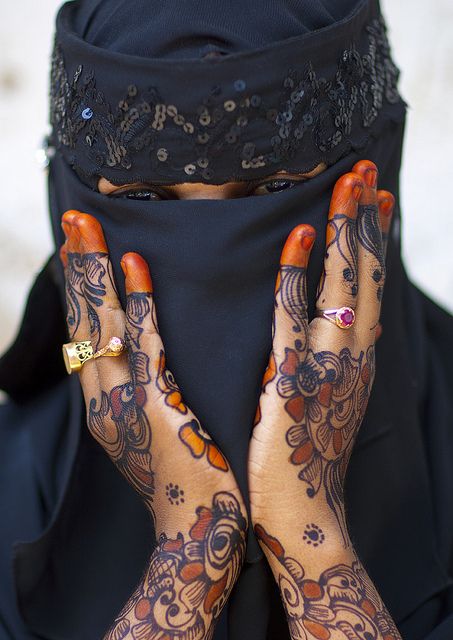
A police friend once informed me that their officers are given a firm warning when they get transfers to the Coast. You will need all your wit and guile to resist the coconut women. Love potions come in handy. Once the man is fixed with it, he is transfixed to her for life. You are her boi (boy) eternally. Critics say these women are so idle that they spend the whole day applying henna all over their bodies, prepare elaborate weddings and cook biryani the whole day as they gossip.

Stories have it that these women are well coached in the art of pleasing their husbands. No one understands better that the way to a man’s heart is through his stomach – chapatis and pilau (which they are experts in making) do the job. On the looks department they are endowed with dashing looks and mellow voices. The Taita are said to make exemplary, humble wives. But when they make up their minds that a relationship is headed for doom, they are known to vanish back to their parent’s faster than you can say ‘mdawida’.

Men
Coastal men are said to be smooth talkers but lazy to the bone. For any hard labor, look for a ‘mtu wa bara.’ With their mastery of the Kiswahili language, they can even talk Osama from his hideout.

They are the classic example of what a gentleman is supposed to be. With their use of flattery, and their love for speaking in low, husky tones, many women confess to being transfixed to the Swahili man. But in the words of one lady, “they talk too much; like they have swallowed a tape.”

The Taita are most humble. They fancy cooking mouth-watering dishes for their women. However, their Swahili counterparts are said to love living off the sweat of their women. And they are betrothed from birth.

The Luo
1998.209.43.7-OWomen
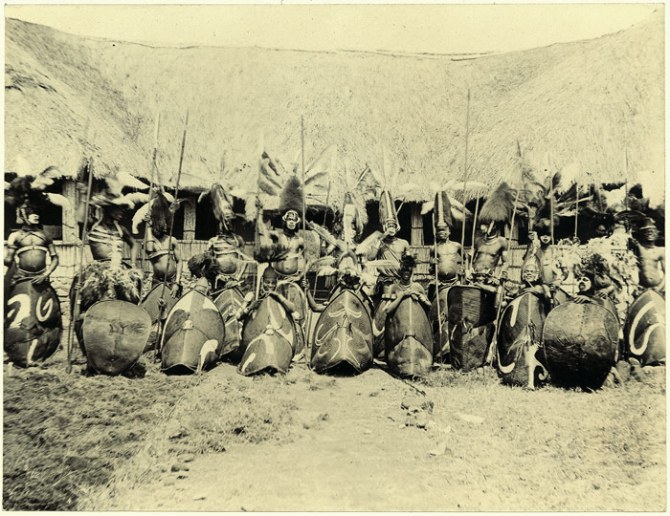
Lakeside women are said to stick to their men like glue as long as they suspect love is in the air. But don’t you dare look at another woman! If you do, she will have you and the other woman by the neck. They are in love with first impressions. You have to have class.

If you wear moccasins on the first date and drive a pick-up, she will dump you like rotten fruit. And you better talk English (never Kiswahili) with a rounded twang. Big words (especially the ones she does not understand) make a lifelong impact. And the restaurant better be classy, not necessarily expensive. If you fulfill all these, by the tenth date, you will spot her clothes in your wardrobe. She has moved in.

Luo women are prided to have “drop dead gorgeous” bodies – with ‘Adhiambo sianda’ being their brand name. True African figures, they say. They are also known to be good cooks and bewitching lovers.

Men
Luo men are said to be romantic lovers and big spenders when they have the money. Whether it’s shopping in Dubai, being taken to posh restaurants or flying you off to some exciting location, the man to give you a good time is a Luo man.

Women are unanimous that these men from the lake will treat a lady like a queen, but only as long as a lighter complexioned woman does not emerge on the scene because then you will immediately be past tense. No wonder all Luo songs sing of ‘kalando’ (the brown one.)

Bar room chat is rife on the suave flamboyance and extravagance of a Luo man. For this man, tomorrow is a long way off. Life must be lived to the fullest today. Spending all his money on a cool Mercedes and parking it outside a grass-thatched hut in the village means nothing to this man. The important thing is to be seen driving the car.

When it comes to courtship a Luo man will not stammer in shyness when he approaches the woman he wants to be acquainted with and will not bat an eyelid when promising a non-existent heaven. He will insist on speaking to you in English because he cannot converse in Kiswahili.

They dress in flashy, expensive suits, shoes and ties. They will talk about their attractive young wife, the last trip overseas, the expensive car, furniture, electronics and mobile phones that they own. Listen to Poxi Presha’s ‘Otonglo time’ and the famous “Do I say line” will tell you everything you want to know.

Many Luo men from the older generation love old Lingala music and football. The younger ones love cricket and rugby. Cricket because it is still a mystery to many Kenyans and rugby because of the macho image.

It does not matter how vast your experience or how much wealth you have, without a degree, you are nobody. Count the number of professors from this tribe at any of our universities and you will know what I’m talking about.

But despite all this, a Luo man will not think of investing his money in anything substantive. Women from other tribes believe that even if he marries a non-Luo, this man will eventually marry from his tribe.

The Luhya
fa72aa0adbfb3a3c19d1d0cc0434ea1eWomen
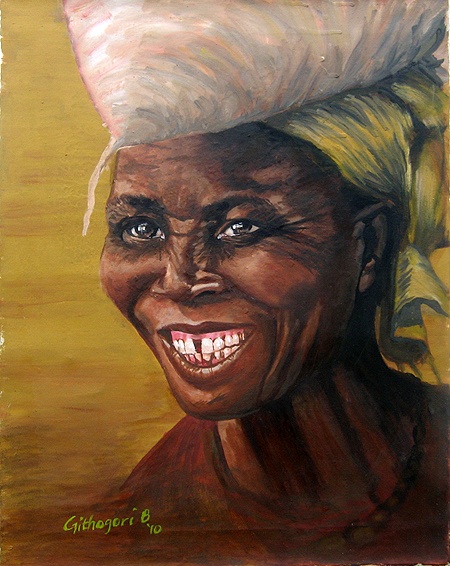
These women are known to be modest and to have austerity. They cannot stand extravagance. A Luhya woman would rather stay at home and drink numerous cups of tea than have you take her for an expensive dinner. But as long as there is constant supply of ugali and Ingoho (chicken), she is yours for keeps. Then they are known to be in the business of making children. If she is not breast-feeding, she is pregnant.

The Internet caricature paints her as a being born-again, and forever busy. She is the village chairperson, treasurer of your kids kindergarten PTA, secretary of the women merry-go-round, weaves baskets in addition to being out every night for church Keshas. And if you are thinking of meeting the boys over a Tusker…then this is the wrong type. Luhya ladies are protective. And with their strong physiques, you would rather follow mummy’s advice than have your bones broken.

Curly kit hair is their distinctive look. They love it so much that every Luhya woman who prides herself as having a distinguished style will have her hair roasted for this look.

Men
Though hard-working especially manually, Luhya men are said to be very content with what they have. Their rivals say this is lack of ambition. That is why the shamba boys, watchmen and cooks joke comes from.

Those in the know say the Ingoho (chicken) men are intimidated by the modern woman. They’d rather marry a girl from the village who is happy to stay-at-home. But if you get married to the man, be ready to take care of his children from his teenage days to date.
Luhya men never leave their children behind. In addition, you will always have a full house. These men have many dependents. So start by investing in many utensils and big sufurias.

Unlike many men, you can always tell if a Luhya man is unfaithful. If he has not brought home a child from an illicit affair in five years, then relax, the man is an angel. And if you do not want to have a live-in mother-in-law, learn to cook ugali and mrenda before you marry this man. If you cook him rice or githeri for supper, he will still be waiting for dinner. The one about Luhyas and their addiction to salaams clubs and small portable radios is an old cliche now.

The Kalenjin

CulturalKalenjin5Women

My colleague informs me, that if you are bombarded with unsolicited information about her many prominent and rich relatives in the previous government, right after the first kiss, then you have nabbed a Kalenjin lady. Promise a Kalenjin woman marriage and she is yours for keeps. If you play your cards right then you can take her home on the second date.

Strictly missionary. They are agreeable and submissive, but rather like their alcohol. Nagging they are not, but their tempers are legendary so why do they say if you come home after three days, smelling of a strange perfume and with red lipstick all over your white shirt, a kalenjin woman will not utter a word?

If they discover their man is unfaithful, they will kill themselves and drown the children. Kalenjins like to joke that Nandi women are lazy, Tugen are rude and the Marakwet violent.

Men
If you are looking for a generous man then look no further. A Kalenjin man will be elated to spend his money on any lady and her extended family. For them, expensive is best. The joke doing the rounds is that if a Kalenjin man takes a lady shopping, he will beseech her to select the most expensive dress in the shop. They are also said to be very cold and remote. They always manage to look vague when so much is happening around them. But this does not hinder them from the desire to date classy women.

It is said that Kalenjin men have misplaced priorities. They will build a stone house for the combine harvester and the cows and surround their homes with beautiful fences while their houses are grass-thatched and mud-walled.

Kalenjin men do not carry their spouses to town. They leave them in the rural home to look after the shamba.

Kaunda suits, preferably a maroon one and a cardigan worn with a suit is a must-have for any self-respecting Kalenjin man. Men from the Kipsigis sub-tribe are reputed to be quite handsome.

The Maasai 
86340a41f64b1c0afc576e1b63b78f6fWomen

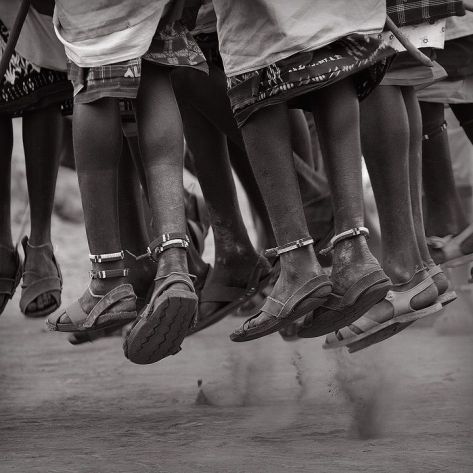
Maasai women are unquestionably obedient. They will never dream of correcting their men folk. They still view their husbands as “lord of the house” People believe Masaai men are still glued to the custom of planting spears outside their age group member’s manyattas to warn the husband that serious business is taking place inside the manyatta.

Their women toil like oxen. They build the manyattas; graze the cattle, cook, and farm in addition to rearing children. They are also generous with their husbands. Even if their husband married the 7th wife in three years, they will not object. In fact they encourage their spouses to marry – you know, to share the work. They can be astoundingly beautiful.

Men

Maasai men are said to be fierce, courageous but unreasonable. You do not argue with one because you will provoke him to a feud.

A Maasai man will do anything to marry a beautiful woman. However, to them, wives are lower in rank than children. You will find them playing ajua the whole day as they await the return of their wives and children from grazing the cattle.

For a Maasai man, serious business is getting an extra wife year after year.

The Kisii

PriyaNawouWomen
Once a Kisii woman has it in her head that you make her world rock, then you have a lifelong attachment. She will never leave, even if you hire ten bulldozers to evict her from your house. They are also well-known for their fiery tempers. Recent cases in the media about battered husbands involved Kisii women. As for money, they are the reverse of Kikuyus – money and posh cars do not impress them much. And when it comes to dressing? Those in the know say their dress sense is not the most impressive

Men
The description “tall, dark and handsome,” applies to the Kisii man.

They are also known to be charming when the fiery tempers take a back seat. But like all gorgeous men, they have several other women on the side apart from you.

They are said to be so emotional that they will cry as they are beating you up.

The Meru
3777820424_16621bce73_zWomen
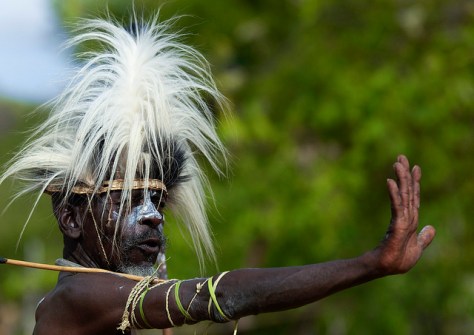
If you are head over heels in love with a woman and are sure she loves you secretly, but she is playing hard to get by the 30th date, then you have struck a Meru.

Bar room talk has the Meru woman so faithful and agreeable that they will fight divorce to the bitter end.

They are traditional and remote, with the village never coming out of them.

Like their men, they are reputed to be hot-tempered and can shred you to pieces if you cross their path. In the looks department, a Meru woman will hold her own against any beauty queen.

Men

For a die-hard Meru man, it is against taboo to enter the kitchen. He would rather starve to death than enter this domain which he believes to be strictly a woman’s.

A Meru man’s temper is unmistakable. If you dare to provoke him, he will very easily smash you to pieces.

No matter how well exposed or versed in the Queen’s English he is, the Meru accent will never go away.

They have an attitude problem and take everything personally. They are also said to be quite bossy in a relationship. What he says goes.

Source: Fans of Crazy Monday’s
Did you know? (Interesting facts about Kenya)

images

  • Kenya is the world’s forty-seventh largest country at 580,367 km2 (224,081 sq mi), just after Madagascar, roughly the same size as Texas at 362,040 square miles.
  • Kenya only has two seasons. One rainy season and one dry season in a year.
  • Driving the Kenyan way means fitting over 20 people in a 14 sitter passenger van.

Parks

  • Did you know that…There are more than 65 national parks and wildlife preserves in Kenya and about twenty hectares of rainforest here contain more bird species than the whole of Europe. Much of Kenya’s native flora is also not found anywhere else in the world.

ki

  • Kenya’s wildlife is unrivalled by any other in the world, both in terms of numbers and variety of species. Thousands of tourists visit Kenya every year to view the wild life particularly the wildebeest migration.

CONNOCHAETES TAURINUS

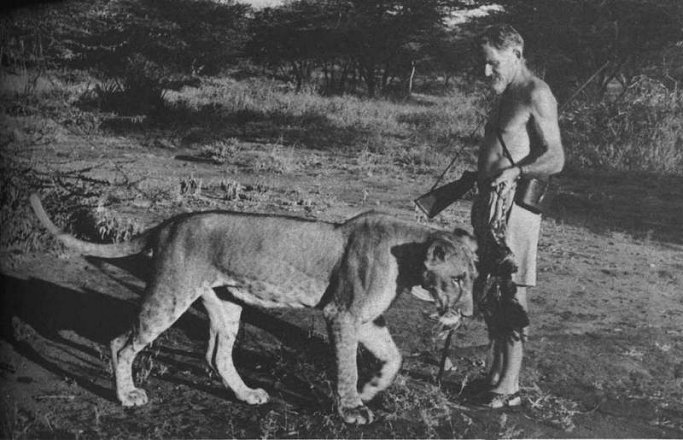
  • Did you know that…The Meru National Park ( and Kenya, of course) has the distinction of being the home to lioness Elsa, one of the most famous animals in history, together with Rin Tin Tin (dog), Digit (gorilla), Lassie (rough collie), Laika (Soviet space dog) and Flipper (dolphin). Elsa gained worldwide fame as Joy Adamson published her bestseller “Born Free”, which had several million readers around the world.

GeorgeAdamsonStandingWithElsa_OfferingABirdGeorge Adamson with Elsa

Big Five

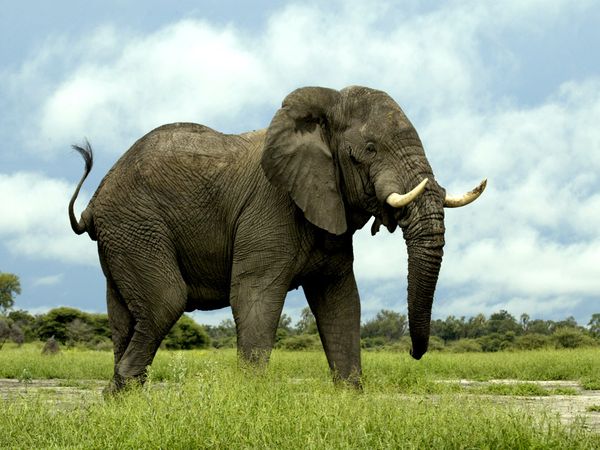
  • Did you know that…Elephants flap their ears to cool down their body temperature? Despite their size, elephants are able to walk silently through the bush because they walk on the tips of their toes – which is actually a  thick cushion made up of elastic tissue.

african-elephant_435_600x450

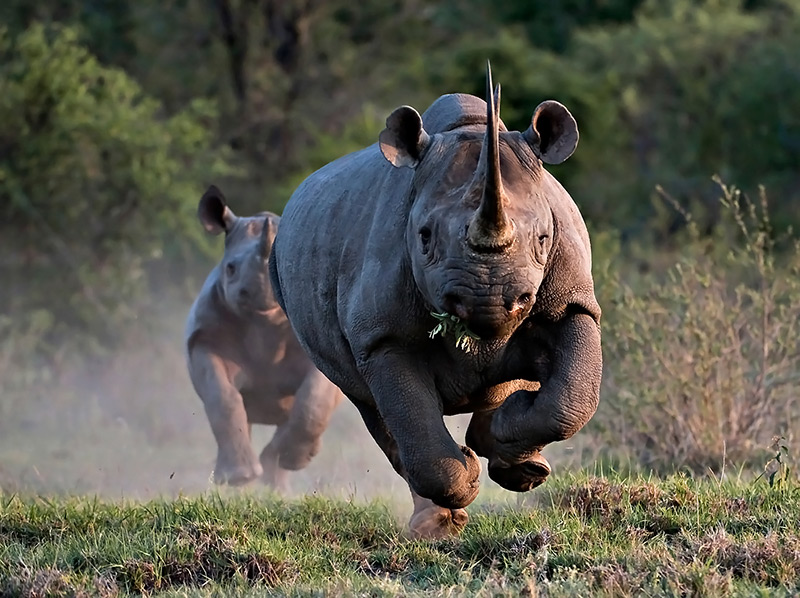
  • Did you know that…Rhinoceros have roamed the earth for more than 50 million years. Rhinos have poor vision, but an excellent sense of smell, and good hearing.

4833792_orig

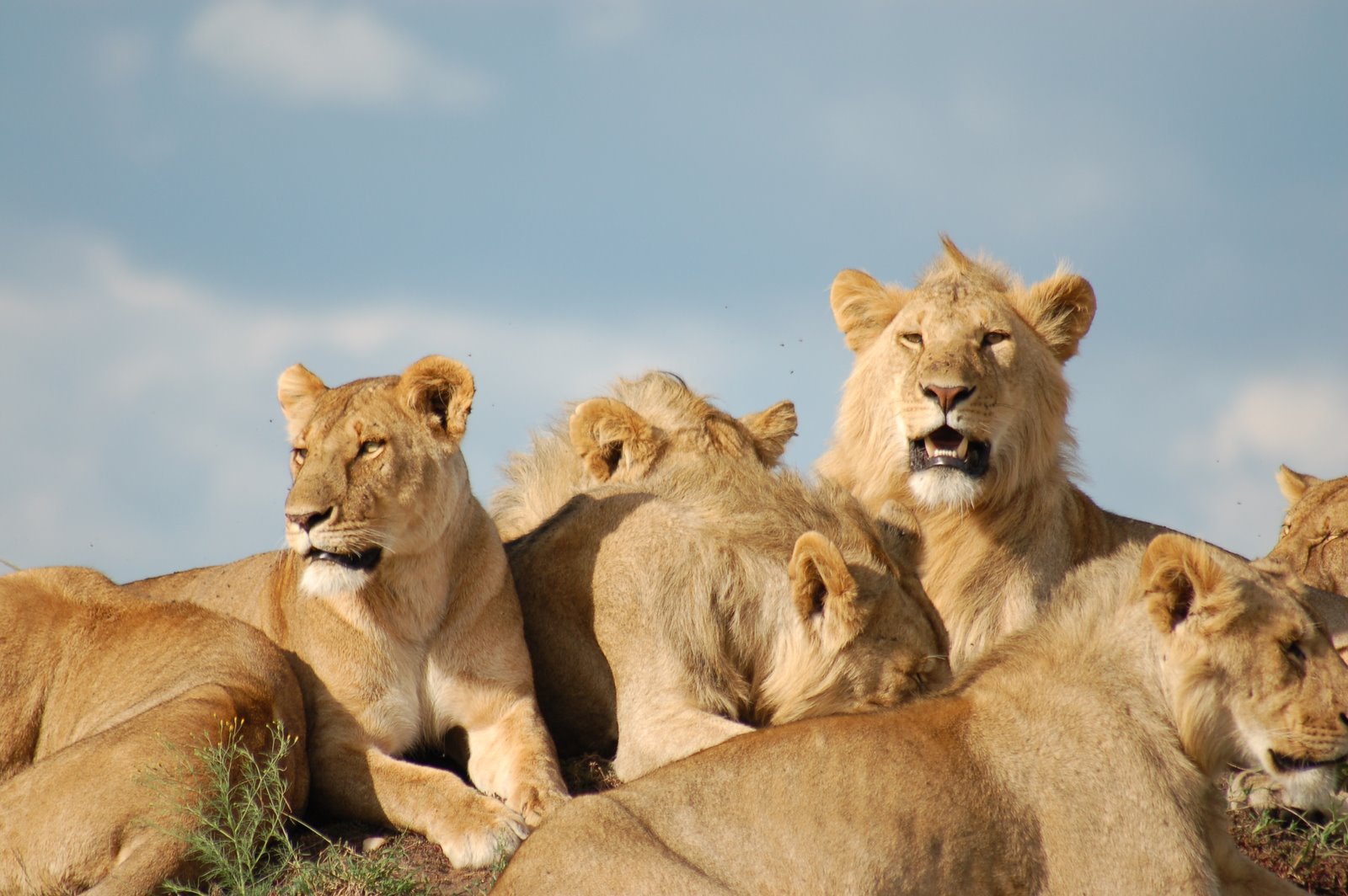
  • Did you know that…Lions are the most social of all cats, living in prides of several females, and working cooperatively to hunt and raise cubs. Lions will sleep up to 20 hours a day.

D3 Pride of Lions 狮子群Lion%20Pride%20in%20Mara

  • Did you know that…A leopard’s spots (actually called rosettes) are shaped differently depending on their habitat. In eastern Africa they are circular  but square in southern Africa. Leopards are the ultimate athlete, being able to run at speeds of over 35 mph and have been known to be able to jump 10 feet in the air.

09

  • Don’t mistake the physical similarities of the buffalo for their domesticated cousins. The Cape Buffalo is considered to be one of the most deadly of Africa’s Big 5. They have been known to mob predators and attack game hunters. Cape Buffalo need to drink every day – that’s why you’ll see them in herds numbering in the thousands in the grasslands, but never find them in the dessert.

0391c4b6-1a2b-471a-bb85-49196ebaa2ad.Kenya-hellsgatenationalpark-buffalo Trophy

10 things you probably didn’t know you can do in Kenya

Beasts of the Serengeti, exchanging pleasantries with the Maasai, camping out in the bush amid the acacias and elephant dung.

When it comes to activities in Kenya you might think you’ve heard it all before.

Unlikely.

Read on for some lesser known experiences in Kenya.

1. Breakfast with giraffes

Eggs, OJ and a very long straw coming up. Tea, toast and a dash of giraffe slobber. The large windows of the sunroom at Giraffe Manor are wide open, allowing some guests to pop their heads in, rather than take a seat.

The manor is home to a herd of Rothschild’s giraffe. Don’t forget to close your curtains at night — you never know who might be looking in.

About 20 kilometers from Nairobi, this 1930s boutique hotel is set in 12 acres of private land, with a view of the Ngong hills.

As well as giraffes the ranch is home to warthogs, dik diks, birds and bushbuck. A nearby giraffe center is a breeding area for the endangered Rothschild’s giraffe.

The Giraffe Manor is closed in April and May.

2. Take part in a rally

Cars must be pre-1978. If speed and endurance are more desirable, there’s this year’s East African Safari Classic Rally.

The 4,100-kilometer route starts and finishes in Mombasa, pitting some of the worlds’ best “classical” cars and drivers against tough Kenyan terrain.

Drivers dodge wildlife, try not to bust their suspension on boulders and leave competitors eating dust thrown up from Kenya’s roads.

The rally was cooked up in 2003 and aims to resurrect the glory days of the East African Safari Rally that started as an endurance race in 1953.

3. Foster an elephant

“No, honey, you can’t take it home.” Thousands of elephants are killed every year for their ivory, mainly driven by demand from Asia — especially China and Thailand. Conservationists say more elephants are being poached now than they have been for the last decade.

The David Sheldrick Wildlife Trust in Nairobi rescues and rehabilitates orphaned elephants and rhinos with the aim of returning them to the wild.

Visitors to the elephant orphanage come face to face with the infant survivors of the illegal ivory trade at the trust’s Nairobi nursery. The babies play around in their daily mud bath between 11 a.m. and noon.

Entrance fee is KES 500 (US$5.80). If you’ve fallen in love with an elephant or rhino you can foster one, starting from US$50 a year.

4. Propose at Africa’s Hogwarts

Guarantee yourself a “yes” and help the local community, too. According to Kenya Airways’ in-flight magazine, Ol Malo game sanctuary is the number one place in Kenya to pop the question.

Travel Africa Magazine describes the quirky design of Ol Malo, made of stone, complete with thatched roofs and the occasional spiral staircase, “as a kind of African Hogwarts.”

Andrew, the youngest child of the lodge’s owners, the Francombe’s, proposed to his wife, Chyulu, at Ol Malo. He organized a bonfire, champagne, flowers and cushions on a rock overlooking the river.

“I thought it was a belated Valentines Day and started tucking into the bubbly — totally unaware what a gibbering wreck Andrew was!” says Chyulu.

“Ol Malo is the perfect place to pop the question. There is so much you can do — just out on the ranch as we did it or in some far off place by chopper.”

Ol Malo is loacted at edge of the Laikipia plateau it is closed in April, May and November.

The lodge seeks to give back to the community and has established the Ol Malo Trust to help conserve the culture of the Samburu people.

5. Get married like the Maasai

Tying the knot — or should that be grassing the shoe? After 46 years of marriage Roger and Laurie Moore decided to remarry — Maasai style.

The village chief of Embiti “adopted” Roger while a family in a nearby village took Laurie under their wing.

After decking out Laurie in traditional garb, her face painted by warriors and grass put in her shoe (to symbolize food for their cattle), the bride was ready to be presented to her groom, who was equally made up.

Participants do a celebratory walk from the bride’s village to the groom’s. Dancing and singing Maasai await them and gifts are exchanged and a dowry negotiated.

Turns out Laurie was a bargain: “I was worth one cow and one goat, a very affordable bride!”

6. Go on a cheese tour

Award-winning African cheese. Kenya and cheese — not two things that automatically come to mind.

However, 30 minutes out of Nairobi is the award winning Brown’s Cheese factory. Its product has won many accolades, including the South African Dairy Championship and awards from the East Africa Cheese Festival.

Brown’s philosophy is to run the farm “on purely biodynamic and organic principles.” The factory tour shows how the cheese is made, after which guests can settle down to a cheese platter, followed by a three-course lunch complete with homemade chutneys, bread and homegrown salad.

Brown’s also offers cheese-making classes and, for kids, milking sessions with the factory’s Friesian cows.

7. Go on the Rhino Charge

Where’s highway maintenance when you need it? One hundred square kilometers of rough terrain, 10 hours, 13 check points, one map, one 4×4 and no set route.

Reach the most checkpoints in the shortest distance for victory. Just watch for the lions.

This is Kenya’s annual off-road motor sport competition — the Rhino Charge.

The precise location is kept secret until a few days before so competitors don’t go on sneaky reconnaissance missions.

The event is held every May or June, organized by The Rhino Ark Charitable Trust.

The rally raises money for the conservation of Kenya’s Aberdare Ecosystem.

Only 60 vehicles can participate in order to minimize environmental damage. The more cash you can put up, the more likely you are to get a place. Crews must be between two and six people.

8. Tackle a snake safari

This is going straight to Facebook.

There are more than 100 snake species in Kenya, and snake safari outfit Bio-ken arranges tours to spot them in forests, riverbeds, rocky cliffs and mangroves.

The most popular package is a three-night snake safari along the banks of the Galana River. An alternative is the Big Five safari — a search for pythons, boomslangs, puff adders, cobras and mambas.

Some of Kenya’s top reptile experts lead the trip, the aim of which is to improve awareness and education about snakes and their role in the eco-system.

Check out a video here.

9. Be ‘eatertained’

Meat feast. Colorful shirts optional. Carnivore restaurant in Nairobi offers usual fare, such as rumps of beef, legs of lamb, chops, sausages and ribs, but also crocodile, ostrich and chicken livers and gizzards.

There’s no ordering here. Guests sit down and carvers dressed in zebra aprons and straw hats bring meat hanging off Maasai swords.

Diners signal they’re done by lowering the white flag on their table.

Martin Dunford, CEO of the organization behind Carnivore, The Tamarind Group, says Carnivore epitomizes “a theatrical, ‘eatertainment’ experience that makes your visit feel like an adventure.”

Open daily for lunch and dinner.

10. Eat in a cave

Echoes of the past. Welcome to Ali Barbour’s Cave Restaurant in Diani, thought to be around 120,000-180,000 years old.

Diners can spot stars while sitting at a table 10 meters below ground in this open-air coral cave. In bad weather, sliding covers are placed over the holes in the roof to ensure a romantic evening.

The restaurant serves international cuisine, but specializes in seafood.

Why Zuru Kenya?

Millions of travelers year in, year out, make Kenya their chosen holiday destination. There has to be a good reason why…

One of Africa’s top tourist destinations, not only does Kenya rank high in the world as a safari provider, it also features beautiful white sandy beaches, famous national parks, varied rich cultures, and very welcoming people. Granted some aspects of your trip may be affected by poor infrastructure or a few security concerns in some regions; the adventures, scenery, people and exhilarating experiences will have you coming back to the country for more!!

Here’s why we think Kenya should be top of your destinations to visit list!

1. Home of Safari

George_Elsa_Mak31eCrjpgSubject to a series of safari-inspired film classics such as Mogambo and Born Free, Kenya is famous in the safari world as having been host to the greatest, unrivalled private hunting safaris frequented by American presidents and European royalty. Photography safari was also pioneered here in the 50’s and 60’s and countless documentaries such as BBC’s Big Cat Diary serve as pull factors drawing safari enthusiasts to the country.

2. White sandy beaches  kenya-beach-2The Kenyan Coast boasts of both beautiful white sandy beaches along the warm azure waters of the Indian Ocean and an abundance of unspoilt coral reefs providing for  arguably the best diving sites in the world. The coral reefs harbor dolphins, turtles, tropical fish, as well as whale sharks. Activities here are centred around swimming, diving, game fishing, rafting, snorkeling among others.

The most popular beaches are Mombasa Beach, Lamu Beach, Diani Beach, Bamburi Beach Tana River Delta Beach, Malindi Beach, Watamu Beach and Tiwi Beach.

3. Rich Culture

Samburu-tribal-people-of--013One of the most exciting aspects of a safari in Kenya is the chance to meet and interact with local tribes people …With 43 or so tribes, this country is home to an abundance of culture  bound to give you great appreciation for other peoples way of life. Right from the most known Maasai/Samburu warriors, down to the Swahili culture at the coast…whether you are fishing with the people from the south, or riding camels in the North, here is where you’ll get to sample varied tastes of culture.

4. The exclusivity of Lamu

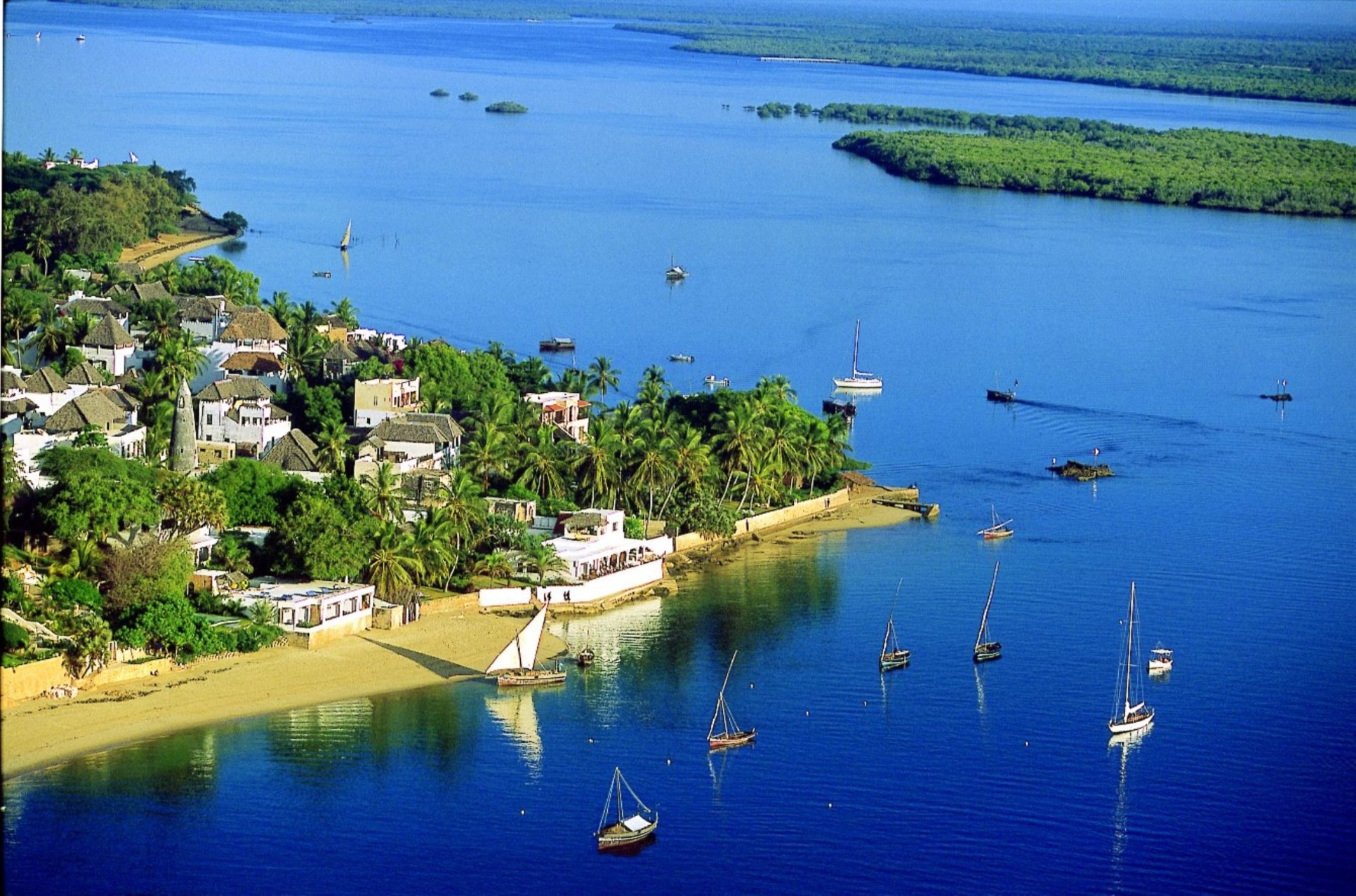
Lamu_Kenya20120328184732_sThe island of Lamu has seemingly become the place to go for exotic holidays. The place is a buzz with upmarket clientele during the holiday season and is certainly the embodiment of shabby-chic. The islands of north of Lamu also play host to some similarly shabby-chic but nonetheless upmarket beach lodges, notably Kiwayu Lodge and Manda Bay Lodge; great bases from which to explore the island ruins and isolated beaches, as well as to sail and dive the network of waterways.

5. The Great Wildebeest Migration

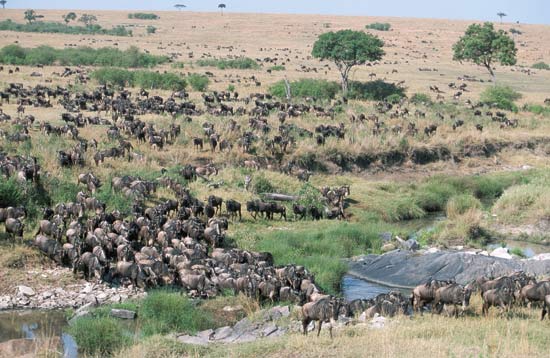
wildebeest migration in masai mara, kenya2011The most exhilarating experience is to watch thousands of zebras and wildebeests migrating in the “Great Wildebeest Migration” in the Masai Mara and Serengeti. Watch as the migrating animals fight for their chance at greener pastures while escaping the lions and crocodiles preying on them.

6. Our History

Fort_jesusA portrait of Fort Jesus

Kenya does not fall short of historical sites to visit. Some of which hold mysteries and facts bound to leave you in awe…be it political, social or economic, our countries history is one to draw you in. Some of the prominent sites include Fort Jesus, the oldest coastal fort in the world and Shimoni, once used a holding pen for slaves during the slave trade.

7. A wide range of activities

29-ACTIVITIES-3_600x300Enjoy wildlife safaris, bird watching, windsurfing, horseback riding, golfing, canoeing, kayaking, sailing, mountain biking, snorkeling, scuba diving, hot air ballooning, mountain climbing, hiking, water skiing, fishing, and many more wonderful activities.

8. Affordability

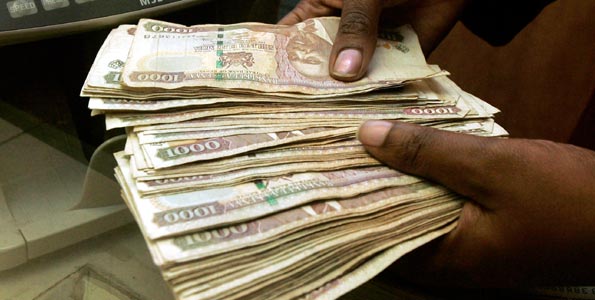
Money-ShillingWith a favorable exchange rate against many international currencies, Kenya is a fairly inexpensive tourist destination. Although the Kenya shilling fluctuates, it always gives a much better value compared to other major currencies, such as the United States dollar, sterling pound or the Euro. The cost of living is much lower in Kenya as well when compared to Europe or the United States.

9. Climate

climate-mapKenya enjoys a wonderful tropical climate. It is generally warm all year round, with plenty of sunshine and cooler nights and mornings. Visitors are able to enjoy most activities on the beaches and in the national parks all year round. Since Kenya lies on the equator, the seasonal temperature changes are not extreme. However, due to the differing topography, you will experience different weather patterns when traveling across Kenya. The hottest months of the year are February and March with temperatures as high as 93°F (34°C) while the coolest season falls between July and August with temperatures dropping to around 60°F (16°C). Kenya provides very perfect weather for those who live in colder countries to escape to.

10. Great Game

39.-Three-male-Lions-walking-closely-together-Masai-Mara-KenyaKenya offers some of the best and most accessible game viewing in the world, including the hard-to-resist attraction of the Big Five (lion, leopard, elephant, buffalo and rhino). These, together with many other animals that are unique to Africa, can be seen at the national parks and game reserves throughout Kenya.

The months between June and October, and December to March are the most popular times of the year to Visit Kenya. April, May and November can be quite wet.


A Kenyan’s guide to Kenya (HILARIOUS)

I’ve often been terribly disappointed by the tourist  guidebooks written about Kenya. Most of the time they tell you stuff you already know, like “you can go on safari and see some lions.” That’s probably why you wanted to come here in the first place, so that’s not helpful. Other times they give you all manner of useless information. For example: what’s the point of telling you how to ask for directions in Kiswahili if you’re not going to understand the answer? (sometimes they seem to be written by a malicious Kenyan who hates tourists). One time I was taking a walk at the beach alone and was accosted by an earnest American who said, “Jambo. Nyinyi mna Kula Viazi?” First of all, no Kenyan says “Jambo”. Secondly, I was alone and I definitely wasn’t eating potatoes.HUH 1000x500px-LL-90ad9322_WTF-ARE-YOU-TALKING-ABOUT
These books never tell you about all the amazing people you can meet in Kenya, or how to understand what they’re saying. Determined to correct this horrible wrong, I’m issuing the first of many useful, practical tips for our many visitors. Here with the Volume I of “A Kenyan’s guide to Kenya.” (Disclaimer: this is written from a Nairobi Perspective. Other parts of the country are a whole other story and will cost you extra.) Here’s what you should Know:
bestreading_hppromo
1. When we want you to pass us something – the salt, say – we’ll point with our mouths. Example: We’ll catch your eye then say, “Nani.” Then we’ll use our mouths to point at the desired object. This is achieved by a slight upward nod followed by an abrupt thrusting out of the lower lip, which is pointed in the object’s general direction. There’s no explanation for this. (“Nani” can be roughly translated as, oh I don’t know, “Whats-your-face,” “You,” or “Thingie.” We’re unfailingly polite.)

turoWhy lift a finger when you can point with your lips??

2. Frequently, and for no reason whatsoever, we’ll refer to a person as “another guy.” However, this MUST be pronounced/slurred thus: An-aa guy. This also applies to “the other day,” which is when some momentous event in our lives always took place. We do the same thing with Kiswahili words like ‘bwana’, which is pronounced ‘bana.’ Example: “I was driving in town the aaa day and this guy comes from nowhere and cuts me off, bana. Man I abused him!” ‘Abused’ in this sentence must be drawn out and emphasised for maximum effect: a-BUSE-d.

3. We claim to speak English and Kiswahili, which technically means that we should be able to communicate with the English-speaking world and Tanzania. What we really mean is that if you’re not Kenyan you won’t understand a damn word we say or why we say it. Example:“Sasa” in Kiswahili means “now.” We use it as a greeting. Correct usage: “Sasa?” “Ah, fit.” It confuses us that Tanzanians don’t understand this.

images1We also, just as randomly, might greet you by saying, “Otherwise?” Common response: “Uh-uh.” There is no explanation for this.

4. Kenyans are multi-lingual, but all this means is that we believe that if we translate something word for word from one language to another it will make sense. A Kenyan might say, for example, “You mean you’re not brothers? But you look each other!” Be kind, they just think that muna fanana can slip into English unfiltered. Speaking of filters, that’s why some people (tribe/ethnicity withheld to protect my uncles) will claim to ‘drink’ cigarettes. If you’re not Kenyan you won’t understand this. Let it go.

5. We can buy beers at police stations. Grilled meat too. Heck, in some cop shops you can even play darts. I am NOT making this up. Example: “Man the aaa day I pitiad (pass through) the Spring Valley cop station after work. I was leaving there at midnight, bana. I was so wasted! I told those cops to just let me go home.”Oh, that’s another thing: when we’re leaving a place (your house, a wedding, the cop shop bar) we tend to say, “Ok, me let me go…” We’re not implying that you’re holding us against our will; we’re just saying that we’d like to go. (The plural is, of course, “Us let us go.”)

6. When Kenyans say that you’re mad, it’s a profound compliment. “Man this guy is mad. You know what he did…” then they’ll go on to recount some of your admirable exploits. It’s high praise. Smile modestly and accept it. By modest I mean look down, draw a circle in the dust with the toe of your shoe (or just your toe) and then smile, draw your mouth down into a brief frown, and smile again. Alternate quickly a few times. This is known by English-speaking Kikuyus as The Nyira Smile, or The Sneering Smile. Then say “aah, me?” in a high, sing-songy voice. However, only do this if you’re female.On the other hand, if Kenyans ask, “are you normal? (sometimes pronounced “nomo”), then they’re getting a bit concerned about your state of mental health. Reassure them by buying another round.

7. Which brings me to Alcohol. Our national pastime. You know that myth about Eskimos having thousands of word for ‘snow?’ Well, our beloved drinks are known by a thousand names and phrases too. Kenyans will ‘catch pints (or just ‘catch’),’ ‘go for a swallow,’ have a ‘jweeze,’ ‘keroro,’ ‘kanywaji,’ ‘jawawa…’ really, no list can be exhaustive. Be aware, though, that the words you use will immediately tip off your audience about your age. (For the Kenyans reading this, no I was NOT born during the Emergency, you swine.)
cheers 8. Our other pastime is religion. (What contradiction?) If you’re broke on a Sunday – and your hangover is not too bad – stroll over to one of our parks and catch some open-air preaching. Jeevanjee Gardens in town is a prime location. There you will see us in our full multi-lingual, spiritual splendour. There is always, and I mean always, a freelance preacher thundering in English while his loyal and enthusiastic sidekick translates into Kiswahili. 

images
Sample:
Preacher: And then Jesus said…
Sidekick: Alafu Yesu Akasema…
Preacher: Heal!
Sidekick: Pona!
Preacher: HEAL!
Sidekick: PONA!
It’s hypnotic. We suggest you go with a Kenyan who understands both languages because sometimes the sidekick nurses higher ambitions and, instead of translating, tries to sneak in his own parallel sermon. If you’re bored in Kenya it’s because you’re dead.
pastor-translator-17-11-139. As you’ve probably figured out, we like abbreviating things. (Why would the word ‘another’ have to be any shorter than it is? Why would the Kenyans reading this find it odd that I keep talking about ‘Kiswahili?’) This can lead to unnecessary confusion.
beats-me
But by now you should have figured out that when you’re catching and someone says, “Si you throw an-aa ra-o?” they of course want you to buy another round of drinks. Don’t worry about the ‘si;’ like so many words in Swa it’s impossible to translate. Embrace it, sprinkle it liberally in your speech and move on.
Courtesy KLIST 

Source: DAILY POST

Why holidaymakers throng the coast for the christmas season

Its that time of the year again…well almost, just a few days remaining till December comes knocking. I’ll bet you anything that by this time most of us already have everything set for that Mombasa trip. You might not personally be traveling, but you most likely know of someone in your circles headed down to the coast for the holidays.

One thing is certain though, the Coastarians just can’t stand it when ‘Watu wa bara’ are around because suddenly the city gets congested, the beaches aren’t as relaxing and generally their comfort zone is altered.

Nevertheless, we attempt to define the phenomenon that has everyone running around trying to get last minute bookings…

Appeal of the Place

slider1Photo credit: H2O-extreme

Its been a long year;  work, school, exams…at the end of the day  sun, sand and sea seems like the perfect remedy. Moreover, the exotic appeal of the Island popularly  associated with fun, “Mombasa Raha”  is a major pull factor.

Familiarity

tourists-mombasaPhoto credit: Business daily Africa

For many individuals, this is one place they are guaranteed of having a memorable holiday experience, judging from last year’s events and the year before that. Be it visiting family and friends, quality of accommodation, people & culture or events… the reasons behind becoming repeat tourists here are varied and it is this sense of familiarity that makes this holiday destination tick for some.

End of year Events (Beach Parties)

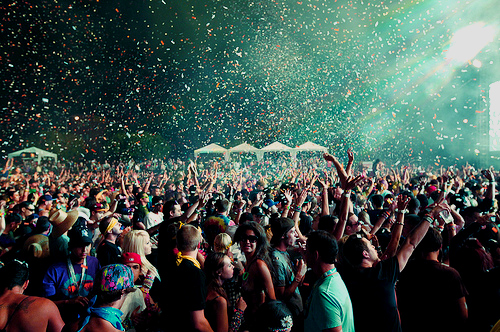
tumblr_static_dance-friends-night-party-rave-favim.com-120797The Kenyan coast is where its happening come end of the year…with a whole range of beach parties and events on offer, why would anyone want to miss out?

Safety in numbers

original Many individuals tend to tag along with their friends simply at the thought of how much they’d be missing out…and as such the peer pressure factor comes in. On this occasion though, it is not such a bad thing…the more the merrier hey?

Imaging travel-quoteEach year, the Kenyan coast is captured as having been the most eventful region come Christmas and end of year. This drives the curious never-beens to head down come the next Christmas holiday season in order to find out for themselves what the fuss is all about. Imaging thus plays a key role here.

Nightlife

Tom-Horton-Nightlife-Photograhy-012Photo Credit: Tom-Horton

Having worked hard all year, most travelers head down to the coast to let loose and what better way to achieve this than through its nightlife? Mombasa in itself isn’t a raving spot although you may find one or two joints within the city. The life of the party however is in the resort area north of Mombasa with places like Mtwapa promising to rejuvenate your spirits. Many revelers are bound to fall in love with this region and might have some difficulty leaving.

Whatever your reason for going to the coast this season,  hope you have the time of your life!! OLYMPUS DIGITAL CAMERA

Msambweni Beach House

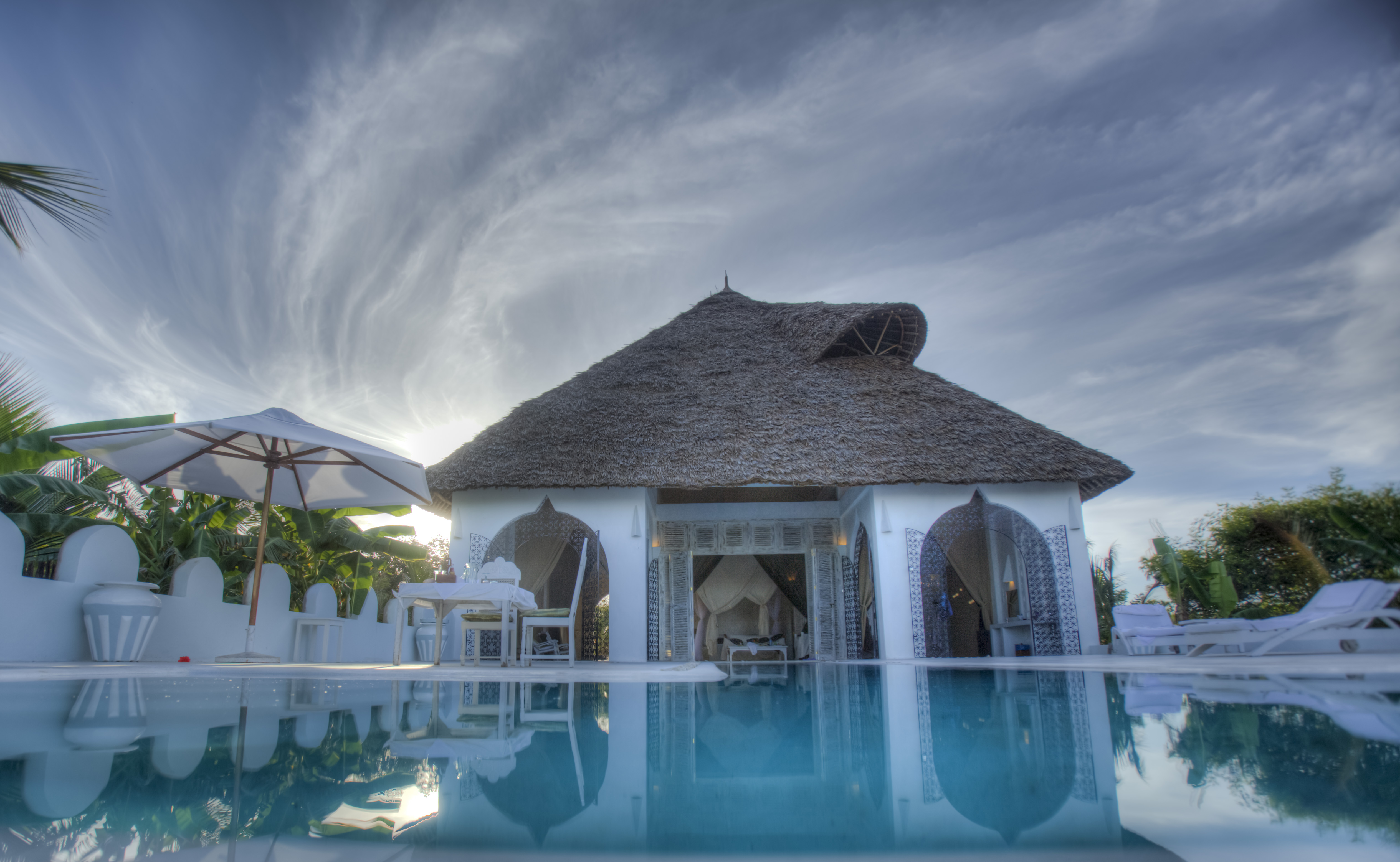
Msambweni House is located just south of Msambweni village on the remote southern coast of Kenya. This family owned and run property is uniquely set and enjoys seclusion away from the busier south coast areas, a stay here thus guarantees utmost exclusivity.

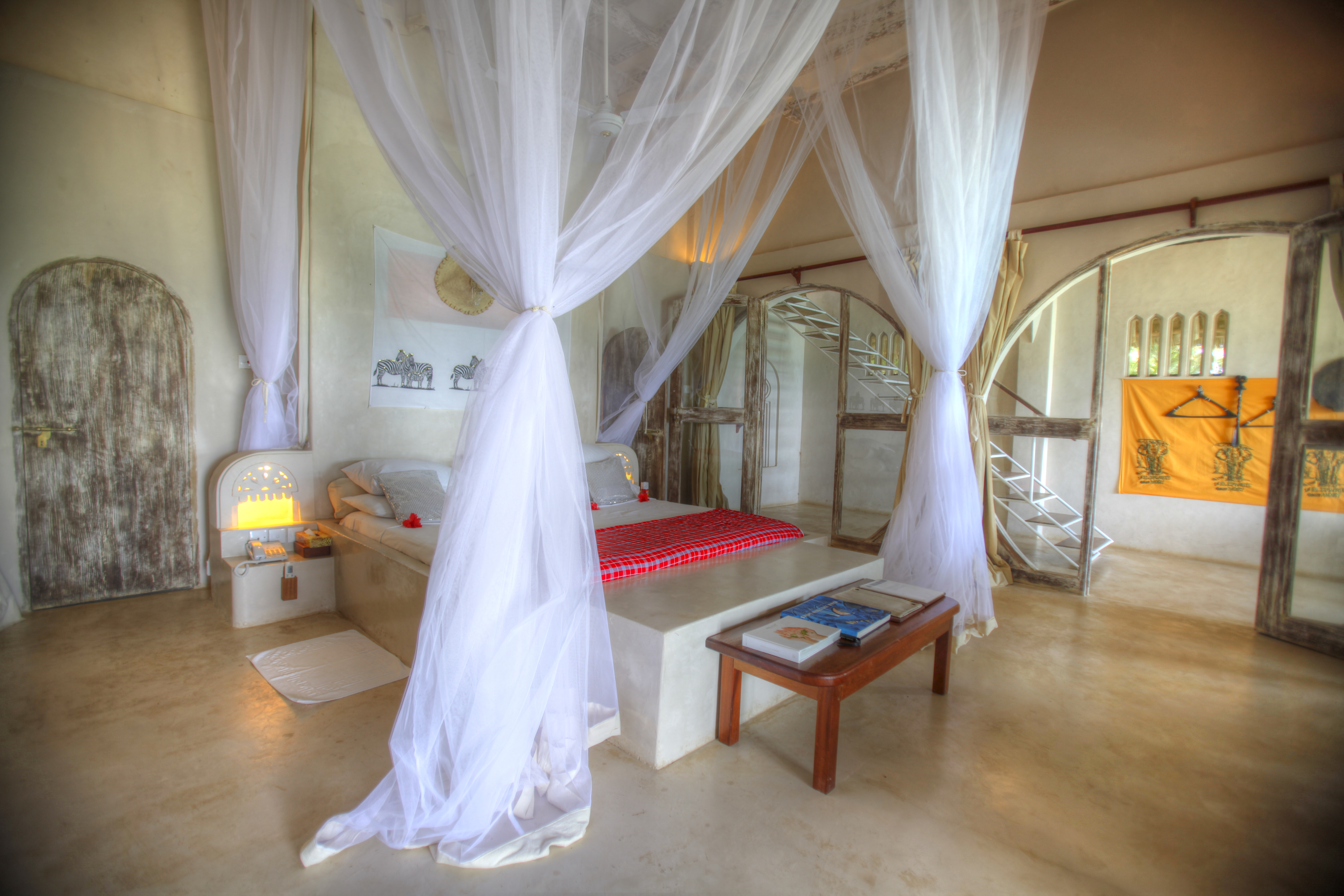
EZFThis small boutique lodge appeals to individuals seeking personalized service and an intimate beach experience. It constitutes three suites in the main building, two detached cottages and a further tented room. Maweni Beach House is well thought out with its elegant Swahili-inspired design oozing pure luxury.

Y

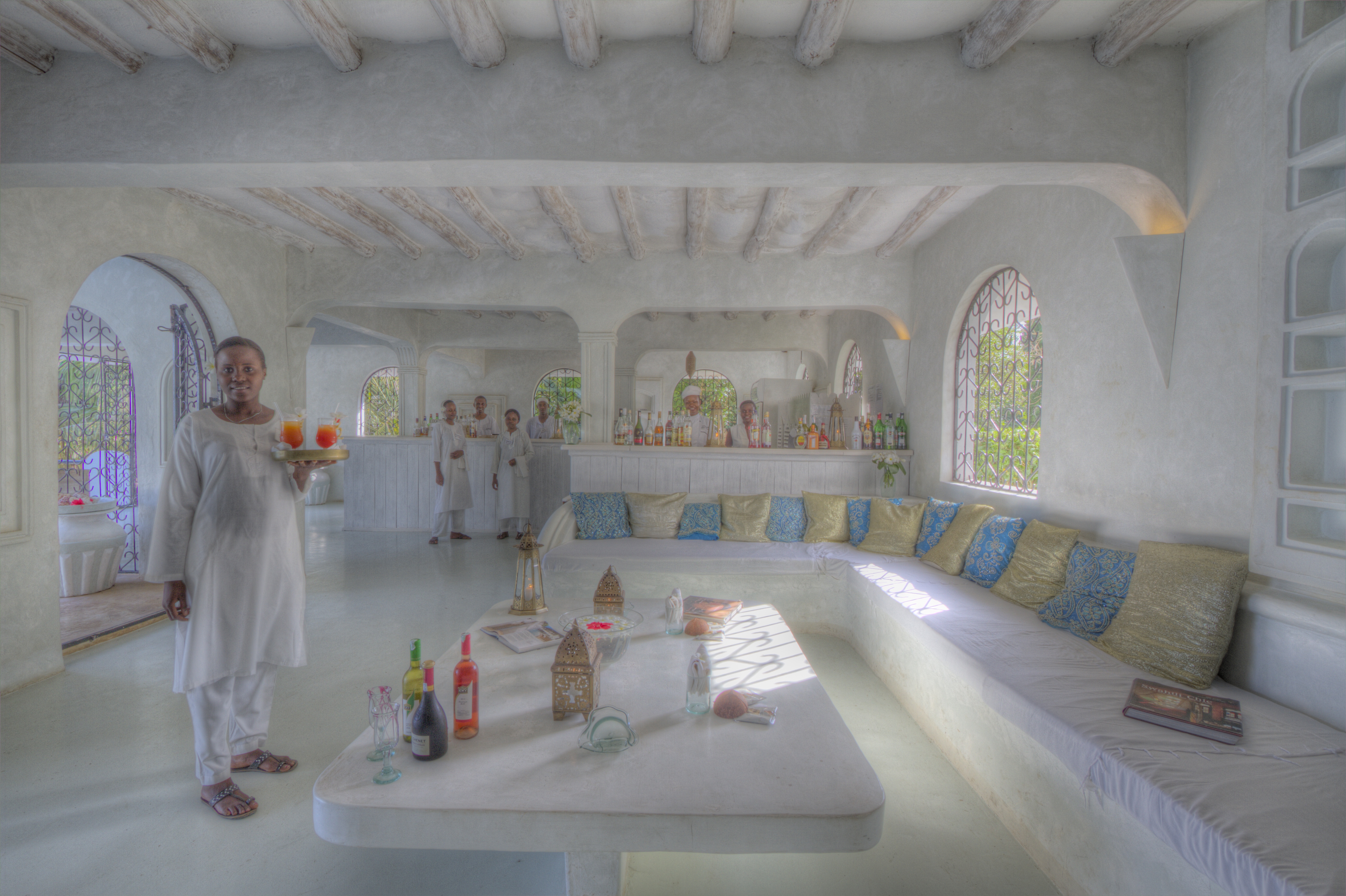
W   ZGExpect top level comfort and service in this high-end property. Having your own private jacuzzi looking into the Indian ocean, butler service, and other staff at your disposal, Msambweni House is just the place to be. Highlight of the house is certainly its stunning centre-piece infinity pool that merges with the azure waters of the Indian Ocean. A whole range of activities are also offered here.

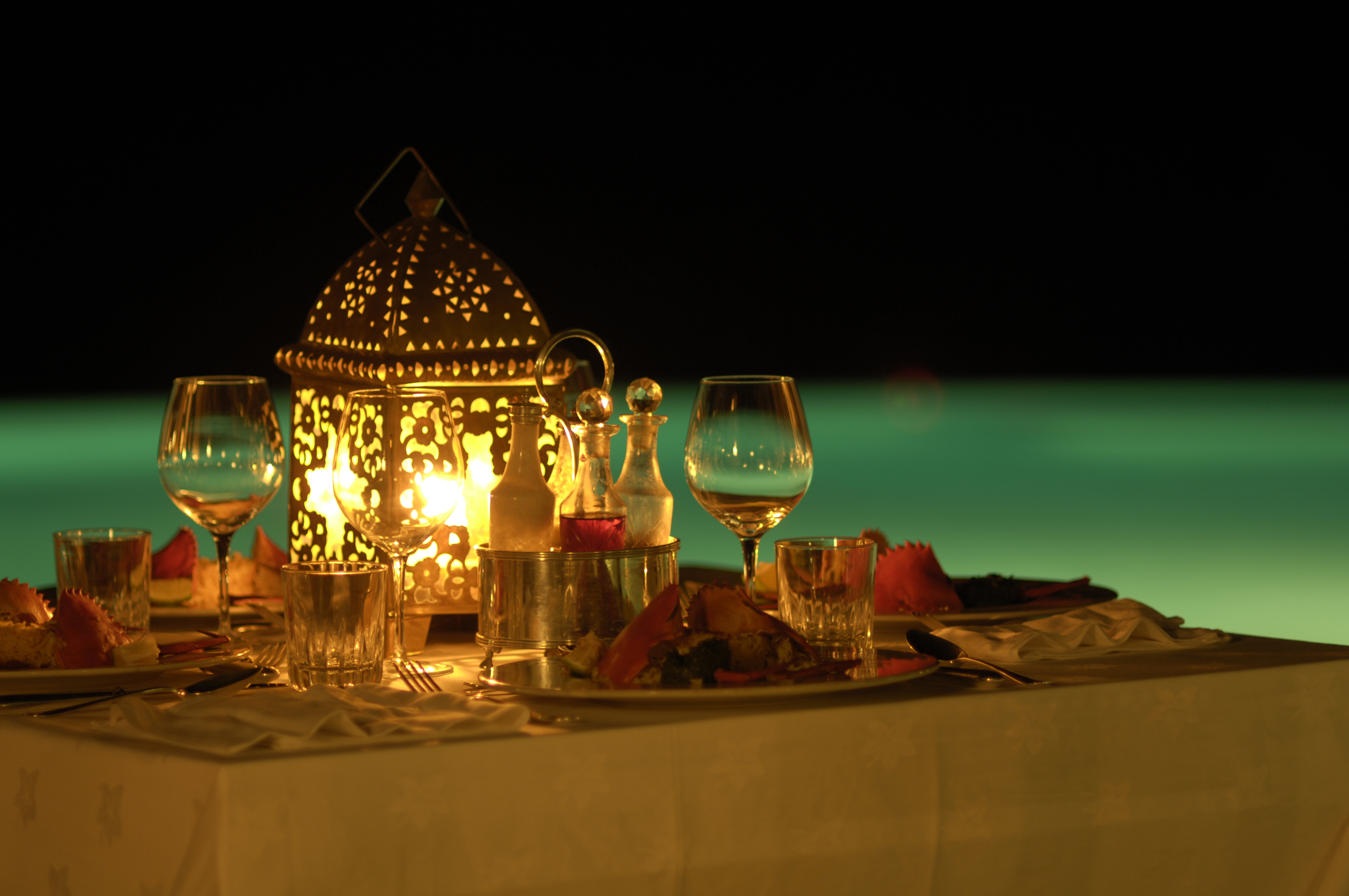
DA F SThe dining experience here is divine with meals being centred on Swahili, Belgian and French cuisine.Children of all ages are most welcome at Msambweni Beach House. There are no specific child care facilities but babysitting can easily be arranged. It is possible to tailor food requirements to children’s tastes and arrange for earlier meal times if required.

ZIILZJZRMsambweni House is almost certainly the best upper-end market option in the south and is open for rental on an exclusive basis. Keep in mind though, December is peak season so be sure to make reservations earlier in advance. It remains closed in May.

Holiday! Holiday! Holiday!

December is almost here with us and we know what that means…most of us will be headed to the beachside for the holidays. Join us as we feature resorts, hotels and apartments that we think should simply be at the top of your to do list!!! A-Boat-by-Beachside-With-Peaceful-Sea-and-Setting-Sun-Warm-and-Golden-Light-Are-Still-Gained-HD-Natural-Scenery-WallpaperAs you plan for your holiday we make it easier for you to select your accommodation at the coast.

Beachside Treasure, Yucatan Peninsula, Mexico

Mombasa: The “Island of war”

Situated on the Eastern coastline, bordering the Indian Ocean, Mombasa is Kenya’s second largest city and the top coastal destination. The city, originally known by its Arabic name منبعثة Manbasa,  was popular as ‘Kisiwa Cha Mvita’  Swahili for “Island of War”, due to the many changes in its ownership. Sitting on an island it is separated from the mainland by two creeks Tudor and Port Reitz.

mg_1267Image credit: Joe Lukhovi

0313 EnglishPoint Marina in the foreground. Mombasa Island between Tudor Creek and Kilindini Channel Mombasa city overflows with an abundance in culture that dates back to its history as a significant trading center. The Swahili culture at the coast today has retained ancient customs and traditions highly influenced by the Portuguese, British, Chinese, and Arab settlers. The city is also affiliated with great explorers like Vasco Da Gama – the first European to land in the then town, with several memorabilia still standing to portray the historic presence of the Portuguese in the coast. The Mijikenda, Swahili, Arabs, Taita, and Akamba are among the Inhabitants of this beautiful land.  Whereas the major religions practiced are Islam, Christianity and the Hindu.

mombasa_1Source: Magical Kenya

Aside from being an important regional tourism and cultural center, Mombasa is also a significant economic hub. It boasts of a large seaport, the Kilindini Harbour, that serves not only Kenya but also links other interior countries to the Indian Ocean. The rich marine life is also something to brag about allowing individuals the pleasure of pursuits like scuba diving, snorkeling, deep sea fishing among others. Mombasa is also envied for its nightlife, its lovely weather, phenomenal white sandy beaches as well as its quality beach resorts. Revellers can enjoy a good time out in the many night spots available most of which are beachfront. Some of the top hotels here also offer their own clubs.DSC01171Other entertainment spots in Mombasa include casinos, cinemas and a Little Theatre Club, the latter of which puts on some fun shows. The region is also known for its divine dining experience where travelers get to enjoy aside from fresh sea food, internationally-inspired cuisine, that includes but is not limited to Chinese, Indian, Italian, and Swahili.

681x454

Getting Around
Mombasa is the central access point for the entire coastal region. It can be accessed directly from Nairobi by air, road, or rail. There are scheduled flights to Mombasa as well served by Moi International Airport although travelers can also access the coastal city via various airstrips. The main mode of transport around the town is by matatus, Taxis and tuk tuks. Some of the historical sites in the city can also easily be accessed on foot.

dsc6129

Must do in Mombasa:

Fort Jesus

Fort-Jesus

Fort Jesus is Mombasa’s most popular tourist attraction. The fort, located along the coastline near the Old Town, is a monumental piece of architecture that was built in the 16th century by the Portuguese. The fort has a museum that displays various artifacts from the era where Mombasa served as a transit point for the slave trade and commodities, and which enjoyed regular visits by seafarers and the like.

Its interior comprises of torture rooms and prison cells where slaves were kept in captivity before being traded. Weapons such as canons, which were used to defend the fort from invading foreigners as well as rioting locals, can be seen both inside and outside of the fort. The fort opens its gates for viewing in the morning and closes at dusk.

Old Town  

DSC01156

“Old Town” is the part of Mombasa that is reminiscent of the days when the Arabs exerted a heavy influence on the town and its culture, and especially in the architecture and language (Swahili has a lot of phrases derived from various Arabic dialects). It is well known for its ancient buildings, extravagant art designs and curio shops that sell antique and popular Kenyan souvenirs.

Old Town is best seen when explored by foot with an experienced guide, as the streets are too narrow to accommodate a large number of vehicles. The town’s inhabitants are mostly of Arab origin who’s forefathers once roamed the same streets of the town. Fort Jesus is located just a few steps away from where the town “starts”, thus a complete tour of the fort and the “Old Town” can be done in a single day.

Mombasa Elephant Tusks 48983702Like the great arches of St Louis and the Eiffel tower, the great elephant tusks monument  in downtown Mombasa is probably the cities enduring monument and landmark known world over. Built to commemorate the visit of Queen Elizabeth to the town in 1952, the pair of overarching, giant intersecting elephant tusks sit astride eastbound and westbound lanes of the busy Moi avenue and are a symbolic representation of entrance into the heart of the town.

The “tusks” aside from symbolizing the ivory trade that Mombasa, and Kenya overall, was known for also coincidentally spell the letter “M” for Mombasa. Take a leisurely walk along this road and look at the various shops or buy curios. You can even stop by the many restaurants to eat your favorite Arab, Swahili or European themed foods.

Hindu Temples

hindu-temple

Hindu temples are one of the many symbols of Mombasa’s cultural diversity. Temples are a popular tourist spot and a tour can usually be taken inside the temple, with a historical background of the particular temple given by one of the temple gurus. Extravagant idols and stone carvings of the various religious beliefs are typically displayed within the temple and on its walls.

A popular spot for locals and international travelers alike,  Mombasa is undoubtedly  the perfect coastal holiday destination.