All posts by zurukenya

Zuru Kenya is a sophisticated, high quality, visually impacting travel, leisure and lifestyle Blog. We seek to raise the profile of Kenya by showcasing its diversity in cultures, tastes, wildlife, stunning landscapes and more! Our passion for travel drives us to highlight what makes Kenya a top tourist destination (not only in Africa but worldwide) and the premier of wildlife safari. Our aim is to bring you relevant travel content that features Kenya's fascinating history and culture, her people, amazing sights & sounds and beautiful regions designed to aid you in planning and/or enjoying your trip to this beautiful country

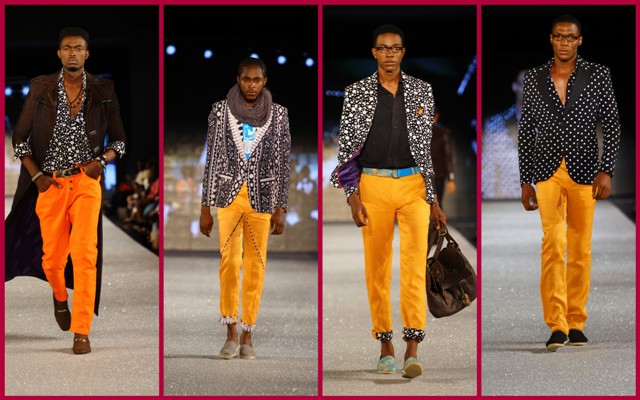
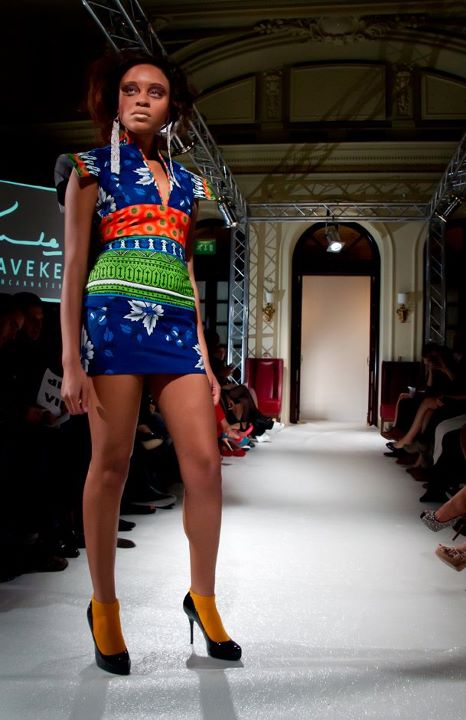
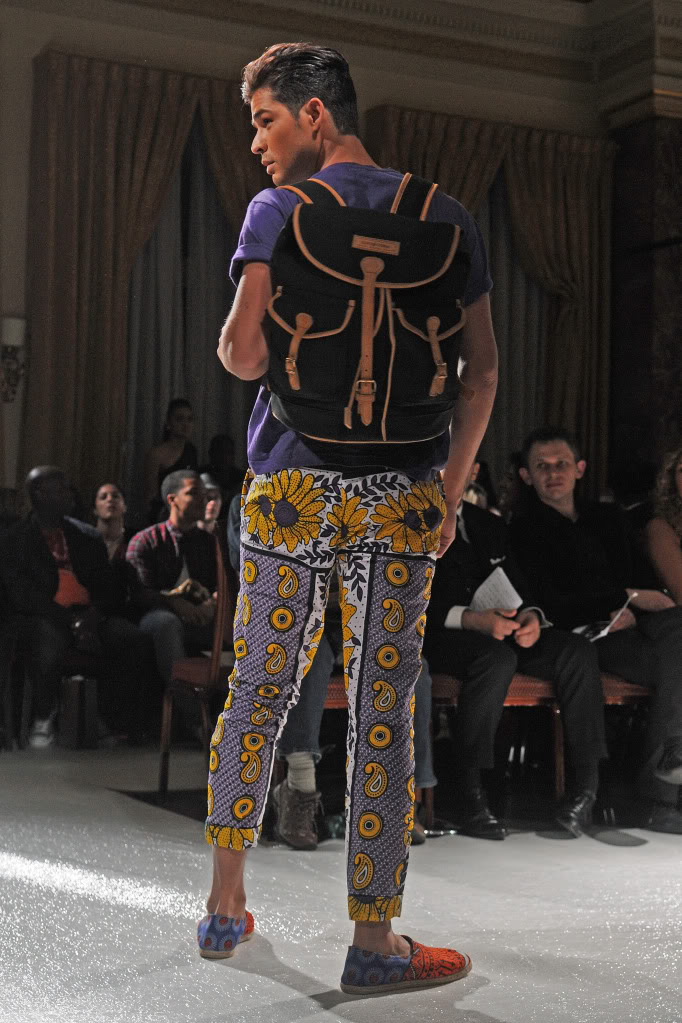
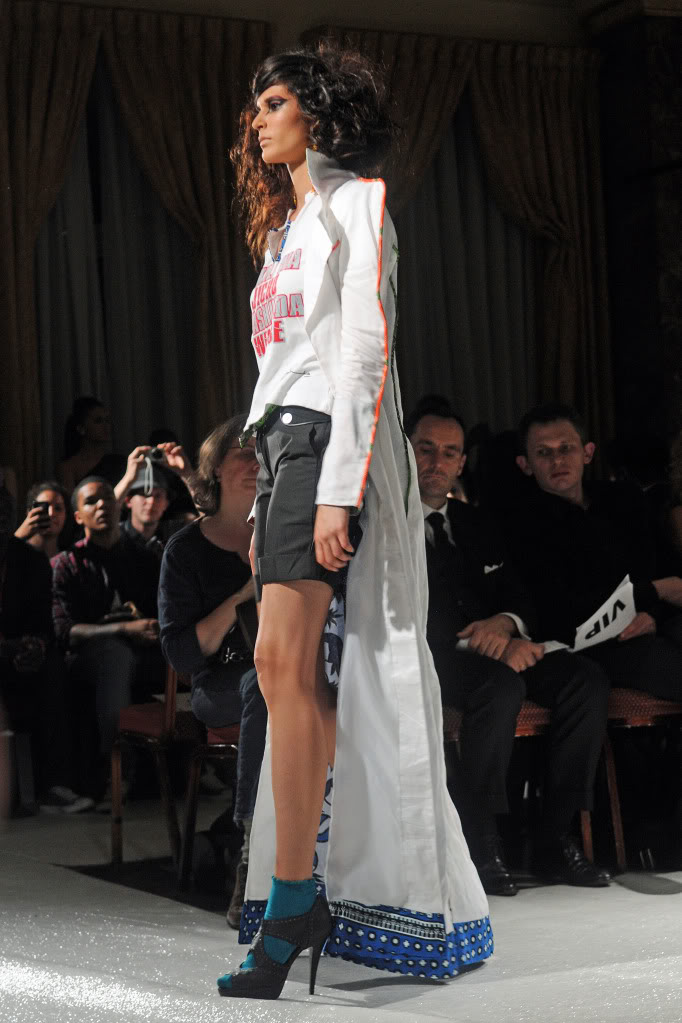
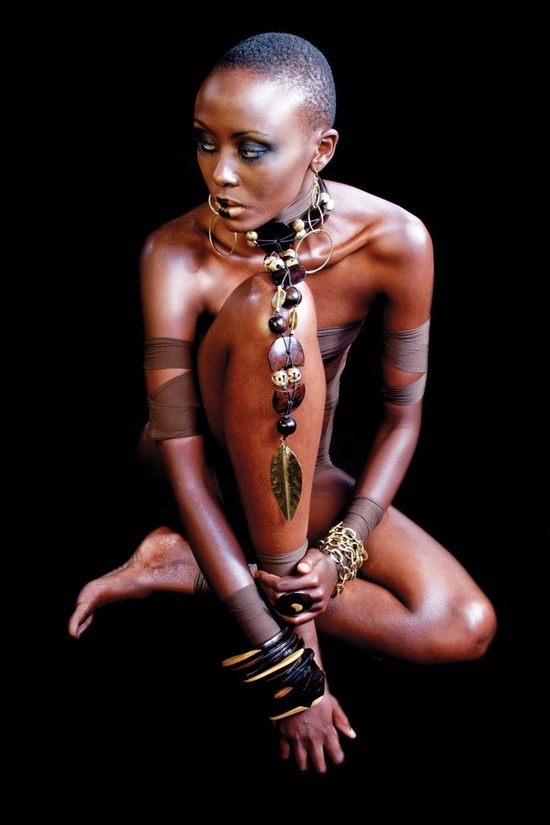
Why we love: John Kaveke, Kenya’s revered fashion designer

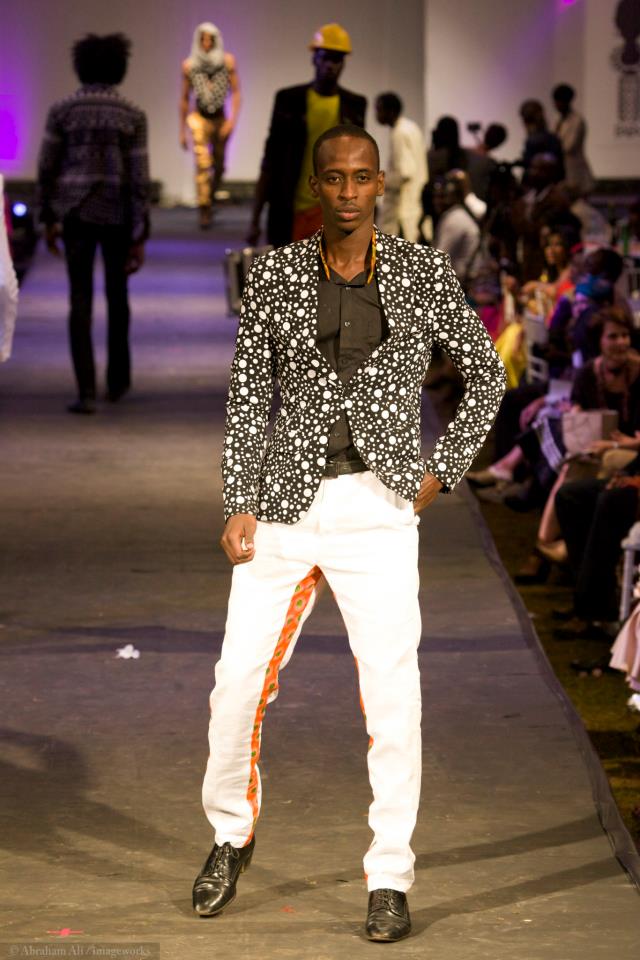
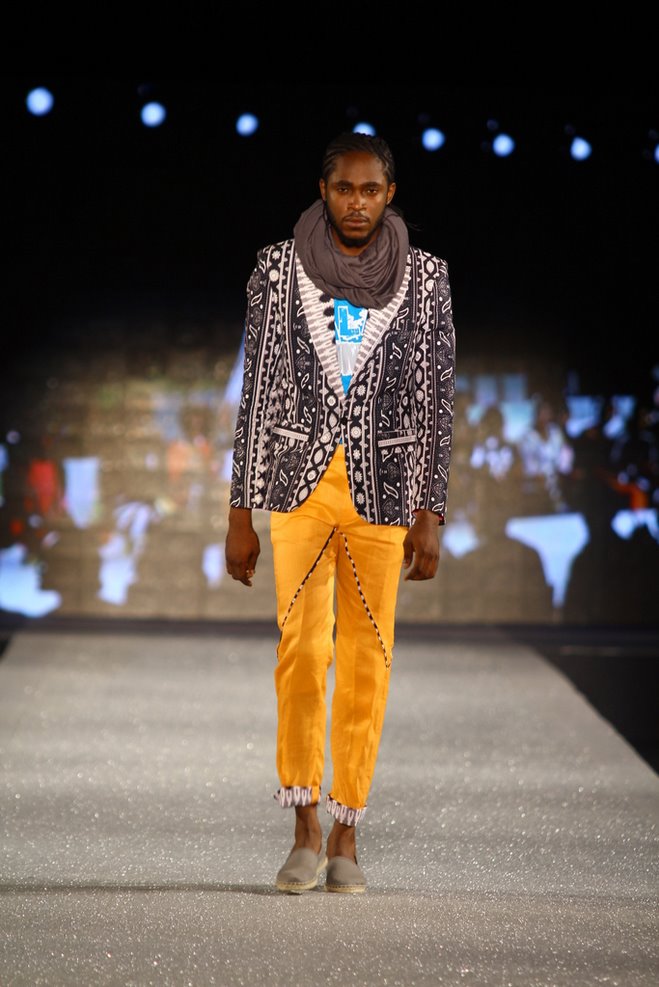
He is without a doubt a famed designer with his works having attracted a myriad of following not just in Kenya but beyond. John Kaveke began his journey at Woodgrove Fashion College in Kenya and later on headed to Instituto Europeo di Design in Barcelona. He worked as as a designer at other fashion labels before deciding to tread on his own path.

Kaveke has delved into men’s fashion; an area not touched by many, and his designs have had the pleasure of gracing a wide range of catwalks that include; Sarajevo Fashion Week, Bosnia, Hub of Africa in Ethiopia, Swahili Fashion Week in Tanzania, Catwalk Kenya, Festival for African Fashion and Art or FAFA Kenya, the International Smirnoff Fashion Awards, London Fashion Week…the list is endless.

Not only is he an edgy contemporary designer, Kaveke boasts of being involved in a number of successful fashion projects; being part of the Kenyan national dress design team, the International Smirnoff fashion Awards, creating Kenya’s representative’s (Big Brother Africa) Garment, M-Net’s Face of Africa, Sarajevo Fashion Week and Catwalk Kenya among others.

John Kaveke is indeed an inspiration to many an upcoming designers both in Kenya and Africa as a whole. We salute you for job well done!!

I pledge my loyalty…

Growing up, the national pledge is something we routinely recited  either on Fridays or Mondays (depends which school you went to) during school assemblies. Without putting much thought into it we would excitingly and loudly declare the love we had for our country under the watchful eye of our principle/headmaster. But honestly back then I doubt we had any clue as to what we were speedily reciting, as a matter of fact many of us mumbled through most of it until the infamous ‘HARAMBEE” part. See then they were just words…words that every student in the 844 system had to cram. I wonder how many of us can actually recite our national pledge today (without peeping)…

The Pledge of a nation is a binding promise or agreement we make between ourselves and our Nation. It is meant to act as an overall direction of which the country chooses to take and how it plans to get there.

Kenya-FlagI pledge;

My loyalty to the president and the Republic of Kenya

My devotion to the words of our national anthem,

My life and strength in the service of our republic

In the living spirit embodied in our national motto,

Harambee,

And perpetuated in the Nyayo Philosopy of Peace Love and Unity.

Now, there are phrases in the loyalty pledge that deserve a brief historical background. Kenya gained her independence from the Britons on 12th December, 1963. It became a democratic country, headed by a president, complete with a parliament and a senate. Elections – or what passed for them – were held every five years; there was no term limitation on how long a guy could rule, especially the president. In 1978, Jomo Kenyatta, the first president, passed on, after ruling for 15 years. His then deputy, Daniel Arap Moi, took the reins of power, with a pledge to follow the “footsteps” of the “founding father”. Therefore, Nyayo (footsteps) became the motto, the name of the president, the catch-phrase…it became everything, including part of the loyalty pledge. ( source; Stephen Magu )

Right after the 1982 attempted coup on the then president Moi’s government, things had to change….From then on, there was a systematic attempt to crack down on any alternative political thoughts. Parliament introduced, debated and passed an infamous Section 2 (a) into the constitution, which made the country a de facto one-party state. True, elections continued to be held for the next 11 years, but there was only one party in power, so it was almost akin to choosing between the devil and the deep blue sea.

Among the changes that were introduced in the school system during that period, was a free school milk program (once every week, for all the good that could do), an 8-year primary, 4 year secondary and 4 year university education system, a departure from the British system, and…yes, the loyalty pledge. If I have ever seen indoctrination of minors, that was the purest form. The loyalty pledge was recited in every school in Kenya, under the watchful eyes of stern-faced, stick-holding, menacing-looking head-teachers, deputy head-teachers and teachers on duty. It became routine; something we did not really think about, or whose ramifications really did not manifest themselves to us.

Moi’s era gone, two governments later,  and the loyalty pledge continues, to the best of my knowledge – to be recited. Patriotism to one’s country is to be aspired for. It is paramount for the cohesion and unity of a country.  Whereas pledges of loyalty and allegiance should probably not be mandatory, I do believe that it is the highest form of indoctrination to have some pledges, such as the Kenyan one. When you have a party whose motto is “Nyayo” and have every kid reciting that pledge, now that is influencing the political process and the future direction the country’s thinking will take. It is my supplication that the pledge of allegiance ought to have free reign; but the Loyalty Pledge…now that is something else. I don’t believe kids should be pledging loyalty to particular parties, philosophies; perhaps more appropriately, to national unity, cohesion, the flag and concepts/symbols that are neutral, but that which all citizens of a country can identify with. ( source; Stephen Magu )

Date a Man Who Travels

Date a man who treasures experience over toys, a hand-woven bracelet over a Rolex. Date the man who scoffs when he hears the words, “vacation”, “all-inclusive”, or “resort”. Date a man who travels because he’s not blinded by a single goal but enlivened by many.

You might find him in an airport or at a book store browsing the travel guides – although he “only uses them for reference.”

736289010_692 You’ll know it’s him because when you peek at his computer screen, his background will be a scenic splendor of rolling hills, mountains, or prayer flags. His Facebook friend count will be over-the-roof, and his wall will be plastered with the broken English ‘miss-you’ of friends he met along the way. When he travels, he makes lifelong friends in an hour. And although contact with these friends is sporadic and may be far-between, his bonds are unmessable and if he wanted, he could couch surf the world… again.

Buy him a beer. Once a traveller gets home, people rarely listen to their stories. So listen to him. Allow him to paint a picture that brings you into his world. He might talk fast and miss small details because he’s so excited to be heard. Bask in his enthusiasm. Want it for yourself.

He’ll squeak like an excited toddler when his latest issue of National Geographic arrives in the mail. Then he’ll grow quiet, engrossed, until he finishes his analysis of every photo, every adventure. In his mind, he’ll insert himself in these pictures. He’ll pass the issue on to you and grill you about your dreams and competitively ask about the craziest thing you’ve ever done. Tell him. And know that he’ll probably win. And if by chance you win, know that his next lot in life will be to out do you. But then he’ll say, “Maybe we can do it together.”

600-00948082

Date the man who talks of distant places and whose hands have explored the stone relics of ancient civilizations and whose mind has imagined those hands carving, chiseling, painting the wonders of the world. And when he talks, it’s as if he’s reliving it with you. You can almost hear his heart racing. You can almost feel the adrenaline ramped up by the moment. You feel it passing through his synapses, a feast to his eyes entering through those tiny oracles of experience that we call pupils, digesting rapidly through his veins, manifesting into his nervous system, transforming and altering his worldview like a reverse trauma and finally passing, but forever changing the colors of his sight. (Unless he’s Karl Pilkington.) You will want this too.

Date a man who’s lived out of a backpack because he lives happily with less. A man who’s travelled has seen poverty and dined with those who live in small shanty’s with no running water, and yet welcome strangers with greater hospitality than the rich. And because he’s seen this, he’s seen how a life without luxury can mean a life fueled by relationships and family, rather than a life that fuels fancy cars and ego. He’s experienced different ways of being, respects alternative religions and he looks at the world with the eyes of a five-year-old, curious and hungry. Your dad will be happy too because he’s good with money and knows how to budget.

This man relishes home; the comfort of a duvet, the safety stirred in a mom-cooked meal, the easy conversation of childhood friends, and the immaculate glory of the flush-toilet. Although fiercely independent, he has had time to reflect on himself and his relationships. Despite his wanderlust, he knows and appreciates his ties to home. He has had a chance to miss and be missed. Because of this, he also knows a thing or two about goodbyes. He knows the overwhelming uncertainty of leaving the comforts of home, the indefinite see-you-laters at the departure gates, and yet he fearlessly goes into the unknown because he knows the feeling of return. And that the I’ve-missed-you-hug is the best type of hug in the whole world. He also knows that goodbyes are just prolonged see-you-laters and that ‘hello’ is only as far away as the nearest internet cafe.

dateaman1

Don’t hold onto this man. Let this man go and go with him. If you haven’t travelled, he will open your eyes to a world beyond the news and popular perception. He will open your dreams to possibility and reality. He will calm your nerves when you’re about to miss a flight or when your rental blows a flat, because he knows the journey is the adventure. He will make light of the unsavory noises you make when you – and you will – get food poisoning. He will make you laugh through the discomfort all while dabbing your forehead with a cold cloth and nursing you with bottled water. He will make you feel like you’re home.

When you see something beautiful, he will hold your hand in silence, in awe the history of where his feet stand, and the fact that you’re with him.

He will live in every moment with you, because this is how he lives his life.

CoWo_Louis_Vuitton_Histoires_2_OTH

He understands that happiness is no more than a string of moments that displace neutrality, and he is determined to tie as many of these strings together as he can. He also understands your need to live for yourself and that you have a bucketlist of your own. Understand his. Understand that your goals may at some points differ, but that independence is the cornerstone of a healthy relationship when it’s mutually respected. You may lose him for a bit, but he will always come home bearing a new story and a souvenir he picked up because it reminded him of you, like it was made for you, and because he missed you. You might be compelled to do the same. Make sure that independence is on your bucketlist, and make sure it’s checked. Independence will keep your relationship fresh and exciting, and when you’re together again it will forge a bond of unbreakable trust.

He’ll propose when you’ve breached your comfort-zone, whether it be a fear like skydiving or swimming with sharks, or sitting next to the smelly person on an overcrowded bus. It won’t be with a diamond ring, but with a token from a native culture or inspired by nature, like the penguin and the pebble.

You will get married somewhere unassumed, surrounded by a select few, in a moment constructed to celebrate venturing into the unknown together again. Marry the man who’s travelled and together you will make the whole world your home. Your honeymoon will not be forgotten to a buffet dinner and all-you-can-drink beach bars, but will be remembered in the triumphant photographs at the top of Kilimanjaro and memorialized in the rewarding ache of muscles at the end of a long days hike.

shutterstock_131246318

When you’re ready, you will have children that have the names of the characters you met on your journeys, the foreign names of people who dug a special place in your heart if only for a few days. Perhaps you will live in another country, and your children will learn of language and customs that open their minds from the very start, leaving no room for prejudice. He will introduce them to the life of Hemingway, the journey of Santiago, and empower them to live even bigger than both of you.

Marry a man who travels and he’ll teach your children the beauty of a single stone, the history of the Incas and he will instill in them the bravery of possibility. He will explain to them that masking opportunity, there is fear. He will teach them to concur it.

And when you’re old, you’ll sit with your grandchildren pouring over your photo albums and chest of worldly treasures, while they too insert themselves into your photographs, sparked by the beauty of the world and inspired by your life in it.

Find a man who travels because you deserve a life of adventure and possibility. You deserve to live light and embrace simplicity. You deserve to look at life through the eyes of youth and with your arms wide open. Because this is where you will find joy. And better, you will find joy together.

And if you can’t find him, travel. Go. Embrace it. Explore the world for yourself because dreams are the stuff reality is made from.

I will be waiting right here.

(source: Ramon Stoppelenburg)

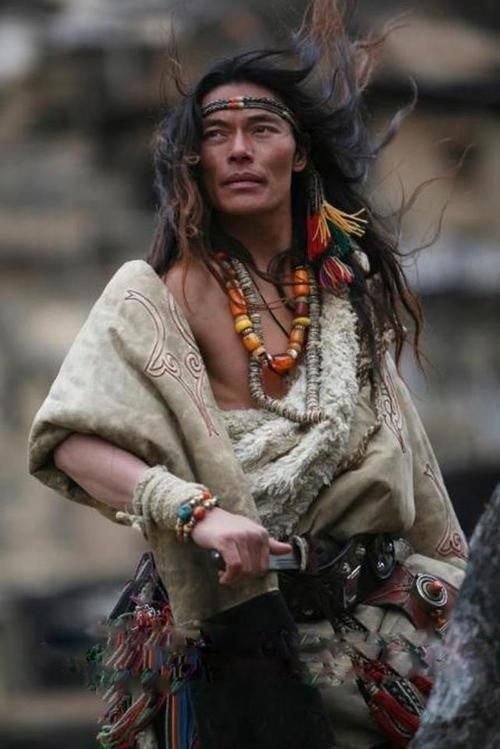
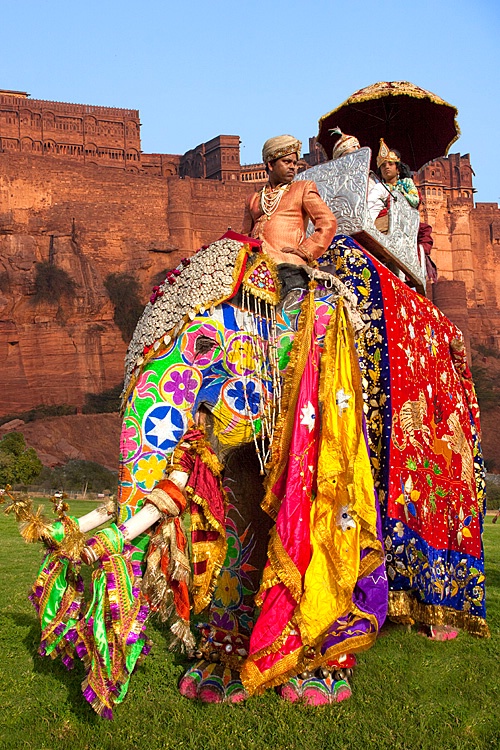
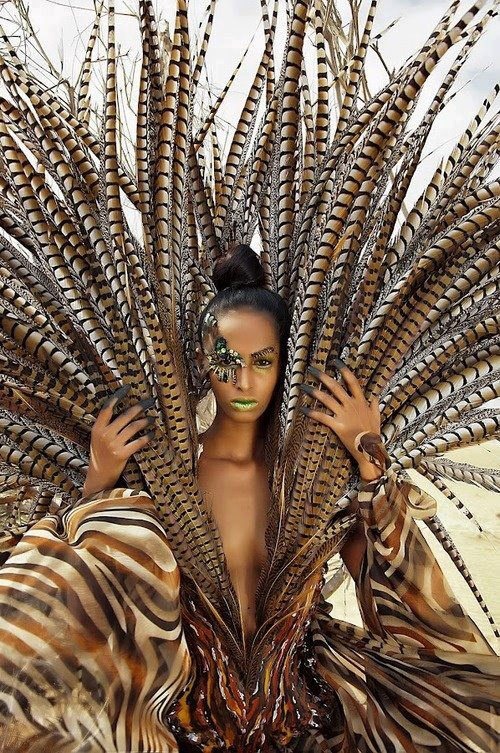
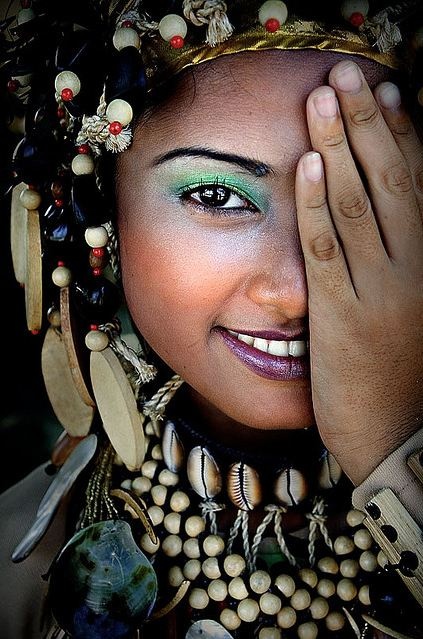
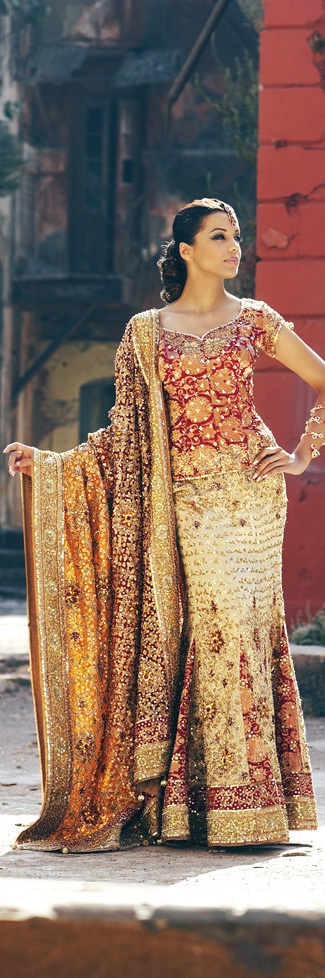
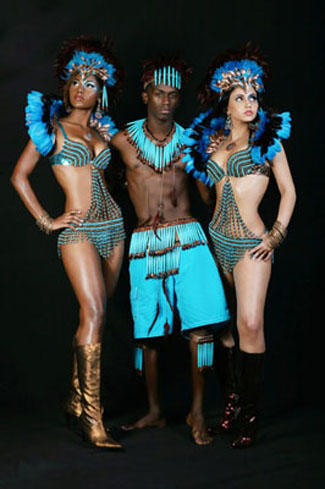
Beauty in Culture

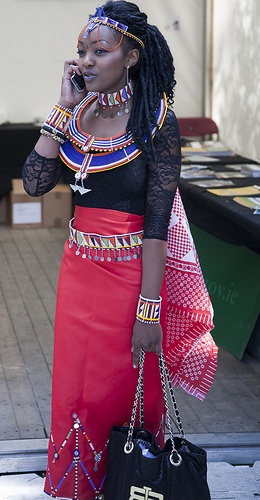
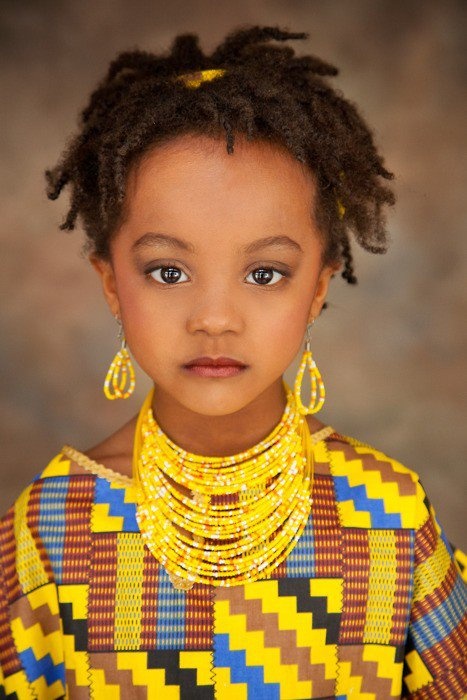
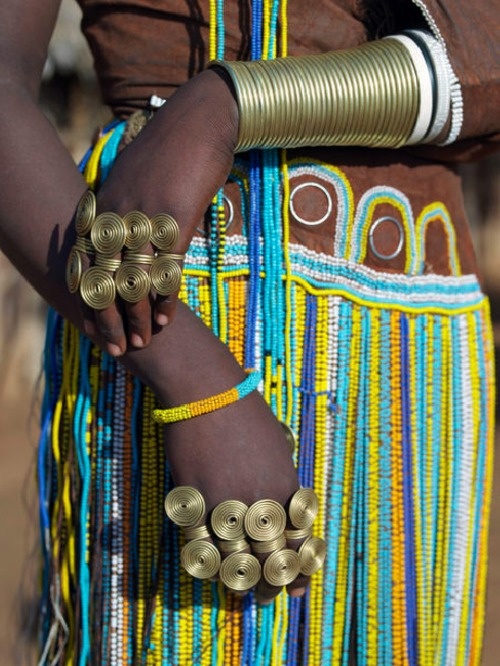
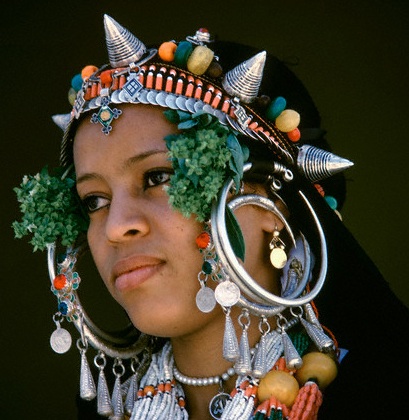
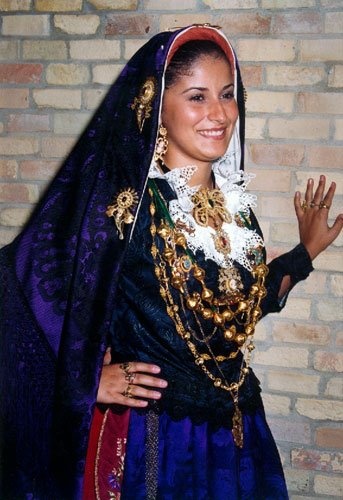
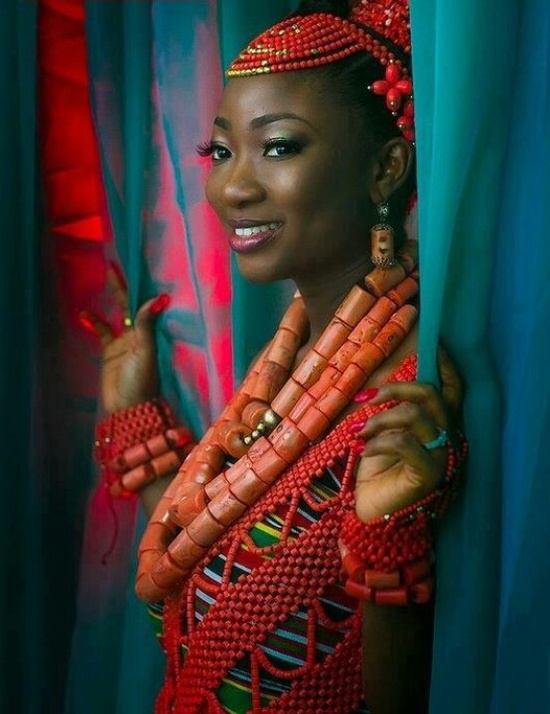
I’d like to believe that everyone comes from somewhere and has a sense of belonging be it in a tribe, a certain culture and so forth. In terms of Fashion and style, it seems that culture is steadily being overtaken in great speeds by different trends which tend to change periodically.

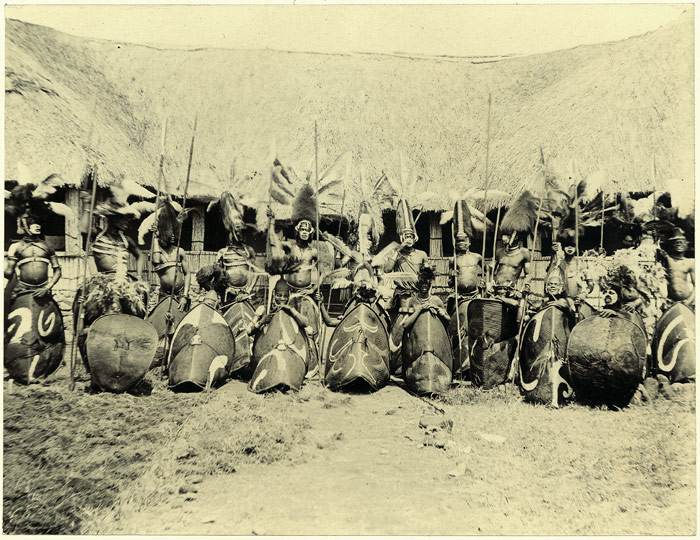
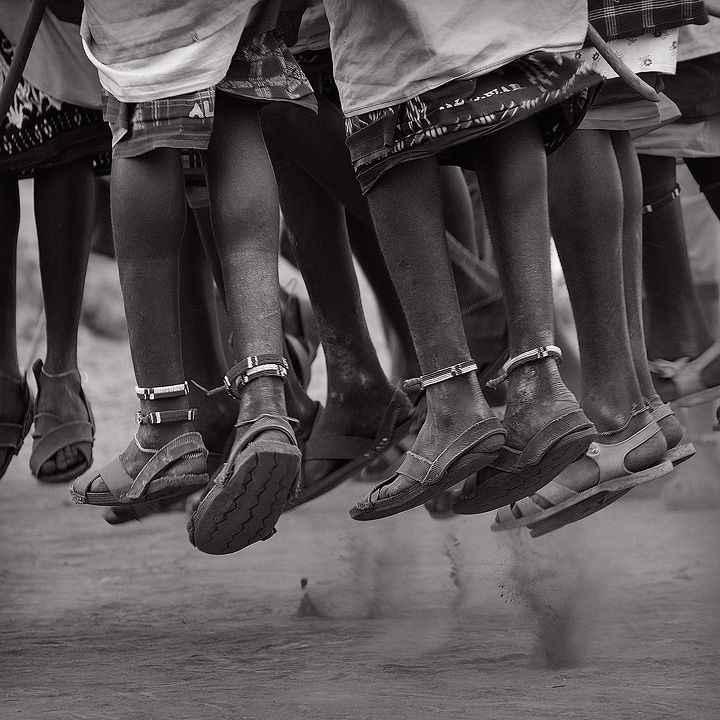
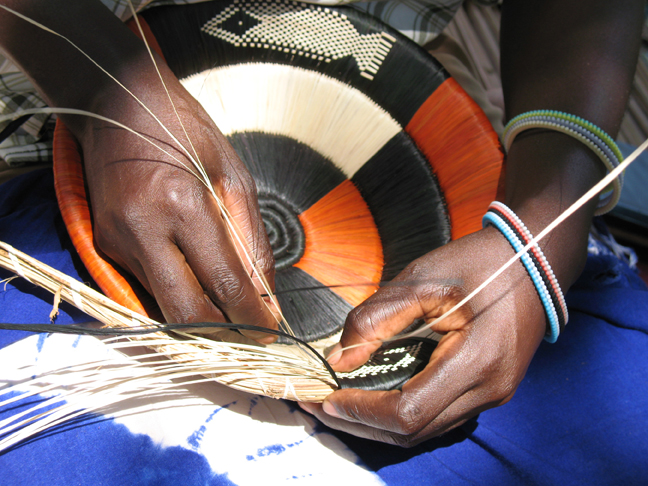
This is causing ripples with people constantly looking out for the new trend in fashion throwing out the original cultural sense of     belonging. We have forgotten how beautiful culture is; for instance in Kenya one can actually pinpoint the few tribal groups that have maintained their culture and style with the Maasai and Samburu         being an obvious stand out.


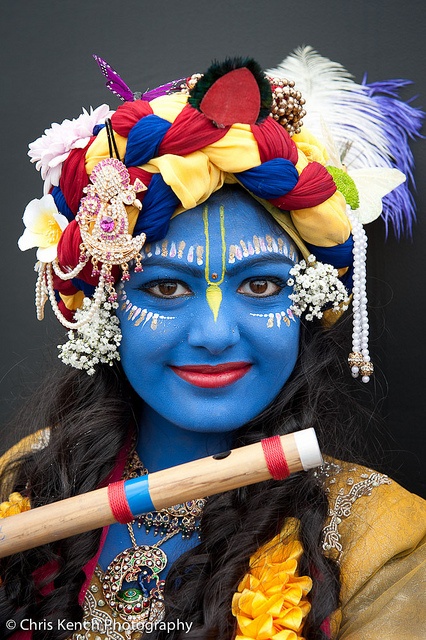
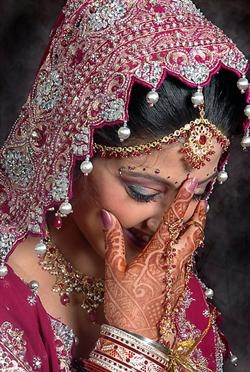
Today we take a step back from the trends and look at some of the most beautiful cultural styles from all over the world. Trends come and go but where we come from shouldn’t..culture and heritage should be widely celebrated.

Celebrate your Heritage!!!

Kenyan National Anthem

The Kenya National Anthem reflects the traditional music of Kenya and the nation’s values. Composed in both English and Swahili, the national anthem focuses on Kenya’s rich heritage that is integral to the nation’s identity. It also emphasizes peace and liberty both within Kenya and with her neighbours.

Interestingly, the method selected to create the anthem had never been tried in Africa. Kenya’s national anthem is notable for being one of the first anthems to be specifically prepared by a group of local musicians. The five member team consisted of G.W. Senoga-Zake, Thomas Kalume, Peter Kibukosya, Graham Hyslop, and Washington Omondi. The tune was derived from a traditional lullaby sung by the Pokomo community. It showcases authentic African melody. The lyrics reflect the convictions and aspirations of Kenyans, evoking utmost civic pride and patriotism.

Source:http://www.statehousekenya.go.ke/anthem.htm

Kiswahili English
1 1
Ee Mungu nguvu yetu
Ilete baraka kwetu
Haki iwe ngao na mlinzi
Natukae na undugu
Amani na uhuru
Raha tupate na ustawi.
O God of all creation
Bless this our land and nation
Justice be our shield and defender
May we dwell in unity
Peace and liberty
Plenty be found within our borders.
2 2
Amkeni ndugu zetu
Tufanye sote bidii
Nasi tujitoe kwa nguvu
Nchi yetu ya Kenya
Tunayoipenda
Tuwe tayari kuilinda
Let one and all arise
With hearts both strong and true
Service be our earnest endeavour
And our homeland of Kenya
Heritage of splendour
Firm may we stand to defend.
3 3
Natujenge taifa letu
Ee, ndio wajibu wetu
Kenya istahili heshima
Tuungane mikono
Pamoja kazini
Kila siku tuwe na shukrani
Let all with one accord
In common bond united
Build this our nation together
And the glory of Kenya
The fruit of our labour
Fill every heart with thanksgiving.

Kenya’s “Little Italy”

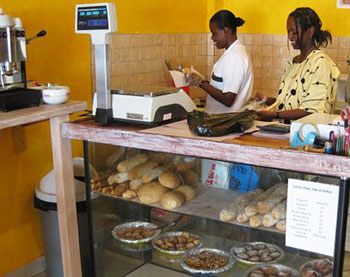
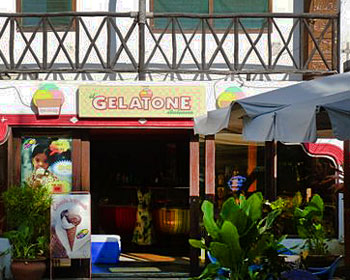
Visiting  Malindi for the first time, one would be forgiven for thinking to be in some part of Italy and rightfully so…one glimpse at this coastal town and everything Italian is conspicuous; Italian restaurants, hotels, bakeries and so on. As a matter of fact, there are more than 2,500 Italian-owned properties in the town including residences, supermarkets, barber shops, butcheries, and other small businesses. What’s more, the locals who by the way speak fluent Italian, will warmly welcome you with a “Ciao Bella” with kids joyfully shouting “Ciao, Ciao”.

bakery Italian bakery

Italian culture is rife in Malindi. More and more Italians are either taking up residence or visiting the town annually. Today around 4,000 Italians are permanent residents, while 30,000 tourists visit each year. There is only one foreign consulate in Malindi — it represents Italy. Italian is probably the third most widely spoken language here, after Kiswahili and English. Goes to show just how deep the culture has seeped in “little Milan”. In fact many local businesses now advertise in Italian, alongside either English or Kiswahili. There has also been the mushrooming of many Italian language centers.

gelato-storeGelato store

For a taste of good pizza, fine Italian wine, gelato and great Italian conversations, Malindi or better yet “Little Italy” is the place to be.

With such a high profile list of visitors to Malindi, the owner of Suli Suli Hotel which was later renamed Bougan Village, the late Duranti Camillo, may long have passed on and his body interred at the Malindi Christian Cemetery but his legacy lives forever in Malindi because he is the one who opened the doors for Italian tourism in Malindi. “Malindi’s good weather and its friendly people make the resort just addictive. Italian holiday makers who come to Malindi for the first time are so overwhelmed by its beauty they often come back, some come back to stay forever” says the Italian Consul in Malindi, Roberto Macri, who himself arrived in Malindi in 1978 and got stuck here. “I found this small fishing village where the weather was so good, the beaches wide and empty and the people extremely friendly, always smiling and co-operative and just felt at home. I decided to stay and even started my new life here complete with a family,” explains the Italian Consul who speaks fluent Swahili and some local languages. Italians interest in Malindi could as well have started in earnest in 1964 when Italian engineers and space scientists arrived in the then bushy town and established the San Marco Space Research Centre in Ngomeni area. Malindi tourism Among other early investors who put Malindi tourism on the world map for quality include international architectural designer and art promoter Armando Tanzini who constructed the White Elephant Hotel & Resort around 1981. Encouraged by Armando and following on his footsteps, other Italian investors such as millionaire Vitali Gianfranco established the Coconut Village. Years later came the Coral Key chain of hotels now owned by one of the most respected Italian investors Marco Vancini. Today the Italian investor owns several blue chip tourist resorts among them the Coral Key, the Blue Key and the Lawfords Beach Club besides many villas and cottages which provide accommodation mainly for top notch Italian tourists.
Read more at: http://www.standardmedia.co.ke/?articleID=2000082966&story_title=the-italian-connection-in-malindi&pageNo=2
With such a high profile list of visitors to Malindi, the owner of Suli Suli Hotel which was later renamed Bougan Village, the late Duranti Camillo, may long have passed on and his body interred at the Malindi Christian Cemetery but his legacy lives forever in Malindi because he is the one who opened the doors for Italian tourism in Malindi. “Malindi’s good weather and its friendly people make the resort just addictive. Italian holiday makers who come to Malindi for the first time are so overwhelmed by its beauty they often come back, some come back to stay forever” says the Italian Consul in Malindi, Roberto Macri, who himself arrived in Malindi in 1978 and got stuck here. “I found this small fishing village where the weather was so good, the beaches wide and empty and the people extremely friendly, always smiling and co-operative and just felt at home. I decided to stay and even started my new life here complete with a family,” explains the Italian Consul who speaks fluent Swahili and some local languages. Italians interest in Malindi could as well have started in earnest in 1964 when Italian engineers and space scientists arrived in the then bushy town and established the San Marco Space Research Centre in Ngomeni area. Malindi tourism Among other early investors who put Malindi tourism on the world map for quality include international architectural designer and art promoter Armando Tanzini who constructed the White Elephant Hotel & Resort around 1981. Encouraged by Armando and following on his footsteps, other Italian investors such as millionaire Vitali Gianfranco established the Coconut Village. Years later came the Coral Key chain of hotels now owned by one of the most respected Italian investors Marco Vancini. Today the Italian investor owns several blue chip tourist resorts among them the Coral Key, the Blue Key and the Lawfords Beach Club besides many villas and cottages which provide accommodation mainly for top notch Italian tourists.
Read more at: http://www.standardmedia.co.ke/?articleID=2000082966&story_title=the-italian-connection-in-malindi&pageNo=2
With such a high profile list of visitors to Malindi, the owner of Suli Suli Hotel which was later renamed Bougan Village, the late Duranti Camillo, may long have passed on and his body interred at the Malindi Christian Cemetery but his legacy lives forever in Malindi because he is the one who opened the doors for Italian tourism in Malindi. “Malindi’s good weather and its friendly people make the resort just addictive. Italian holiday makers who come to Malindi for the first time are so overwhelmed by its beauty they often come back, some come back to stay forever” says the Italian Consul in Malindi, Roberto Macri, who himself arrived in Malindi in 1978 and got stuck here. “I found this small fishing village where the weather was so good, the beaches wide and empty and the people extremely friendly, always smiling and co-operative and just felt at home. I decided to stay and even started my new life here complete with a family,” explains the Italian Consul who speaks fluent Swahili and some local languages. Italians interest in Malindi could as well have started in earnest in 1964 when Italian engineers and space scientists arrived in the then bushy town and established the San Marco Space Research Centre in Ngomeni area. Malindi tourism Among other early investors who put Malindi tourism on the world map for quality include international architectural designer and art promoter Armando Tanzini who constructed the White Elephant Hotel & Resort around 1981. Encouraged by Armando and following on his footsteps, other Italian investors such as millionaire Vitali Gianfranco established the Coconut Village. Years later came the Coral Key chain of hotels now owned by one of the most respected Italian investors Marco Vancini. Today the Italian investor owns several blue chip tourist resorts among them the Coral Key, the Blue Key and the Lawfords Beach Club besides many villas and cottages which provide accommodation mainly for top notch Italian tourists.
Read more at: http://www.standardmedia.co.ke/?articleID=2000082966&story_title=the-italian-connection-in-malindi&pageNo=2
MALINDI, KENYA: When sometime in December 1978, one sunny afternoon, a group of 150 Italian tourists landed at the Moi International Airport in Mombasa, in a charter flight from Italy, and headed to Suli Suli Hotel in Malindi, no one knew that the arrival would herald the opening of tourism floodgates from Italy to the sleepy town of Malindi. Demand for accommodation and Italian lifestyles have, since that December 35 years ago, seen Italians invest trillions of Lira (the Italian currency) in tourism sector in Malindi. Not for nothing then Malindi has come to be known in some circles as the ‘Little Italy’ in Kenya. Looking back , there is no doubt that without Italians, the tourism industry in Malindi would have long died since the Germans and Swiss stopped coming to the resort town many years ago. Italian community The Italian community has invested so heavily in Malindi’s Hotel and Villas accommodation to a level that today- it is one of the few small urban centers in the world with an Italian consulate. Tourism in Malindi is highly Italian-oriented with close to 50 Italian-owned hotels and resorts employing more than 15,000 Kenyans. On the other hand, private villas and cottages in Malindi which are mainly patronized by Italian provide between 5,000 and 6,000 accommodation units. At least 10,000 workers are employed by the owners of the villas and cottages with an average of at least 1,500 Italians living in Malindi permanently throughout the year. At least 30,000 Italian tourists visit Malindi every year. Malindi’s wide, pristine and golden sandy beaches have proven an irresistible attraction to Italian holiday makers who have often included billionaires, politicians and celebrities willing to pay top dollar for the privacy and tranquility that is only found in Malindi. Former Italian Prime Minister and billionaire Silvio Berlusconi has holidayed in Malindi several time including a visit a few months ago.
Read more at: http://www.standardmedia.co.ke/?articleID=2000082966
With such a high profile list of visitors to Malindi, the owner of Suli Suli Hotel which was later renamed Bougan Village, the late Duranti Camillo, may long have passed on and his body interred at the Malindi Christian Cemetery but his legacy lives forever in Malindi because he is the one who opened the doors for Italian tourism in Malindi. “Malindi’s good weather and its friendly people make the resort just addictive. Italian holiday makers who come to Malindi for the first time are so overwhelmed by its beauty they often come back, some come back to stay forever” says the Italian Consul in Malindi, Roberto Macri, who himself arrived in Malindi in 1978 and got stuck here.
Read more at: http://www.standardmedia.co.ke/?articleID=2000082966&story_title=the-italian-connection-in-malindi&pageNo=2
With such a high profile list of visitors to Malindi, the owner of Suli Suli Hotel which was later renamed Bougan Village, the late Duranti Camillo, may long have passed on and his body interred at the Malindi Christian Cemetery but his legacy lives forever in Malindi because he is the one who opened the doors for Italian tourism in Malindi. “Malindi’s good weather and its friendly people make the resort just addictive. Italian holiday makers who come to Malindi for the first time are so overwhelmed by its beauty they often come back, some come back to stay forever” says the Italian Consul in Malindi, Roberto Macri, who himself arrived in Malindi in 1978 and got stuck here. “I found this small fishing village where the weather was so good, the beaches wide and empty and the people extremely friendly, always smiling and co-operative and just felt at home. I decided to stay and even started my new life here complete with a family,” explains the Italian Consul who speaks fluent Swahili and some local languages. Italians interest in Malindi could as well have started in earnest in 1964 when Italian engineers and space scientists arrived in the then bushy town and established the San Marco Space Research Centre in Ngomeni area. Malindi tourism Among other early investors who put Malindi tourism on the world map for quality include international architectural designer and art promoter Armando Tanzini who constructed the White Elephant Hotel & Resort around 1981. Encouraged by Armando and following on his footsteps, other Italian investors such as millionaire Vitali Gianfranco established the Coconut Village. Years later came the Coral Key chain of hotels now owned by one of the most respected Italian investors Marco Vancini. Today the Italian investor owns several blue chip tourist resorts among them the Coral Key, the Blue Key and the Lawfords Beach Club besides many villas and cottages which provide accommodation mainly for top notch Italian tourists.
Read more at: http://www.standardmedia.co.ke/?articleID=2000082966&story_title=the-italian-connection-in-malindi&pageNo=2

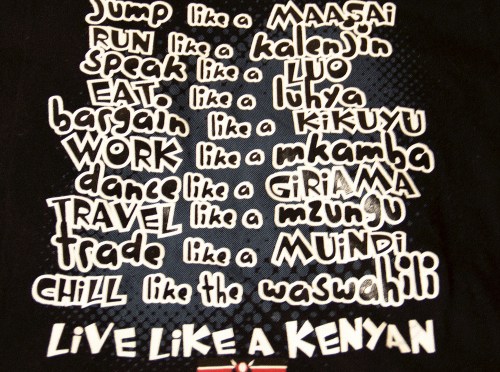
Live Like a Kenyan

Below are some common fun stereotypes about Kenyans and their ethnicity…(not to be tribalistic or anything). These stereotypes normally come up either because of the people’s cultures, economic activities or even how they interacted with the colonialists. Whereas some Kenyans maybe known to have great athletic ability, others are regarded as agile business people, traders and so on…Here are some fun stereotypes for you (true or not).

The Kikuyu

eb4175fb45c34808011965b59fa5cf80Women
Everyone has heard the one about Kikuyu women. How they plait their hair, read a novel or knit and placidly inform their partners to cover them when they are through with their business. If one day you return home to find an empty house and your children gone, then you are in the groove with a Kikuyu. They are known to be “packers”. They will pack and go with the children and furniture after 40 years of hard labor on a marriage. A common saying goes “A Kikuyu woman will treat you like a king as long as you have cash, but toss you like rotten mutura (traditional sausage) once you are broke.”

Cynics say Kiambu women are so materialistic! They will kill their marriages to enjoy the wealth alone. One Kikuyu lady coined the following phrases to her defense, “I would rather cry on a Mercedes than laugh on a bicycle. Money is not everything it is the only thing.” But Lydia Wambui comes to her sisters’ defense. “Everyone loves money. You cannot go to your landlord or the headmaster at your children’s school and say, ‘we are in love, please understand us for not paying.’ Love is no substitute for money.” Wags also poke fun at the culinary skills of Kikuyu women. They will mix rice, arrow roots,  sukuma wiki, potatoes, githeri and all imaginable ingredients in one pot. Their men have to always sneak out to enjoy nyama choma or chapati in a smoke-filled joint on their own.

They say all women are said to be schemers but the Kikuyu have perfected it to an art. On the first date, they have you all sized up. Wallet size, level of education, future ambitions. So by the second date, you will be paying their rent.

The Nyeri ones are fabled to be harsh and authoritative. If you have the bad fortune of marrying one, chances of being her punching bag are inevitable. They are the Thatcher’s of Wahome Mutahi fame. Rivals in love will also dismiss them on account of their figures. Below five inches in height, light complexioned, round pretty face with long lovely hair, over-sized chests, voluminous hands, flabby waist lines, ironed out behind, vertical hips all suspended on hockey-sticks-like legs.

They are known to have an undying thirst for white shoes.

Yet even their hottest critics acknowledge that they are so hard-working and organized that their men only come home in the evening to collect cash for their drinking sprees.

Men
The Kikuyu man walks eats and dream more plots, matatus and company shares. The ambitious and hard-working nature of these men dates back to the Wangu wa Makeri era. You are on your own after they give you a ‘mugunda’ a plot.

And most people must have heard the joke about the Kamau’s coming for your hard-earned money in the middle of the night. All the vices such as muggings, carjackings etc are believed to be their preserve.

It does not matter how far the economic ladder a Kikuyu man is, he will always have some “deals” in the name of business. Often these deals will be hatched and sealed in a smoke-filled bar.

But if you think he will have extra money to take you to some posh place, forget it. They are said to be so stingy that they believe leisure and expensive food is for fools. A typical Kikuyu man’s luxury car is a pick-up, and he believes you relax in the countryside weeding your shamba, not frolicking on the beach in Mombasa . Because of this, women think they are unromantic and dull. Their perfect date is taking a woman to dance to Mugithi while you eat nyama choma and mutura.

They also love moving in cliques and speaking their mother tongue everywhere even if you, a non-Kikuyu does not understand their language. Women say Kikuyu men assume that all light-skinned women are from their tribe. So they will talk to you in their mother tongue. If you express displeasure, they will sneer and tell you “wacha kujiringa!”

Then they are known to have parallel families. Word has it that a Kikuyu man will not marry a second wife, but will have mistress or two tucked away somewhere. It is only when he dies, that the other family surfaces. The joke is that, your kids and those of the mistress will have been born at the same time. If you have four children, she will also have her four. If you are thinking of ignoring the mother-in-law, then steer clear of this man. Kikuyu men are mama’s boys. So the way to his heart, is through his mother.

They are also said to be poor dressers and lack refined mannerisms. A must-have in every Kikuyu man’s wardrobe includes Savco and Freezer jeans preferably brown, Chicago Bulls T-shirts, North star sneakers and an over-sized leather jacket.

The Kamba
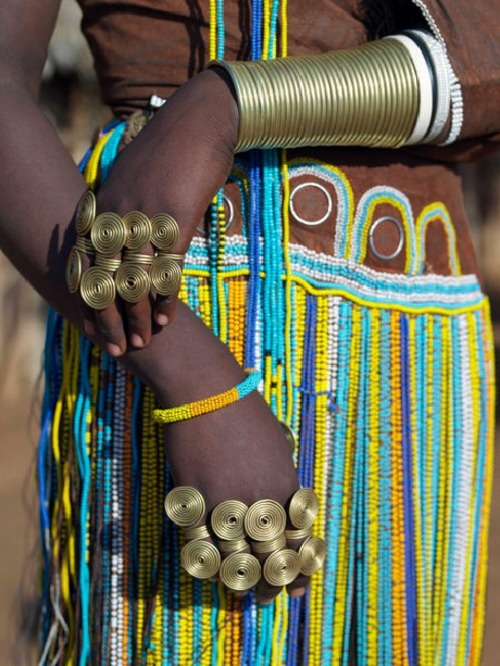
Kamba-CultureWomen
The myth of the sex athlete goes back a long way. Kamba women are known to be a force to reckon with. That is why they are hot material for barmaids. By the time she is 30, she is in total control. It is said that they are given a thorough briefing by their aunts and grandmothers as part of their initiation rituals. And yes, many of these women are unbelievably stunning in looks. She gives you a killer smile, giggles knowingly, and you want to marry her there and then. So why do Kamba women marry in the military? Army men’s weddings are full of glamour and endless feasts. They also love celebrity. However, for them, serious business is popping up juniors year after year.

And if you want to feed numerous dependents, then marry a Kamba. By your third date, her cousins, grandparents, sister’s boyfriend…are on your miserable payroll. And of course there’s the joke about colour clashing. You know, a mix of screaming orange and luminous green is a God sent match for them.

Men
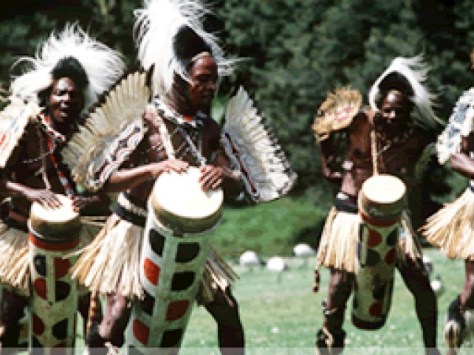
Like their women, Kamba men are said to be athletes of sorts. Kamba men are born and bred to follow instructions. Starting from their mothers to their employers. For this reason, they make perfect domestic workers and messengers.

They are dismissed as being clueless about their future, their only ambition being to work in the army or at least get related to someone in the army through marriage. Kamba men have small features, which people say is because of the persistent droughts in their motherland. But if you were thinking that this would give you express liberty to be unfaithful, then forget it, they make jealous spouses and can be extremely possessive.

The Coastal People
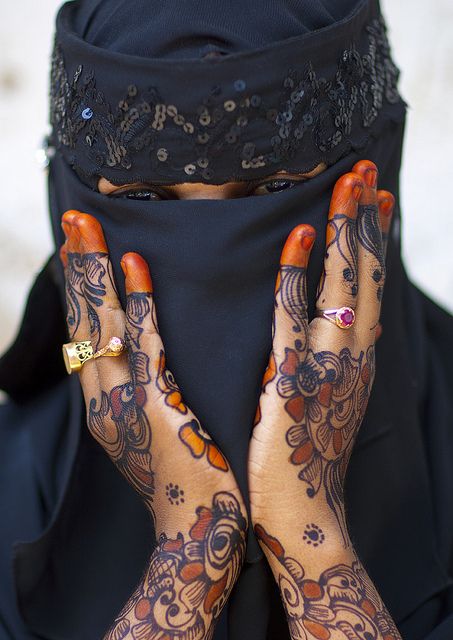
623304f197ebecbd0d4c075a358a552aWomen
A police friend once informed me that their officers are given a firm warning when they get transfers to the Coast. You will need all your wit and guile to resist the coconut women. Love potions come in handy. Once the man is fixed with it, he is transfixed to her for life. You are her boi (boy) eternally. Critics say these women are so idle that they spend the whole day applying henna all over their bodies, prepare elaborate weddings and cook biryani the whole day as they gossip.

Stories have it that these women are well coached in the art of pleasing their husbands. No one understands better that the way to a man’s heart is through his stomach – chapatis and pilau (which they are experts in making) do the job. On the looks department they are endowed with dashing looks and mellow voices. The Taita are said to make exemplary, humble wives. But when they make up their minds that a relationship is headed for doom, they are known to vanish back to their parent’s faster than you can say ‘mdawida’.

Men
Coastal men are said to be smooth talkers but lazy to the bone. For any hard labor, look for a ‘mtu wa bara.’ With their mastery of the Kiswahili language, they can even talk Osama from his hideout.

They are the classic example of what a gentleman is supposed to be. With their use of flattery, and their love for speaking in low, husky tones, many women confess to being transfixed to the Swahili man. But in the words of one lady, “they talk too much; like they have swallowed a tape.”

The Taita are most humble. They fancy cooking mouth-watering dishes for their women. However, their Swahili counterparts are said to love living off the sweat of their women. And they are betrothed from birth.

The Luo
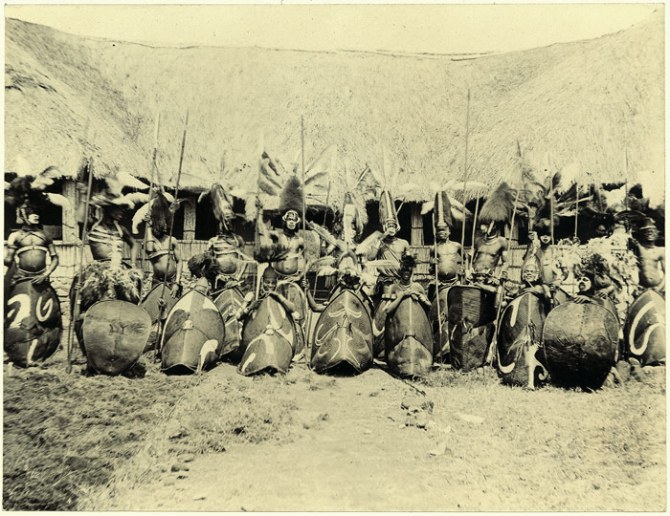
1998.209.43.7-OWomen
Lakeside women are said to stick to their men like glue as long as they suspect love is in the air. But don’t you dare look at another woman! If you do, she will have you and the other woman by the neck. They are in love with first impressions. You have to have class.

If you wear moccasins on the first date and drive a pick-up, she will dump you like rotten fruit. And you better talk English (never Kiswahili) with a rounded twang. Big words (especially the ones she does not understand) make a lifelong impact. And the restaurant better be classy, not necessarily expensive. If you fulfill all these, by the tenth date, you will spot her clothes in your wardrobe. She has moved in.

Luo women are prided to have “drop dead gorgeous” bodies – with ‘Adhiambo sianda’ being their brand name. True African figures, they say. They are also known to be good cooks and bewitching lovers.

Men
Luo men are said to be romantic lovers and big spenders when they have the money. Whether it’s shopping in Dubai, being taken to posh restaurants or flying you off to some exciting location, the man to give you a good time is a Luo man.

Women are unanimous that these men from the lake will treat a lady like a queen, but only as long as a lighter complexioned woman does not emerge on the scene because then you will immediately be past tense. No wonder all Luo songs sing of ‘kalando’ (the brown one.)

Bar room chat is rife on the suave flamboyance and extravagance of a Luo man. For this man, tomorrow is a long way off. Life must be lived to the fullest today. Spending all his money on a cool Mercedes and parking it outside a grass-thatched hut in the village means nothing to this man. The important thing is to be seen driving the car.

When it comes to courtship a Luo man will not stammer in shyness when he approaches the woman he wants to be acquainted with and will not bat an eyelid when promising a non-existent heaven. He will insist on speaking to you in English because he cannot converse in Kiswahili.

They dress in flashy, expensive suits, shoes and ties. They will talk about their attractive young wife, the last trip overseas, the expensive car, furniture, electronics and mobile phones that they own. Listen to Poxi Presha’s ‘Otonglo time’ and the famous “Do I say line” will tell you everything you want to know.

Many Luo men from the older generation love old Lingala music and football. The younger ones love cricket and rugby. Cricket because it is still a mystery to many Kenyans and rugby because of the macho image.

It does not matter how vast your experience or how much wealth you have, without a degree, you are nobody. Count the number of professors from this tribe at any of our universities and you will know what I’m talking about.

But despite all this, a Luo man will not think of investing his money in anything substantive. Women from other tribes believe that even if he marries a non-Luo, this man will eventually marry from his tribe.

The Luhya
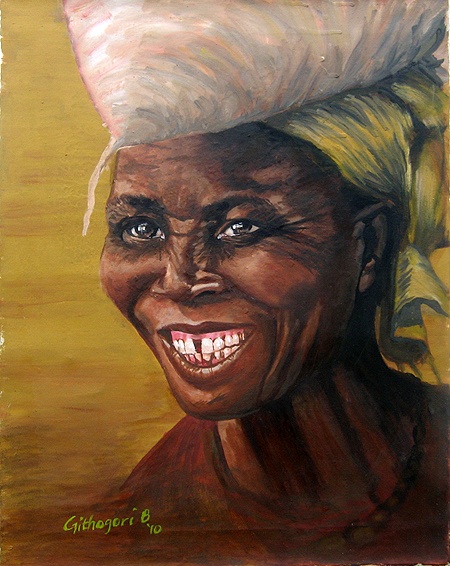
fa72aa0adbfb3a3c19d1d0cc0434ea1eWomen
These women are known to be modest and to have austerity. They cannot stand extravagance. A Luhya woman would rather stay at home and drink numerous cups of tea than have you take her for an expensive dinner. But as long as there is constant supply of ugali and Ingoho (chicken), she is yours for keeps. Then they are known to be in the business of making children. If she is not breast-feeding, she is pregnant.

The Internet caricature paints her as a being born-again, and forever busy. She is the village chairperson, treasurer of your kids kindergarten PTA, secretary of the women merry-go-round, weaves baskets in addition to being out every night for church Keshas. And if you are thinking of meeting the boys over a Tusker…then this is the wrong type. Luhya ladies are protective. And with their strong physiques, you would rather follow mummy’s advice than have your bones broken.

Curly kit hair is their distinctive look. They love it so much that every Luhya woman who prides herself as having a distinguished style will have her hair roasted for this look.

Men
Though hard-working especially manually, Luhya men are said to be very content with what they have. Their rivals say this is lack of ambition. That is why the shamba boys, watchmen and cooks joke comes from.

Those in the know say the Ingoho (chicken) men are intimidated by the modern woman. They’d rather marry a girl from the village who is happy to stay-at-home. But if you get married to the man, be ready to take care of his children from his teenage days to date.
Luhya men never leave their children behind. In addition, you will always have a full house. These men have many dependents. So start by investing in many utensils and big sufurias.

Unlike many men, you can always tell if a Luhya man is unfaithful. If he has not brought home a child from an illicit affair in five years, then relax, the man is an angel. And if you do not want to have a live-in mother-in-law, learn to cook ugali and mrenda before you marry this man. If you cook him rice or githeri for supper, he will still be waiting for dinner. The one about Luhyas and their addiction to salaams clubs and small portable radios is an old cliche now.

The Kalenjin

CulturalKalenjin5Women

My colleague informs me, that if you are bombarded with unsolicited information about her many prominent and rich relatives in the previous government, right after the first kiss, then you have nabbed a Kalenjin lady. Promise a Kalenjin woman marriage and she is yours for keeps. If you play your cards right then you can take her home on the second date.

Strictly missionary. They are agreeable and submissive, but rather like their alcohol. Nagging they are not, but their tempers are legendary so why do they say if you come home after three days, smelling of a strange perfume and with red lipstick all over your white shirt, a kalenjin woman will not utter a word?

If they discover their man is unfaithful, they will kill themselves and drown the children. Kalenjins like to joke that Nandi women are lazy, Tugen are rude and the Marakwet violent.

Men
If you are looking for a generous man then look no further. A Kalenjin man will be elated to spend his money on any lady and her extended family. For them, expensive is best. The joke doing the rounds is that if a Kalenjin man takes a lady shopping, he will beseech her to select the most expensive dress in the shop. They are also said to be very cold and remote. They always manage to look vague when so much is happening around them. But this does not hinder them from the desire to date classy women.

It is said that Kalenjin men have misplaced priorities. They will build a stone house for the combine harvester and the cows and surround their homes with beautiful fences while their houses are grass-thatched and mud-walled.

Kalenjin men do not carry their spouses to town. They leave them in the rural home to look after the shamba.

Kaunda suits, preferably a maroon one and a cardigan worn with a suit is a must-have for any self-respecting Kalenjin man. Men from the Kipsigis sub-tribe are reputed to be quite handsome.

The Maasai 
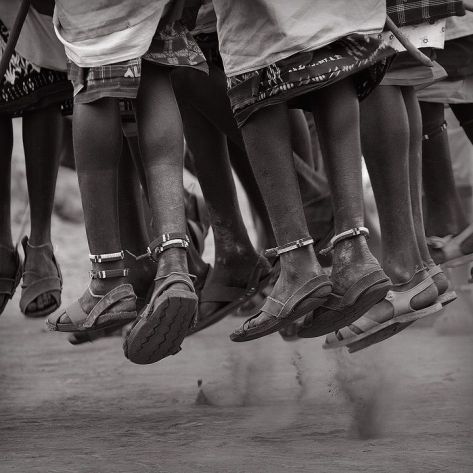
86340a41f64b1c0afc576e1b63b78f6fWomen

Maasai women are unquestionably obedient. They will never dream of correcting their men folk. They still view their husbands as “lord of the house” People believe Masaai men are still glued to the custom of planting spears outside their age group member’s manyattas to warn the husband that serious business is taking place inside the manyatta.

Their women toil like oxen. They build the manyattas; graze the cattle, cook, and farm in addition to rearing children. They are also generous with their husbands. Even if their husband married the 7th wife in three years, they will not object. In fact they encourage their spouses to marry – you know, to share the work. They can be astoundingly beautiful.

Men

Maasai men are said to be fierce, courageous but unreasonable. You do not argue with one because you will provoke him to a feud.

A Maasai man will do anything to marry a beautiful woman. However, to them, wives are lower in rank than children. You will find them playing ajua the whole day as they await the return of their wives and children from grazing the cattle.

For a Maasai man, serious business is getting an extra wife year after year.

The Kisii

PriyaNawouWomen
Once a Kisii woman has it in her head that you make her world rock, then you have a lifelong attachment. She will never leave, even if you hire ten bulldozers to evict her from your house. They are also well-known for their fiery tempers. Recent cases in the media about battered husbands involved Kisii women. As for money, they are the reverse of Kikuyus – money and posh cars do not impress them much. And when it comes to dressing? Those in the know say their dress sense is not the most impressive

Men
The description “tall, dark and handsome,” applies to the Kisii man.

They are also known to be charming when the fiery tempers take a back seat. But like all gorgeous men, they have several other women on the side apart from you.

They are said to be so emotional that they will cry as they are beating you up.

The Meru
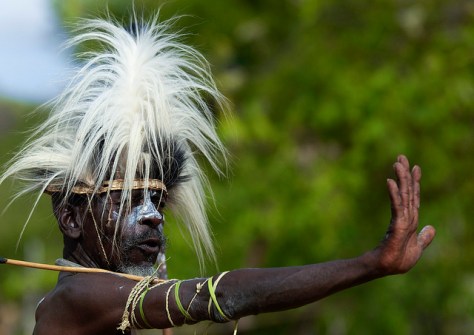
3777820424_16621bce73_zWomen
If you are head over heels in love with a woman and are sure she loves you secretly, but she is playing hard to get by the 30th date, then you have struck a Meru.

Bar room talk has the Meru woman so faithful and agreeable that they will fight divorce to the bitter end.

They are traditional and remote, with the village never coming out of them.

Like their men, they are reputed to be hot-tempered and can shred you to pieces if you cross their path. In the looks department, a Meru woman will hold her own against any beauty queen.

Men

For a die-hard Meru man, it is against taboo to enter the kitchen. He would rather starve to death than enter this domain which he believes to be strictly a woman’s.

A Meru man’s temper is unmistakable. If you dare to provoke him, he will very easily smash you to pieces.

No matter how well exposed or versed in the Queen’s English he is, the Meru accent will never go away.

They have an attitude problem and take everything personally. They are also said to be quite bossy in a relationship. What he says goes.

Source: Fans of Crazy Monday’s

Did you know? (Interesting facts about Kenya)

images

  • Kenya is the world’s forty-seventh largest country at 580,367 km2 (224,081 sq mi), just after Madagascar, roughly the same size as Texas at 362,040 square miles.
  • Kenya only has two seasons. One rainy season and one dry season in a year.
  • Driving the Kenyan way means fitting over 20 people in a 14 sitter passenger van.

Parks

  • Did you know that…There are more than 65 national parks and wildlife preserves in Kenya and about twenty hectares of rainforest here contain more bird species than the whole of Europe. Much of Kenya’s native flora is also not found anywhere else in the world.

ki

  • Kenya’s wildlife is unrivalled by any other in the world, both in terms of numbers and variety of species. Thousands of tourists visit Kenya every year to view the wild life particularly the wildebeest migration.

CONNOCHAETES TAURINUS

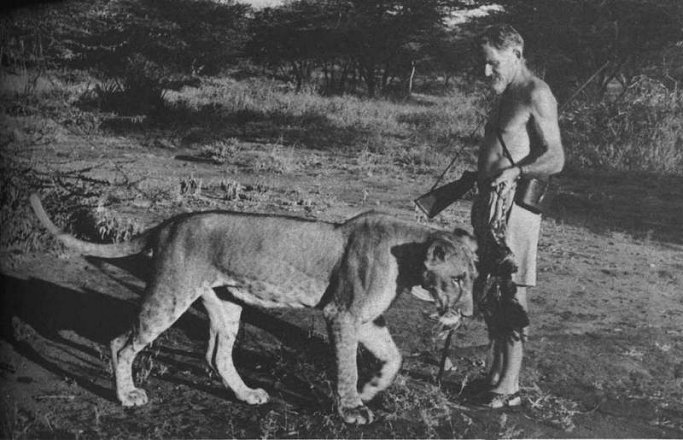
  • Did you know that…The Meru National Park ( and Kenya, of course) has the distinction of being the home to lioness Elsa, one of the most famous animals in history, together with Rin Tin Tin (dog), Digit (gorilla), Lassie (rough collie), Laika (Soviet space dog) and Flipper (dolphin). Elsa gained worldwide fame as Joy Adamson published her bestseller “Born Free”, which had several million readers around the world.

GeorgeAdamsonStandingWithElsa_OfferingABirdGeorge Adamson with Elsa

Big Five

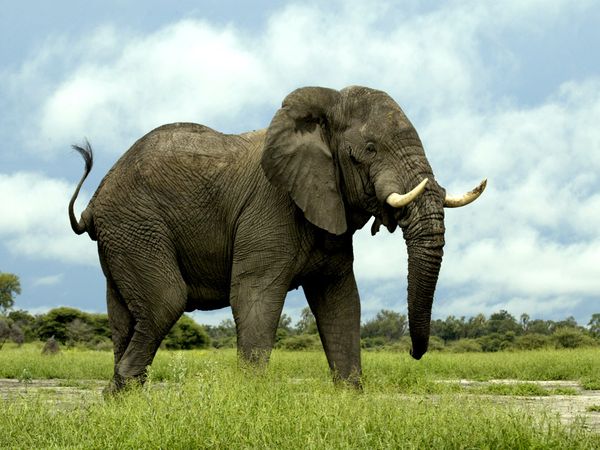
  • Did you know that…Elephants flap their ears to cool down their body temperature? Despite their size, elephants are able to walk silently through the bush because they walk on the tips of their toes – which is actually a  thick cushion made up of elastic tissue.

african-elephant_435_600x450

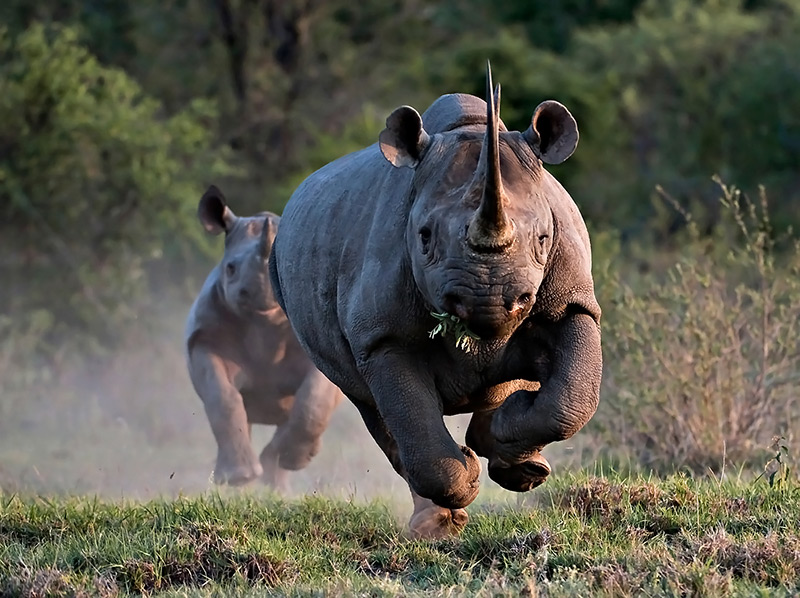
  • Did you know that…Rhinoceros have roamed the earth for more than 50 million years. Rhinos have poor vision, but an excellent sense of smell, and good hearing.

4833792_orig

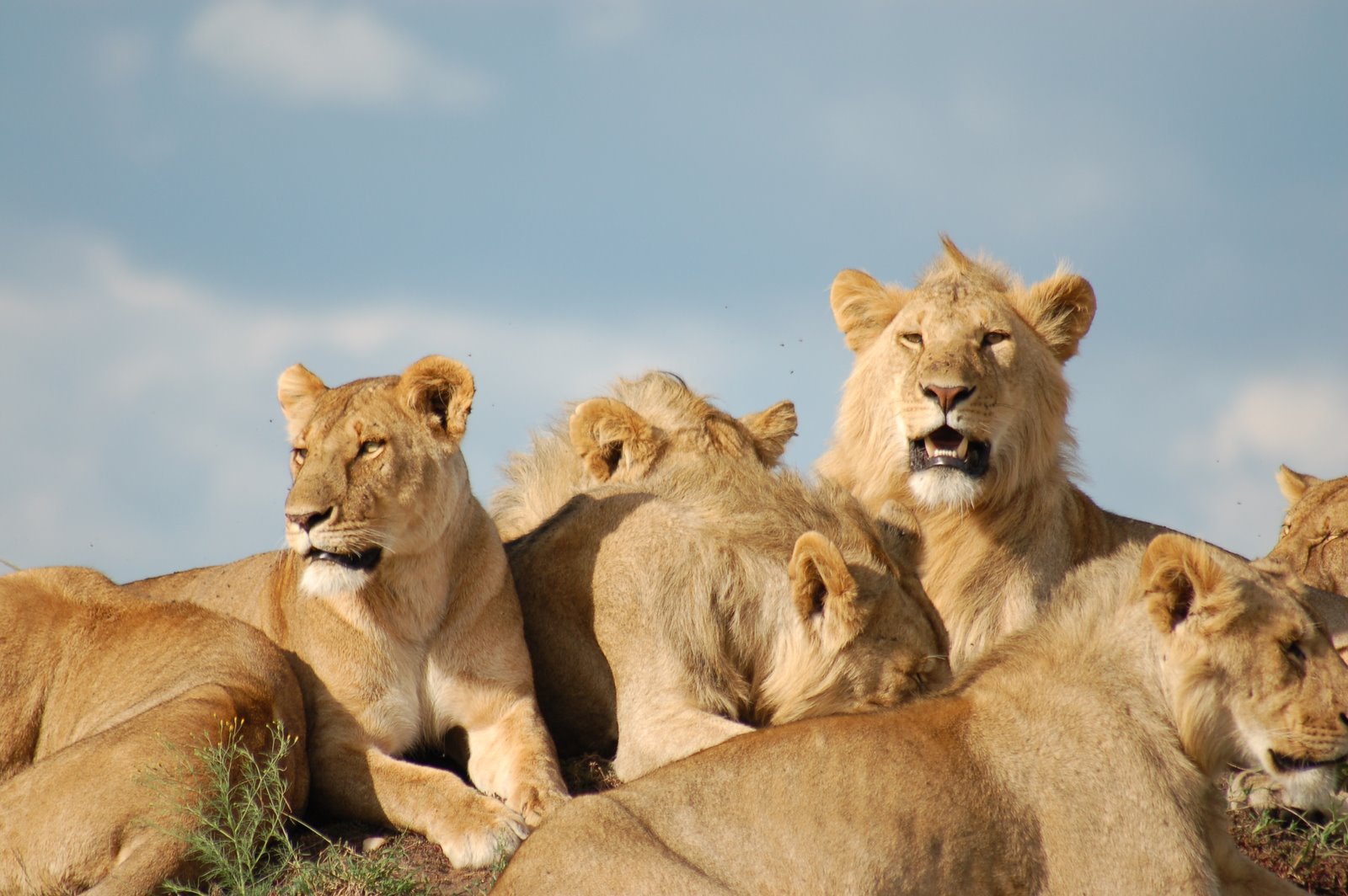
  • Did you know that…Lions are the most social of all cats, living in prides of several females, and working cooperatively to hunt and raise cubs. Lions will sleep up to 20 hours a day.

D3 Pride of Lions 狮子群Lion%20Pride%20in%20Mara

  • Did you know that…A leopard’s spots (actually called rosettes) are shaped differently depending on their habitat. In eastern Africa they are circular  but square in southern Africa. Leopards are the ultimate athlete, being able to run at speeds of over 35 mph and have been known to be able to jump 10 feet in the air.

09

  • Don’t mistake the physical similarities of the buffalo for their domesticated cousins. The Cape Buffalo is considered to be one of the most deadly of Africa’s Big 5. They have been known to mob predators and attack game hunters. Cape Buffalo need to drink every day – that’s why you’ll see them in herds numbering in the thousands in the grasslands, but never find them in the dessert.

0391c4b6-1a2b-471a-bb85-49196ebaa2ad.Kenya-hellsgatenationalpark-buffalo Trophy