Zuru Kenya is a sophisticated, high quality, visually impacting travel, leisure and lifestyle Blog. We seek to raise the profile of Kenya by showcasing its diversity in cultures, tastes, wildlife, stunning landscapes and more!
Our passion for travel drives us to highlight what makes Kenya a top tourist destination (not only in Africa but worldwide) and the premier of wildlife safari. Our aim is to bring you relevant travel content that features Kenya's fascinating history and culture, her people, amazing sights & sounds and beautiful regions designed to aid you in planning and/or enjoying your trip to this beautiful country
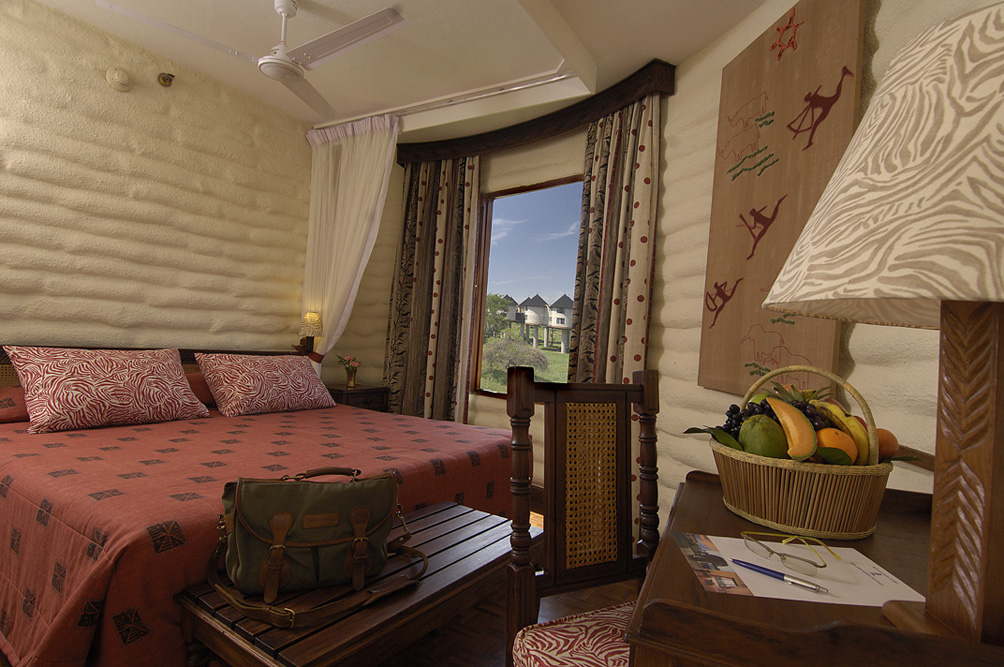
For decades Sarova Salt Lick Game Lodge has been one of Kenya’s flagship lodges, famed for its warmth, vibrancy and legendary hospitality. A favourite amongst travellers in search of luxury accommodation, Sarova Salt Lick Game Lodge is a luxurious safari escape set in the heart of the Taita Hills Wildlife Sanctuary overlooking a waterhole and the vast Tsavo plains. Sarova Salt Lick Game Lodge’s charm is evident from the outset. Here you will savour uncompromising high standards of service, efficiency and personalised attention. The entire lodge is raised on stilts, providing 24-hour game viewing opportunities from any corner of the lodge. Each room is spacious and beautifully appointed, featuring exquisite ethnic décor in keeping with the Tsavo environment.
Sarova Salt Lick Game Lodge’s spacious, well-appointed double rooms are all en suite and give you a chance to enjoy breathtaking views of wildlife from the comfort of your room. To add to the charm and intimacy, the soft, fine linen, huge beds and thick white towels quietly whisper romance. All bedrooms have mosquito netting and a ceiling fan, and each room is equipped with electric current: 220 volts, 50 cycles AC, shaver outlets 110/220 volts, 50 cycles AC. Sarova Salt Lick Game Lodge offers luxurious accommodation and facilities and is the perfect place in an unforgettable setting to explore the surrounding natural environment.
Don’t you like the mannerisms of lions at a waterhole ……. others drink, others keep guard … I think that helps them be at the top of the food chain …
Come, I’ll show you a place where we can leave the world behind and be one with nature.
… if only we opened our eyes and see the beautiful sights that surround us then we would see the Love and Trust that God has in us; to create very beautiful things (nature) and leave it under our care … believe me friends, God Trusts us with very big responsibilities and has confidence in us (through HIS strength in which we can do all things or all things are made possible). If we can take care of creation, everything good in creation will follow us.
Chit-chat at the waterhole ….
There’s something about Kilifi that attracts you, amazes you and make you feel high! The endless view of the sisal plantations, the massive baobabs that dot the regions past Takaungu and the gentle rolling hills … Kenya is full of friendly people – Kilifi is blessed with the friendliest of people (with a rich cultural heritage) in Kenya … has huge variety of birds … and white sandy beaches …. take a peak at Mnarani Club from the region near Tusky’s Supermarket across the bridge.
Good morning friends … is it not so beautiful to see this rhino herd in one place ??? Poaching is a despicable crime against our wildlife and trading in animal parts must be stopped by all means.
I believe that there are other animals that have never seen other animals before … clearly this spoon billed stock had never seen an agama lizard before, what with that look and one leg curled up? From the look of things each is wary of the other lol!
Lion taking cover from the hot sun under an aeroplane in the Masai Mara …
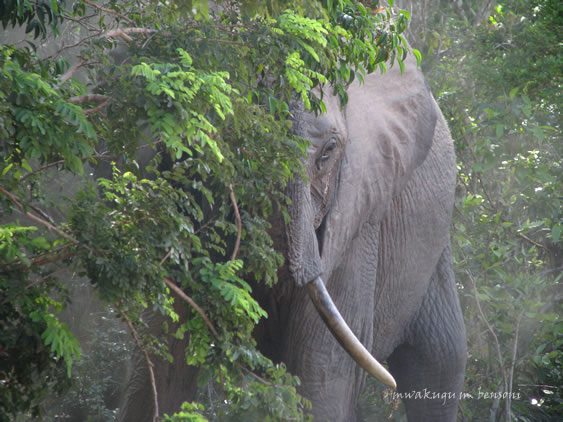
There is a misty wilderness lying 400 metres above sea level and just 30km outside Mombasa, one of the last remaining coastal rainforests on earth – The Shimba Hills National Reserve, the only home of the Sable Antelope in Kenya and the abode of forest elephants (among other wild animals) who are always there watching you … but you got to pay good attention to spot them
There’s trouble brewing here … silverback you better get out of the way …….
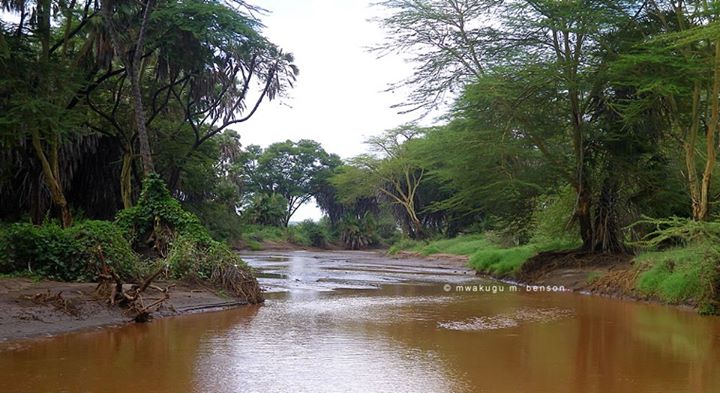
Tsavo River – a raging chocolate colored river home to crocodiles and hippo – we had one snort but could not see it – the sounds of nature filled the air – to be honest this is a nerve racking part of Tsavo West – if you happen to be here alone you will want to leave in a hurry
Kutazama – just outside Mombasa – 50 km from the city Center – Suitable for day tours or 1 overnight (or more).
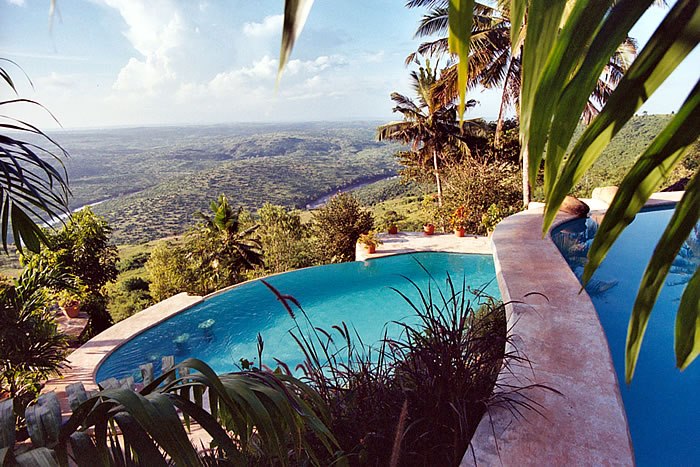
Kutazama is set on an escarpment overlooking the Mwaluganje Elephant Sanctuary in Shimba Hills National Reserve and has spectacular views over uninhabited plains and forests, stretching as far as Tanzania and Mount Kilimanjaro can be seen on a clear day
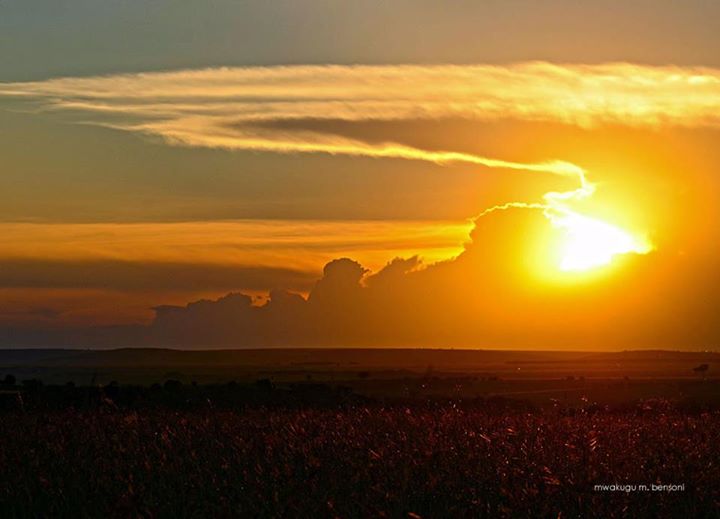
Sunset over the Mara…stunning!!
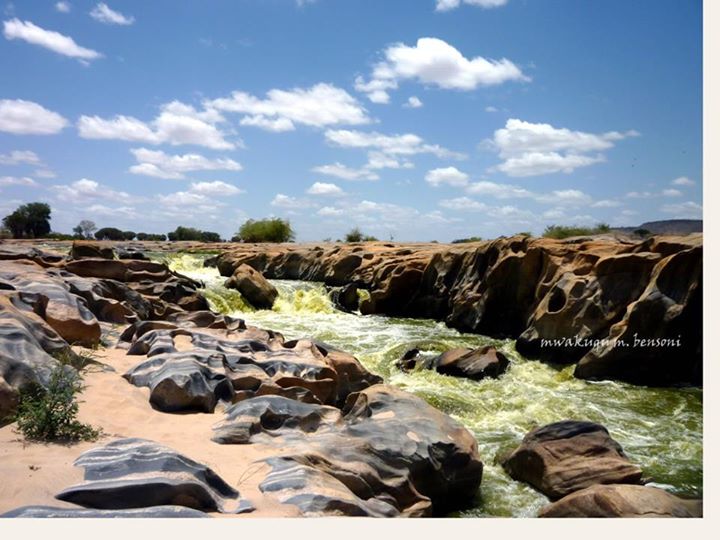
Lugard’s Falls – Tsavo East National Park: Named after the Britain’s first proconsul of East Africa, Captain Lugard, the Lugard’s falls are in fact rapids where Galana river disappears into a rocky gorge so narrow at one part that it is possible to stand astride the cleft with the falls below. The beauty of the site are the multicoloured rocks carved over centuries by the water and taking fantastic shapes. The rapids, becoming ravaging floods during the rain seasons, plunge into a large pool below where giant crocodiles are resting and lying onto sandbanks.
The Vulturine Guinea fowl is the largest and the most spectacular species of Guinea fowl and is excellently adapted to living in dry African regions, being able to live for a long time without water, obtaining all the necessary fluid from its food which include acacia tree leaves.
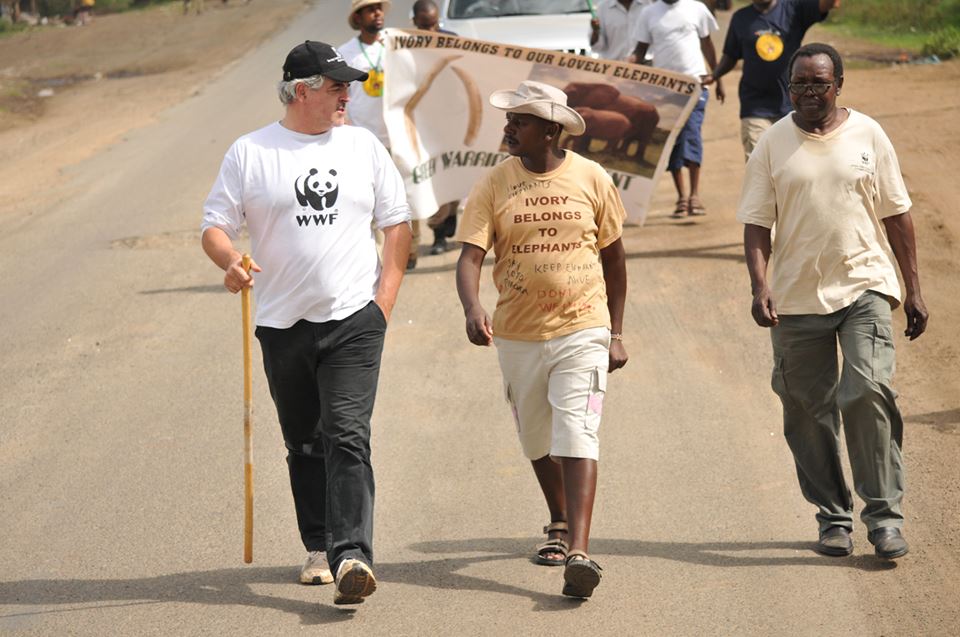
In February this year, Wildlife conservation activist and CEO of Elephant Neighbors Center (ENC) (a Non-Governmental Organization whose mission is to protect the African elephant and secure landscape for elephants outside protected areas) Mr. Jim Nyamu set out on an important mission, Create public awareness on poaching and the plight of elephants in our country by walking from Mombasa to Nairobi. He has since covered about 1500km on foot having traversed other areas that include; Maasai Mara in Narok County, Mai Mahiu, Naivasha, Nakuru, Nyahururu, Nanyuki, Laikipia, Wamba, Archer’s Post in Samburu, Isiolo and Meru. Mr. Nyamu has achieved quite a feat that also saw the First Lady Excellency Mrs. Margaret Kenyatta accompanied by Prof Wakhungu (Environment cabinet secretary), KWS Director, Mr William Kiprono and other officials partake in even just so for a few kilometers.
The noble endeavor came to a close on the 29th of June with a ceremonial walk to the Ivory Burning Site in Nairobi National Park to pay tribute to poached elephants. The site was set up in remembrance of the iconic incineration of tonnes of ivory stockpile in 1989 by retired President Daniel Arap Moi. The walk, dubbed ‘Ivory for Elephants‘ was under the banner of Elephants for Kenya, a coalition comprising individuals and organisations, cutting across all sectors of society united against elephant poaching and sensitising the public on the importance of elephants to Kenya’s economy and people’s livelihoods. The organisations involved included Elephant Voices, University of Nairobi, Elephant Neighbors Center, Maniago Safaris, African Eden, Youth for Conservation, Save the Elephants, World Wildlife Fund (WWF), International Fund for Animal Welfare (IFAW), Friends of Nairobi National Park (FoNNaP) and Stand Up Shout Out.
From Jim’s diary we get a few excerpts to help us delve into his world and get a feel of how his experience was…
9th February Flag off of Ivory belongs to Elephants walk.
I started the day with my team at Nakumatt Likoni at around 9 am. I met with the branch manager Mr. Aswani and briefed him about the walk. He then flagged us off at 10 am. We were then joined by the Nakumatt staff and together with my team the procession started from Nakumatt Likoni escorted by a traffic police officer. I led the walk through Kenyatta Avenue via Tononoka traversing Kibarani into Makupa. It is at this point that I was interviewed by several media houses. Mombasa Island, being a very busy town with a large population, many vehicles and narrow roads, is characterized by heavy traffic congestion especially Kenyatta avenue where the walk began, this is due to the heavy traffic flow coming from the Likoni ferry. So for us to hold traffic on such a major road, it was obviously expected that motorists would be highly inconvenienced to the point that some hurled insults. One truck driver for instance told us to hold our demonstration in remote places like Isiolo (a town in Northern Kenya) where there is no traffic, only camels. (This was however humorous especially because of his native Swahili accent, they are so eloquent and convincing in how they speak, I think one day I just might walk in Isiolo: lots of elephants there too). Many of the locals however were very supportive and had lots of encouraging words. Many are aware of the elephant situation in the country which I had anticipated given that there was a demonstration of a similar theme held in Mombasa town some few days back. Being the first day, I was surprised that the weather condition was in my favor. It was cloudy all morning hence unusually low temperatures for an area of such low altitude. (Maybe God was setting a fast pace for me) It is because of this weather that I was able to walk all the way to Mikindani a distance of about 17km despite the late flag off in the morning which was delayed 2 hours due to logistical issues. On reaching Mikindani, I was joined by Ivan of African Free Press and after a short interview and taking a few photos I extended the walk together with him for another kilometer. Satisfied by the days turn out of events, we went back to Wildlife Clubs of Kenya and called it a day.
13th February, Five days after flag off
I left the camp much earlier today as compared to yesterday. At around 7:30am, having covered almost five kilometers, My good friend Captain George flew past me at a low altitude and saluted from his KWS aircraft, he is a great man and I feel honored. The Captain was my college mate and this noble gesture reminded me that I was not alone in this fight. As I walked on, I encountered 5 carcasses, 1 jackal, 1 hyena, 1 African, hare a mongoose and a vervet monkey all at different points. My guess was they had been run over by fast moving vehicles. I felt so sad and distracted it even slowed down my pace. I stopped at around 10.00am to take my usual rest which happened to be in a wildlife watering point. I also had to take a few gulps of water. The nurse checked my blisters, a little massage and I had my light meal before I got ready for the midday and afternoon walk. In the afternoon I covered another 15km the sun was a little scorching but I managed to meet my target. I made my stop for the day 15km past our campsite for today (Wildlife Works) in Maungu town and then came back to Wildlife Works where we had a very warm welcome from Rob and the team. They gave us tents for the night. My blisters are getting worse, they are quite big and my left foot is swollen. One of the team members won’t even look at my feet, says they are too fragile to massage, another threatens to burst the blisters when I’m asleep because they are too large. I think tomorrow I’ll walk in my open shoes, at least in the morning hours. The internet connection here is great, I haven’t slept on a bed in a while, it feels great….am going to bed a happy man! Thank you Rob and thank you Wildlife Works as a whole.
14th February, Valentines Day!!
I started my walk from Maungu set for Voi junction. Not sure why, but I had so much energy today, I managed to cover 30km by noon (maybe it’s the Valentine mood that has plagued my team, they are all so happy). Probably because I received a call that we had been given a valentines treat by a lady who learnt about the walk on Facebook (am grateful to my very efficient communication officer, all info is always up on time). This was from a lady I dint even know. She made reservations for the whole team at Tsavo lodge. Apart from that, she bought us meals and enough water to last us for 5 days. At around 5:30, though tired, I went with the team to the David Sheldrick station in Tsavo East National Park and here, I met my friends, the Ele’s, this was the best valentines ever. I wished the female jumbos happy valentines in person. How awesome is that! They’ll be talking about me for ages, haha We took so many photos with the gentle giants, they are so playful and friendly I can’t believe there’s a soul out there that would harm such an incredible creature. We got back to the lodge and I was visited by senior Assistant Director KWS (Tsavo Ecosystem), the senior Research Scientist and the Community Warden who later joined me for dinner. We had a lengthy and healthy conversation with them and they really encouraged me and offered so much support for the cause. One team member has busted my blisters, which are now three, my right foot is quite swollen I have decided to soak it in cold water this time. We are really enjoying our stay here, some of the team members are a bit sad being away from their loved ones on such a special day, but nevertheless, I can still hear them laughing from their rooms, their energy is just amazing.
17th February
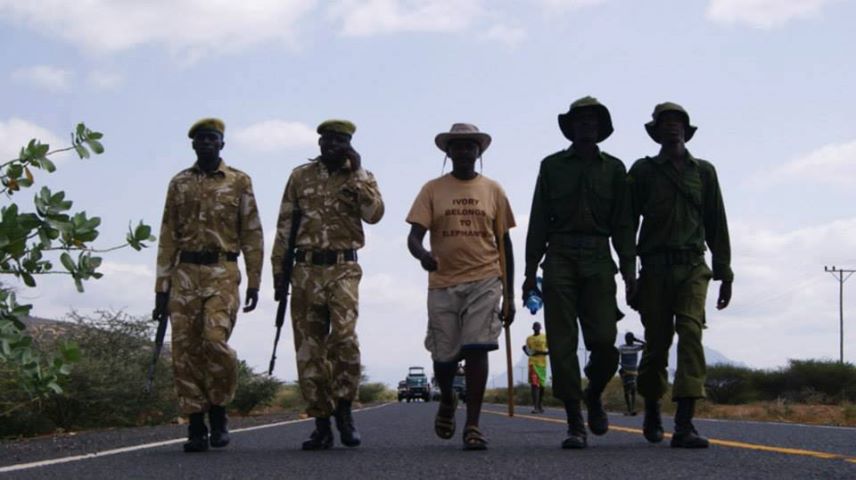
Having slept for an hour, I left at 6am as usual in the company of the rangers. The walk started at Man Eater’s junction. Here, there are no settlement at all since we are at the heart of Tsavo east and west. On the way, we encountered 3 troops of baboons, 2 hyenas and two giraffes that were peacefully feeding along the road, a caracal, a vervet monkey, a mongoose and a jackal. We had the chance to meet Lucy from Save the Elephants and two gentlemen from Walt Disney who were with her as they headed back to Nairobi. We covered an astonishing 47km today, like I said earlier, “If you want to walk far, walk together”. The rangers are extremely physically fit! They just keep going, which is a good thing, they motivated me so much. For the first time I drunk all the water I had carried. The rangers too emptied all their hydration bags (that’s what they call them) and we blamed it on the scorching sun. The walk came to an end at 7pm. My team was so proud, but concerned that I might have pushed myself a bit too hard, and now as I write this, I think I did. I can’t feel my feet, it’s like the blisters don’t exist anymore. I can see the wounds but can’t feel any pain. Sounds like a good thing, but we’re all a bit worried. I hope my nervous system is okay, I got pins-and-needles that just won’t go away. We’ve pitched our tents at Mtito Andei Tsavo East gate, this is the halfway kilometre mark between Mombasa and Nairobi. My team are a bit depressed from worrying about my feet, though they try as much as they can to hide it, I can see the look in their eyes when the nurse is examining my feet, I think they’re more scared than I am. I’ll just sign off now and go sit with them, it is the last night with the rangers, and we’ll have a kind off a farewell.
Jim and a team of rangers
21st February
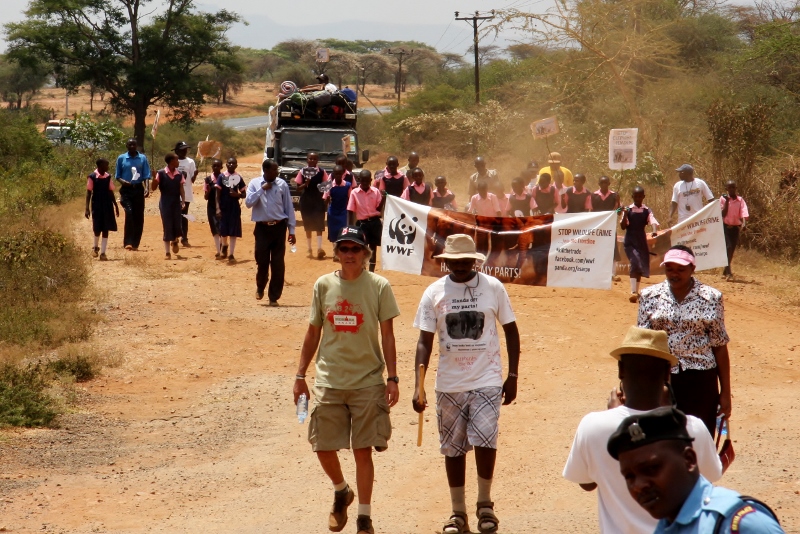
Today I left Sultanhamud for Kima at 6.15am. I was to meet Mary from Action for Cheetahs. I covered 14km before meeting her, my support team and a group of pupils from Kavuko Primary School and Kiima Kiu secondary School. The students are scouts and members from the wildlife club in their school. They somehow reminded me of my days back in primary school. I was a founder member of the wildlife club in my high school. I told them briefly the main purpose of my walk though I knew Mary had done so prior to our meeting, (they needed to hear it from the Elephants mouth). They were ready to walk with me for a few miles. The terrain here is quite hilly and I was afraid I will drag because of the little ones, but I was shocked to see them climb the hilly roads with so much energy, BRAVO little ones. As we walked, Dr. Cynthia Moss an old elephant matriarch from Amboseli Elephant Trust joined us to show her support. Even with a twisted ankle, she managed to walk with me for about 10 meters. She also brought us a gift of wrist bands printed with a strong message “DON’T BUY IVORY”. I gave some children and my team members each wore one. Thanks Cynthia. We covered 9km to Salama town, had lunch before meeting students from Kiima Kiu Secondary School. The people of Salama had so much to tell us about elephants, very friendly people. I think we were given a better service at the restaurant when they realized who we are. They had seen us on TV and had been waiting eagerly for the day we would pass by their town. They really admired the wrist bands and I distributed some at random to a few lucky chaps. (Thanks again Cynthia, you’re a lifesaver). My sincere gratitude goes out to the highway patrol officers for making the walk a success. They really helped in controlling the fast moving traffic, and ensuring that the students crossed the road safely. Together with the secondary school students we covered another 16km to Malili centre. Mary has accommodated me and the entire team for the night. For a relief I will sleep on a bed after days camping in a sleeping bag. I can hear my support team chatting around the bonfire and others playing poker with Mary. I wish I could join them but I have to wake up early tomorrow. Wonder why they haven’t come to say goodnight yet, they always come at around this time…….maybe for a change I’ll go say goodnight instead. “Big mistake Jim!”
23rd February
Today being the last day, I can say excitement woke me up earlier than usual. At 6.30am I received a call from Anabella from Maniago safaris (She is like a mother to me) asking where I was. She was already at Jomo Kenyatta International Airport (a few Kilometers from camp) waiting. We met at Small world and I was surprised to see a very big team from Maniago safaris ready to walk with me. The staff told me that Manaigo offices had been closed for the first time in history on a Saturday. Together with Maniago safaris was Dr Sitati: Head Species/Elephant and Rhino Program World Wildlife Fund (WWF) Kenya and his team. The walk destined to end at the Aboretum grounds started at 10.30am and along the way we were joined by a bus full of members from Wildlife Clubs of Kenya and others from Elephant voices who also walked with us all the way. Students from The University of Nairobi and Kenyatta University wildlife clubs also joined us. The energy in this young people was immense. They sang and danced and waved, encouraging passersby to come walk with us. The crowd kept getting bigger and louder. Our convoy was getting longer and longer. I was wrong last night, Kenyans really do care about our Elephants. Ever since I started this walk, I walked fastest today. One of my team members said it was like I was walking with the rangers again…….. And I replied, “son,……this time I have a whole army”!! Good Job Kenyans! Good Job. People will always lend a helping a hand to a man who tries hard We walked through Nairobi City to our finishing point at Aboretum. We received a warm welcome amid cheers from a large group of energetic people. Later, Dr.Kagiri and I received the Chief guest The Permanent Secretary of the Ministry of Wildlife; Mr Gathara, The Kenya Wildlife Service(KWS) spokesman Mr. Mbugua and together we held a press briefing and gave a few short speeches. Very inspiring speeches by the two and the very funny speech by Dr.Kagiri. I introduced every member of my team and they surprised me with a lovely gift of an elephant carving with my new nickname “JIMBO” engraved………thanks guys! I couldn’t have made it without you!! So everyone asks me what next Jim?……….. Well my blisters are dry now, I have the best support team ever and a strong will , I could walk round the globe for the elephants, we’re not even halfway in the fight against poaching……. to me, the Walk has just began.
“It is no use walking anywhere to preach unless our walking is our preaching” Francis of Assisi
Jim accompanied by the First Lady Margaret Kenyatta and other officials
So what next? The Maasai Mara – Mt Kenya walk here I come in May ….. Welcome to the next exhilarating, amorous and longest WALK.
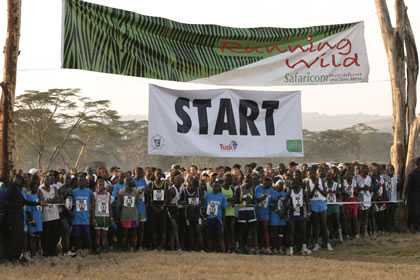
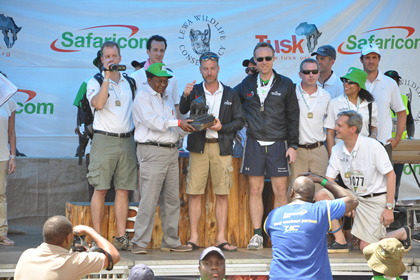
The 14th edition of the Lewa Safaricom marathon took place last week, 29th of June attracting a myriad of participants. Through the partnership of Safaricom Ltd, Tusk Trust and the Lewa Wildlife Conservancy, the world-renown marathon event which began in the year 2000 has grown from 180 runners in 2000 raising $50,000 to 1000 runners in 2012 raising $574,000. Regarded as one of the toughest marathons in the world, the annual Lewa marathon was this year host to 1000 runners from over 20 different countries. Participants are comprised of those who are just in it for fun, walkers as well as professional athletes. The event is a blend of both fun and social responsibility giving the runners a chance to enjoy some of Africa’s most breath-taking scenery as well as giving back to society at one go.
Course;
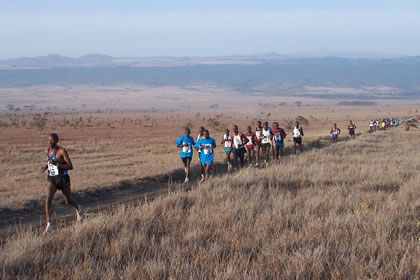
The Lewa marathon features a half (21km) and full (42km) marathon; half marathon being a team event featuring a minimum of five and a maximum of ten runners per team whereas the full marathon is an individual event. The course is set on dirt roads that take the runners through the reserve, across savannah plains, along river banks and through acacia woodland before finishing close to Lewa’s headquarters. Half Marathon runners complete one loop of the course, Full Marathon runners, two.
The route is watched over by a large and experienced team of armed rangers, with two helicopters and a spotter plane in the air throughout the race. Water stations and first aid points are situated every 2.5km along the course. Medical support at the finish is provided by AMREF – the flying doctors, the Kenya Red Cross and local hospitals. On completion of the race each runner is presented with a medal and goody bag. Prizes for race and age group category are awarded at a prize giving ceremony at the end of the event.
Philanthropy;
Since its inception the event has raised over $3.8 million. The event is organized annually by Tusk Trust as their flagship fundraising initiative to support pre-defined conservation, education and community projects supported by Tusk in Kenya. This year’s event, held under the banner “Run Wild, for the Wild” aimed at raising Sh60m, most of which will go towards conservation efforts against a backdrop of increased poaching. Last year, education and healthcare projects got Sh5.46m and Sh3.78m respectively whereas a further 35% of the revenue was invested in the Lewa Wildlife Conservancy which is home to a variety of large African wildlife including lions, elephants, rhinoceros, the Cape buffalo amongst others.
Sponsors;
Safaricom has been the marathon’s Title Sponsor since its inception in 2000 over which time the amount of sponsorship has risen to the current level of Ksh 9.6m. Additional co-sponsorship arrangements roughly double the overall sponsorship secured by the event. A unique aspect of the event has been its ability to bring together the business community in Kenya. Many companies use the event as a team building opportunity, which engenders a real sense of camaraderie amongst staff, as well as a healthy dose of inter-company rivalry!
As an example the following Kenyan based companies kindly provided valuable co-sponsorship towards the event in 2012: Andy Forwarders, Braeburn Schools, British Airways, Broadband Communication Networks Limited, Cisco Systems, DHL, Ericsson, Forward Mobiles, G4S, GlaxoSmithKline, Highlands Water, Huawei Technologies, The Kenyan Section of the International Commission of Jurists, Kenya ICT Board, Land Rover, Nokia Siemens, Pesa Point, Radio Africa, RedSky, Safarilink, Samsung Electronics, Sea Submarine Communications, Standard Chartered Bank.
In addition, the event has attracted teams from major international companies who have sent teams out to Kenya from the UK and US (including Black Rock, Deutsche Bank, Elephant.co.uk, Investec, and Artemis Investment Management). These overseas teams have raised a substantial proportion of the funds for the good causes.
Lewa Marathon, One of the 10 “must do” marathons in the world.
In the words of Kenya-born singer-songwriter Roger Whittaker,
There’s a hole in the side of Africa, where the walls will speak if you only listen
walls that tell a tale so sad, that the tears on the cheeks of Africa glisten,
stand and hear a million slaves, tell you how they walked so far
that many died in misery, while the rest sold in Zanzibar
Shimoni, Oh shimoni,
you have to find the answer and the answer has been written down in shimoni.
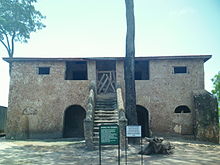
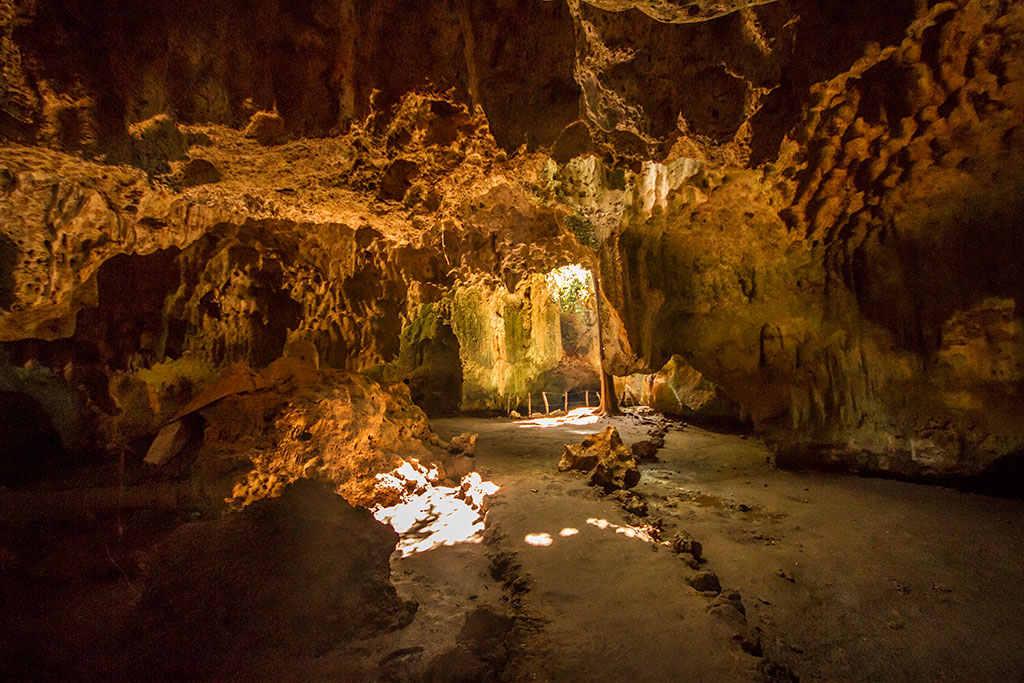
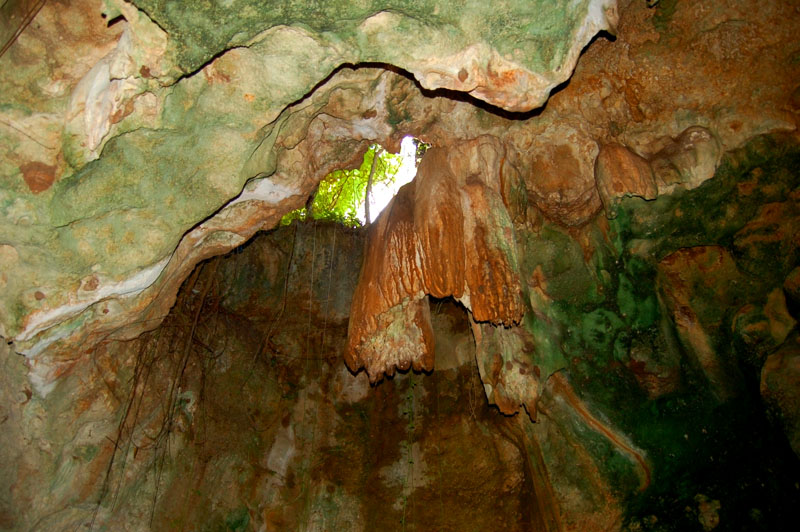
Shimoni (swahili for the ‘place of the cave’) harbors a history of brutality and enslavement. South of Mombasa Island, Shimoni caves sit in a small peaceful village categorized among the poorest in the south coast as it is home to poor and disabled villagers. Years back during the colonial era, the village was the original headquarters of Imperial East Africa Company and right opposite the caves’ entrance sits a memorabilia of the time; remains of the old headquarters building which later became the Districts Commissioner’s house. Now, the village remains a humble home for a few local traders and fishermen with countable shops. One can access this historical site easily as it is only a two-hour drive from Mombasa, 15km off the main Mombasa – Lungalunga road.
First senior staff residence headquarters built in 1885
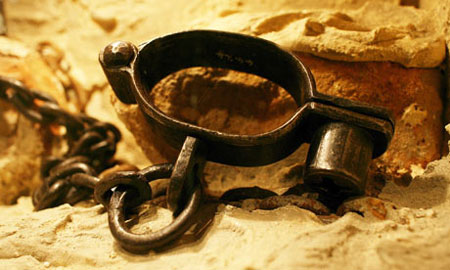
Believed to be millions of years old, Shimoni Caves house gory stories of inhumane conditions that captives experienced in the hands of their masters, and metallic studs stuck to the cave walls with chains dangling till date as well as preserved wooden crates used to transport slaves remain as a stark reminder. Previously used as Kaya shrines (Red scarves tied on coral polyps and bottles lying on the ground which were mainly used to keep herbs serve as evidence), Arab traders used the caves as a holding pen for slaves awaiting ships for transfer to Zanzibar en-route to Arabia, Yemen and America. The slaves were captured from the Hinterland.
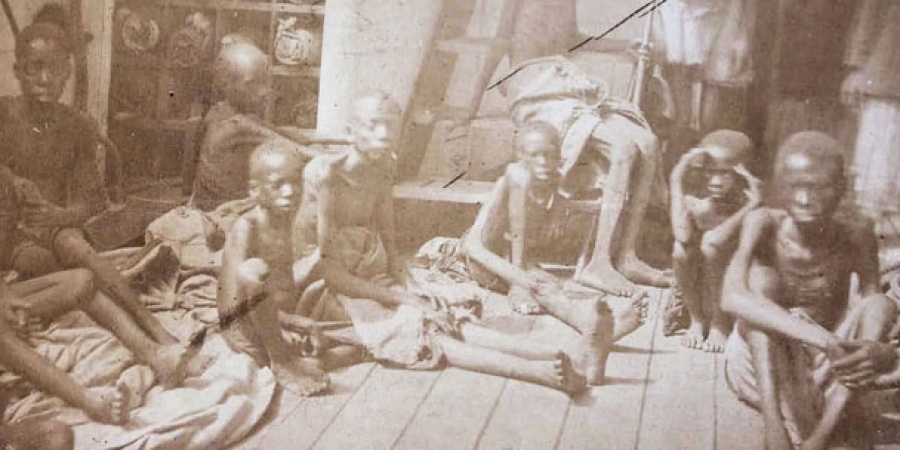
The Arab caravans were brutal, often burning and ransacking villages as well as highly mistreating their captives. According to Dr. Livingstone, for every five slaves in a caravan, only one reached the coast alive; thousands died along the way with their bodies left by the roadside for wild animals to devour. Moreover, for every slave that got captured, ten others were killed; goes to show just how gruesome an experience this was. In case of a disease break out, sick slaves would be thrown overboard while others would be left on board awaiting their fate; death. At the time, the British colonialists were against the trade and whenever they would be in pursuit of the traders, the poor shackled up slaves would without a thought be thrown into the shark-infested sea. Same case scenario when faced with rough conditions at the sea. The ride to the land of their masters was not only torturous but also not cozy…the small dhows used for transport would be cramped up with a total of up to 1000 captives. The poor souls could hardly sit, squat or kneel down one can’t help but imagine the state of their bodies upon arrival.
Machakos, Kitui, and Mariakani are among the various caravan routes with the Main towns being Mtito Andei, Kibwezi, Vanga, Takaungu amongst others. The Akamba (one of Kenya’s tribe) people are among the Kenyans who served as middlemen at the time of the slave trade and are inhabitants of most of these towns. They had to trek long distances into the interior to capture slaves.
Freed slaves on a British boat in 1868
Today, Shimoni Caves are an attraction for individuals interested in the history of East African slave trade as well as those curious as to what evidence the caves of torture hold. They are also very dark and the only inhabitants that remain are bats.
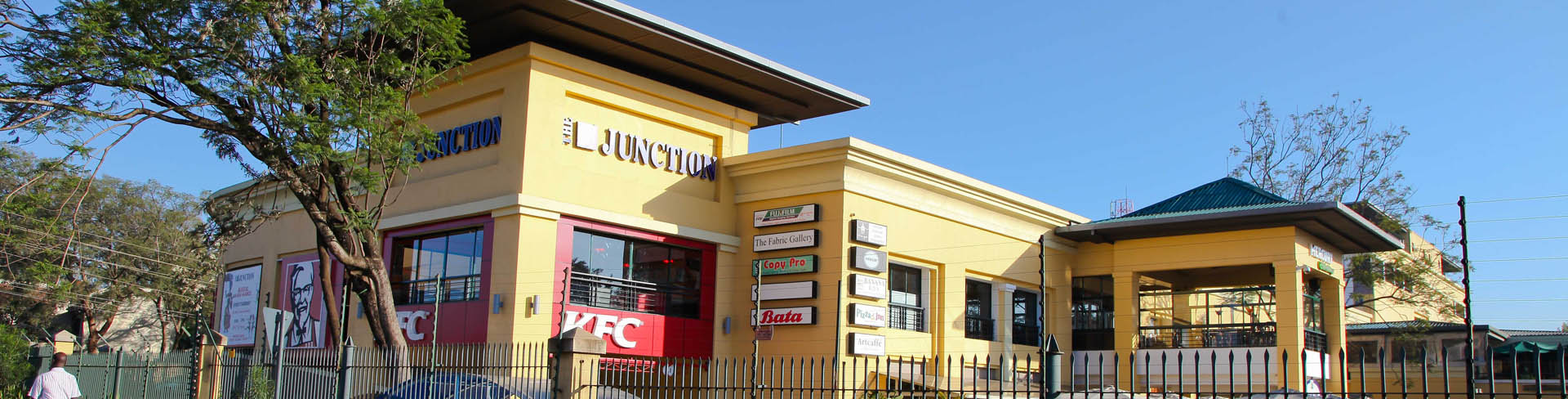
The Junction stands out with 256 thousand square feet of floor space, 115 stores from top international and local brands, signature restaurants, as well as recreation and entertainment facilities. This is your one-stop shop for everything you could need from Ladies, Men & Children’s Fashion & Accessories, Sports, Fitness & Active Wear, Handbags & Footwear ,Jewellers & Watches, IT, Mobile & Electronics, Books, Toys, Music & Stationery, Media & Entertainment, a Casino, Florist, Art Gallery, Home & Kitchenware, Furniture & Furnishings Gifts & Fineware , Handicrafts, a Green Grocer, Tours & Travel, Restaurants, Coffee Bars, Cafes and according to 2011 Taste Awards, one of the best Food Courts in Kenya. Service outlets include Medical and Pharmacy, Optical & Dental Services, Banking, ATM’s & Forex Bureau, Beauty & Haircare, Drycleaning, Photographic Services, a Courier & Business Centre, Internet hotspots courtesy of Wazi WiFi as well as many Specialty stores. Junction mall is anchored by Nakumatt.
SOME STORE CATEGORIES;
This and much more at the Junction…
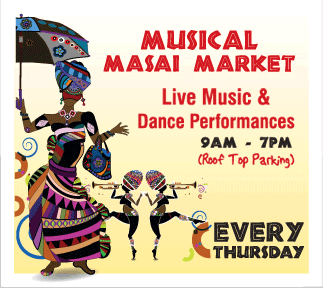
You can also get to enjoy Maasai Market and get yourself lots of Memorabilia.
Nafurahia undugu na ukoo wetu (I rejoice our brotherhood and family)…these are the first words that welcome you to this enchanting ad and with a spectacular view of Mount Kenya to top it. Despite lots of talk regarding Niko Na (title of the ad)…taking a glance at it for the first time one would need no persuasion placing it in the tourism sector right? Not only is this not a tourism ad (it would be awesome if it was), it comes to many a surprise as a mobile network operator’s ad. Safaricom went on a level high on this one ( Qantas controversy aside) showcasing Kenya’s beauty and all the magnificence it has to offer.
From here the ads could only be expected to go a notch higher, then comes the current ad Naweza (I can)…a continuation of the previous…Hence Niko na Safaricom, Naweza (I have Safaricom, therefore I can). Many can surely attest to the fact that had it not been for the ads, they would still be in oblivion to some of the regions showcased existing in Kenya.
The ads take only a minute or so, but the work behind that magical minute, we can only try to comprehend the energy, dedication and manpower that goes in to all that. Kudos! Safaricom for the beauty portrayed…Kenya Tourism Board should definitely borrow a leaf. Below we take a look at the making of the ads and how much goes into producing perfection.
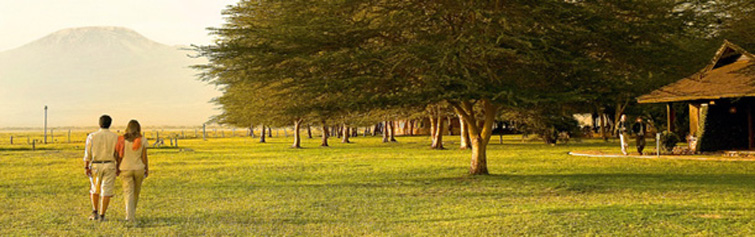
Ol Tukai Lodge is one of the best spots in the world to watch elephant with the backdrop of Africa’s highest mountain, Mount Kilimanjaro. The lodge, together with the surrounding Amboseli National Park has been described by many ‘as a home for the Gods’.
Ol Tukai is an Eco-rated lodge having excellent outdoor and indoor facilities with its unique collection of African art. The property receives overwhelming response from the international and local tourism market.
There are 80 luxury chalet-style twin rooms, all with an uninterrupted view of the wetlands or Kilimanjaro. Stylish and comfortable, the rooms have private bath rooms and individual terraces. There are also rooms allocated for special needs visitors. At Ol Tukai, the presence of the wilderness can be felt in the silence of the night.
Enjoy the sight and sounds of the Amboseli Plain with a lavish champagne buffet breakfast in a wonderful secluded setting amongst the Tortillas trees only a stone throw away from the family of the resident Ol Tukai elephants. An unforgettable breakfast experience. Sip bubbly champagne with the stunning backdrop of the snow capped mount Kilimanjaro.
Ol Tukai Lodge has some of the most stunning vegetation in the Amboseli National Park. As an environment preserved area Ol Tukai hosts amazing tree, plant and bird species.Ol Tukai is home to over 150 species of birds. For an interesting insight into the life of the birds of Africa, Ol Tukai’s resident Ornithologist will accompany you on a bird walk amongst the beautiful trees and gardens of the lodge.
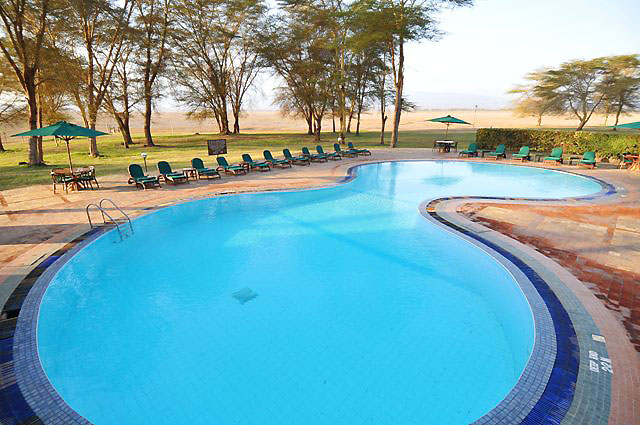
The crystal clear waters of the swimming pool are shaded by the occasional acacia tree. The pool deck has sun beds for relaxation and soaking up the afternoon African sunshine before the evening game drive.
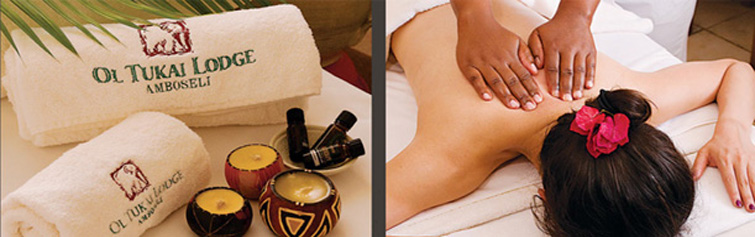
After a long game drive, a soothing aromatic massage by an expert masseuse refreshes the body and mind.
After an afternoon game drive, there’s nothing better than relaxing with a special cocktail drink as the sun sets across the plains. Noomotio, the table-topped observation hill is the perfect spot to enjoy hot and cold canapés and refreshing cocktails while you watch the African sky streak red, gold and purple, as the sun melts into the horizon and the game of Amboseli settle for the night.
A magical African experience that leads to a discreet Maasai setting amongst night lanterns and fresh bush clearings made by the herd of elephants nearby. Only a short walk away from the lodge experience a specially prepared candle lit, four course meal.The menu offers barbequed meat. Under the stars watch the Maasai Moran warriors dance and sing their battle songs around a bonfire.
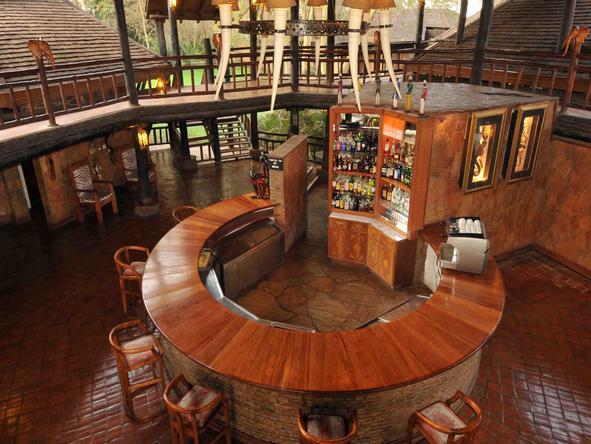
The Elephant Bar situated between the lounge and dining room serves a wide selection of beers, cocktails, liqueurs and fresh fruit juices. Above the bar a roof level deck offers a splendid panorama of the marshlands and Kilimanjaro.
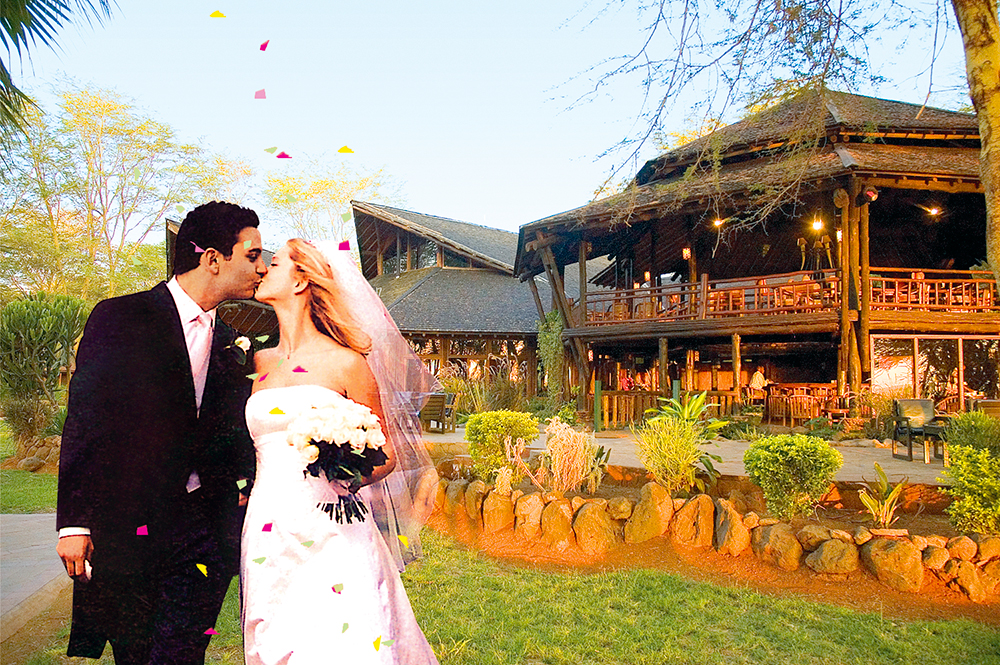
For the perfect wedding setting, there is a quaint multi-denominational Chapel and after the ceremony lunch is arranged on the lodge lawns. Special Wedding Packages are offered and arrangements can be made prior to arrival. Moreover, there is an in-house Wedding Planner tailored to your needs at no extra charge.
There is a gift shop that stocks interesting African artifacts, gifts and memorabilia. Here you can purchase souvenirs for those back at home.
Courtesy of The Tribe Hotel Nairobi, below is a take of things to do and places one should visit if they only had a day in the City.
Karura Forest;
Fancy a family picnic by the lake, bird walks, bike trails and generally a spectacular nature trail, Karura forest should then definitely be on your list of things to do. Things to enjoy here include the Mau Mau caves, scenic waterfalls, picnic sites, bamboo forest and nature trails. Karura does not fall short of wildlife as well one can spot different monkey species, bush baby, bush-buck, bush pig, porcupine, duiker, genet, dik dik, African civet and epauletted bat.
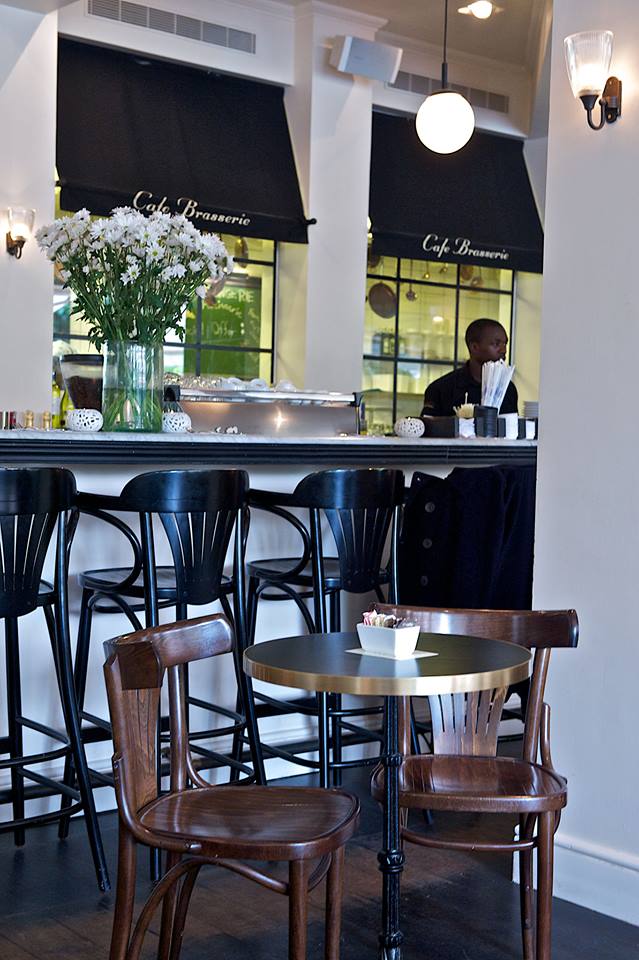
Cafe Brasserie;
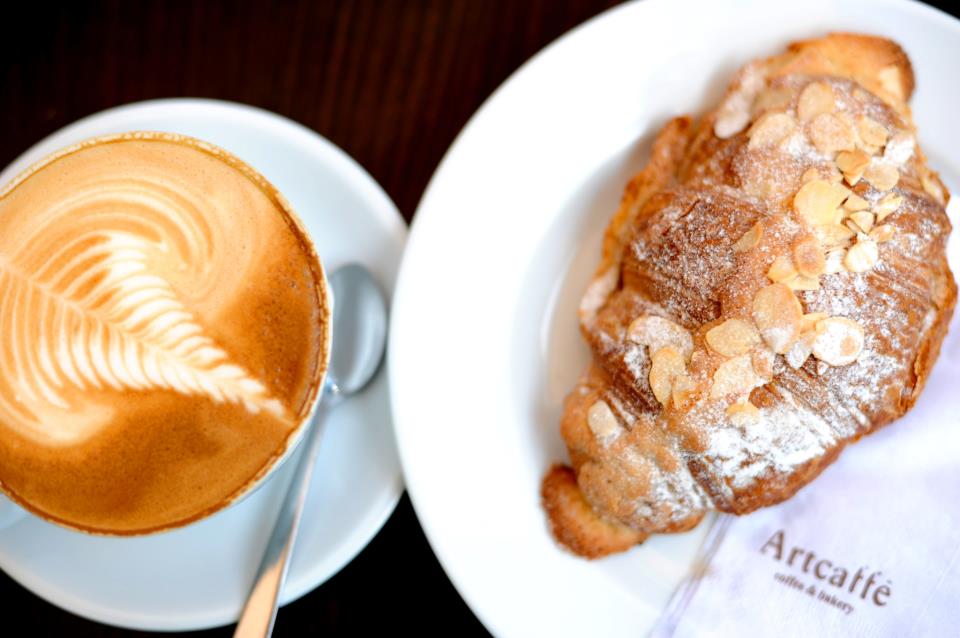
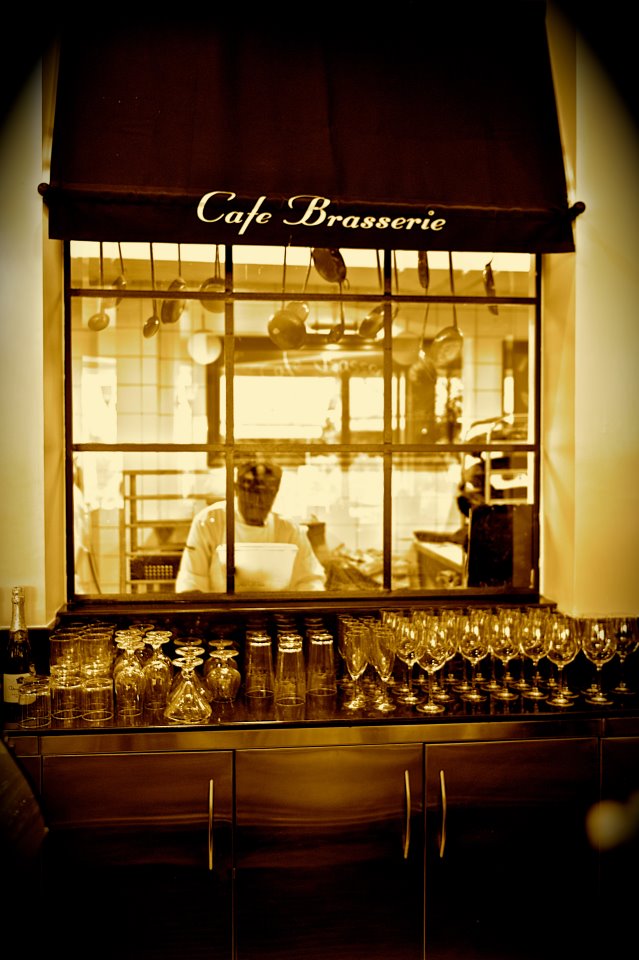
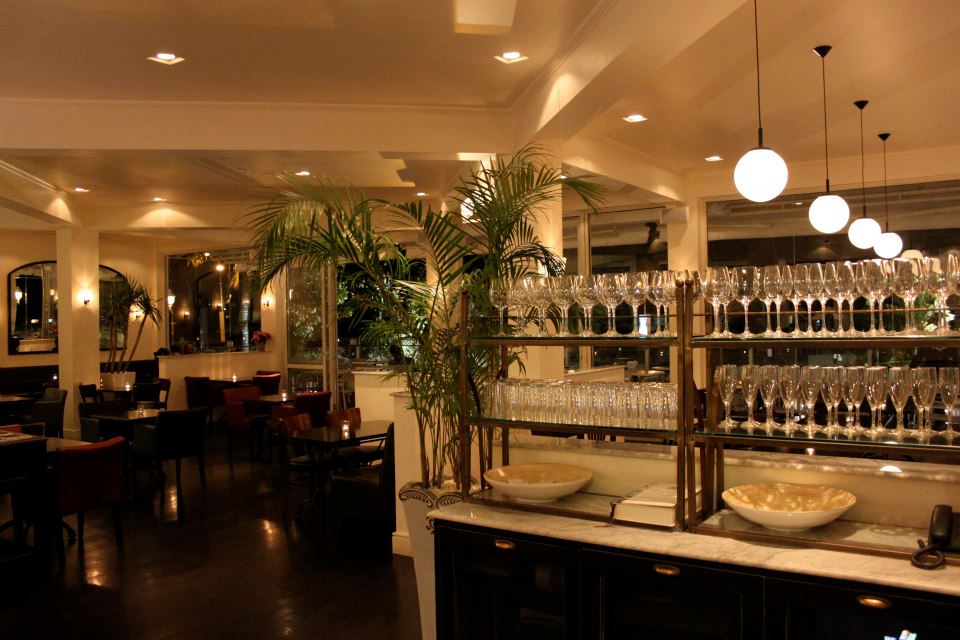
Located in Nairobi’s Village Market, The Cafe Brasserie by Art Caffe is a bright, light-filled café famous for its roasted coffees, hearty dishes and mouth-watering deserts. With wood-panelled walls and high ceilings, the café has a unique character, and is the ideal spot for post-shopping coffee and cake breaks with friends, pre-shopping breakfasts and leisurely lunches. The contemporary interior with clean lines, combined with a convivial ambiance, have made this restaurant a staple on the local dining scene.
The Giraffe Centre;
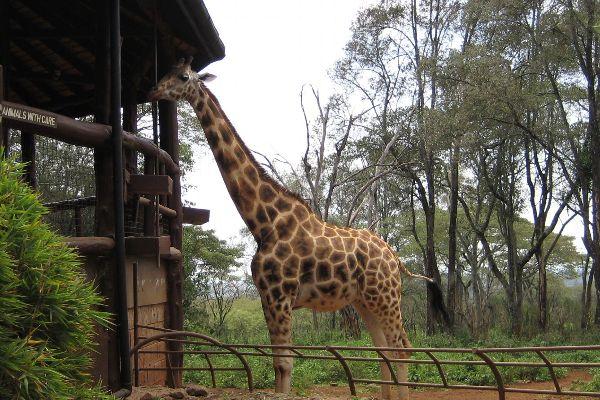
Run by the African Fund for Endangered Wildlife, this is a sanctuary for the rare Rothschild’s giraffe. Spend some time observing, hand-feeding (and if lucky, get a big wet kiss) as well as capturing close-up photos of the giraffes in case you did not catch sight of them while on safari. One can also enjoy a quiet nature trail through thick bushes and forest. Other animals you are bound to encounter include warthogs, hyenas and sometimes leopard.There is a variety of flora and fauna.
House of Treasures;
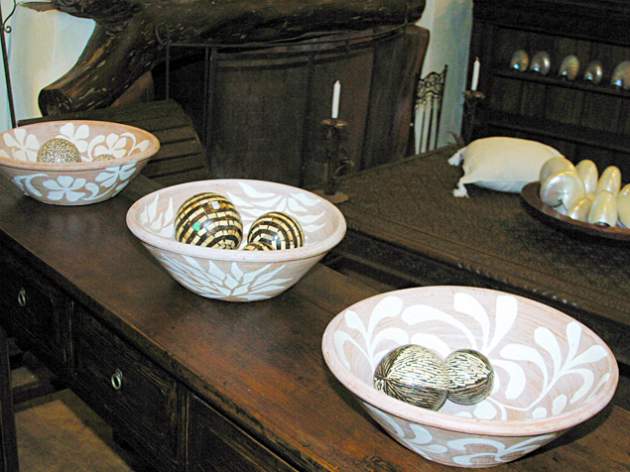
The House of Treasures is filled with unusual and exotic goods from around the globe. Antique and modern furniture, architectural pieces, innovative fashion & jewellery, Africana artefacts, children’s toys and eclectic home-ware – all gathered in a striking double-storey gallery set in mature gardens in Karen, just outside Nairobi, Kenya.
Maasai Markets;
Meet craftsmen of authentic Kenyan artifacts and enjoy the sight of ladies beading and making jewellery at the markets. Held around the city at different venues on different days, bag yourself a set of souvenirs for your friends and families back home including wooden carvings and bead-work; beaded necklaces, batik wall hangings, shoes, soap stone carvings, sisal bags, kikois, textiles and much more. All Maasai Markets items are Kenyan and the range of goods on offer is impressive .You can’t go wrong at the Nairobi Masai Market.
Adèle Dejak;
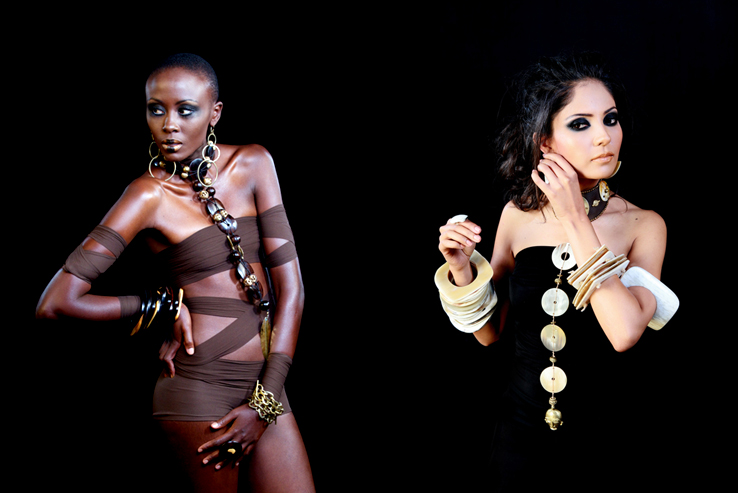
The Adèle Dejak brand creates handmade fashion accessories for the modern, sophisticated and multidimensional woman. Inspired by African shapes, textures and traditional techniques, the cutting-edge pieces sit perfectly between artifact and high fashion statement designs. The Adèle Dejak collections express acute appreciation for African-made fabrics, including Kuba cloth and kitenge (wax print); a dedication to using recycled materials including rice and cement sacks, brass, aluminium and glass and; a commitment to exceptional quality.
Anselm – Kitengela Hot Glass;
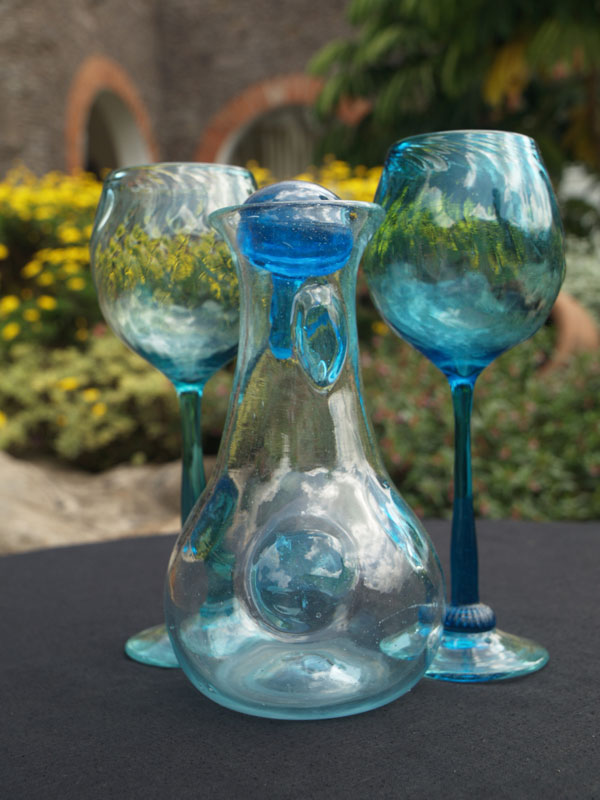
Sleek vases the colour of sea glass, a coffee table that looks as if it is made of crushed ice. Extravagant murals. A goblet that feels solid and perfect in your hand, majestic and bejeweled chandeliers. A splash of window that is a mosaic of the sun, a globe-shaped lamp glowing like a planet. A Maasai necklace design that is an explosion of colour and lighting. A passionate and practical ensemble of scrap window and bottle glass renewed, refashioned into stylish pieces, functional art and inspired design. All this and more at Anselm- Kitengela Hot Glass, each piece is unique, handmade to catch the eye and satisfy the soul.
African Heritage House;
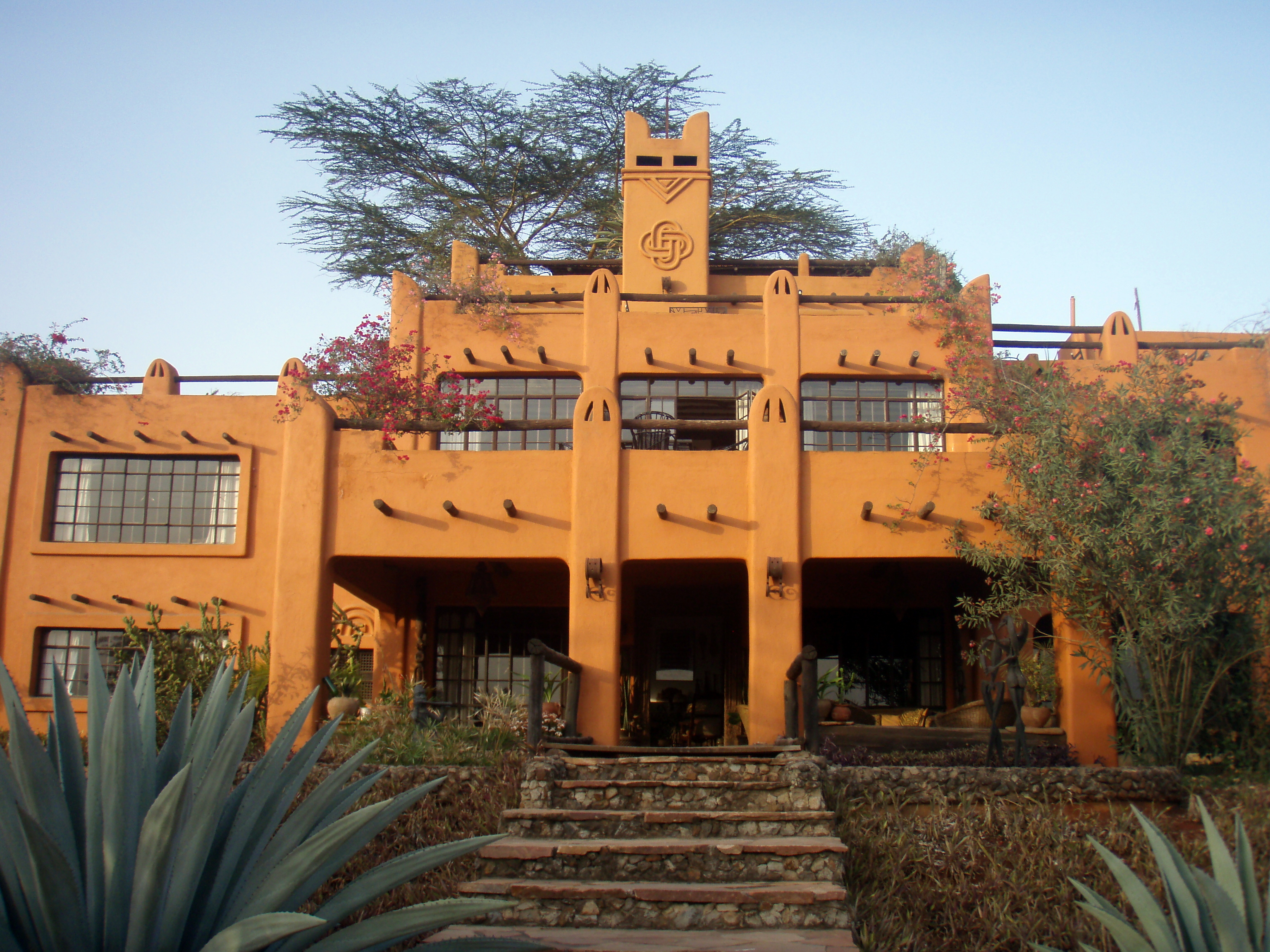
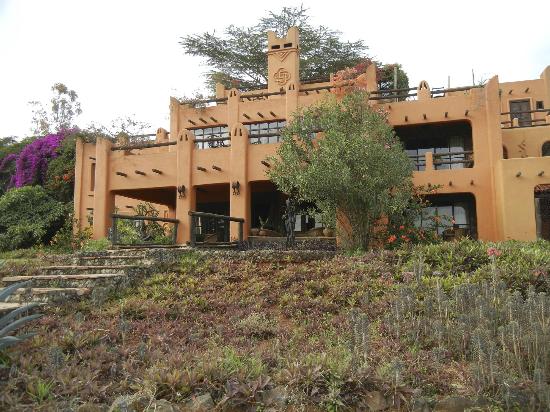
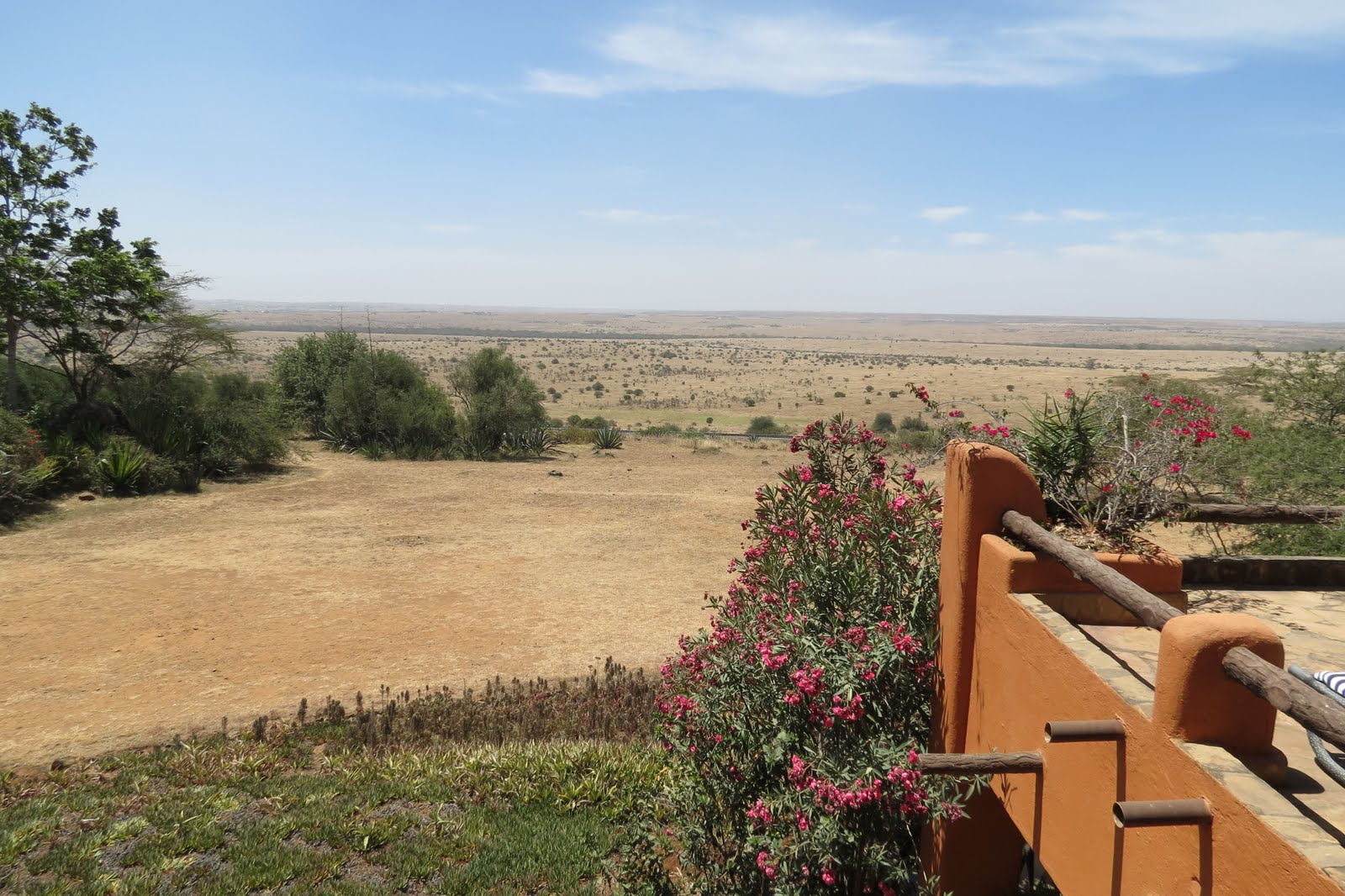
The African Heritage House overlooking the Nairobi National Park is described by the prestigious Architectural Digest as “an architecture rising from the serene Kenyan plain like an outcropping of earth, a vision of usefulness informed by the African genius for decoration.”
Designed by American Alan Donovan, co-founder of the African Heritage Pan-African Galleries, the house is a combination of the mud architectures from across Africa.The house is available for tours, meals (breakfast, lunch, and dinners on the rooftop or by the refreshing pool), conferences/functions, as well as overnight stays in its luxurious rooms, filled with African art and furnishings with modern appointments.
Kalabash;
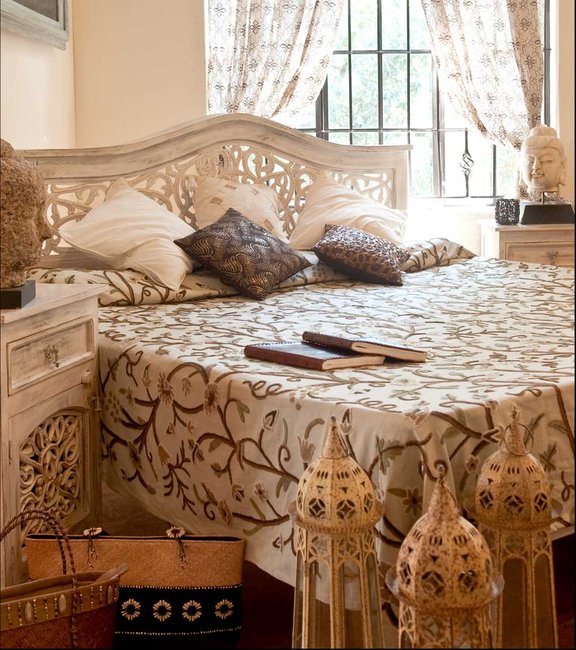
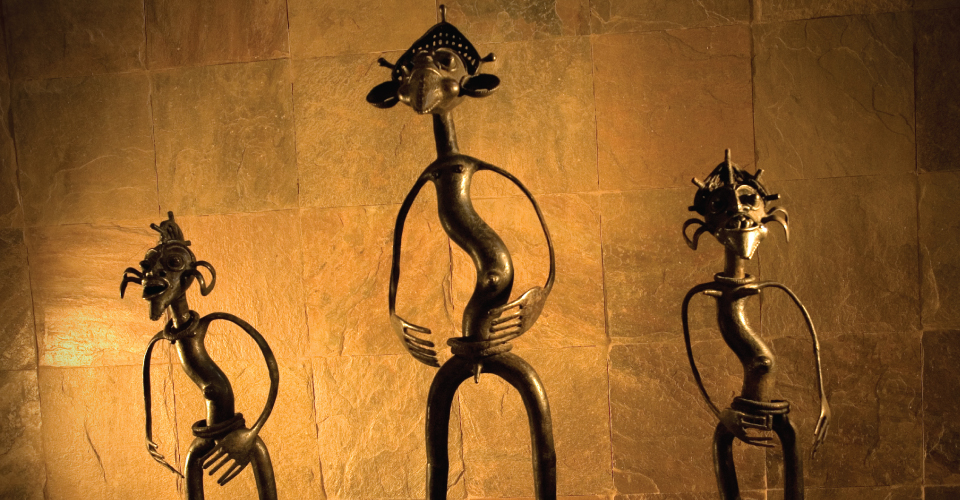
Once at Kalabash you will be awed by the creativity and pronounced ethnic artistry that awaits you. Kalabash Selections specializes in extraordinary art, crafts and accessories from across Africa. The curated collection represents the finest examples of Africana in wood, stone, metal and beads. It glows with unique earthly African shades of brown, which most of its racy crafts represent. Kalabash also stocks beadwork and artifacts made from driftwood, soapstone and clay.
Kaya Spa;
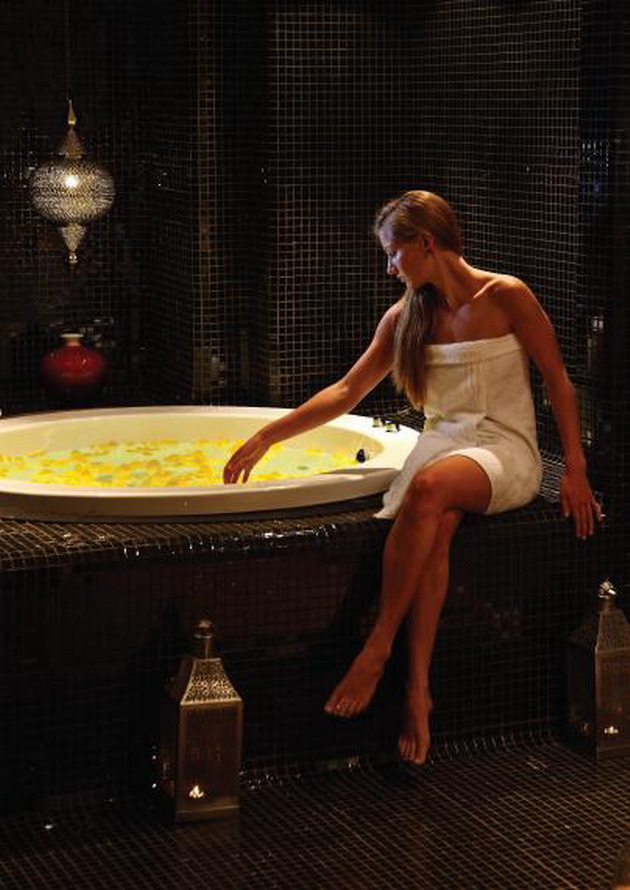
Kaya, Tribe’s exclusive spa combines traditional and new-world treatments from around the globe. The five treatment rooms and hair studio infuse a sense of tranquility through inspiring design – taming the body, mind and soul.
NEST;
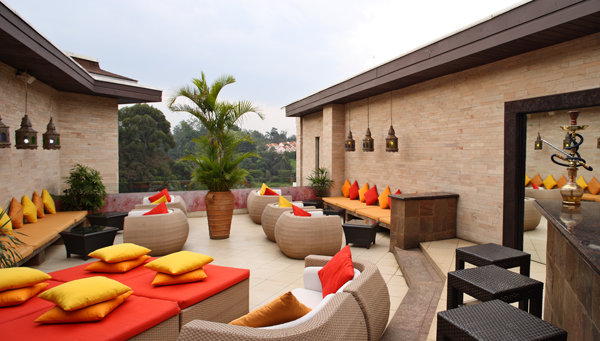
Also at the Tribe, NEST is the perfect location for sun-downer drinks, private parties, or just an intimate space to get away and hang out. NEST serves the best martinis in Nairobi which are a perfect compliment to aromatic shisha pipes or hookahs.
Jiko;
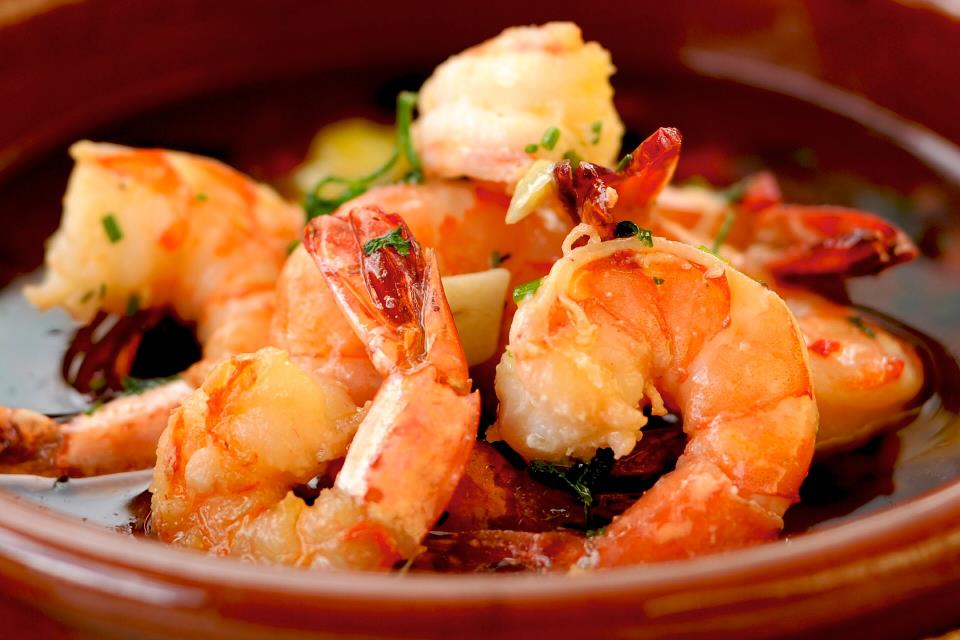
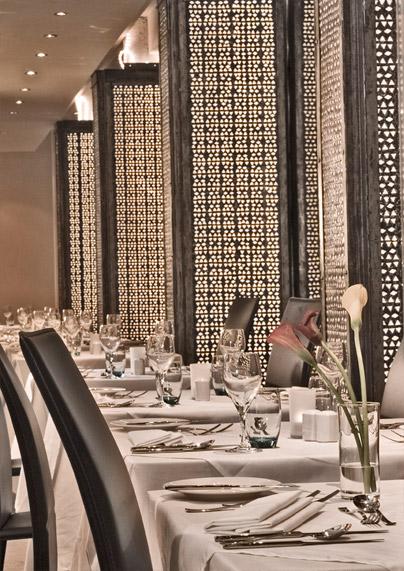
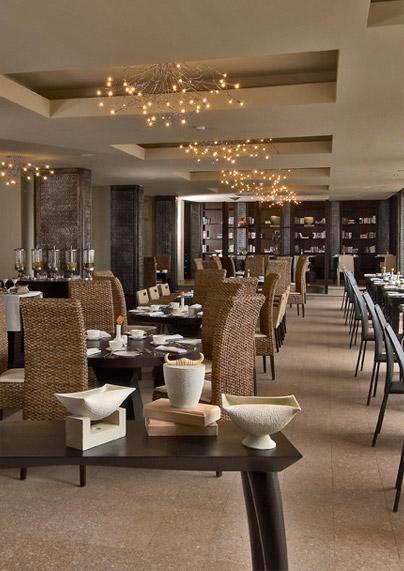
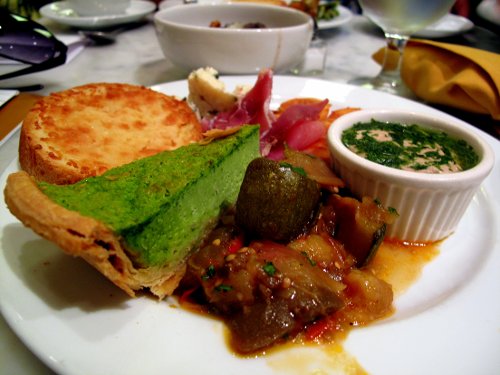
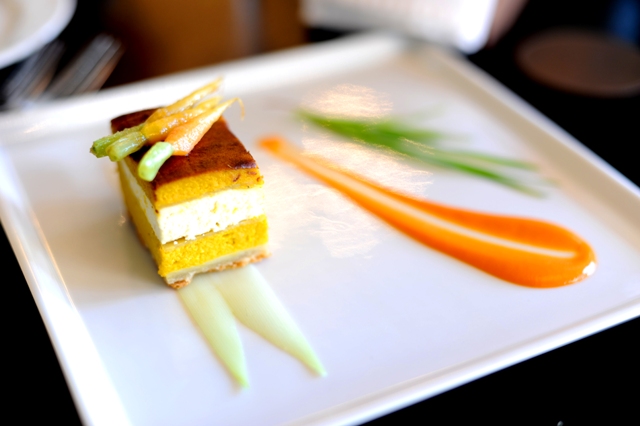
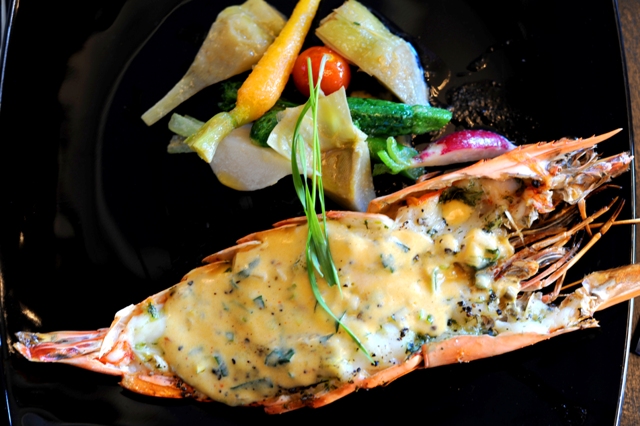
Jiko holds true to the glamorous yet sophisticated feel of the Tribe hotel whilst maintaining the warmth and personality of Kenya. Its contemporary international cuisine focuses on carefully grown fresh ingredients and specially sourced international imports. The extensive menu features grilled meats and vegetables as well as house made pastas, breads, pastries and gelatos. Jiko’s exclusive wine list highlights some of the finest selections of wines to perfectly compliment the flavors of Jiko.
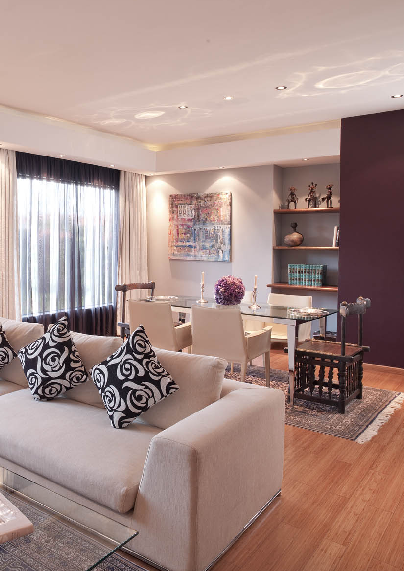
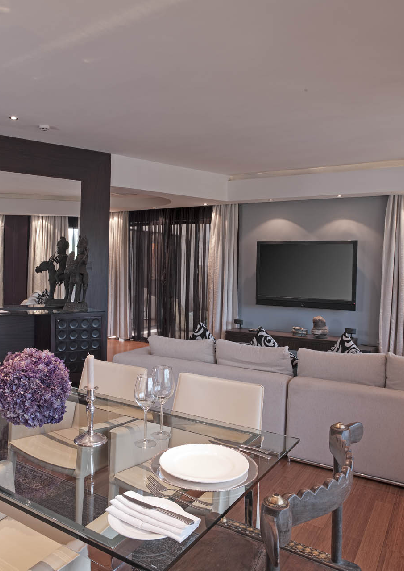
Finish your day in style sleeping at the Tribe’s Presidential suite. A one-bedroom suite overlooking the protected natural wetland, the Presidential Suite features a living room with dining table and over-sized couches, a 60-inch plasma TV with a BOSE Lifestyle sound system, guest bathroom, a private balcony, enhanced storage facilities and the suite’s iconic master bathroom. The Presidential suite is furnished with a rain shower, bath tub, 300 thread-count sheets, and a king bed. Tribe offers a complimentary mini-bar and free high-speed wireless internet with all rooms.



































































































 Zuru Kenya