Zuru Kenya is a sophisticated, high quality, visually impacting travel, leisure and lifestyle Blog. We seek to raise the profile of Kenya by showcasing its diversity in cultures, tastes, wildlife, stunning landscapes and more!
Our passion for travel drives us to highlight what makes Kenya a top tourist destination (not only in Africa but worldwide) and the premier of wildlife safari. Our aim is to bring you relevant travel content that features Kenya's fascinating history and culture, her people, amazing sights & sounds and beautiful regions designed to aid you in planning and/or enjoying your trip to this beautiful country
November 1, 2015, Photographers Without Borders will launch the 4th edition of their self-titled magazine. Featured in the magazine is a photo documentary story by Jenna Ammerman, a photographer who travelled to Kenya to document the impacts of an NGO called Action for Children in Conflict. This organization visualizes a world having equal and sustainable opportunities for every child through appropriate interventions to give communities, in Kenya, the capacity to protect the rights of children and youth. Ammerman collects, shares memories, and photographs the lives of bright souls and strange friendships where ever she goes.
Photo of Jenna Rae Ammerman; source – PWD
Photographers Without Borders (PWB) will launch its fourth issue of magazine on November 1, 2015. The magazine features significant and positive changes done by grassroots charities and NGOs to communities across the globe.
Founded by photographer/director Danielle Da Silva in 2009, Photographers Without Borders is a non-profit organization in Toronto that aims to make a difference through photography.
Photographers Without Borders® (PWB) visually communicates ways that grassroots initiatives are addressing global issues. They cover the stories of grassroots initiatives all over the world who contribute to sustainable development and conservation. The original images that PWB photographers produce are donated to the initiative being documented so that they may better visually communicate their stories.
On my visit to Wildlife Works, I was very fortunate to meet Joseph Mwakima; a charismatic young fellow working closely with the community teaching them about conservation and sustainable development.
Despite being introduced to him towards the end of an exhaustive work day with one of his communities in the Kasighau REDD+ Project area – this time Saghalla, he gladly engaged me on a few kilometres walk taking me around the project area and explaining indepth, the projects that Wildlife Works engages in.
Joseph showing me around the Wildlife Works’ green house
A community relations officer, Joseph’s work entails educating and creating awareness in the surrounding communities about environmental conservation and the important links between deforestation and climate change.
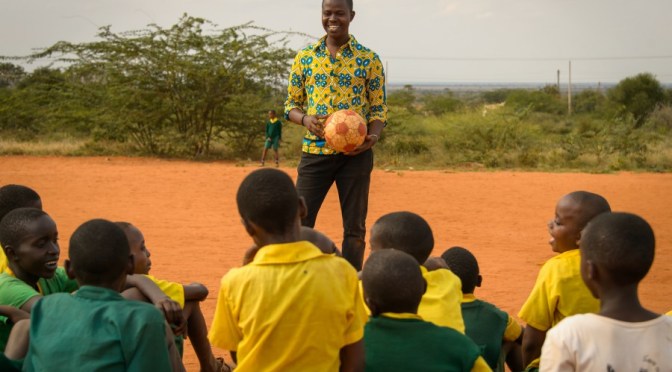
Joseph and his group use different styles and methods to communicate with the people on the roles they can play in mitigating climate change. Considering that many people in the project area are illiterate, the team organizes film viewings, theater plays and workshops, sports and informal open-air meetings.
Read more of Joseph Mwakima’s story below as told by Geoff Livingstone…
In online circles we believe a community manager is someone who cultivates and activates a group or a brand following on a social network. In Africa I met the ultimate community manager, Joseph Mwakima, a fellow busy activating his community and inspiring change in Kenya’s Kasigau Corrdidor REDD+ (Reducing Emissions from Deforestation and Degradation) Project area through word of mouth.
But unlike his American counterparts, Joseph doesn’t use a Facebook Group, Instagram or Twitter as primary tools of his job (though he is on thoseWildlife Works community relations officer, he regularly meets with people engaged in projects throughout the region.
Joseph could have gotten a job in the city. He has a wife and baby, and could easily justify seeking more bountiful land. He’s also college educated, speaks fluent English, and is well travelled. But he instead came back to the region he calls home to make a difference. His community needs him, as does the overall Wildlife Works effort.
A variety of issues are impacting the region, including rapid deforestation through slash and burn farming and charcoal harvesting, a lack of jobs in the community, and disappearing wildlife. The REDD+ Project Joseph is part of seeks to counteract challenges with a sustainable community development program that creates jobs and protects the forest.
I got to see Joseph at work, thanks to working with Audi as part of its documentary project produced by VIVA Creative (you can see Joseph talking to the VIVA team above). Audi supports Wildlife Works as part of its carbon offset program that compensates drivers for the manufacturing and first 50,000 gas-driven miles of the new A3 e-tron being released this fall.
Widespread Community Activation
Nestled between Kenya’s Tsavo East and West National Parks, the Kasigau Corridor REDD+ Project is widely considered to be a leader in sustainable carbon offsets. Wildlife Works applies a wide set of innovative market-based solutions to the conservation of biodiversity.
Joseph works in the community to socialize the solutions and encourage adoption of them. Here is what I witnessed Joseph doing:
World Environment Day
Marasi Primary School hosted a World Environment Day celebration the day after we (the documentary team) arrived. It acknowledged many of the positive changes that have occurred as a result of the community’s fight to stop deforestation. There, I watched Joseph help a child plant a tree, speak with children, and converse with many of the community leaders in attendance.
The school in many ways symbolizes the future of the corridor. In total, Wildlife Works pays for the school fees of more than 3,000 students in the area, including partial scholarships for some college students. Most people who work for Wildlife Works reinvest their wages in their children’s education.
Rangers
In this picture below you can see Joseph talking with several Wildlife Works Rangers. The rangers are an 80+ person ranger corps that protects wildlife throughout the corridor’s 500,000 acres from poachers seeking ivory. They also stop people from slash and burn farming or from simply cutting down trees for charcoal. So part of Joseph’s job is explaining to them why the rangers are stopping them from using the forestland, and what alternatives they have.
We spent seven days in the company of Joseph and Evans and Bernard, two of the Wildlife Works Rangers. I was impressed by their work, their passion for the wildlife in the Project area, and the danger they face from poachers. A poaching incident occurred on my last day in Kenya, and the pain was evident on their faces. You can see the rangers at work in the Animal Planet reality TV show “Ivory Wars.”
Eco-charcoal
Instead of slash and burn farming and chopping down forests for charcoal production, Wildlife Works offers new alternatives to citizens. These include job opportunities, smarter farming education, and alternative methods of creating charcoal. This latter effort — the creation of eco-charcoal — offers an innovative, yet pragmatic approach to fuel.
Joseph showed us how the eco-charcoal is created. Teams clip small branches, collect fallen tree limbs, and burn them. The ash is then mixed with a pasty substance, and poured into casts for eco-charcoal bricks. The end result is a brick that burns longer and better than the charcoal most Kenyans make when cutting down trees.
Women’s Groups
Joseph introduced us to three different women’s groups in the region. The loosely knit associations of women engage in entrepreneurial activities like producing arts and crafts that are sold in the U.S. and Europe through Wildlife Works. In all, there are 26 registered women’s groups in the Corridor, touching 550 women, or four percent of the total population.
The women use the resulting money to build clean water tanks, buy solar lights and clean cook stoves for their households, and provide an education for their children. Husbands see the positive impact on their households and are encouraging their wives’ newfound roles in the Kasigau community.
These are just some of the programs that Joseph supports in the community. Wildlife Works engages in other economic development actions such as textile production, better farming practices and more to build a sustainable future for Kasigua Corridor REDD+ Project Area.
This type of community management shows the real-world impact that such a role can have in the right situation. When local people like Joseph interact with the community and serve as a liaison for Wildlife Works, adoption of sustainability programs increases, and ultimately transforms the entire region for the better.
Communities living alongside national parks face numerous problems trying to co-exist with wildlife. Farmers have to take turns all day guarding their plantations from baboons who steal their food. Elephants stampede through their crops. The animals are also under stress, as humans encroach on their habitat.
This type of human-wildlife conflict is what led to the establishment of Wildlife Works to help mitigate the competition for land and food between locals and their park neighbors in Taita Taveta County. The Founder, Mike Korchinsky a Canadian citizen, learned about the conflict that existed between wildlife and rural communities during his visit to the country in 1996. His experience caused him to think about effective ways to solve this problem which ultimately led him to developing a plan that would ensure the utmost protection of wildlife.
Wildlife Works, based on the principle that the needs of wildlife must be balanced with the need for work for the local communities who share the same environment, established that the ultimate solution to this problem would be to create jobs; to provide forest and wildlife friendly economic alternatives to the forest community.
Mike looked for an area with a high threat to the wildlife to best test his new model. He settled on Rukinga Sanctuary, located south-east of Kenya in a wildlife corridor between Tsavo East and Tsavo West National Parks, known as the Kasigau Corridor. The project was to be carried out on 13 group-owned ranches and conservancy land owned by Indigenous Community Ownership Groups.
According to Wildlife works, Job creation would not only be providing the people in this wildlife rich area with sustainable economic alternatives to poaching and slash and burn agriculture; it would also in turn be protecting wildlife in a direct and unique way.
“The only way to protect a forest that’s under economic threat is to remove the economic threat. And the only way to do that is to give the community another way of achieving their goals because they’re not going to not develop.” -Mike Korchinsky; Wildlife Works Founder.
Why Wildlife Works:
Wildlife Works is the world’s leading REDD+ (Reducing Emissions from Deforestation and Degradation), project development and management company with an effective approach to applying innovative market based solutions to the conservation of biodiversity. REDD was originated by the United Nations (UN) to help stop the destruction of the world’s forests – a significant tool to providing real value to those rural communities who have made the commitment to protect their environment for future generations. The additional plus sign in the Wildlife Works’ business model (REDD+) signifies that community development is one of their key goals.
There are six key elements to the Wildlife Works brand of REDD+ that make it a successful model, the foundation of it all being job creation.
Organic Clothing Factory
Wildlife Works factory view from above Source: Wildlife Works
The starting point of the wildlife works’ viable economic alternative project was setting up an eco-factory that produces organic casual apparel under the Wildlife Works label, sold worldwide by big brands among them Puma. All garments are carbon-neutral and made from organic and fair-trade cotton. The eco-factory originally hired seven local women but has hugely grown now and is responsible for over 80 employees; all members of the surrounding community. The factory has gone a long way in providing a sustainable alternative to destructive harvesting.
Agricultural intensification
In order to assist the local communities in their move away from subsistence agriculture and deforestation, Wildlife Works has established an organic greenhouse, in addition to multiple nurseries with more in development. The nursery grows citrus trees and agro-forestry species such as Neem and Moringa oliefera to meet farmers’ medicinal, nutritional and fuel wood needs.
Each nursery, which employs approximately five people, is responsible for working with their immediate community to plan and implement the crops, while Wildlife Works provides training. In addition, the nurseries are building a business around Jojoba planting. The oil from Jojoba seeds is quite valuable and is used in the cosmetics industry and as biodiesel fuel. Community members are raising the plants in the nurseries to later plant and harvest. Wildlife Works on the other hand will assist in providing market links for the farmers to sell the seeds.
The local population’s need for farm land has also been addressed by the establishment of a land cooperative on 5,000 acres. The land set aside for the cooperative is land that had been cleared before Wildlife Works began its work.
Forest and Biodiversity Monitoring
Physical protection of the land in which the REDD+ project is set up is vital. The Kasigau Corridor REDD project is protecting 200,000 hectares (500,000 acres) of dryland forest which is under intense threat from slash and burn agriculture, as the local population expands. The Kasigau Corridor project is also home to five mammal species that are considered endangered, vulnerable or threatened: African elephant, cheetah, lion, African hunting dog and Grevy’s zebra.
To prevent illegal access into the project area and to ensure that the land is protected from deforestation, Wildlife Works has established several ranger stations around the project areas; each station with 8-12 rangers, recruited and trained from the local communities.
Working with a no-gun policy – but with the power of arrest granted by the local community, the Wildlife Rangers have received a lot of skepticism on whether or not they are fit to protect wildlife in their sanctuary especially considering the current Ivory poaching crisis in the country’s National Parks; an alarming number of elephants are losing their lives to poachers and Rukinga Sanctuary has not been spared either. Despite the fact, even with larger elephant populations, Mike believes his rangers fare well as any because they have such a strong relationship with the local communities who inform them of the comings and goings of possible poachers. They have the best intel based on the work they do with local communities.
Wildlife Works has also forged a good relationship and works side by side with Kenya Wildlife Service (KWS) rangers who are armed with a shoot to kill policy, trained in combat, and who are permanently stationed within the sanctuary. Whenever there is an armed poaching incident, Wildlife Works’ rangers are trained to avoid any confrontation until they have KWS armed support, and even then they are not supposed to be in harm’s way if shots are fired. Over the course of 18 years, there has been only one incident where these rangers were fired upon.
There are nearly over 80 rangers in total employed by the project currently.
Reforestation
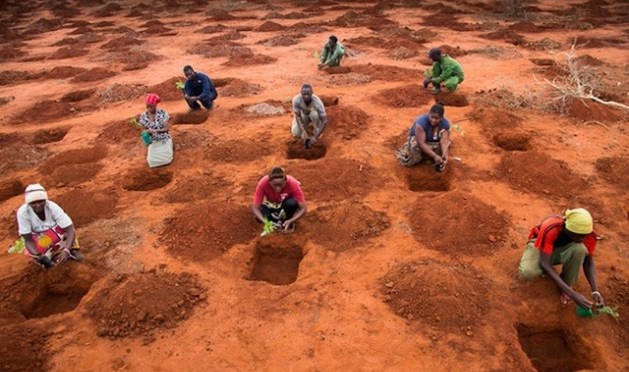
An additional activity of the project is a three year reforestation project on the slopes of Mt. Kasigau to plant 20,000 indigenous hardwood trees. These trees are not included in the emission reduction calculations, but it is a valuable initiative to help replace trees cut down for charcoal production and construction over the past years. The community members involved in the monitoring and implementation of the project are rewarded financially for helping to ensure its permanence.
Deforestation continues significantly in the area adjacent to the project today, illustrating that, in the absence of the project, this activity would still continue within the sanctuary.
Eco Charcoal and Fuel Wood
Charcoal burning is one of the activities carried out for economic sustenance in Taita Taveta County. In order to avoid wood being taken from the project area in an unsustainable and ecologically damaging way, Wildlife Works has initiated an extensive project to explore the large scale production of carbon neutral charcoal derived from bush trimmings, allowing the local community to be self-sufficient in fuel wood without having to degrade any of the land.
Social benefits: School Construction and Bursary Scheme
Prior to Wildlife Works arrival, the area in which the project is carried out had no schooling facilities or necessary amenities to ensure children gain a good education. Thanks to the project, they have already built 18 classrooms throughout the district and a partner has established a bursary programme which has sent dozens of children to high school. A plan is in place to send at least five new students a year through four-year secondary school programmes and on to college or university. A school construction and maintenance fund will provide funding every year to seed school construction and maintenance projects in the area.
Wildlife Works is also working on extending access to fresh water to the locals who previously had to send their children up to 15 miles to retrieve water several times a day. They have implemented a clean water supply for the schools using an innovative rainwater catchment system and manual rower pump to allow the children to retrieve the water for themselves from underground storage tanks.
Prior to Wildlife Works, the migration corridor had been lost to poaching and encroachment before the area residents were engaged in consumer powered conservation. Wildlife Works sees empowering local people with sustainable livelihoods as the key to protecting the forest in the long-term, and with these projects, the link between better livelihoods, conservation and wildlife works is clear.
The foundation was about finding solutions that lead to mutually beneficial co-existence. The work here has led to people being more enthusiastic and supportive of conservation, and has demonstrated that people can live alongside wildlife while developing sustainable livelihoods. The local communities want to protect the environment because it works for them, hence the name Wildlife Works.
In total, Wildlife Works today provides over 400 jobs to the local community and brings the benefits of direct carbon financing to nearly 150,000 people in the surrounding communities.
It is rare in these troubled times to hear good news about the rhino: poaching has returned and a creature that has been with us since the days of the dinosaurs seems in mortal peril. That danger is real, but the rhino is very much still among us, and Kenya remains one of the best places on the planet to see both the black and white rhino.
The story of the black rhino, often described as Kenya’s indigenous rhino, is particularly poignant. During the poaching wars of the 1970s and 1980s, black rhino numbers in Kenya fell from an estimated 20,000 to just 300 by the end of the 1980s. Thanks to intensive conservation efforts, those numbers rose slowly in the decades that followed and Kenya’s last rhino census gave a figure of around 620 black rhinos left in the Kenyan wilds in 2014. This amounts to around half of all black rhinos left in the wild, and close to ninety percent of the remaining eastern black rhino subspecies.
White rhinos, brought in as part of successful conservation efforts to save the species in South Africa, are thought to number around 350 in Kenya.
Nairobi National Park
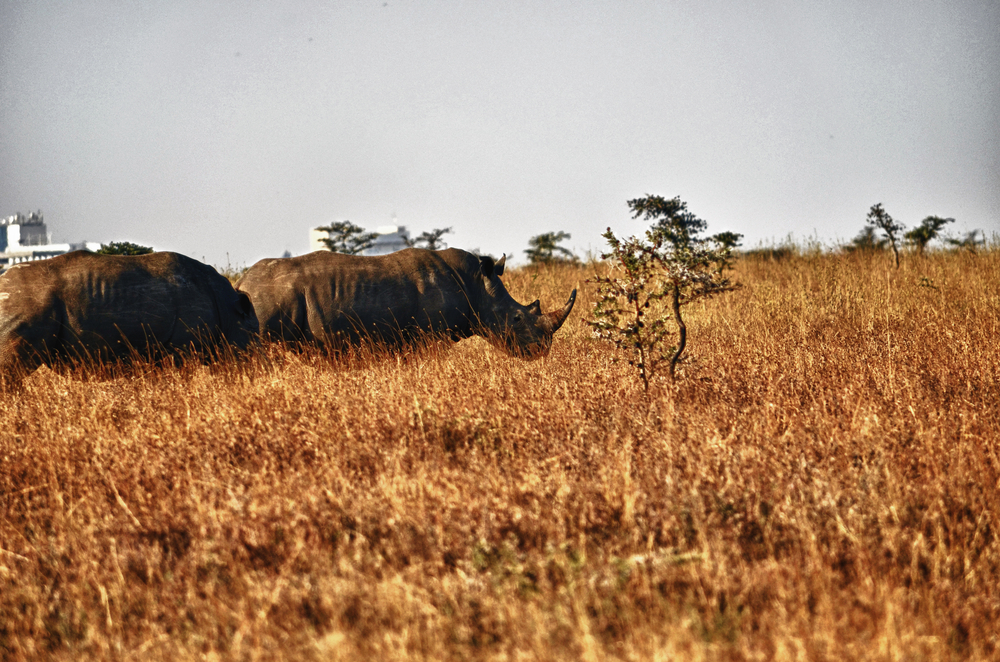
The most obvious place to begin looking for rhinos is in Nairobi National Park, on the south-western outskirts of Kenya’s capital. Its success in both protecting and breeding black rhinos has earned the park the epithet Kifaru (Rhino) Ark, and it remains home to more than 50 black rhinos living in densities not seen anywhere else in Africa. This is the place to come for that incongruous image of a rhino snuffling across the savannah with Nairobi’s skyscrapers in the background.
Ol Pejeta Conservancy
A cross between the private conservancies that are a specialty of central Kenya’s Laikipia Plateau and a national park accessible to all, 75,000-acre Ol Pejeta Conservancy is a fabulous place to see rhinos. Numbering 100, Ol Pejeta’s black rhinos form Kenya’s largest population and sightings are almost guaranteed. In addition to the free-ranging rhinos, visit the Endangered Species Boma, a 700-acre enclosure which is home to three of the last six remaining northern white rhinos, including Sudan, the last breeding male left on the planet.
Lewa Wildlife Conservancy
Just north of the Laikipia conservation zone but very much a part of the same ecosystem, Lewa Wildlife Conservancy is one of the main reasons why there are still rhinos left in Kenya. Back in the 1980s, the Craig family, who owns Lewa, and renowned rhino conservationist Anna Merz pioneered the setting aside of private land for conservation and then coupling it with high-end tourism. By 2015 there were 72 black rhinos and an estimated 62 white rhinos at Lewa, and nearly two dozen rhinos raised in the conservancy have been translocated to assist in growing rhino populations elsewhere in the country. You’ll have to be staying at one of Lewa’s top-end lodges to enter the conservancy, but with no restrictions on where the conservancy’s vehicles can go, you’ll never get closer to a rhino than you will here. There’s even the chance to visit Lewa’s Orphan Rhino project, following in the footsteps of Sir David Attenborough in the final episode of the BBC’s Africa series.
Borana Wildlife Conservancy
In 2014, a landmark agreement was reached to remove the fences that separated the high-end Borana from the contiguous Lewa Wildlife Conservancy. Borana’s 35,000 acres of ideal rhino habitat is now part of one of the world’s most important rhino sanctuaries, its own important population of rhinos now free to breed with the world-famous rhinos of Lewa to create a combined black rhino population almost 90 strong.
Il Ngwesi Group Ranch
Run by the local Maasai community, Il Ngwesi Group Ranch, off Lewa’s north-western border, has small but significant populations of both black and white rhinos. Il Ngwesi receives fewer visitors than either Lewa or Borana and the encounters here with rhinos are generally more intimate as a result.
Tsavo West National Park
When it comes to traditional national parks, few have such an important role to play in rhino conservation as the Ngulia Rhino Sanctuary, deep inside Tsavo West National Park in south-eastern Kenya. There are 78 black rhinos here in a fenced off 90-sq-km portion of the park — sightings in the dense undergrowth can be elusive but such is the density of rhinos here that it is worth persisting. Rhinos released from the sanctuary into the wider park can also be seen in Rhino Valley that runs through the heart of the park.
Lake Nakuru National Park
One of the iconic parks of Kenya’s Great Rift Valley, Lake Nakuru is reliable for sightings of the park’s black and white rhinos with a combined population of around 60. This is one of Kenya’s smaller parks and the rhinos (especially whites) are often seen around the shore of the lake that gives the park its name.
Meru National Park
This area of Kenya’s central east stood at the epicentre of the poaching massacres that ravaged the country’s rhinos in the 1980s. But Meru’s heavily guarded, 48-sq-km Rhino Sanctuary has been restocked with rhinos from Lake Nakuru. With around 25 black and 55 white rhinos, it’s once again an excellent place to see rhinos in the wild.
Masai Mara National Reserve
The Masai Mara is better known for its populations of big cats and the annual migration of wildebeest in their millions, but the Mara does have a few black rhinos in residence that add depth to the experience of visiting here.
Aberdare National Park
High in Kenya’s Central Highlands, a black rhinos cling to the densely forested slopes of Aberdare National Park. Thanks to this density of foliage, however, tracking down a rhino can turn into a nerve-wracking game of hide-and-seek, one in which you need to be ready at any moment to run from the charge of a rampaging rhino crashing through the undergrowth.
Solio Game Reserve
Solio Ranch, Kenya’s oldest rhino sanctuary and 22km north of Nyeri, is another pillar in Kenya’s story of rhino conservation — so many of the rhinos you see elsewhere in the country came from here. The wide open horizons here make sightings a satisfyingly easy proposition. Solio has 22% of all the rhinos in Kenya and probably the highest density of rhinos per square kilometer in the whole of wild Africa. It is by far the best and easiest place to see rhinos — sometimes as many as 50 on a single plain.
Ruma National Park
Out in Kenya’s far west, close to the shores of Lake Victoria, Ruma National Park covers just 120 sq km, but includes within its borders important rarities that include roan antelope, Rothschild’s giraffe and nearly 30 rhinos, of both black and white varieties.
Saving the northern white rhinos isn’t just about species conservation, it’s about safeguarding wild species for future generations. We, therefore, remain committed to saving this species no matter how long it takes.
We want to raise £0.5m ($0.8m) to develop the IVF techniques needed for a new generation of northern white rhino to be born.
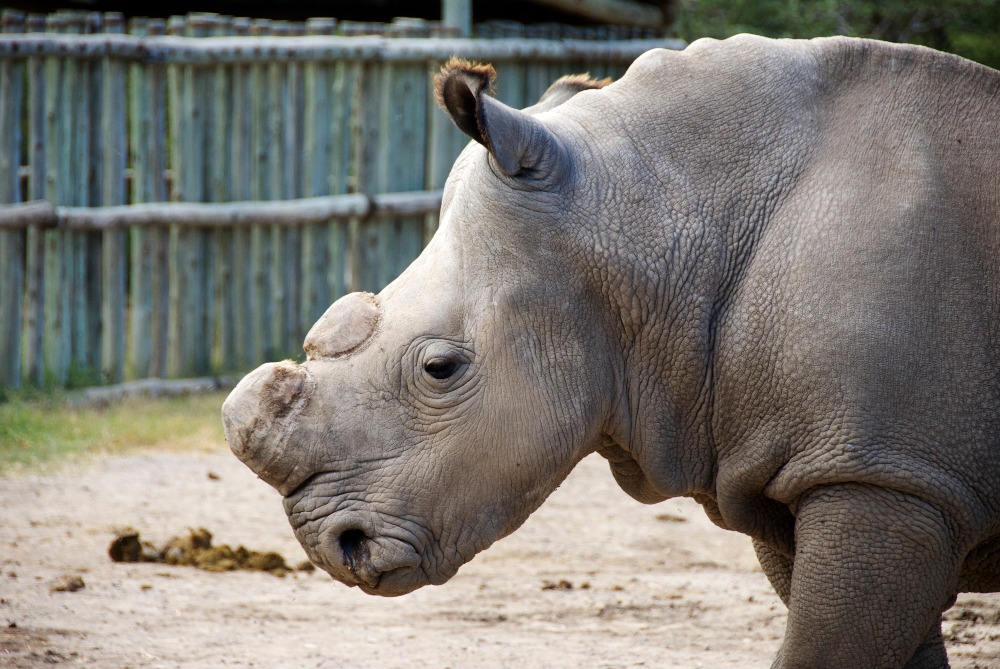
On Monday, July 27th Nabiré, a female northern white rhino at Dvůr Králové Zoo in the Czech Republic passed away. With the sad and recent deaths of Suni and Angalifu since the end of 2014, there are now just four northern white rhino left in the world. It could be the end of a species. Credit: Khalil Baalbaki/ZOO Dvur Kralove Sudan (named after his birth-place but living in Ol Pejeta Conservancy, Kenya) is the last northern white male in existence, and at 42 is in advanced old age for a rhino. The chances of him successfully mating are close to zero. Credit: Ian Aitken
The only hope now is to develop assisted methods of reproduction to allow new northern white rhino calves to be born. Given the age and reproductive health issues that affect the remaining females, we are exploring in vitro fertilization and an embryo transfer. We aim to combine eggs from the remaining females with stored northern white sperm to create embryos that can be carried by surrogate southern white females.
This has never been successfully carried out with rhinos before. It will be costly – we are working towards £0.5m (approx. $0.8m). It could take 12-36 months of research to develop the new techniques required. There are no guarantees of success. But if we are successful, we will save a species.
You might well ask: “Why bother?” or “Most species have gone extinct over time, what’s the problem?” or “Couldn’t this money be better spent on other threatened species, including black rhino?”
We wish we could give you the ultimate answer but beyond sheer, inspirational beauty, the maintenance of global biodiversity and the chance to see wild rhinos roaming free in central Africa at some stage in the future, we can’t. Credit: Erico Hiller
However, when you consider the value of this magnificent species please consider:
£0.5m (approx. $0.8m) to save a species for now, for your children and for your children’s children…
Versus the same amount to buy…
16 m2 of real estate in Monaco (172 square foot), or
62,500 space hoppers, or
One Lamborghini, or
43 Methuselah bottles of 1990 Cristal Brut Millennium cuvée , or
5 and a bit, Supercharged Range Rover SVR Sports, or
Half of an Xten, Pininfarina designed office chair
Please see foot of this page for links to sources.
Feel free to share in your comments any more crazy comparisons as to how £0.5m ($0.8m) could be spent compared to saving a species.
Please contribute and help us make a new baby northern white rhino. Any and all funds raised here will go directly to the northern white rhino programme.
For more information please contact Richard Vigne, CEO of Ol Pejeta Conservancy, or Jan Stejskal, Director of International Projects at Dvur Kralove Zoo, by simply posting a message to this Go Fund Me page.
——-
Important information:
There is no guarantee of success. We could spend this money and fail. But we hope that you will agree that it is worth trying.
Even if we do succeed it could take us much, much longer than the time frames we are hoping for as outlined above.
We estimate that we need to raise £0.5m (approx. $0.8m) before fees to make this work but we could be wrong – we could need more and would continue fundraising.
Should any funds remain after success or failure, then the committee set up to safeguard the northern white future will reinvest those monies into protecting the world’s remaining rhino species.
The northern white rhino programme is administered by a committee comprised of the Kenya Wildlife Service, the Ol Pejeta Conservancy in Kenya, Dvur Kralove Zoo and the Ministry of Environment in the Czech Republic, and Back to Africa with support from Fauna and Flora International and the Lewa Wildlife Conservancy.
The northern white rhino is technically recognised as a subspecies by IUCN AfRSG. For simplicity we have chosen to communicate this campaign under the banner of ‘Save a Species’ in recognition that northern white rhino genetics are uniquely adapted to their habitats and are subsequently irreplaceable and we believe invaluable.
This campaign has been set up by Robert Breare and Jan Stejskal. Robert is Chief Operating Officer of Ol Pejeta Conservancy, home to three of the last four northern white rhino. Jan is Director of International Projects at Dvur Kralove Zoo, owner of all four remaining northern white rhinos. Their identity can be confirmed by checking out LinkedIn here and here or staff pages on OPC or DK Zoo website . GoFundMe also runs extensive verification checks.
August is here!! which means school term is over for a majority of the kids. Which also means that your kids will need entertaining.
For those of you planning to take your kids off to some fun destination this August, we have compiled some facts you need to put into consideration before you embark on your travels.
Image source: Kuoni
Let’s be honest. Traveling with young children during holidays is a hassle for a number of parents. This can be attributed to kids throwing tantrums, becoming disorderly and a nuisance hence messing up with the whole fun.
Traveling with small children doesn’t need to get on your nerves though. With a bit of know-how on how to manage them, good recollections can become of the road trip. Traveling with them should be a moment to ignite indelible memories of joy and provide a platform to bond well with them without much worry.
Here are a number of tips you can put in place before you go for a vacation with small children.
Safety for the kids
When hitting the road, safety comes first. Is your car in good condition? Are the seat belts well fitted? Or is the children’s car seat comfortable? In case you are going to use different cars make sure the seats are comfy for them to enjoy when traveling regardless of the distance.
Look for a child friendly hotel
Quite a good number of hotels in tourist attraction sites are not child-friendly to a degree of exposing kids to stress or danger. Before settling in any of the rooms, as a parent you have to make sure the room is well lit, windows and doors are well fitted to keep the kids out of cold weather in cases of winter/cold seasons. You should also take note of those doors with noisy hinges that may wake up kids while in sound sleep. If the room has a balcony, make sure the guard rails are firmly fitted and not providing a chance for them to pass through to an extent of falling off the balcony. If not change your room real quick.
Eat at nice hotels
Remember you are on vacation and everything has to be exciting mostly for the kid(s) so as his/her attention cannot be diverted. The hotel should be appealing to the little angel(s) ask the waitress/ waiter if certain kinds of foods are offered to avoid giving the children food they are not fond of. DON’T do buffets. Some hotels have a low food turnover and this can result to food poisoning not only to the kids but also, you as an adult. To avoid this, you can look for a busy hotel where you can be sure the food served is very fresh. You can also request for a comfortable sitting arrangement that won’t ruin other people’s peace at the hotel since kids tend to pull tables or run around disrupting other people.
Engage the children….
It is rewarding to include the kids in activities during the outing. It is sensible that children are kept aware of the trip. Involving them in planning, shopping makes them feel part of the trip. This will help impart some sense of responsibility. When in a park, let them learn to take photo shots or if it’s a fishing escapade for instance, teach them how to do it. It will help them recollect the memories after the trip.
Finally, you can never be sure of weather patterns and though you are guaranteed of experiencing fatigue, you may not know if the kids will develop some allergy while on the trip. It’s therefore of much essence that you carry some medicine with you.
If you are a beer lover, then you are probably aware of the craft beer movement that is currently taking our country by storm. Although the said trend hasn’t been around for very long, production of craft beer has seen tremendous growth in Kenya over the past few years and is gaining skyrocketing popularity, at least in Nairobi.
The first African country to see the onset of craft beer brewing was South Africa. It has to date, with over 120, seen nearly as many craft breweries as those in Czech Republic crop up. Most of these popped up within the last ten years, hinting to the rest of the continent that this kind of brew is here to stay.
But what exactly is craft beer?
Beer Enthusiast Jonathan Gharbi, author of “Beer guide to vietnam and neighbouring countries”who travels for beer tells us more about craft beer and his experience with Kenyan craft beer breweries during his visit to the country. His blog www.beervn.com is about Vietnam where he visited 45 microbreweries. He is soon to start a new blog that will cover African breweries and beer culture in the continent starting with Kenya.
Author of “Beer guide to vietnam and neighbouring countries” Jonathan Gharbi
ZK First off, Karibu Kenya! Hope you are enjoying your visit?
JG Thanks. I do like it here, the climate is perfect, not all agree but for me it is. There are so many nice beers too, so I am happy.
ZK So for those who are not familiar with this kind of brewing, what exactly is Craft beer?
JG Craft beers, unlike industrial beers which are produced on large scale are beers made in small batches, for local customers only. The Craft brewers focus on creating a flavorful, high-quality beer which in most cases is very different from the mass-produced beers like Tusker, white cap, Heineken, Carlsberg, and others which most Kenyans are familiar with.
When you drink a hand-crafted or “craft” beer you are enjoying a fresh, natural beer made using time-honored methods with a lot of passion poured into it.
ZK There’s a tendency to assume that a craft beer must be better than a mass-produced beer, how true is this, are these beers better?
JG Craft beer like wine is about flavor and taste. Sometimes to keep costs down, mass producers may substitute their ingredients or speed up the fermentation process with enzymes that make a beer concentrate of sorts. Handcrafted beer on the other hand, is produced using only the best ingredients and brewers do not cut corners in order to lower cost of production.
So yes: Craft beers are more delicious and flavorful as the brewers spend time focusing on the quality of their beer. With this choice of drink, you are sampling distinctive full-bodied taste and aroma achieved by interpreting traditional styles with new twists. Lagers like Carlsberg, Tusker, white cap and others on the other hand, tend to be pretty bland stuff, aimed at the broadest possible range of tastes…thin body, short aftertaste, no flavors. You need to keep in mind though that some beer lovers just want to enjoy an alcoholic drink and don’t pay much mind to taste and flavor.
ZK Having sampled the craft beer spots in Nairobi, which one would you best recommend and why?
JG I was able to visit three craft beer spots; Sierra Lounge, Brew Bistro and the newly launched, Sirville brewery.
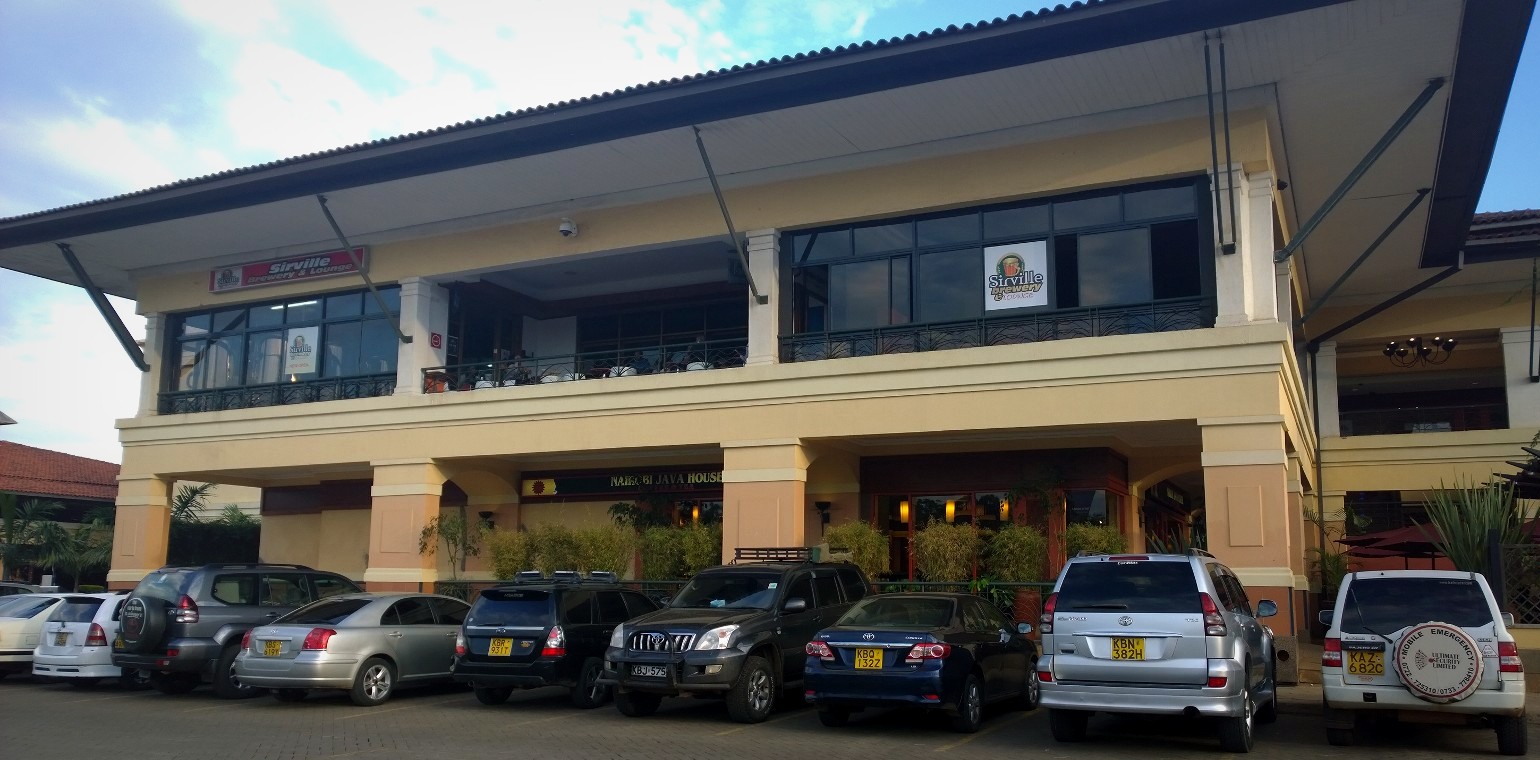
The newly opened Sirville Brewery and Lounge in Galleria
If you want a change of scene from the all too common lagers, begin with a tasting at sierra lounge, Yaya Shopping Mall. Owned by Ozzbeco, Sierra is a larger scale craft brewery stuck between craft and industrial beer. They make tasty beers and occasionally offer seasonal beers. Once or twice a year they offer special brew such as the german styled Maibock.
Brew Bistro located at Piedmont plaza, Ngong Road is a more typical craft brewery. This small scale brewer produces 1000 litres of brew at a time using 5 kinds of hops and malts. The pub provides a variety of beers each with its own description and story.
The third spot, newcomer sirville brewery, opened late last year in Galleria shopping mall has a typical microbrewery set in the same size as brew bistro’s. Being new in the market, the lounge is still testing the waters with different kinds of beers trying to find their clients’ tastes so you won’t really get much of craft beer here.
To answer your question on which one I would recommend, I like brew bistro because of their variation of beer. However I think sirville is exciting because they are new. Sierra on the other hand is very big, with good beer but not much charm.
ZK Tell us more about these breweries…
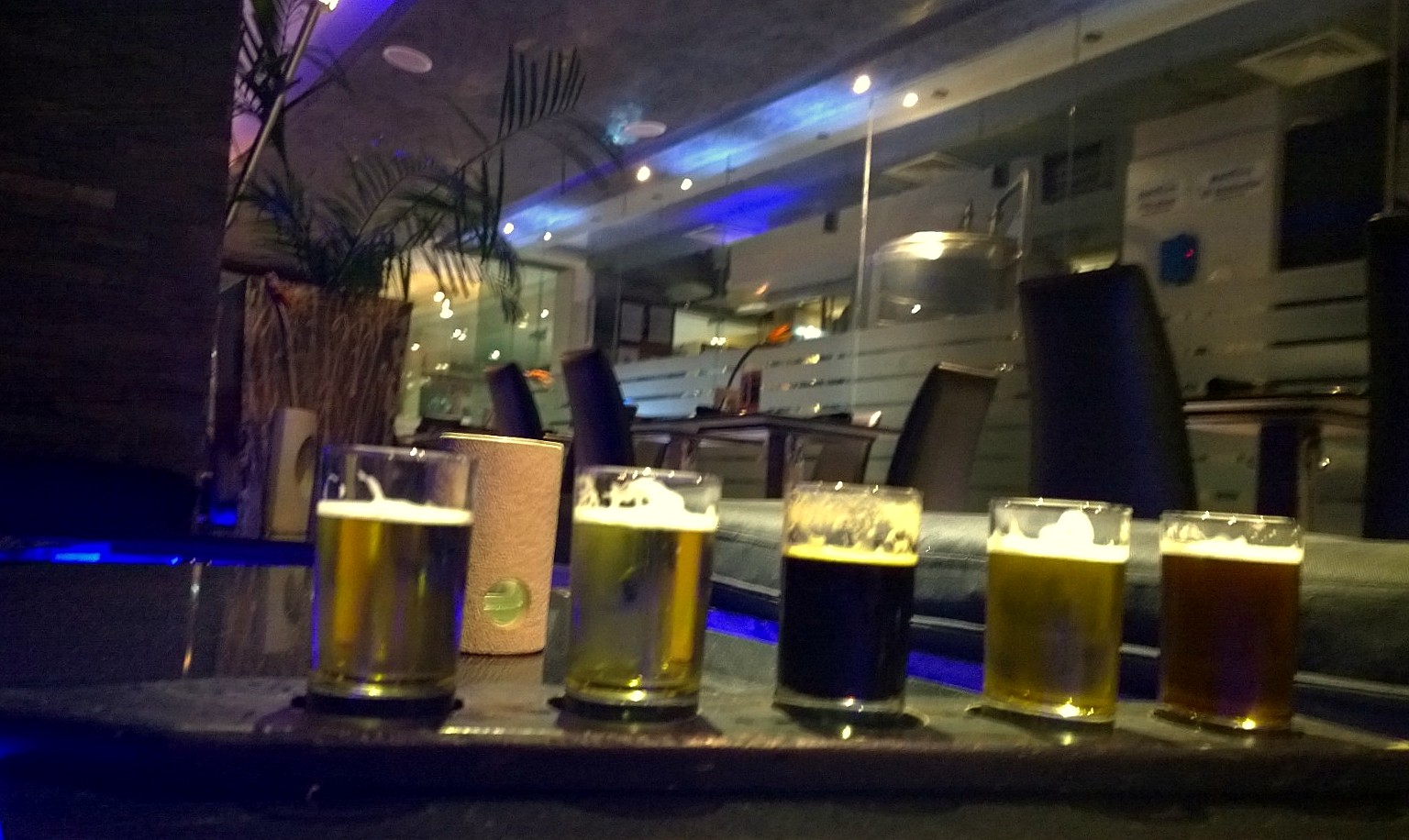
JG Sierra, which is the first craft brewery in the country, went from a small boutique brewery to a more industrial one with a capacity of 2 million liters a month and that Journey in less than 10 years. Beers here are sold on tap as well as cans and bottles. The lightest in their range is platinum and then follows Blonde, Amber and Stout.
Brew Bistro opened in 2009 is the most popular spot among beer lovers today. This brewpub has a good spectrum of beers that are only available on tap with the brewery placed just in the middle of the bar. The pub has a variety of special beers made with a traditional crafty approach. They also sell a wider range of malt and hops.
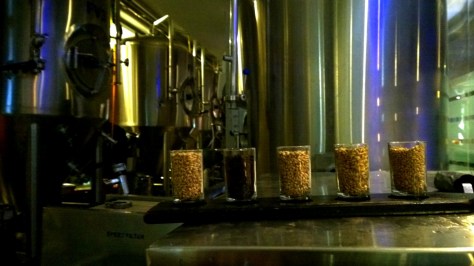
Though just recently launched, Sirville Lounge uses the most experienced brewer you can find in Nairobi with 30 years in the business and five years at Brew Bistro. Since it’s still new, beers at the brewery are adopted and not as bold yet. However starting July 2015 Sirville will brew Stout which is promising and as soon as more beer enthusiasts come in, the beers at the lounge will also change. Today they have four beers on tap, all made in the small microbrewery.
ZK What beers would you recommend to other beer lovers from the three craft breweries?
JG Sierra Lounge offers Sierra Platinum and Sierra Blonde which are not craft per se, just more industrial. Their beers Amber and Stout however, are for sure craft and worth trying out.
At Sirville, Amboseli Bitter is your best bet. With good body and a nice finish, you will feel some fruity notes in it.
My favorite at Brew Bistro was definitely the Stout; very tasty with coffee notes and a good finish.
ZK Other than craft beer, what other Kenyan beers have you been able to sample and how do they compare to other beers you’ve had in other countries?
JG I find that Kenyan beer is like any other beer in the world. Miller lager and miller light in the US, Carlsberg in Denmark, Tiger from Singapore, Hanoi beer from Vietnam, Bitburger from Germany, all are similar to Tusker, Tusker Lite, White cap, Pilsner and Summit Beer.
ZK Finally, how would you rate the craft beer breweries you visited while in town?
JG Brew bistro is the established and most international styled craft brewery. Servile on the other hand being new is yet to get a clear identity. It does however offer both local traditions and a strong craft beer culture.
Sierra brewery does not have a brewpub which is very sad. They also produce international lagers such as platinum so the risk is that they may soon stop making craft beer and just do international styled lagers at a huge scale instead.
Summary: I like sirville because they are new and open to ideas however Brew Bistro offers you a wider range of craft beers and the best experience. Sierra falls short since they are one foot in the craft beer culture and one foot in the industrial beer market offering thin and boring lagers.
Craft beer is a wide spread trend and like wine, it’s just a matter of time before people start choosing their beer for taste and flavor, and not bottle brand.
One of the coolest perks to drinking craft beer is that you actually get to meet the individuals brewing your favorite drink. What’s more, with craft beer; you are not stuck with the same boring, flavorless, thin-body beer all year round. Each craft beer pub that exists provides you with different brewing styles, special recipes and ingredients as well as different brewer perspectives. Every brewer makes their own beer, in their own special way.
With so many exciting craft beer pubs popping up all around the city, beer enthusiasts are getting a taste of fresh, local creative beer…no more bland stuff! If you haven’t yet, I dare you to give it a try. Who knows? you might even trade in your favorite lager. Oh and good luck in trying to find just one favorite beer.
This past weekend we drove down to Rukinga Ranch to catch some action of the KCB Voi Rally.
The one-day event which took place on Saturday the 6th, was flagged off at the KCB Voi Branch after which, rally traffic proceeded to Voi stadium for the spectator stage at 3 minutes intervals as par the start order.
After flag-off, cars transported directly to Rukinga Ranch Service from where they were to tackle competitive sections among them, Simba (51km), Ndovu (33km) and Twiga (16km) stages. Simba, Ndovu and Twiga were repeated twice to make up a competitive mileage of 202km. The total distance of the rally was 274km.
The KCB Voi Rally attracted a star-studded entry of 53 cars featuring three Super 2000 cars, a myriad Group N cars, two Ford Fiesta R5s, two–wheel drive Toyotas, Classic Porsches and Ford Escorts, Group “S” Subaru and Mitsubishi machines and specially prepared vehicles (SPVs) which are non-homologated.
KNRC’s current leader Jaspreet ‘Jassi’ Chatthe who also tops the FIA African Rally Championship (ARC) log secured his second win of the 2015 KCB Kenya National Rally Championship series at the event. Driving a Mitsubishi Lancer Evo10 under the ‘Team Kibos’ livery, he led from start to extend his lead at the top of the standings.
Jassi was using the Voi Rally to shape up for the Oryx Energies Rally of Tanzania next weekend.
“We just want to remain consistent and clean in the remaining events hoping that nothing unexpected happens. Its a busy season for us running in both the ARC and KNRC,” said Chatthe.
National champion Baldev Chager was placed second overall in a similar machine, a mere 33 seconds behind the leader. With a sole Skoda, Quentin Mitchell took third place.
The KCB Voi Rally was the first ever in the history of the KNRC series to go “carbon neutral” at Rukinga Ranch – which is part of a group called Wildlife Works. The event had been designed not to add carbon to the air.
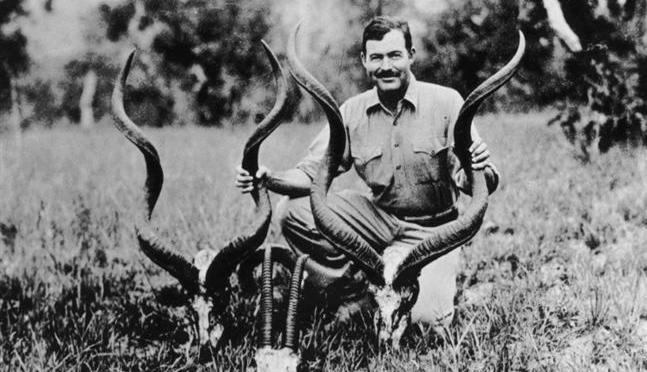
The legendary American writer Ernest Miller Hemingway (1899-1961), winner of the Pulitzer and Nobel prizes, was probably the one introducing the word ‘safari’ to the English language. Hemingway traveled in East Africa two times in his life and the experiences gave him material for several short stories and novels. The remarkable personality of Hemingway also contributed to the image of the Great White Hunter. He was probably not the greatest of hunters but he had a true love affair with the hunting experience, the nature and wildlife of Africa. Without learning the Swahili language he also managed to have some understanding of the Kenyans, which was far from common at that time.
“All I wanted to do now was get back to Africa. We had not left it yet, but when I would wake in the night, I would lie, listening, homesick for it already.”
First Safari
From early in his life Hemingway traveled more than most people at that time. He had an enormous appetite for adventure, war and danger. That gave him a chance to show of the macho image he was creating for himself all his life. The first visit to Kenya and Tanganyika was in 1933 with his second wife, Pauline. He was probably a bit bored at the time seeking out new inspiration. Early on the safari Hemingway was sick with dysentery. He stayed several weeks in Nairobi where he met other adventure seeking men from Europe and America. One of them was Bror Blixen, the husband of Danish writer Karen Blixen (Isak Dinesen). After continuing the safari and returning home Hemingway started writing the travel description “The Green Hills of Africa”. The book did not sell well at first, which depressed Hemingway, but his two major African short stories were quickly recognized to be among the highlights of his writings (The short happy life of Francis Macomber and The snows of Kilimanjaro)
The second safari
In the winter 1953-1954, Hemingway set of for Africa again. A bit older and changed – drinking far too much. Now traveling with his fourth and last wife, Mary, to enjoy another safari. He also wanted to visit his son, who was living in Tanganyika (Tanzania). The visit was in the middle of Kenya’s Mau-Mau rebellion ignited by later president Jomo Kenyatta. The rebellion against the British colonialists was very violent. Hemingway almost lost his life on this journey, but it was not as a victim of the Mau-Mau. As a matter of fact, it happened 2 or 3 times that Hemingway was declared dead (only the last time, of course, was it true). In January 1954 he had the rare chance of reading his own obituary notice. On the journey from Nairobi to Bukavo – Congo, he and Mary had several emergency landings in the small airplane together with the pilot Roy Marsh. They had two serious crashes near Entebbe in Uganda. They were alive, but wounded after the plane disappeared in flames. They decided to return to the luxury of New Stanley Hotel in Nairobi.
Hemingway wrote about this second safari and his flirt with a young, wakamba girl. The book is written as fiction, but most of it can be read as the diary of Hemingway. ‘True at first light’ was published posthumous in 1999. The unfinished manuscript was completed by his son Patrick. Ernest Hemingway shot himself on July 2nd 1961.
Things you may not have known about Ernest Hemingway…
1. He was a failed KGB spy
In the last few years of his life, Ernest Hemingway grew paranoid and talked about FBI spying on him. He was even treated with electroshock therapy as many as 15 times at the recommendation of his physician in 1960. It was later revealed that he was in fact being watched, and Edgard Hoover had personally placed him under surveillance. In 2009, the publication of Spies: The Rise and Fall of the KGB in America, revealed that the FBI was in fact right to spy on Ernest Hemingway, the Nobel prize-winning novelist, because he really was on the KGB’s list of its agents in America. Based on notes from a former KGB officer who was given access in the 1990s to intelligence archives in Moscow from the Stalin era, the book reveals that Hemingway was recruited in 1941 before making a trip to China, and was given the cover name “Argo”.
According to Soviet documents, he met with Soviet agents during the 1940s in Havana and London and “repeatedly expressed his desire and willingness to help us”. In the end, Hemingway turned out to be of little use to the Soviets however, as it’s claimed he failed to give them any political information and was never “verified in practical work”. By the 1950s, “Argo” was no longer an active Soviet contact. Some project that Hemingway’s escapades as a KGB spy were more likely all part of an elaborate charade by him to gather literary inspiration. Others suspect his paranoia over being watched by the FBI may have led him to take his own life.
2. Ernest Hemingway survived through anthrax, malaria, pneumonia, skin cancer, hepatitis, diabetes, two plane crashes (on consecutive days), a ruptured kidney, a ruptured spleen, a ruptured liver, a crushed vertebra, a fractured skull, and more.
In the end, the only thing that could kill Hemingway it would seem, was himself…
“In 1954, while in Africa, Hemingway was almost fatally injured in two successive plane crashes. He chartered a sightseeing flight over the Belgian Congo as a Christmas present to Mary. On their way to photograph Murchison Falls from the air, the plane struck an abandoned utility pole and “crash landed in heavy brush.” Hemingway’s injuries included a head wound, while his wife Mary broke two ribs. The next day, attempting to reach medical care in Entebbe, they boarded a second plane that exploded at take-off, with Hemingway suffering burns and another concussion, this one serious enough to cause leaking of cerebral fluid. They eventually arrived in Entebbe to find reporters covering the story of Hemingway’s death. He briefed the reporters and spent the next few weeks recuperating and reading his erroneous obituaries.”
3. Ernest Hemingway was charged with war crimes under the Geneva Convention when he took command and led of a group of French militia into battle against the Nazis.
Hemingway as a young soldier
Serving as a war correspondent during WWII, he had removed his non-combatant insignia and posed as a colonel. In the end, he was not convicted and claimed that he only offered advice and any titles given to him by the men were simply signs of affection. According to Hemingway himself, he and his unit were the first to enter the city during the Liberation of Paris, when he and his unit retook the Ritz Hotel, and more importantly the Ritz Bar, from Nazi control a full day before the Allied liberation force entered the city!
4. Ernest Hemingway killed himself with his favorite shotgun bought from Abercrombie & Fitch.
The suicide of his father haunted Hemingway until the day he followed his example. Indeed, depression and suicide plagued the Hemingway family: His grandfather committed suicide. two of Ernest’s sisters and his only brother, Leicester also killed themselves; two of his three sons received electroshock therapy for emotional turmoil; his granddaughter Margaux, a supermodel and sister of actress Mariel Hemingway, died in July 1996 in what was deemed a depression-related accident. Margaux and Mariel’s father, Hemingway’s eldest son John, now 75, has said with grim humor: “My brothers and I are determined to see just how long a Hemingway can live.” (Neil A. Grauer, Remembering papa)








 Credit: Khalil Baalbaki/ZOO Dvur Kralove
 Credit: Ian Aitken
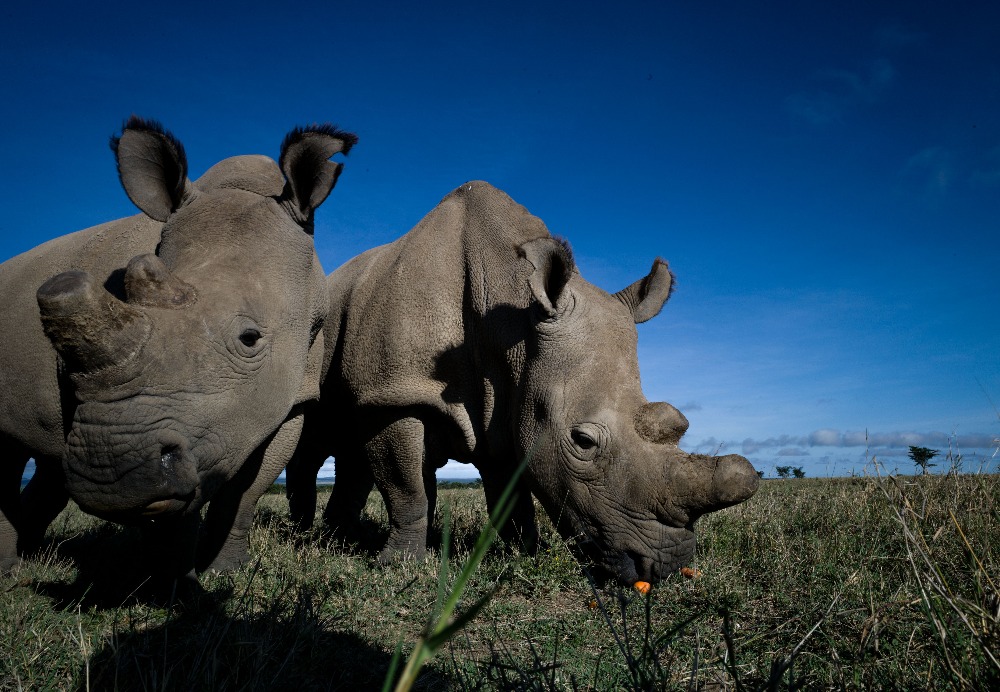 Credit: Erico Hiller









 Zuru Kenya